How Urban Dwellers Can Embrace Patio Gardening with Outdoor Living Today’s Urban Raised Garden Beds

Living in a condo often means sacrificing certain luxuries, like a backyard or ample green space. But with Outdoor Living Today’s Urban Raised Garden Beds, condo dwellers can enjoy the joys of gardening right on their patios. Tailored for small, urban spaces, these raised garden beds transform patios into lush mini-gardens, allowing you to experience the serenity and satisfaction of cultivating plants in a manageable, stylish setup.

Why Garden on a Condo Patio?

Urban condo living brings many benefits—convenience, vibrant city life, and efficient spaces. However, access to private outdoor space can feel limited, leaving many longing for a personal connection with nature. Patio gardening with raised garden beds offers condo dwellers an easy way to enjoy fresh herbs, flowers, and even vegetables, creating a green oasis in the city. This shift towards condo patio gardening is more than just practical; it’s an opportunity to cultivate a calming hobby, improve air quality, and create a beautiful outdoor focal point right outside your door.

The Perfect Garden Beds for Condo Patios

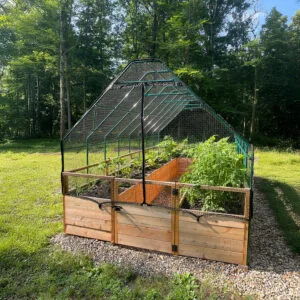
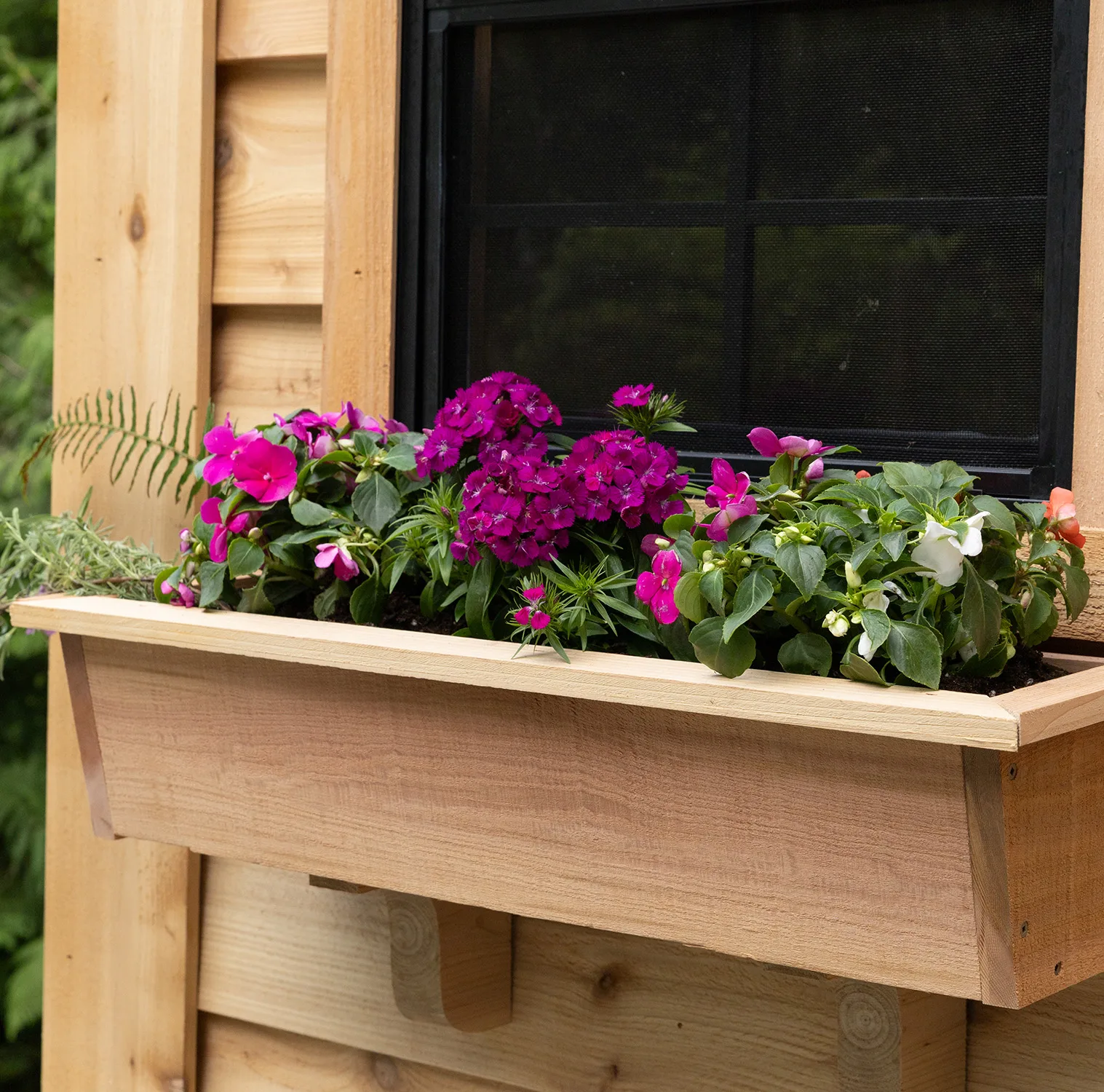
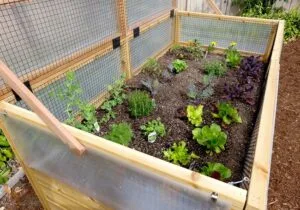
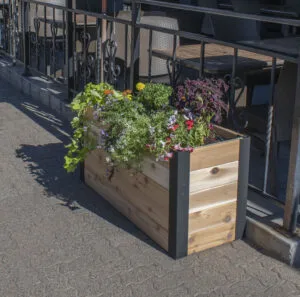
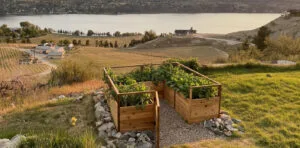
The Urban Raised Garden Bed 4×1.5 and 6×3 models from Outdoor Living Today have been designed specifically with urban spaces in mind. Both models come equipped with floors, allowing condo residents to enjoy gardening on patios and balconies without worrying about water runoff or damage to patio surfaces.

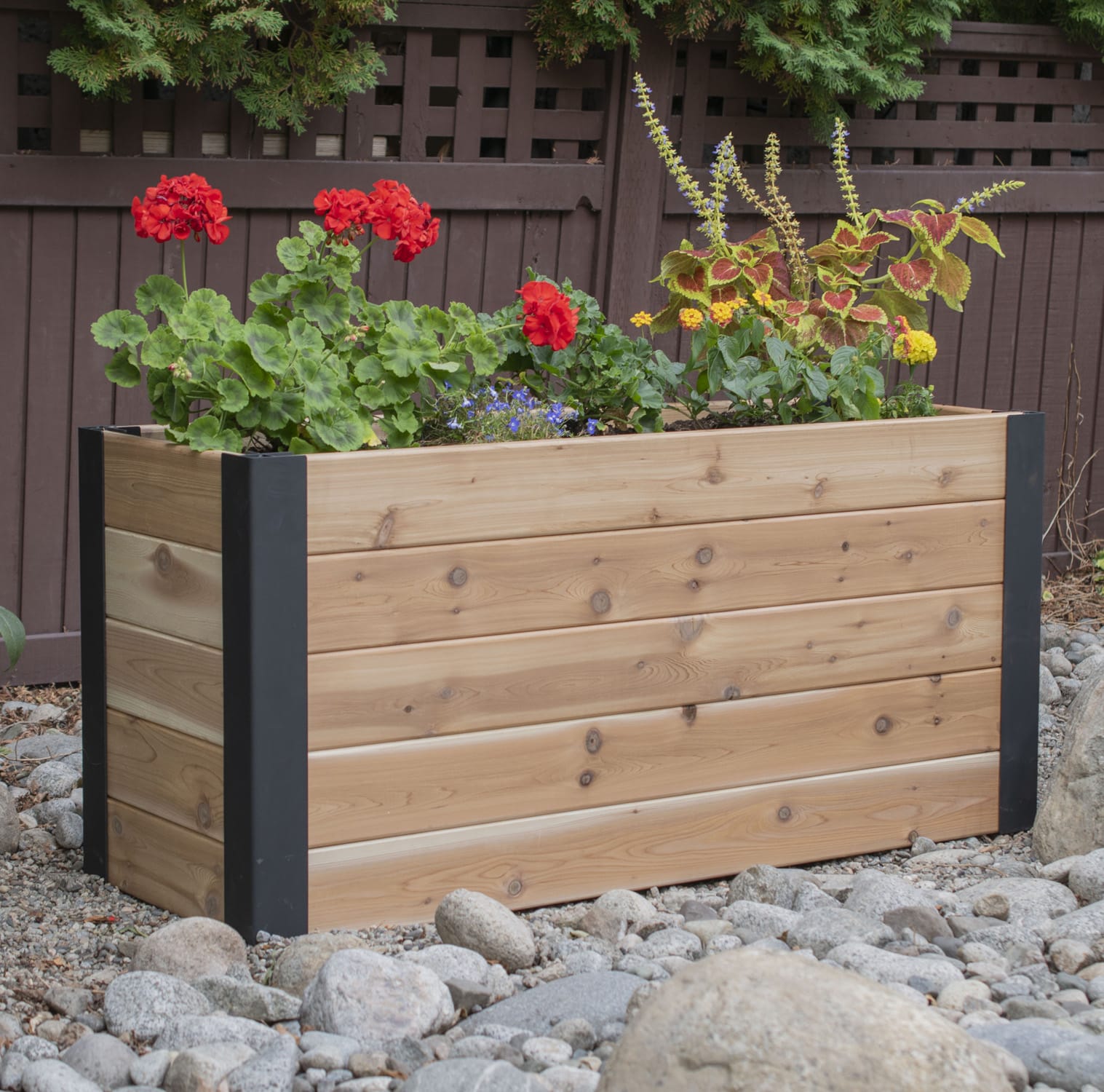
  • 4×1.5 Raised Garden Bed: This compact bed is ideal for smaller condo patios, providing just the right amount of space for a variety of herbs or small plants. It’s perfect for those new to gardening or anyone looking for a low-maintenance way to add greenery to their space.Urban Garden Bed 4x1.5 7
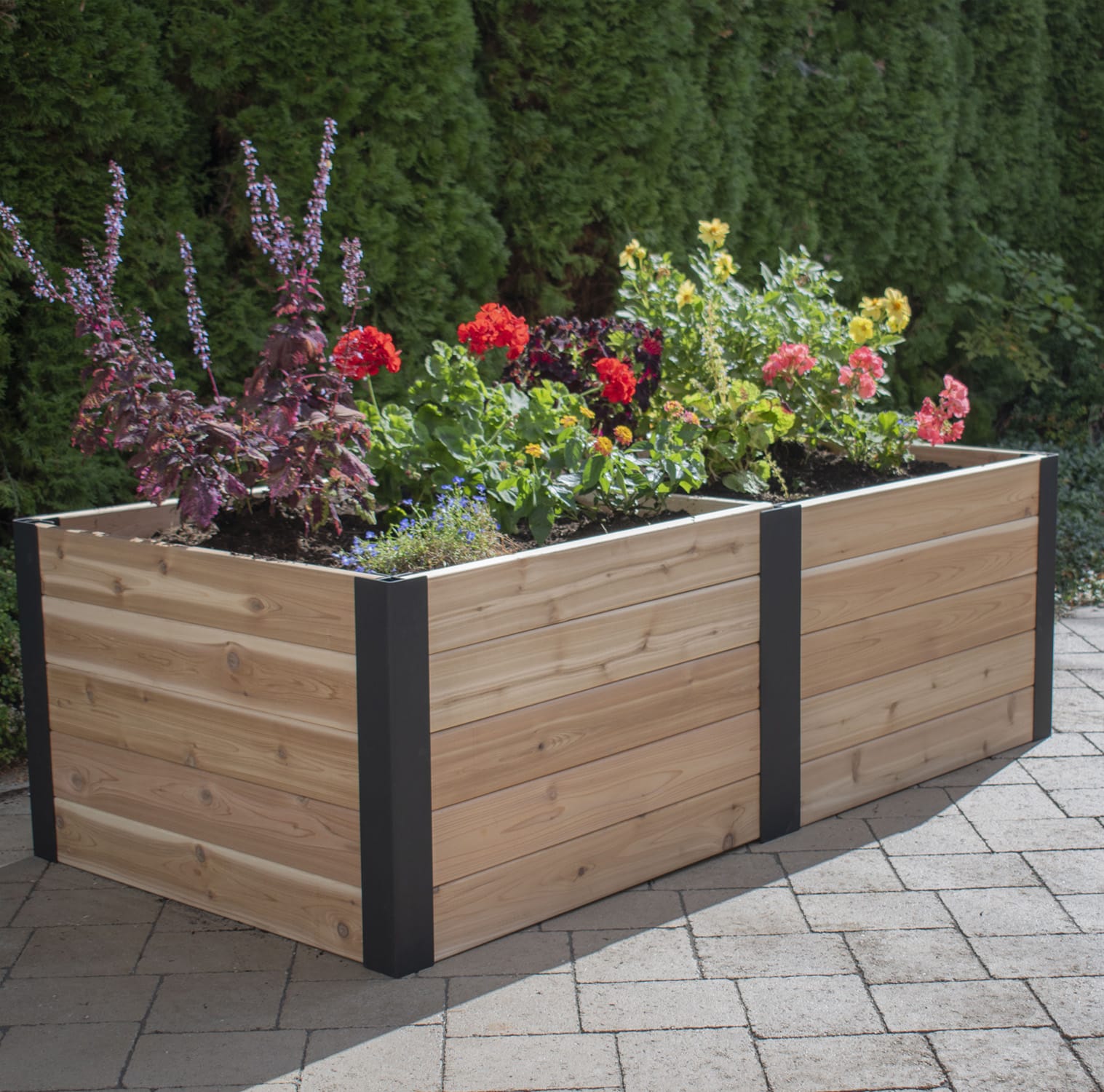
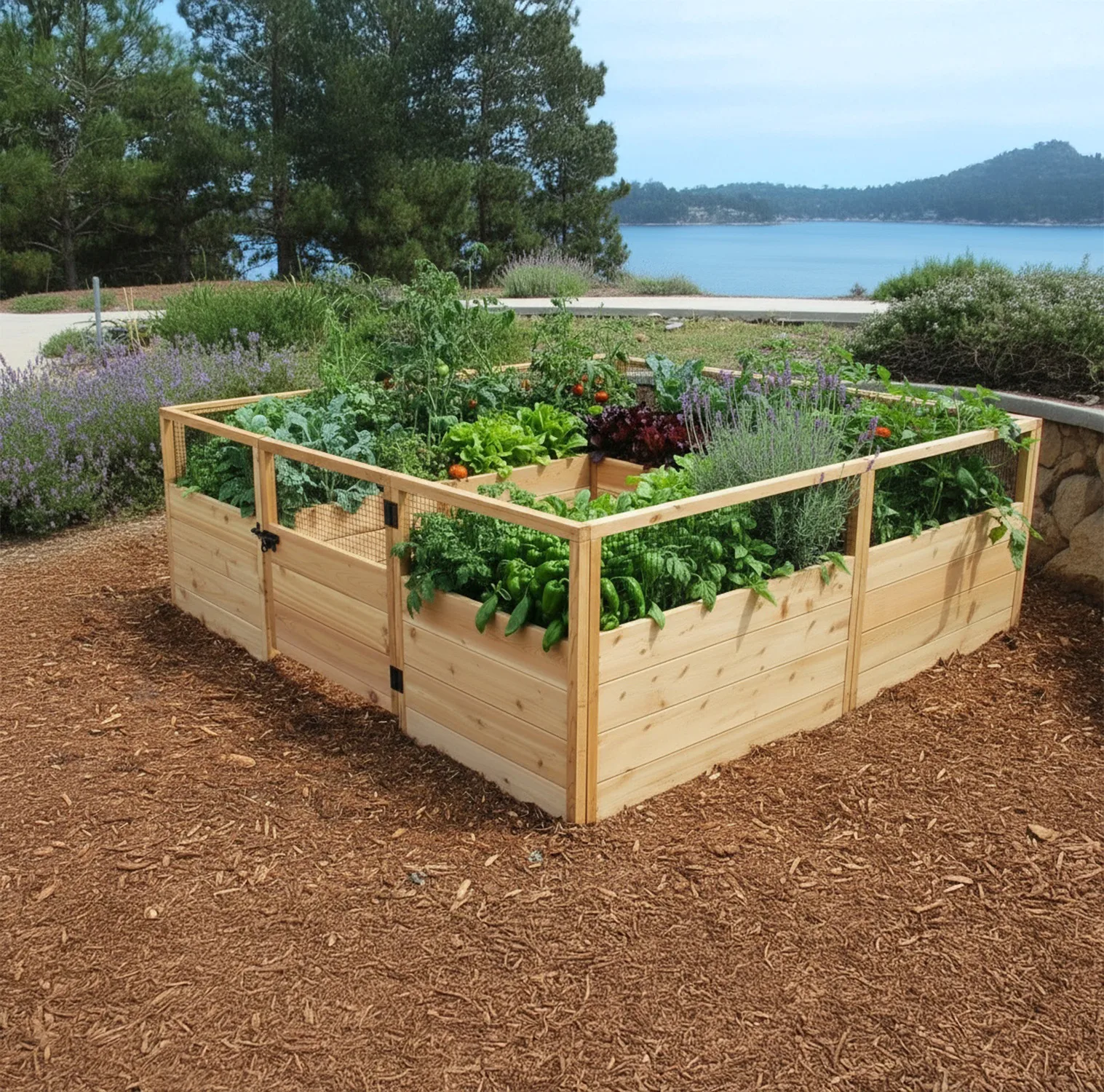
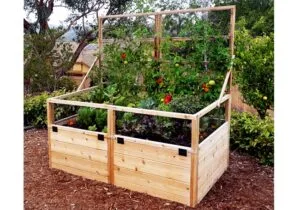
  • 6×3 Raised Garden Bed: For those with larger patios, the 6×3 model offers ample room to grow a wider range of plants, from leafy greens to flowers. It creates a lush, garden-like feel on any patio, bringing a touch of the backyard to your high-rise view.Urban RB63 2 1

Each model’s raised structure means plants are kept at an accessible height, making gardening enjoyable without the hassle of kneeling or bending, especially in a compact setting.

Benefits of Condo Patio Gardening with Raised Beds

1. Clean and Convenient Design

One of the biggest concerns with condo gardening is preventing mess on shared outdoor areas. The built-in floors of these raised beds help control soil, water, and fertilizer, ensuring that your garden stays tidy and manageable. This feature makes them an ideal choice for condos where you may need to be considerate of neighbors below.

2. Optimized Use of Space

For condo residents, every inch counts. These raised beds are designed to optimize small patio spaces, letting you cultivate a variety of plants without crowding. Vertical gardening options allow you to make the most of limited square footage, and the raised design provides extra storage for gardening tools underneath.

3. Easy Access and Minimal Upkeep

With the raised garden beds’ accessible height, tending to plants becomes easy and enjoyable. These models allow condo gardeners to experience the therapeutic benefits of gardening without requiring a large outdoor area. The compact, elevated design makes it easy to control pests, weeds, and watering, resulting in a healthier, low-maintenance garden.

4. Built for Urban Weather

Constructed from durable, naturally rot-resistant Western Red Cedar, these garden beds can withstand various weather conditions, making them perfect for exposed patios. Cedar’s natural resilience offers long-lasting beauty and function, even in urban environments where space and weather can be a challenge.

Building a Lifestyle with Patio Gardening

Adding greenery to your condo patio is about more than just beautifying your space; it’s about adopting a mindful, sustainable lifestyle. Patio gardening is a form of eco-friendly living, reducing your reliance on store-bought herbs or veggies while lowering your environmental footprint. Imagine the joy of cooking with fresh herbs you’ve grown or enjoying vibrant flowers as you relax on your balcony with city views.

Condo gardening can become a rewarding ritual that fits seamlessly into your daily routine, even in a busy urban setting. As you nurture your plants, you’re also nurturing a small sanctuary of calm and focus—a refreshing contrast to the city’s hustle.

Start Your Urban Gardening Journey

Outdoor Living Today’s Urban Raised Garden Beds make it easier than ever for urban residents to embrace the joys of gardening. With stylish, space-conscious designs that fit perfectly on a condo patio, these beds are designed to offer a taste of the outdoors, even in high-rise living. Embrace the beauty and benefits of a green space that’s truly your own, creating a vibrant, lush patio garden that reflects the best of city life—simple, beautiful, and alive with nature.
Read More

Everything You Need to Know Before Setting Up Your First Greenhouse

For many gardeners, the growing season feels frustratingly short. Spring arrives late, fall comes early, and unpredictable weather — from heavy rain to surprise frost — can derail even the best-planned garden. Add in pests, poor soil conditions, or limited outdoor space, and it becomes clear why more gardeners are turning to greenhouses.

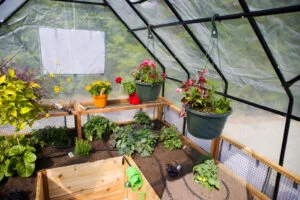
A greenhouse creates a controlled micro-environment that lets you grow healthier plants, experiment with new varieties, and extend your growing season well beyond what’s possible outdoors. Whether you're nurturing seedlings, growing heat-loving crops, or cultivating year-round herbs, the right greenhouse makes all the difference.

Outdoor Living Today’s Western Red Cedar greenhouses blend sustainability, craftsmanship, and smart design — helping gardeners create thriving plant environments that last for years.

This guide walks you through the essential steps to prepare for greenhouse gardening, so you can grow with confidence — from choosing the right style to managing climate, soil, water, and plant health.


Selecting the Right Greenhouse

What to Consider When Choosing Your Greenhouse

Before you plant your first seed, start by choosing the greenhouse that best supports your gardening goals. Consider your available outdoor space, budget, and the types of plants you plan to grow. This ensures you choose a structure that fits comfortably into your yard and supports the temperature, humidity, and light needs of your plants.

Outdoor Living Today offers a range of greenhouse sizes, including 8×8, 8×12, 12×12, and 12×16 Western Red Cedar Greenhouses and SunShed models. Each provides excellent durability, natural insulation, and timeless beauty.


Site Selection and Preparation

Choosing the right location is just as important as choosing the right greenhouse. This determines how much light your plants receive, how warm the interior becomes, and how efficiently you can maintain your greenhouse year-round.

Tips for Ideal Site Placement

Maximize sunlight exposure: Choose a location that receives full sun, ideally facing south for maximum winter light.

Remove obstacles: Clear away debris, low-hanging branches, or structures that may cast shadows.

Ensure a level foundation: A solid, level base prevents uneven settling and improves long-term structural integrity.

Prevent weed encroachment: Install a weed barrier to stop invasive plants from creeping into your greenhouse base.

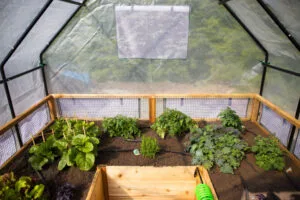
Raised Garden Bed Greenhouse cover 3

Sustainability: Why Cedar Makes a Difference

Western Red Cedar is one of the most sustainable greenhouse materials available. Harvested from responsibly managed forests in Canada and the United States, cedar has a naturally low environmental impact compared to synthetic or chemically treated materials.

Why Western Red Cedar is the Sustainable Choice

Naturally rot-resistant thanks to its oils (no chemical treatments required)

Long lifespan outdoors, reducing replacement waste

Low density, meaning cedar moves less in fluctuating temperatures

Lower environmental footprint during processing than many alternative materials

According to forestry researchers, responsibly managed cedar forests help ensure long-term ecological stability through controlled harvesting and regeneration.


Climate Control and Ventilation

Maintaining proper temperature and airflow is the key to greenhouse success. Without ventilation, heat and humidity can quickly build up — stressing plants, inviting pests, and promoting fungal diseases.

Outdoor Living Today’s greenhouses make ventilation easy with adjustable roof vents, allowing gardeners to regulate interior temperatures naturally.

Climate Control Tips

Open vents during hot afternoons to prevent overheating.

Use circulating fans to reduce stagnant air pockets.

Monitor humidity levels — excess moisture can lead to powdery mildew or mold.

Use automatic vent openers for consistent climate control.

Regulating temperature and humidity inside protected agriculture structures greatly reduces disease pressure and improves plant health.


Irrigation and Water Management

Greenhouse plants often require more consistent moisture than outdoor plants. However, overwatering is equally dangerous — leading to root rot, fungal issues, or nutrient leaching.

Best Practices for Greenhouse Watering

Use misting nozzles for humidity-loving plants like seedlings.

Consider a rainwater collection system (e.g., barrel kits) for sustainable irrigation.

Ensure proper drainage to prevent standing water and soil saturation.

According to industry data, greenhouse structures can reduce overall water use due to controlled irrigation and reduced evaporation.

Raised Garden Bed Greenhouse cover 4

Soil and Plant Selection

Greenhouse plants often require more consistent moisture than outdoor plants. However, overwatering is equally dangerous — leading to root rot, fungal issues, or nutrient leaching.

Choosing the right soil and plants is crucial for greenhouse success. The enclosed environment allows for better growth control — but it also requires that soil quality and plant selection be intentional.

Soil Tips

Use high-quality, well-draining soil enriched with organic matter.

Test soil pH and nutrients periodically to maintain optimal growth conditions.

Ensure soil has enough perlite, compost, and structure to support root systems.

Plant Selection Tips

Choose plants suited for greenhouse growing, including herbs, leafy greens, tomatoes, peppers, cucumbers, citrus, and specialty flowers.

Start seeds indoors in trays and transplant young plants when roots are established.

For quicker results, purchase healthy nursery plants and acclimate them to the greenhouse environment gradually.

Gardening Raised Bed Greenhouse 6x3 4 web.jpg

By incorporating a thoughtfully selected and well-prepared greenhouse into your gardening routine, you unlock a world of growing opportunities — from extending your growing season to cultivating healthier, stronger plants year-round.

With Outdoor Living Today’s Western Red Cedar greenhouses, you’re choosing a structure built for durability, sustainability, and long-term performance. Pair that with smart site selection, proper irrigation, balanced soil, and good climate management, and your greenhouse becomes a thriving oasis in every season.


Ready to create your own backyard greenhouse sanctuary?
Explore our full range of cedar greenhouses and start growing with confidence!

Read More

The Benefits of Using an Auto Watering System

How consistent watering, smarter timing, and less manual labor help your garden thrive.

Gardening is relaxing and rewarding. It gives you something meaningful to care for and it always feels good to see your plants grow. But it also takes time, especially when it comes to watering. Weather changes, busy days, vacations, or simple forgetfulness can all affect how consistently your garden gets watered.

This is where an auto watering system becomes incredibly helpful. It makes watering predictable, saves time, and gives your plants what they need without extra work from you.

In this guide, we explain what an auto watering system is, how it works, and the benefits you can expect when you start using one.


💧 What Is an Auto Watering System?

An auto watering system is a setup that waters your garden for you. Instead of standing outside with a hose or filling watering cans, the system delivers water through tubes or drip lines on a schedule that you choose.

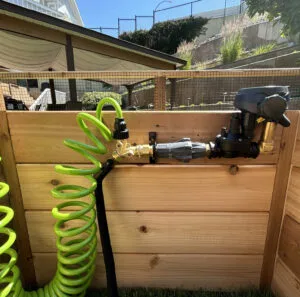
Many systems, including the Auto-Water System from Outdoor Living Today come with a programmable timer. You simply set the timing, connect it to your tap or hose, and let the system do the rest.

How it works: 

  1. Connect the system to your water source
  2. Lay out the drip lines or tubing
  3. Set your timer schedule
  4. Your plants receive consistent water at the right time of day

The result is stress-free, steady watering that protects your garden from overwatering or drying out.


🌱 Benefits of Using an Auto Watering System

Below are the advantages gardeners notice most when they switch to automatic watering. This applies to all gardens, and especially to raised beds where precise watering makes a big difference.

1. Save Money on Your Water Bill

Hand watering or using sprinklers often wets areas that do not need water. Pathways, empty soil patches, and surrounding edges can all soak up more water than intended.

An auto watering system only waters the plants that need it. This reduces waste and helps lower your water bill over time.

2. Healthier Watering for Your Plants

When you water by hand, it is very easy to overwater some plants and underwater others. Sprinklers can also miss certain areas or run too long.

An auto watering system applies water slowly and evenly. This leads to:

  1. Stronger roots
  2. Better growth
  3. Healthier soil moisture
  4. More consistent harvests

Your plants receive the same level of care every day, even when the weather changes.

3. Save Time and Reduce Physical Work

Watering can take a lot of time, especially during the hotter months. Dragging hoses and refilling watering cans also takes a toll on your back and shoulders.

Once your system is installed, your daily watering routine becomes simple. You spend more time enjoying your garden instead of maintaining it.

4. Fewer Weeds

When you water manually, the surrounding soil often stays wet. This creates the perfect environment for weeds to sprout.

Drip irrigation focuses only on the plant base. The soil around it stays drier, which reduces weed growth and keeps your garden beds cleaner.

For raised beds, this is even more effective because the soil is contained and easier to manage.

5. Better Soil Nutrition

Overwatering can wash nutrients away from the top layer of soil. This weakens plant growth and forces you to use more fertilizer.

Automatic watering keeps the soil consistently moist without flooding it. The nutrients stay where they should, which supports healthier plants and stronger yields.

6. More Flexibility in Your Schedule

Automated watering frees up your routine. You do not have to rush home to water your plants or worry about being away for a few days.

You can:

  1. Travel comfortably
  2. Garden on your own schedule
  3. Focus on pruning, harvesting, or caring for plants while another area waters
  4. Maintain steady growth even during heat waves

Whether you are a new gardener or someone with years of experience, this flexibility is a huge advantage.


🌿 Is an Auto Watering System Worth It?
It is one of the simplest upgrades that can improve your gardening experience right away. You will notice healthier plants, fewer weeds, lower water use, and more time to enjoy your outdoor space.

It works especially well with raised beds from Outdoor Living Today since the contained soil and targeted drip lines create a balanced and efficient watering environment.


Read More

How to Prepare Your Yard for the Seasons: A Complete Homeowner’s Guide

Preparing your yard for a new season—especially after months of harsh weather—sets the foundation for healthy grass, thriving plants, and an outdoor space that looks polished year-round. Whether you're getting ready for spring growth, fall clean-up, or general maintenance, a well-structured plan helps keep your landscape in great shape.

This updated guide walks you through simple, practical steps to prep your yard site, maintain your lawn, and create an outdoor space that stays beautiful in every season.


1. Start With a Landscape Plan

Before you grab tools or start cleaning, think about how you want your yard to look and function.

Having a landscape plan helps you:

  1. Understand your lawn’s needs
  2. Design around sunlight, shade, and drainage
  3. Avoid planting or building in poor locations
  4. Create a cohesive, polished look

If you’re unsure where to begin, consider consulting a landscape designer. A little planning now saves hours of frustration later.


2. Clean Up a Little (Then a Lot)

Winter storms, wind, and rain leave behind leaves, branches, and debris. Start with a simple cleanup session:

  1. Remove dead leaves and fallen branches
  2. Clear out debris under shrubs and trees
  3. Rake leftover thatch from the lawn
  4. Sweep pathways and hard surfaces

This first step immediately makes your yard look fresher and prepares it for deeper maintenance.

Raised Garden bed 8x8 western red cedar outdoor living today 2.jpg


3. Prepare the Soil

HEALTHY SOIL = HEALTHY LAWN

Once the surface is clear, prep your soil with seasonal nutrients:

  1. Apply fertilizer (choose one for your specific region/grass)
  2. Use a pre-emergent in early spring to prevent weeds
  3. Add compost or organic matter to restore nutrient balance
  4. Break up compacted areas with a tiller if needed

If you're planning new planting beds, raised beds, or edging, now is the time to shape the ground.


4. Mow Early and Consistently

One of the biggest mistakes homeowners make is waiting too long to mow in spring.

Mowing early and regularly:

  1. Encourages thicker, healthier grass
  2. Keeps roots strong
  3. Prevents weed takeover
  4. Sets the lawn up for lush summer growth

Aim to mow once every 4–5 days during peak spring growth.


5. Mulch It Too

Mulching is essential for moisture retention and healthy soil structure.

Choose quality mulch such as hardwood bark mulch, natural cedar mulch, and undyed wood chips.


Benefits:

  1. Helps regulate soil temperature
  2. Prevents weed growth
  3. Improves curb appeal instantly
  4. Keeps shrubs and perennials protected

6. Give Trees & Shrubs a Trim

Overgrown or dead branches can harm your lawn and your structures.

Trim:

  1. Dead or diseased branches
  2. Overgrown shrubs
  3. Limbs rubbing against your shed or fencing

Do this in early spring before plants start pushing out new growth.


7. Wait Until Fall to Seed (Depending on Region)

If you're fighting weeds or using pre-emergent, your grass seeds won’t germinate in spring. That’s why reseeding or overseeding is best saved for fall.

Fall conditions:

  1. Cooler temperatures
  2. Consistent moisture
  3. Fewer weeds
  4. Better root establishment


8. Additional Tips for a Yard That Stays Healthy

These small habits go a long way:

  1. Routine cleanup every few weeks
  2. Break new lawn ground with a tiller
  3. Build raised beds for vegetables and flowers
  4. Add small landscape berms for drainage
  5. Plant rabbit-resistant grass or groundcover if needed

Keeping up with maintenance prevents big seasonal overhauls later.


Looking for a quick visual guide?

This short video walks through practical steps for cleaning up your yard, prepping soil, and setting the stage for healthy growth.


Read More

Gardening is rewarding, but it can also be hard on your feet—especially when you're standing, bending, lifting, and moving across uneven terrain for hours. The right pair of insoles can significantly improve comfort, reduce fatigue, and help prevent long-term foot and joint issues.

This guide breaks down why insoles matter, the most common types available, and how each one supports gardeners who spend long days on their feet.

Why Insoles Are Important for Gardeners

Hours of gardening means constant pressure on the feet, ankles, and lower back. Heat, humidity, and uneven ground can make discomfort even worse. Insoles add a protective layer between your feet and your boots, providing:

  1. Better shock absorption
  2. Improved posture and alignment
  3. Reduced fatigue when working on hard or rocky surfaces
  4. Extra cushioning to prevent blisters, calluses, and pressure points
  5. Additional insulation to keep feet warm during early spring or late fall gardening

Why Gardeners Should Equip Their Work Boots With Insoles

Gardeners deal with harsh outdoor conditions—heat, moisture, and long hours of repetitive movement. Insoles help counteract common problems such as:

  1. Swollen or sore feet after prolonged standing
  2. Pressure on ankles and knees from digging, hoeing, and bending
  3. Blisters from boots that don’t fit perfectly
  4. Foot fatigue from uneven ground
  5. Moisture buildup, which can lead to fungus or infections

A well-chosen insole adds comfort, improves stability, and reduces the risk of foot injuries over time.

General Types of Insoles to Try Before Choosing a Specialized Pair

If you're new to insoles, start with these versatile, easy-to-find options:

1. Support Insoles

Designed for stability, these insoles help distribute weight evenly across your foot and reduce stress on joints. They’re ideal for beginners and offer reliable performance for most gardening tasks.

2. Comfort Insoles

Made from softer materials, comfort insoles provide cushioning during long periods of standing. While not meant for extremely heavy work, they are great for light-to-medium gardening.

3. Height-Increasing Insoles

Although originally meant to add height, these insoles offer surprising benefits for gardeners:

  1. Reduced pressure on heels
  2. Extra cushioning for heavy tools like rakes or shovels
  3. Better distribution of weight across the foot
  4. Lower risk of foot wounds or ulcers
  5. Improved flexibility and freedom of movement

Memory Foam Insoles

Memory foam is a top choice for gardeners seeking maximum comfort. Originally developed by NASA, this material shapes to your foot, providing customized cushioning with several advantages:

  1. Excellent moisture absorption—keeping feet dry in humid weather
  2. Breathability that prevents infections from sweat buildup
  3. Even pressure distribution on uneven terrain
  4. Reduced fatigue after long gardening sessions

Memory foam insoles adapt to your movements, making them ideal for gardeners who work on mixed surfaces like gravel, soil, and stepping stones.

Conclusion

Anyone who spends long hours doing physical outdoor work can significantly improve their comfort—and prevent long-term injuries—by investing in a quality pair of insoles. The right pair reduces foot pain, protects joints, and makes gardening more enjoyable.

Whether you choose support, memory foam, or height-enhancing insoles, your feet will thank you after every gardening session.

Read More

A lush, thriving garden is beautiful, but many regions across the country are dealing with ongoing water shortages. Choosing drought resistant plants that need less water is one of the easiest ways to reduce water use, lower your bills, and create an eco-friendly garden that still feels vibrant.

Drought resistant plants go far beyond cacti. There are flowering perennials, shrubs, herbs, and groundcovers that can tolerate dry conditions once established. In the first few weeks or months, these plants still need consistent watering, but after they settle in, they will survive and even bloom when rainfall is minimal.

Below is a full guide to drought resistant plants along with simple tips to help you get the most out of a low-water landscape.

Watering Tips

If your garden includes both drought resistant plants and plants that need more frequent watering, it helps to adjust your routine. A good general rule is deep watering once a week so the soil can absorb at least an inch of water. Watering the leaves can encourage fungal growth, so always water at the base of the plant. Mulch is a powerful tool because it slows evaporation, reduces watering needs, and keeps the soil cooler during hot months.

Drought Resistant Plants

Yarrow ‘Coronation Gold’

Golden yellow flower clusters rise above tall gray-green foliage. Yarrow grows up to three feet and thrives in direct sunlight and well drained soil.

a bunch of yellow flowers that are on a tree

Silver Artemisias

This aromatic plant adds fragrance and texture with its soft silver leaves. It grows between one and a half to four feet depending on the variety and needs full sun and well drained soil. It can spread quickly, so dividing it regularly helps control growth.

a close up of a plant with many leaves

Purple Coneflower

A popular perennial that loves direct sunlight and well drained soil. Mature plants reach between two and four feet tall and bloom with bold purple flowers.

a close up of a bunch of purple flowers

Tall Bearded Iris

This hardy plant grows in full sun and well drained soil. It blooms in spring with vibrant purple flowers and sword-like leaves, reaching around two feet in height.

purple and white flower in tilt shift lens

Rosemary

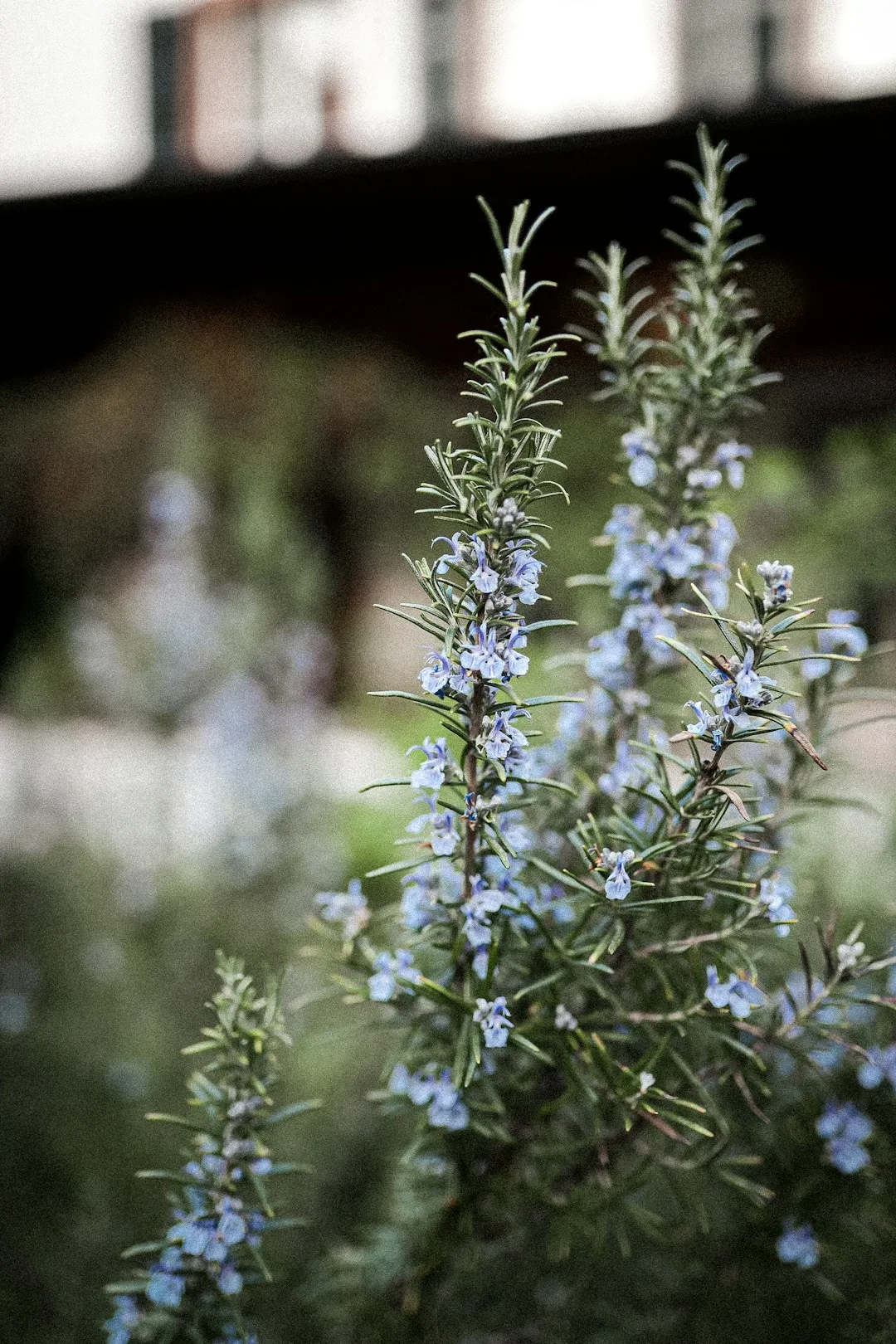
A fragrant herb with needle-like leaves. Rosemary thrives in full sun and dry soil and offers both ornamental beauty and culinary use.

purple flower in tilt shift lens

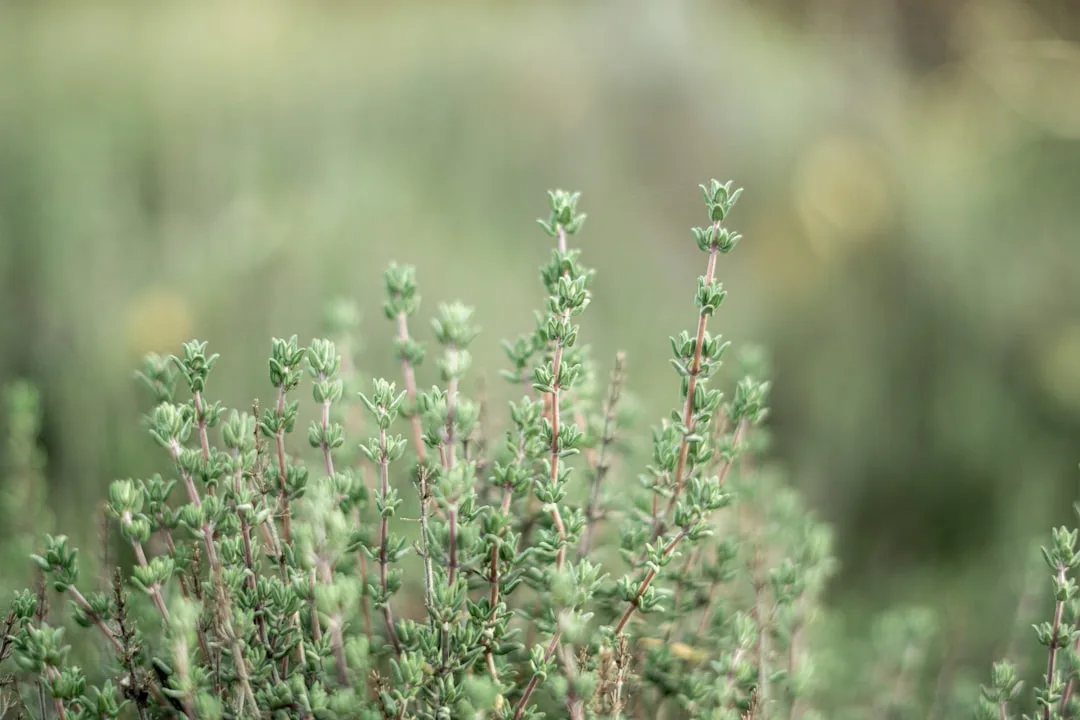
Common Thyme

A compact garden herb that blooms in late spring and early summer. It grows well in full sun or light shade and reaches about one foot in height.

pink flowers in tilt shift lens

Lavender

A staple in drought tolerant gardens. Lavender grows between two and three feet with spiky silver foliage and blooms in various shades of purple, white, or lavender depending on the variety.

lavender flower field blooms at daytime

Common Sage

This plant’s woolly gray leaves add texture throughout the growing season. It grows between two and three feet and performs best in full sun with well drained soil.

a close up of a bush with leaves

Hens and Chicks

A hardy succulent with rosette-shaped leaves. It grows easily in sun or partial shade and needs soil that drains quickly.

a close up of a plant with many leaves

Snow-in-Summer

A very low growing plant with silver foliage and star-shaped white blooms. It thrives in full sun and soil that does not stay wet.

a close up of white flowers

Creeping Phlox

This groundcover forms a vibrant carpet of color in late spring. It grows two to six inches tall and makes an excellent border plant.

a bunch of purple flowers that are blooming

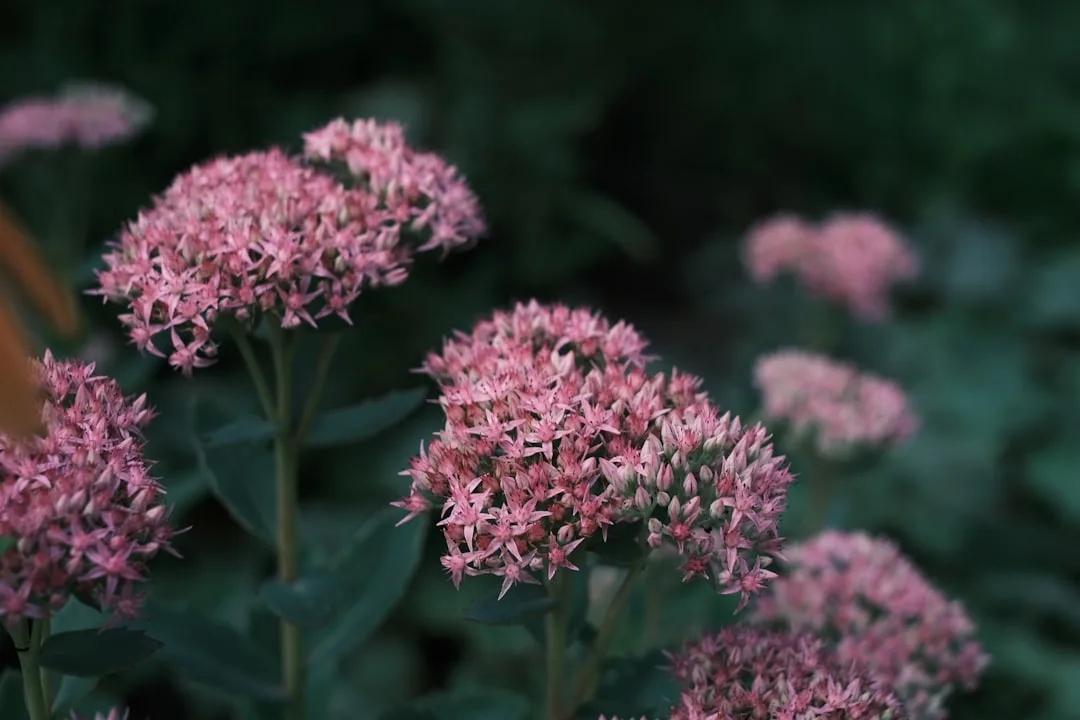
Sedum

A low maintenance succulent with evergreen foliage. Sedum grows well in fertile or average soil, blooms in summer, and can reach about four inches tall depending on the variety.

a close up of a bunch of pink flowers

Creating a Truly Eco-Friendly Garden

A sustainable garden is not only about choosing the right plants. You can support a healthy ecosystem by collecting rainwater in barrels, using mulch to reduce evaporation, and improving soil health so it retains moisture longer. These small steps will keep your garden lush while reducing unnecessary water use during dry months.

Conclusion

Building an eco-friendly garden with drought resistant plants gives you a beautiful outdoor space that requires less water and effort. These plants bring color, texture, and resilience and make gardening more sustainable all year long. With thoughtful plant selection and a few simple watering habits, you can enjoy a garden that thrives even through dry seasons.

Read More

Six Creative Ways to Refresh Your Outdoor Space

Creating a beautiful backyard doesn’t have to be expensive. With a little creativity and a few simple DIY upgrades, you can refresh your outdoor space without stretching your budget. Whether your yard is large or small, there are plenty of affordable ways to add personality, comfort, and charm using materials you already have or inexpensive items from local shops.

Below are six budget-friendly backyard decorating ideas that help you transform your outdoor space into a relaxing, stylish retreat.


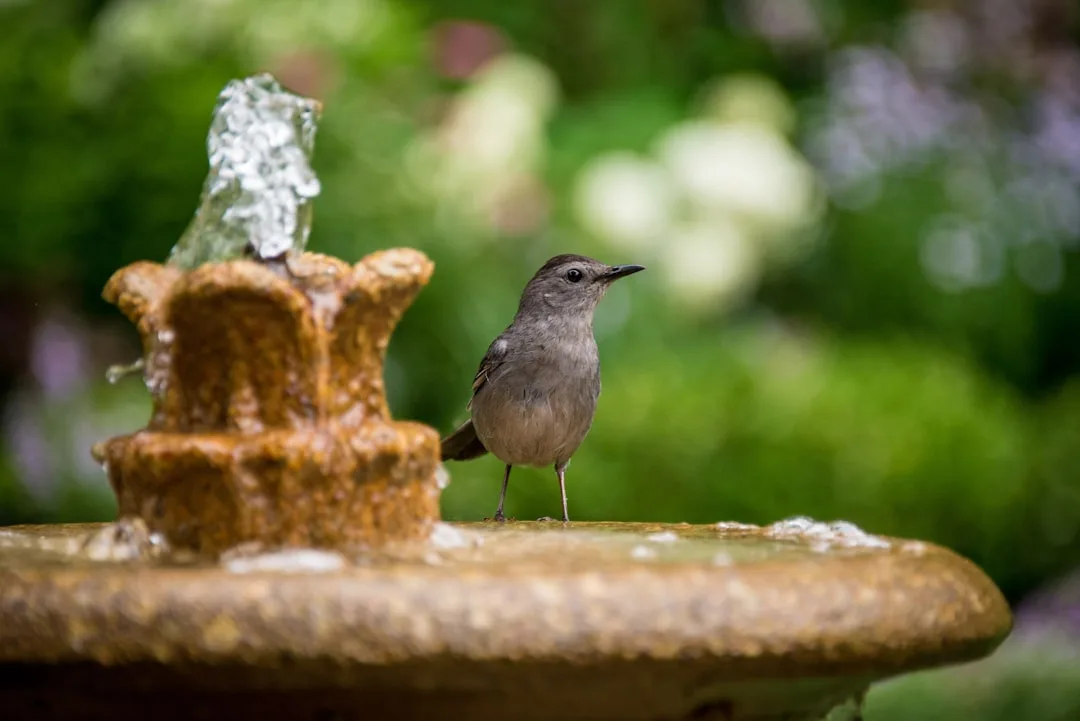
1. Add a Fountain Accent

A small fountain instantly elevates a backyard by bringing in sound, movement, and a calming atmosphere. Instead of investing in an expensive built-in feature, opt for a compact fountain kit. These kits are affordable, easy to assemble, and designed to fit seamlessly into gardens of all sizes.

Place the fountain near a seating area or in the center of a flower bed to create a peaceful focal point.

DIY Tip:
Use a large ceramic pot or planter as the base for your fountain kit — it looks elevated, costs less, and adds a custom touch.

brown bird on brown fountain

2. Upcycled Tire Planters

Instead of throwing away old tires, turn them into colorful planters. Stack one or two together, fill them with soil, and plant hardy, low-maintenance flowers or herbs. Tires add height, color, and personality — perfect for budget-friendly décor.

DIY Tip:
Spray-paint the tires in bold colors before planting to create a coordinated, modern look.

green plant in brown pot

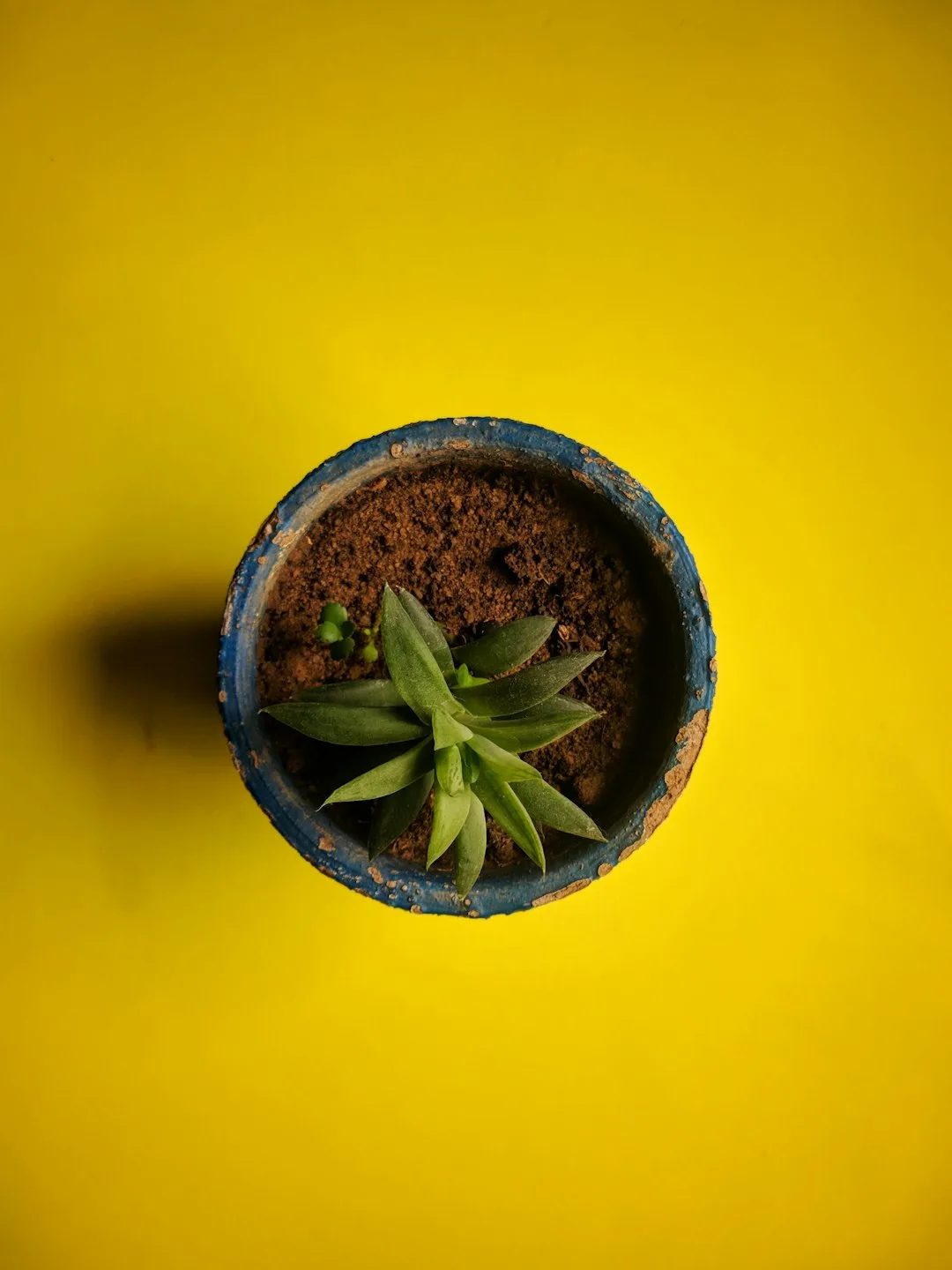
3. Create a Simple Rock Garden

Rock gardens are low-cost, low-maintenance, and perfect for unused corners of a yard. Use gravel, stones, and succulents to craft a peaceful, Zen-inspired landscape without needing professional help.

Place larger rocks as anchors, then fill in spaces with gravel and potted plants for texture and depth.

DIY Tip:

Collect stones from your yard or neighborhood (where allowed) to save money and add natural variety.

a pond with rocks and plants

4. Glow-in-the-Dark Painted Planters

Light up your backyard at night by painting pots and planters with glow-in-the-dark paint. During the day, they look like regular décor; at night, they create a magical effect around paths, patios, and garden beds.

DIY Tip:
Add two coats of glow paint for longer-lasting illumination — the effect is strongest after a full day of sunlight.

A yellow lamp and potted plant on a wooden table.

5. Create an Outdoor Entertainment Corner

Build a cozy gathering space using simple furniture, string lights, and a DIY pergola kit. A small cedar pergola adds structure, shade, and a natural focal point without requiring contractor labor.

Once assembled, decorate with pots, lanterns, and outdoor cushions to create a relaxing hangout.

DIY Tip:
Hang sheer curtains or use inexpensive outdoor fabric panels to soften the look and add privacy.

Christmas at the Pergola 006

Read More

A practical guide to help your garden transition from summer to winter.

As the weather cools and days grow shorter, your garden naturally begins to shift into dormancy. Fall is the perfect time to prepare the soil, tidy up plantings, and complete simple tasks that will set your garden up for success when spring returns. With a few intentional steps, you can protect your plants through winter and ensure a healthier, more productive growing season ahead.

Below are the essential, easy-to-follow tasks that help your garden finish strong and start the next season even better.


Examine the Garden

Before diving into fall tasks, take a slow walk around your garden and assess what needs attention.

Look for:

  1. bare or compacted soil that needs amendments
  2. overgrown plants ready to be divided
  3. bulbs that need lifting before frost
  4. herbs or tender plants that must be brought indoors

This simple overview helps you plan your next steps.


Add Soil Amendments

Fall is the ideal time to replenish your soil. Summer growth depletes nutrients, and enriching the soil now gives it months to rebuild before spring planting.

Consider adding:

  1. compost
  2. aged manure
  3. mulch
  4. slow-release organic fertilizer

Work amendments into the soil using a fork or tiller while the ground is still warm. This boosts microbial activity, prevents compaction, and improves water retention through winter.

Tip: Amending soil in fall reduces the workload during spring planting.

12x16 Space Master Double Door Barn Shed Western Red Cedar Shed Outdoor Living Today 2.jpg

Remove Herbs Indoors

Tender herbs decline quickly once temperatures drop. Bring potted herbs inside before the first frost so you can continue using them through winter.

Place them in:

  1. a bright window
  2. a warm porch corner
  3. an indoor grow-light setup

This keeps your herbs thriving until outdoor temperatures rise again.


Apply Weed Killer on the Lawn

Many weeds germinate in late summer and prepare to grow aggressively in spring. Applying weed control in fall stops that cycle.

Keep in mind:

  1. apply only on calm, dry days
  2. keep pets off the lawn for a few hours
  3. follow product instructions carefully

This step results in fewer weeds when your lawn greens up again.


Collect Seeds

Fall is the best time to gather seeds from mature plants. This gives you free seeds for next year and helps preserve heirloom varieties.

For best results:

  1. allow fruits and flowers to fully ripen
  2. soak seeds in water to separate pulp
  3. dry seeds thoroughly before storage

Store them in a cool, dry, labeled container for spring use.


Remove Mulch from Stems and Trunks

Fall is the best time to inspect trees because leaves have dropped and branches are visible.

Remove branches that are:

  1. cracked
  2. rotting
  3. hanging loosely
  4. leaning near structures

This prevents winter storms from causing unnecessary damage.


Final Thoughts

Preparing your garden in autumn is one of the most impactful ways to support healthy growth in the year ahead. These essential steps lighten your spring workload, rejuvenate your soil, and protect plants during winter dormancy. A little effort now gives your garden a strong foundation for vibrant, early growth once warmer weather returns.

Read More

How to Prepare Your Shed for Winter

Sheds do more than hold tools — they protect your equipment, keep your outdoor space organized, and help your backyard function smoothly throughout the year. However with changing seasons, temperature shifts, moisture, and pests, your shed needs the right care to stay in great condition.

Whether you have a Western Red Cedar shed or another outdoor structure, regular maintenance ensures it lasts for decades, performs well in every season, and stays visually beautiful.

This guide walks you through practical, easy-to-follow steps to prepare your shed for winter — and maintain it year-round.

1. Start With a Deep Clean

A seasonal reset gives you a clean slate and prevents moisture, pests, and clutter from building up.

Steps:
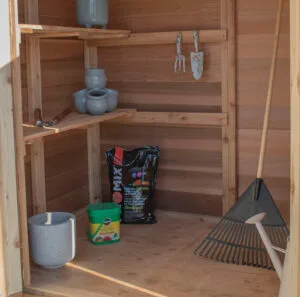
  1. Remove everything from your shed
    Lay tools, pots, and supplies outside on a tarp.
  2. Sweep thoroughly
    Clear dust, cobwebs, leaves, and soil from corners and floors.
  3. Wash your tools
    1. Scrub soil off shovels and trowels
    2. Rinse pots
    3. Let everything dry fully to prevent rust

2. Spruce Up the Shed Structure

A shed made of Western Red Cedar naturally resists rot and insects — but seasonal inspections still help it last longer.

What to Check:

Cracks or gaps in panels → Fill with exterior caulking

Door swelling or sticking → Sand lightly & reseal

Loose hardware → Tighten hinges, handles, and locks

Flooring wear → Apply stain or sealant for added protection

4x2 Garden Chalet Cedar Shed Outdoor Living Today Western Red Cedar 2.jpg

3. Keep Pests Away

Garden sheds attract bugs, rodents, and spiders — especially in colder months.

How to Protect Your Shed:

Set pest traps inside corners and along walls

Seal any gaps, especially around windows and doors

Store fertilizer and soil in sealed containers

Keep the floor debris-free to discourage nesting

4. Maintain the Exterior Area

Plants and moisture can harm your shed if left unchecked.

Seasonal Exterior Care:
  • Clear shrubs, grass, and plants from touching the wood

    Maintain 3–5 inches (7.6–12.7 cm) of space between vegetation and the shed

    Remove debris, leaves, and mulch piled against the walls

    Ensure gutters (if applicable) are clear and draining properly

This reduces the risk of moisture buildup and improves airflow around the structure.

Why Western Red Cedar Sheds Perform Better Through the Seasons

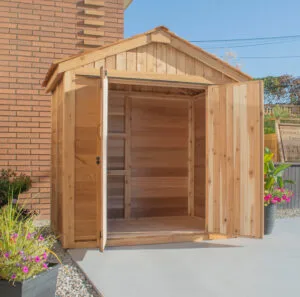
Western Red Cedar naturally contains oils that protect it from insects, decay, and moisture — making it a high-performing wood for outdoor structures. It’s dimensionally stable, long-lasting, and sourced sustainably from responsibly managed North American forests.

Thinking About Upgrading Your Shed?

Explore Western Red Cedar sheds handcrafted in Canada — built for longevity, sustainability, and year-round performance.
👉 Shop Sheds
👉 Read More Guides

Read More

Cold weather doesn’t mean gardening has to stop. These hardy vegetables thrive in cool temperatures and keep your backyard productive all season long.


Broad Beans

Broad beans are one of the easiest winter crops to establish. Planted in fall, they root deeply, resist frost, and mature earlier than spring-sown beans.

Tip: Choose overwinter-friendly varieties like Aquadulce Claudia for reliable cold-weather performance.

green round fruit in close up photography

Asparagus (Establishing Beds in Fall)

Fall is the ideal time to start asparagus crowns—allowing them to settle and strengthen before spring. Once established, an asparagus bed can produce for 15–20 years.

Tip: Keep the planting area weed-free during fall to give new crowns a strong start.

green and brown plant on black textile

Peas & Pea Shoots

Peas tolerate cool temperatures extremely well. Sow closely spaced seeds in fall to enjoy tender shoots and early spring pods.

Tip: Pea shoots grow quickly—snip the top leaves for salads and stir-fries while allowing plants to keep producing.

green round fruits in close up photography

Garlic

Garlic thrives when planted before winter. The cold period encourages strong bulb development, giving you larger, more flavorful cloves at harvest.

Tip: Plant cloves 1–2 inches deep (depending on soil type) and mulch lightly to protect them from frost heave.

white bulb

Onions & Shallots

Sets planted in fall develop strong roots before winter, producing bigger bulbs by late spring. Options like shallots and winter onion varieties perform exceptionally well.

Tip: Space sets 6–8 inches apart to promote airflow and discourage rot during wet, cold months.

brown onion lot

Lamb’s Lettuce (Mâche)

A cold-loving green that thrives even in freezing temperatures. Lamb’s lettuce grows fast, requires little maintenance, and adds delicate flavor to winter salads.

Tip: Sow every 2–3 weeks for continuous harvests throughout the season.

green leaves in close up photography

Winter Lettuce

Hardy lettuce varieties like Winter Gem or Meraviglia d’Inverno stay productive through frost when grown under fleece or in a cold frame.

Tip: Harvest outer leaves first to keep the plant producing through the winter.

green-leafed plant

Spinach

Spinach loves cool weather and produces sweet, tender leaves when grown in fall. Because it’s slow to bolt in cold temperatures, you’ll enjoy steady harvests.

Tip: Protect young seedlings with row cover to extend the season and prevent frost damage.

green leafy vegetables
Read More