Why Wood Choice Matters (and Why Cedar Wins)

Outdoor wood structures add warmth, beauty, and long-lasting function to your property — but only if they’re properly protected from moisture, insects, and weathering. Whether you’re maintaining a shed, pergola, greenhouse, or garden bed, understanding what causes wood decay (and how to stop it) can dramatically extend the life of your investment.


What Causes Wood Decay and Degradation?

Wood decay is caused when fungi break down the cellular structure of timber. For these fungi to survive, they need moisture, oxygen, moderate temperatures, a food source (wood itself).

Once active, decay fungi can weaken wood fibers, cause color changes, create softness, lead to cracks, checking, and structural instability.

Wood degradation also includes non-fungal damage such as UV exposure, weathering, insects, fire.

Together, these elements speed up wear and reduce a structure’s lifespan.


Why Western Red Cedar Holds Up Better

Western Red Cedar is one of the top-performing woods for outdoor structures due to its:

  1. Natural resistance to rot, decay, and insects
  2. Low density and inbuilt air pockets that reduce moisture retention
  3. Exceptional dimensional stability (less warping, less movement)
  4. Low-maintenance surface
  5. Long lifespan even when exposed to the elements

Because of its natural durability, cedar is commonly used for sheds, pergolas, greenhouses, garden beds, playhouses, and outdoor furniture. 

If you want longevity with minimal upkeep, Western Red Cedar is one of the best choices.
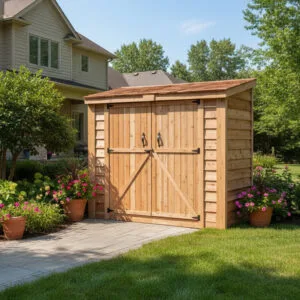
12x16 Space Master Double Door Barn Shed Western Red Cedar Shed Outdoor Living Today 2.jpg

How to Prevent Wood Decay in Outdoor Structures

1. Start With the Right Wood

Using durable species like Western Red Cedar (Thuja plicata) is a promising long-term solution. It naturally resists decay without relying on chemical preservatives.

Pressure-treated lumber offers some protection, but moisture control is still essential — preservatives alone can’t stop water absorption.

2. Control Moisture Exposure

Moisture is the #1 cause of wood decay.

To reduce it:

  1. Ensure proper drainage around structures
  2. Keep soil from touching the wood (especially garden beds, playhouses, sheds)
  3. Reapply a water-repellent finish as needed
  4. Repair leaks or standing-water areas right away

Reducing moisture dramatically slows fungal activity.

3. Stop Rot From Spreading

If you notice rot:

  1. Identify the moisture source

  2. Dry the area

  3. Cut away or treat affected wood

  4. Apply a fungicide or protective finish

    Early treatment prevents it from spreading into nearby components.

4. Paint or Stain for Added Protection

Opaque paints provide strong weather protection thanks to high pigment content. They’re best applied in a factory setting for a smooth, long-lasting finish.

If painting onsite:

  1. Prime first
  2. Apply a durable topcoat
  3. Ensure the surface moisture content is under 16%

5. Choose Oils or Clear Finishes Carefully

Clear varnish or unpigmented oils can protect wood while showcasing its natural grain — but they generally:

  1. Have very low UV protection
  2. Require more frequent maintenance
  3. Should not contain wax if you plan to paint later

Always check with a qualified retailer for the right product choice.

6. Use Wood Stains for Added Protection

Wood stains:

  1. Protect against weather
  2. Enhance wood character
  3. Require re-application every few years

They’re a great middle-ground option if you want both aesthetics and durability.

7. Consider Translucent Coatings

These give a paint-like film while still showing wood grain.

Re-apply as needed (location-dependent) to keep the structure protected and looking new.


The Best Finishes for Outdoor Wood

Here’s a quick summary of common finishing options:

Finish Type

Protection Level

UV Protection

Best For

Opaque Paint

Excellent

Strong

Sheds, pergolas, exposed structures

Wood Stain

Good

Moderate

Sheds, garden beds, outdoor furniture

Clear Varnish / Oil

Mild

Low

Interior-facing wood or shaded structures

Translucent Coatings

Very Good

Good

High-visibility cedar products

Boiled linseed oil is commonly used to seal wood and slow degradation — but must be applied carefully.


Ready to Build With Longer-Lasting Wood?

Explore outdoor structures handcrafted from premium Western Red Cedar — sustainably sourced, naturally durable, and built for long-term performance.

Shop sheds, pergolas, garden beds and more at Outdoor Living Today.
Read More

4 Ways to Make Your Gazebo Warm, Inviting, and Beautiful at Night!

Outdoor lighting can completely transform a gazebo. With the right setup, your structure becomes a cozy gathering space for evening dinners, late-night conversations, or ambient backyard relaxation. The best part is that many lighting ideas do not require an electrician and can be done with simple, affordable materials.

Below are four creative gazebo lighting ideas that enhance style, improve safety, and add atmosphere to your outdoor space.


1. Fairy Lights

Fairy lights are one of the most popular lighting choices for gazebos because they are easy to install and create an instant warm glow. Wrap them around posts and railings or drape strands across the roofline for a soft, inviting look. You can also extend the lights to nearby trees for added effect.

While traditional incandescent lights work, LED fairy lights are a better option. They stay cool to the touch, use less energy, and last for years even when left on for long periods.

DIY Tip:
Use small adhesive hooks or clear zip ties to secure the lights neatly around posts and railing. This keeps the strands tight, clean-looking, and prevents them from sagging over time.

string lights on blue textile

2. Chandeliers and Pendant Lights

A chandelier inside a cedar gazebo adds unexpected elegance. Homeowners often choose brass fixtures, frosted glass pendants, rustic wooden chandeliers, or repurposed statement pieces for a unique touch.

You can match wall sconces to your main fixture for a cohesive look. Pendant lights made of hammered glass, woven fibers, or paper shades also work beautifully for outdoor settings.

DIY Tip:
If you don’t want to hard-wire a fixture, choose a lightweight battery-operated chandelier. Hang it using a sturdy ceiling hook, and swap in rechargeable batteries to keep it glowing all season.

turn-on ceiling lamp

3. LED Ribbon or Tape Lights

LED tape lights create sleek lines of illumination. These adhesive ribbons can be installed along handrails, under roof edges, or around bench seating. They provide consistent, low-heat, energy-efficient lighting and come in many colors.

Tape lights are flexible and can be cut to fit, although trimming should always follow manufacturer instructions to avoid damage.

DIY Tip:
Before installing, clean the wood surface with a dry cloth so the adhesive sticks properly. Map out your lighting path with painter’s tape first to ensure even spacing and a straight line.

a black room with a white light coming from the ceiling

4. Sparkle Balls

Sparkle balls are a fun, family-friendly project. They are typically made from clear plastic cups and LED mini lights. By stapling the cups into rounded shapes and threading lights through the openings, you can create glowing orbs that hang beautifully from the gazebo ceiling.

Use white lights for a clean aesthetic or colored lights for a festive feel. Sparkle balls make excellent decor for holidays, outdoor parties, and summer evenings.

DIY Tip:
Use a hole punch or soldering iron to create small, even holes in the plastic cups. This makes threading the lights easier and helps the sparkle ball glow more evenly once assembled.

A chandelier hanging from a ceiling in a room

The consideration and exercise of these safety tips when building a shed should be a part of the planning and building of a garden shed. People tend to take safety for granted at times. Imagine the pain that you go through and the time you lose to nurse a painful black thumb nail or cut finger, remove a sliver from your hand, or any other injury that may happen while you are working on your structure. It pays to be careful.

Being careful can save you time and discomfort! And do not forget it can save you money too!

There are safety tips that you should pay attention to so that you can lower the chances of these injuries. Building a shed for your garden should be an experience that you enjoy and have fun with, not a painful one.

5 Safety Tips When Building a Shed

Here are five safety tips that you should follow to prevent accidents from happening and injuring yourself:

  1. Wear protective gear – Whether your shed-building project is big or small, it is important to make sure that you always wear proper protective gear at all times. This will ensure that you do not injure yourself while you are working. You should make sure that you always wear safety glasses, hard hat, protective clothing, and leather gloves when you are building your garden shed.
  2. Handle materials properly – It is important that you take proper care when you are handling materials to avoid injuring yourself and others who may be working around you. You can lower the chances of getting slivers or cuts in your hands or fingers by wearing suitable leather work gloves. You can also prevent bruises and cuts to your arms and legs by wearing protective clothing. When you need to move heavy sheeting or lumber, be sure to ask for help so that you avoid injuring your back.
  3. Clear the working area – It is important to keep your work area as clear as possible so that you do not stumble and fall or trip on something and hurt yourself. You should make it a point to organize your sheeting, lumber, and other supplies in neat piles. This will ensure that you can easily and safely pick up what you need without the material falling all over the place and avoid injuring yourself.

Safety Tips when Building a Shed

  1. Use hand tools with caution – Hand tools, especially those for sawing and nailing, can be dangerous when they are not used properly. It is important that you always handle them with caution. When you are sawing materials, make sure that they have proper support and keep your fingers away from the cutting edge. Always use a proper hammer, usually a claw hammer, when you have nailing jobs. Also, be sure to be careful when holding a nail. You could hit the wrong nail and end up with an excruciating black thumb nail. You can prevent these kinds of injuries with a little care and practice. There are tools that may be easier to hold without gloves for a better grip, so you will need to take extra precautions to avoid getting injured.
  2. Follow safety rules when using power tools – When you are using power tools, always make sure that you follow safety rules and the manufacturer’s instructions. Also, make sure that your full attention is on the job at hand. As mentioned earlier, make sure that sheeting and lumber are well supported and hold them in a solid position before you turn on your power tool. Make sure that you are always aware of what could happen if chips fly or the piece of wood slips, or if your fingers get too close to the cutting line. Remember that you need to be in control at all times and keep your focus on the task to avoid sloppy work and possibly injuring yourself. You can also damage a power tool if you are not careful of course that is better than hurting yourself.

DIY projects can be fun and they are a salient way to make good use of your time and skills. Instead of hiring a professional to build a garden shed or any other structure for your outdoors, you can do it yourself, provided you use the right tools and materials. A marvelous advantage to building a shed yourself is that you can save a lot of money. Home improvement can be expensive and when you do the job yourself, you can make sure that you stick to a budget and save some cash.

Safety Tips when Building a Shed

Whether you are building a shed or a pergola, you need to make sure that you take safety precautions at all times. DIY projects involve different types of materials and tools, some of which can be dangerous if you do not exercise caution. By following important safety rules and tips, you can avoid injuries to yourself as well as others who are around you. And your own pets!

As you know, some injuries can be serious and that is why you need to be extremely careful when taking on a DIY project. No one ever had fun in an emergency room! So if you are building a shed, always make sure to make safety a priority to avoid or mitigate the chances of getting injured.

Safety Tips when Building a Shed

Read More

Preparing your yard in the fall sets the foundation for healthier plants, fewer pests, and a smoother start to spring.

Here are six high-impact cleanup steps every homeowner should focus on — each with a practical tip to make the job easier.


1. Clear Out Debris & Spent Plants

Remove fallen leaves, weeds, and leftover annuals to prevent pests and fungal issues from settling in over winter.
Tip: Focus on areas under shrubs and around structures — these spots collect moisture and attract critters first.


2. Refresh Garden Beds with Soil Amendments

Fall is the ideal time to add compost, mulch, or organic fertilizer. Warm soil allows nutrients to break down and enrich garden beds through winter.
Tip: Amending soil in fall reduces your spring workload and boosts early plant growth.


3. Trim Trees & Shrubs Before Snow Arrives

Prune damaged or overgrown branches so they don’t snap under winter load. This protects both your landscaping and nearby structures.
Tip: When cutting back shrubs, remove any crossing branches to promote healthier spring regrowth.


4. Protect Sensitive Plants from Frost

Wrap vulnerable shrubs, roses, and young trees with burlap or frost cloth. Add mulch around the base to insulate the roots.
Tip: Use breathable materials — plastic traps moisture and can damage plants during freeze-thaw cycles.


5. Aerate & Feed Your Lawn

Aeration opens compacted soil, helping water and nutrients reach the roots. Follow with a high-phosphorus fall fertilizer to strengthen turf before winter.
Tip: Aerate when the soil is slightly moist — it makes the job easier and creates cleaner plugs.


6. Clean & Store Tools, Equipment, and Outdoor Items

Drain hoses, clean garden tools, and store equipment in a dry space like a shed to prevent rust and freeze damage.
Tip: Lightly oil metal tools before storing — it prevents corrosion and saves time in spring.

12x16 Space Master Double Door Barn Shed Western Red Cedar Shed Outdoor Living Today 2.jpg
Read More

Cold weather doesn’t mean gardening has to stop. These hardy vegetables thrive in cool temperatures and keep your backyard productive all season long.


Broad Beans

Broad beans are one of the easiest winter crops to establish. Planted in fall, they root deeply, resist frost, and mature earlier than spring-sown beans.

Tip: Choose overwinter-friendly varieties like Aquadulce Claudia for reliable cold-weather performance.

green round fruit in close up photography

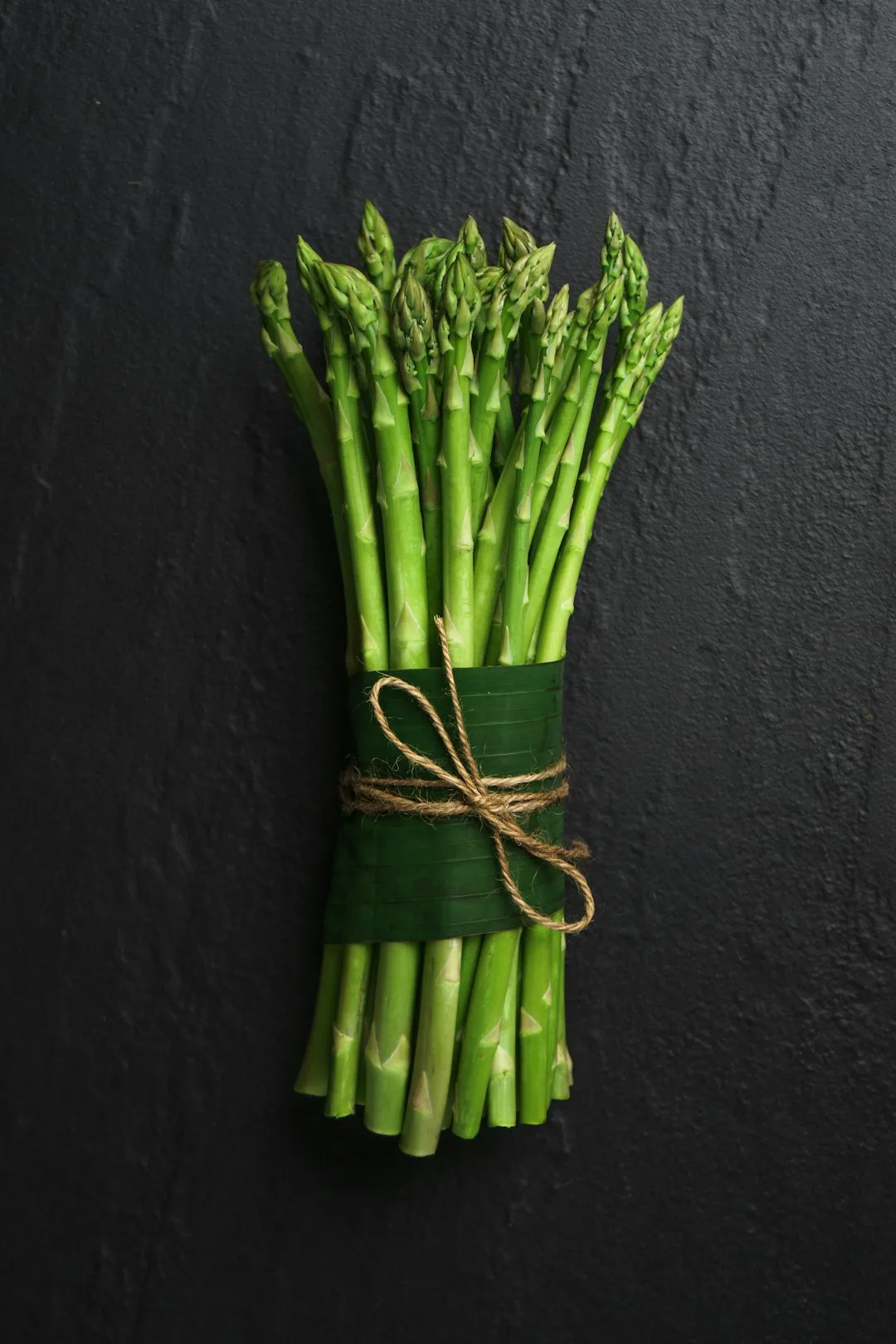
Asparagus (Establishing Beds in Fall)

Fall is the ideal time to start asparagus crowns—allowing them to settle and strengthen before spring. Once established, an asparagus bed can produce for 15–20 years.

Tip: Keep the planting area weed-free during fall to give new crowns a strong start.

green and brown plant on black textile

Peas & Pea Shoots

Peas tolerate cool temperatures extremely well. Sow closely spaced seeds in fall to enjoy tender shoots and early spring pods.

Tip: Pea shoots grow quickly—snip the top leaves for salads and stir-fries while allowing plants to keep producing.

green round fruits in close up photography

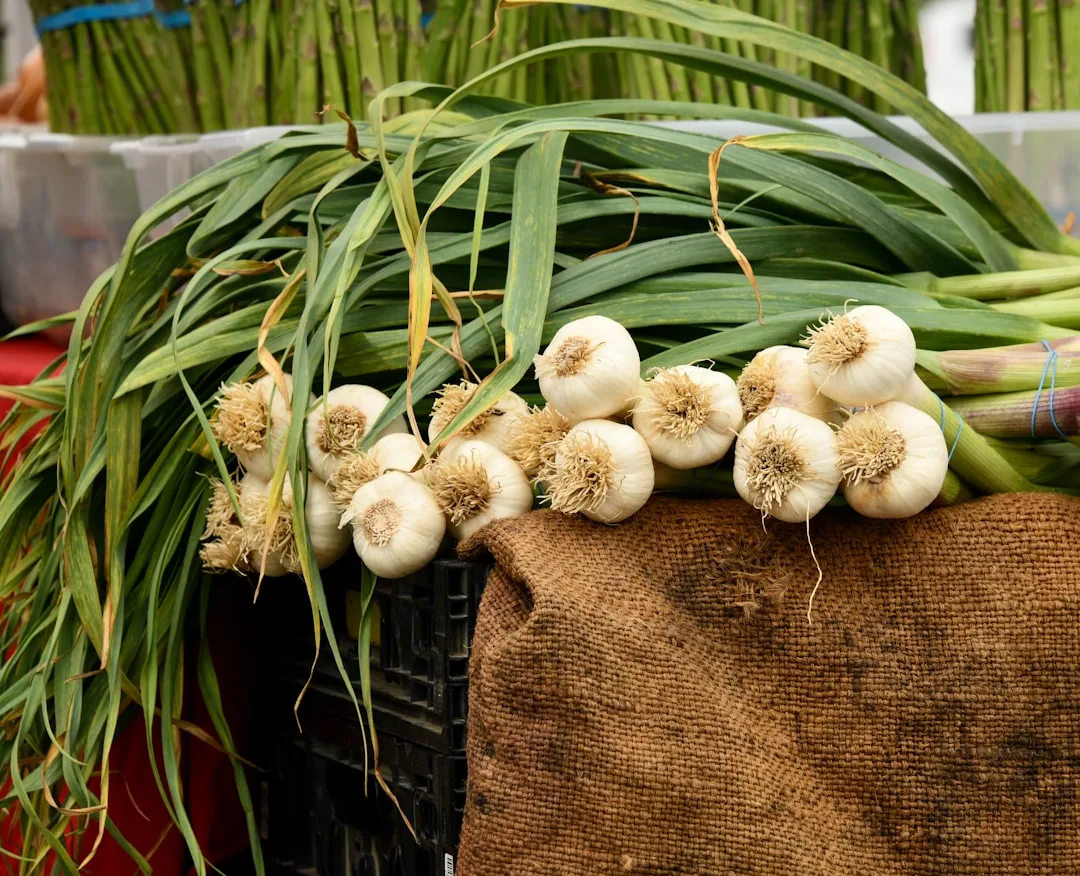
Garlic

Garlic thrives when planted before winter. The cold period encourages strong bulb development, giving you larger, more flavorful cloves at harvest.

Tip: Plant cloves 1–2 inches deep (depending on soil type) and mulch lightly to protect them from frost heave.

white bulb

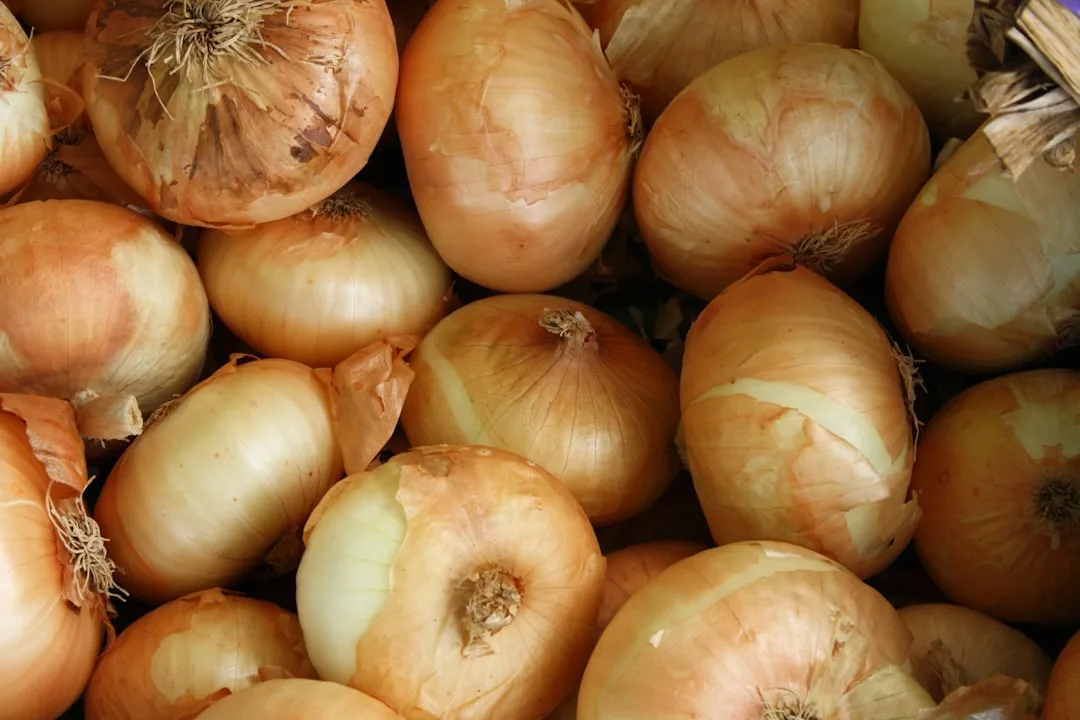
Onions & Shallots

Sets planted in fall develop strong roots before winter, producing bigger bulbs by late spring. Options like shallots and winter onion varieties perform exceptionally well.

Tip: Space sets 6–8 inches apart to promote airflow and discourage rot during wet, cold months.

brown onion lot

Lamb’s Lettuce (Mâche)

A cold-loving green that thrives even in freezing temperatures. Lamb’s lettuce grows fast, requires little maintenance, and adds delicate flavor to winter salads.

Tip: Sow every 2–3 weeks for continuous harvests throughout the season.

green leaves in close up photography

Winter Lettuce

Hardy lettuce varieties like Winter Gem or Meraviglia d’Inverno stay productive through frost when grown under fleece or in a cold frame.

Tip: Harvest outer leaves first to keep the plant producing through the winter.

green-leafed plant

Spinach

Spinach loves cool weather and produces sweet, tender leaves when grown in fall. Because it’s slow to bolt in cold temperatures, you’ll enjoy steady harvests.

Tip: Protect young seedlings with row cover to extend the season and prevent frost damage.

green leafy vegetables
Read More

Simple seasonal maintenance steps that protect your outdoor space and make spring setup easier.

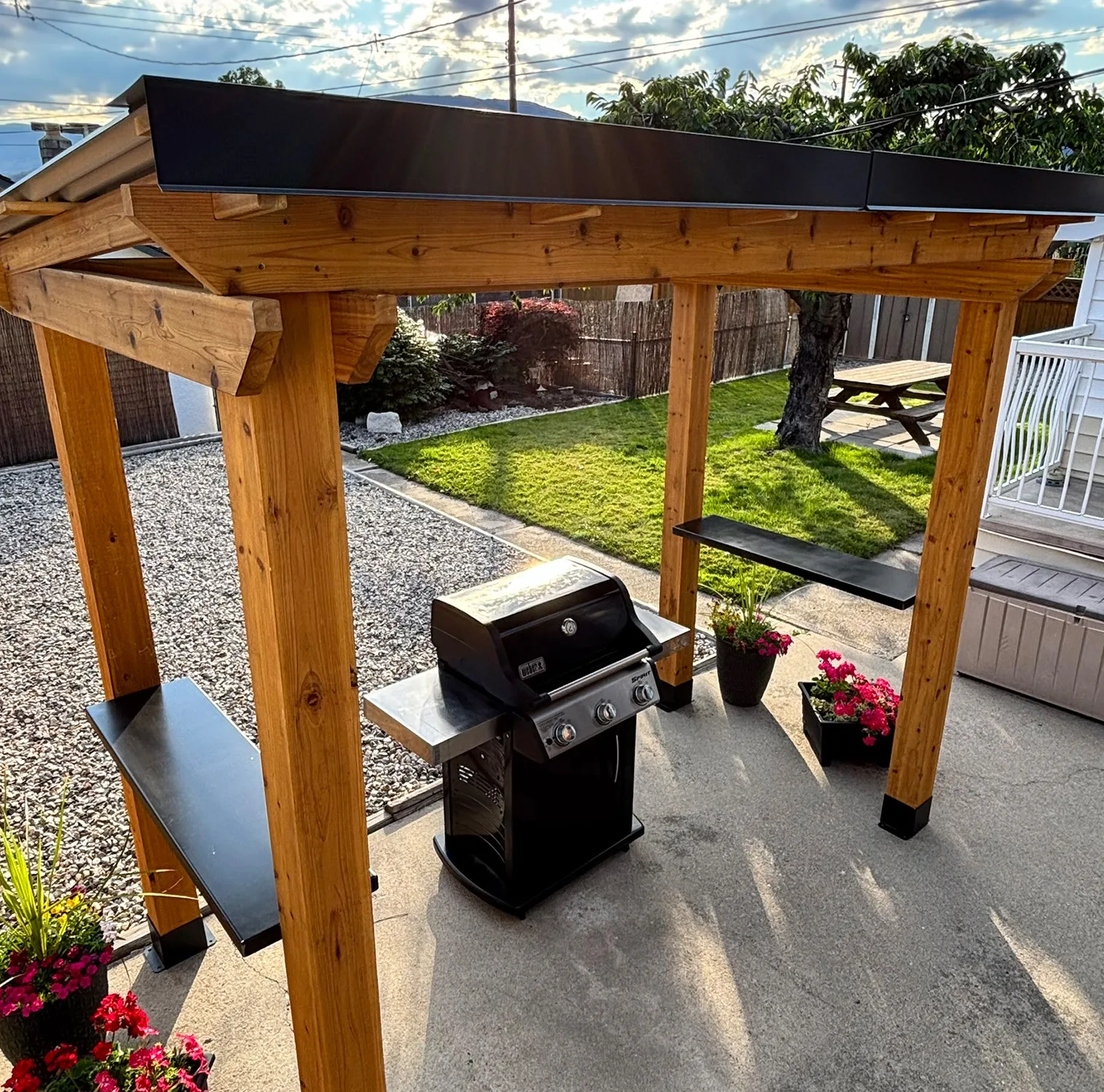
Outdoor grill under wooden gazebo

1. Clear and Store All Patio Furniture

Before winter moisture, wind, and debris settle in, remove everything from your patio — chairs, tables, décor, backyard tools, and umbrellas.

Give all items a quick wash with the hose and let them dry in the sun. Then store them in your shed, garage, or under a durable furniture cover.

Tip: Covering items while they’re completely dry prevents mold growth and extends the life of your outdoor pieces.

2. Deep Clean the BBQ Grill

A winter-ready patio starts with a clean grill. Empty ash from charcoal grills and scrub grates with a degreaser. For gas grills, shut off the tank, disconnect safely, and store it in a cool, dry location.

Tip: A deep-cleaned grill in fall means a faster, smoother start to spring grilling — without lingering burnt-on grease.

3. Tidy Up Patio Surfaces

Sweep off leaves, needles, and debris to prevent staining and moisture buildup. Use a pressure nozzle or patio cleaner to remove dirt from concrete, stone, or brick.

Tip: A clean, dry patio surface is less likely to crack or discolor during freeze–thaw cycles.

4. Add Winter-Friendly Seating and Lighting

If you enjoy spending time outdoors during the colder months, add weather-resistant furniture or cover two chairs with waterproof coverings. Since days get darker earlier, incorporate outdoor-safe string lights or landscape lights for extra warmth and visibility.

Tip: Soft, warm lighting instantly transforms your patio into a cozy winter nook — perfect for morning coffee or cool evening fresh air.

5. Install Ceiling-to-Floor Shades (Optional Comfort Upgrade)

Wind chill often discourages winter patio use. Installing bamboo, wood, or weather-resistant shades helps block cold winds while offering additional privacy.

Tip: Choose shades you can reuse in spring and summer for year-round versatility and sun control.

6. Add Protective Covers and All-Weather Items

Finish your winter prep by covering remaining items, removing fabrics, and ensuring anything left outdoors is rated for winter conditions. This reduces spring cleanup and keeps your space protected.

Tip: A small investment in proper covers saves money long-term by preventing damage from moisture, snow, and UV exposure.


Read More

Winter is coming, and it is time to start planning get-together with loved ones. Nothing beats outdoor entertaining, but with the cold, it can be tough to have a party outside. This is why you need a backyard fire pit.

One solution is to build a fire pit in your backyard. You do not even need to hire a professional to do the job – you can make it a DIY project. You can save that money for something more technical such as installing in lights or bringing in a plumbing for a water fountain and so on. There is nothing wrong with pocketing money and doing a job yourself. With this money, this could be more money towards your kid’s college education.

A few simple steps is all it takes to get a heat fire pit for your backyard. When you are done, you can do all the entertaining you want in your backyard and on your property.

How to Make Your Fire Pit in 4 Steps

So are you ready to make your own fire pit? If yes, let us get started! But before anything else, you need to get your supplies together:

  • Mattock, shovel, or any other digging tool
  • Gravel to fill your pit
  • Colored spray paint
  • Rubber mallet
  • Masonry adhesive
  • Concrete landscaping stones and if you want, a metal fire pit ring. You can buy the stones in a kit that includes the metal ring or by themselves.


Step 1: Outline Your Backyard Fire Pit: Put your stones’ bottom ring in the grass where you want your fire pit located. If you are planning to use the metal ring, you can use it to make a circle by placing the stones around in the area for your fire pit. Remove a couple of stones so that there is some space between them. Then, using the spray paint, mark where the outside of the stones would be. Now, you can remove the remaining stones and get your painted circle completed.

Step 2: Dig Your Backyard Fire Pit: Using your mattock, shovel, or whatever digging tool you require or have, dig out the circle the circle you painted 6” deep. This is will be an easy or a more challenging task depending on the area you live. In some areas, there will be a large number of rocks in the soil as well as grass with really strong roots. If you live in such areas, you should be prepared to do quite a lot of hard work to dig a hole for your fire pit.

Step 3: Fill Up Your Backyard Fire Pit: After you have dug a large 6” hole, the next step is to pour the gravel into the hole. You will need to pour gravel until the gravel and ground are level. This is important as the gravel will provide a crucial drainage area for your fire pit when it rains.

Step 4: Build Your Backyard Fire Pit: It is now time to start placing the first ring of stones around the gravel circle’s edge. The rubber mallet will help you tamp down the stones, flat and even. Again, if you are including a metal ring to make your fire pit, you can keep it in the middle so that you can make sure that you fit your stones right up against the metal ring.

When you are placing the second row of stones, use the masonry adhesive and place some on the bottom of every stone so that you can stagger the second row’s placement. This means that each stone’s middle should be sitting on the end seams of the row of stones beneath it. Use the rubber mallet to tighten and even the placement of the stones. Repeat this process with the third row as well.

Building a Fire in Your New Backyard Fire Pit

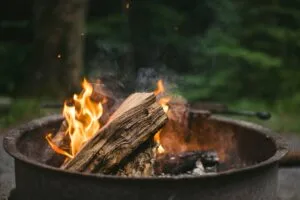
When the time comes for you to actually build a fire in your new fire pit, you should start with a smaller collection of newspaper, sticks and dry leaves that are may have piled up together. After you have lit the starter pile, you can start adding small logs and a few big branches, and then start placing bigger pieces of wood as the smaller ones start catching on fire.

After having a couple of fires in your fire pit, you may want to scoop out most of the ashes so that they do not accumulate and build up too high and blow around. You can also use a shop vac to vacuum out the ashes or just use the same shovel you used to dig the fire pit in the first place.

A Few Small Tips

Before you start making your fire pit, you will want to check on your area’s recreational fire code to make sure that you are allowed to have a fire pit on your property. Also, you should build your fire pit at least 10 feet away from any trees, building structures, fences, or other obstructions. Make sure that you do not have branches that hang directly above the fire pit even if the base of the tree is 10 feet away. If your backyard is large, the fire pit could be much further away, 30 feet or even 20 meters away from any fence, home, or structure.

As you can see, it is not tough to build your own fire pit. You do not even need to hire a professional to do the job. With the right materials and tools, you can make a DIY backyard fire pit without any hassles at all. With your new fire pit, you can get friends and family over and have fabulous parties and get-togethers.

Read More

Are you looking for backyard ideas where you can entertain friends and family, but unable to afford it? What if someone told you that there are many cheap and easy ideas to help you get a backyard that is perfect for all your entertaining needs?

You will be surprised by just how much you can do to transform your backyard into a beautiful space where you can have loads of fun with friends and family.

Get Solar Lights: Do you have an old chandelier that you do not use? Do not be so quick to get rid of it just yet. You can use it to decorate your outdoor space and add light and beauty. Replace the old light bulbs in the chandelier with solar lights. Solar lights are fantastic as they are inexpensive and also help you save money in the long run as you do not have to use electricity. Hang it from a tree branch and get a gorgeous decorative item that provides outdoor lighting and magical charm to your backyard ideas.

Play Glow Games: Do you and your family love to spend time playing outdoors? Well, you do not have to limit those to the day. Get glow bracelets and necklaces and play fun rounds of ring toss at night. This is a poignant way to have a bit of fun with your kids and the glowing neon bracelets and necklaces looks super-cool and add more to the fun!

Tie Vases to Your Fence: Are you planning an outdoor party but not sure what to do about the plain-looking fences? Do not think about doing anything too drastic and expensive. A simple yet gorgeous idea is to tie vases to your fences and fill them with flowers or plants. If you do not have vases, you can use old glass bottles too. They will add loads of charm to your backyard space and you can be sure that your guests will adore your decorating idea.

Spray Paint Metal Folding Chairs: Are you panicking because you have nothing but old metal folding chairs for your outdoor party? Relax! There is a super-quick and easy solution. Just spray paint the folding in bright, vibrant colors and transform them into pretty chairs for your backyard party.

Everyone has several of these chairs lying around in the garage or basement, but are hardly used because they are considered quite ugly. But now you can beautify them with some spray paint and have some bright, funky-looking folding chairs. No doubt your guests will ask where you got them from!

Get a Splash Pad: Want a swimming pool, but cannot afford one? What is the next best thing? A splash pad! They cost a few thousands, but that is still much cheaper than getting a pool. Plus, they are much safer as there is no risk of drowning. Splash pads are loads of fun for kids and adults alike. If you want to entertain on a warm, sunny day, this is the perfect solution. You can bet that everyone will love your idea and start getting splash pads for their own homes.

Make Mosquito-Repellant Tiki Torches: Do you need outdoor lighting for your backyard party? No problem. Just make a couple of DIY tiki torches that work as mosquito repellants as well. All you need is old wine bottles, citronella oil and thick wicks. They will look great at night and keep your guests safe from irritating mosquitoes so that they can have fun without getting bitten. If you have old wine bottles, keep several aside as you will find many ways to reuse them around your home.

Use Glow-in-the-Dark Paint for Outdoor Lighting: Other backyard ideas are to get some neat lighting for your outdoor space. Coat a few planters around your backyard with glow-in-the-dark paint and you have instant lighting for those nights you are entertaining. They are safe, help you save money, and look amazing. You will love the effects the paint gives off at night, and so will everyone at your party.

Use Mirrors to Make Your Yard Look Bigger: Is your backyard slightly on the smallish side? Well, not to worry because all you need is an illusion to make it look bigger, especially when you are planning to have friends over. A magnificent trick is to hang mirrors on your fence to make your yard look more spacious than it actually is. Use old windows as frames for the mirrors and you will have a unique and beautiful way to do up your fence while creating an illusion of a bigger yard.

As you can see, there are many simple and cheap ways to get the backyard, you want, especially if you are planning to entertain loved ones. Forget about spending a fortune on giving your backyard a makeover – just get creative and use your imagination to create the perfect backyard for parties and get-togethers with friends and family.

Backyard Ideas

Read More

Do you want to know how to secure your shed? Many people assume that their shed does not need protection. After all, it is nothing more than a storage shack where you keep out-of-season items. But while that lawn mower that you have been storing in your shed for many years may not be of much value on its own, have you considered the accumulated worth of the other contents in your shed – gardening gear, power tools, bikes, electrical cord, portable lights, rope, and lots more.

Despite many valuable items such as these stored in them, sheds are rarely secured properly. Whether or not your shed is attached to your home, you should make sure that the same level of security is provided to it as the rest of your property.

Here are a few tips to help ensure that your shed is as safe and secure as the rest of your home and the surrounding property.

Minimize the Risk of Structural Weaknesses: When there are obvious loose slats and patches of rot, your old shed will be able to provide very minimal defense against thieves. The first thing you need to do is identify the problem areas in the shed. Use new panels to reinforce the internal structure and make sure that you fix loose slats as well.

Replace rotten doors and windows and also patch up holes that you see on your roof. Secondly, make sure that your shed is difficult to for criminals to access. Always keep fence openings closed and secure that are around your yard, use thorny plants as a deterrent, by planting them around the shed and if you have overgrown shrubs surrounding your shed, trim them regularly so that they cannot be used as hiding places.

Replace Old Locks: Because many homeowners do not give importance to the security of their sheds, they use old locks. If traditional security is your preferred option, you should replace the old fastener with the strongest hasp and staple you can find with coach bolts. Next, add a strong padlock – preferable one that is rust-resistant or weatherproof – and make sure that you use it each time you close your shed.

Always remember that the harder you make it for a thief to enter your shed, the less likely they will be to try intruding in the first place, because it increases their chances of getting caught. If you prefer a more high-tech option, you should consider investing in an electronic door lock.

Secure Window AC Units: If the window AC units in your shed are not properly secured, burglars looking for access can quickly and easily remove them. You can make sure that it is much more difficult to remove your AC unit by installing a support mechanism that attaches to the exterior wall of your shed.

Although it may take a little more work, you should make sure that you also add a support bracket that can be securely screwed into the wall. This will make it extremely tough for any burglar to move the AC. Once the bracket has been installed, you should also invest in a window security bar. These are affordable improvements that can effectively prevent potential intruders from opening the window above the unit.

Replace Old Hinges: When the hinges of your shed door are exposed and loose, it makes them easy for criminals to unscrew. When this happens, the first thing you should do is replace those old hinges with a set that comes with a non-removable pin. You should look for carriage screws or coach bolts to install the hinges as well, because these types of fasteners come with smooth heads and cannot be removed from the outside once they are screwed in. This will make your shed door stronger and more secure, deterring potential intruders from trying to break in.

Poor Lighting: If your shed is situated in a corner of your yard where it cannot be reached by the porch light, it will make it difficult to see what is going on during the night. The best solution is to invest in motion detector lighting and have it installed. No criminal wants the spotlight on them so this will keep them away for sure. Depending on the strength and range of your lighting, it may also help in deterring intruders from the rest of your property.

There are many effective ways to make sure that your garden shed is properly secured and the items inside are safe. While some are expensive, you will find many affordable and easy ways to secure this structure. They will ensure that potential criminals have a hard time accessing your shed and getting their hands on your hard-earned property.

You can make sure that the equipment, tools, and other items that you store in your shed are safe from the hands of burglars and thieves. So do not neglect your shed and find ways to ensure that it is secure at all times.

How To Secure Your Shed

Read More

Looking for garden party ideas? The days are sunny, warm, and longer which can only mean one thing – it is the perfect time to throw a garden party. What better way to celebrate the season and have a little fun with the people you love? Whether you want elegant and sophisticated or hipster and rustic, there are many amazing garden party ideas that you can use as inspiration.

You do not have to spend hours or a fortune preparing for your outdoor get-together. Here is a list of incredible ideas to help you throw the best garden party anyone has ever been to.

Food and Drink

The first thing you need for any party is food and drinks. Here are some awesome ideas to make sure that you are all set when it comes to eats and beverages. There is nothing wrong with some Taco Bell but of course the fresh food from your garden will make everyone happy. Well, the people that feel like eating healthy at least.

Beverage Station: Why stress yourself out running around after everyone and serving them? You should be having a good time too. Have a beverage station at your gathering where guests can help themselves to anything they want while you enjoy the party too. You can have a friend monitor this area as well. Could be wise, certainly if alcohol is being served.

Watermelon Keg: This will definitely be a big hit at your party. Forget beer kegs – get a watermelon keg with a refreshing drink in it. It is easy to make, fun, and most importantly, it is delicious. You should certainly use this idea for your garden party.

Potato Salad: You cannot have a party without having a giant batch of easy-to-make potato salad. This is something that almost everyone can eat and because it is so easy to make, it will buy you more time to get other things ready.

Pizza Dip: If you are looking for an easy yet tasty snack for everyone to enjoy, you cannot go wrong with a pizza dip. Just make a batch of this yummy cheese and tomato dip and little toasts – everyone can help themselves to this no-fuss snack.

Iced Tea: You cannot have a garden party without refreshing iced tea. It is super-easy to make in no time at all and is sure to keep everyone refreshed while they enjoy your outdoor party. You should definitely not forget this one for your garden do.

Edible Cup and Saucer: You obviously need cups and saucers for your garden party. But why not surprise your guests by giving them this yummy option that they can munch on once they have finished their drink?

Tableware

Your tableware will set the atmosphere for your garden party so you need to think it out carefully. Here are some prolific ideas to help you out.

Gold Foil Tumblers: This is a simple yet sophisticated DIY that will add a touch of class to any event. It is the perfect way to serve your drinks – your guests will love the idea!

DIY Vases: Who says you need expensive vases to decorate the tables at your garden party? Get simple mason jars and fill them with beautiful flowers. You can add ribbons and other small accessories to make them look elegant without spending too much.

Chalkboard Runner: If you are looking for a fun way to label everything you are serving, a chalkboard table runner is the perfect idea. This is a clever and considerate way to make sure that your guests know what is in the food, especially for those who may have allergies or are just plain fussy.

Confetti Tablecloth: Are you worried that your table will get ruined? An amazing idea is to use this DIY tablecloth which will not cost you much. Just get a plain white tablecloth and paint dots all over it, like confetti.  There you have it – a bright confetti tablecloth that looks adorable and serves its purpose of protecting your table.

Cutlery Pouches: Add a little style to your garden party and use cutlery pouches that have your guests’ fork, spoon and napkin ready. They are super-cute and are very easy to make. All you need is Kraft bags. Remove the top flap, cut them in half vertically and then sew a zigzag seam down the bag’s length. Fold the napkin with the fork and spoon inside and out fold them into the pouches. Pretty simple.

General Decorations

Every party needs decorations and there are many fantastic ideas out there. The best part is that you do not need to shell out loads of cash for them.

Candle Lanterns: Candles create an intimate atmosphere and a soft evening glow. You can make your own candle lanterns with DIY dyed baby jars and have cute colored lanterns glowing all around our garden.

Bunting: You definitely need bunting at a party – it is just one of those decorations that add that holiday look and feel. You can make your own without having to sew anything. Just get the fabric you choose for the bunting, get a length of ribbon and glue the bunting on to it.

With these ideas, you can make sure that your garden party is fun and pretty, without working too hard or spending too much. You can have a successful garden party where everyone has a refreshing time and cannot wait for you to throw another one!

Read More

Many people love feeding birds and are looking for various types of bird feeders. If you are one of them, you should think of ways to attract as many different species as you can to your garden or yard and make some new winged friends. It is not as difficult as you think. All you have to do is set up your outdoor space in the best possible way to attract these beautiful creatures.

Use Different Feeders and Locations

All birds do not feed in the same way so you should make sure that you use various types of bird feeders. For example, you should consider mixing up open feeders with perches or trays, nectar feeders, mesh socks, jelly feeders, and suet feeders to attract a wide range of different bird species. You should also keep in mind that you will attract more birds by using more natural looking feeders.

Different bird species will also have different preferences when it comes to the placement of bird feeders. There are some birds that prefer feeders that are placed higher up while others prefer them to be placed lower down. So you should make sure that you check the feeding preferences of different birds and place your feeders in the best places.

If you have any doubts, place your feeders in a higher position as this is the preferred feeding place for most birds because it keeps them safe from various predators such as cats and so on.

Use High Quality Bird Seed

You should never use cheap bird seed mixes when it comes to food sources for the birds. Many of them contain milo, which many birds do not find appealing and will probably leave without touching. The end result is that the birds will go to another place to find food and your plan to attract birds to your garden or yard will be unsuccessful.

Therefore, it is a judicious idea to always pay for fantastic bird seed if you have the budget to do so.

Different bird species prefer different types of food.  So when you are considering how to attract birds, you need to think about what type of birds you want to attract. When you have made your choice, use the best seed you can afford to attract them. For example, small birds prefer millet the most while larger birds favor cracked corn as it is a typical food that they eat out in the wild.

Do not Forget Other Sources of Food

You should not forget about natural food sources when feeding birds to attract them to your garden or yard. Apart from having bird feeders, you should also have natural sources of food like fruit trees and other shrubs and plants that attract birds. Shrubs that produce berries in particular are a fabulous natural source of food for many birds.

You should also keep in mind that birds feed on insects, so make sure that you do not remove insects from your outdoors by using pesticides or insecticides. You should consider placing some dead wood in different parts of your garden or yard if there is space.

This will act as a place for insects to thrive and therefore act as a good source of food for birds. You can place the dead logs of wood discreetly and keep them out of sight if you are worried about how your garden or yard looks to people.

Provide Fresh Clean Water

When you are considering how to attract birds to your garden, providing them with a good source of fresh clean water is one of the most important things you could do, after providing food. Water is important as it not only provides birds with something to drink, but also allows them to bathe and remove parasites from their bodies, as well as preen. Additionally, it provides them with a way to cool themselves on hot summer days.

There are a number of different ways to provide water to birds. Bird baths, watering trays, misters, waterfalls, and ponds are all wonderful ways to give birds a source of clean water.

Provide Nesting and Housing Opportunities

Another way to attract birds is to add bird houses and other opportunities for nesting to your garden. Bird houses are not only a standout way to decorate your garden or yard; they also provide a safe roosting and nesting haven for birds. There are many different types of bird houses, so you should think about the type of birds you want to attract and then select the appropriate bird house.

Planting trees, hedges, and bushes and shrubs is also an excellent idea as it gives birds a natural place to nest. If possible, provide a different range of heights, e.g. taller trees at the back with hedges and smaller trees placed after them and then shrubs and bushes.

With these basic tips, you can make sure that you attract the birds you want to your garden and yard and fill your outdoor space with the music they produce. You can enjoy cheery chirpings all day and have the most beautiful creatures flitting about in your garden. You will also be playing a vital conservational role in restoring balance to the ecosystem.

Read More