Understanding the origins, labeling practices, and real-world performance differences between imported imitation cedar products and authentic Western Red Cedar

For homeowners, gardeners, and builders, choosing the right wood matters — not just for appearance, but for longevity, sustainability, and overall performance. Over the last two decades, imported wood products from Asia have entered the North American market under several names, including China Fir, Chinese Cedar, or simply “Cedar”.

These products often look similar to North American cedar at first glance, but they differ significantly in species, durability, and long-term outdoor performance. This has created confusion among buyers who believe they’re purchasing genuine cedar when, in fact, the wood may be something entirely different.

This guide provides a balanced, educational comparison of Chinese Fir (also marketed as “Chinese Cedar”) and Western Red Cedar, helping you understand what you’re buying — and why species identification and labeling accuracy truly matter.

🌱 What Is Chinese Fir / Chinese Cedar?

Chinese Fir (Cunninghamia lanceolata) is a fast-growing softwood species native to China and parts of Southeast Asia.

Around the mid-2000s, this species began entering the North American market in large quantities. To make it more appealing to consumers already familiar with cedar products, some suppliers marketed it as:

“China Fir”

“Chinese Cedar”

"Cedar”

This naming created the common misconception that Chinese Fir is related to Western Red Cedar — but it is not a cedar species and does not share the same performance characteristics.

📦 History of Imitation Cedar Products in North America

2005–2015: The Rise of Imported Softwoods

Around 2005, bulk shipments of China Fir began entering North America. It was initially marketed as “China Fir”, but over time, manufacturers and resellers adopted the term “Chinese Cedar” to leverage the reputation of North American cedar products.

2020–Present: Labeling Confusion

By 2022, many of these products dropped the geographic association entirely and were sold simply as “cedar”, with:

1. No species listed

2. No country of origin

3. No wood identification markings

This lack of clarity can mislead consumers into assuming they’re buying a cedar equivalent at a lower price — even though the performance, durability, and lifespan may be very different.

🌲 Side-by-Side Comparison: Chinese Fir vs. Western Red Cedar
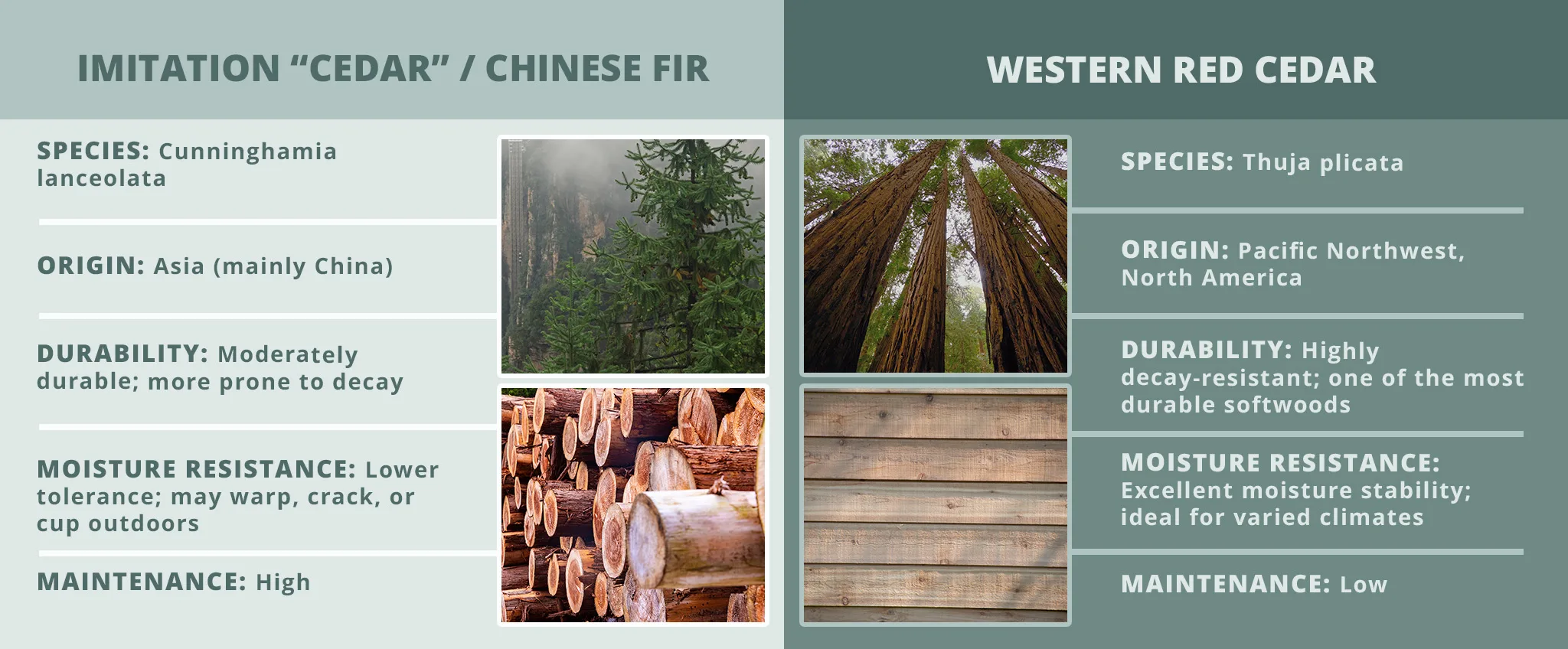
Cedar vs Imitation Comparison

Below is a neutral, factual comparison based on known characteristics of each species.

Category
Chinese Fir (“Chinese Cedar”)
Western Red Cedar
Species
 Cunninghamia lanceolata
Thuja plicata
Origin
 Asia (mainly China)
Pacific Northwest, North America
Appearance
Pale white to light yellow; rougher grain
Warm reddish-brown; fine, straight grain
Durability
Moderately durable; more prone to decay
Highly decay-resistant; one of the most durable softwoods
Moisture Resistance
Lower tolerance; may warp, crack, or cup outdoors
Excellent moisture stability; ideal for varied climates
Insect Resistance
Moderate
Naturally insect-resistant due to natural oils
Lifespan Outdoors
 Requires frequent sealing/staining
Long-lasting with minimal maintenance
Maintenance Needs
High
Low
Sustainability
Varies by exporter; verification required
Sustainably managed North American forests
Typical Uses
Interior finishing, low-exposure projects
Sheds, pergolas, siding, decking, outdoor structures

📘 Why Labeling Matters

Correct labeling protects buyers by:

  • Ensuring the wood species matches the performance you expect

  • Preventing confusion between fast-growing imports and durable North American cedar

  • Helping consumers choose the right material for outdoor longevity

  • Supporting transparency in forestry practices and environmental sourcing

  • When a product is sold simply as “cedar” without species information, the buyer cannot make an informed decision — especially when longevity outdoors is a priority.

🌲 Where Western Red Cedar Offers an Advantage

Western Red Cedar (Thuja plicata) has been used in North American structures for centuries. It’s preferred because of:

✓ Natural Durability

Rich in natural oils that resist moisture, decay, and pests.

✓ Stability in Moisture & Weather

Low density and cell structure help prevent warping, cracking, and movement.

✓ Proven Longevity

Ideal for long-term outdoor builds like sheds, pergolas, fencing, siding, and raised garden beds.

✓ Aesthetic Appeal

Warm tonal variations and straight grain create a premium, timeless look.

✓ Sustainable Forestry Practices

Managed, certified, and traceable North American sources ensure environmental responsibility.

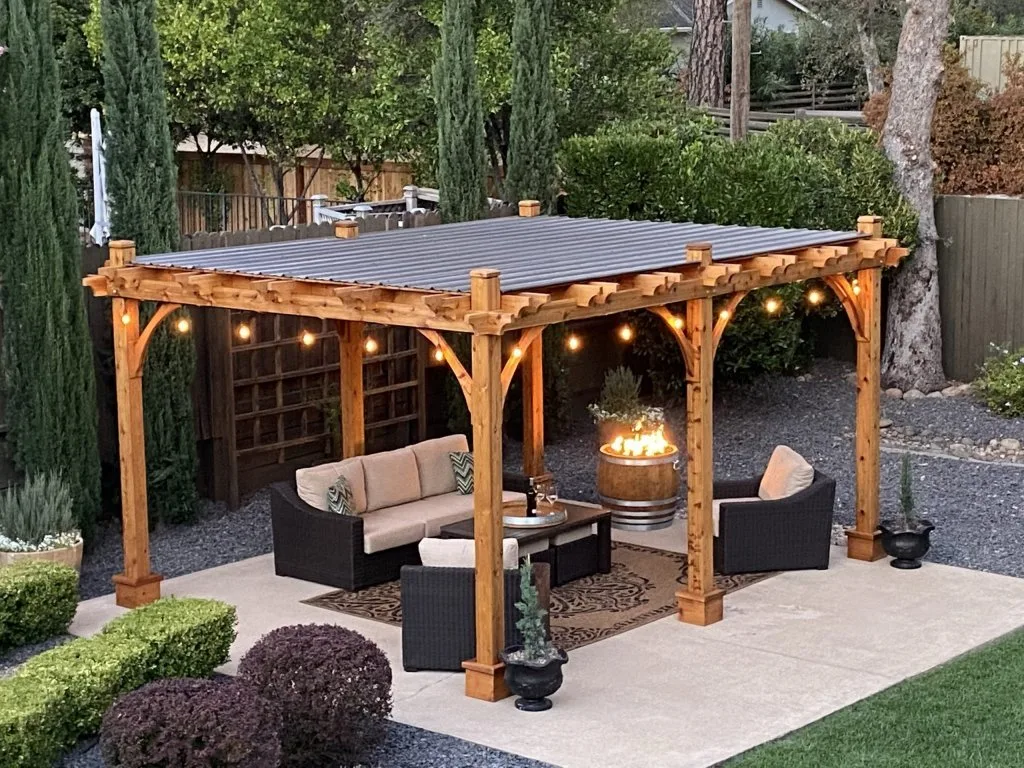
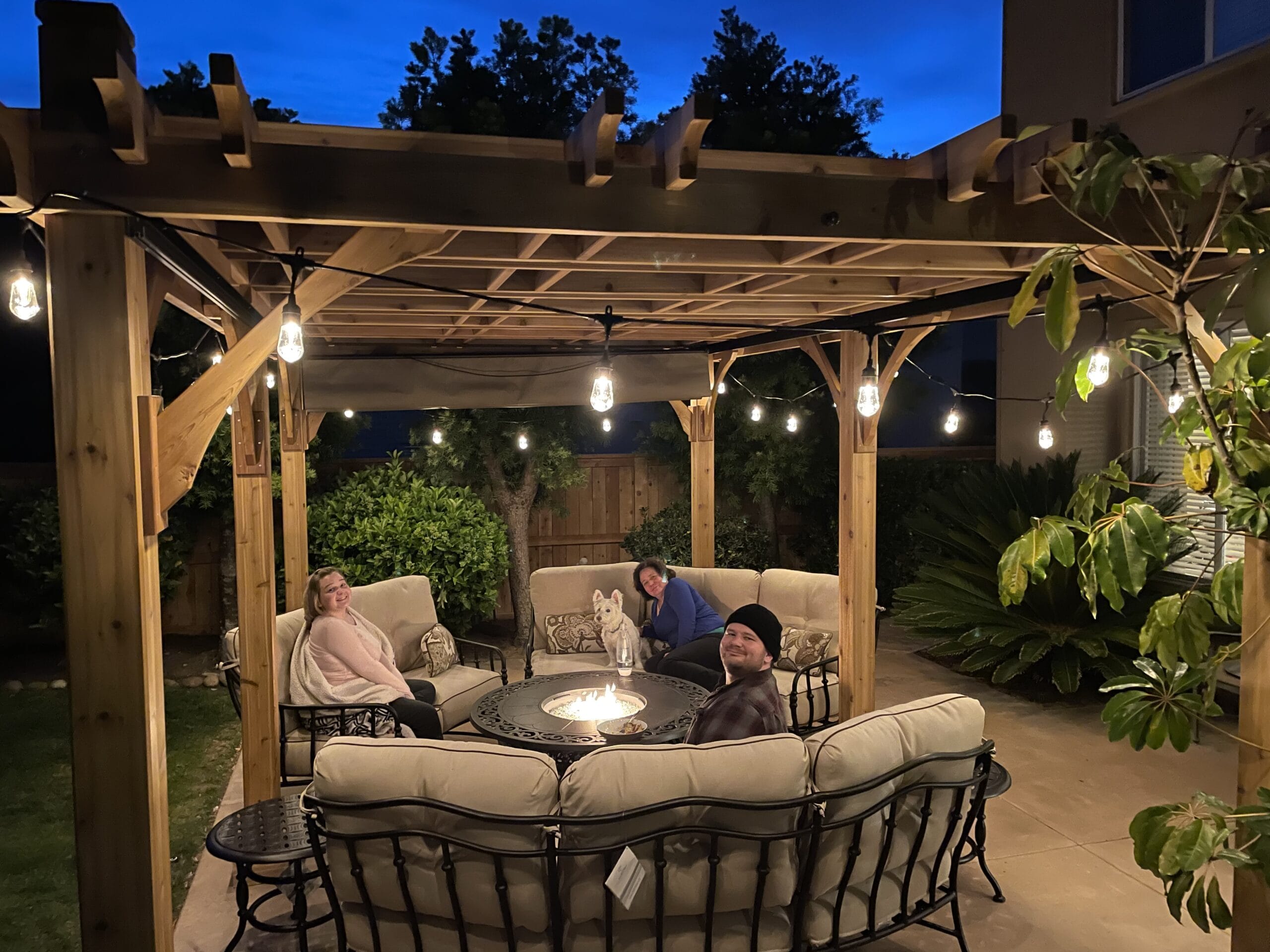
12x16 Cedar Wooden Pergola Kit J.Mangels scaled 1 1024x768 1.jpg

🪵 Conclusion

Both Chinese Fir (“Chinese Cedar”) and Western Red Cedar are usable woods with their own strengths. Chinese Fir works well for interior applications, sheltered environments, or budget-conscious projects.

However, when long-term outdoor performance, moisture stability, and low maintenance are priorities, Western Red Cedar remains one of the most reliable softwood choices in North America.

Clear labeling and species identification empower buyers to choose the right wood for their needs — and avoid confusion created by marketing names that imply cedar equivalence where none exists.

📚 Want to learn more about real Western Red Cedar?
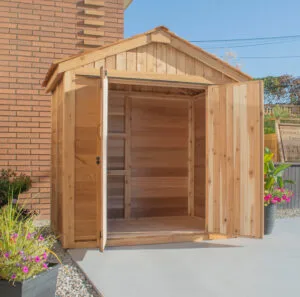
Explore our guide on durability, sustainability, and how authentic cedar performs in outdoor structures.

👉 How To Reduce Premature Wood Decay and Degradation Of Your Outdoor Project

Read More

Understanding the Differences in Durability, Sustainability, and Long-Term Value!

When choosing a garden shed, material matters more than many homeowners realize. While size and style often get the most attention, the material your shed is made from plays a major role in how long it lasts, how it performs outdoors, and how it impacts the environment.

Two of the most common options are wooden sheds and plastic sheds. While both serve basic storage needs, they differ significantly in sustainability, durability, maintenance, and overall value.

This guide breaks down those differences so you can make a confident, informed decision.

Why Shed Material Choice Matters

A shed isn’t just a storage box — it’s a permanent outdoor structure exposed to moisture, temperature swings, UV rays, and seasonal wear. The right material will:

  1. Stand up to weather year after year
  2. Maintain structural integrity over time
  3. Reduce long-term replacement and maintenance costs
  4. Align with environmental and sustainability values

Understanding what goes into each material helps avoid costly surprises down the road.

Wood vs Plastic Sheds: A High-Level Comparison

Wooden Sheds

  1. Made from natural, renewable materials
  2. Can act as a carbon sink
  3. Offer strength, rigidity, and customization
  4. Age naturally and can be refinished or repaired

Plastic Sheds

  1. Manufactured from petroleum-based products
  2. Lightweight and low-maintenance initially
  3. Limited repair options if damaged
  4. Prone to UV degradation over time

🌲 Sustainability and Environmental Impact

Wood: A Renewable, Carbon-Storing Material

Wood is one of the most environmentally responsible building materials available when sourced correctly. Trees naturally absorb carbon dioxide as they grow, storing carbon within their fibers.

When wood is harvested and turned into a shed, that carbon remains locked in the product for the duration of its lifespan. This makes wood a natural carbon sink.

Additionally:

  1. Wood requires less energy to process than plastic or metal
  2. It is biodegradable and recyclable at end of life
  3. Responsibly sourced wood supports managed forests

Plastic: High Emissions and Difficult Recycling

Plastic sheds are produced using fossil fuels and energy-intensive manufacturing processes. During production, large amounts of CO₂ are released directly into the atmosphere.

Other concerns include:

  1. Plastic is difficult and costly to recycle
  2. Many plastic sheds end up in landfills at end of life
  3. UV exposure can cause brittleness and fading over time

From a sustainability perspective, plastic sheds carry a significantly larger environmental footprint.

Durability and Long-Term Performance

Wooden Sheds

A well-constructed wooden shed can last for decades when properly designed and maintained. Certain wood species naturally resist rot, moisture, and insects, making them especially well-suited for outdoor use.

Key advantages:

  1. Strong structural performance
  2. Naturally breathable material
  3. Can be repaired, reinforced, or refinished
  4. Handles temperature changes without cracking

Wood sheds also maintain their appearance better over time, developing character rather than looking worn or brittle.

Plastic Sheds

Plastic sheds are often marketed as “maintenance-free,” but that doesn’t always mean long-lasting.

Common issues include:

  1. Warping or cracking in extreme heat or cold
  2. UV degradation leading to brittleness
  3. Limited load-bearing strength
  4. Difficulty repairing damage once it occurs

While plastic sheds may perform adequately in mild conditions, they often struggle in harsher climates.

Final Thoughts: Which Shed Is Right for You?

If your priority is:

  1. Long-term durability
  2. Environmental responsibility
  3. Structural strength
  4. Natural aesthetics

A wooden shed is the stronger long-term investment.

Plastic sheds may offer convenience upfront, but when factoring in lifespan, sustainability, and repairability, wood consistently delivers greater overall value.

Choosing the right shed material ensures your outdoor space stays functional, attractive, and reliable for years to come.

Read More

For thousands of years, Western Red Cedar has been more than a building material — it has been a foundation of culture, shelter, craftsmanship, and sustainability along the Pacific Northwest.

Long before modern construction methods, Indigenous peoples recognized cedar for its strength, versatility, and natural resistance to the elements. Today, those same qualities make Western Red Cedar one of the most trusted and enduring materials for outdoor structures across North America.

This guide explores the deep history of Western Red Cedar, why it became known as the “Tree of Life,” and how its legacy continues in modern design and building.


Western Red Cedar: A Material Rooted in Time

Archaeological evidence shows that Indigenous communities along British Columbia’s Pacific Coast have been using Western Red Cedar for over 8,000 years. Every part of the tree was valued — bark, roots, logs, and wood — with nothing wasted.

Because of its natural durability, many cedar artifacts have survived for centuries in coastal climates where other woods would have long since decayed. This longevity is one of the hallmarks that still defines cedar today.

Western Red Cedar is lightweight, straight-grained, and naturally resistant to moisture, insects, and rot — qualities that made it indispensable long before modern preservatives or treatments existed.

Why Cedar Was Known as the “Tree of Life”

Among many First Nations, Western Red Cedar was — and still is — regarded as sacred. It earned the name “Tree of Life” because it provided everything needed to support daily living.

Historically, cedar was used to create:

  1. Longhouses and structural beams
  2. Canoes, paddles, and fishing tools
  3. Totem poles, masks, and ceremonial objects
  4. Rope, baskets, clothing, mats, and blankets
  5. Roofing materials harvested without killing the tree

Cedar bark could be carefully removed in spring when sap was running, allowing the tree to heal — an early example of sustainable harvesting practices rooted in respect and reciprocity.

These traditions reflect not just utility, but a deep cultural relationship between people and forest ecosystems.

green leaf plant in close up photography

Preserving Heritage: Culturally Modified Trees

Trees bearing evidence of historic Indigenous harvesting are known as Culturally Modified Trees (CMTs). Many of these trees — especially those altered before 1846 — are now legally protected archaeological sites in British Columbia under the Heritage Conservation Act.

Today, forestry organizations often work alongside First Nations to ensure cedar remains available for cultural, ceremonial, and traditional uses — reinforcing cedar’s ongoing role beyond commercial value.

Preserving Heritage: Culturally Modified Trees

Western Red Cedar thrives in cool, wet environments — conditions that quickly degrade many other wood species.

One key reason for cedar’s longevity is thujaplicin, a naturally occurring compound in mature cedar that acts as a fungicide, helping prevent rot and decay. This allows cedar structures to perform exceptionally well outdoors without chemical treatment.

Because of this, cedar has historically been the material of choice for:

  1. Coastal construction
  2. Boats and water-exposed structures
  3. Long-lasting shelters and homes

Preserving Heritage: Culturally Modified Trees

While its cultural roots run deep, Western Red Cedar remains just as relevant today.

Modern builders, designers, and homeowners value cedar for its:

  1. Natural resistance to moisture, insects, and decay
  2. Dimensional stability and low shrinkage
  3. Warm color tones and distinctive grain
  4. Sustainability and renewability

Western Red Cedar is now widely used in:

  1. Garden sheds and studios
  2. Pergolas and pavilions
  3. Greenhouses and garden beds
  4. Siding, decking, and architectural features

Its ability to age gracefully — developing a silvery patina if left unfinished — or retain rich tones when sealed makes it both functional and visually timeless.

Cedar, Sustainability, and the Forest Ecosystem

Western Red Cedar plays a significant role in forest ecosystems. Ancient cedar trees store massive amounts of carbon, helping regulate climate and support biodiversity.

Even fallen cedars continue to contribute to the forest as nurse logs, creating habitat for mosses, plants, insects, and wildlife while slowly releasing nutrients back into the soil.

Because cedar decomposes so slowly, it acts as one of nature’s most effective long-term carbon stores — reinforcing its importance in both environmental and cultural preservation.

A Material with a Living Legacy

Western Red Cedar is more than a premium building material — it represents thousands of years of knowledge, stewardship, and craftsmanship.

From Indigenous canoe carvers to modern builders, cedar has shaped how people live, build, and connect with the land. Its durability, beauty, and sustainability continue to define outdoor design across generations.

At Outdoor Living Today, we’re proud to work with Western Red Cedar and share its story — not just as a product, but as a material with meaning.

Learn More About Western Red Cedar

For further reading and historical context:

  1. The Long History of Cedar – Real Cedar
    https://www.realcedar.com/why-western-red-cedar/history
  2. Red Cedar: The Amazing Giving Tree – The Tyee / Ancient Forest Alliance
    https://ancientforestalliance.org/red-cedar-the-amazing-giving-tree/

For technical specifications, finishes, and sourcing standards, visit the Western Red Cedar Lumber Association (WRCLA) — the industry’s leading authority on cedar wood products.

Read More
How-to-Maintain-a-Deck-or-Pergola A deck or a pergola can add a wonderful rustic charm to any home and enhance the appearance of patios and walkways. But the problem starts when your deck begins to be exposed to the elements. A weathered deck or pergola tends to look faded, the grain appears washed out and the timber starts to look old. Maintaining your cedar deck or pergola will help keep these elemental issues at bay and boost the natural appeal of your garden. Here are some ways you can maintain your deck or pergola:

Cleaning your deck and pergola

If you are planning to restain your deck or pergola or are simply interested in keeping it free from dirt, mildew or grime, it is important that you clean it regularly. To clean your deck, use household substances that contain Napisan. Add 2 cups to half a bucket of hot water to create a super solution to clean your pergola with. Scrub your deck down with a stiff bristled decking brush when you apply the cleaning solution. Leave the solution on for about 15 minutes, add some more, and scrub it well. Then rinse the solution off and allow it to dry. You may need to resort to using a commercial stain stripper if there is buildup of stains on your deck, which will help to get rid of any surface staining. Exert caution while using stain stripper since it is caustic and may harm pets or plants. For a cedar pergola, try to avoid harsh abrasives and cleaning detergents, which may end up damaging and discoloring it and weakening the composition of the wood. Instead, use water, a mild detergent and a soft bristle brush to clean it well. If you don’t have time, you could even get away with hosing your pergola down once every 2 to 3 weeks. Remember to use a medium pressure setting on your garden hose since high pressures may damage the surface.

Getting rid of stains and mildew

Mildew can ruin a pergola or deck quite fast. As soon as you spot mildew building up on your outdoor surface, you must work fast to get rid of it quickly. Sometimes, the corrosive fasteners used on your deck may cause brown or black stains over time on the wood. After you have washed your pergola or deck, mix a cup of oxygen bleach with a gallon of water in a spray bottle and spray the solution onto your deck after you have thoroughly washed it. Once you see the mildew and stain start to fade, use soapy water to wash the solution off and rinse it well.

Staining your deck or pergola

Sometimes, the color of your pergola or deck may fade over time. If you look at a cedar pergola for example, it may turn silvery-gray from its light reddish color. This is mainly due to the natural weathering process of the wood. You could consider applying a stain and sealant to preserve the original color. Before you apply the stain to your deck or pergola, spray some wood brightener on it to make the wood more receptive to the next coating of stain and to neutralize any residual stain stripper. Spray this on, allow it to rest for a few minutes and then rinse it off. To stain your deck or pergola, you can use a paintbrush, the bristles of which are useful in opening the pores of the timber, allowing it to absorb the stain much more efficiently. Avoid applying too much stain to your pergola or deck, which could make the surface peel and crack, and look unappealing. Use long, continuous strokes on a single board at a time without touching any of the other boards. Be sure to coat each board evenly. Move on to the next row when you have finished one. Refer to the directions on the can for the drying time and when it is safe for you to apply the next coat of stain. In the second coat, you will need to use less oil than the first, as the wood will not be able to absorb much at this time. For cedar pergolas, there are also many special semi-transparent oil-based wood stains available, which you may simply spray on your deck. If you are applying a sealant, do so only after the stain has been allowed to dry well. This may be reapplied every 3 to 4 years

Repairing your deck or pergola

Keep an eye out for any corrosive fasteners that may be causing stains. It is wise to simply replace them. In the case of a cedar pergola or deck, flip the switch for materials such as stainless steel or aluminum, which does not react with the wood, and reduces the maintenance work that goes along with it.
Read More

Less clutter, more space, and everything right where you need it!

gc42 7

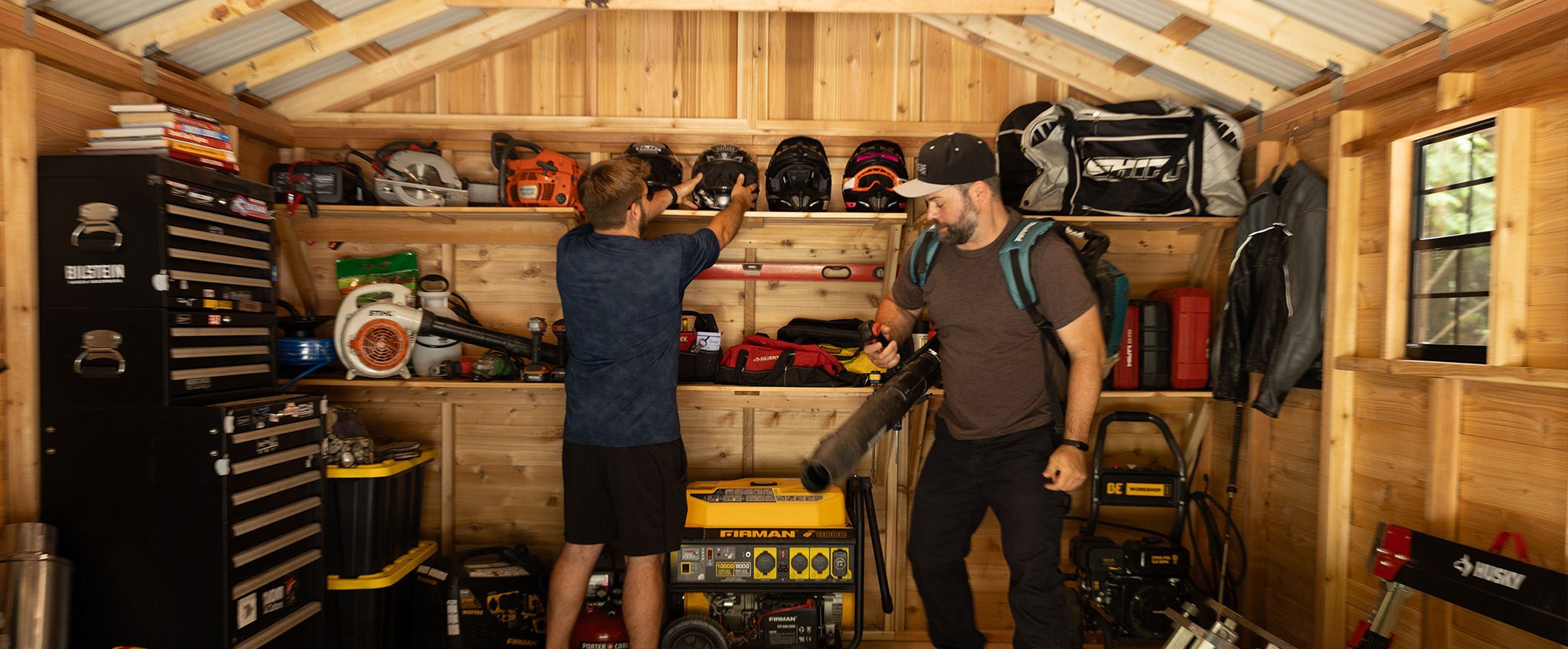
An organized garden shed saves you time, energy, and money. When everything is in its place, you’ll no longer waste time searching for your trowel or spend extra cash replacing items you can’t find. A well-structured tool shed can also reduce stress and improve safety.

Hose Storage Made Safe

Avoid tripping hazards by mounting your garden hose on a sturdy wall hook with a steep angle. This not only keeps your space tidy but prevents painful falls.

Hang Long-Handled Tools

Space Master 12x16 SM1216 Outdoor Living Today western red cedar Banner 2

Maximize floor space by installing a tool hanger on the inside of your shed door. Long-handled tools like rakes and shovels stay out of the way but within reach.

Install Open Shelving

Open metal shelves are ideal for tight sheds with limited natural light. They allow sunlight to pass through and make your tools easier to spot. Choose adjustable shelving to fit your tools of all sizes.

Use Bins to Avoid Clutter

Shelves alone won’t prevent chaos. Use plastic or metal storage bins to group and organize smaller items neatly.

Add a Magnetic Tool Strip

Mount a magnetic strip to store metal tools like pruning shears or trowels. Mechanics have used this method for years—apply the same logic to your garden shed for quick access and safe storage.

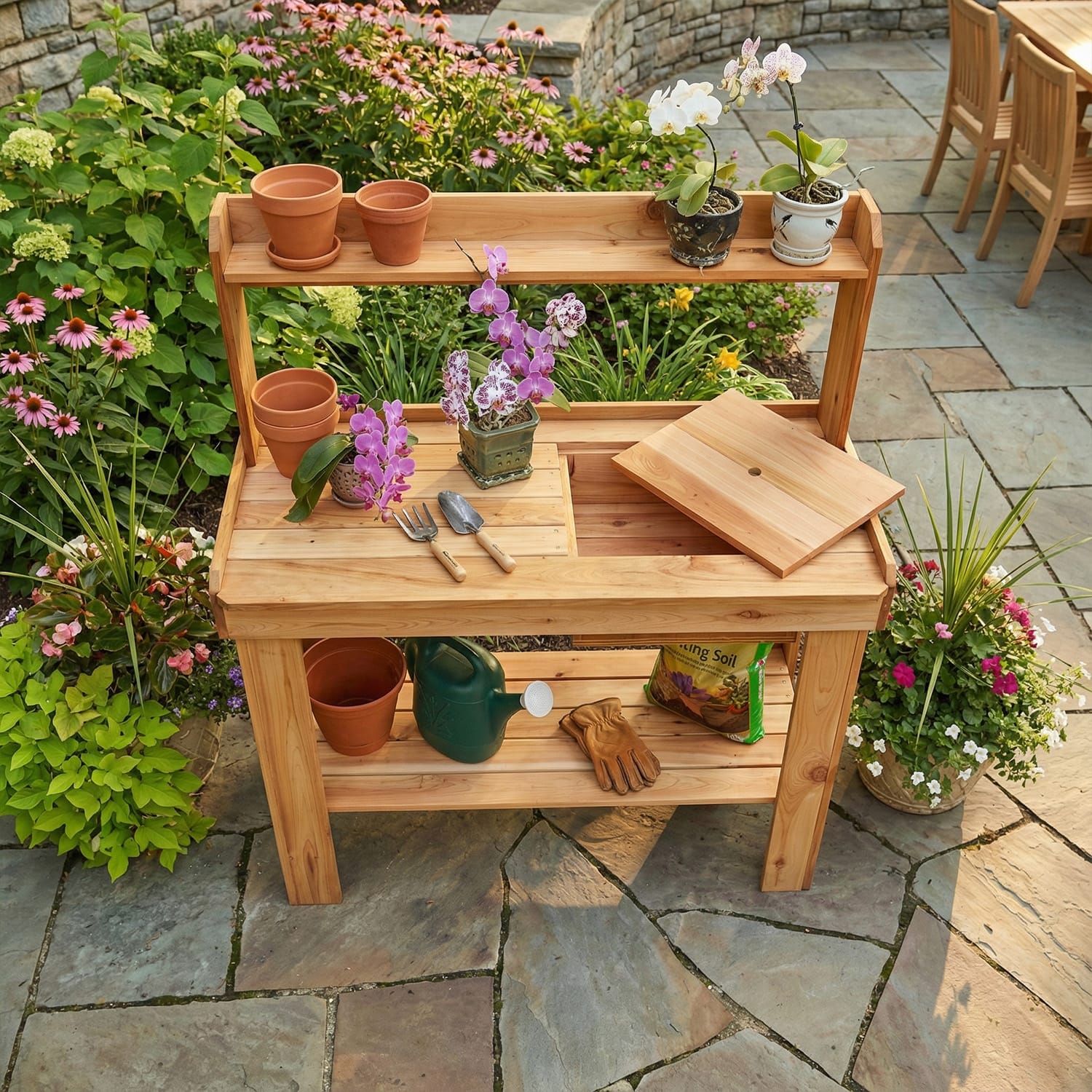
Create a Potting Bench

Potting Bench 4x2 Western Red Cedar Raised Garden Bed Kit Outdoor Living Today 2

A potting bench gives you a dedicated space to plant or repot—even on rainy days. It also keeps potting mix dry and your gardening more enjoyable.

Track Tasks with a Calendar

Install a metal calendar in your shed to track seasonal chores. Bonus: magnetic holders let you store seed packets, plant tags, and more in one place.

Wicker Basket Essentials

Hang a wicker basket on your shed door to stash essentials like gloves, shears, or gardening books. It’s the quickest grab-and-go storage for your most-used items.

Baskets Under the Bench

Place a bushel basket or bin under your potting bench to hold mulch, birdseed, or potting soil. You’ll find great deals at local flea markets or use any weatherproof container you have.

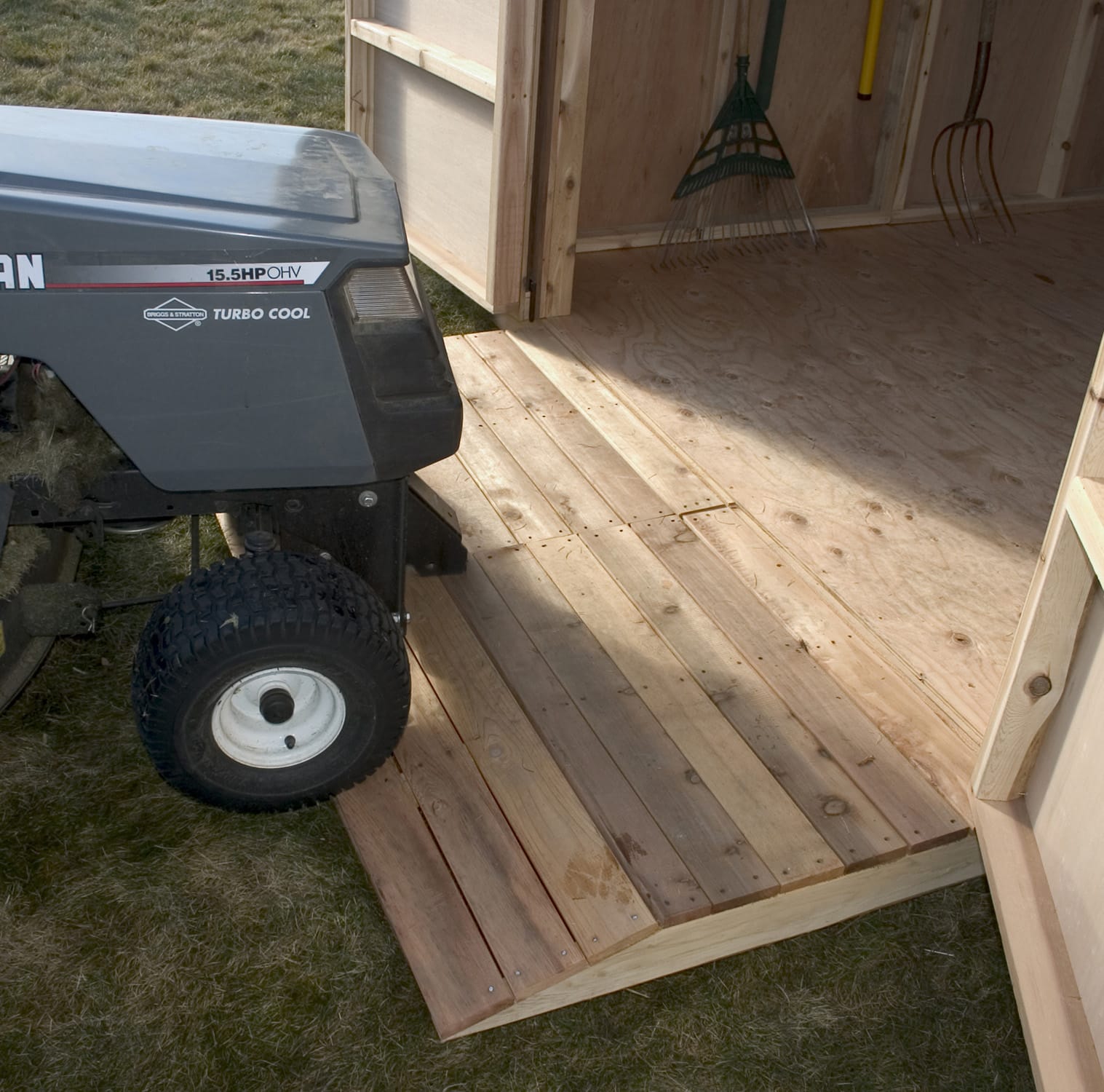
Add a Portable Ramp

RAMP Option OLT

Make moving heavy equipment easier with a DIY ramp. A couple of 2x4s and a piece of ½” plywood can create a sturdy yet compact ramp that’s easy to store when not in use.

Plan Shed Design Around Your Needs

Before building or buying a shed, pile up your gear and measure its footprint. If you plan to store large power tools, you’ll need more space—plan accordingly.

Prioritize Tool Placement

Keep frequently used tools at the front and center of your shed. Store less-used items at the back. Make sure trowels, gloves, and pruning gear are always easily accessible.

Hang Tools Safely

Mount smaller tools like rakes, saws, and cultivators on the lower section of your shed wall or doors. This keeps blades safe and tools in good condition while protecting you from injuries.

Declutter Ruthlessly

Group similar items—cords, seeds, chemicals—and donate or dispose of broken, rusty, or unnecessary duplicates. An organized shed starts with only what you truly need.

Read More

How to Build a Level Base for Your Shed: Step-by-Step Guide

OLT How To Build A Foundation Graphic Steps 2

If you’re building a garden or storage shed, the single most important step is preparing a solid, level base. Even if your yard looks flat, assuming it’s level can lead to major headaches down the road. From wobbly workbenches to crooked walls, an uneven foundation impacts everything that comes after.

In this guide, we’ll walk you through how to create a strong shed foundation using crushed stone and pressure-treated wood.
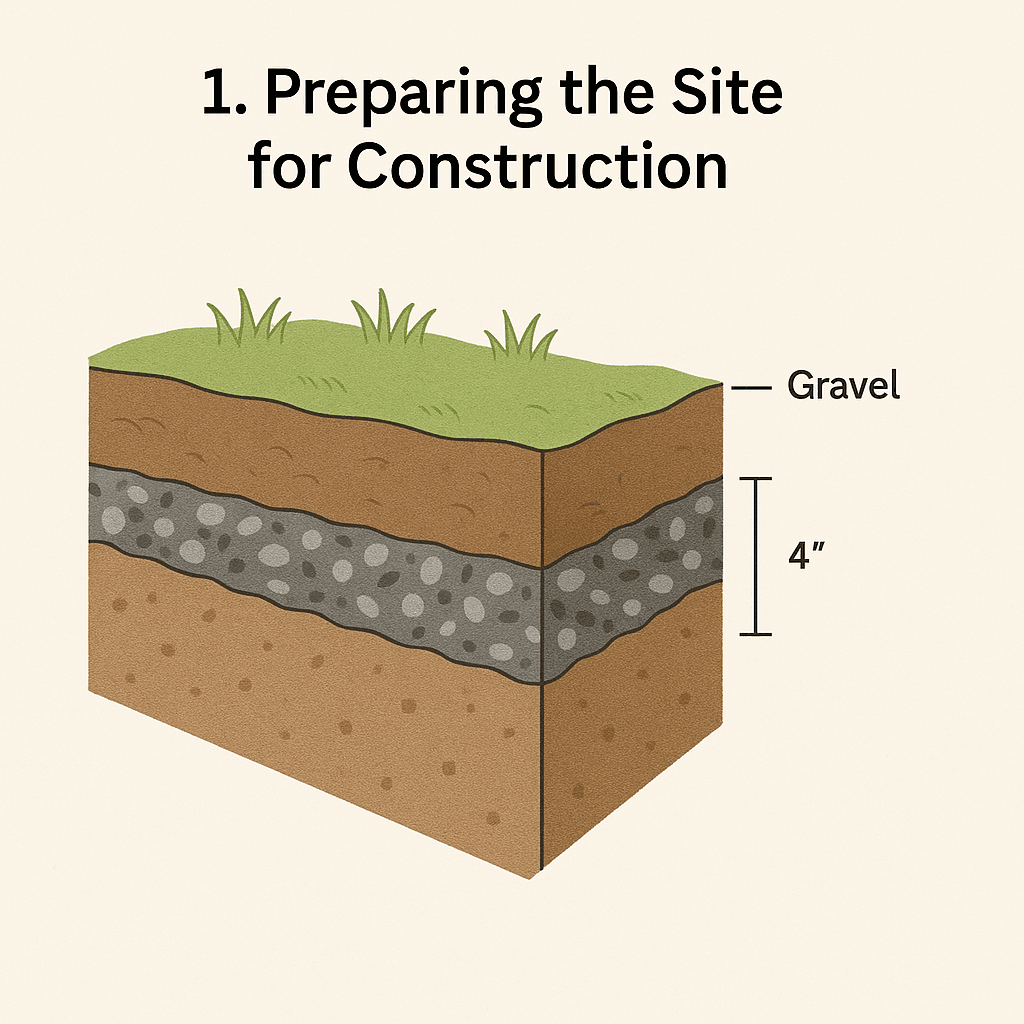
Why Leveling Matters


A level base ensures your shed walls, doors, and especially roof panels align properly during assembly. Many DIYers discover too late that an off-kilter base causes misaligned screw holes, unstable framing, and frustrating gaps during roof installation.

And beyond aesthetics, if you plan to install a workbench, shelving, or any equipment, you’ll need it sitting perfectly level—not tilted like a funhouse.

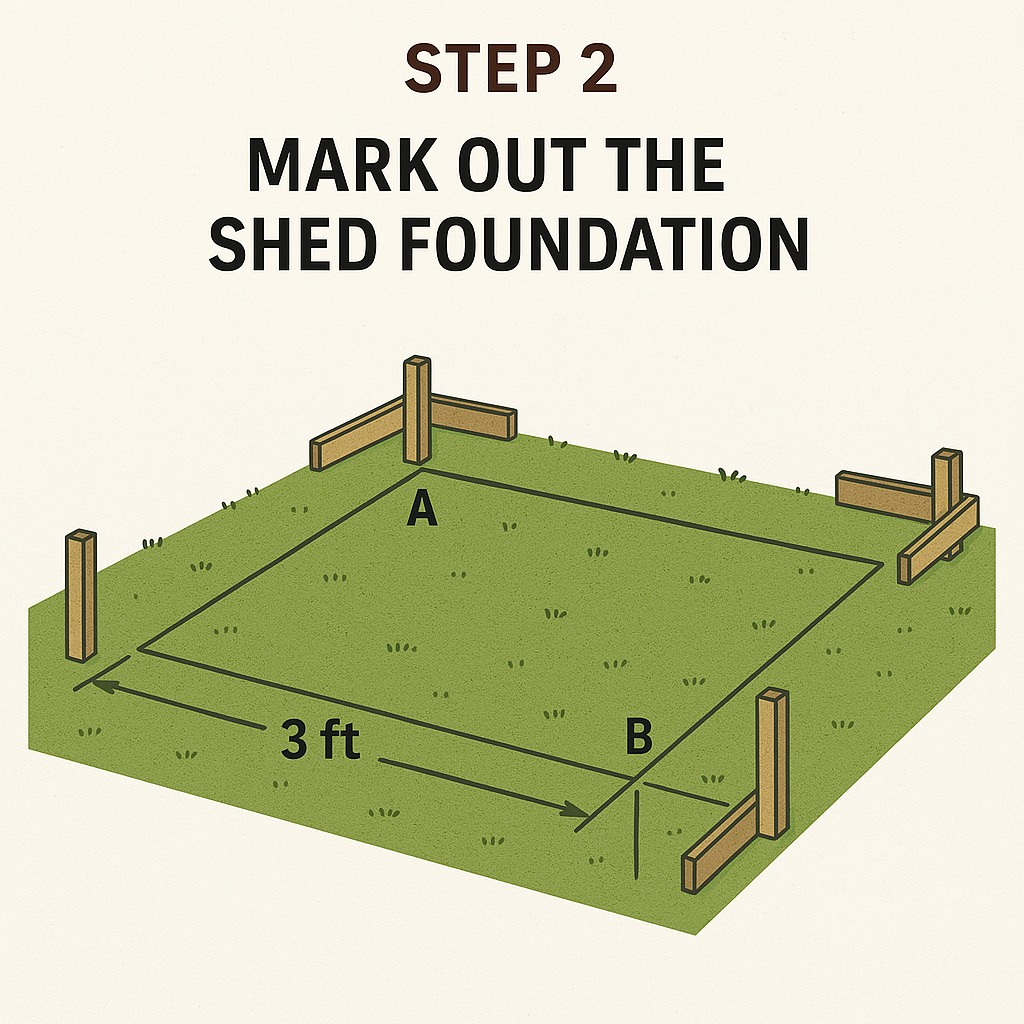
Step 1: Mark and Measure Your Shed Footprint

OLT How To Build A Foundation Graphic Steps 8

Start by choosing your shed’s final position. Consider:
  • Sun exposure

  • Drainage

  • Obstruction of views or light

Use four wooden stakes to mark out a slightly larger footprint than the shed base. This ensures enough room for installation and airflow.

Step 2: Identify Your High Corner

Use a long 2×4 and spirit level to determine which corner of your base is the highest point. Tap the stake in until it’s 4-6” above ground. This will be your reference height for the other corners.

Measure down from this point to determine how much soil needs to be excavated from the remaining corners to make the base level. Strip turf and excavate to 3″ depth minimum (ideally 3″ to 5″).

Step 3: Add and Compact Crushed Stone

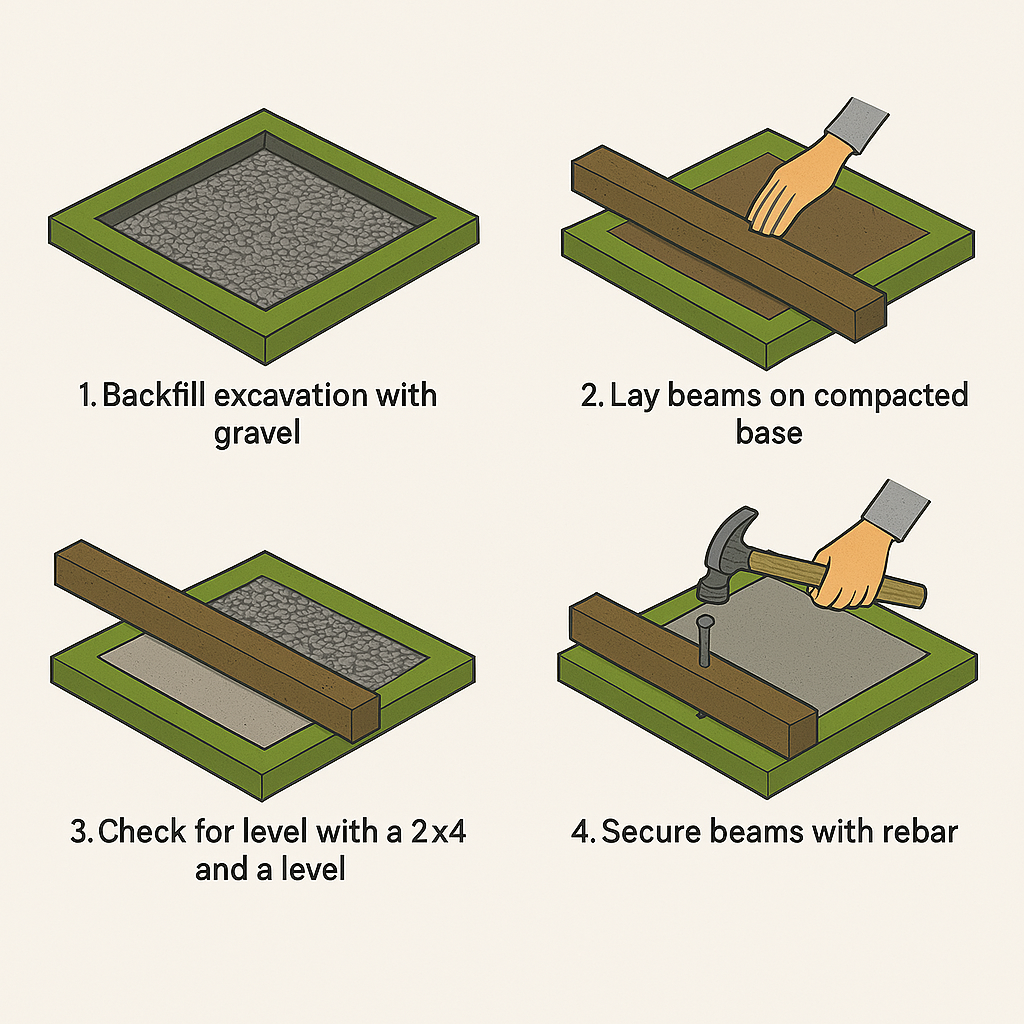
Lay down a weed barrier, then spread crushed aggregate (crushed stone with fine dust). Rake it as level as possible.

To compact it:

  • Rent a vibrating plate compactor or

  • Use a 25 lb hand tamper to pound the stone flat

Keep checking your levels between corners using your 2×4 and spirit level. Add or remove stone as needed until the entire base is flat and compact.

Step 4: Add Pressure-Treated Wood Timbers

OLT How To Build A Foundation Graphic Steps 8 1

Lay 4×4 pressure-treated timbers perpendicular to your planned shed floor joists. These elevate the shed for better air circulation and help prevent water damage. Ensure the wood sits flush and level across the stone base.

Tip: Use stainless steel or aluminum fasteners to prevent staining or corrosion.
Step 5: Maintain Dryness for Longevity

Moisture is the main cause of wood decay. Crushed stone allows water to drain, and elevating your shed with pressure-treated wood adds another layer of protection. Together, they dramatically extend the life of your shed.

Summary

Building a proper shed foundation takes time, but it prevents costly errors and repairs later. A few key tools and steps ensure a long-lasting, stable base:

  • Mark your site carefully

  • Level it out thoroughly

  • Compact crushed stone

  • Add pressure-treated support timbers

With these steps, you’ll have a rock-solid base for whatever you build on top—from garden sheds to backyard studios.


Read More

12 Affordable Ways to Personalize Your Pergola or Gazebo

B. Baker 10x16 Cedar Pergola Kit 2 scaled 1

When it comes to building a pergola or gazebo, there’s a wide range of options to suit any style and budget — from classic Western Red Cedar pergolas to sleek vinyl and metal structures. Whether you’re looking for added comfort, shade, or visual appeal, there are countless cost-effective ways to personalize your pergola or gazebo and make it a centerpiece of your outdoor space.

1. Add Some Furniture

Turn your pergola-covered space into a cozy seating area with a patio table, chairs, or even a hammock. Painting the furniture to match the tone of your pergola adds a thoughtful touch, while placing a hot tub underneath can transform it into the ultimate relaxation zone.

2. Add Extra Rafters or Joists

Most pergola kits come with essential rafters or joists, offering partial shade. But if you want more coverage or support for hanging baskets or climbing plants, consider adding extra joist beams. This customization adds functionality and visual interest.

3. Erect Trellis or Lattice

Trellis or lattice panels can be installed on one or more sides to create a “garden room” feel. Ideal for climbing plants like roses, clematis, or honeysuckle, lattice also provides privacy and shade. Be sure to use durable 1/2- to 1-inch thick wood, and pre-drill holes to avoid splitting.

4. Close One End for Added Privacy

While pergolas are often open-air structures, adding a lattice wall or solid panel to one or two sides offers both privacy and a decorative touch. It softens the lines of the structure and enhances its room-like feel.

5. Include Colorful Flowers

Introduce vibrancy with flowering plants like sweet alyssum, marguerite daisies, or spider flowers. Whether they climb up a lattice or sit in pots around the base, flowers bring warmth and seasonal beauty to your pergola.

OLT 68378af1 a62e 40fb a60b a2418e53ebe2

6. Opt for All-Season Use

Protect your pergola with a solid polycarbonate roof or retractable canopy. These additions allow you to enjoy your outdoor space through rain, snow, or scorching sun — extending usability year-round.

7. Swing Seating Pergolas

Add a built-in swing beneath your pergola for a fun and relaxing touch. Perfect for two people, swing seating makes the space more dynamic and provides a great spot to unwind.

8. Hanging Seats from the Rafters

Replace standard seating with hanging cushioned chairs to create a laid-back, breezy vibe. Hanging seats add movement and charm, making the pergola feel more like a retreat.gaz screen 1024x1013 1

9. Match Pergola to Your Deck

Stain your pergola to match the deck it stands on to create a cohesive look. Add potted plants and soft seating for a secluded, calming vibe that feels like a natural extension of your home.

10. Paint for a Bright Finish

Choose a classic white or go bold with color. Painting your pergola can give it a refreshed look that aligns with your backyard’s style. For cedar pergolas, use an acrylic, non-toxic paint that won’t harm nearby plants.

11. Install Glass Blocks for Privacy

Want a unique twist? Sporadically placed glass blocks provide privacy and visual interest while letting light through. Pairing wood and glass creates a stunning modern contrast.

12. Mix Function with Fun

Add pillows, fairy lights, or outdoor curtains to complete your pergola personalization. These finishing touches offer comfort, style, and charm for entertaining or unwinding outdoors.


At Outdoor Living Today, we offer premium cedar pergola kits that are easy to assemble and ready to personalize. Whether you’re looking for shade, structure, or a statement piece, our customizable backyard structures are built to last.

Read More

How to Maintain Your Outdoor Pergola and Keep It Looking Beautiful Year-Round

1212 3

An outdoor pergola is a stylish open-air structure perfect for creating shade and adding ambiance to your backyard. Whether covered in climbing vines or paired with retractable canopies, pergolas made of wood, vinyl, plastic, or metal require regular care to maintain their appearance and structural integrity. Here’s a complete guide on how to properly maintain your pergola and ensure it lasts for many years.


1. Hose It Down Regularly

Regardless of your pergola’s material, the first step in maintenance is a thorough rinse. Use a high-pressure hose to remove surface dirt, pollen, or debris. Start at the top and work your way downward. Be sure to clear the area of furniture and décor to avoid damage during the process.

2. Clean with the Right Tools

Choose a bristle brush and a suitable cleaner for your pergola’s material:

  • Wood: Use a wood-safe cleaner and remove any peeling paint or splinters.

  • Metal: Scrub away any rust buildup using a wire or bristle brush.

  • Vinyl: Follow manufacturer guidelines—usually, mild detergent works well. Use a toothbrush to reach tight corners or areas around hardware.

3. Remove Mildew and Rust Stains

Combat mildew with a mix of one cup of oxygen bleach and one gallon of water. Apply this solution after the initial rinse and let it sit until the mildew stains begin to fade. Rinse again thoroughly with soap and water.

If you notice black or brown rust stains from fasteners, consider replacing corroded hardware with stainless steel or aluminum options.

4. Rinse Thoroughly

After applying cleaning solutions, rinse again using a hose to remove all residue. Check for spots that may need a second round of cleaning and repeat as necessary.

5. Touch-Up and Repair Damage

Use a touch-up or repair kit to fix cuts, dings, or gouges. Wood or metal putty can patch small damage, and many vinyl pergolas include specialized kits for surface restoration. Sand down any rough spots before refinishing.

6. Seal and Stain for Longevity

If you have a cedar pergola, you’ll notice it gradually turns from a rich reddish tone to a silvery gray. To preserve its original hue:

  • Clean thoroughly

  • Apply a translucent oil-based wood stain for cedar

  • Let it dry and then seal Reapply stain and sealant every other year to maintain appearance and protection.

7. Address Fasteners and Loose Hardware

Inspect all fasteners and replace any that show corrosion. Use rust-resistant stainless steel or aluminum. Tighten loose bolts and screws to keep the structure secure.

8. Paint for Added Protection

1216 5

In hot, dry climates, UV rays can cause wood pergolas to crack and fade. Apply a durable, heat-resistant exterior paint for long-term protection and aesthetic appeal.

9. Trim Vines and Greenery

While creeping vines add beauty and shade, overgrowth can increase the pergola’s weight load. Trim vines a few times a year to reduce stress on the frame. They’ll grow back quickly and stay healthy with regular care.


Conclusion With proper maintenance, your outdoor pergola can remain an attractive and functional centerpiece in your backyard for years. Regular cleaning, careful inspection, and minor seasonal upkeep can prevent costly repairs and preserve the pergola’s beauty and strength.

Read More

There’s a reason this wood has stood the test of time.

Western Red Cedar Pergola Canopy Outdoor Living Today

Western Red Cedar has long been a symbol of strength, sustainability, and natural beauty. With a legacy stretching back thousands of years and a growing reputation in modern landscaping, this remarkable wood species continues to shape outdoor living spaces across North America.

From ancient Indigenous tools to premium DIY garden structures, here’s everything you should know about Western Red Cedar wood — including why it remains one of the most trusted and eco-friendly building materials today.


🌲” /> A Brief History of Western Red Cedar

Known scientifically as Thuja plicata, Western Red Cedar is a large evergreen native to the Pacific Northwest of North America. Despite not being a “true cedar,” this tree holds deep cultural and practical significance — especially for the Indigenous peoples of British Columbia, Alaska, Washington, and Oregon.

Indigenous Use & Cultural Importance

Native communities have relied on Western Red Cedar for over 8,000 years, using virtually every part of the tree:

  • Bark: woven into mats, baskets, rain hats, and ropes

  • Wood: carved into dugout canoes, bentwood boxes, planks, and homes

  • Branches: shaped into bows, fishing lines, and cords

Some coastal Indigenous groups even refer to themselves as “People of the Red Cedar,” with oral legends describing the tree as a divine gift from the Great Spirit to provide shelter, tools, clothing, and protection.


🌿” /> Natural Characteristics

OLT western red cedar forest wide angle shot ebb705b7 7bc5 4e05 971f 7391e37b1c51

Western Red Cedar is instantly recognizable for its:

  • Soft red-brown coloring

  • Scale-like leaves in opposing rows

  • Drooping lower branches and towering, conical form (up to 60 meters tall!)

  • Aromatic scent (from natural tannins)

It thrives in cool, wet climates and can live for over 1,000 years. Today, most natural growth occurs along the wet coastal belt of the Pacific Northwest.


🧰” /> Why Western Red Cedar Is Ideal for Outdoor Projects

Western Red Cedar’s durability, light weight, and natural resistance to decay make it one of the most trusted woods for outdoor construction.

🪵” /> Key Benefits:

  • Naturally Rot-Resistant: The wood contains natural oils and tannins that repel moisture and decay.

  • Bug-Repelling Properties: Its strong aroma helps deter termites and other pests.

  • Weather Friendly: Unfinished cedar weathers to a silvery-gray but also holds paint or stain well.

  • Thermal Insulation: Cedar keeps spaces cool in summer and warm in winter, making it ideal for greenhouses or sheds.

  • Workability: It’s light, easy to cut, and simple to fasten — making it a favorite for DIYers.


🛠” /> Modern-Day Uses

Today, Western Red Cedar is one of the most sought-after materials for:

It’s available in clear and knotty grades, and comes in everything from rough timbers to 1×4 fence boards, making it suitable for virtually any backyard build.


🛒” /> Where to Buy Western Red Cedar

Western Red Cedar is widely available through:

  • Local lumber dealers

  • Specialty manufacturers that sell pre-cut DIY kits like Outdoor Living Today

  • Online retailers focused on sustainable cedar structures

Looking for something ready to assemble? Browse our curated collection of Western Red Cedar kits — sustainably sourced, pre-drilled, and easy to build.

For more technical specs, finishes, and sourcing details, visit the Western Red Cedar Lumber Association (WRCLA), the industry’s leading authority on cedar wood products.


Final Thoughts

Western Red Cedar’s long history, natural durability, and ecological sourcing make it one of the best materials for anyone looking to build outdoor structures that last. Whether you’re a seasoned carpenter or weekend DIYer, cedar delivers on beauty, strength, and sustainability — with a legacy to match.

Read More

10 Reasons to Choose Western Red Cedar for Your Pergola

BZ1220WRC 3 scaled 1

If you’re planning to build a wooden pergola, one of the most important decisions you’ll make is choosing the right material. Among all wood options available, Western Red Cedar stands out as the ultimate choice for outdoor living structures — offering natural durability, rich aesthetics, and incredible workability.

At Outdoor Living Today, we design and manufacture high-quality Western Red Cedar Pergola Kits for customers across North America. Here’s why cedar remains the gold standard for outdoor pergolas.


🌿 1. Naturally Durable & Weather Resistant

Western Red Cedar is prized for its natural resistance to decay, moisture, and outdoor elements. It performs exceptionally well in extreme weather conditions — from wet coastal climates to dry, sun-drenched backyards. This makes it a smart, long-term choice for pergolas, gazebos, and sheds.


🐜 2. Naturally Insect-Repellent

Cedar contains natural oils that act as a built-in insect deterrent, helping to keep termites and other pests at bay — no chemicals or treatments required. That’s one reason it has been used for centuries in fencing, outdoor siding, and even roofing.


🔁 3. Superior Dimensional Stability

Cedar is a hygroscopic wood, meaning it balances moisture with the surrounding environment. Unlike many softwoods that warp or crack over time, Western Red Cedar holds its shape through fluctuations in humidity and temperature.


🪶 4. Lightweight & Easy to Work With

BZ1216 BZ1212 Stafford 1

Western Red Cedar is one of the lightest softwoods used in outdoor construction, weighing in at about 21 lbs per cubic foot. This makes it easy to handle, transport, and install — especially helpful for DIY builders using our easy-to-assemble pergola kits.


🌡 5. Excellent Thermal Insulation

Thanks to its unique cellular structure, cedar naturally resists heat transfer. Your cedar pergola will stay cooler in summer, providing a shaded retreat, and won’t retain excessive heat like metal or brick structures do.


✨ 6. Beautiful Natural Appearance

Cedar offers timeless beauty with its rich grain patterns and reddish-brown hue. It can be left unstained to gracefully weather to a silvery grey, or stained to enhance its warm tone. It’s the ideal material for homeowners who value curb appeal and natural aesthetics.

Looking for style inspiration? Explore our curated Decorating Ideas for pergolas and garden spaces.


🌸 7. Fresh Natural Aroma

The signature cedar scent is both soothing and nostalgic. Its aromatic oils not only repel insects but also create a pleasant sensory experience — especially in cozy, enclosed spaces like pergolas or greenhouses.


🔇 8. Sound Dampening Qualities

SetWidth530 6 bz1216 buckner

Cedar has natural acoustic dampening properties, reducing noise transmission and echo. If you enjoy outdoor dining or hosting gatherings under your pergola, you’ll appreciate the added comfort and ambiance it offers.


🛠 9. Builder-Friendly

Cedar is easy to cut, screw, and drill without splintering, making it a favorite among DIYers and contractors alike. Need help assembling your kit? Download our assembly manuals or visit our FAQs for more support.


🧩 10. Design Flexibility

Whether you’re going for rustic charm or modern elegance, cedar gives you more freedom to customize. It handles intricate cuts and decorative touches with ease — perfect for creating pergolas that suit your vision.


Build It Better with Outdoor Living Today

At Outdoor Living Today, we offer a wide range of Western Red Cedar Pergola Kits that are precision-cut, panelized for easy assembly, and shipped right to your door. Plus, we offer warranty coverage and shipping support across North America.

Read More