🏗️ How To Build A Foundation

A solid foundation is the key to a long-lasting shed. At Outdoor Living Today, we want to help you create a sturdy, level base for your shed—without confusion or guesswork. Whether you’re a DIY pro or first-timer, this guide walks you through clear, step-by-step instructions and multiple foundation options.

 Three Recommended Foundation Types:

  • Patio Stones (Fast & Easy)
  • Pressure-Treated 4×4 Beams (Durable & Elevated)
  • Concrete Slab (Permanent & Weather-Resistant)
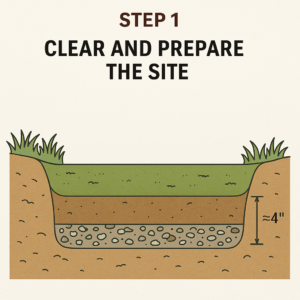
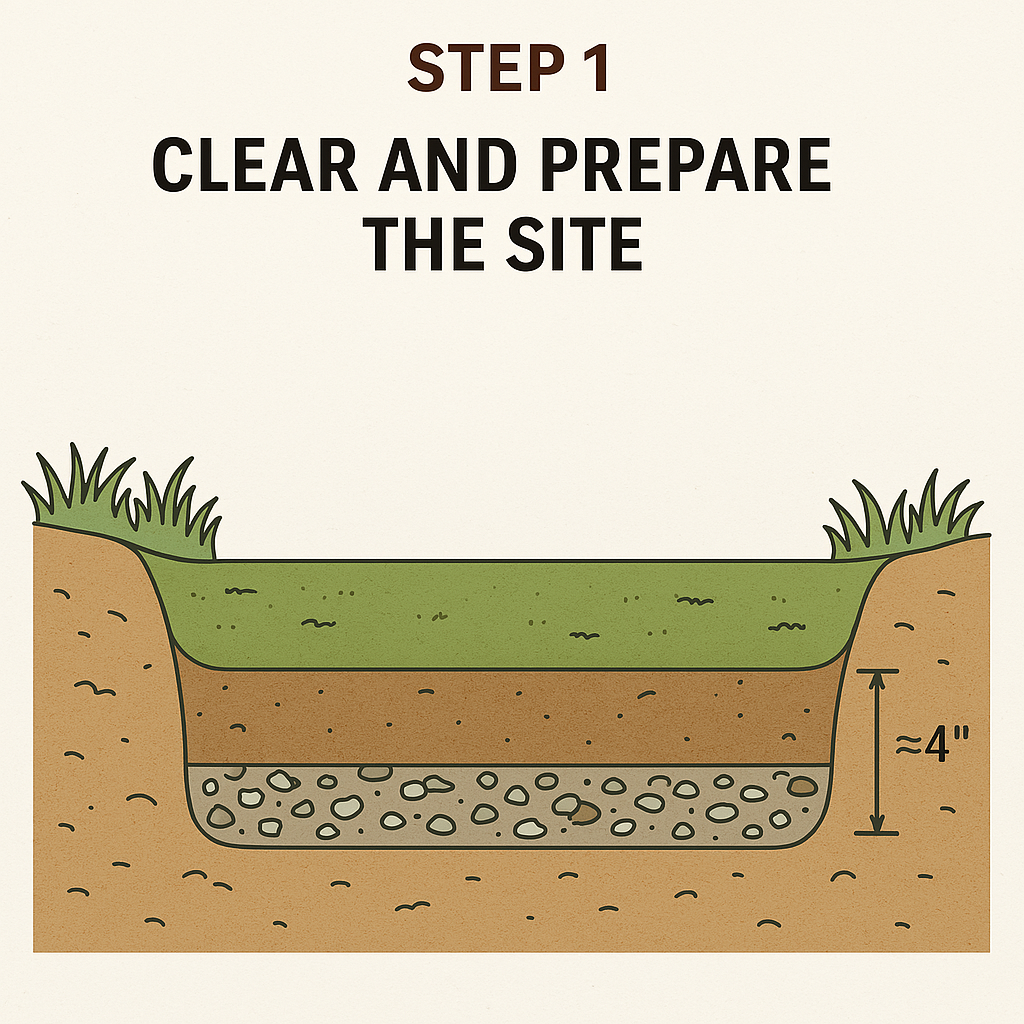
OLT How To Build A Foundation Graphic Steps 10STEP 1: Clear & Prepare the Site

Before your shed kit arrives:

  • Remove grass, debris, roots, and rocks.

  • Make sure the area is flat and drains well.

  • The ground should slope away from the site (approx. 1/8″ per foot over 10 feet) to prevent water buildup.

  • For best results, excavate 4 inches and fill with gravel or crushed rock.

💡 Pro Tip: Use a landscape fabric under gravel to prevent weed growth and soil shifting over time.
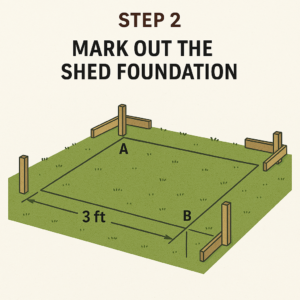


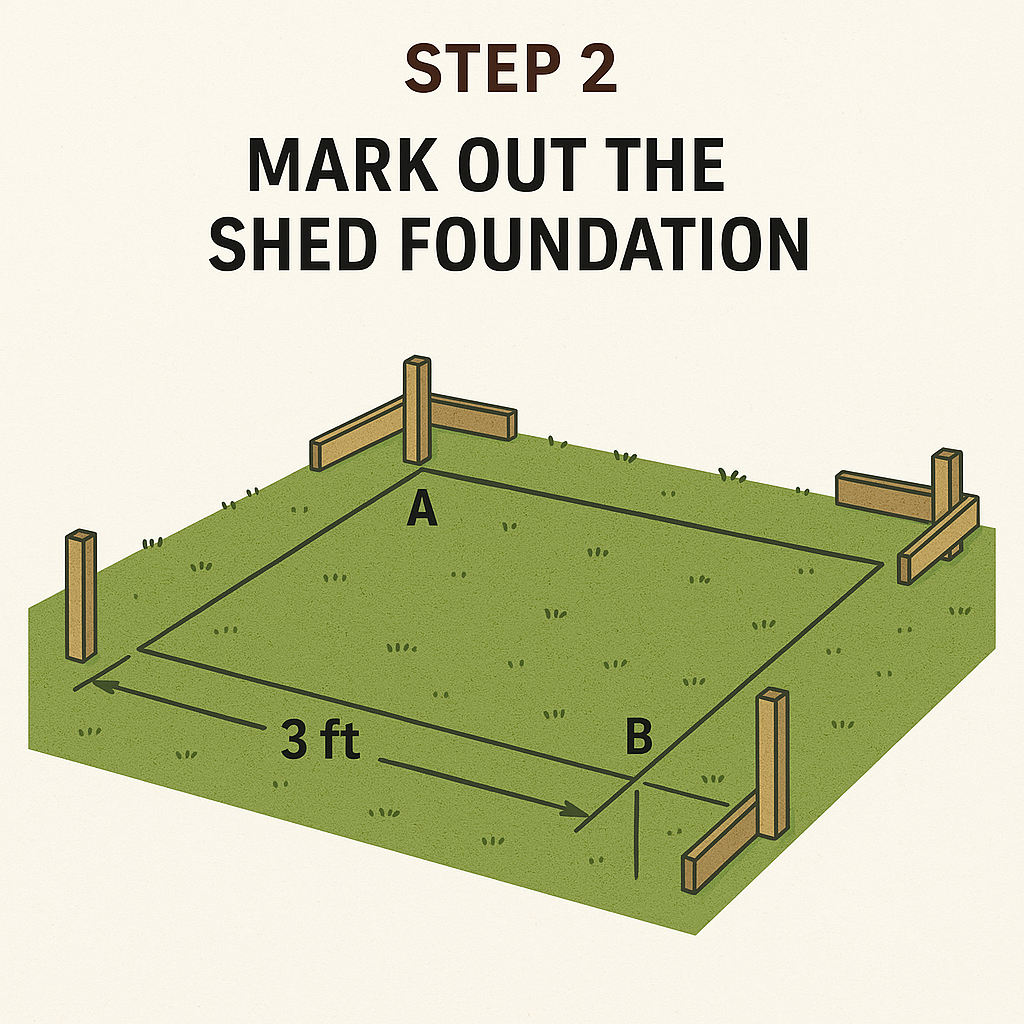
OLT How To Build A Foundation Graphic Steps 2STEP 2: Mark Out the Shed Foundation

  • Pick one corner (Point A) and drive a stake into the ground.

    Use the 3-4-5 triangle method (based on the Pythagorean theorem) to ensure your layout is square—this method works for any shed size:

    • Measure 3 feet (or any multiple) on one side, and 4 feet (or same multiple) on the adjacent side. The diagonal between them should be exactly 5 feet (or the matching multiple).

    • For larger sheds, you can use 6-8-10 or 9-12-15—just maintain the ratio.

    Once your corners are square, outline the full perimeter using string and batter boards.

📏 Need help squaring? There are apps and online calculators that can assist with right angles using your shed dimensions.


STEP 3: Choose Your Foundation Type
OLT How To Build A Foundation Graphic Steps 7

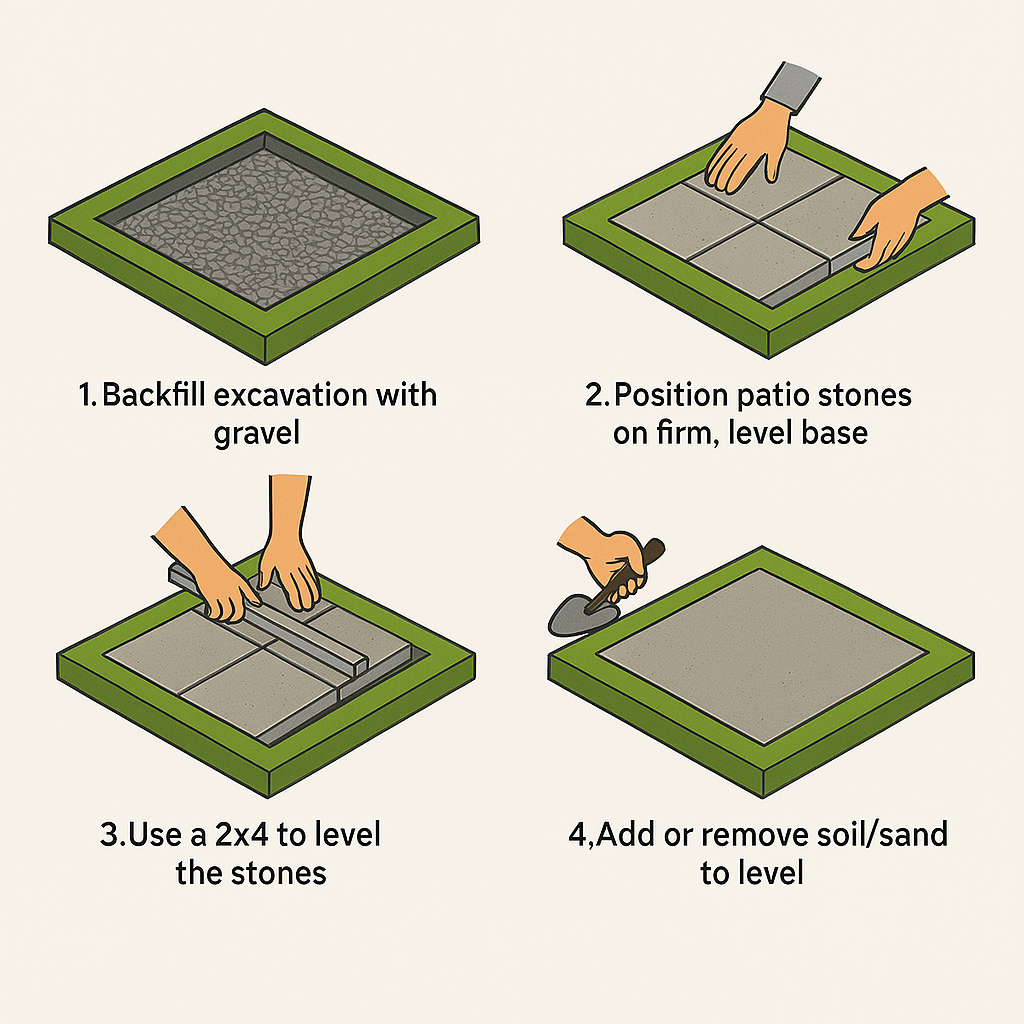
Patio Stone Foundation

  • Best for small to medium sheds on stable ground.

  • Level the soil or gravel, then place stones under key floor joist points (see your floor plan).

  • Adjust using sand or soil for leveling.

  • Space stones evenly to support the shed’s perimeter and any internal floor joists for balanced weight distribution.

  • Use a long 2×4 and a carpenter’s level to ensure all stones sit flat and level across the entire footprint.

✅ Quick to install, affordable, and easy to move or adjust.
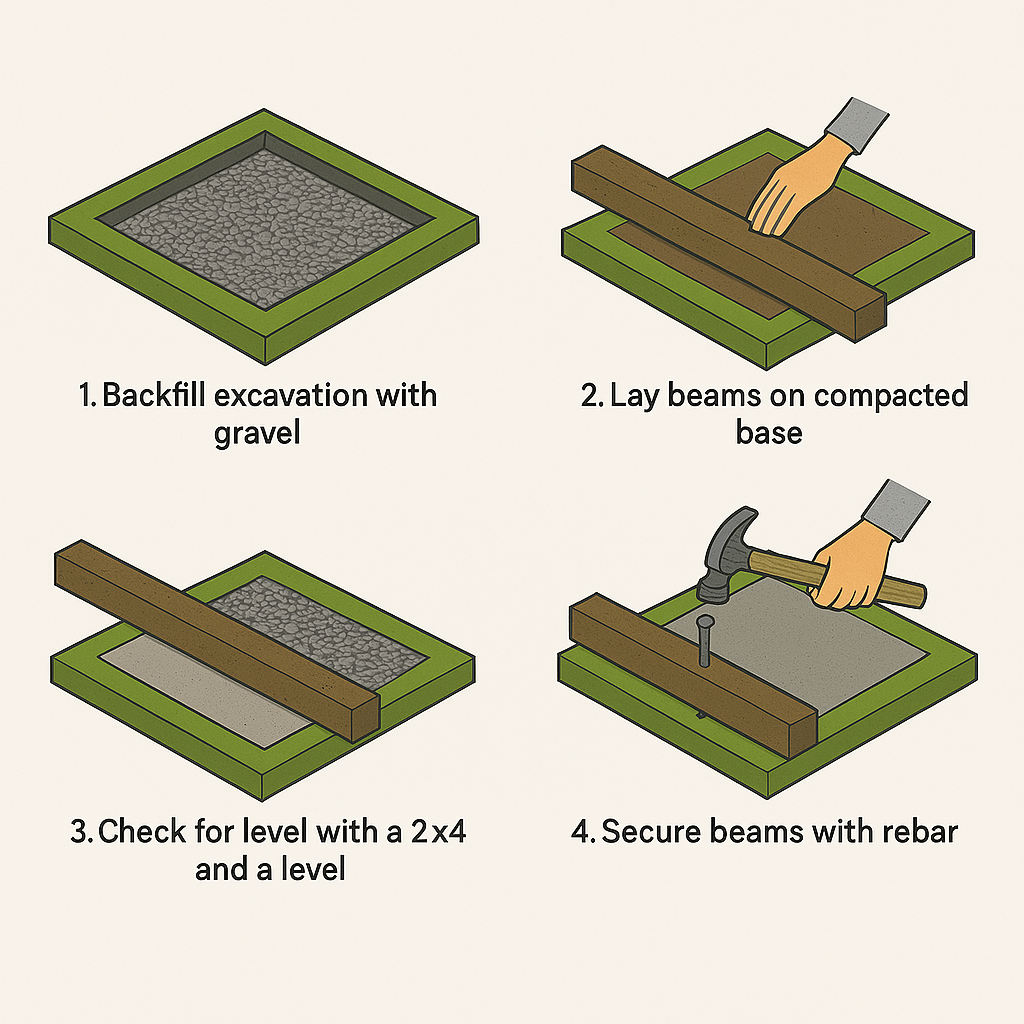


OLT How To Build A Foundation Graphic Steps 84×4 Pressure-Treated Beam Foundation

  • Ideal for slightly uneven terrain or areas where airflow is needed beneath the shed.

  • Lay beams perpendicular to joists on a gravel base.

  • Use rebar (½”) driven through pre-drilled holes to secure beams in place.

  • Leave space between beams to promote drainage and prevent moisture buildup under the shed.

  • Ensure all beams are level and aligned before attaching floor joists for a stable, even base.

🪵 Leaves room underneath for ventilation and helps prevent rot.
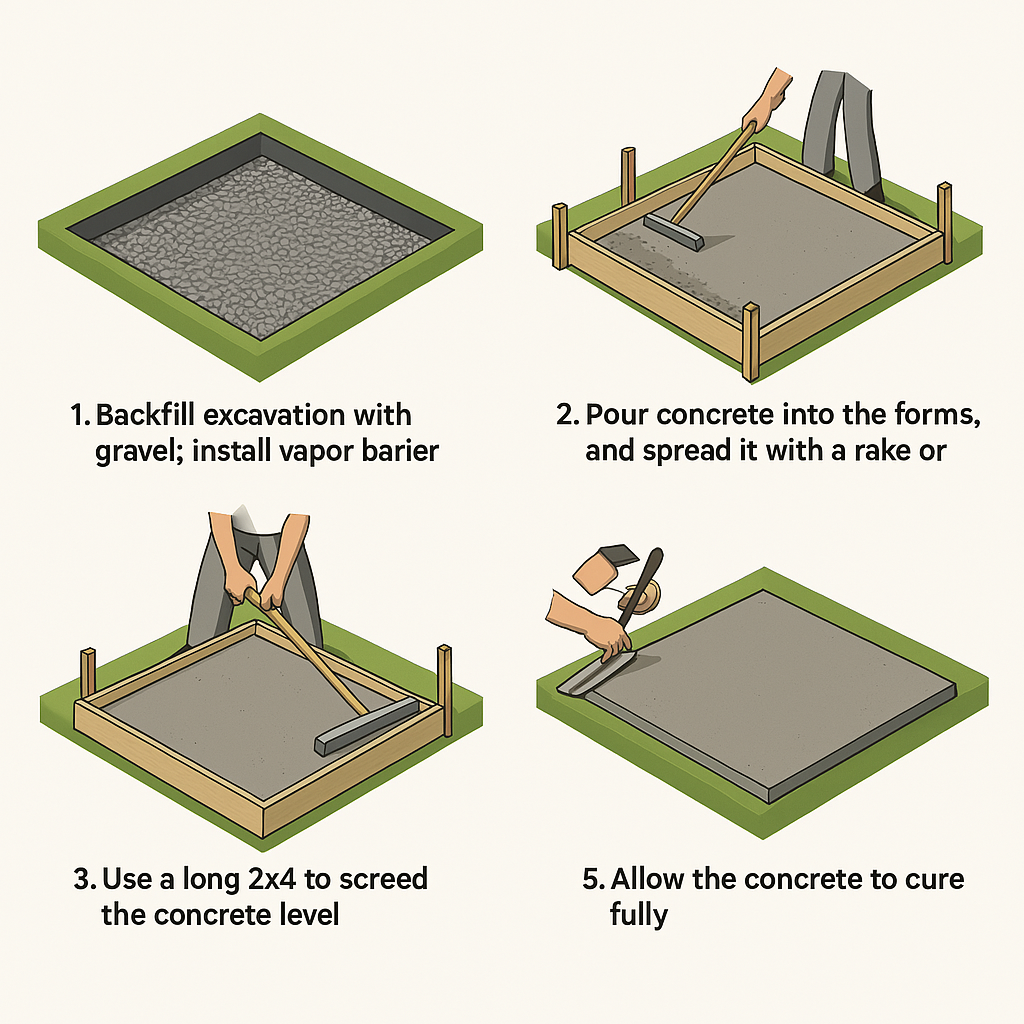


OLT How To Build A Foundation Graphic Steps 14Concrete Slab Foundation

  • Best for large, heavy-duty sheds or long-term placement.

  • Excavate 6 inches: 4″ of gravel, 4″ of concrete slab.

  • Include a plastic vapor barrier between gravel and slab.

  • Frame your pour with 2x4s, level and finish with a trowel or bull float.

🔒 Most permanent option. Offers unbeatable durability and pest resistance.


⚠️ Final Tips Before You Start:

  • Always check local building codes and permit requirements.

  • Call your local utility provider before you dig to avoid underground lines.

  • Don’t skip drainage—it’s your best defense against rot and frost heave.


🔍 Need More Specific Foundation Guidance?
While this guide provides general best practices for preparing a foundation, individual product designs may have unique requirements. For a more tailored guide for your specific model, please refer to the provided product assembly manual included with your kit or available above .
Read More

5 Creative Ways to Transform Your Cedar Shed

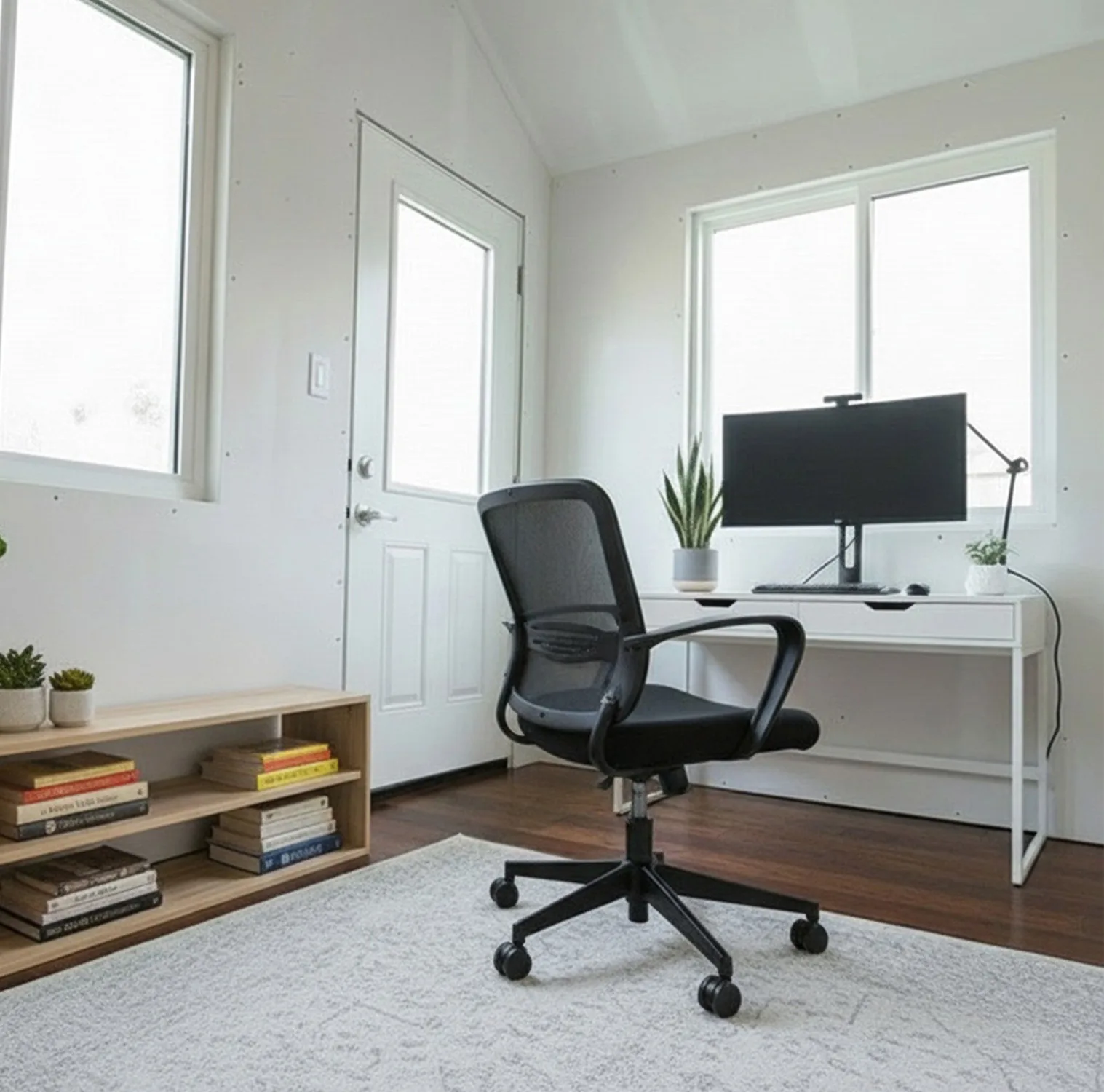
Feeling short on space at home? A cedar garden shed can be more than just a place for tools. It can become an extension of your lifestyle. From a peaceful backyard office to a cozy family hangout, your Western Red Cedar shed is the perfect foundation for a functional, beautiful, and sustainable space.

The traditional garden shed isn’t just for storing outdoor tools and gardening supplies. With a bit of creativity or help from a contractor, it can be transformed into a versatile addition to your home.

Here are five ways to reimagine your backyard shed and bring your outdoor living dreams to life.


1. The Backyard Office

Working from home comes with distractions. Kids running around, doorbells ringing, and a fridge just steps away can make it hard to stay focused.

Creating a separate workspace in your backyard helps set clear boundaries and improves your work-life balance.

A cedar garden shed office offers privacy, natural beauty, and flexibility — complete with power, insulation, and your choice of décor.

A cedar shed office brings calm and focus to your daily routine.

Saltbox Studio Western Red Cedar 12x8 Cedar Shed Office DIY Kit 8.png

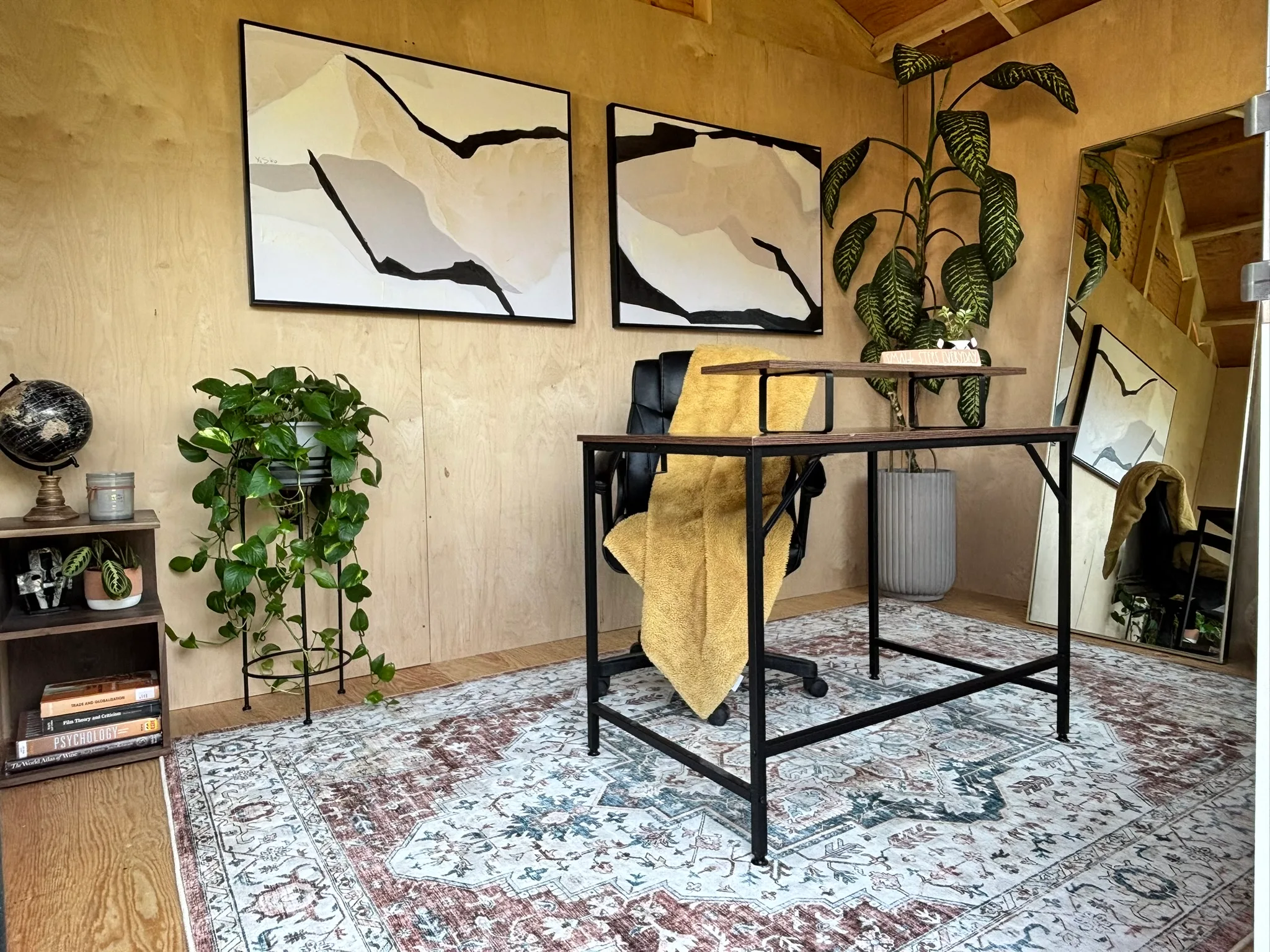
2. The She Shed, Man Cave, or Rec Room

Everyone deserves their own space to unwind.

Many families are turning cedar sheds into personalized retreats — “she sheds,” “man caves,” or even kids’ rec rooms.

If your main house feels full, a small cedar shed can become a perfect hideaway.

Imagine reading after dinner, enjoying your hobbies in peace, or watching the big game without interrupting family time.

IMG 6674.JPEG.png

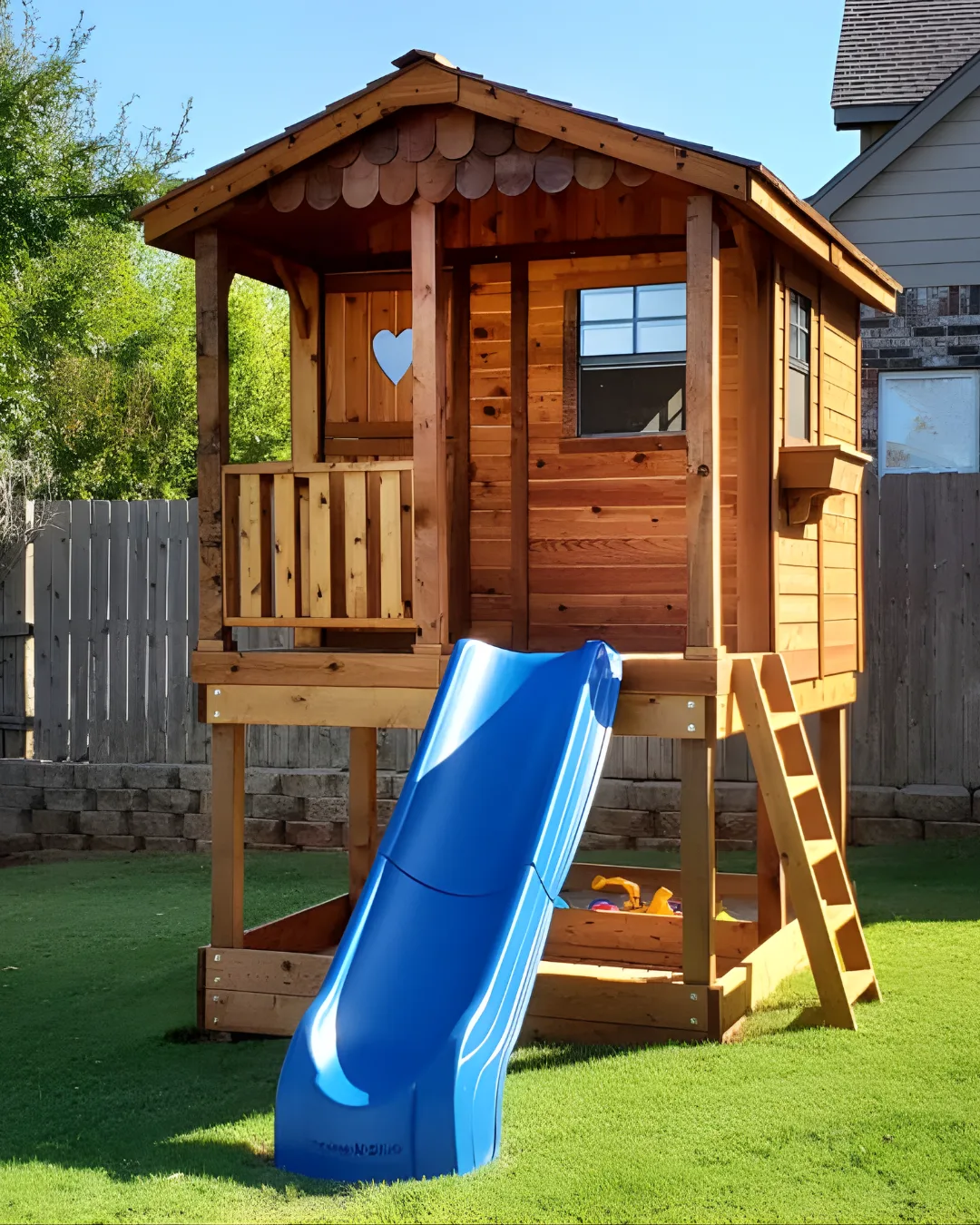
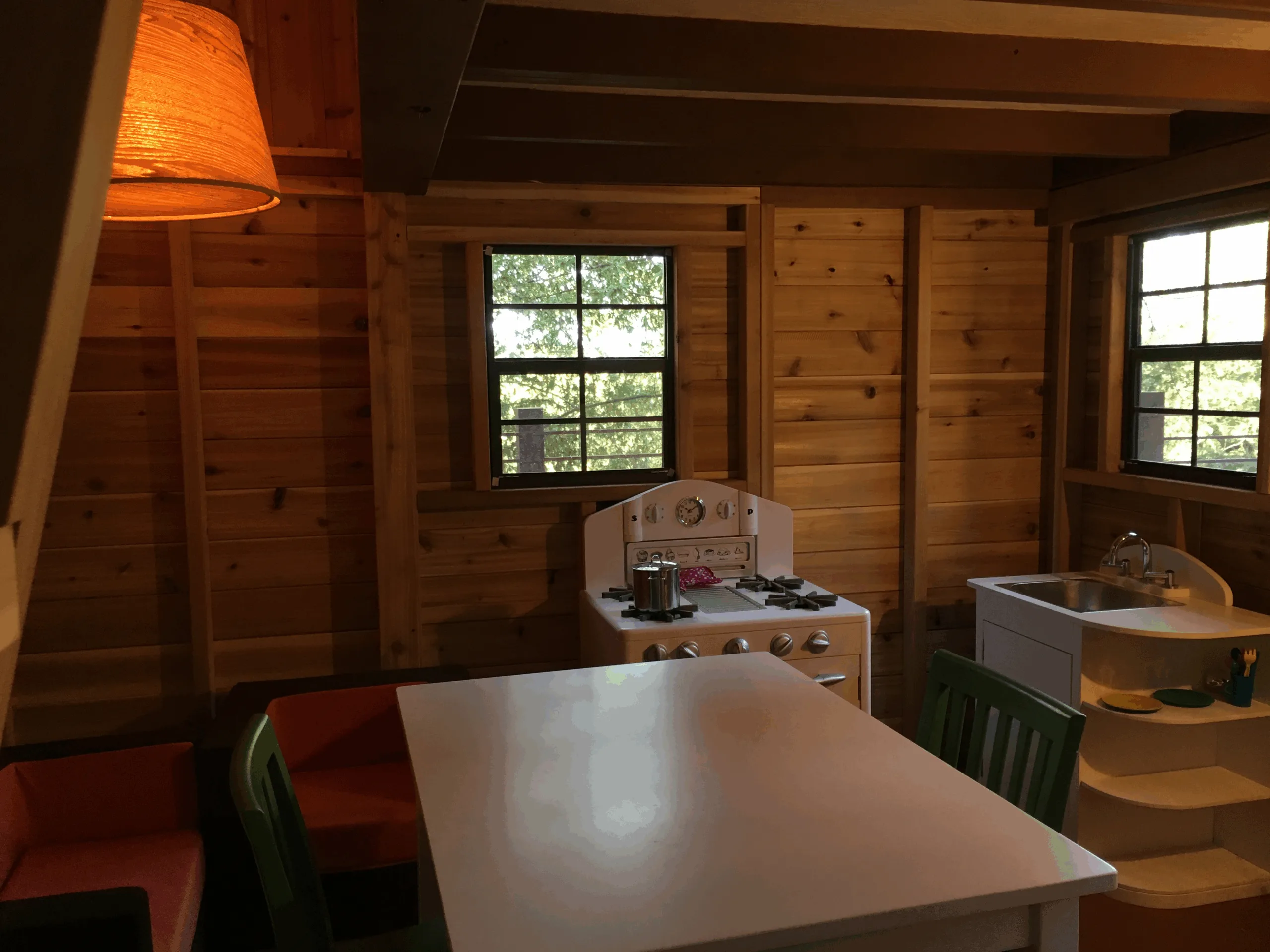
3. The Kids’ Playhouse

Turn your shed into a dedicated play space for the kids.

If you’re handy with tools, install cabinets, counters, and durable flooring to make a cedar playhouse that grows with them.

You can also insulate and add power to create a year-round playroom. Cedar’s natural resistance to decay and insects keeps the space safe and long-lasting.


💡 DIY idea: Stock the space with art supplies, toy storage, and cozy reading corners.
Playhouse 1.png

4. The Outdoor Bar or Kitchen

If you love hosting, a cedar shed bar or kitchen can take your outdoor entertaining to the next level. Add a counter, a mini fridge, and shelves for glassware or snacks.

Using your shed as prep space keeps everything close by and saves endless trips to the main kitchen during BBQ season.


💡 Hosting tip: Extend your shed’s overhang to create a shaded serving area for guests.

image6 scaled.png

5. The Pool House

If you have a pool or hot tub, a cedar pool house makes life easier and more elegant. It gives your guests a place to change or dry off without tracking water indoors.

Cedar’s natural oils resist moisture and weather, keeping your pool house beautiful through every season.


💡 Design tip: Add towel hooks, waterproof flooring, and a small bench for a spa-inspired touch.

cb96ca scaled.png

Imagine the possibilities for your next “garden shed”

A garden shed doesn’t have to be just for tools and storage. With a little creativity, it can become a true extension of your home — a functional outdoor living space that fits your lifestyle. Whether you’re working from home, relaxing, or entertaining, a Western Red Cedar shed offers endless possibilities.

At Outdoor Living Today, our sheds are handcrafted in Canada from sustainably sourced Western Red Cedar, known for its natural beauty, strength, and long-lasting durability. From spacious 12×16 models to compact backyard studios, each structure is designed to adapt to your needs.

What space is your home missing? A thoughtfully designed cedar shed might be the perfect way to bring comfort, style, and function to your backyard.

Read More

A practical guide to improving shed security with smart, long-lasting solutions.

Garden sheds often store far more value than we realize — power tools, bikes, lawn equipment, seasonal décor, and electrical gear can add up quickly. Yet sheds are frequently overlooked when it comes to home security.

Whether your shed is attached to your home or placed at the back of your yard, securing it properly helps protect your investment, your tools, and your peace of mind. In this guide, we’ll break down the most effective ways to make your shed safer using a layered, practical approach.

In this guide we will explain: 

✓ common shed security weak points
✓ structural upgrades that deter break-ins
✓ hardware and lock improvements
✓ lighting and visibility tips
✓ affordable upgrades with long-term impact


Why Garden Sheds Are Common Targets

Sheds are often targeted because they’re quieter, less visible, and easier to access than a home. Many are secured with aging hardware, thin panels, or minimal lighting — making them attractive to opportunistic theft.

Improving shed security isn’t about making it impenetrable. It’s about making it difficult, visible, and time-consuming for intruders — which is usually enough to make them move on.


Key Steps

1. Strengthen the Shed Structure

The first step in shed security is addressing physical weaknesses.

Loose boards, rotting panels, or damaged roofing reduce a shed’s ability to resist forced entry. Inspect your shed for gaps, soft wood, or broken slats and reinforce these areas with new panels or structural fasteners.

Focus on:

  1. Replacing rotted boards or weakened panels
  2. Repairing roof gaps or holes
  3. Securing loose slats and framing

A solid structure creates the foundation for every other security upgrade.

2. Upgrade Doors and Windows

Doors and windows are the most common entry points.

Replace any deteriorated doors or window frames and patch visible holes. Make sure doors close tightly and cannot be pried open easily.

Additional deterrents:

  1. Trim back overgrown shrubs to remove hiding spots
  2. Keep fences and gates around the shed closed
  3. Avoid placing ladders or tools nearby that could aid access

Visibility and accessibility play a major role in preventing break-ins.

3. Replace Old Locks with Strong Hardware

Many sheds rely on outdated or lightweight locks that offer minimal protection.

Upgrade to a heavy-duty hasp and staple system, secured with carriage bolts or coach bolts that cannot be removed from the outside. Pair this with a weather-resistant, rust-proof padlock rated for outdoor use.

For added convenience and security, you may also consider:

  1. Combination padlocks
  2. Keyless or electronic shed locks

The harder a lock is to defeat, the less likely someone will attempt entry.

4. Secure Hinges and Hardware

Exposed hinges can be an overlooked vulnerability.

If hinge pins are accessible from the outside, intruders can remove the door without touching the lock. Replace exposed hinges with models that feature non-removable pins and secure them using smooth-head carriage screws.

This simple upgrade significantly increases resistance to forced entry.

5. Protect Window Units and Openings

If your shed includes a window or window-mounted AC unit, these openings should be reinforced.

Install exterior support brackets for AC units and add window security bars or locking bars to prevent the window from being lifted or removed. These are affordable upgrades that dramatically improve security.

6. Improve Lighting and Visibility

Poor lighting makes sheds easier targets.

Installing motion-activated outdoor lighting near the shed instantly increases visibility and discourages nighttime activity. Lighting also improves overall yard security by drawing attention to movement.

Well-lit areas feel less private — and that’s exactly what you want.


A Smarter Approach to Shed Security

Securing your shed doesn’t require expensive systems or complicated installations. By combining structural repairs, strong hardware, visibility, and smart layout choices, you can significantly reduce the risk of theft.

The goal is simple:
Make your shed harder to access, easier to see, and not worth the effort.

A well-secured shed protects not just your tools — but your time, money, and peace of mind.

Read More

A practical guide to reinforcing your shed, deterring theft, and extending the life of your outdoor structure.

Secure Your Shed. Outdoor sheds often store far more value than we realize — from power tools and bikes to seasonal equipment and garden supplies. Yet many sheds are left unsecured, making them an easy target for theft or damage.

In this guide, we’ll walk through simple, effective ways to secure your shed and protect both the structure and everything inside it. These improvements don’t require advanced skills and can be done incrementally over time.

In this guide, we’ll explain:secure your shed What makes sheds vulnerable to break-ins✔ How to reinforce weak structural points✔ Which hardware upgrades offer the biggest security gains✔ How lighting and landscaping play a role in deterrence
Spacemaster 6x4 Garden shed Western Red Cedar cedar shed Outdoor Living Today banner 8

Secure Your Shed: Why Sheds Are Often Targeted

Sheds are frequently positioned away from the main home, have lighter construction than houses, and are rarely monitored at night. When combined with aging materials or outdated hardware, this makes them attractive to opportunistic theft.

The good news? Most vulnerabilities are easy to address once you know where to look.

1. Reinforce Structural Weak Points

A shed is only as secure as its structure.

Inspect your shed for:

  1. Loose or broken slats
  2. Rotting panels or soft wood
  3. Gaps around doors, windows, or rooflines

Replace damaged panels, tighten loose boards, and patch any visible holes. Reinforcing the internal framing where needed will make forced entry significantly harder.

Tip: Structural repairs not only improve security but also extend the lifespan of your shed by preventing moisture intrusion and further decay.

2. Upgrade Locks and Door Hardware

Old or lightweight locks are one of the most common points of failure.

For better security:

    1. <li “=”” 2176″=”” data-start=”2107″ style=”text-align: left;”>

Replace outdated latches with heavy-duty hasp-and-staple hardware

    1. <li “=”” 2254″=”” data-start=”2177″ style=”text-align: left;”>

Use carriage bolts or coach bolts that cannot be removed from the outside

    1. <li “=”” 2304″=”” data-start=”2255″ style=”text-align: left;”>

Choose a rust-resistant, weatherproof padlock

    1. <li “=”” 2368″=”” data-start=”2305″ style=”text-align: left;”>

Consider a keyless or electronic lock for added convenience

The harder it is to force or remove a lock, the less likely a thief is to attempt entry.

3. Replace Exposed or Loose Hinges

Exterior-facing hinges can be easily unscrewed if they’re not designed for security.

Look for:

    1. <li “=”” 2638″=”” data-start=”2604″>

Hinges with non-removable pins

    1. <li “=”” 2689″=”” data-start=”2639″>

Smooth-head fasteners that can’t be backed out

    1. <li “=”” 2734″=”” data-start=”2690″>

Tight, well-aligned doors that don’t sag

Replacing hinges is a small upgrade that makes a significant difference in overall door strength.

4. Secure Windows and AC Units

Windows can be a major access point if left unprotected.

To improve security:

    1. <li “=”” 3000″=”” data-start=”2958″>

Install window security bars or braces

    1. <li “=”” 3061″=”” data-start=”3001″>

Add internal brackets to support window-mounted AC units

    1. <li “=”” 3108″=”” data-start=”3062″>

Use locking mechanisms on operable windows

These additions make removal difficult and discourage quick entry attempts.

5. Improve Lighting Around Your Shed

Poor lighting provides cover for intruders.

Install:

    1. <li “=”” 3336″=”” data-start=”3291″>

Motion-activated lights near entry points

    1. <li “=”” 3392″=”” data-start=”3337″>

Solar-powered fixtures for low-maintenance coverage

    1. <li “=”” 3451″=”” data-start=”3393″>

Lighting that also improves visibility across the yard

Well-lit spaces are one of the most effective deterrents against theft.

6. Use Landscaping as a Natural Deterrent

Your yard layout plays a role in security.

Best practices include:

    1. <li “=”” 3703″=”” data-start=”3649″>

Trimming overgrown shrubs that create hiding spots

    1. <li “=”” 3745″=”” data-start=”3704″>

Keeping fence gates closed and secure

    1. <li “=”” 3797″=”” data-start=”3746″>

Planting thorny or dense plants near shed walls

    1. <li “=”” 3845″=”” data-start=”3798″>

Maintaining clear sightlines from your home

A tidy, visible shed signals care, maintenance, and reduced opportunity.

Final Thoughts: Small Upgrades, Big Protection

Securing your shed doesn’t require expensive systems or major renovations. By reinforcing weak points, upgrading hardware, and improving visibility, you dramatically reduce the risk of theft while protecting your investment.

A well-built, well-maintained shed should offer peace of mind — not worry.

If you’re planning upgrades or replacing an aging structure, choosing durable materials like Western Red Cedar can further improve long-term performance, strength, and resistance to the elements.

Read More

7 Creative Ways to Refresh, Personalize, and Elevate Your Shed

Your backyard shed doesn’t have to be purely functional. With a few thoughtful updates, it can become a standout feature that adds charm, personality, and purpose to your outdoor space. Whether your shed is brand new or has seen better days, small design changes can dramatically transform how it looks and how you use it.

Below are seven creative, budget-friendly ways to give your backyard shed a fresh new feel — no major renovation required.


1. Refresh It With Color

A new coat of paint is one of the easiest and most impactful ways to update a shed. Light colors can make a small shed feel brighter and more open, while bold tones add personality and visual interest to your yard.

Choose colors that complement your home, fencing, or garden beds for a cohesive look — or go bold and make the shed a focal point.

DIY Tip:
Use exterior-grade paint or stain designed for outdoor wood. This helps protect the shed from moisture and UV exposure while keeping the finish looking fresh longer.

Sunshed Garden Shed 812 J. Benoit 17 1 scaled 1.jpg

2. Give It a New Purpose

If your shed is currently underused, consider reimagining how it functions. A shed can easily become:

  1. A garden workspace or potting shed
  2. A backyard office or creative studio
  3. A quiet reading nook or hobby space

Redefining its purpose often guides design decisions and makes the shed feel intentional rather than forgotten.

DIY Tip:
Even small upgrades like shelving, hooks, or a workbench can instantly make the space feel more useful and organized.

812 Sunshed Garden Shed OLT E. Ryan 2 scaled 1 768x1024 1.jpg

3. Create a Hidden Garden Retreat

Turn your shed into a secret hideaway by blending it into the surrounding landscape. Climbing plants, trellises, or espaliered greenery soften the structure and help it feel like part of the garden rather than an add-on.

Over time, greenery creates a layered, natural look that adds charm and privacy.

DIY Tip:
Choose climbers suited to your climate, such as clematis, ivy, or climbing roses, and give them proper support to protect the shed’s structure.

Sunshed Garden Shed 812 J. Benoit 7 scaled

4. Add Windows for Light and Space

Natural light can completely change how a shed feels inside and out. Adding windows brightens the interior, improves ventilation, and makes the structure appear more open and inviting.

Even small windows or decorative panes can make a big difference.

DIY Tip:
Repurposed or salvaged windows are a cost-effective option and add character. Just be sure they’re properly sealed to prevent drafts or moisture issues.

1 sheds.garden

5. Add a Touch of Magic With Lighting

Outdoor lighting adds warmth and makes your shed usable and inviting after sunset. String lights, lanterns, or subtle wall fixtures can create a cozy, welcoming atmosphere.

Lighting also highlights architectural details and landscaping around the shed.

DIY Tip:
Solar or LED string lights are easy to install and energy-efficient. Secure them with discreet hooks or clips for a clean, polished look.

12x12 Sunshed Garden Shed Greenhouse Shed Western Red Cedar Shed Outdoor Living Today 17pg.jpg

6. Surround It With Flowers and Greenery

Plants instantly soften a structure and help it feel integrated into the yard. Container plants, window boxes, or surrounding garden beds add color and seasonal interest throughout the year.

This approach works especially well for garden sheds and backyard studios.

DIY Tip:
Use e a mix of heights and textures — tall planters, trailing flowers, and low ground cover — for a layered, natural look.

8x8 Outdoor Living Today Western Red Cedar Garden Shed 7.jpg

7. Personalize It With Simple Details

Small decorative details can make a shed feel truly your own. Consider stenciled lettering, custom hardware, decorative trim, or a small sign that reflects how you use the space.

Personal touches add charm without overwhelming the structure.

DIY Tip:
DIY stencils are inexpensive and easy to customize. Seal them with a clear exterior finish to protect against fading.

Cedar Shed Kits Grand Garden Chalet 6x3 9 web 1

Final Thoughts

Transforming your backyard shed doesn’t require a full rebuild or a big budget. With a bit of creativity and intention, your shed can become an extension of your home and garden — functional, beautiful, and uniquely yours.

Whether you refresh it with color, add greenery, or introduce lighting and details, these small updates can turn a simple structure into a standout feature you’ll enjoy for years to come.


Read More

A beautiful garden adds color, calm, and enjoyment to everyday life. But maintaining a well-kept outdoor space often means juggling tools, supplies, and ongoing tasks — which can quickly lead to clutter and frustration. A garden shed helps bring order to your backyard while enhancing its overall design.

More than simple storage, a thoughtfully chosen shed can improve how you use your outdoor space, streamline garden work, and add visual interest to your landscape.

In this guide, we’ll cover:

✓ the benefits of adding a garden shed
✓ common types of garden sheds
✓ design and planning considerations
✓ why material choice matters for longevity


Benefits of Having a Garden Shed

Adding a garden shed may not have been part of your original landscape plan, but it can quickly become one of the most useful features in your backyard.

Faster access to tools and supplies

Having gardening tools stored in one dedicated place saves time and energy. Instead of running back and forth to the house, everything you need is close at hand, making everyday tasks more efficient and enjoyable.

Simpler, more organized gardening

Garden sheds are designed with shelving, hooks, and storage zones that make organization easier. Knowing exactly where tools, pots, soil, and accessories are stored helps reduce stress and keeps gardening sessions productive.

Reduced clutter and cleaner outdoor spaces

Loose tools, bags of soil, and unused planters can distract from the beauty of a garden. A shed keeps these items out of sight, allowing plants, pathways, and landscaping to take center stage.

A functional workspace in any weather

A well-designed shed can double as a sheltered work area, offering protection from rain or intense sun while you pot plants, prepare soil, or organize supplies.


Things to Keep in Mind When Planning Your Garden Shed

Beyond size and placement, certain design features can improve both function and appearance.

Layout and accessibility

Consider door placement, interior shelving, and ease of access. A well-planned layout makes it easier to retrieve tools and maintain organization over time.

Roof style and design

Roof styles such as gable designs not only enhance appearance but also improve interior space and water runoff, contributing to better longevity.

Aesthetic integration

A garden shed should complement its surroundings. Natural finishes, window placement, and proportions all play a role in how well the structure blends into your landscape.


Why Material Choice Matters

Outdoor structures are constantly exposed to moisture, temperature changes, and insects. Choosing the right material can significantly impact how long your shed lasts and how much maintenance it requires.

Certain woods naturally resist rot and decay, maintain structural stability, and age gracefully outdoors. These qualities make material selection one of the most important decisions when planning a garden shed.

people walking on forest during daytime
Read More

A garden shed is no longer a luxury. It is a practical extension of your outdoor space that keeps tools, supplies, and equipment organized and protected. Panelized garden sheds made from Western Red Cedar are especially popular thanks to their durability, natural beauty, and easy DIY assembly.

But once a shed is in place, it is easy for clutter to take over. Tools get tossed inside, items pile up, and before long the shed becomes difficult to use. Taking time to properly clean, organize, and maintain your shed now helps protect your investment and makes spring gardening far easier.

Below are simple, effective steps to prepare your garden shed for winter and keep it functional throughout the year.


Clean and Sweep Your Shed and Tools

Start by removing everything from the shed so you can assess what you have and clean the space properly.

Sweep the floor to remove dirt, leaves, and debris. Wash and rinse gardening tools such as shovels, rakes, pots, wheelbarrows, and watering cans. A wire brush works well for removing stubborn soil from metal tools.

Allow everything to air-dry completely before storing it again. Once dry, lightly spray metal tool parts with a lubricant to help prevent rust during colder, damp months.

Take Care of Holes and Cracks Before Cold Weather Sets In

Western Red Cedar does not require painting, as it naturally resists rot and insects and looks beautiful unfinished. However, it is still important to inspect your shed for damage.

Check wall panels, floors, and seams for small holes or cracks. Fill gaps with exterior-grade caulking to keep cold air, moisture, and pests out. Sealing seams also helps prevent musty odors from developing when the shed stays closed for long periods during winter.

If your shed has a wooden floor, consider applying a waterproof stain to protect it from moisture and extend its lifespan.

Keep Garden Pests Out of Your Shed

Garden sheds can easily attract rodents and insects if left unchecked. These pests can damage stored items and compromise the structure itself.

Set traps as needed and avoid storing loose organic materials such as soil, mulch, or seed in open bags. Keeping the shed clean and sealed reduces the likelihood of infestations and helps maintain a healthier storage space.

Shed Organization and Storage Tips That Actually Work

Once unwanted or broken items are removed, focus on creating an efficient storage system.

Install shelves and hooks to maximize vertical space. Hang large tools like shovels, rakes, and hoes on wall hooks. Roll up hoses and hang them neatly to keep floors clear.

Store small or organic items in waterproof containers before placing them on shelves. Use transparent bins with lids and label them clearly so you can find items quickly. Place frequently used items on lower shelves and seasonal or rarely used items higher up.

Position bulky equipment such as wheelbarrows against the wall to keep walkways clear and improve accessibility.

Neaten the Outside to Protect the Structure

Exterior maintenance is just as important as interior organization.

Clear grass, shrubs, and plants growing too close to the shed. Leave about 3–5 inches (7.5–12.5 cm) of space between vegetation and the shed walls to prevent moisture buildup and damage to the base.

Keeping the exterior tidy helps extend the life of the shed and ensures proper airflow around the structure.

A Little Effort Now Makes a Big Difference Later

A well-maintained garden shed keeps your tools protected, your garden organized, and your outdoor space looking its best. Taking time to clean, organize, and inspect your shed before winter prevents damage, saves time in spring, and protects your investment for years to come.

With simple upkeep and smart storage, your garden shed remains a functional and beautiful part of your landscape in every season.

12x8 Cabana slider Garden shed Western Red Cedar cedar shed Outdoor Living Today Banner 6
Read More

With proper care and routine maintenance, wooden sheds and furniture can remain strong, functional, and beautiful for decades.

Wood is one of the most timeless and elegant building materials, and when treated correctly, it ages gracefully while standing up to the elements. Western Red Cedar is especially well suited for outdoor structures, thanks to its natural resistance to moisture, decay, and insects, making it a long-lasting and reliable choice for sheds and furniture.

Regular upkeep not only extends the lifespan of your outdoor structures but also helps prevent costly repairs caused by moisture, decay, or neglect. With a bit of planning, awareness, and seasonal attention, maintaining wooden sheds and furniture can be simple and highly effective.


Protecting Wooden Sheds from Water Exposure

Wood decay is caused when fungi break down the cellular structure of timber. For these fungi to survive, they need moisture, oxygen, moderate temperatures, a food source (wood itself).

The best defense against water damage begins at the design and placement stage. Wooden sheds should be constructed to shed water efficiently and avoid moisture buildup.

To reduce water exposure:

  1. Design rooflines that allow rain and snow to run off easily
  2. Avoid water-trapping joints and seams
  3. Install adequate roof overhangs
  4. Ensure proper ground drainage around the shed

By directing water away from the structure, you significantly reduce the risk of rot and deterioration.


Preventing Mold and Decay in Wooden Sheds

Mold and decay are easiest to manage when addressed early. Unfortunately, decay often begins in hidden areas such as corners, cracks, hinges, and joints, making it difficult to detect until damage is already advanced.

Routine inspections are essential. Check your shed periodically for soft spots, discoloration, or musty odors. Using decay-resistant or pressure-treated wood is one of the most effective preventative measures.

When purchasing a wooden shed:

  1. Confirm the type of wood treatment used
  2. Avoid solely water-based treatments, which offer limited protection
  3. Choose treatments designed for long-term outdoor exposure

A well-maintained wooden shed typically needs treatment every two to three years. Do not wait for visible dampness before reapplying protection.


Ensure Smooth and Seamless Surfaces

Smooth surfaces are easier to clean and maintain. Dust and grime are less likely to collect in tight corners, reducing the need for aggressive scrubbing.

Using planers and sanders during construction or refinishing creates a polished, finished look while simplifying routine care. Wooden floors can also be sanded multiple times, depending on thickness, allowing them to last for many years with proper upkeep.

Choosing the Right Location for Your Wooden Shed

Placement plays a major role in how well your shed withstands environmental stress.

When positioning your shed:

  1. Shelter it from prevailing winds and heavy rain
  2. Avoid low-lying areas prone to standing water
  3. Include roof overhangs and drip edges
  4. Add projecting window sills to divert runoff

Strategic placement reduces weather exposure and helps preserve the structure over time.

Maintaining Wooden Outdoor Furniture

Wooden outdoor furniture is highly durable and can often be restored with minimal effort. A basic cleaning with mild soap and water is usually sufficient for routine care.

For deeper maintenance:

  1. Lightly sand surfaces to remove buildup
  2. Brush away dust before refinishing
  3. Choose to oil, paint, or leave untreated for a natural weathered look

Restoration projects are manageable DIY tasks and can often be completed in a single day, making wooden furniture a long-lasting and flexible investment.

A Stitch in Time: Ongoing Maintenance Matters

Preventative maintenance is far more cost-effective than major repairs or replacement. Regular inspections allow you to catch small issues before they become serious problems.

Check wooden structures every few weeks for:

  1. Moisture buildup
  2. Surface cracks
  3. Signs of rot or insect activity

With repeated observation, you’ll quickly recognize what’s normal and spot potential concerns early. Consistent care ensures your wooden sheds and furniture remain reliable, attractive, and functional for years to come.

Ensure Smooth and Seamless Surfaces

Wood naturally expands and contracts based on moisture levels in the air. Seasonal changes, especially during winter, can cause swelling, warping, and difficulty opening doors or windows.

To minimize movement-related issues:

  1. Use properly dried and seasoned wood
  2. Allow room for expansion during construction
  3. Incorporate grooves and joints that accommodate movement

Wood used while still wet is more likely to shrink, bend, or warp over time. Selecting quality materials from the start helps maintain structural stability.

Read More

A garden shed can quickly turn into a catch-all for tools, supplies, and seasonal items that don’t quite belong anywhere else. Over time, this clutter makes it harder to find what you need and easier to justify buying replacements for tools you already own.

If your shed is starting to feel chaotic, the end of summer or early fall is the perfect time to reset. A thoughtful organization plan makes your shed easier to use year-round and helps protect your tools, supplies, and structure itself.

Below are practical steps to help you organize your shed efficiently and keep it that way.


First Step: Empty Out Your Shed Completely

Start by removing everything from your shed and placing it outside. While it may feel overwhelming at first, seeing all your items laid out makes it easier to assess what you actually have.

As you sort through your belongings:

  1. Keep items you use regularly
  2. Set aside anything broken, rusted, or no longer needed
  3. Create a separate pile for recyclable items

Be realistic. The goal is to create a functional space, not to store items out of guilt or nostalgia.


Give Your Shed a Clean Sweep

Once the shed is empty, take time to clean the interior thoroughly.

  1. Sweep the floor
  2. Dust shelves and walls
  3. Remove cobwebs and debris
  4. Check corners for moisture or pests

A clean shed provides a fresh start and makes it easier to see how much usable space you truly have.


Evaluate the Space You Have

Before putting anything back inside, assess how much room you have and how it can be used most efficiently.

Keep in mind:

  1. Frequently used items should be easy to reach
  2. Seasonal items can be stored higher or farther back
  3. Heavy tools should be stored safely and securely

Planning storage before reloading prevents clutter from creeping back in.

Store Smart with Simple Organization Solutions

Make the most of your shed’s vertical and unused space with practical storage ideas:

  1. Install hooks on the back of shed doors for hand tools
  2. Use wall hooks for long-handled tools like shovels and rakes
  3. Add shelves for pots, watering cans, and supplies
  4. Use clear plastic bins so contents are easy to identify
  5. Label bins and shelves to keep everything in its place

Grouping similar items together makes tools easier to find and quicker to return after use.

Organize Small Items and Garden Supplies

Small items are often the biggest source of clutter.

  1. Store gloves, twine, seed packets, and hand tools in clear containers
  2. Use labeled boxes for bulbs and seeds
  3. Keep frequently used items at eye level
  4. Place rarely used supplies on higher shelves

This system reduces time spent searching and keeps fragile items protected.

Make Room for Long-Handled and Awkward Tools

Designate an area for bulky tools like wheelbarrows, rakes, and hoes.

  1. Prop wheelbarrows upright against a wall
  2. Hang medium-length tools on wall hooks
  3. Store lightweight tools in tall boots or bins to keep them upright

Keeping floors clear improves safety and makes the shed feel more open.

Last but Not Least: Tame Your Garden Hose

A tangled hose is not only frustrating but can also be a tripping hazard.

  1. Install a sturdy hose holder on the exterior of your shed near the tap
  2. Keep the hose off the ground to prevent kinks and wear
  3. This also makes rinsing muddy boots or tools more convenient

A Well-Organized Shed Makes Gardening Easier

An organized shed saves time, protects your tools, and makes garden work more enjoyable. With a thoughtful setup and regular upkeep, your shed can remain a clean, functional part of your outdoor space all year long.

A little effort now goes a long way toward a more efficient and enjoyable gardening season ahead.

Read More

Key construction stages to help you build with confidence.

Building your own outdoor storage shed is a practical way to reclaim garage space, organize tools, and add long-term value to your property. By breaking the build into a few clear stages, the process becomes far more manageable for DIYers of all skill levels.


5 Easy Steps

1. Prepare the Foundation and Frame

Start by choosing and preparing the location for your shed. Clear and level the ground where the shed will sit to ensure long-term stability. Place concrete or cinder blocks at the corners to elevate the structure and protect it from ground moisture.

Once the base is ready, construct the frame using pressure-treated lumber. Cut posts to size, ensure everything is square and level, and securely anchor the frame. A solid foundation and frame are critical, as they support every part of the shed that follows.

2. Build the Floor Deck

With the frame in place, build the floor deck. Install floor joists evenly across the frame and secure them firmly. Once the joists are set, attach the decking material on top, ensuring a slight overhang at the edges for proper water runoff.

A well-built floor provides strength, durability, and a stable surface for storing heavy equipment like lawn mowers or wheelbarrows.

3. Construct and Secure the Walls

Next, assemble the wall panels by connecting studs to top and bottom plates. Build each wall section flat on the ground, then raise and secure them to the deck and to each other.

Make sure the walls are square and properly aligned before reinforcing the structure with additional framing at the top. If your shed includes a door or windows, frame those openings carefully at this stage.

4. Install the Roof and Exterior Siding

Once the walls are secure, move on to the roof. Attach roof rafters, connect them with support strips, and install the roofing panels or shingles according to your design. A properly installed roof protects the shed from rain, snow, and long-term weather damage.

After the roof is complete, apply exterior siding to the walls. This not only improves appearance but also adds an extra layer of protection against the elements. Vinyl or wood siding are both popular, durable options depending on your style and maintenance preferences.

5. Add Doors, Windows, and Final Features

Finish the shed by installing doors, windows, and any additional features that improve usability. Windows bring in natural light, while sturdy doors provide security and easy access. You may also add interior storage cubbies, shelves, or a potting bench to customize the space.

For added convenience, consider building a ramp at the entrance to make it easier to move heavy equipment in and out of the shed.

Read More