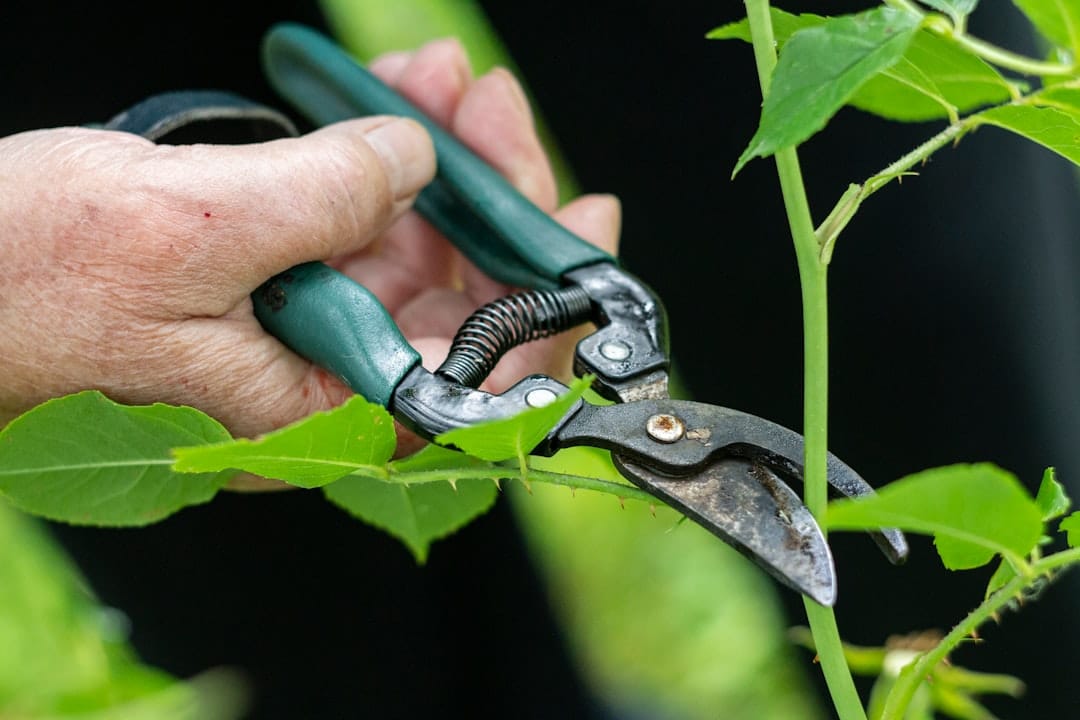
The key features that make gardening easier, more comfortable, and more organized.

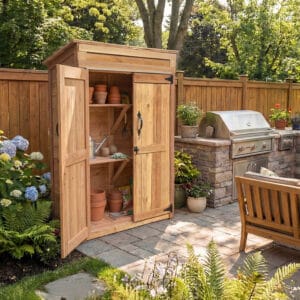
If you love entertaining and spending time outdoors, an outdoor kitchen helps combine both interests seamlessly. Whether you have a compact backyard or a large garden, a well-designed outdoor kitchen allows you to cook, serve, and enjoy meals while staying connected with family and guests.

The layout and features of your outdoor kitchen will depend on your available space, budget, and how you plan to use the area — from casual weeknight grilling to full-scale gatherings.


Durable, Weather-Resistant Materials

A potting bench should be built from high-quality materials that can withstand moisture, sunlight, and seasonal temperature changes. Naturally durable woods like Western Red Cedar are ideal for outdoor use because they resist rot and decay without chemical treatments. Pressure-treated wood is another option, though it may require more maintenance over time.
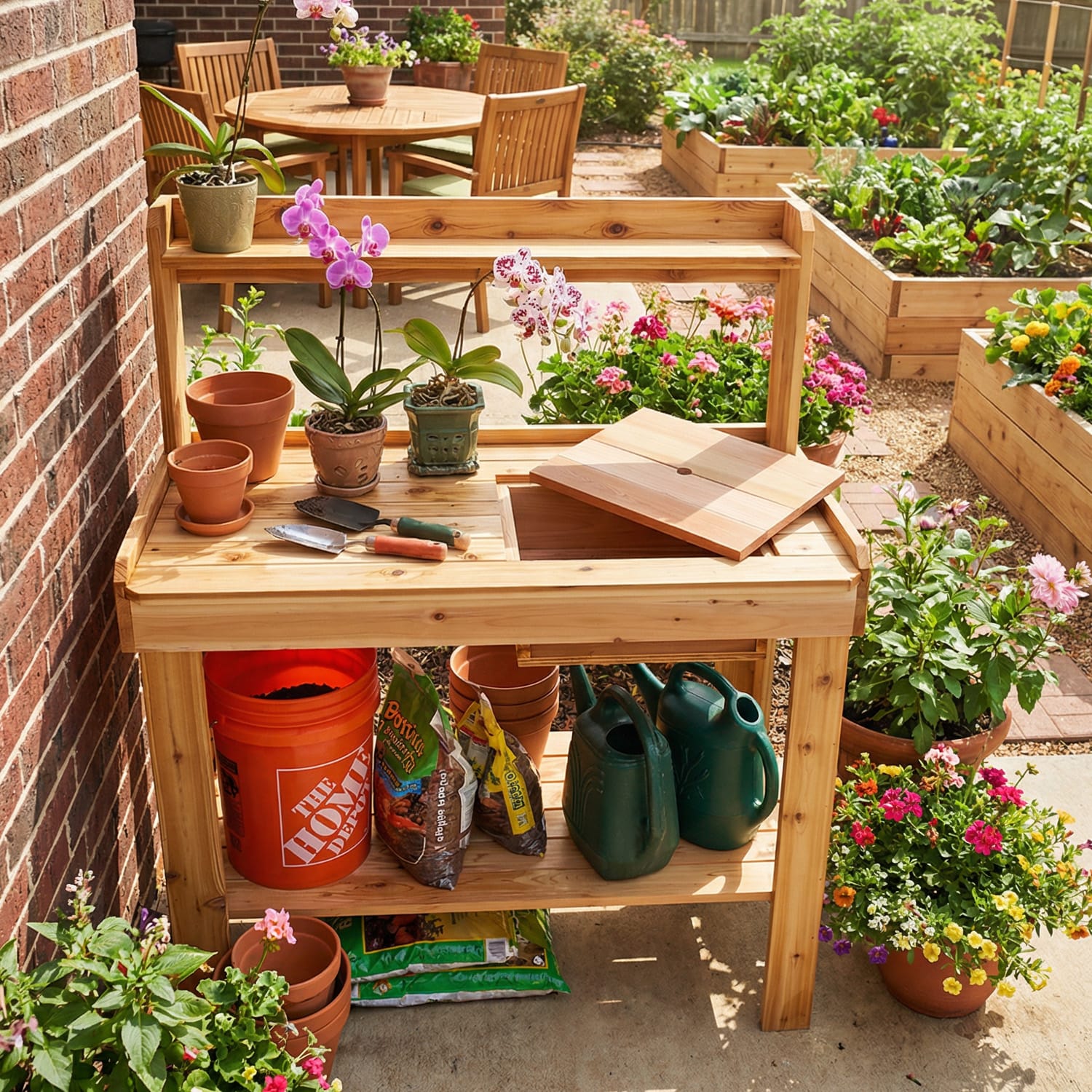
Potting Bench 4x2 Western Red Cedar Raised Garden Bed Kit Outdoor Living Today 5

A Sturdy Base

Stability matters. Your potting bench should be able to support heavy pots filled with soil, bags of potting mix, fertilizer, watering cans, and tools without wobbling. A solid base ensures safety and makes daily gardening tasks easier and more enjoyable.
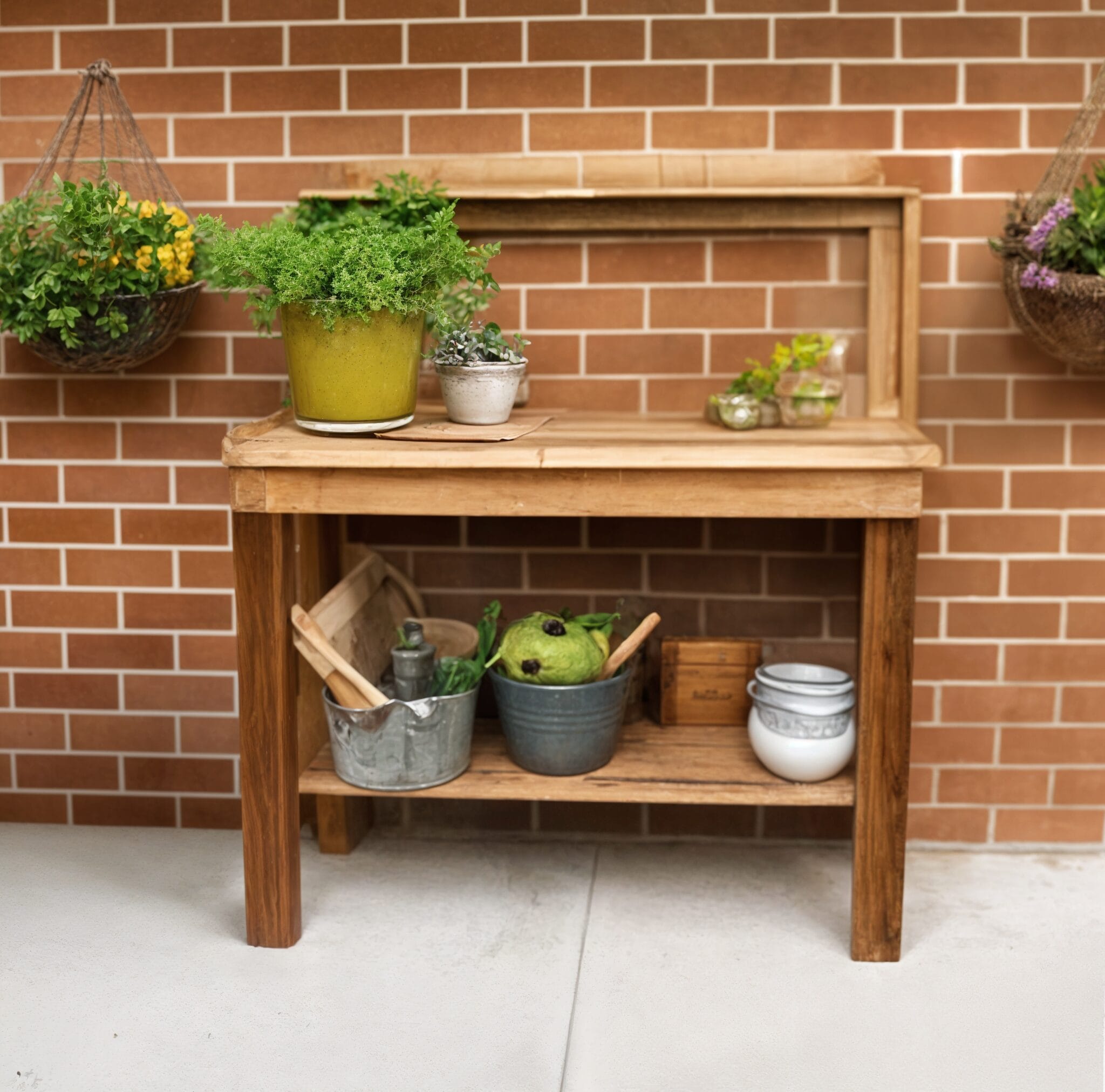
PottingBenchOLT23

Comfortable Working Height

The work surface should sit slightly lower than a standard kitchen counter. This makes it easier to see into pots while filling them with soil or gravel and helps reduce strain on your back and shoulders during longer gardening sessions.
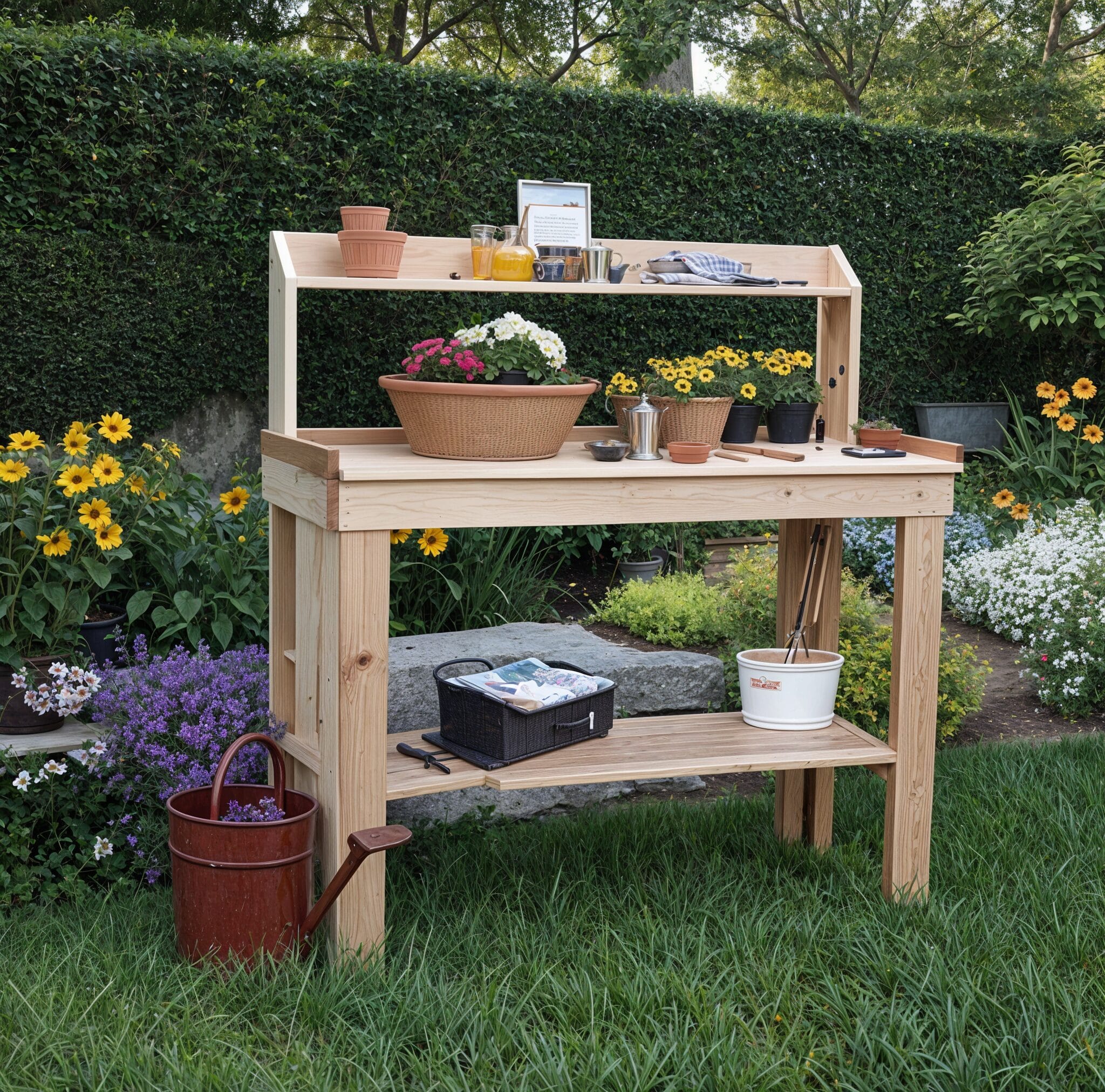
OLT a new potting bench with a sunset 5069cab0 b4a2 4d23 b579 3d1681d20f3c

Shelving and Storage Space

Multiple shelves allow you to keep tools, pots, soil, and supplies organized and within reach. Ideally, the main work surface should remain clear, with shelving positioned to support your workflow rather than crowd it.
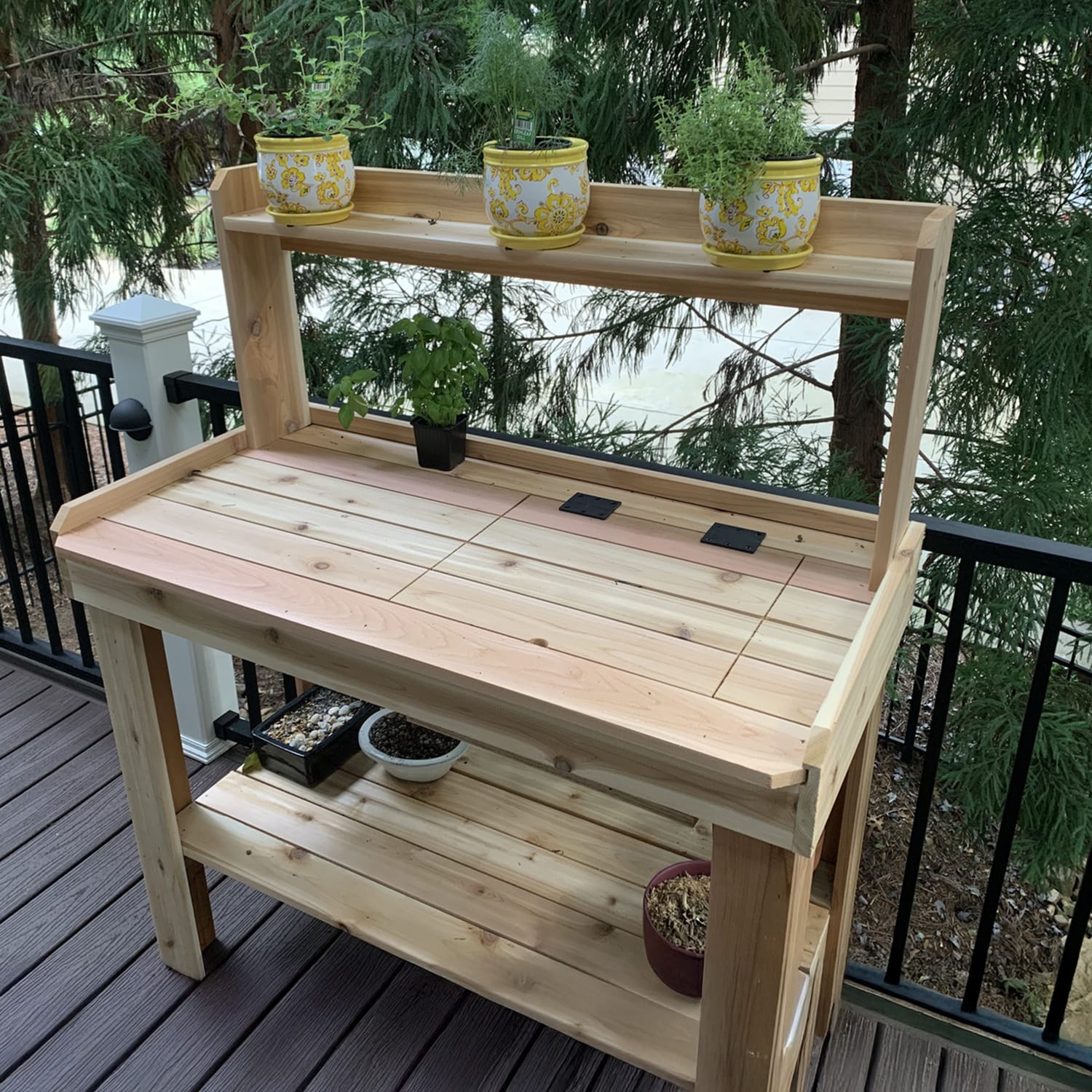
Potting Bench 4x2 Western Red Cedar Raised Garden Bed Kit Outdoor Living Today 7

Built-In Sink or Soil Grate (Optional)

Some potting benches include a built-in sink or removable bin to collect soil and debris, making cleanup faster and easier. A soil grate allows excess potting mix to fall through and be reused, helping reduce waste and mess.
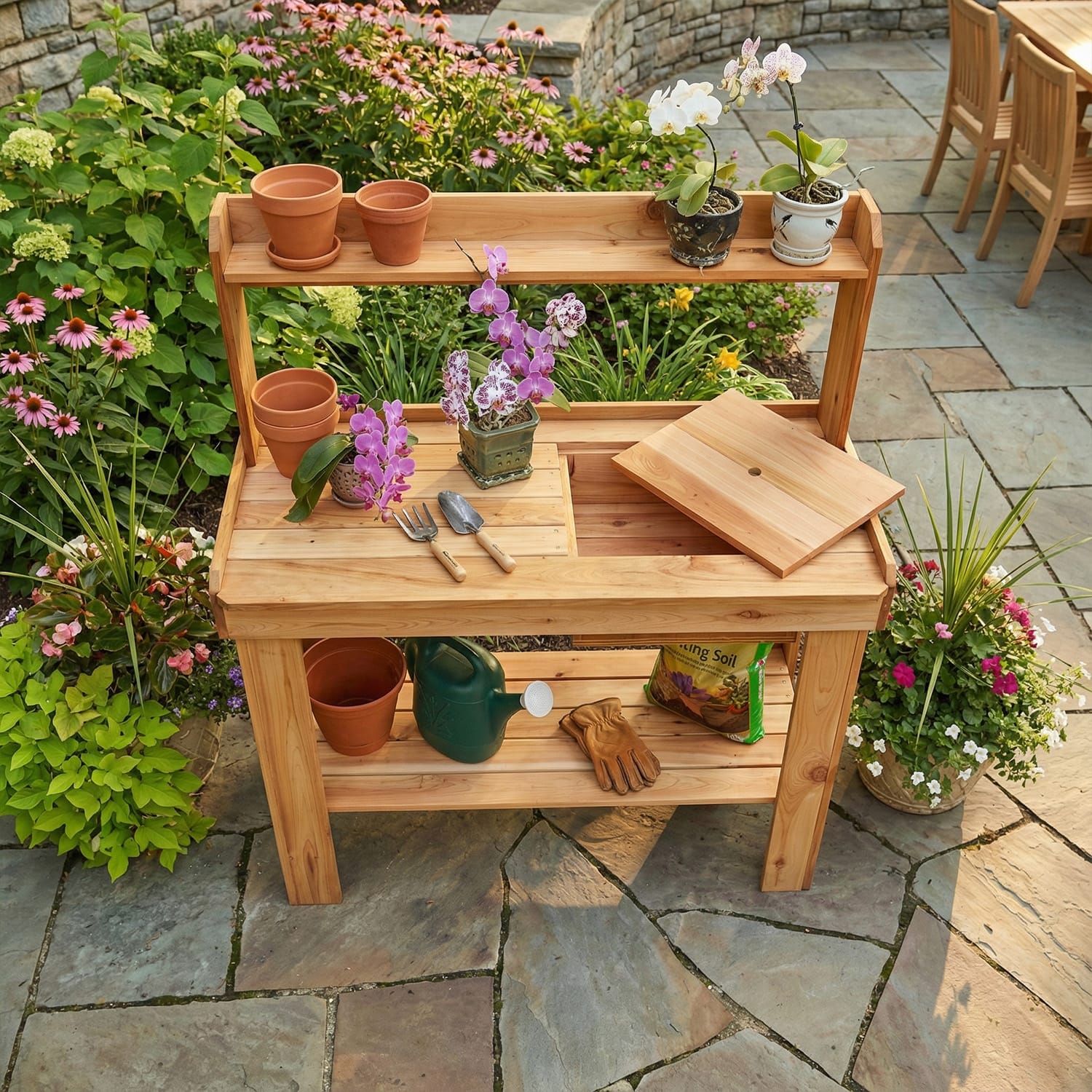
Potting Bench 4x2 Western Red Cedar Raised Garden Bed Kit Outdoor Living Today 2

Tool Organization Options

Features like wire mesh panels, lattice backs, or pegboards make it easy to hang hand tools, gloves, and accessories. Keeping tools off the work surface helps maintain a clean, efficient workspace.
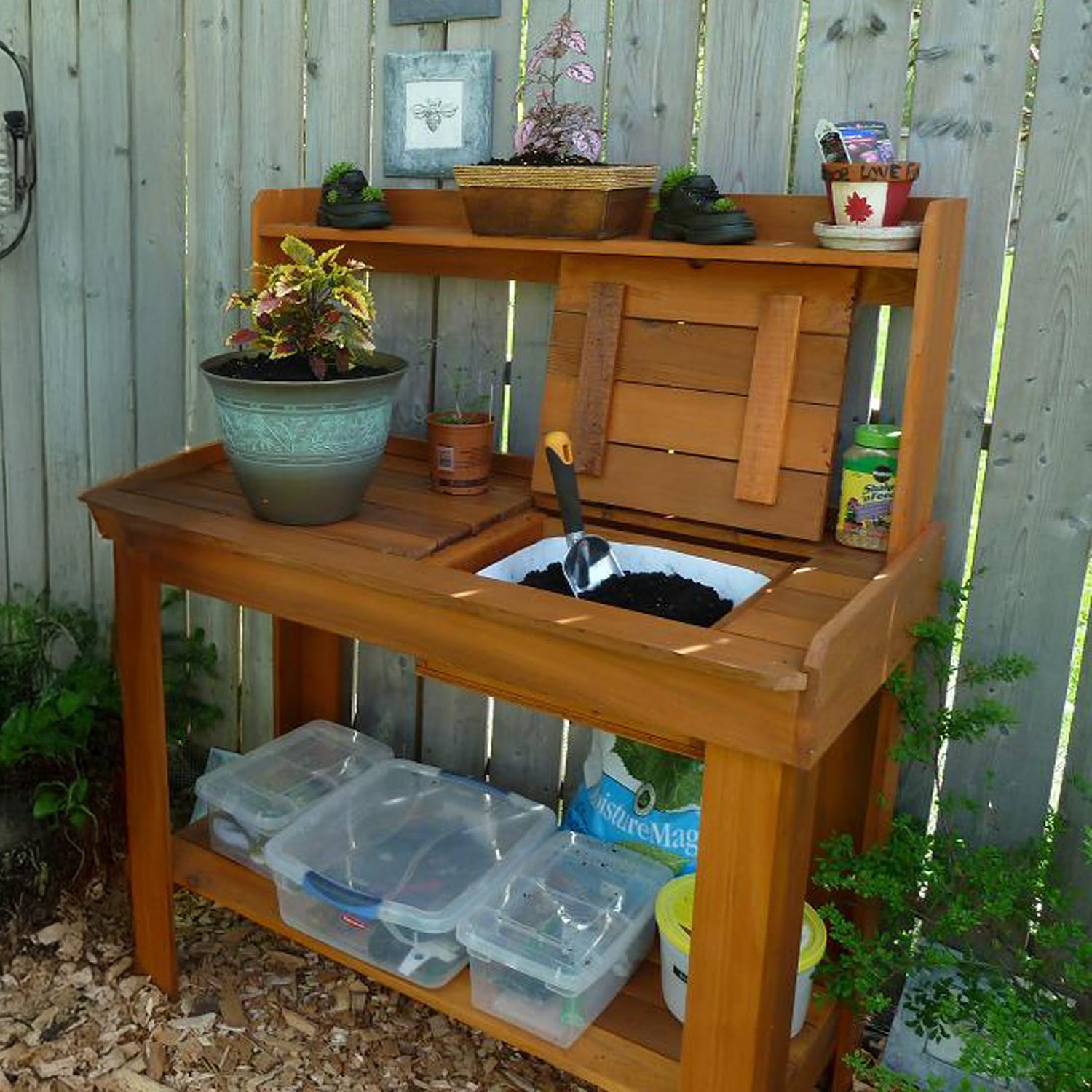
Potting Bench 4x2 Western Red Cedar Raised Garden Bed Kit Outdoor Living Today 6

Mobility, If Needed

If you have a large garden, wheels and a handle can be a helpful addition. A mobile potting bench allows you to move your workspace closer to planting areas instead of carrying pots and supplies back and forth.
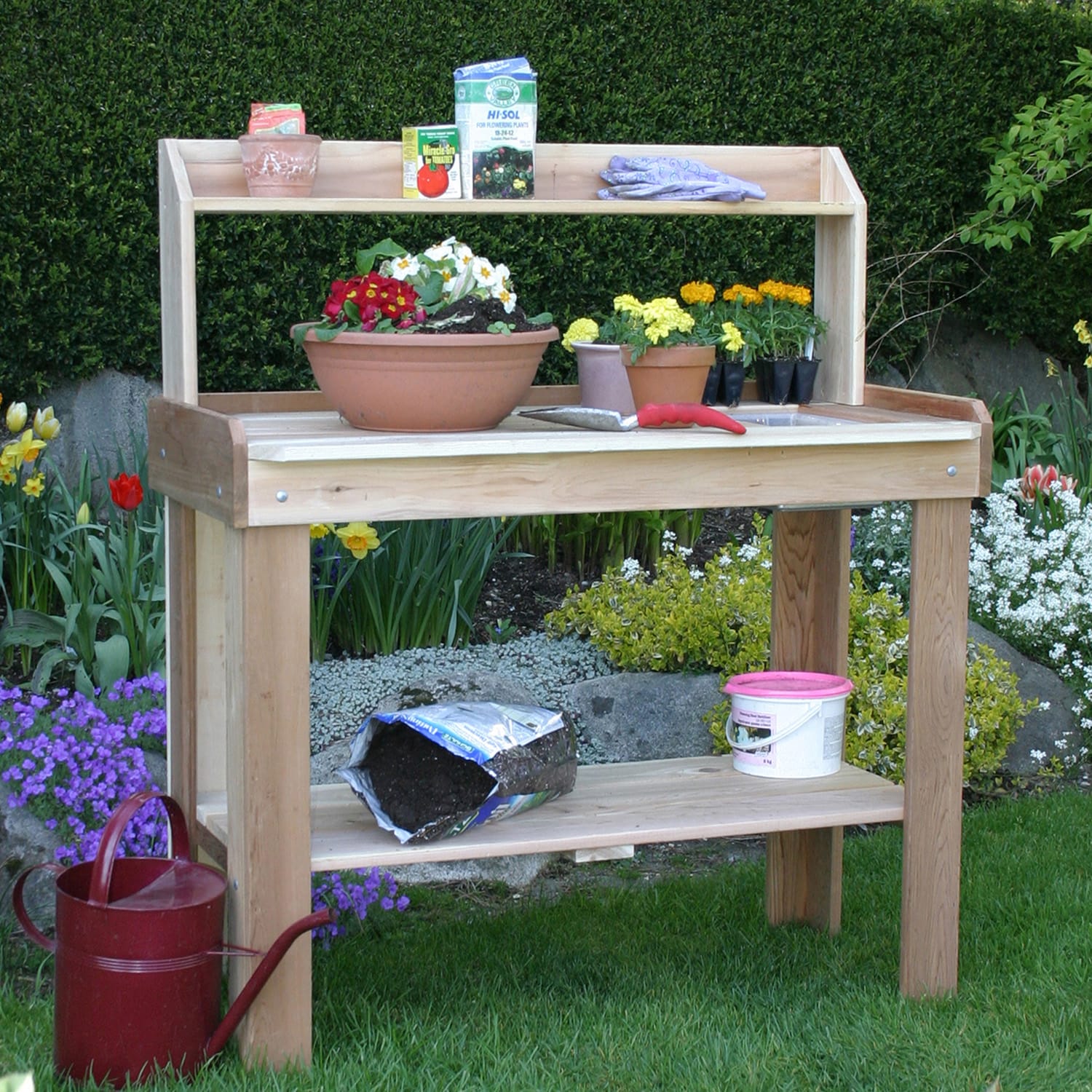
Potting Bench 4x2 Western Red Cedar Raised Garden Bed Kit Outdoor Living Today 8

Protective Finish or Sealant

No matter where your potting bench is located, it should be sealed or painted with a weather-resistant finish. This protects the wood from moisture and sun exposure and helps extend the life of the bench.
Read More

If you enjoy spending time outdoors and want a healthy, productive garden, having the right gardening tools makes all the difference. From preparing soil to maintaining plants throughout the season, these essential tools help make gardening easier, safer, and more efficient.


Digging Tools

Every garden starts with proper soil preparation. Tools like spades, shovels, and post hole diggers are essential for planting, transplanting, and installing supports for climbing plants. Having a few sizes on hand allows you to work comfortably in both garden beds and containers.

Pruning Tools

Pruning keeps plants healthy and encourages new growth. Basic tools include pruning shears, hedge clippers, and loppers. These tools help shape shrubs, remove dead branches, and maintain trees as they mature.

Rakes

Rakes are useful year-round for clearing leaves, leveling soil, and cleaning garden beds. Leaf rakes work best for debris, while landscape rakes help smooth soil and gravel before planting.

Wheelbarrows or Garden Carts

Transporting soil, compost, mulch, and tools is much easier with a wheelbarrow or garden cart. This is especially helpful for larger gardens and reduces physical strain during heavy work.

Spreaders

If your garden includes a lawn, a fertilizer spreader helps distribute seed or nutrients evenly. Broadcast and drop spreaders are the most common options, depending on the size of your space.

Hand Tools

Small hand tools like trowels, weeders, and cultivators are essential for detailed tasks such as planting seedlings and removing weeds. They’re easy to store and perfect for raised beds and container gardens.

Watering Equipment

Consistent watering is key to plant health. Hoses, sprinklers, and drip irrigation systems help deliver water efficiently. Installing a rain barrel can also reduce water use while supporting sustainable gardening.

Safety Equipment

Gardening gloves, sturdy footwear, and protective eyewear help prevent injuries. If you use fertilizers or pest treatments, proper safety gear is especially important.

Lawn Mowers

If your landscape includes grass, regular mowing keeps it healthy and tidy. Walk-behind or ride-on mowers should be chosen based on lawn size and terrain.

Compost Bin

Composting garden waste creates nutrient-rich soil while reducing landfill waste. Compost bins are ideal for small and large gardens alike and support eco-friendly gardening practices.

Containers and Potting Benches

Containers allow you to grow plants in small spaces, while a potting bench provides a dedicated workspace for planting and repotting. Together, they help keep gardening organized and efficient.

Before adding extras, focus on the core components that make an outdoor kitchen functional and enjoyable.

a person holding a pair of pliers to a plant
Read More