With the right structures and features, your backyard can become a true extension of your home.

With a few thoughtful additions, you can turn an ordinary yard into a comfortable, functional outdoor living area designed for relaxation, entertaining, and everyday enjoyment. From shade structures to cozy gathering spots, these ideas help create an outdoor space that feels intentional and inviting.


What Is an Outdoor Living Space?

An outdoor living space brings indoor comfort into the outdoors. This can include features like a deck, pergola, patio, gazebo, outdoor kitchen, or screened area that allow you to spend more time outside while staying protected from the elements. These spaces make it easier to enjoy fresh air, host gatherings, and relax without leaving home.

Whether it’s shelter from a sudden rain shower or a shaded spot for summer evenings, outdoor structures help extend the usability of your backyard throughout the year.


How to Upgrade Your Space

Get a Pergola

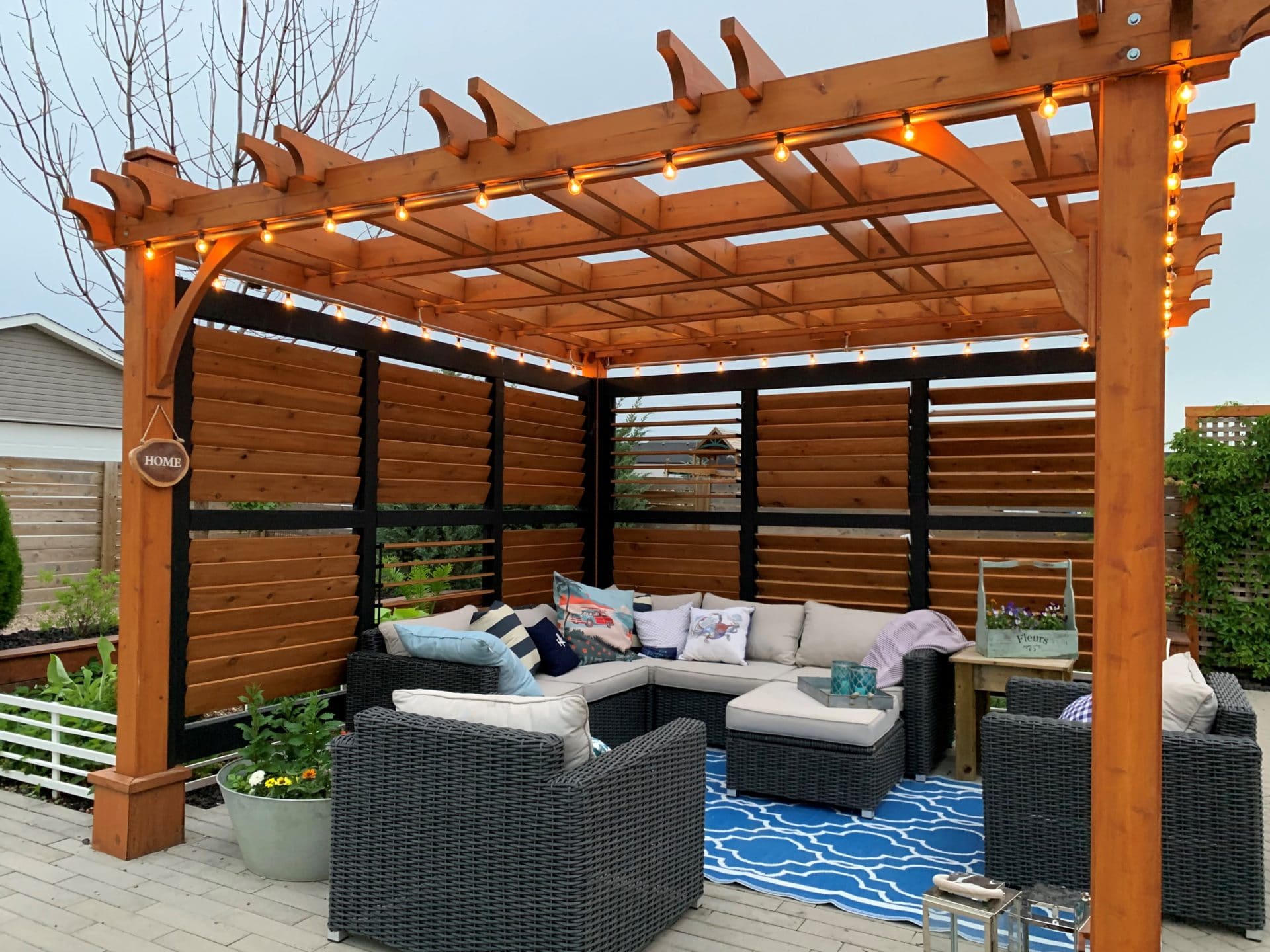
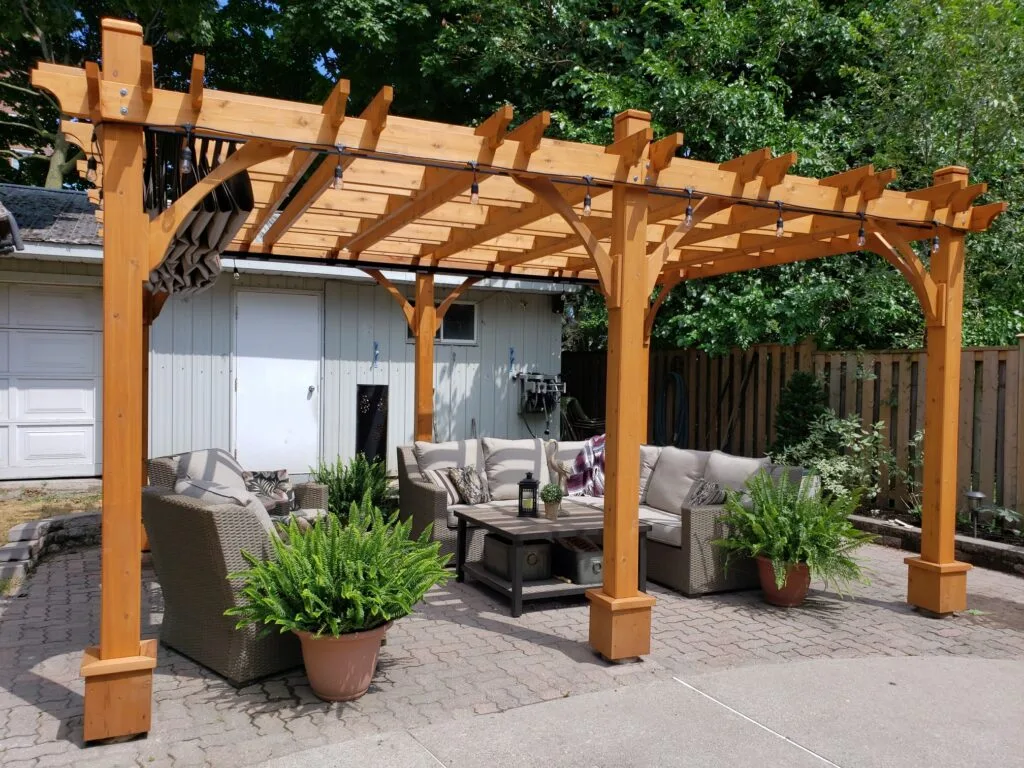
Pergolas are a versatile and popular addition to backyard spaces. Unlike fully enclosed structures, pergolas offer partial shade while maintaining an open, airy feel. Their simple design allows them to suit a wide range of uses, from outdoor dining areas to quiet lounge spaces.

Modern pergola designs can include adjustable or solid roof options for added protection from sun and rain. When thoughtfully placed, a pergola can visually anchor your yard while creating a defined area for gathering or relaxation.
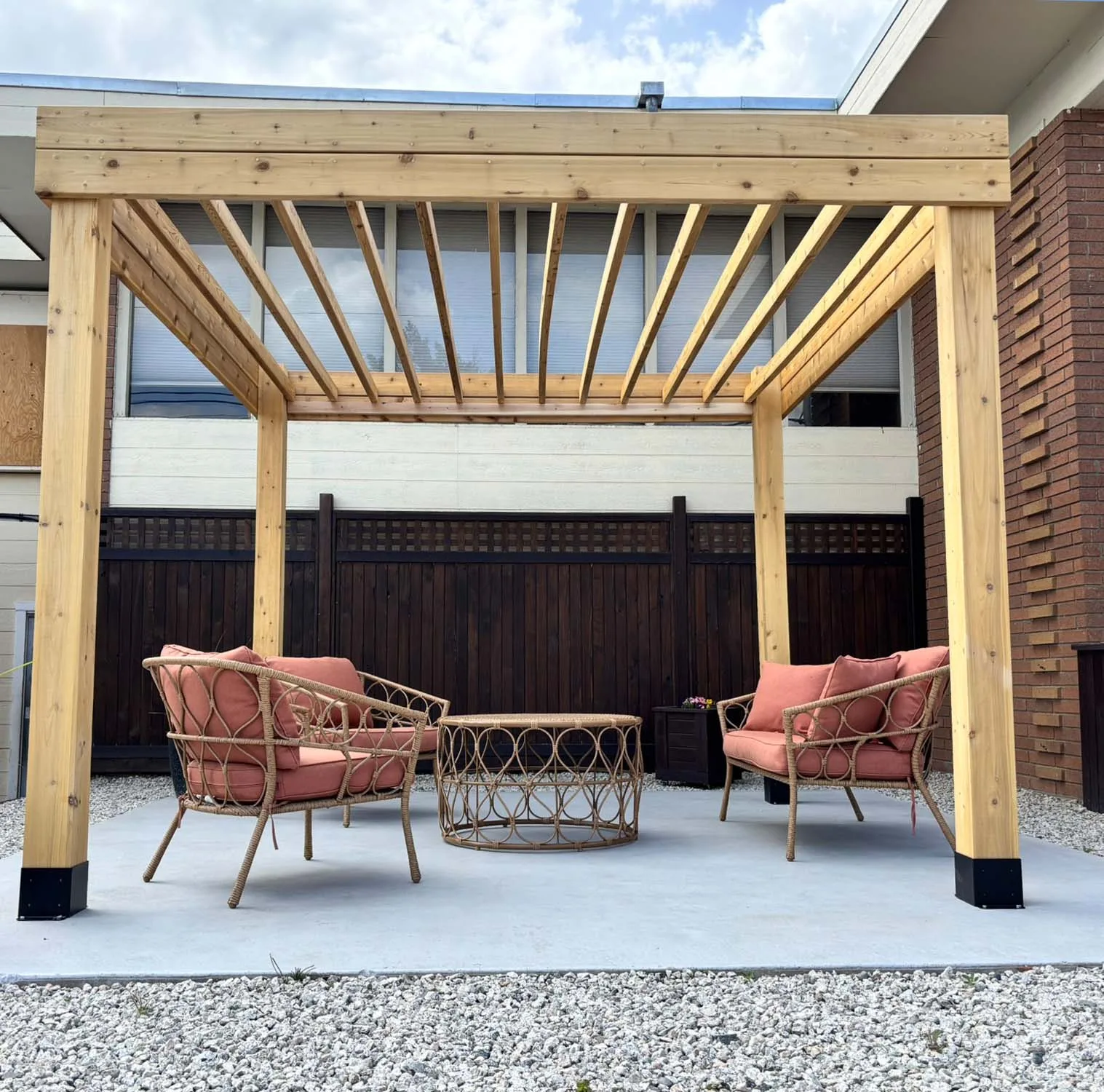
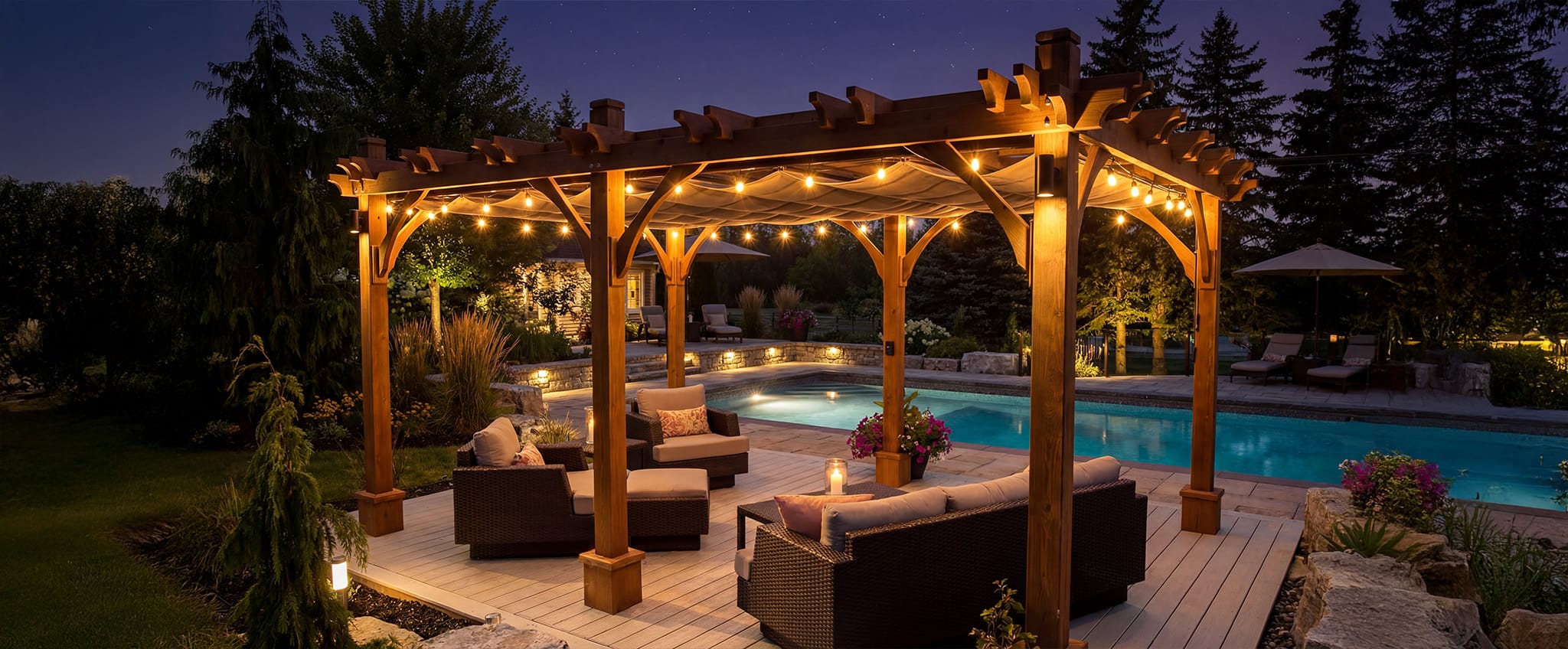
Wooden pergola with cozy seating area

Design and Placement Tips for Pergolas

Before installing a pergola, consider how it will function within your overall landscape. Think about size, orientation, and whether you want the structure attached to your home or freestanding.

Attached pergolas work well for extending indoor spaces like kitchens or living rooms, while freestanding pergolas create distinct destinations within larger yards. Placement should take sunlight, wind exposure, and sightlines into account to ensure the structure enhances both comfort and aesthetics.
Western Red Cedar Pergola OutdoorLivingToday

Add Fire to Your Backyard

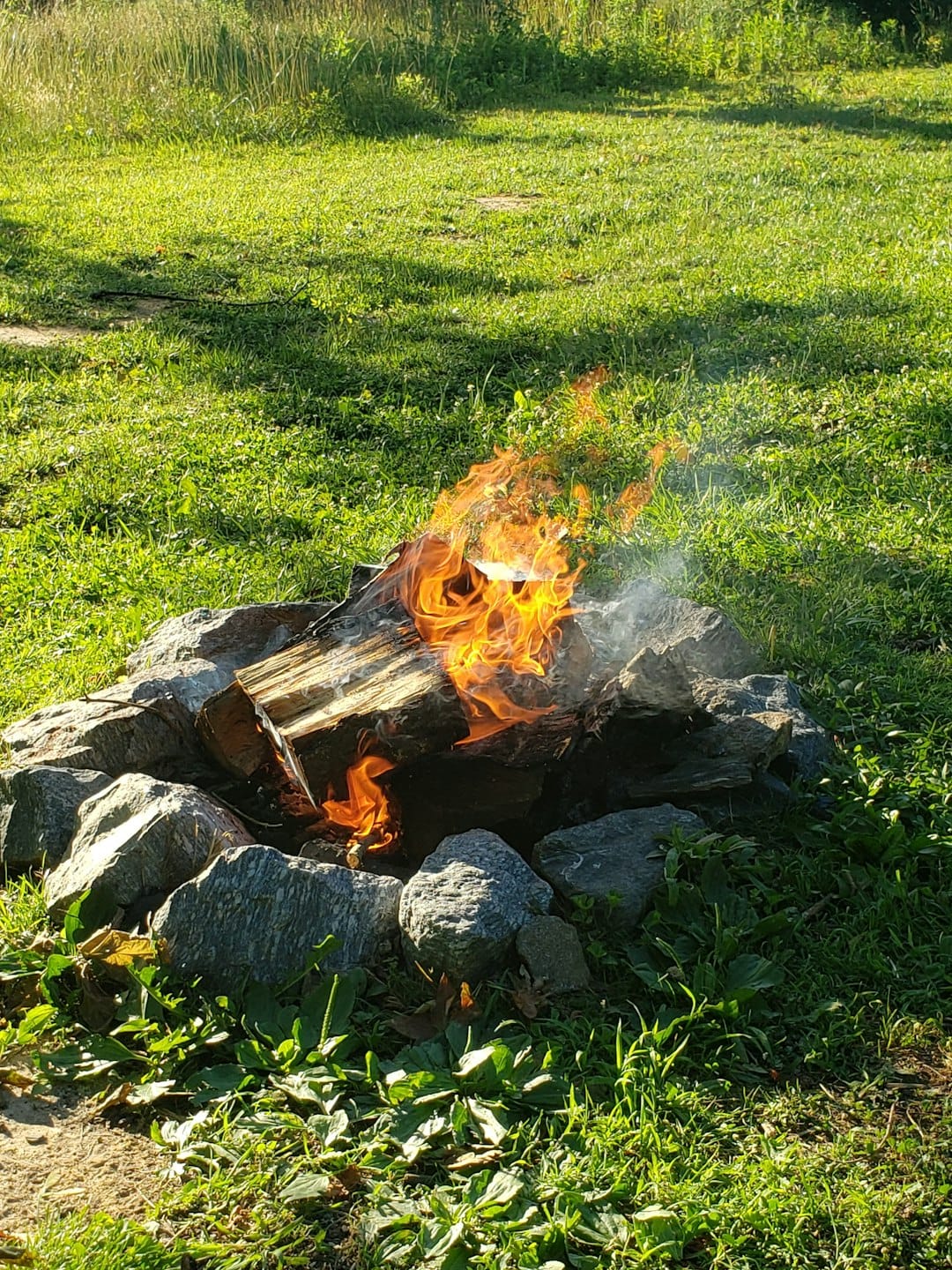
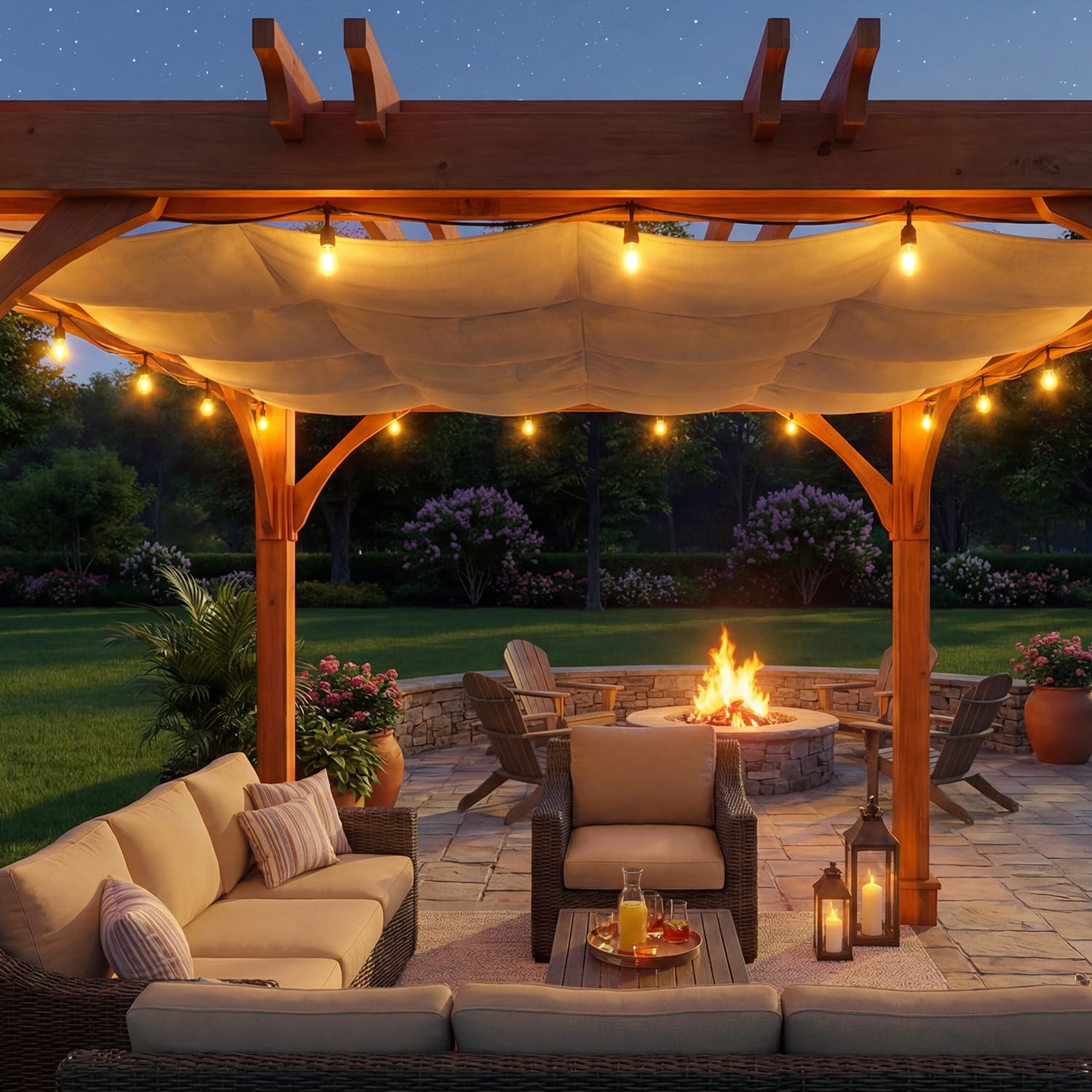
Few features create atmosphere like a fire pit. Fire adds warmth, light, and a natural gathering point that encourages conversation and connection. Whether simple or elaborate, fire features help make outdoor spaces usable well into cooler evenings.

Fire pits can serve as focal points even when not in use, adding visual interest to your backyard design while creating a cozy ambiance when lit.

a fire burning in a grassy area
Read More

Simple upgrades that turn your outdoor space into a place to relax, gather, and enjoy every season.

A great backyard is more than a patch of grass. With a few intentional design choices, it can become an extension of your home — a space for entertaining, unwinding, and spending time outdoors. Whether you’re starting fresh or upgrading what you already have, these five ideas can help you create a backyard that feels thoughtful, functional, and welcoming.


1. Make Your Backyard Feel Intentional

Create purpose with clearly defined spaces for relaxing, dining, and gathering.

One of the easiest ways to elevate your backyard is by breaking it into distinct activity zones. Instead of one large open area, create separate spaces for different uses — a dining area, a lounging spot, or a quiet corner for reading. Changes in elevation, materials, or layout can help naturally define these areas without the need for walls or fences.

Structures like pergolas, trellises, or arbors can visually anchor each zone while adding architectural interest. Paired with planters or greenery, these elements help your backyard feel cohesive and thoughtfully designed.

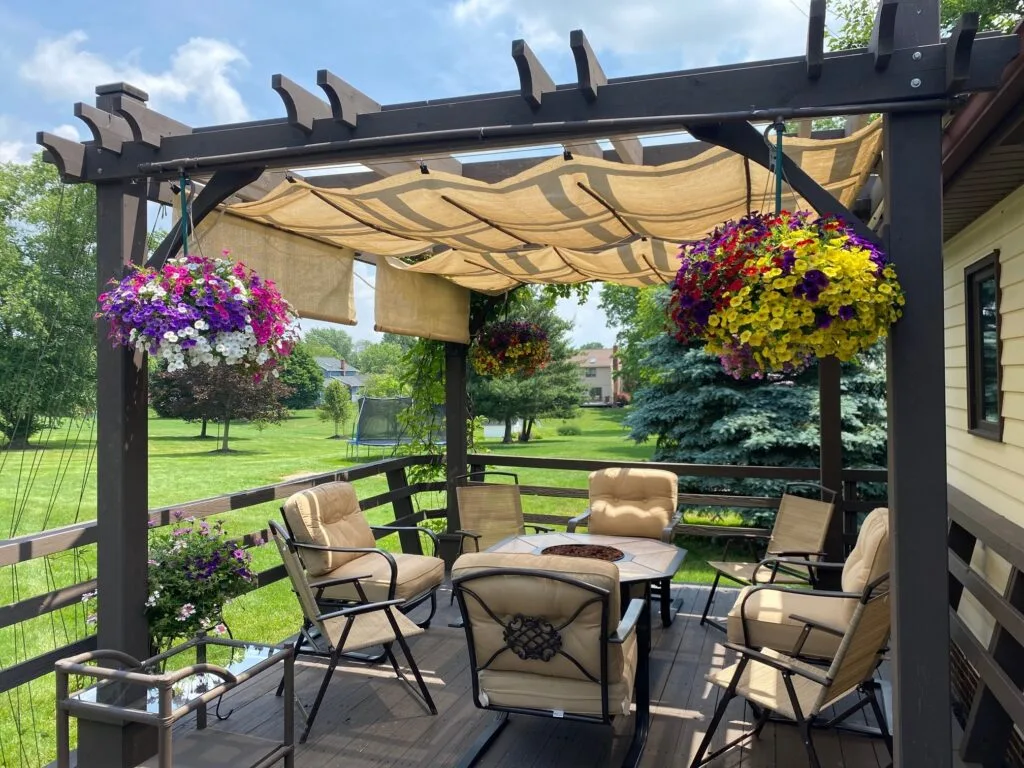
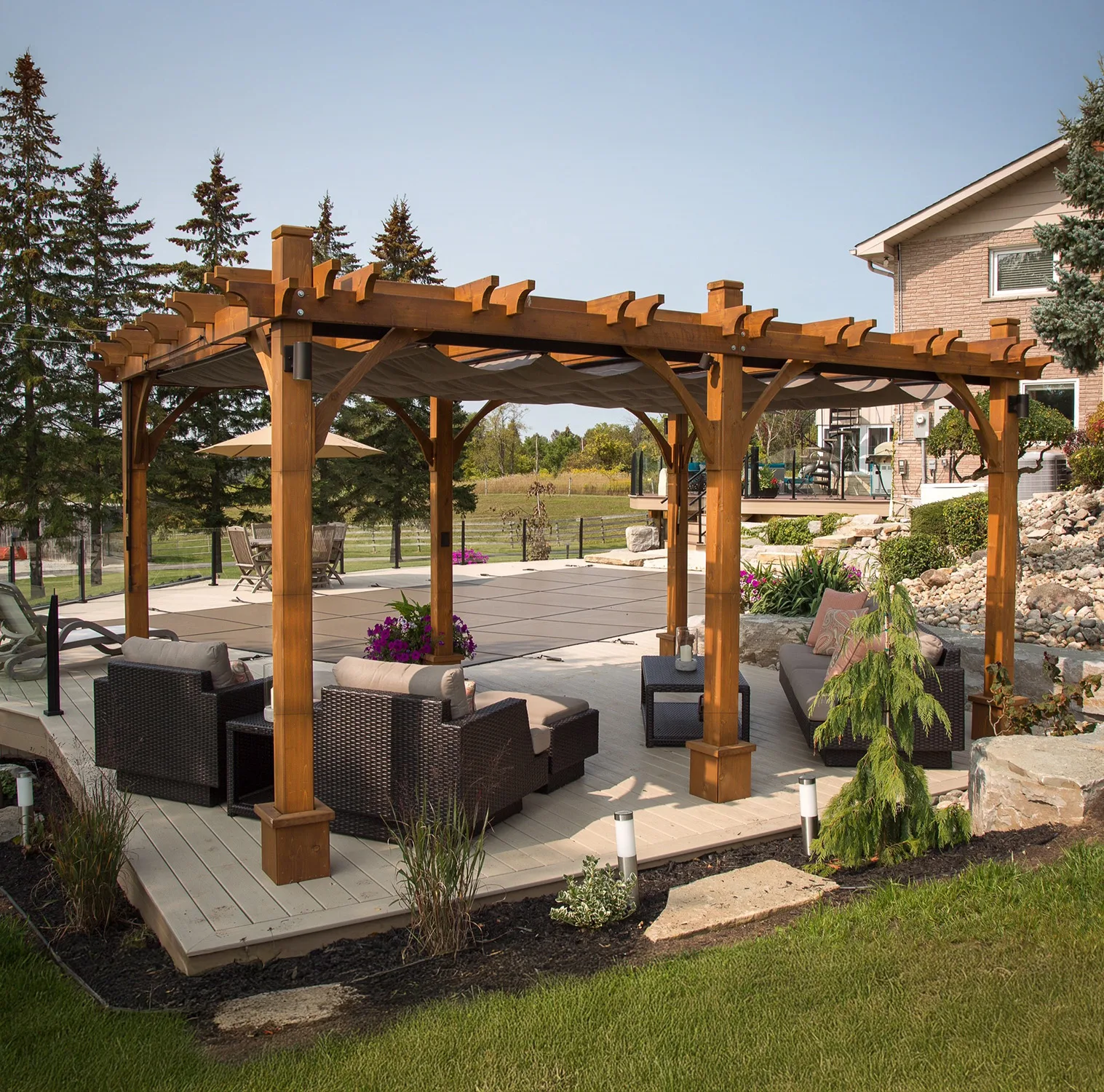
S. Harrison 12x16 Pergola with Retractable Canopy OLT 5 1024x768 1

2. Build a Patio That Extends Your Living Space

Turn your patio into an outdoor room you’ll actually use.

A well-planned patio acts as a natural extension of your home. Choosing durable materials like stone, brick, or textured concrete creates a solid foundation that holds up over time. From there, layering in container gardens, outdoor rugs, and weather-resistant furniture adds comfort and personality.

Think of your patio as another room — one that invites you outside for morning coffee, casual meals, or quiet evenings. Thoughtful design and layout can make even a modest patio feel inviting and purposeful.


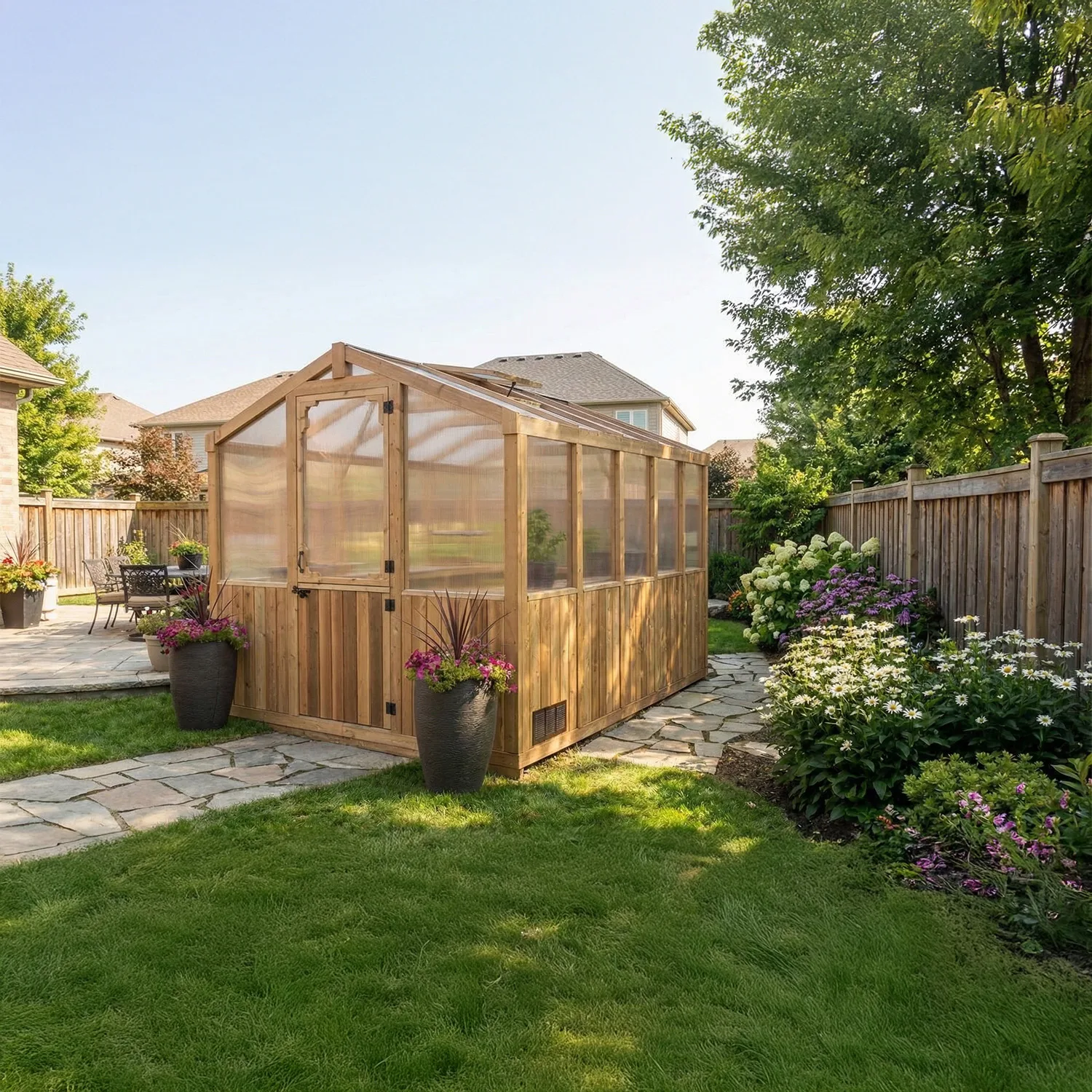
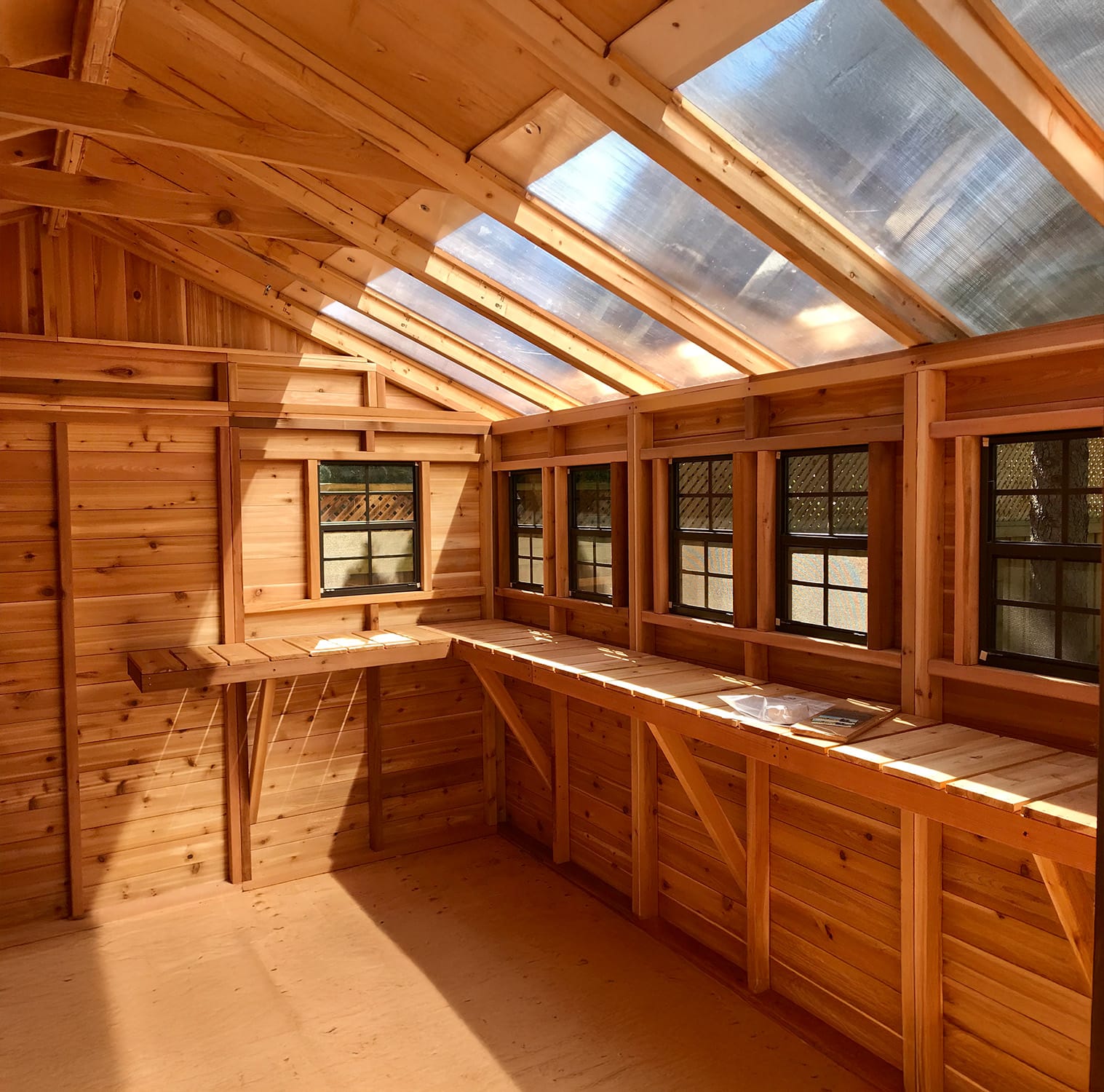
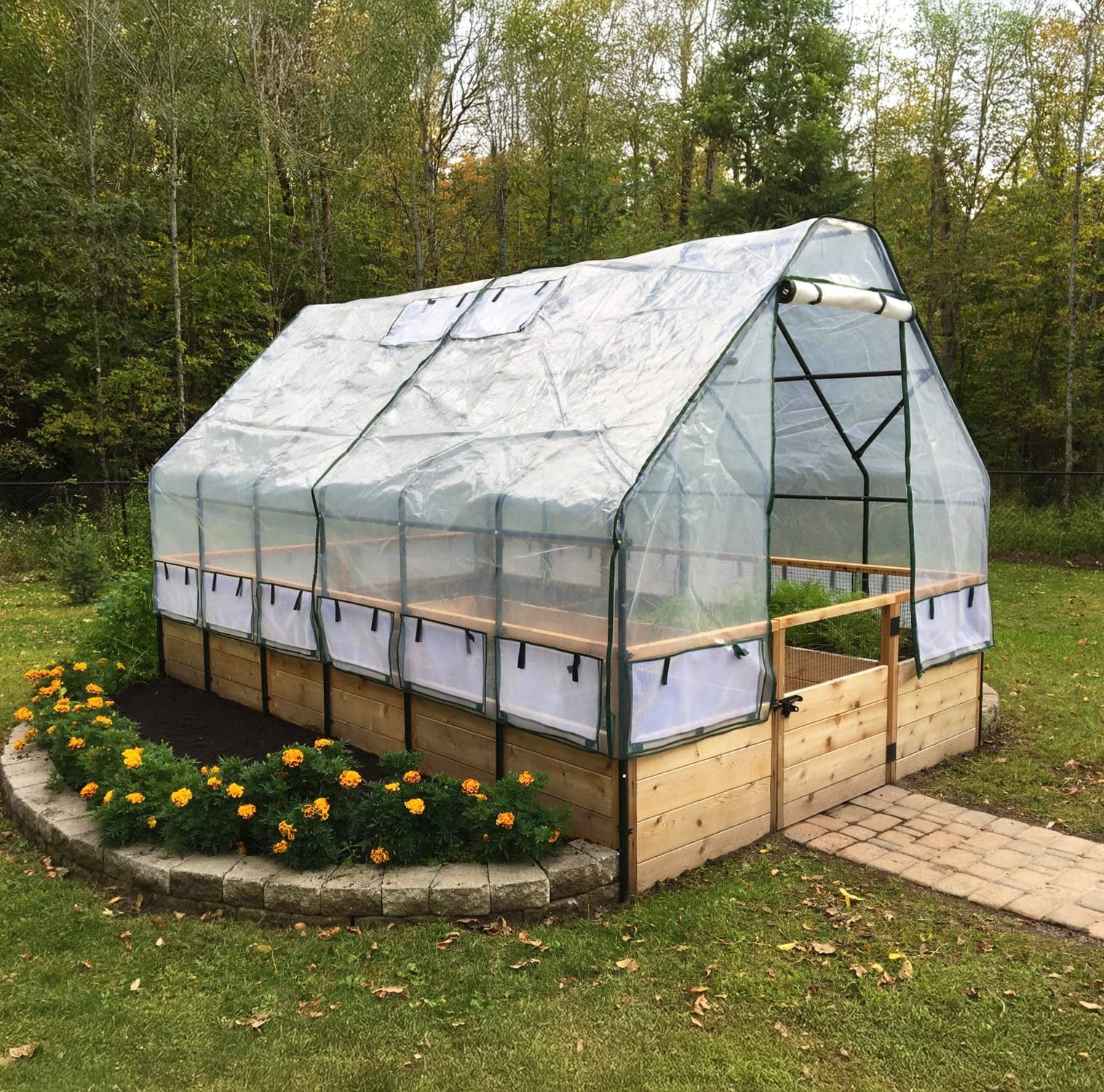
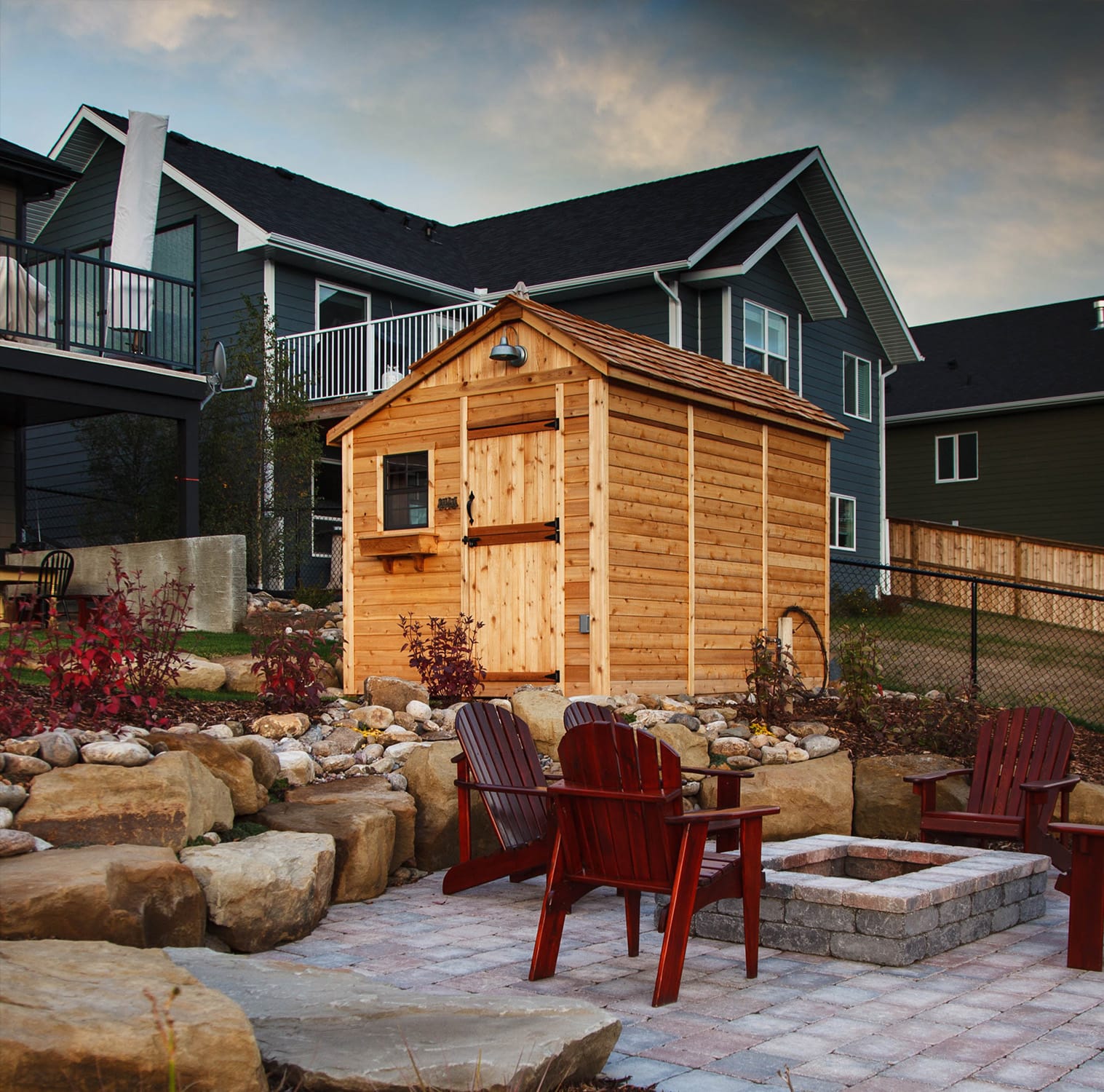
Cedar Greenhouse Kit 8x8 Garden Kit Western Red Cedar cedar Greenhouse Outdoor Living Today 3 4

3. Add Shade for Comfort and Enjoyment

Create relief from the sun without sacrificing style.

Shade plays a major role in how often you use your outdoor space. During warmer months, having a shaded area can make the difference between avoiding the backyard and enjoying it all day long. Umbrellas and retractable awnings offer flexibility, while pergolas or arbors provide more permanent, architectural solutions.

Natural shade from mature trees or climbing vines adds softness and helps blend built structures into the landscape. The result is a backyard that stays comfortable while still feeling open and connected to nature.

Cedar pergola Kit 1010 D. Thislethwaite 1024x768 1

4. Use Outdoor Structures to Create Focal Points

Add structure, character, and visual balance to your yard.

Outdoor structures help define the layout of your backyard while creating visual interest. Whether it’s a pergola, gazebo, or garden structure, these elements act as focal points that draw the eye and organize the space around them.

They can also serve multiple purposes — offering shade, framing views, or creating a sense of enclosure without fully closing off the area. Thoughtfully placed structures give your backyard a sense of scale and help transition smoothly between different zones.

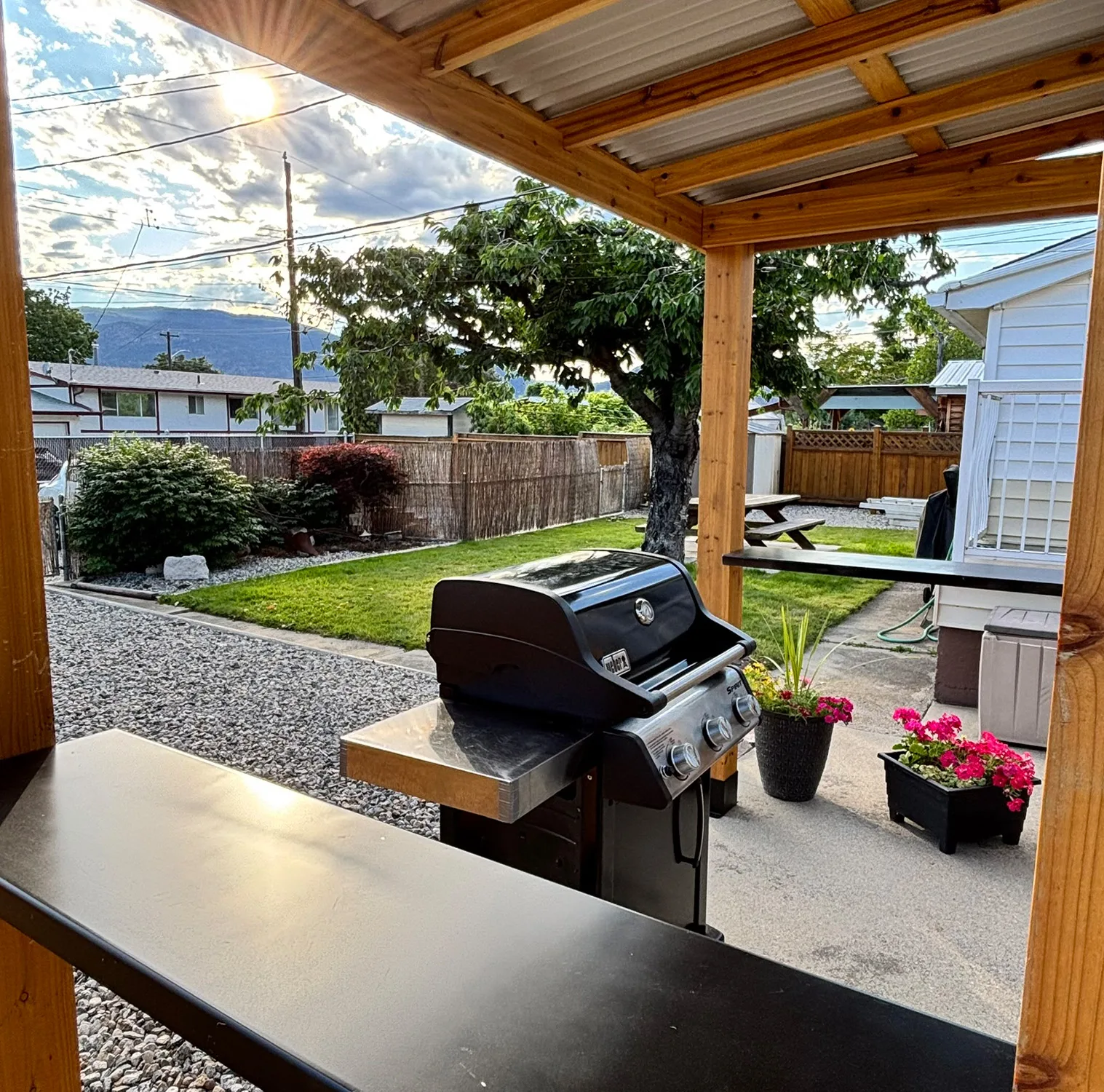
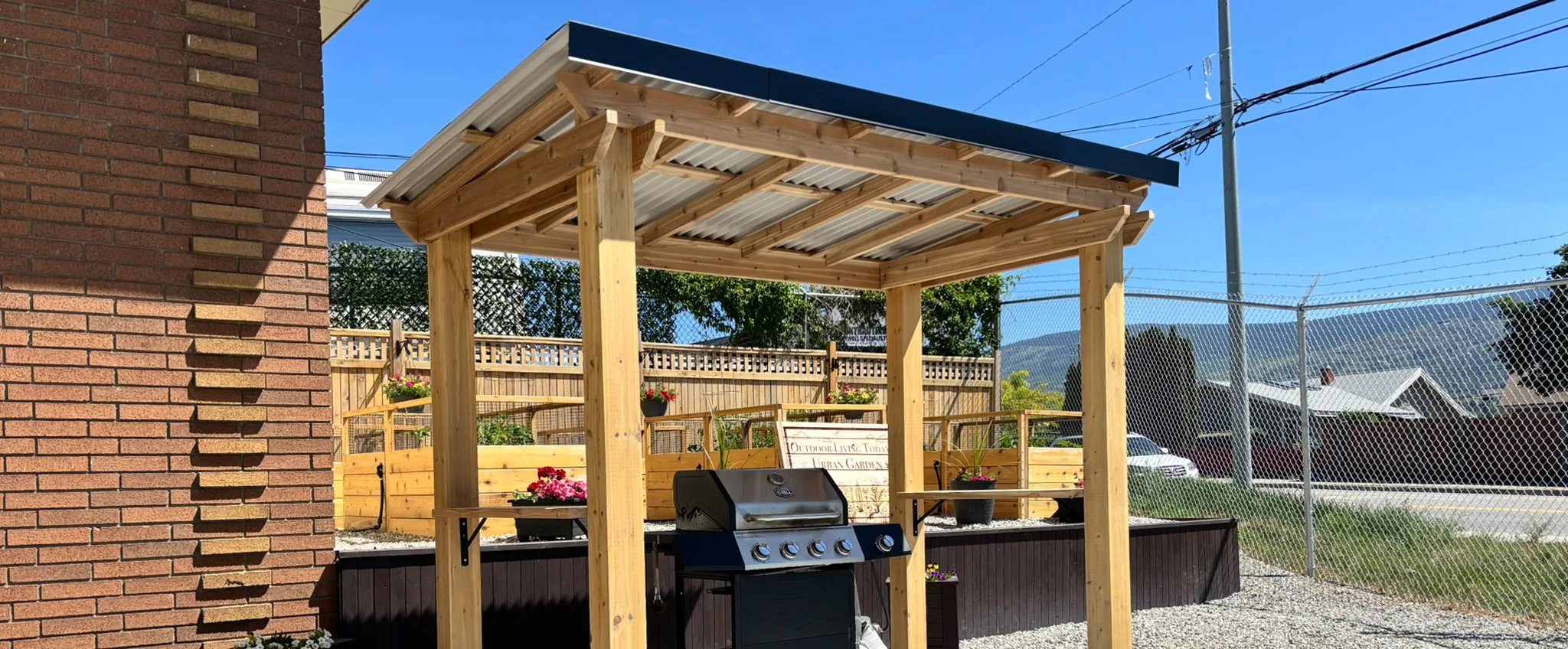
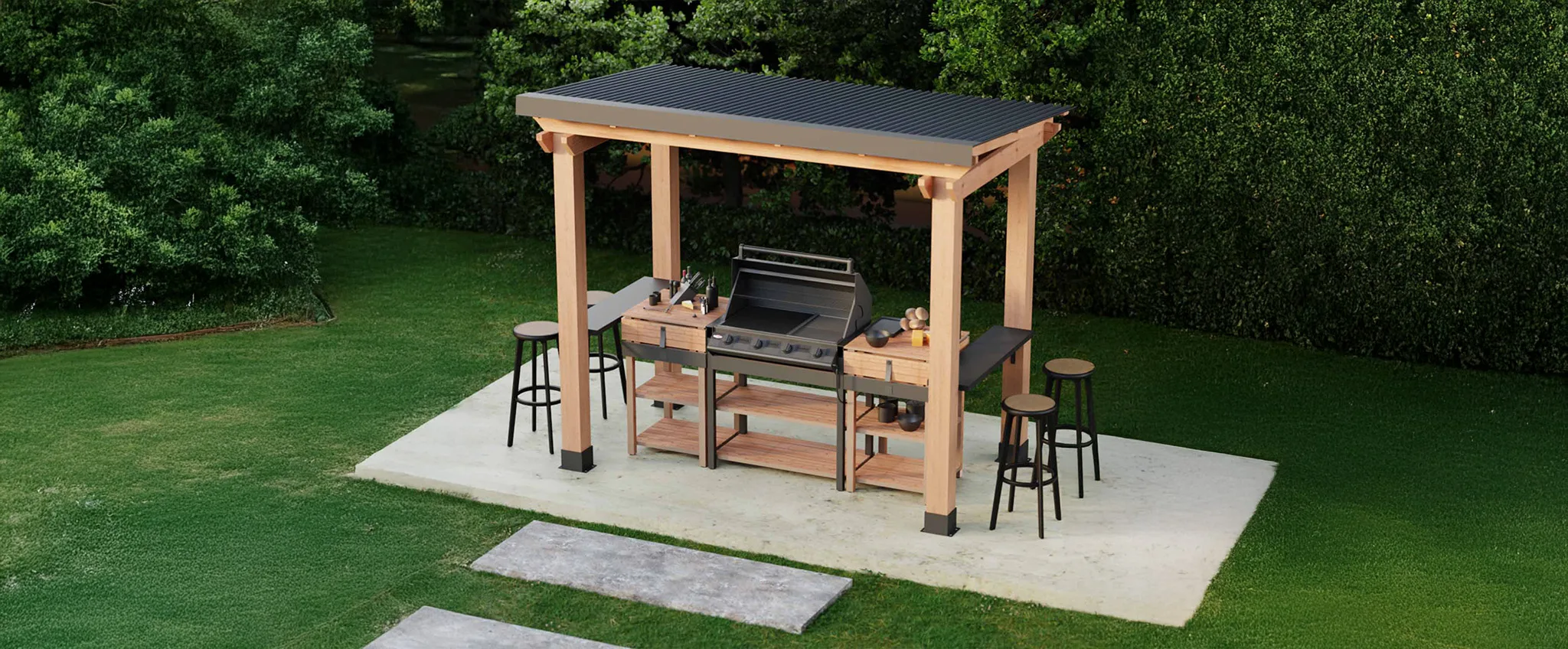
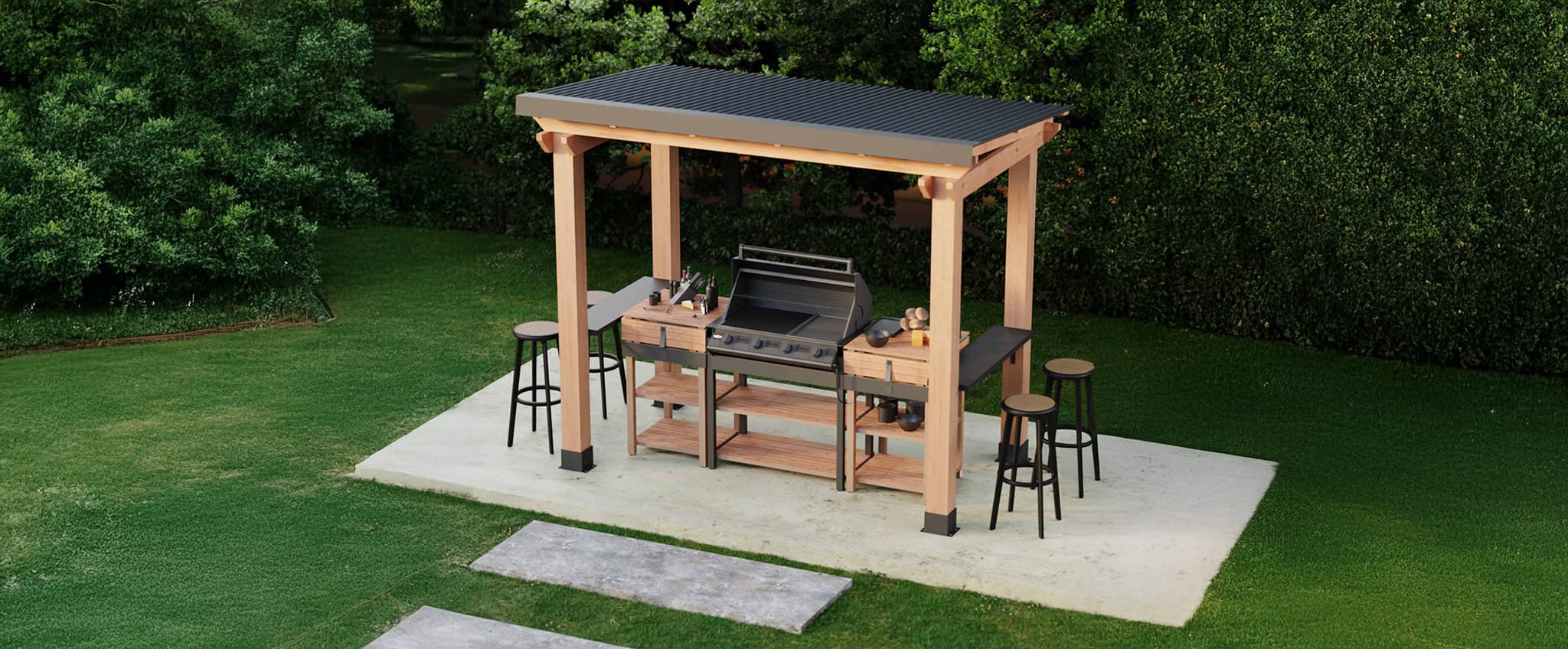
Outdoor grill under wooden gazebo

5. Finish with Lighting That Extends Your Evenings

Make your backyard inviting long after the sun goes down.

Outdoor lighting transforms how your backyard feels at night. Soft, ambient lighting along pathways improves safety, while accent lights highlight landscaping and architectural features. Solar or low-voltage options are practical and energy-efficient, making it easy to add lighting without extensive wiring.

Well-placed lighting creates atmosphere and allows you to enjoy your backyard later into the evening, whether you’re hosting friends or simply unwinding outdoors.

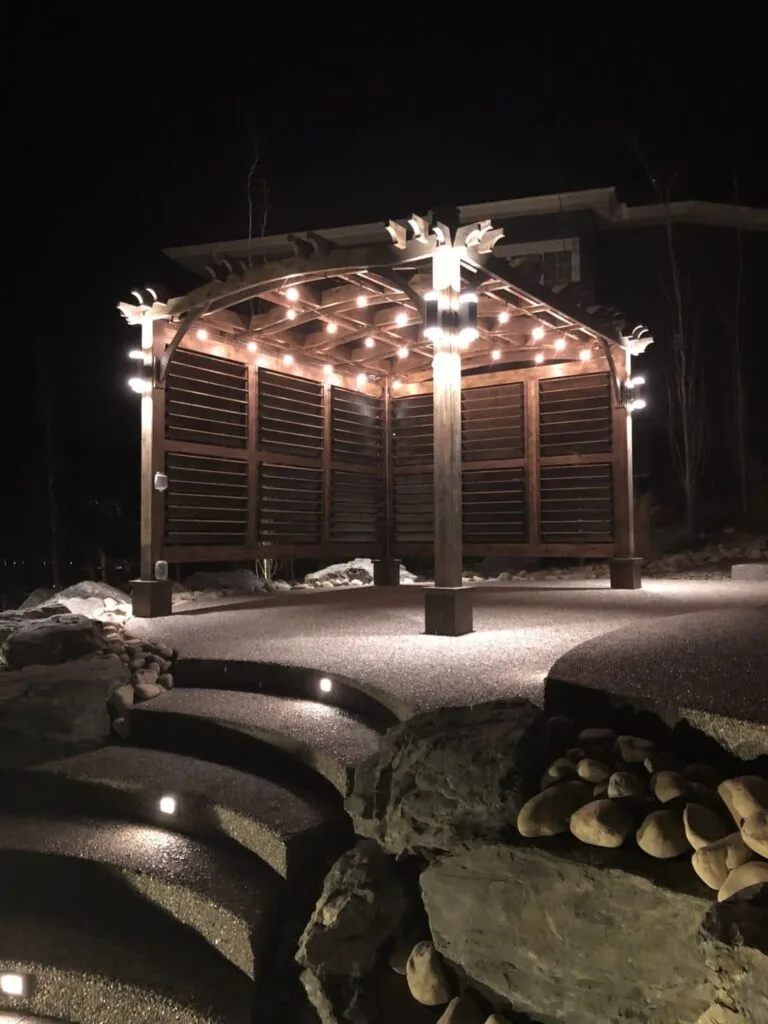
T. Petrow Arched Pergola 768x1024 1
Read More
eco friendly lighting Come spring and summer, people look forward to spending more time outdoors. Whether you have a small yard or a large garden, you can make your outdoor space more eco-friendly using a few simple tips and equipment.

Go Organic

One way to create an eco-garden is by going organic. You can grow fruits, vegetables, flowers, and lawn in a more organic manner by avoiding chemical pesticides and fertilizers. Instead, focus on using non-GMO seeds and organic compost and mulch in your garden. You can also utilize techniques such as companion planting to reduce the need for fertilizers and pesticides in your garden.

Solar Lights

While lights are a must to make the garden usable in the evenings and at night, you can reduce the dependence on electricity and make the garden eco-friendly by using solar lights. Install solar panels that will recharge a battery during the day and use the power of the sun to keep your garden lighted during the night, or at least most of the night. You may still want to keep a flashlight nearby but with this set up, you will save time and money in several ways.

Rain Water Barrels

With many parts of the US experiencing drought and water shortage, you can make your garden eco-friendly and green without feeling guilty about using municipal water by installing rain water barrels. These are barrels that will collect rain water from spouts and store them for use in the garden. You can install a mechanical sprinkler or hose to the rain water barrel to make watering your garden easier.

Compost Bin

Depending on the size of your garden, you can either install a compost pit or a compost bin in your yard. A decorative compost bin is a great way to go organic in even a small yard. Simply keep adding dead garden waste and food scraps from your kitchen into the compost bin and spread the compost on garden beds. Let’s be honest, you do not eat everything. There is going to be left over food and scrapings if you cook at home at all. eco friendly backyard compost bin

Eco-Friendly Furniture

You can also use eco-friendly furniture designed for the garden. These wooden furniture are not treated with chemicals and can be left exposed in the garden during the warmer months.

Natural Swimming Pools

You can increase the quotient of eco-friendliness in your garden by installing a natural swimming pool or converting your existing swimming pool into a natural one. This typically requires twice the area of the pool to ensure that the water in the pool is cleaned naturally using plants. These pools avoid the use of chlorine and other chemicals and also do not need to be drained. You only need to top up water that evaporates, reducing your water bill as well. You can opt for a hybrid swimming pool that uses some mechanical components and plants instead of chemicals if you do not have sufficient space for a completely natural swimming pool. eco friendly natural swimming pool

Natural Features

An eco-friendly garden will have more natural features and local plants and trees in it. Instead of stocking your garden with exotic plants, plant local varieties of trees, flowers, and vegetables. These are easier to grow and more eco-friendly as they require less chemical fertilizers and pesticides. While an eco-friendly garden can be a challenge to design, the pleasures it provides can be greater. You can be sure that you will not develop allergies to the pesticides and chemicals used in the garden. Moreover, you can use your ingenuity to upcycle, recycle, and repurpose items you have found around the house and yard to create your garden. For instance, instead of uprooting a tree stump after chopping down a dead tree, you could leave the stump in place and design a garden feature around it. Maybe, you could build an arbor over it and use the stump as a center table or a seat. Similarly, you can place large rocks under a pergola and create a natural seating arrangement that is aesthetically pleasing and eco-friendly. These types of seating will also require less maintenance as they will only become weathered over the years.
Naturally Weathered Look

Another way to make your garden eco-friendly is to decide to have the tree house and garden furniture sport a naturally weathered look. This means that you can avoid painting them each year, keeping chemicals away from the garden. Instead, you might have to apply a coat of varnish over the weathered wood once in a couple of years to protect the wood. If you want to convert your garden into a more eco-friendly one you can start small and begin with a compost bin or rain water barrel and gradually move on to other features.
Read More
If you entertain a lot and want to spend time outdoors, an outdoor kitchen will help you combine both interests with greater ease. Whether you have a large garden or a small yard, an outdoor kitchen that is well designed can help you spend time outdoors, cooking and serving food even as you spend time entertaining family and friends. outdoor entertaining The design of your outdoor kitchen will depend on the space availability, budget, and the types of gathering you plan to host.

Grills

Gas or charcoal grills can help you prepare food outdoors. The choice of grill will depend on whether you can pipe gas to the outdoor kitchen with ease or not. Moreover, piping gas outdoors might also require permission from the local authorities. If your outdoor kitchen is close to the kitchen you can install a gas grill, otherwise, press the button for a charcoal grill to serve hot and delicious food outdoors.

Outdoor Kitchen Storage

The outdoor kitchen should have at least some storage facility. This will enable you to store basic ingredients, cutlery, and plates in the kitchen, saving multiple trips back to the main kitchen for essential items. Having salt, pepper, napkins, and cutlery as well as a few sauces and condiments will mean the difference between rushing back to the main kitchen and spending time, enjoying the company of your guests as you prepare and serve the food (of course you could have some help or a child run quick errands for you back and forth). Stocking up the outdoor kitchen before a party of get together will make for a better meal time for sure.

Outdoor Kitchen Sinks

The outdoor kitchen should also have a sink and water supply. While a sink can be installed with ease, water supply will require you to lay a pipe and obtain planning permission. However, a sink and faucet will help you wash your hands, the glasses and other dishware after you serve the guests. outdoor kitchen sink This will also help in expediting the entire cleaning up process. Since you can wash the used dishes in the outdoor sink and stack clean dishes together to be taken inside if necessary. You can do this while still experiencing the gorgeous outdoor moments and activities.

Outdoor Refrigerator

As most outdoor cooking and entertaining happens in the warmer months of the year, a refrigerator will enhance the comfort and value of your outdoor kitchen. You can store cool drinks and ice in the refrigerator apart from chilled salads, sauces, and even ice cream. This makes it easier to host an outdoor event, as guests can simply grab a cool drink as they wait for the meal to be served. A compact refrigerator that can fit under the counter top will help you store party essentials close at hand, sparing you the hassle of rushing back to the house every time someone wants a cold drink, some ice, and so on.

Outdoor Kitchen Counter Tops

Your outdoor kitchen needs a counter top where you can place the grill, ingredients, and trays that will hold the food you want to serve. Granite counter tops are a preferred choice for outdoor kitchens as they are durable and not very easily damaged by exposure to UV rays and moisture. They are easy to clean and maintain. outdoor kitchen design

Outdoor Kitchen Lighting

An outdoor kitchen should have plenty of task lighting over the counter top and cooking area. This will enable you to use the space in the evenings and nights as well. Whether you are planning to host a poolside party on summer evenings or want to spend time outdoors on moonlight summer evenings with your family, adequate task lighting over the counter top and cooking areas will mean that you can spend time outdoors even as you prepare meals and eat them.

Outdoor Seating

You can fix permanent seating close to the outdoor kitchen in the form of wooden or wrought iron benches and tables, or use stackable, movable, chairs and tables. The permanent benches and tables will mean less work when you are hosting a gathering as you do not have to arrange tables and chairs. However, if you have a small garden or want to have flexibility in the seating arrangements, you could invest in foldable, stackable outdoor furniture that can be used in multiple parts of the garden. For instance, you can use the same set of plastic chairs close to the outdoor kitchen, near the pool, and on the patio or deck, depending on where you want to spend time outdoors. Moreover, this type of furniture can be stacked and stored in the basement or attic when not in use or when the weather is very hot or cold. But an outdoor shed is much better for this type of furniture! A properly planned outdoor kitchen is a terrific way to increase the time spent outdoors. By simply transferring meal preparation and meal times to the outdoors, you can spend more time soaking in the sun or enjoying the fresh breeze in the evenings. Spending time outdoors will help you relax and unwind and mentally prepare for the day or week ahead. Grilling your favorite foods outdoors will enhance the flavors and make mealtimes more enjoyable.
Read More
Outdoor patio furniture Those who want to maximize the time they spend outdoors – in their garden, patio, deck, or pool – whether with family or friends, need to have outdoor patio furniture that will complement their outdoor space and meet their needs. There are many outdoor patio furniture items that you can obtain – such as hammocks, chairs, tables, fire pits, umbrellas, awnings, lights, and so on – that all add to the comfort and beauty of the outdoor space while providing functional seating, storage, or shade. Selecting outdoor patio furniture depends on factors such as your needs, proclivities, space availability, budget, time available for maintenance, and so on.

Types of Outdoor Patio Furniture

Depending on your aesthetic choice, budget, and other considerations you can choose outdoor patio furniture made of natural wood, wrought iron, plastic, or vinyl. While natural wood and wrought iron are better looking, they can be expensive and require plenty of maintenance. Natural wood furniture left outdoors needs to be stained or painted while wrought iron furniture needs to be painted frequently.

Stackable Outdoor Patio Furniture

You could also consider using movable, stackable outdoor patio furniture such as plastic chairs or tables or foldable wooden deck chairs that can be stored inside during winters and other extreme weather conditions. This is a poignant idea especially if you live in an area where winters are very cold and any furniture left outdoors is likely to be covered by snow. Stackable Outdoor Patio Furniture

Sun Umbrellas and Awnings

If you have a patio or deck that is not shaded and you want to use it during the hotter parts of the day as well, you need to consider using an awning or sun umbrella. While a bench in the garden can be placed under the shade of a tree or under an arbor or gazebo, this is not possible when you want seating on a deck or patio. By adding an umbrella or retractable canopy you can continue to use the deck or patio during the day. For instance, if you have chairs and a table, the deck can be used for breakfast, lunch, and dinner, as well as craft activities or playing board games during the day.

Outdoor Cushions

While simple benches and chairs provide adequate seating facilities outdoors, if you are looking for greater comfort, you can also pick up outdoor cushions that are more durable even when exposed to the sun.

Hammock

Another sterling addition to the garden or deck is a hammock. Whether you have a couple of trees between which you can string the hammock or you need to place poles to put up a hammock, it will provide a salient place for you or your family to enjoy the outdoors in a relaxed manner. You can unwind after a hard day at work, by spending time on the hammock, listening to the birds or watching the clouds float by.

Swing

If you have young children and the space, you can also consider adding a garden swing that will provide hours of fun and additional seating.

Fire Pit

While most people think spring and summer are the best times to spend outdoors, you can extend outdoor time in your house by installing a fire pit and barbecue in your garden or patio. A paved patio with a fire pit will mean that you can spend parts of winter evenings also outdoors without having to worry about the cold.

Lights

Whether you have a small garden or a large outdoor space, you can maximize its use by installing adequate lights over all the places you will use even after sunset. Deck and patio lights that add to the ambience as well as garden lights that ensure that pathways can be identified are of awesome help in ensuring that you can spend time outdoors in a pleasant and comfortable manner.

Poolside Chairs and Loungers

If you have a swimming pool, you should consider purchasing some poolside chairs and loungers. They should ideally be water proof and easy to move around. This will enable you to enjoy time not only in your pool but also by it. A pool side party is more fun if there are plenty of chairs and seating facilities for guests to use between swims. poolside furniture Planning the outdoor space in your home requires care as you need to take into consideration the amount of space you have, your budget, and your requirements. If you love to entertain, you need more chairs and seating facilities, while if you love quiet times in your garden, you should flip the switch for a hammock and lights that can be dimmed if necessary. To make the most of the outdoor patio furniture you are purchasing consider buying multipurpose, movable, stackable furniture that are easy to maintain.
Read More
backyard design trends Guest Post by Lana Hawkins Taking care of one’s own garden brings relaxation and there is nothing more rewarding than enjoying it after it is all done. That is reason enough to reinvent your garden this year. The 2016 backyard design trends bring us new ideas and styles and redefine gardening. Here are some innovations to help get you started.

Mainstream Sustainability

More and more homeowners are looking for gardens that are aesthetically pleasing yet require low maintenance. The reasons are both economic and environmental. Sustainable gardening revolves around functionality primarily. Thoughtful plant selection, meaning fewer plants and choosing plants that serve a purpose, has become a norm in landscape design. The plants are picked out for their easy-care blooms, multi-season appeal, or edibility, rather than decorativeness. Also, less turfgrass is present and a more natural looking lawns are being grown. This look implies less herbicides since weeds are seen as a natural part of a garden. There are less concrete pavers. Pavers are now made from recycled plastic and rubber. Given that water is considered an expensive resource, its conservation has become a major concern. Stormwater management solutions are taking a new turn. Instead of simple rain gardens, we are now seeing rain harvesting features, such as catchment ponds, that serve as an auxiliary water source. Xeriscaping is another emerging trend that concerns the conservation of water. As a way to conserve it, gardeners are opting for plants that take little water. Glasshouses have a functional quality and look stunning. Fill the glasshouse with fragrant plants, like jasmine or gardenia, and create a divine and confined Zen space.

More Quality, Less Bling

Over-the-top gardens are out. Now, homeowners turn to quality and subtlety. They prefer natural materials and mild colours. Instead of showy decorative elements, interesting edging, colourful spring or summer flower displays, grasses that flower late season, and intricate branching patterns on shrubs are more appreciated. Also, feature walls act as outdoor art. A bring colour wall that catches the eye is a simple yet effective statement. A red or pink wall brings warmth and adds energy, and goes really well with the abundant greenery.

Water Features

The sound of water in the garden is so soothing. Water features are popular across all budgets. However, there has been a change from whimsical fountains, to self-contained systems and earthy ponds and streams. The quiet ponds are decorated with small pebbles, medium rock and large boulders to get a more natural appearance. Also, natural water courses are left to spill over the garden.

Edibles

In 2016, the focus shifted from hardscaping to planting. ‘Gardening with a purpose’ should be your motto this year. Gardens that do double duty, giving you food and enhancing the look of your backyard, are the hottest trend. After all, plants are easier to move and replace, and bring softness and peace that homeowners are looking for. Blended gardens combine fruits, vegetables and herbs, with ornamentals. There is an increased interest in natives and plants that attract pollinators. Younger generations are especially interested in growing their own food and composting. We have people growing hops and grapes to make their own beer and wine. People are taking advantage of the medicinal benefits of certain plants. They plant feverfew, greenthread, catnip, and alfalfa for their natural healing properties. Calendula is also a popular choice. It is used to produce soaps and lotions. Creating hues for clothes and Easter eggs is also a part of the shift towards natural. Botanical dyes can be made from marigolds and onions.

Indoors Ventures Outside

All the furniture you have inside, you can now have outside. Thanks to new technologies, contemporary outdoor furniture is made of fabrics that are fade-resistant and waterproof. You can create a permanent living room outdoors with all the comfort of the indoor living space, such as deep seating with cushions. Outdoor accessories are as plentiful as interior ones moving toward the personalization of the gardens. You can be very specific and picky.

The Birds and the Bees

Besides veggies and fruits, more and more homeowners are adding chickens and bees to their gardens. This backyard design trend has been largely influenced by the grow-your-own-food movement. Chickens are kept for eggs and meat. Bees might not be what you consider standard pets, but the popularity of beekeeping is still rising. We find many city-dwellers labelling their own homemade honey these days. It is no longer something that is exclusively reserved for country folk. Another reason for the growing interest in beekeeping is related to the struggle to maintain the population of these insect, which has become a global concern. Then there is also the renewed interest in the health-promoting properties of honey.

Bottom Line for Backyard Design Trends in 2016

Keep it simple, functional and sustainable. Author Bio: Lana Hawkins is a student of architecture and a nature lover from Sydney, Australia. She enjoys writing about landscaping and indoor gardens. Lana is a proper foodie and loves to cook for her family and friends.
Read More
Small outdoor space ideas Almost everybody would like to enjoy some time in the outdoors each day. Many people are looking for small outdoor space ideas to make the most out of their backyard. With some clever techniques, it is possible to maximize your small yard and still have a magnificent garden to enjoy.

Go Vertical

Just as you would go vertical when you lack space indoors, you can go vertical outdoors as well to create a garden and surround yourself with some greenery. A vertical garden can be as expensive or as inexpensive as you want it to be. Select a sturdy wall or fence for your vertical garden. If the wall or fence is not strong enough to bear the weight of your vertical garden, the first step should be to reinforce it using marine ply or similar weather and water proof material. Next, attach a series of small pots to the wall using galvanized screws. It is now possible to get pots for a vertical garden with a hose system that will deliver water to the pots. When selecting plants for the vertical garden, keep in mind that pots dry out faster than a garden plot. Choose plants that will thrive in dry soils and you will soon have a glorious vertical garden. Select plants that require plenty of sunlight if your vertical garden receives a lot of exposure to the sun. Plants such as succulents are ideal for this. On the other hand, if your vertical garden will not receive sunlight for more than a couple of hours, select tropical plants with large leaves, and colorful flowers. Add layers and texture to the vertical garden by selecting a combination of plants to add visual interest. You can have a mix of plants in your vertical garden as long as they are placed to receive the right amount of sunlight and shade. A key requirement for a thriving vertical garden is adequate soil nutrients. As the plants are potted, you need to ensure that they receive all the nutrients they require by adding compost, mulch, and fertilizers are more frequent intervals than for a garden plot.

Build in the Seating

If your yard is small, flip the switch for built-in seating that can also double up as storage areas, dividers, and so on. This will keep your yard free of the movable furniture that takes up more space. When building this type of seating, select materials such as natural woods or stone that will withstand the effects of water and sunlight.

Multitasking Counters and Spaces

Another way of maximizing the small yard is to ensure that every space can be used for multiple purposes. Depending on your needs, you should be able to convert the space into a play area for your children or a place to entertain guests. This is possible by designing seating and counters that can be used by both adults and children. For instance, a counter top that children use as a work surface during the day for their art material should be usable as a counter to place drinks and snacks in the evening. Choosing colors and materials that will appeal to both children and adults is key to this.

Remove Excess Plants, Furniture

If the yard is small, too many plants can create visual clutter. Instead, you need to work to reduce this effect by pruning the plants and rotating the pots. An easy way of keeping only the seasonal plants in the yard is to use the two-pot method. Simply, place an empty pot in the hole you have dug in your yard and place the potted seasonal into this. As the seasons change, you will be able to remove the potted plant and replace it with ease. This will enable you to have a beautiful garden and seating area while resting the other pots in out of sight places.

Select Larger Pavers

When paving the seating area of a small yard, select larger, plan pavers that enlarge the space visually. Leave intricate designs and dark colors for a larger yard.

Install a Bird Feeder or Bird Bath

Even a small yard can be made more welcoming not just to the residents but birds, by installing a bird feeder and bird bath. This will encourage birds to visit your garden and add to the harmony of the place. A hanging birdfeeder and a small bird bath can easily be fitted into most small yards. The bird bath can also be installed in the vertical garden with ease, ensuring that your winged visitors feel more at home. By taking these steps it is possible to convert even a small yard into a gorgeous garden that is an oasis of nature. The greenery and flowers are sure to make the garden an inviting spot for all.
Read More

How to Prepare Your Garden for Fall

rb128 overhead OLT

While spring is the time to plant and summer is the time to grow, fall is the time to prepare. As your plants begin to wind down and cooler temperatures take over, now’s your opportunity to set your garden up for long-term success. With the right fall gardening strategy, your spring planting will be easier—and more productive.

1. Walk Your Garden and Inspect Thoroughly

RB812 GHO

Begin by walking through your garden and making detailed observations:

  • Look for bare soil patches that may need soil amendments

  • Identify overgrown plants that require dividing

  • Tag herbs that should be moved indoors

  • Note bulbs to dig up and store before the frost hits

This inspection gives you a game plan for fall garden prep and prevents surprises next season.

2. Move Tender Herbs Indoors

Herbs like rosemary, mint, and lavender won’t survive frost. Move potted herbs into a protected spot like a sunny porch or south-facing windowsill to extend your harvest. Bonus: you’ll have fresh herbs handy all winter long.

3. Add Soil Amendments Before Winter

Fall is the ideal time to boost your soil. Add organic fertilizers like:

  • Compost

  • Manure

  • Mulch

Use a garden fork to turn these into the soil. This ensures nutrients are absorbed throughout the winter, improving soil structure and microbial activity. This step reduces spring workload and results in better blooms and harvests.

For larger areas like a kitchen garden:

  • Till the soil to remove roots and weeds

  • Add amendments generously

  • Till again to incorporate nutrients deeply

Tilling in fall is easier and more effective than waiting for soggy spring conditions.

4. Apply Weed Control

rb63 cedar olt banner 4

Weeds don’t rest. Apply a fall weed killer to your lawn to stop seeds dropped during summer from sprouting in spring.

Pet tip: If you use chemical weed killers, keep pets inside for a few hours until the product settles into the soil.

5. Collect Seeds for Next Season

If you’re growing heirloom varieties, now is the time to save seeds:

  • Allow a few flowers or fruits to fully mature or dry on the plant

  • Harvest and soak fruit in water to remove pulp

  • Dry and label seeds before storing in a cool, dry place

This preserves your favorite plants and saves money on seeds next year.

6. Empty Rain Barrels

Avoid cracked barrels! Drain and clean out your rainwater storage system before the first frost. Detach pipes and tubes, and let it fully dry to prevent winter damage.

7. Clear Mulch Away from Stems

Too much mulch near stems and trunks can lead to mold and mildew during cool, damp fall conditions. Gently clear mulch away from:

  • Shrubs

  • Perennials

  • Tree bases

This reduces moisture traps and promotes healthier plants.

8. Examine and Prune Perennials

Check all perennials for signs of disease:

  • Look for black spots, wilting, or rot

  • Prune affected areas or remove the plant entirely to prevent spread

Don’t compost diseased plants—dispose of them in the trash to protect your garden.

9. Check Trees for Dangerous Branches

Fall is a great time to inspect tree limbs:

  • Look for cracks, rot, or hollow areas

  • Schedule safe removal of unstable branches

This protects your home, pets, and people from falling limbs during storms or snow.


Get a Head Start on Spring

A well-prepared fall garden sets the stage for a low-maintenance, high-yield spring. By completing these fall garden tasks now, you’re making sure your soil is nourished, your tools are ready, and your plants are protected.

🔗 Explore tools and cedar garden kits to simplify your fall prep: Shop Now


Want more backyard gardening tips? Browse our blog for seasonal advice, or contact us directly for help creating your ideal outdoor space with Outdoor Living Today.

Read More

Enjoy Your Porch All Season Long

sr 6

While most people spend plenty of time outdoors during summer, many retreat indoors once the temperatures dip. But fall is one of the most beautiful seasons to spend outside—if your space is ready for it.

With just a few simple upgrades, your porch, balcony, or deck can be transformed into a cozy autumn retreat, perfect for sipping cider, entertaining guests, or curling up with a book under a warm throw.


Warm Up the Color Palette

One of the easiest ways to update your porch for fall is by introducing autumn-inspired colors and textures. Think warm oranges, rust reds, mustard yellows, deep browns, and forest greens.

Use these tones to update:

  • Outdoor cushions and pillows

  • Throws and blankets

  • Table runners or side table cloths

  • Decorative elements like dried wreaths, pumpkins, and gourds

Try arranging mini pumpkins in wicker baskets, apples in glass bowls, or fall leaves in mason jars for a natural, rustic look. Drape throws over wooden benches, hang a seasonal wreath on the wall, or even wrap porch posts in burlap and corn husks.


Add Fall-Ready Furniture

SSGS88 9 Western Red Cedar Outdoor Living Today

For added comfort, swap out light summer seating for something more solid and cozy. Wicker chairs, reclaimed wood benches, or even a small loveseat covered in weather-resistant cushions will help the space feel grounded and inviting.

Layer outdoor rugs for warmth and texture, and stick to materials that complement fall—woods, metals, and natural fibers.

If you’re just starting from scratch, consider incorporating Western Red Cedar furniture or a small cedar structure like a DIY pergola to extend use and elevate the space with long-lasting beauty.


Let There Be Light

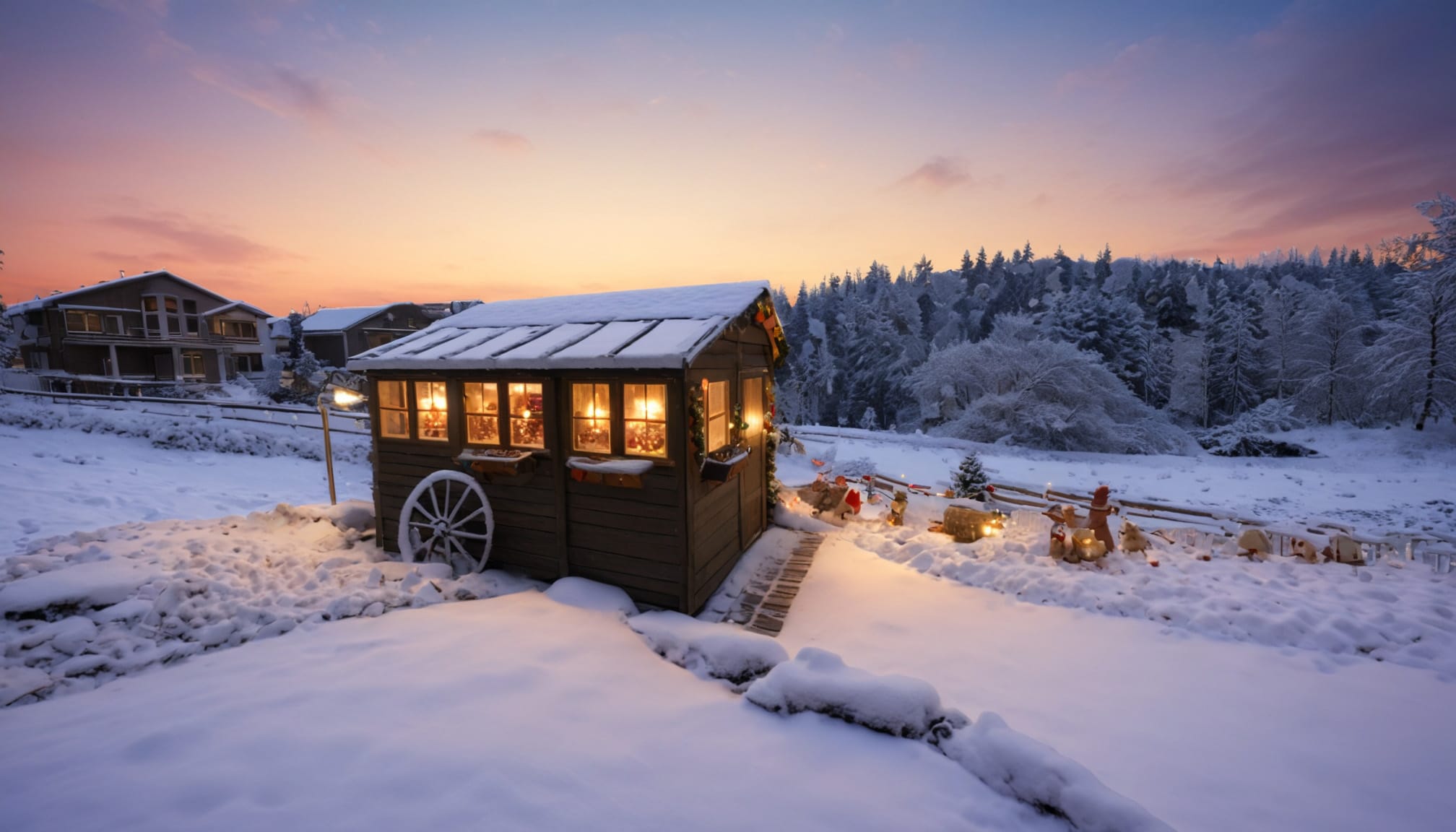
ssgs812 Christmas snow

As the days grow shorter, lighting becomes key to making your porch enjoyable in the evenings. Instead of harsh overhead lights, go for options that provide warmth and ambiance:

  • Battery-powered lanterns for a rustic glow

  • Outdoor string lights draped across beams or railings

  • Scented candles or LED candles in frosted or colored glass holders

  • Solar garden lights around the perimeter

You could even use fairy lights on one side of the porch to create a soft, cozy corner for relaxing or reading.


Keep the Chill Out

Fall evenings can get cool—especially in northern climates. Make your porch cozy by adding a heat source:

  • Portable fire pits for warmth and marshmallow roasting

  • Tabletop space heaters or freestanding propane heaters

  • Built-in stone fireplaces (ideal if you’re already renovating or building)

For added wind protection, use roll-down tarps, canvas screens, or movable partitions. These help block breezes and contain heat, turning your porch into a semi-enclosed space that’s usable well into November.


Entertain With Autumn Comforts

Hosting friends and family outside during fall is magical—if you’re prepared.

Instead of iced drinks and summer snacks, switch to:

  • Hot apple cider, tea, or cocoa

  • Warm pies and baked goods

  • Fall-themed treats like caramel apples, cookies, or roasted nuts

Store drinks in a small electric kettle and snacks in a food warmer to keep everything cozy. You can even place a portable speaker nearby and enjoy background music as the leaves fall around you.


Don’t Forget the Little Details

To round out the mood, stock up on fall-themed plates, cups, and napkins. Look for cozy patterns, leaf motifs, or warm tones that match your porch décor.

And don’t forget the bug spray. While summer pests may have faded, fall brings its own bugs—especially in wooded areas. Keep citronella candles, incense sticks, or natural repellents on hand.


Extend the Season in Style

CGH OLT

Your porch doesn’t have to go unused after Labor Day. With thoughtful design and a few seasonal upgrades, you can enjoy outdoor living well into autumn.

Whether you’re decorating with pumpkins and plaid, cozying up with a fire pit, or gathering with loved ones under glowing lights, a fall-ready porch makes the season feel even more special.

🍂 Start your fall transformation now with our DIY pergolas and outdoor kits—perfect for adding shelter, structure, and style to your outdoor space.

Read More

Light Up the Night: Garden Lighting That Enhances Ambience and Function

4c5097af 14ce 4e9a 8f29 5987becb4b09 upscaled

Spending time in the garden doesn’t have to end at sunset. With the right outdoor lighting setup, you can enjoy your backyard well into the evening. Whether it’s quiet family time or a lively get-together with friends, garden lighting adds safety, mood, and functionality.


Outdoor Candle Lanterns: Simple, Stylish, and Soothing

Candle lanterns are a timeless and affordable way to add glow to your garden. Choose scented candles with citronella oil to keep bugs at bay while creating a cozy atmosphere. Place them in:

  • Glass holders to protect the flame from wind

  • Colored or frosted lanterns for a whimsical touch

  • Hanging rope lanterns from branches or hooks for a fairy-tale effect

Their flickering flames create beautiful shadows and drama, making your garden come alive at night.


Battery-Operated Lights: Flexible and Functional

Battery-powered lights are perfect for areas where hardwiring isn’t practical. Place them in:

  • Arbors and trellises

  • Remote corners of the yard

  • Pathway edges for safer navigation

They’re especially useful in larger backyards where you only need occasional illumination in certain areas.


Outdoor String Lights: Festive and Functional

BZ1216WRC LP Deardorff 1

Outdoor string lights are a must-have for dining areas, patios, or pergolas. Draped overhead or along fences, they provide ample ambient light while adding charm and character to any evening gathering.

Tip: Use warm white bulbs for a cozy feel or colorful LEDs for a party-ready vibe.


Outdoor Light Fixtures for Safety and Utility

Just like indoor lighting, outdoor spaces benefit from layered lighting. Consider:

  • Task lighting over barbecues and food prep areas

  • Pendant or hanging lights over outdoor dining tables

  • Step or post lights along paths and stairs

Choose lights with weather-resistant finishes and dimmer capabilities to adapt to various occasions.


Landscape Lighting: Highlight What Matters1212 12

Use spotlights or floodlights to showcase:

  • Trees and shrubs

  • Water features like fountains or ponds

  • Garden sculptures or focal points

Colored LED landscape lighting can create stunning effects and emphasize your garden’s best features after dark.


Pool and Water Feature Lighting

Got a pool or waterfall? Install submersible lights to create shimmer and motion in water at night. Be sure these installations are handled by a certified electrician, especially when local electrical codes apply.


Patio and Deck Lighting: Extend Your Living Space

Blend functional and ambient lighting around patios and decks with:

  • Recessed lights in stairs or deck boards

  • Wall sconces near doors or seating areas

  • Dimmer-enabled string lights or sconces for mood flexibility

Your deck or patio can double as a living room when properly lit, offering another reason to stay outside longer.


Final Thoughts: Outdoor Lighting for Every Garden

1216 3

Whether you’re looking to create a romantic atmosphere, keep your walkways safe, or host nighttime dinners with friends, garden lighting brings beauty and practicality together. With a thoughtful blend of lanterns, string lights, and landscape fixtures, you can enjoy your outdoor space long after sunset—no matter the season.

Read More