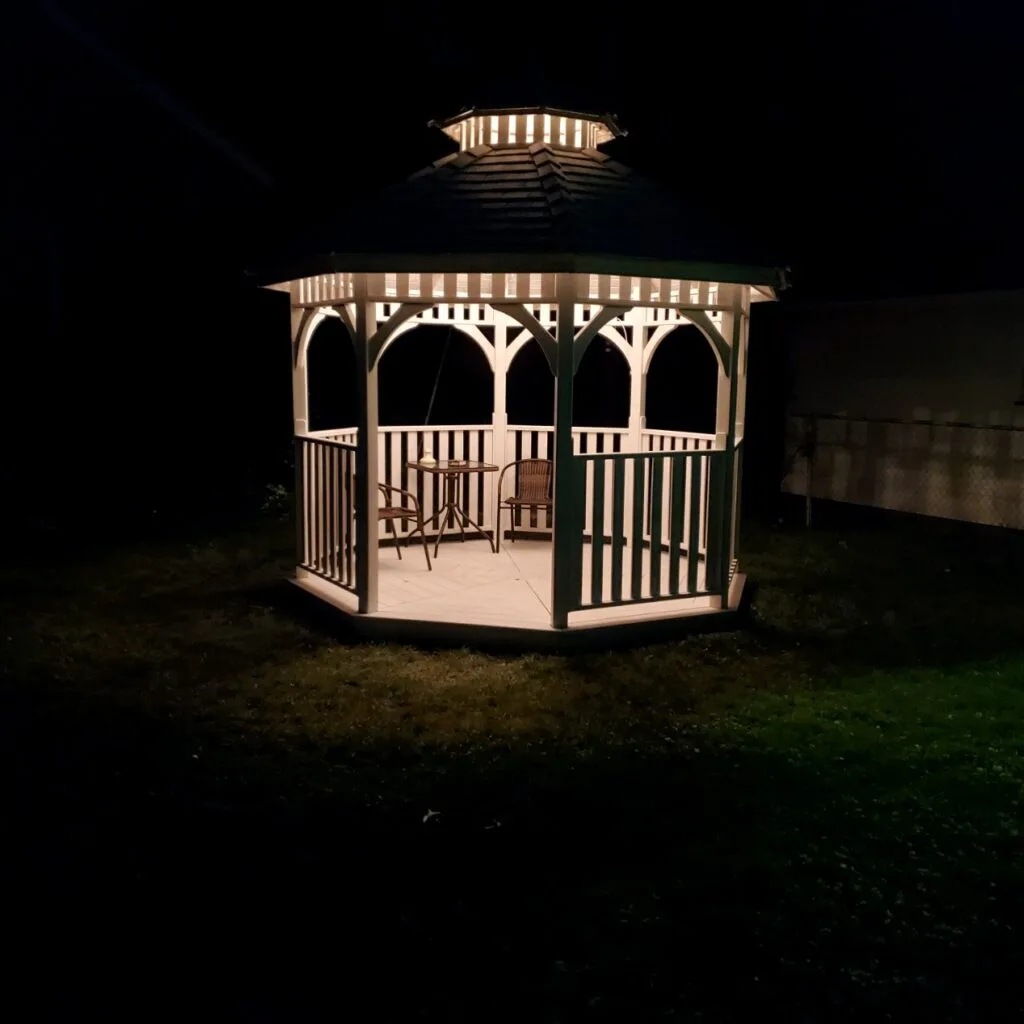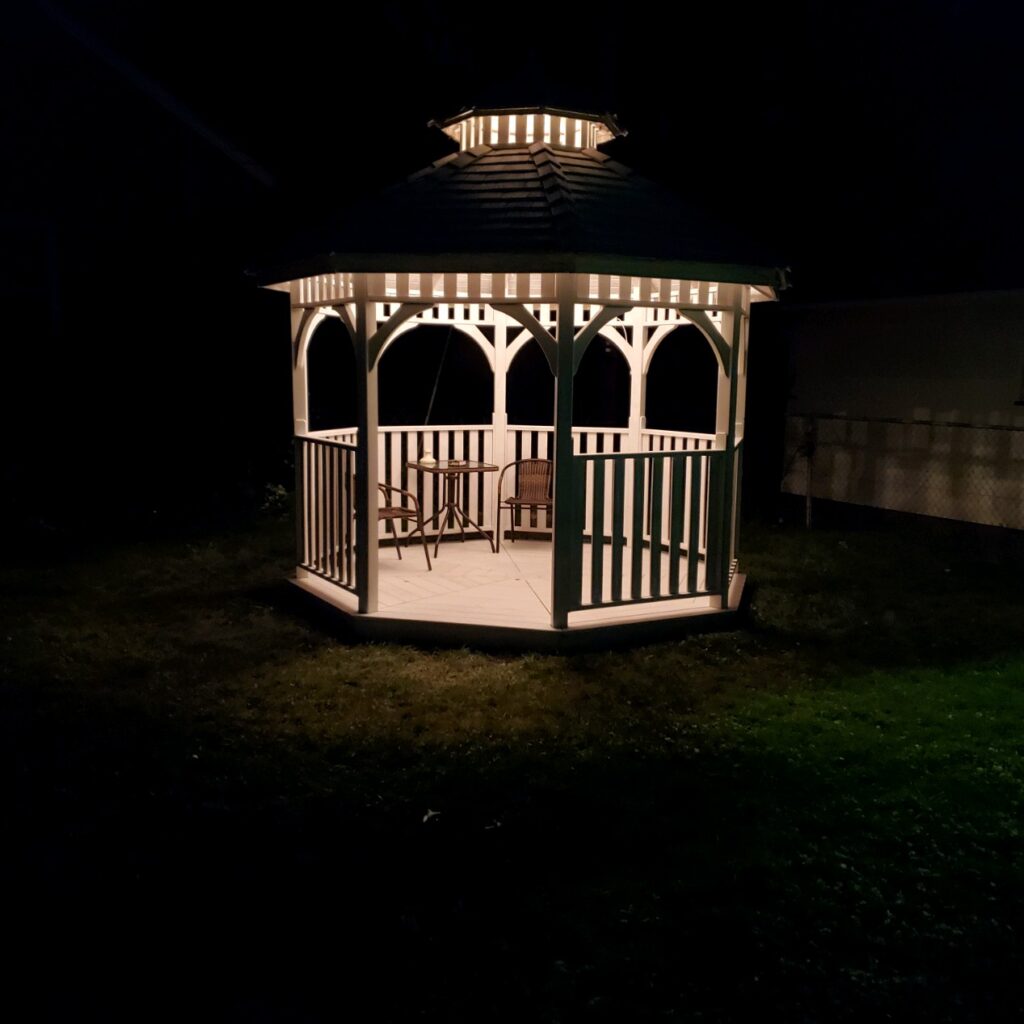
4 Ways to Make Your Gazebo Warm, Inviting, and Beautiful at Night!

Outdoor lighting can completely transform a gazebo. With the right setup, your structure becomes a cozy gathering space for evening dinners, late-night conversations, or ambient backyard relaxation. The best part is that many lighting ideas do not require an electrician and can be done with simple, affordable materials.

Below are four creative gazebo lighting ideas that enhance style, improve safety, and add atmosphere to your outdoor space.


1. Fairy Lights

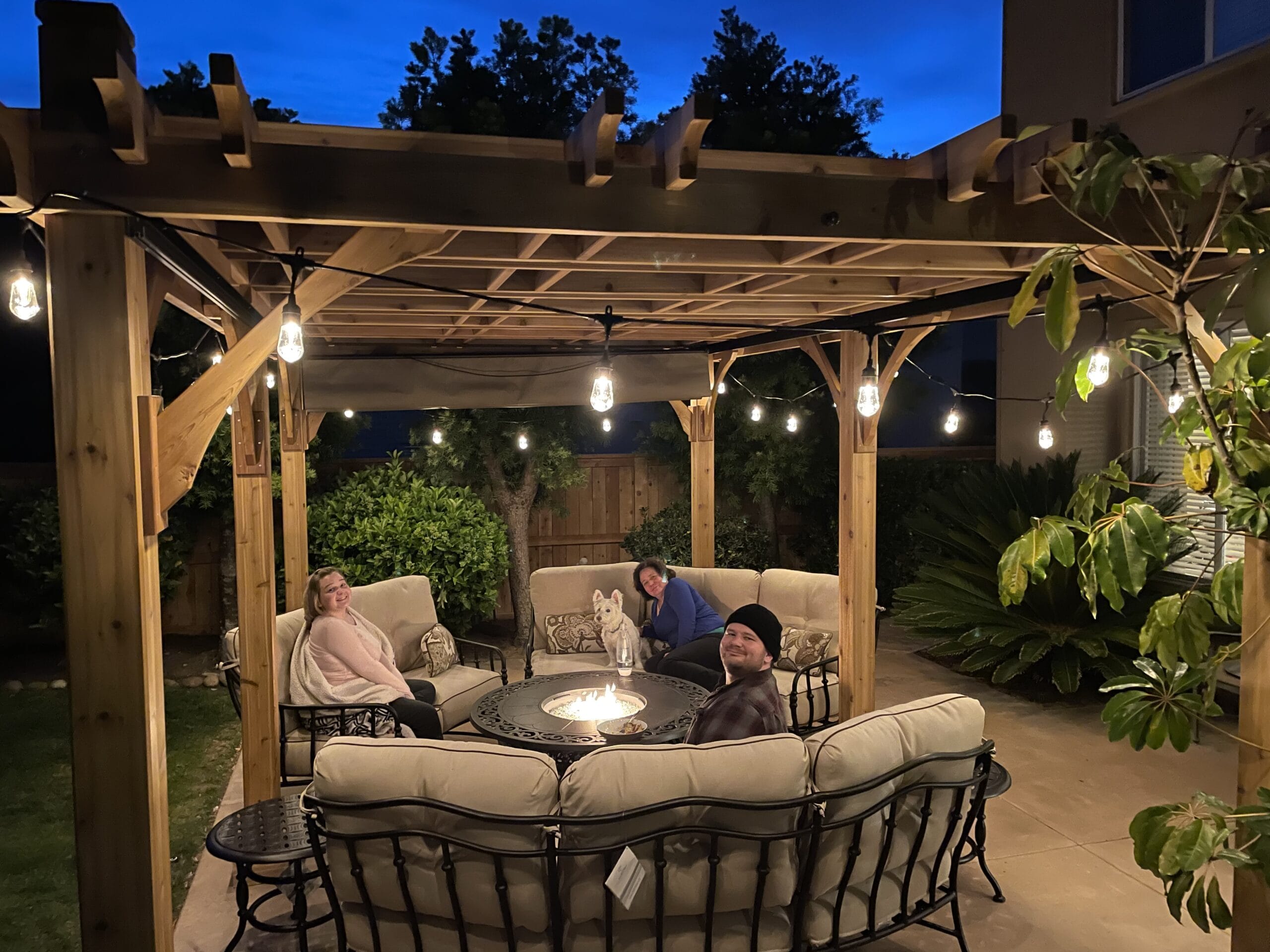
Fairy lights are one of the most popular lighting choices for gazebos because they are easy to install and create an instant warm glow. Wrap them around posts and railings or drape strands across the roofline for a soft, inviting look. You can also extend the lights to nearby trees for added effect.

While traditional incandescent lights work, LED fairy lights are a better option. They stay cool to the touch, use less energy, and last for years even when left on for long periods.

DIY Tip:
Use small adhesive hooks or clear zip ties to secure the lights neatly around posts and railing. This keeps the strands tight, clean-looking, and prevents them from sagging over time.

string lights on blue textile

2. Chandeliers and Pendant Lights

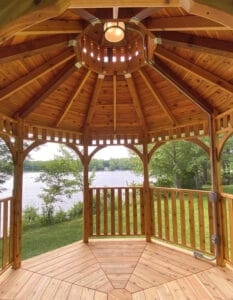
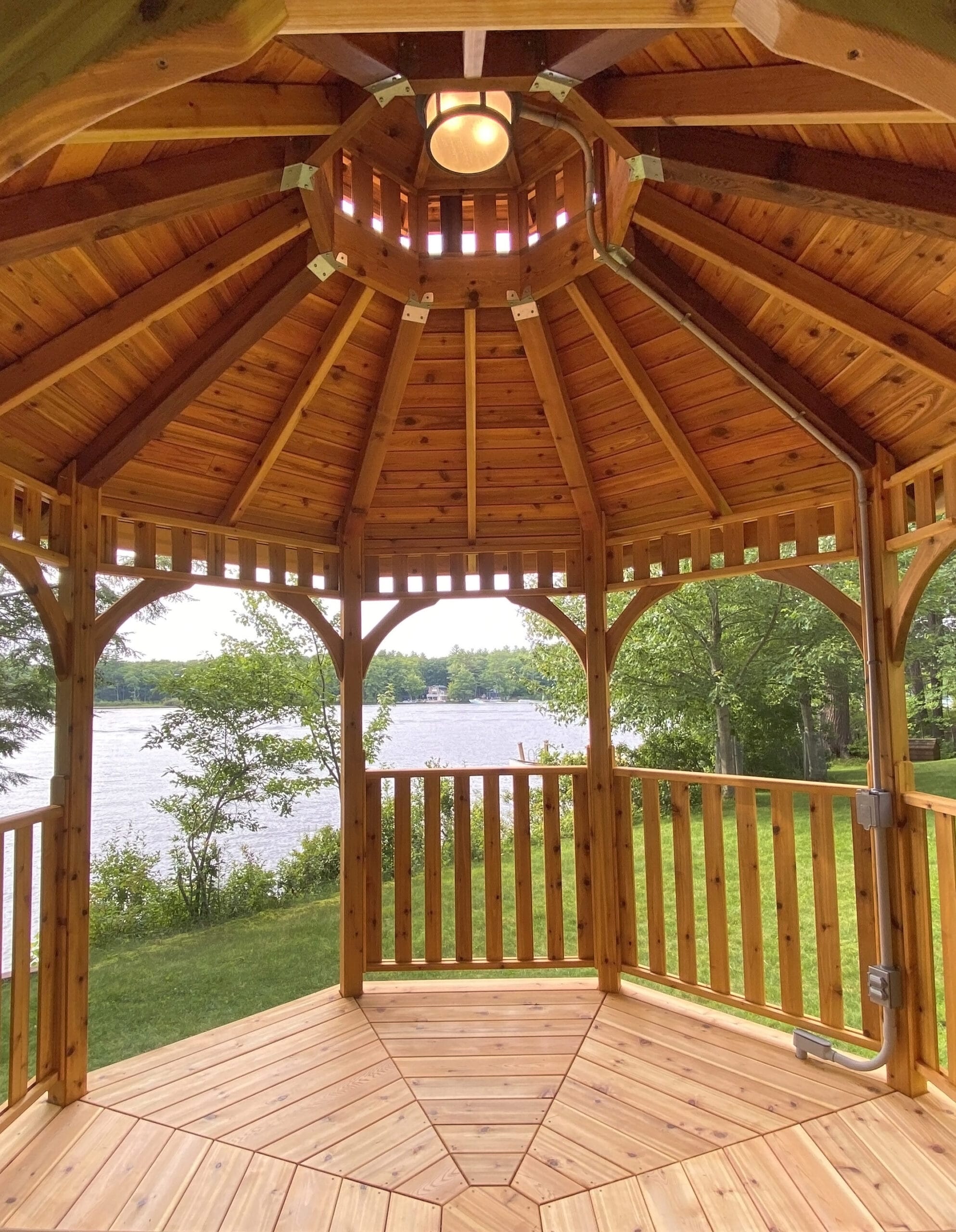
A chandelier inside a cedar gazebo adds unexpected elegance. Homeowners often choose brass fixtures, frosted glass pendants, rustic wooden chandeliers, or repurposed statement pieces for a unique touch.

You can match wall sconces to your main fixture for a cohesive look. Pendant lights made of hammered glass, woven fibers, or paper shades also work beautifully for outdoor settings.

DIY Tip:
If you don’t want to hard-wire a fixture, choose a lightweight battery-operated chandelier. Hang it using a sturdy ceiling hook, and swap in rechargeable batteries to keep it glowing all season.

turn-on ceiling lamp

3. LED Ribbon or Tape Lights

LED tape lights create sleek lines of illumination. These adhesive ribbons can be installed along handrails, under roof edges, or around bench seating. They provide consistent, low-heat, energy-efficient lighting and come in many colors.

Tape lights are flexible and can be cut to fit, although trimming should always follow manufacturer instructions to avoid damage.

DIY Tip:
Before installing, clean the wood surface with a dry cloth so the adhesive sticks properly. Map out your lighting path with painter’s tape first to ensure even spacing and a straight line.

a black room with a white light coming from the ceiling

4. Sparkle Balls

Sparkle balls are a fun, family-friendly project. They are typically made from clear plastic cups and LED mini lights. By stapling the cups into rounded shapes and threading lights through the openings, you can create glowing orbs that hang beautifully from the gazebo ceiling.

Use white lights for a clean aesthetic or colored lights for a festive feel. Sparkle balls make excellent decor for holidays, outdoor parties, and summer evenings.

DIY Tip:
Use a hole punch or soldering iron to create small, even holes in the plastic cups. This makes threading the lights easier and helps the sparkle ball glow more evenly once assembled.

A chandelier hanging from a ceiling in a room

Read More

Simple design updates that transform your gazebo into a welcoming outdoor retreat.

A gazebo can be one of the most charming focal points in your backyard, offering a shaded place to relax, gather, and enjoy the outdoors. With a few thoughtful upgrades and design touches, your gazebo can become more than just a structure. It can feel like an extension of your home and garden.

Whether your goal is comfort, style, or functionality, these ideas will help you enhance the look and feel of your gazebo while making the most of the space you already have.


Start With Purposeful Furniture

Comfortable, well-proportioned furniture instantly elevates a gazebo. Choose seating that fits the scale of the space and encourages conversation, such as benches, lounge chairs, or a small dining set.

Weather-resistant cushions and fabrics add softness and color while keeping maintenance manageable. Neutral tones paired with textured pillows or throws create a relaxed, inviting atmosphere without overwhelming the space.

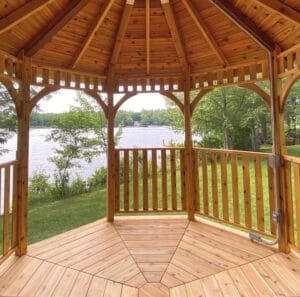
D. Grishin gazebo

Incorporate Lighting for Ambience

Lighting plays a major role in how a gazebo feels, especially in the evening. Soft lighting creates warmth and allows the space to be enjoyed after sunset.

String lights, lanterns, or solar-powered fixtures add a gentle glow without requiring extensive wiring. Layering light sources helps create a cozy, welcoming environment while highlighting the structure’s architectural details.

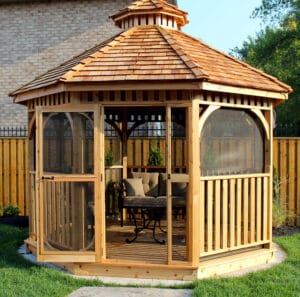
G. Fillion Bayside Cedar Gazebo 1 1024x1024 1

Add Greenery and Natural Elements

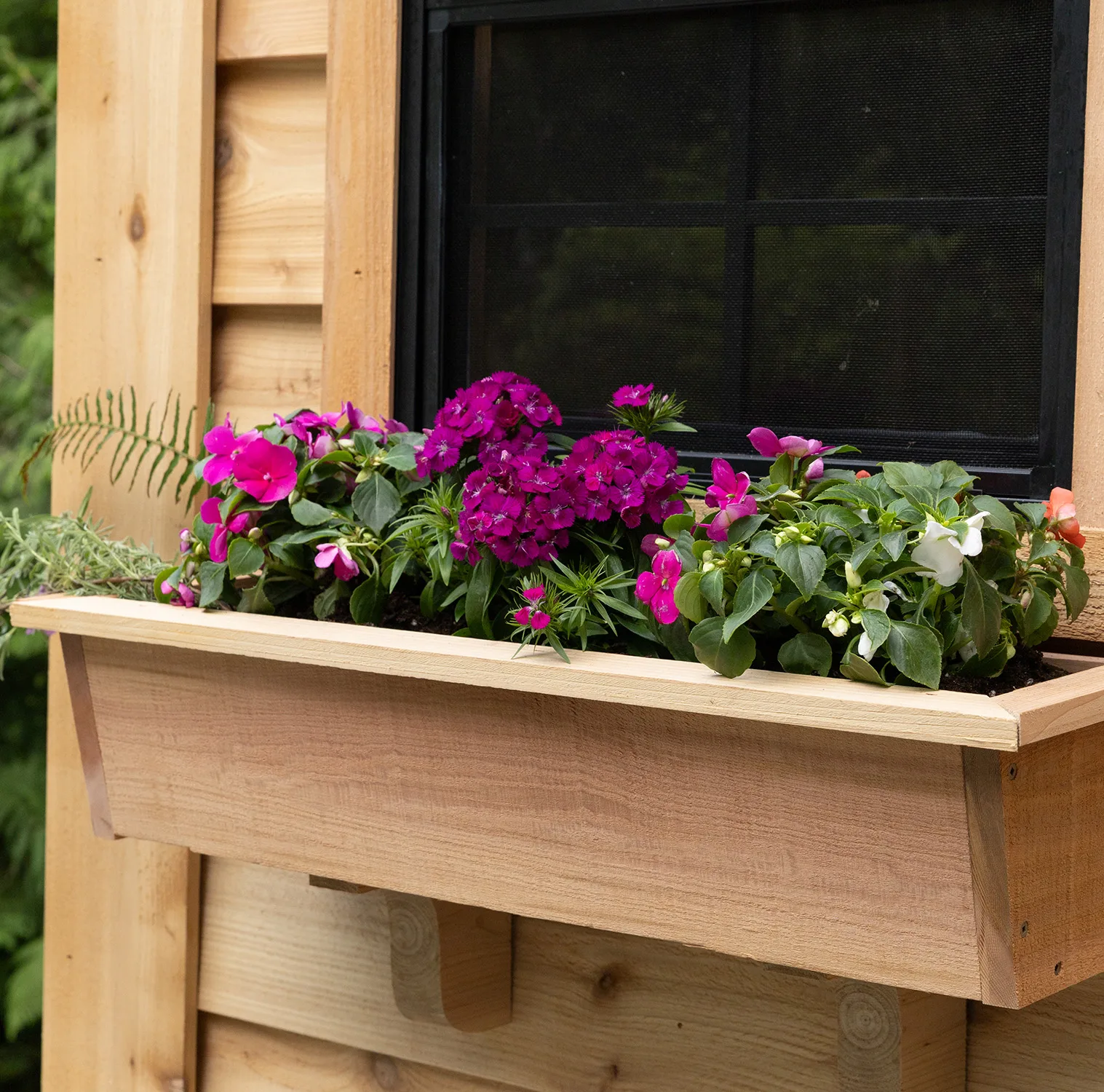
Plants help your gazebo blend seamlessly into the surrounding landscape. Potted plants, hanging baskets, or climbing vines soften hard lines and bring life to the structure.

Choose plants that thrive in your local climate and light conditions. Mixing foliage textures and heights adds depth while keeping the space feeling natural and connected to the garden.

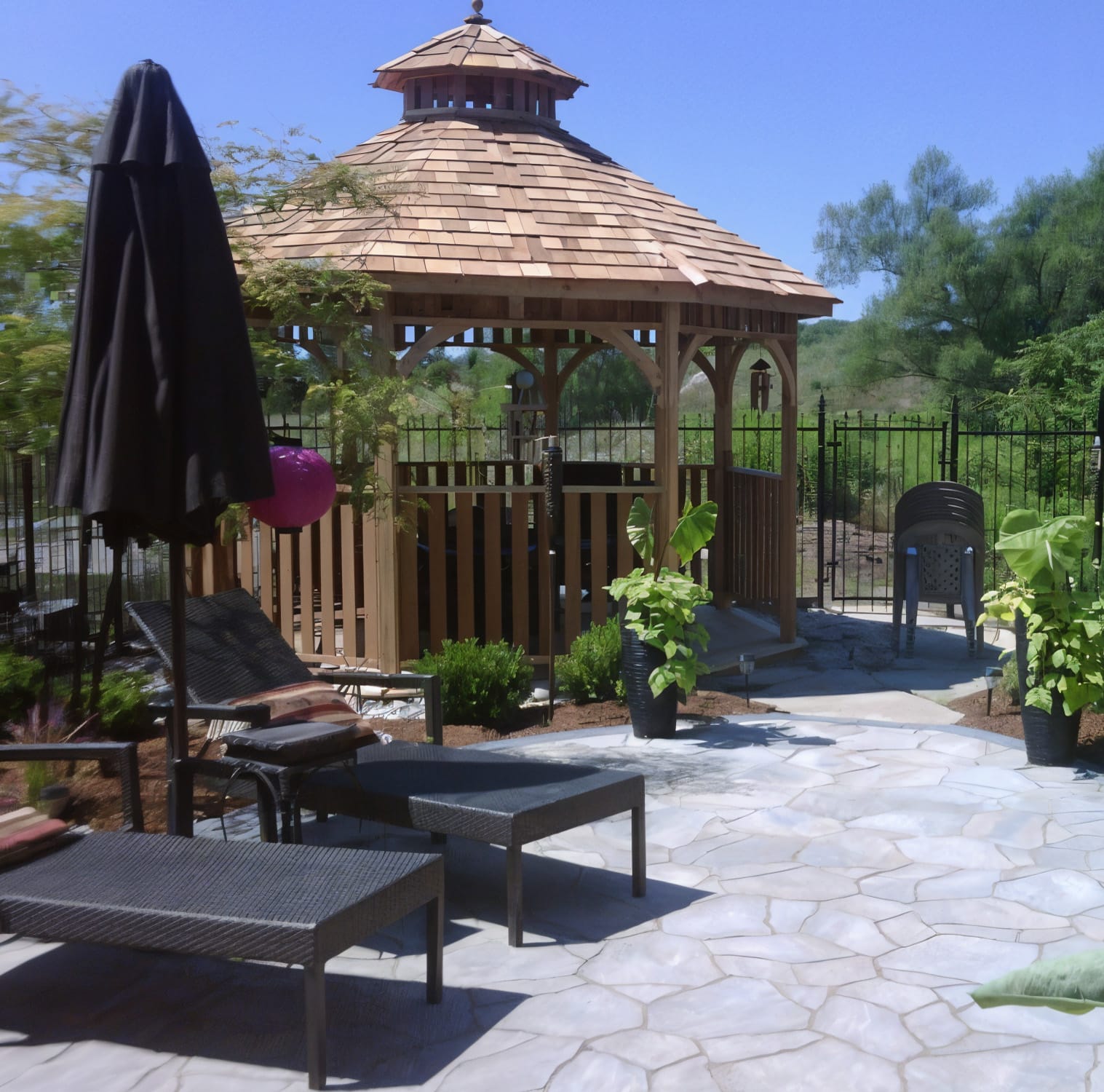
12x16 Space Master Double Door Barn Shed Western Red Cedar Shed Outdoor Living Today 2.jpg

Use Curtains or Screens for Style and Privacy

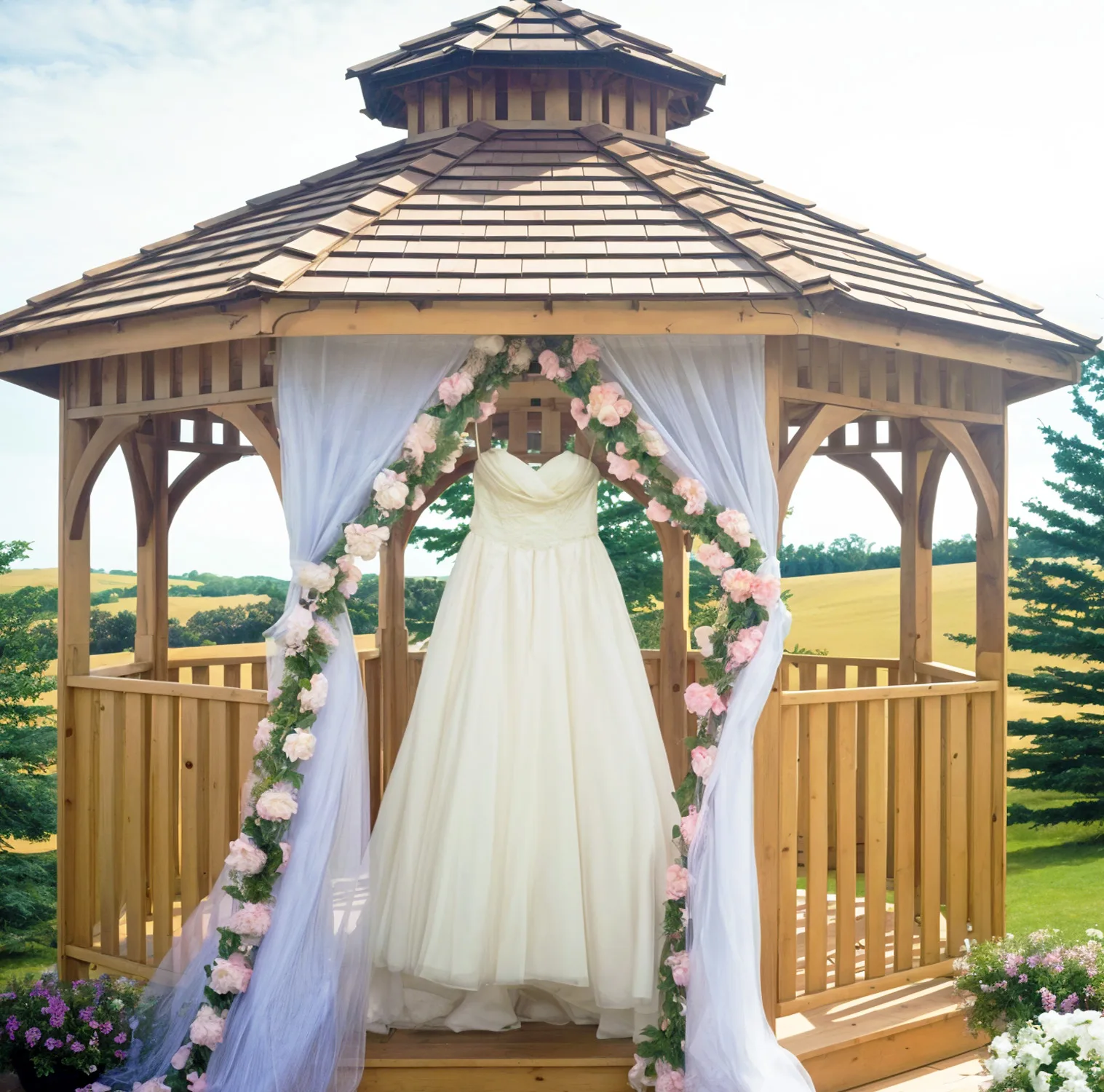
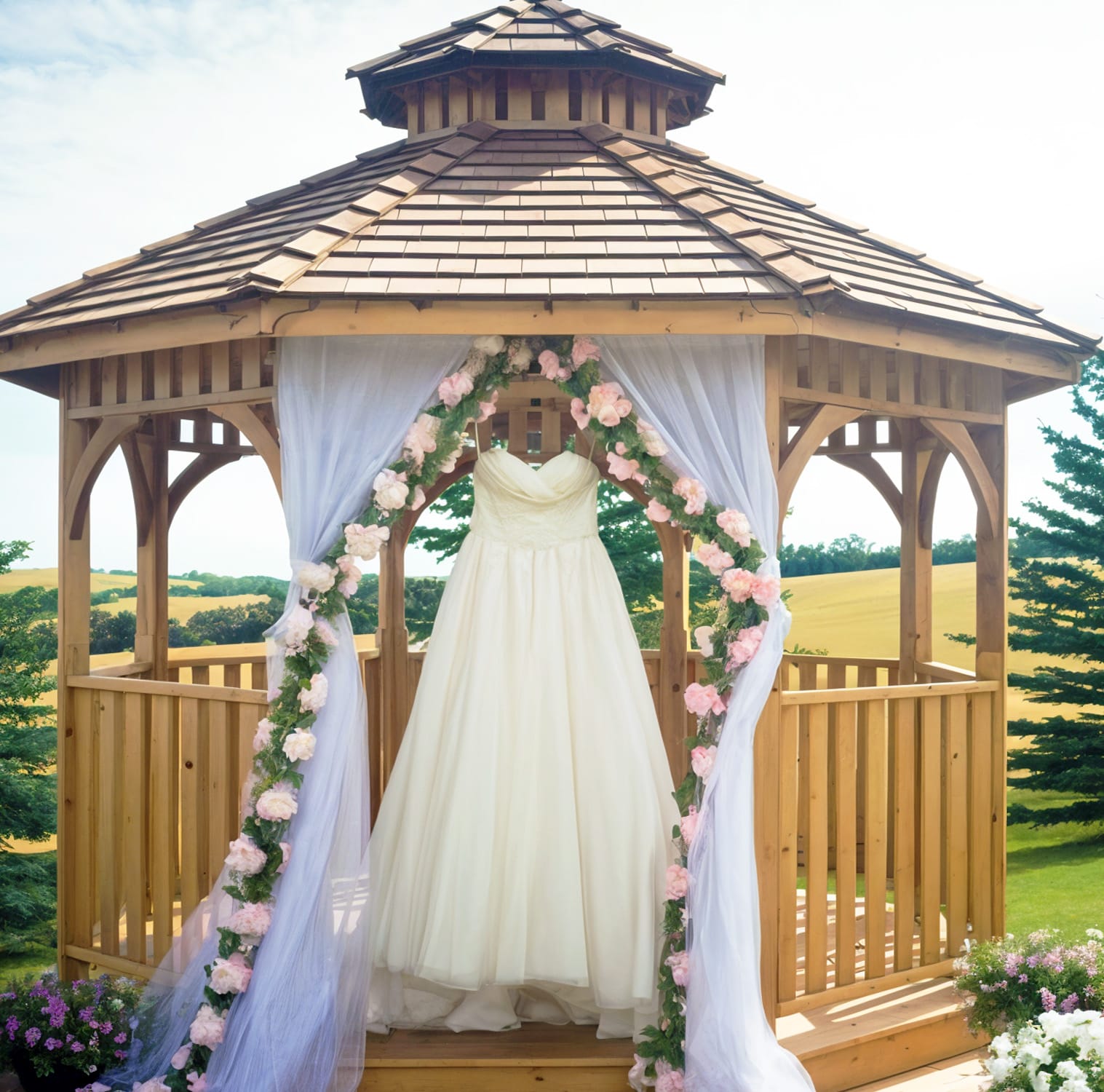
Outdoor curtains or screens add both beauty and function to a gazebo. They provide shade, block wind, and offer privacy while framing the space visually.

Light, breathable fabrics work well for an airy look, while heavier materials create a more enclosed, intimate feel. Neutral shades keep the design timeless, while subtle patterns add character without distraction.

Western Red Cedar Gazebo Outdoor Living Today 8

Western Red Cedar Gazebo Outdoor Living Today 8


Personalize With Decorative Accents

Small details make a big difference. Outdoor rugs define the space and add warmth underfoot, while decorative accents such as lanterns, planters, or artwork bring personality.

Choose décor that complements your garden style and reflects how you use the space. Keeping accessories minimal and intentional helps maintain a clean, polished look.

12x16 Space Master Double Door Barn Shed Western Red Cedar Shed Outdoor Living Today 2.jpg

Keep the Structure Well Maintained

A well-maintained gazebo always looks better. Regular cleaning, tightening hardware, and checking for signs of wear help preserve both appearance and structural integrity.

If your gazebo is made from wood, applying a protective finish when needed helps maintain its natural beauty and protects it from the elements. Routine care ensures your gazebo remains an attractive feature for years to come.

M. Falcone Gazebo Bayside 10 Outdoor Living Today scaled 1 801x1024 1

Create a Space You’ll Want to Use Every Day

Read More

Those days when the weather was warm and the sun was shining can quickly feel like a distant memory. As golden leaves fall, shrubs lose their color, and nights grow longer, it becomes clear that winter is on its way. With colder temperatures, increased rainfall, and the risk of frost, now is the time to prepare your outdoor space for the season ahead.

Winterizing your gazebo, protecting outdoor furniture, and giving your garden a final round of care will help prevent damage and ensure everything is ready to thrive again in spring.

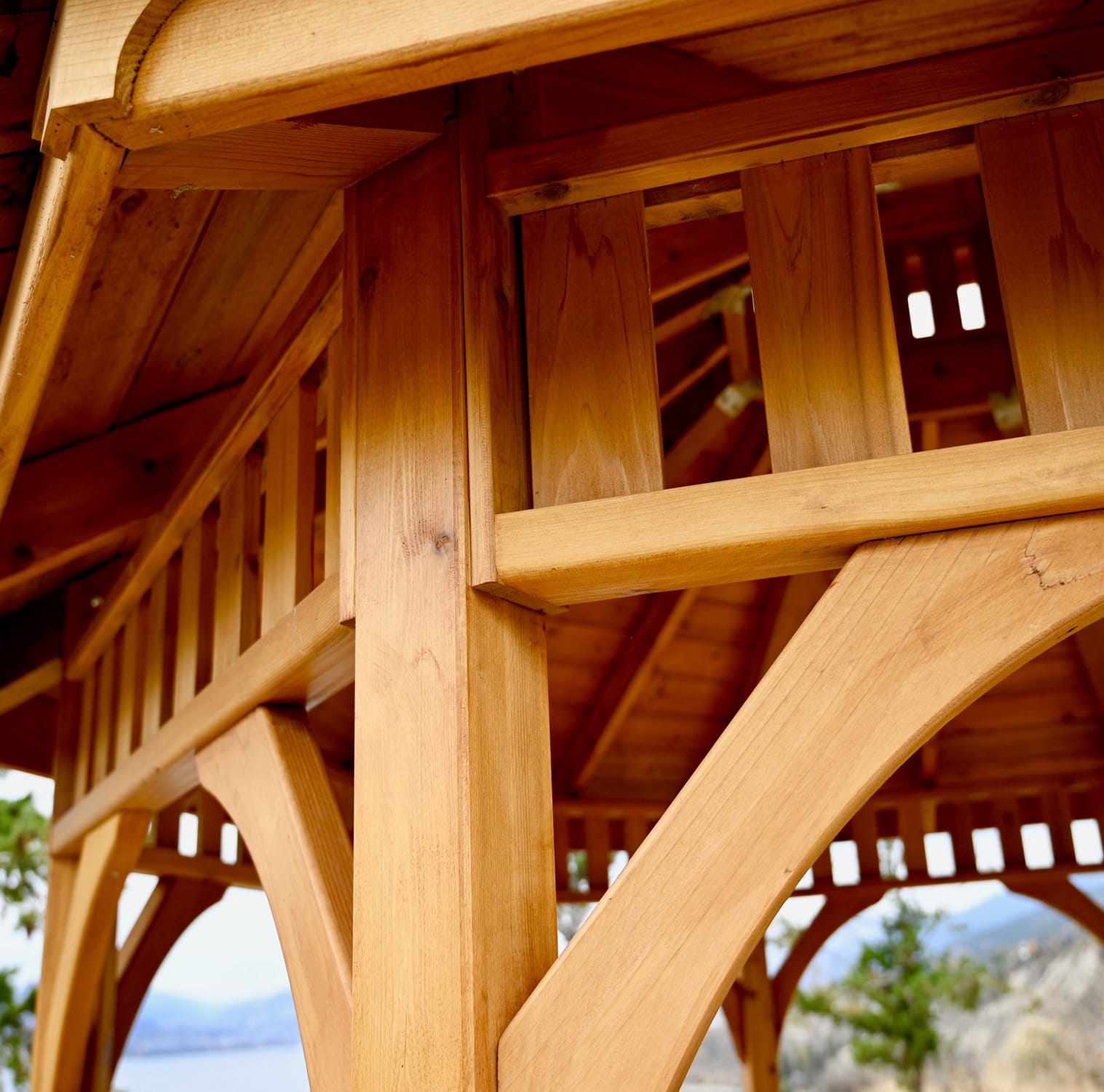
Gazebo CLose up 1

Prepare Your Garden for Winter

Before focusing on your gazebo, take time to ready your garden for colder conditions.

Winter Lawn Care

While summer is all about mowing and watering, fall is the season to strengthen your lawn so it can withstand winter.

  1. Trim overhanging branches to prevent damage or injury during storms
  2. Turn off and drain garden hoses to avoid freezing
  3. Give the lawn one final trim
  4. Rake fallen leaves to prevent suffocation
  5. Apply a late-fall fertilizer to support root health and spring recovery

Winterize Your Gazebo for Long-Term Protection

Gazebos built from pre-cut Western Red Cedar panels are naturally durable, resistant to moisture, and well suited for year-round exposure. However, a little seasonal maintenance goes a long way in preventing warping, splintering, or unnecessary wear.

Clear and Clean the Structure

Start by removing all furniture and accessories from the gazebo. Store items in a shed, garage, or covered patio with appropriate winter protection.

Then:

  1. Sweep and rake leaves, dirt, and debris from the floor and walls
  2. Remove cobwebs and clean between steps and benches to discourage pests
  3. Hose down the structure to flush out debris from cracks and crevices

Use a soft-bristled brush with warm water and mild detergent to remove algae, mold, or mildew. Avoid wire brushes, which can scratch and damage the wood surface.

Inspect and Secure Your Gazebo

Once the gazebo is clean and dry, inspect it closely.

  1. Check for loose screws or hardware and tighten as needed
  2. Look for early signs of wear so small issues do not worsen over winter

Taking a few minutes now can help prevent costly repairs later.

Manage Snow and Winter Conditions

Throughout the winter months, it is a good idea to periodically check on your gazebo.

  1. Gently remove heavy snow buildup from the roof
  2. Consider using vinyl or plastic roof coverings to help snow slide off more easily
  3. Ensure proper drainage around the structure

Regular monitoring helps protect the roof and overall structure from excess weight and moisture.

Can You Use a Gazebo in Winter?

Some gazebos are designed to be enjoyed year-round. Models with framed screens, cupolas, and screened doors can be adapted for winter use when paired with a portable outdoor heater.

If you enjoy spending time outdoors even in colder months, choosing a gazebo designed for extended seasonal use can allow you to relax outside long after summer ends.

Add Color with Flowers That Bloom in Winter

Many homeowners assume gardens lose all visual interest in winter, but that does not have to be the case.

Visit a local nursery to learn which plants thrive in cooler conditions. Popular winter-blooming options include:

  1. Pansies
  2. Violas
  3. Primroses

Plant seeds in early spring so they are established in time for winter blooms. Protect flowerbeds with mulch to prevent soil from freezing, and wrap sensitive plants with bubble wrap if needed. Some plants may also be moved indoors or into a shed, provided they receive enough light and fresh air.
Prepare Now for a Healthier Spring

Winterizing your gazebo and garden helps protect your outdoor space from harsh weather while setting the stage for a smooth transition into spring. With thoughtful preparation, your gazebo will remain a beautiful and functional feature for years to come, ready to welcome warmer days when the season changes.

Read More

A gazebo is a freestanding garden structure with a roof, open sides, and a solid floor that creates a defined outdoor retreat. It offers shade, shelter, and a place to pause and enjoy your surroundings while staying connected to the outdoors. Traditionally, gazebos include built-in seating along the perimeter, but modern designs can be customized in countless ways to suit your lifestyle.

Gazebos can be constructed from wood, pressure-treated lumber, metal, or stone, and may feature anywhere from four to ten sides. Roof styles range from classic single-tier designs to more elaborate multi-tier profiles. With so many design options available, a gazebo can fit seamlessly into almost any backyard setting.

Many homeowners choose to place a gazebo near the home, deck, or patio to extend their outdoor entertaining space. Before installation, be sure to review local zoning regulations and obtain any required permits.


Gazebo Location

Choosing the right location is one of the most important steps in gazebo design. A gazebo can be placed close to the house for convenient outdoor dining or further into the garden to create a peaceful retreat.

Ideally, the gazebo should offer an attractive view from both inside and outside. Look for a spot that overlooks flowering plants, open lawn areas, water features, or natural scenery. While nearby trees can provide extra shade, avoid surrounding the gazebo with dense shrubs or foliage that may block airflow and views.

Access to the Gazebo

Your gazebo should be easy and safe to reach. A clearly defined path not only improves accessibility but also enhances the overall design of your yard. Stone walkways, gravel paths, or wooden stepping platforms all work well.
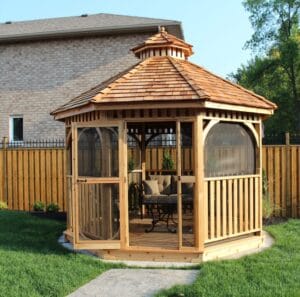

If you plan to use the gazebo in the evening, consider adding path lighting to guide the way and prevent trips or falls. Soft, low-level lighting can also add ambiance and make the gazebo feel inviting after sunset.

Sounds and Surroundings

A gazebo is often intended as a quiet place to relax, read, or enjoy nature. Ideally, it should be positioned away from street noise or neighboring activity.

If complete silence isn’t possible, incorporating soothing background sounds can help. A nearby fountain, waterfall, or small pond can mask unwanted noise while enhancing the tranquil atmosphere of the space.

Gazebo Sizes

Gazebos come in a wide range of sizes to suit different needs. Smaller gazebos work well as personal retreats with a couple of chairs, while larger structures can accommodate dining tables, lounge seating, or group gatherings.

If entertaining is a priority, choose a size that comfortably fits furniture and allows guests to move freely. For a private escape, a more compact gazebo may be all you need.

Furnishing a Gazebo

Furnish your gazebo with weather-resistant tables, chairs, rugs, and cushions to ensure durability and easy maintenance. If your gazebo includes built-in benches, consider adding storage underneath for cushions, throws, board games, or outdoor accessories.

The furniture you choose should reflect how you plan to use the space. Some people prefer lounge chairs or recliners for reading and relaxation, while others may opt for a dining set or even a hammock for a more casual feel.

Gazebo Decorations

Decorations should enhance the gazebo without distracting from its surroundings. Simple touches like colorful cushions, outdoor rugs, potted plants, or wind chimes can make the space feel warm and welcoming.

Sheer curtains or drapes can be added to provide privacy while still allowing light and airflow. These also help soften the structure visually and create a cozy, enclosed atmosphere when desired.

Gazebo Design Style

When selecting a gazebo design, clean lines and simple forms are often the easiest to maintain and the most versatile. A timeless design will blend well with most landscapes and remain visually appealing for years.

That said, your gazebo should still complement the architecture of your home and the style of your garden. Whether traditional, rustic, or modern, a well-chosen gazebo design can become a natural extension of your outdoor space.

Read More

Create a comfortable outdoor space for relaxing, dining, and entertaining.

An outdoor gazebo is a versatile backyard structure that offers shade, comfort, and a defined space for relaxing or entertaining. Unlike decks or patios, gazebos provide overhead protection while still feeling open and connected to the outdoors. Whether you’re hosting summer dinners or creating a quiet retreat, a gazebo adds both function and charm to your outdoor space.


Gazebos Add Value to Your Property

A well-designed gazebo isn’t just a visual upgrade — it can also increase your home’s appeal and usability. By creating a dedicated outdoor living area, gazebos enhance how your backyard is used and enjoyed. They can also make your property more attractive to future buyers by adding character and functional outdoor space.

Western Red Cedar Gazebo Outdoor Living Today 6

A Wide Range of Styles and Materials

Gazebos come in many styles, sizes, and materials, allowing you to choose an option that fits your home and landscape.

Vinyl

Vinyl gazebos are low-maintenance and durable, making them a practical option for homeowners who want minimal upkeep.

Wood

Wood gazebos offer natural warmth and a classic look that blends beautifully with garden settings, though they require routine care.

Aluminum

Aluminum gazebos provide a modern appearance and added privacy options, with strong structural support.

DIY or Professionally Installed

Gazebos can be installed as a DIY project or with the help of a contractor. Many homeowners choose kits that include pre-cut components and instructions, making installation more approachable over a weekend. Others prefer professional installation for larger or more customized designs.

Flexible Costs and Customization

The cost of a gazebo depends on its size, materials, roof style, and added features. Simple designs can be budget-friendly, while larger or enclosed gazebos may require a higher investment. Choosing standard shapes and materials can help keep costs down without sacrificing quality.

Added Privacy and Weather Protection

Gazebos can be customized with screens, curtains, or panels to provide privacy and protection from insects or light weather. These features make the space more comfortable and extend how often you can use your gazebo throughout the year.

Read More

A well-built gazebo starts from the ground up. Your foundation doesn’t just support the structure—it protects it from moisture, frost movement, wind, and long-term settling. Choosing the right foundation method is one of the most important decisions you’ll make before assembly.


What to Consider Before Building Your Gazebo Foundation

Before selecting a foundation type, take time to evaluate your site conditions and local requirements.

Key factors to consider:

  1. Climate and frost depth
  2. Soil type and drainage
  3. Gazebo size and weight
  4. Local building codes or HOA rules

In colder climates, footings must extend below the frost line to prevent frost heave, which can shift or crack foundations over time. 


Common Gazebo Foundation Options

There’s no one-size-fits-all foundation. The right choice depends on your yard, budget, and long-term plans.

Wood Floor Foundations

Wood floor foundations are a popular and cost-effective option, especially for smaller gazebos. They typically sit on pressure-treated skids or concrete blocks placed over a compacted gravel base. This method keeps the structure elevated while allowing for easier installation and removal if needed.

Best for: Flat yards, lighter gazebos, DIY installs
Consideration: Wood should never sit directly on soil

Western Red Cedar Gazebo Outdoor Living Today 5

Pre-Cast or Poured Concrete Piers

Concrete piers offer greater strength and long-term stability. Footings are dug below the frost line, filled with concrete, and fitted with piers or post brackets that anchor the gazebo securely.

Best for: Larger gazebos, windy areas, permanent installations
Consideration: Requires more prep and precise placement


Choosing the Right Foundation for Your Project

If you’re unsure which option works best for your yard, this guide breaks down the different types of gazebo foundations in more detail:
👉 https://outdoorlivingtoday.com/different-types-foundations-can-use-gazebo/

For larger or panelized structures—like octagon gazebos—stronger foundations such as concrete piers are often recommended for long-term performance. An example is the 10′ Bayside Panelized Octagon Gazebo, which benefits from a solid, level base:
👉 https://outdoorlivingtoday.com/product/10-bayside-panelized-octagon-gazebo/

Read More

A garden gazebo is more than a decorative feature — it’s an inviting outdoor retreat that extends your living space and transforms how you use your yard. Whether you love entertaining, relaxing with family, or simply enjoying the outdoors in comfort, a gazebo adds structure, beauty, and function to your landscape.

Designed as a freestanding, roofed outdoor structure, a garden gazebo creates a defined gathering space while offering shelter from sun and light rain. It also serves as a natural focal point that enhances both usability and property value.

Explore the 10′ Bayside Panelized Octagon Gazebo


An Outdoor Space Fit for Everyday Living

Historically, gazebos were symbols of elegance and status, often found in formal gardens and estates. Today, they’re enjoyed by homeowners everywhere as a practical and beautiful extension of outdoor living.

A well-placed garden gazebo allows you to:

  1. Create a comfortable space for outdoor dining or conversation
  2. Enjoy fresh air while staying protected from the elements
  3. Add visual interest and balance to your landscape design

Whether surrounded by gardens or standing on its own as a destination feature, a gazebo brings purpose and presence to your backyard.

G. Fillion Bayside Cedar Gazebo 1 1024x1024 1

Choosing the Right Kind of Gazebo

Garden gazebos come in a range of shapes, sizes, and styles, making it easy to find one that complements your home and outdoor layout. From compact designs to larger statement pieces, the key is selecting a structure that fits both your space and how you plan to use it.

Many homeowners choose prefabricated gazebo kits for their ease of installation and professional finish. Others may prefer to work with a contractor for custom placement or site preparation.

If you’re considering professional help, this guide can help:
How to Find and Hire a Contractor

Gazebo CLose up 2

Identify Its Purpose

Before choosing a gazebo, it’s important to define how you’ll use it. Some homeowners want a stunning centerpiece for entertaining, while others envision a quiet place to relax or unwind. Gazebos can also be used as:

  1. Outdoor dining spaces
  2. Reading or lounging retreats
  3. Covered areas for hot tubs or spa seating

Understanding your purpose will guide decisions around size, placement, and style.

For inspiration, explore:
Creative Ways to Use a Gazebo

Western Red Cedar Gazebo Outdoor Living Today 8

Choosing the Right Material

Material choice plays a major role in durability, appearance, and maintenance. Two popular options are vinyl and wood.

Vinyl gazebos are low maintenance and resistant to moisture, while wooden gazebos offer a warm, natural look that blends seamlessly into most landscapes.

Many homeowners choose gazebos crafted from Western Red Cedar, a naturally durable wood known for its resistance to rot, insects, and moisture. Cedar also weathers beautifully over time and performs well in varied climates.

Learn more about Western Red Cedar:
Thuja plicata – Western Red Cedar

Western Red Cedar Gazebo Outdoor Living Today scaled
Read More
Maintenance and Care of your Gazebo Once you have installed a gazebo in your garden you need to ensure that it is properly maintained. While a gazebo does not require a lot of care and maintenance, it does require some basic attention. Each type of gazebo needs its own special handling depending on the type of material it is made from.

Vinyl Gazebos

A vinyl gazebo is the easiest to maintain. You need to clean it periodically with water from the garden hose. You can also use a ladder and brush off the leaves and debris from the roof once a month. Avoid climbing on to the roof of the gazebo as this can damage the roof.

Wood Gazebos

Wood gazebos require a bit of additional care as the wood can be affected by moisture. To prevent this ensure adequate ventilation around the wood gazebo by trimming shrubs and plants away from the gazebo. A wood gazebo can be painted, in which case you will need to repaint it every couple of years. If you want to preserve the wood finish of the gazebo you can either coat it with a clear waterproof sealant or a tinted waterproof sealant. Either option will ensure that the grains of the wood are visible. This is a magnificent way to treat and preserve a gazebo made of pressure-treated wood. The clear sealant will have to be reapplied every couple of years to ensure that the wood is preserved. If you want the wood gazebo to have a beautiful natural weathered look, you can enable it to weather for some time without a sealant and then apply a clear coat of sealant. The roof of wood gazebos too should be cleaned by brushing away the debris and fallen leaves by standing on a ladder.

Wrought Iron Gazebos

Wrought iron gazebos are almost as easy to maintain as vinyl gazebos. All you need to do is clean it occasionally with a mild soap and water. If you want to maintain its looks, you can also consider coating it with a high-quality polyurethane spray each year. This will keep your wrought iron gazebo looking as fantastic as new for many more family reunions and wonderful events.

Screens and Frames

The screens and frames of the gazebo should be cleaned with water and a mild soap. Dirt can be dislodged using a soft bristled brush. Before you decide to paint, varnish, or spray the gazebo, it is best to remove the screens and frames as any paint or sealant that lands on the screens and frames will not be easy to remove. By removing the screens and frames and washing and drying them separately, you can ensure that they are not damaged when you are carrying out maintenance work on the main gazebo structure.

Cedar Shingles

If your gazebo has a cedar shingle roof, you need to make sure that you only brush off the debris from it and do not use high water pressure to wash it since this can dislodge the shingles and damage them. Maintenance and Care of your Gazebo

General Maintenance

Whatever material the gazebo is made of, you need to clean it regularly from the inside as well. This includes checking the interiors and exteriors for insects, birds, and wasp’s nests and removing them. While insects can be removed using a long handled brush, wasp’s nests need to be handled with more care. For this, you need to first use an insect-specific pesticide and make sure that all of the wasps are eliminated before you attempt to remove the nest. As with all structures, a gazebo needs to be inspected twice a year for signs of cracks and splits, and they need to be fixed before they become bigger. Also the gazebo needs to be inspected for damage after heavy rains, storms, or similar events. This will help you fix any damage as soon as it occurs before a leaking roof can lead to water damage to the floor of the gazebo as well. Routine maintenance of the interior of the gazebo involves removing all dust and inspecting the interior for formation of mold or fungus. In case mold formation has occurred you need to undertake mold remediation and ensure proper ventilation by clearing the surroundings of vegetation to ensure that it remains dry and mold free in future. A gazebo adds beauty to the garden and can be a majestic and serene place to relax in since it conveys protection from the sun and wind while still letting you enjoy the outdoor views, fresh air, and sunlight. However, its exposure to the elements can make it susceptible to damage unless you take a few steps to preserve and maintain it. Most gazebos are constructed from materials that can withstand the elements, but do require some help from you to ensure that it lasts for many more Christmases and spring seasons.
Read More

Give your kids a space to imagine, explore, and play independently—right in your backyard.

As children grow older, they naturally crave a little independence. Having a space of their own allows them to explore their creativity, build confidence, and play freely—while still staying safe and close to home.

One of the best ways to support this growth is by creating a dedicated playhouse in the garden. A backyard playhouse gives children the freedom to play independently while offering protection from the elements and peace of mind for parents.

Cozy Cabin Playhouse 9x7 Cedar Playhouse Kit Outdoor Living Today Western Red Cedar Kit 1

Repurposing Existing Garden Structures

While a traditional playhouse is a wonderful idea, space and budget constraints can make starting from scratch feel overwhelming. The good news is that you don’t have to.

Many existing garden structures can be easily repurposed into charming play spaces. With a little imagination, you can transform a garden shed, gazebo, or arbor into a creative retreat your children will love.

Explore inspiration for seasonal and themed play spaces here:
Turn Your Kids’ Outdoor Playhouse Into a Fort

Check the Sturdiness of the Structure

Before starting any conversion, safety comes first. Inspect the structure thoroughly to ensure the foundation, walls, and roof are solid and capable of handling active play.

If you notice any weaknesses, reinforce them before moving forward. A sturdy structure ensures the playhouse will remain safe, durable, and enjoyable for years to come.

Ensure Adequate Ventilation

Children are likely to spend hours playing in their new space, so proper airflow is essential. Make sure the structure has adequate ventilation to keep it comfortable during warmer months.

Weatherproofing is also important. Protect toys, books, and treasured belongings from moisture and prolonged sun exposure to keep everything in good condition.

Provide Furniture That Works Hard

Furnish the playhouse with age-appropriate pieces that are functional and easy to clean. Low benches, small tables, and child-sized chairs work well.

Whenever possible, choose furniture that doubles as storage. Toy chests, benches with compartments, or cubbies help keep the space organized while maximizing every square inch. Individual storage areas for each child can also help encourage responsibility.

Add Soft Furnishings

Once the main furniture is in place, add soft touches to make the space feel cozy and welcoming. Curtains, rugs, and colorful cushions add comfort and personality while making the playhouse feel like a true retreat.

Decorate the Exterior

Since the playhouse sits within the garden, let it blend naturally into the landscape. Surround it with flowering plants, install a short wooden picket fence, or add a nearby swing or hammock for extra fun.

Fast-growing vines can soften the look and add charm—get ideas here:

Converting an Arbor Into a Playhouse

Arbors make magical play spaces when dressed with greenery. Encourage vines to grow along the walls and roof, or create a living green wall using trellises or hedges on three sides, leaving one side open for entry.

Inside, simple benches or toy chests can provide seating and storage. Adding window openings lets in natural light and enhances the sense of adventure. A canvas floor covering can make cleanup quick and easy.

Converting a Gazebo Into a Playhouse

A gazebo can easily become a play pavilion by adding cheerful curtains or roll-down blinds along the sides. This creates a cozy, shaded space perfect for summer play.

Because gazebos often have built-in seating, consider adding lockers or storage bins for each child. Make sure all storage is secure to keep bugs out and toys protected.

You can find more ideas for personalizing structures like gazebos and pergolas here.

A Space That Grows With Them

A backyard playhouse encourages independence, creativity, and imaginative play. With just a few thoughtful updates—furniture that multitasks, soft furnishings, and safe structural checks—almost any garden structure can become a child’s favorite place.

Keep furnishings simple to let imagination take the lead. One day it might be a castle, the next a ship, a theater, or something entirely unexpected. That freedom is what makes a playhouse truly special.

Need inspiration? Explore the many creative playhouse ideas shared by our community and start designing a space your children will remember for years to come.

Cozy Cabin Playhouse Western Red CEdar Outdoor Living Today Childrens Playhouse 9
Read More

Get yourself a Grill Gazebo!

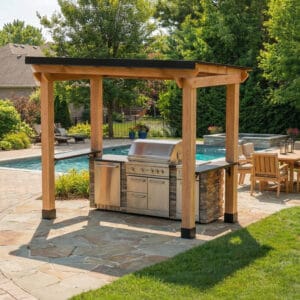
BBQ Shelter Grill Gazebo Western Red Cedar Outdoor Living Today Banner 4

Looking to enhance your outdoor space and add usable square footage to your home? A cedar gazebo is a beautiful and functional way to upgrade your backyard. Whether you’re entertaining guests, relaxing solo, or creating a year-round retreat, gazebos offer endless possibilities.

What Is a Gazebo?

A gazebo is a freestanding outdoor structure with a roof and open sides, typically built in a garden or backyard. Common gazebo shapes include octagonal, hexagonal, rectangular, and square. Some gazebos have half-walls or screens between the support posts, while others are fully enclosed and built for all-season use.

Western Red Cedar gazebos are particularly popular due to their natural resistance to rot, insects, and decay, making them ideal for outdoor use in various climates.

4 Creative Ways to Use Your Backyard Gazebo

1. Outdoor Relaxation Retreat

Create a cozy outdoor nook by adding lounge chairs, cushions, and a small table. Use your cedar gazebo as a private escape to enjoy a good book, sip iced tea, or just unwind in nature.

2. Backyard Entertaining Hub

BBQ Shelter Grill Gazebo Western Red Cedar Outdoor Living Today Banner 3

Host BBQs, birthday parties, or summer dinners under the shade of your gazebo. Add string lights or lanterns for ambiance. Gazebos near pools make perfect shaded lounging spots to keep an eye on kids while chatting with guests.

3. Fitness & Wellness Zone

Practice yoga, stretch, or meditate in your gazebo. Surrounded by greenery and away from indoor distractions, it becomes an ideal space for mental and physical well-being.

4. Hot Tub Enclosure

Install a gazebo around your hot tub to provide year-round privacy and protection from the elements. A cedar structure enhances the spa experience while blending seamlessly into the landscape.

Why Choose a Cedar Gazebo?

When shopping for a gazebo, material matters. Western Red Cedar is one of the most popular choices thanks to its:

  • Durability: Naturally resists rot and decay

  • Pest resistance: Cedar’s aroma deters insects

  • Aesthetic appeal: Warm tones and beautiful grain patterns

  • Workability: Lightweight and easy to assemble

Cedar also gives your backyard a timeless, upscale look that integrates beautifully into natural surroundings.

How to Get a Cedar Gazebo for Your Yard

Western Red Cedar Gazebo Outdoor Living Today 4

You have a few options for adding a gazebo to your property:

1. DIY Build from Scratch

Purchase raw lumber and design your own gazebo. This option requires carpentry experience, planning, and access to tools.

2. Hire a Professional

Work with a contractor to custom-build your gazebo. This offers more flexibility in design but comes with a higher cost.

3. Purchase a Gazebo Kit

The easiest and most popular option for homeowners is buying a pre-cut or panelized gazebo kit. Outdoor Living Today offers high-quality Western Red Cedar gazebo kits that come with all the required hardware, instructions, and pre-cut pieces.

Gazebo kits allow for faster assembly and fewer design headaches, and they come in a variety of sizes and styles to suit your space and lifestyle.

Expand Your Outdoor Living Today

Adding a gazebo to your backyard isn’t just about aesthetics—it’s about lifestyle. It provides a beautiful, functional space to enjoy nature, host guests, or simply relax. Whether you’re investing in a hot tub enclosure or creating your personal garden retreat, a cedar gazebo kit makes the process simple, stylish, and satisfying.

Explore Western Red Cedar gazebo kits at Outdoor Living Today and transform your yard into the outdoor oasis you deserve.

Read More