Saving seeds from your own garden is a simple, cost-effective way to plan ahead, preserve plant varieties, and reduce gardening costs year after year. By learning how to properly collect, store, and germinate seeds, you can build a more self-sufficient garden while preparing confidently for the next growing season.

Spending time outdoors in your garden can be both rewarding and practical. However, many gardeners find that purchasing new vegetable seeds, flower seeds, and fertilizer each year adds up quickly. By collecting and saving seeds from your own plants, you can redirect those savings toward other garden upgrades, such as raised beds, tools, or a garden shed.


Plan Ahead: Heirloom Seeds vs. Hybrid Seeds

Before you begin saving seeds, it’s important to understand the type of plants you are growing.

Hybrid seeds are bred for specific traits and are typically meant for a single growing season. While hybrid plants can be productive and attractive, the seeds they produce often grow into plants with unpredictable characteristics. This is especially common when seeds are collected from vegetables purchased at grocery stores, where the plant’s origin is unknown.

For reliable results, choose heirloom or open-pollinated seeds. These varieties produce seeds that grow true to type, meaning the next generation will closely resemble the parent plant. Planning with heirloom seeds makes seed saving far more successful and predictable.


Avoid Cross-Pollination

Cross-pollination occurs when two varieties of the same plant species exchange pollen, resulting in seeds with mixed traits. Wind, insects, and birds can all contribute to this process.

For example, planting bush beans and pole beans close together may result in seeds that no longer grow true to either type. To reduce this risk:

  1. Plant different varieties of the same species far apart
  2. Select individual flowers to save seeds from and isolate them with breathable covers
  3. Hand-pollinate when possible for greater control

Preventing cross-pollination helps maintain consistent plant quality and reliable harvests.


Collecting Vegetable Seeds

Saving vegetable seeds follows similar principles but often requires additional steps.

Beans and Peas

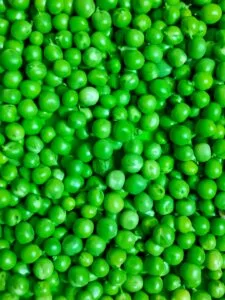
Allow pods to fully mature and dry on the plant. Once the outer shell is dry and wrinkled, remove the pods and allow them to finish drying indoors. Open the pods and collect the seeds, ensuring all moisture is removed before storage.

Fruits and Vegetables with Pulp

Vegetables such as tomatoes, cucumbers, eggplants, and squash require extra processing. Slice the fruit open and scoop out the seeds and pulp. Place them in a container with water and allow the mixture to sit. Viable seeds will sink while pulp and non-viable seeds float.

Rinse the seeds thoroughly, remove remaining debris, and allow them to dry completely before storing.

How to Germinate Seeds

Toward the end of winter, remove stored seeds and allow them to reach room temperature. To test viability, place seeds between two damp paper towels and keep them moist in a warm area.

Once seeds sprout, transfer them to soil and provide adequate light. Starting seeds indoors allows you to extend the growing season and gives plants a strong start before outdoor planting conditions are suitable.

Grow with Confidence Season After Season

Seed saving is a rewarding way to become more connected to your garden while reducing costs and preserving plant varieties. With thoughtful planning, careful storage, and proper germination techniques, you can enjoy healthier plants and greater success each growing season.

A little preparation now helps ensure your garden continues to thrive long into the future.


Read More

Simple ways to introduce children to gardening while making it fun, safe, and rewarding.

If you’re an avid gardener, introducing your children to the joys of gardening can be one of the most rewarding experiences you share together. Gardening with kids is not only fun, it also helps teach valuable life skills like patience, responsibility, persistence, and a respect for nature.

Children learn by doing, and the garden is a perfect hands-on classroom. From planting seeds and watering plants to watching seedlings sprout and flowers bloom, gardening helps children understand where food comes from. An added bonus? Even picky eaters are often more willing to try vegetables like cherry tomatoes or kale when they’ve helped grow them themselves.

Outdoor wood structures add warmth, beauty, and long-lasting function to your property — but only if they’re properly protected from moisture, insects, and weathering. Whether you’re maintaining a shed, pergola, greenhouse, or garden bed, understanding what causes wood decay (and how to stop it) can dramatically extend the life of your investment.

gardening 3

Keep the Child’s Age in Mind

When gardening with children, it’s important to consider their age and attention span. Young children are naturally impatient and enjoy quick results, so choosing fast-growing plants is key.

Great beginner plants include:

  1. Sunflowers
  2. Cherry tomatoes
  3. Radishes
  4. Lettuce

Sunflowers are especially ideal because their large seeds are easy for little hands to manage.

Give Children Ownership of Their Garden

One of the best ways to keep children engaged is to give them ownership over their own space. A small, individual plot helps build responsibility and pride.

The size of the garden should match the child’s age:

  • Very young children can start with a container garden
  • Older children can manage a small raised bed or ground-level plot

Place their garden in a sunny location with easy access to water. Depending on their age, you can assist with tasks like weeding, pest removal, or watering while still letting them feel in charge.

Gradually Involve Them in All Gardening Activities

At first, children may only want to help with planting seeds or watering. Over time, you can introduce more responsibilities and skills.

As they grow, teach children how to:

  • Compost organic material
  • Weed and identify pests
  • Harvest fruits and vegetables
  • Mulch, fertilize, and prune plants

You can also expand the size of their garden and let them choose what they want to grow each season.

Safety First When Gardening With Children

Safety should always be a priority when gardening with kids.

Important safety tips include:

  • Keep children’s garden plots close to the house and easily visible
  • Use child-sized gardening tools
  • Supervise the use of sharp or heavy tools

Avoid chemical fertilizers and pesticides whenever possible by keeping your garden organic. If chemicals must be used, store them safely out of reach and explain clearly that they are not for children to handle.

Plan Garden Beds With Kids in Mind

When designing garden beds for children, accessibility is key.

Best practices include:

  • Beds no wider than four feet so kids can reach the center
  • At least two feet of space between beds for easy movement

Extra space helps prevent accidental trampling, especially for younger children who are still developing coordination.

Use the Garden as a Learning Space

Gardens are full of opportunities for discovery. Let children get muddy, explore freely, and ask questions.

Use gardening time to:

  • Identify plants, insects, birds, and small animals
  • Teach basic biology and ecology
  • Install bird feeders or bird baths for added interest

This hands-on exploration helps deepen curiosity and connection to the natural world.

Be Flexible and Let Kids Make Mistakes

A perfect garden isn’t the goal — enjoyment and learning are.

Children will make mistakes:

  • Pulling up plants with weeds
  • Overwatering
  • Stepping on seedlings

These moments are part of the learning process. With guidance and patience, children gain confidence and pride in their efforts, even when things don’t go perfectly.

With supervision and encouragement, gardening becomes a joyful outdoor activity that teaches lifelong skills — and lets kids enjoy the literal fruits of their labor.


Read More

The key features that make gardening easier, more comfortable, and more organized.

If you love entertaining and spending time outdoors, an outdoor kitchen helps combine both interests seamlessly. Whether you have a compact backyard or a large garden, a well-designed outdoor kitchen allows you to cook, serve, and enjoy meals while staying connected with family and guests.

The layout and features of your outdoor kitchen will depend on your available space, budget, and how you plan to use the area — from casual weeknight grilling to full-scale gatherings.


Durable, Weather-Resistant Materials

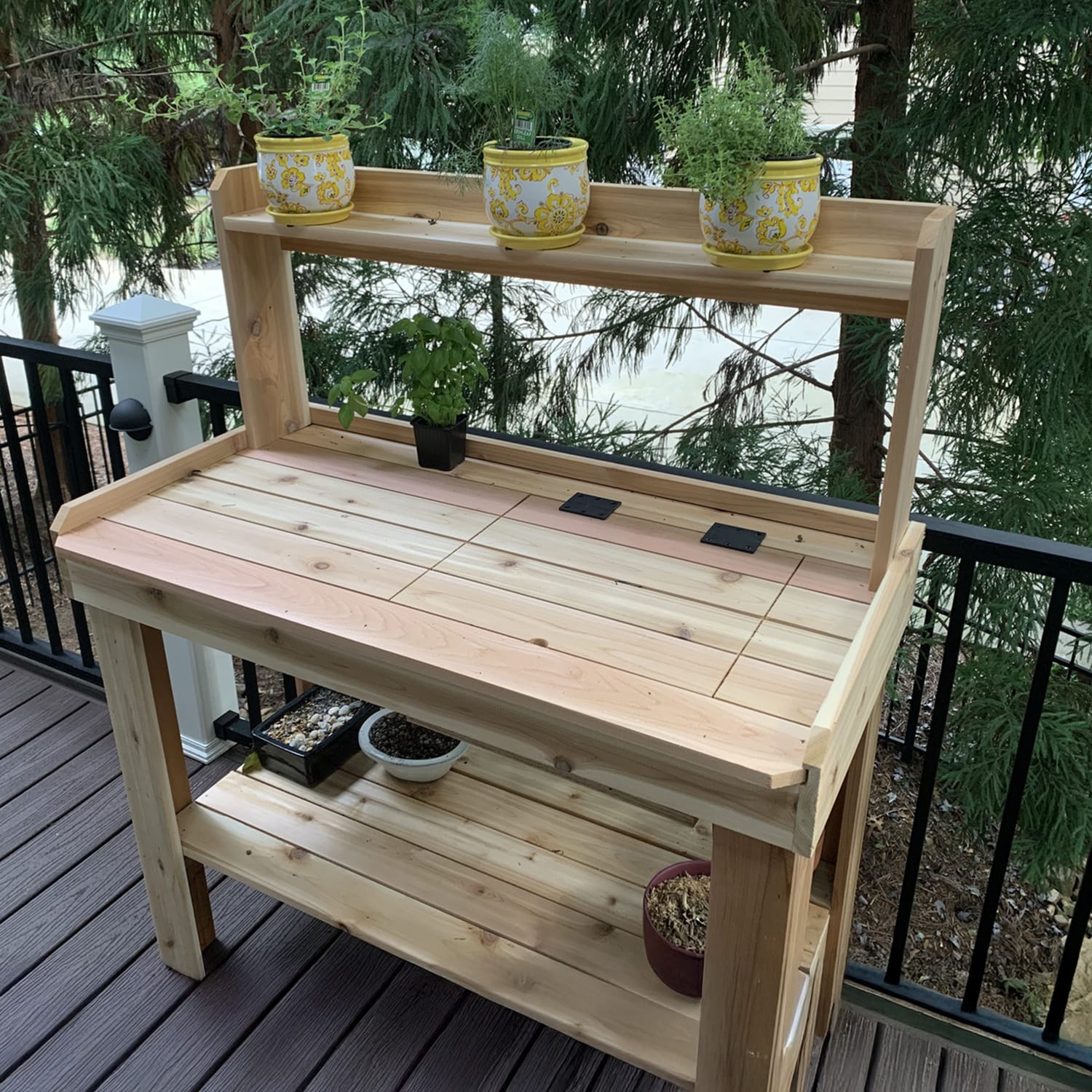
A potting bench should be built from high-quality materials that can withstand moisture, sunlight, and seasonal temperature changes. Naturally durable woods like Western Red Cedar are ideal for outdoor use because they resist rot and decay without chemical treatments. Pressure-treated wood is another option, though it may require more maintenance over time.

Potting Bench 4x2 Western Red Cedar Raised Garden Bed Kit Outdoor Living Today 5

A Sturdy Base

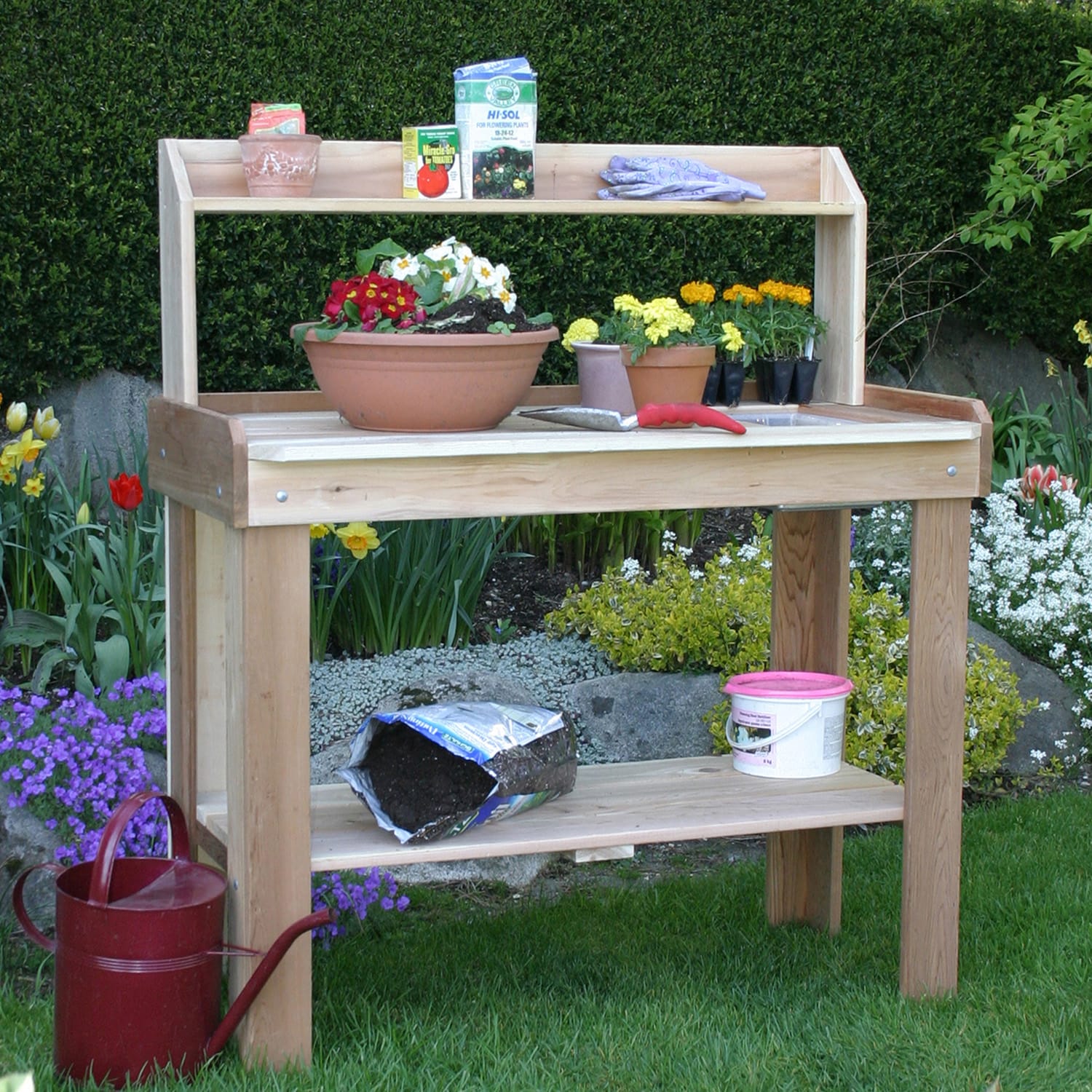
Stability matters. Your potting bench should be able to support heavy pots filled with soil, bags of potting mix, fertilizer, watering cans, and tools without wobbling. A solid base ensures safety and makes daily gardening tasks easier and more enjoyable.

PottingBenchOLT23

Comfortable Working Height

The work surface should sit slightly lower than a standard kitchen counter. This makes it easier to see into pots while filling them with soil or gravel and helps reduce strain on your back and shoulders during longer gardening sessions.

OLT a new potting bench with a sunset 5069cab0 b4a2 4d23 b579 3d1681d20f3c

Shelving and Storage Space

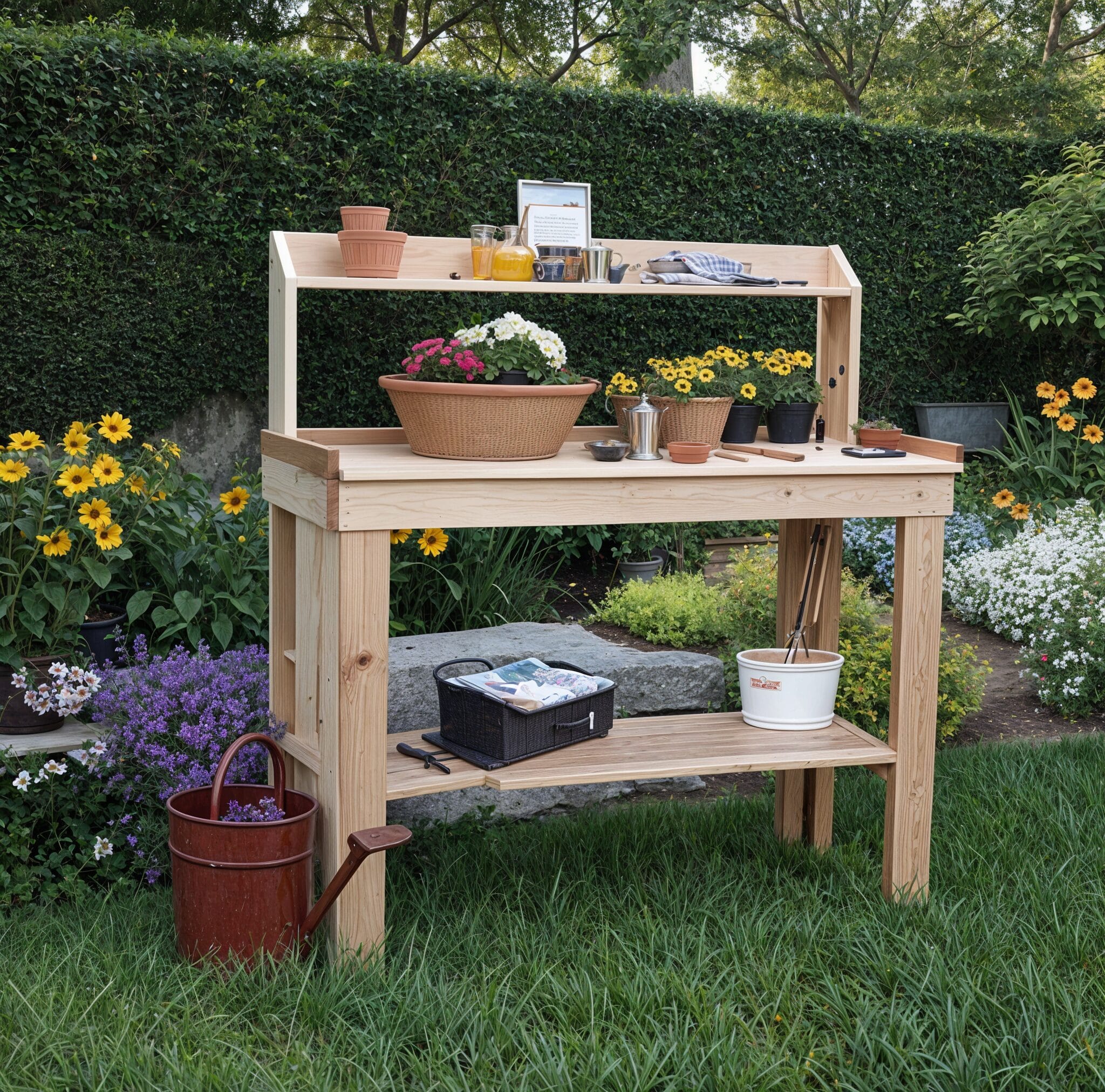
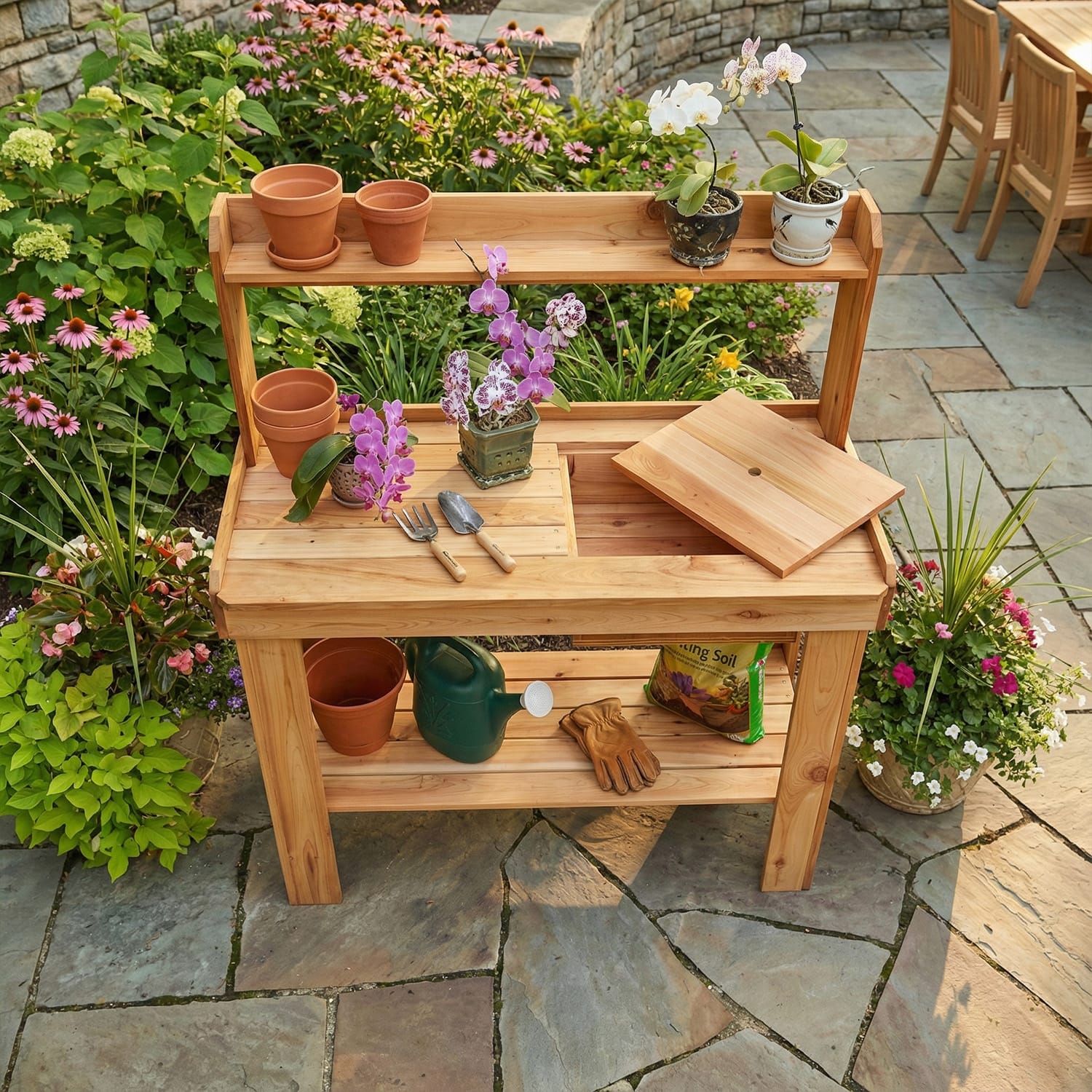
Multiple shelves allow you to keep tools, pots, soil, and supplies organized and within reach. Ideally, the main work surface should remain clear, with shelving positioned to support your workflow rather than crowd it.

Potting Bench 4x2 Western Red Cedar Raised Garden Bed Kit Outdoor Living Today 7

Built-In Sink or Soil Grate (Optional)

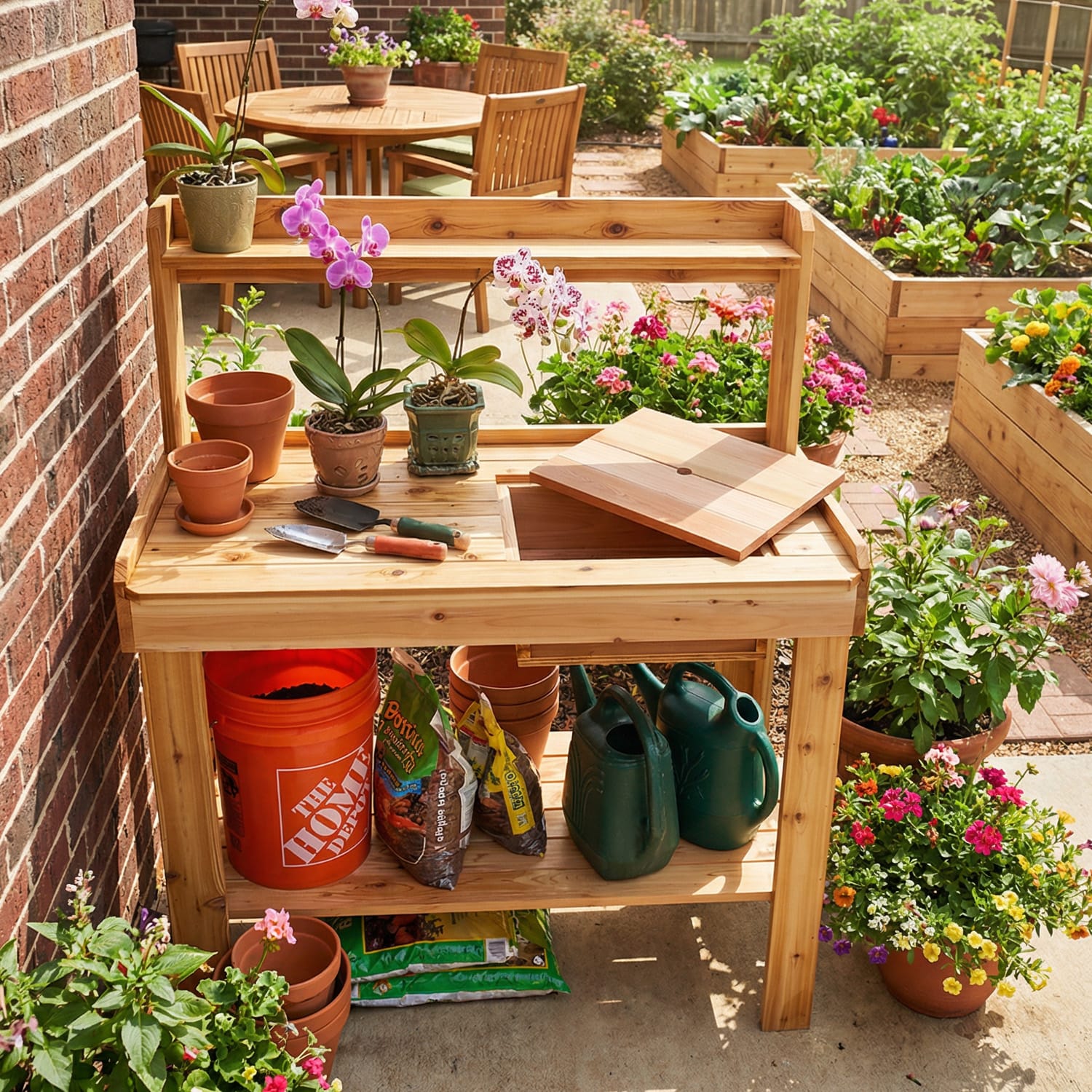
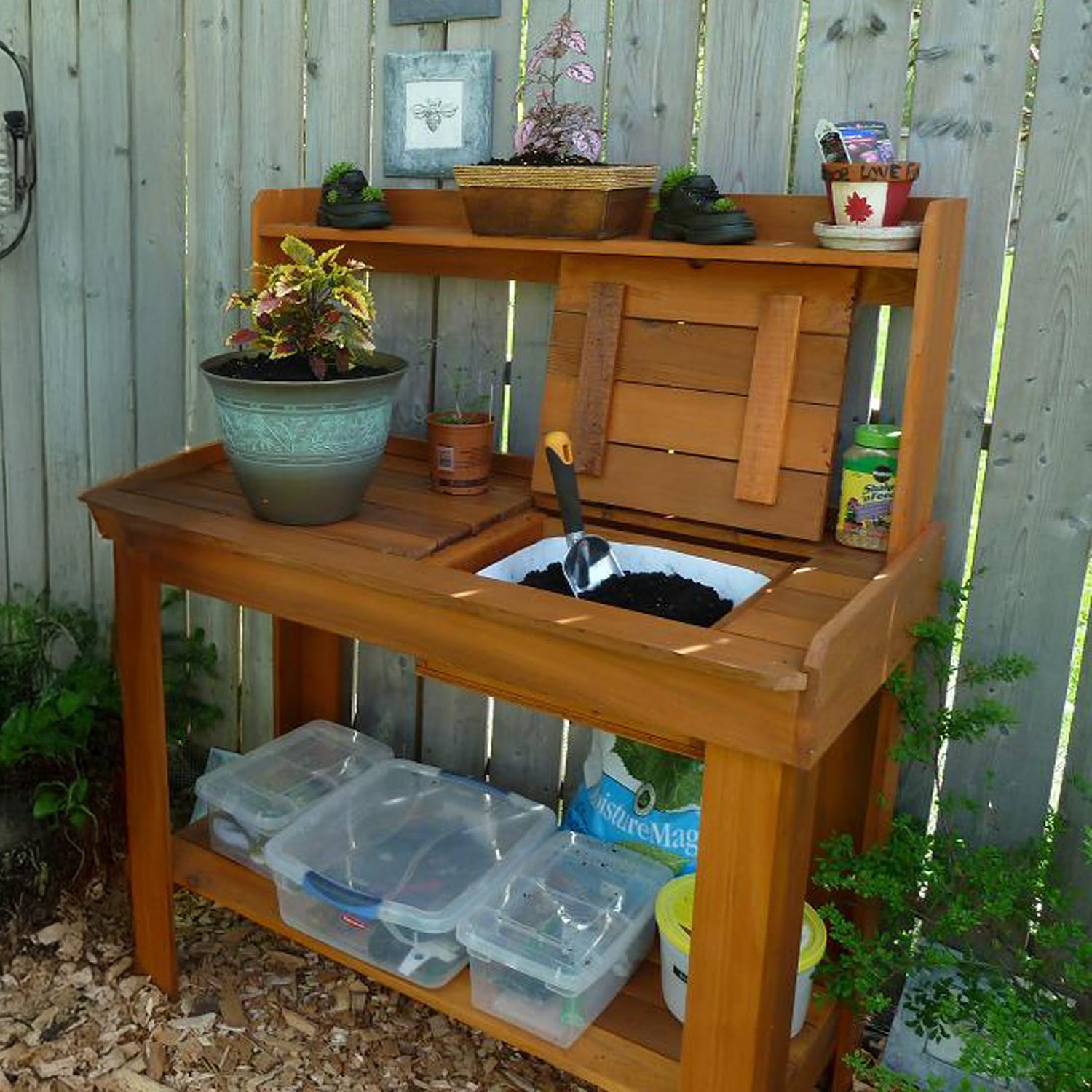
Some potting benches include a built-in sink or removable bin to collect soil and debris, making cleanup faster and easier. A soil grate allows excess potting mix to fall through and be reused, helping reduce waste and mess.

Potting Bench 4x2 Western Red Cedar Raised Garden Bed Kit Outdoor Living Today 2

Tool Organization Options

Features like wire mesh panels, lattice backs, or pegboards make it easy to hang hand tools, gloves, and accessories. Keeping tools off the work surface helps maintain a clean, efficient workspace.

Potting Bench 4x2 Western Red Cedar Raised Garden Bed Kit Outdoor Living Today 6

Mobility, If Needed

If you have a large garden, wheels and a handle can be a helpful addition. A mobile potting bench allows you to move your workspace closer to planting areas instead of carrying pots and supplies back and forth.

Potting Bench 4x2 Western Red Cedar Raised Garden Bed Kit Outdoor Living Today 8

Protective Finish or Sealant

No matter where your potting bench is located, it should be sealed or painted with a weather-resistant finish. This protects the wood from moisture and sun exposure and helps extend the life of the bench.

Read More

A lush, thriving garden is beautiful, but many regions across the country are dealing with ongoing water shortages. Choosing drought resistant plants that need less water is one of the easiest ways to reduce water use, lower your bills, and create an eco-friendly garden that still feels vibrant.

Drought resistant plants go far beyond cacti. There are flowering perennials, shrubs, herbs, and groundcovers that can tolerate dry conditions once established. In the first few weeks or months, these plants still need consistent watering, but after they settle in, they will survive and even bloom when rainfall is minimal.

Below is a full guide to drought resistant plants along with simple tips to help you get the most out of a low-water landscape.

Drought Resistant Plants

Yarrow ‘Coronation Gold’

Golden yellow flower clusters rise above tall gray-green foliage. Yarrow grows up to three feet and thrives in direct sunlight and well drained soil.

a bunch of yellow flowers that are on a tree

Silver Artemisias

This aromatic plant adds fragrance and texture with its soft silver leaves. It grows between one and a half to four feet depending on the variety and needs full sun and well drained soil. It can spread quickly, so dividing it regularly helps control growth.

a close up of a plant with many leaves

Purple Coneflower

A popular perennial that loves direct sunlight and well drained soil. Mature plants reach between two and four feet tall and bloom with bold purple flowers.

a close up of a bunch of purple flowers

Tall Bearded Iris

This hardy plant grows in full sun and well drained soil. It blooms in spring with vibrant purple flowers and sword-like leaves, reaching around two feet in height.

purple and white flower in tilt shift lens

Rosemary

A fragrant herb with needle-like leaves. Rosemary thrives in full sun and dry soil and offers both ornamental beauty and culinary use.

purple flower in tilt shift lens

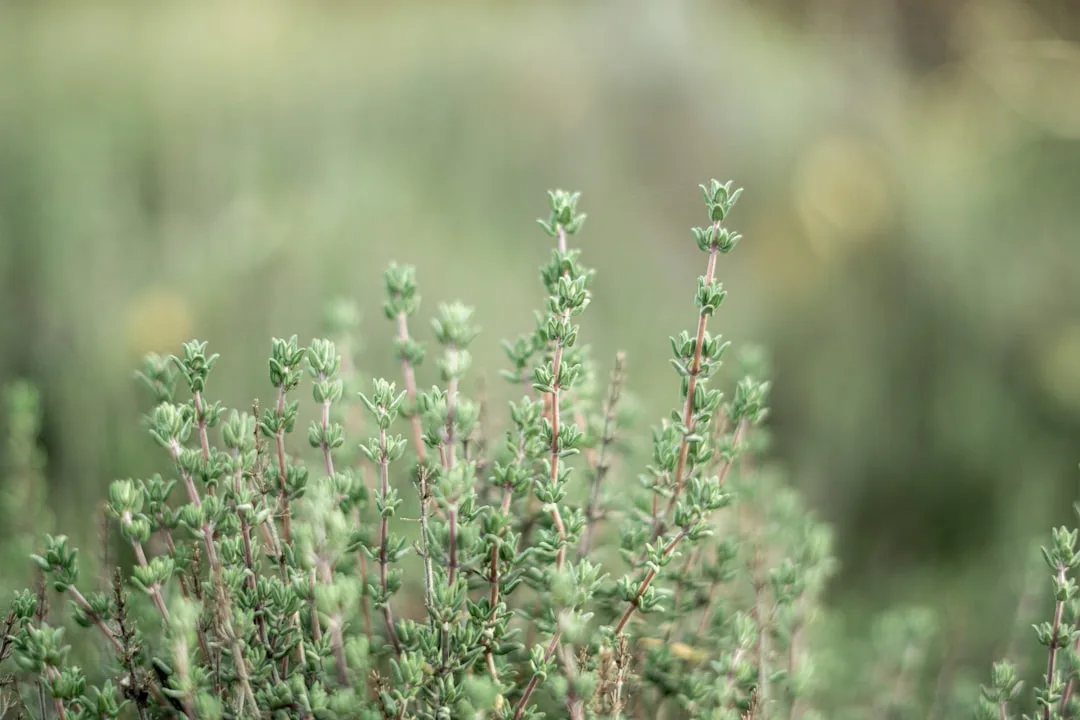
Common Thyme

A compact garden herb that blooms in late spring and early summer. It grows well in full sun or light shade and reaches about one foot in height.

pink flowers in tilt shift lens

Lavender

A staple in drought tolerant gardens. Lavender grows between two and three feet with spiky silver foliage and blooms in various shades of purple, white, or lavender depending on the variety.

lavender flower field blooms at daytime

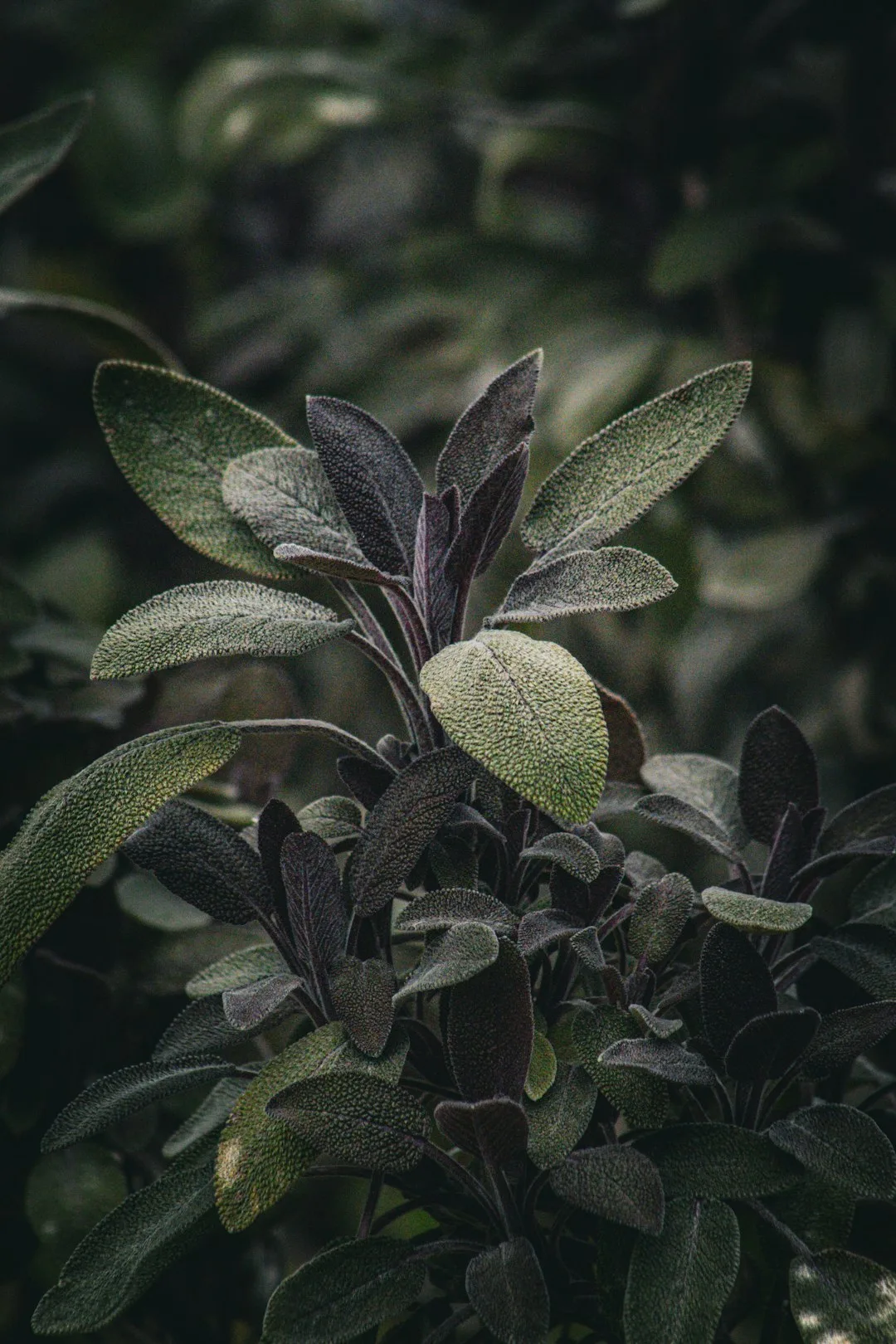
Common Sage

This plant’s woolly gray leaves add texture throughout the growing season. It grows between two and three feet and performs best in full sun with well drained soil.

a close up of a bush with leaves

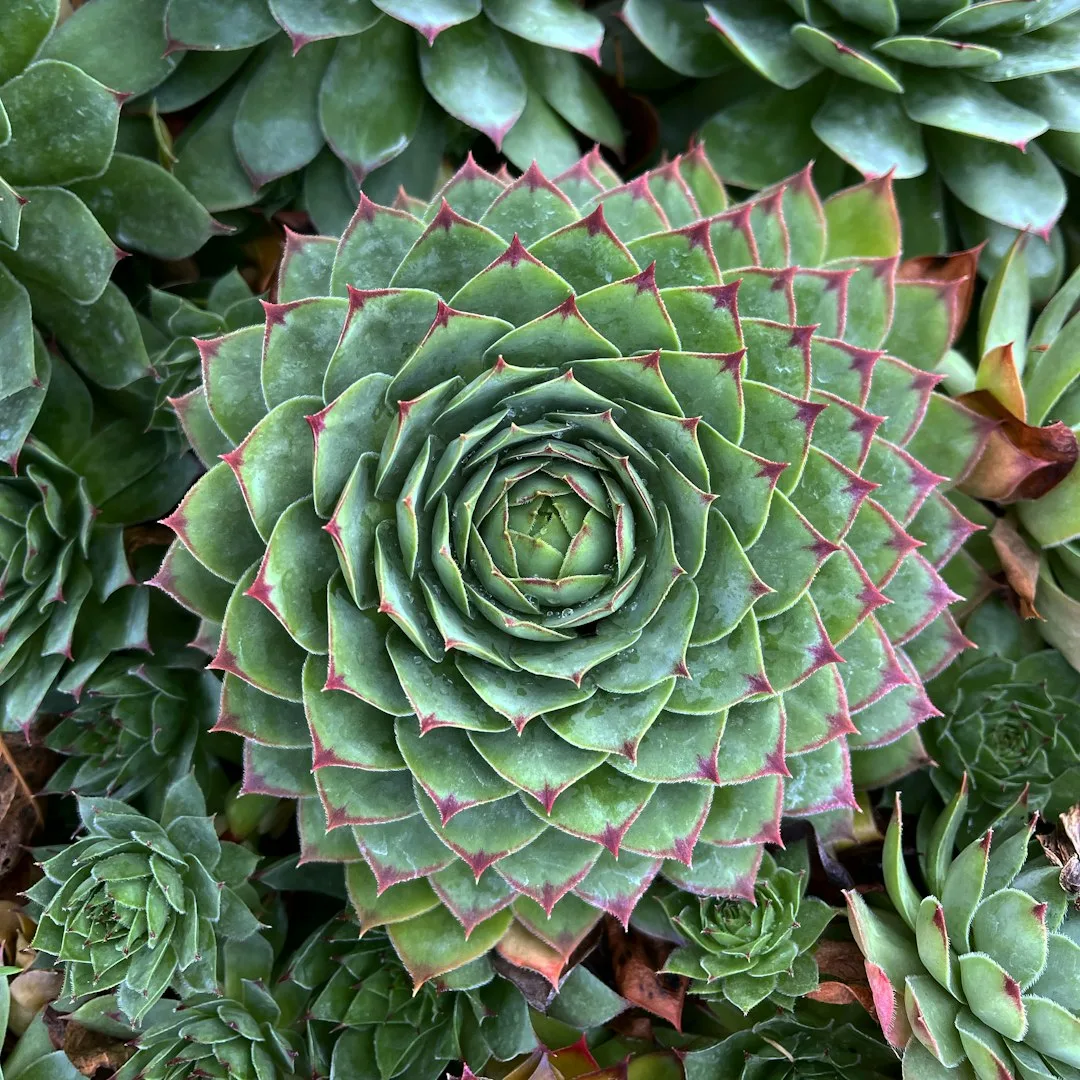
Hens and Chicks

A hardy succulent with rosette-shaped leaves. It grows easily in sun or partial shade and needs soil that drains quickly.

a close up of a plant with many leaves

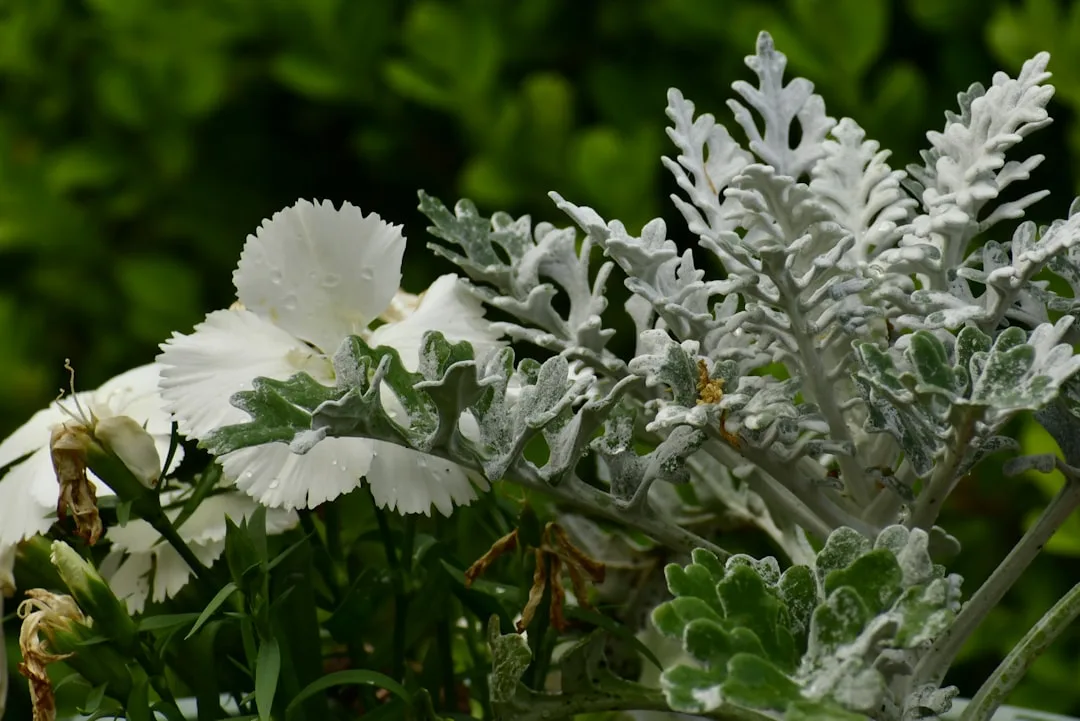
Snow-in-Summer

A very low growing plant with silver foliage and star-shaped white blooms. It thrives in full sun and soil that does not stay wet.

a close up of white flowers

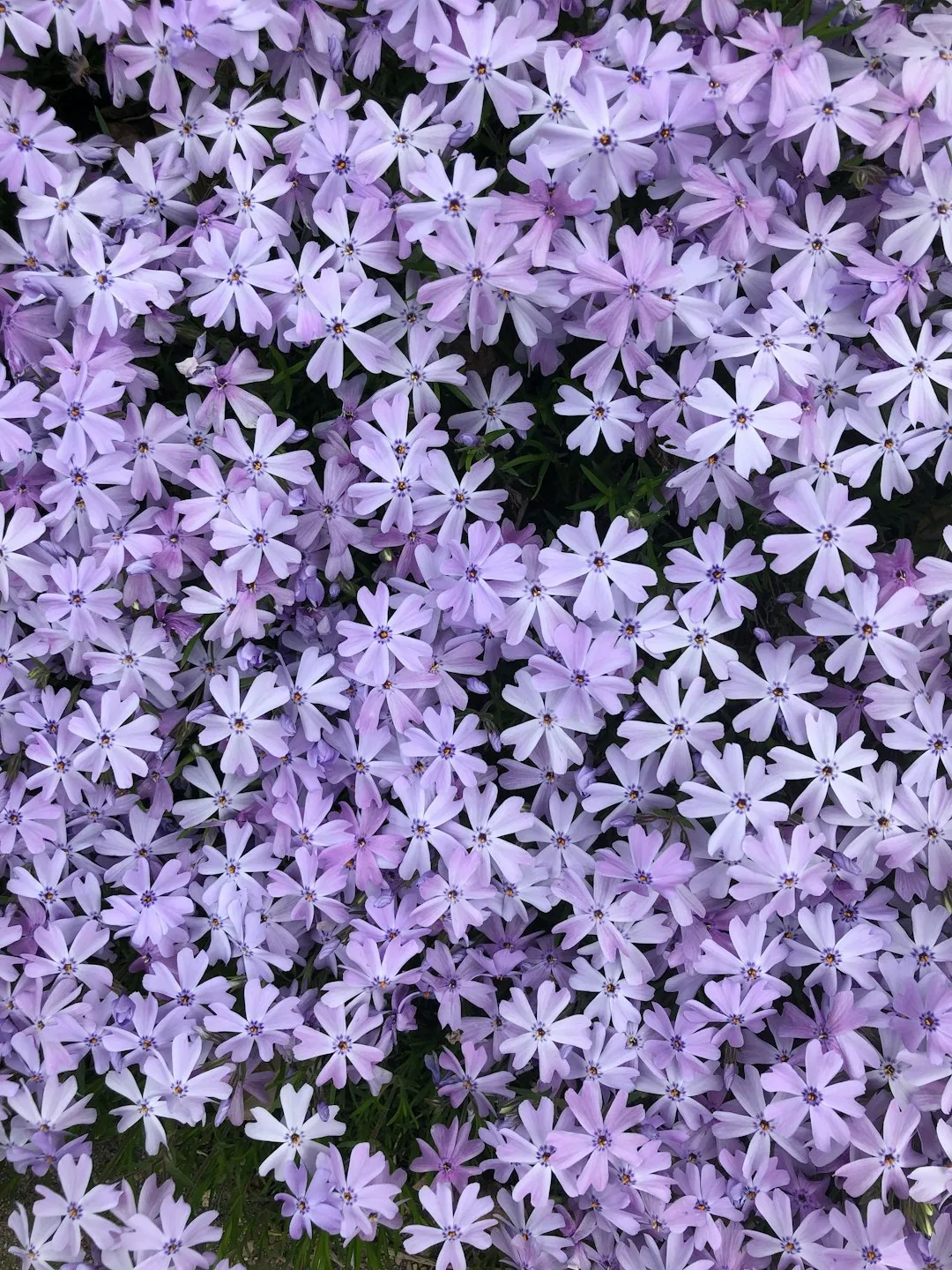
Creeping Phlox

This groundcover forms a vibrant carpet of color in late spring. It grows two to six inches tall and makes an excellent border plant.

a bunch of purple flowers that are blooming

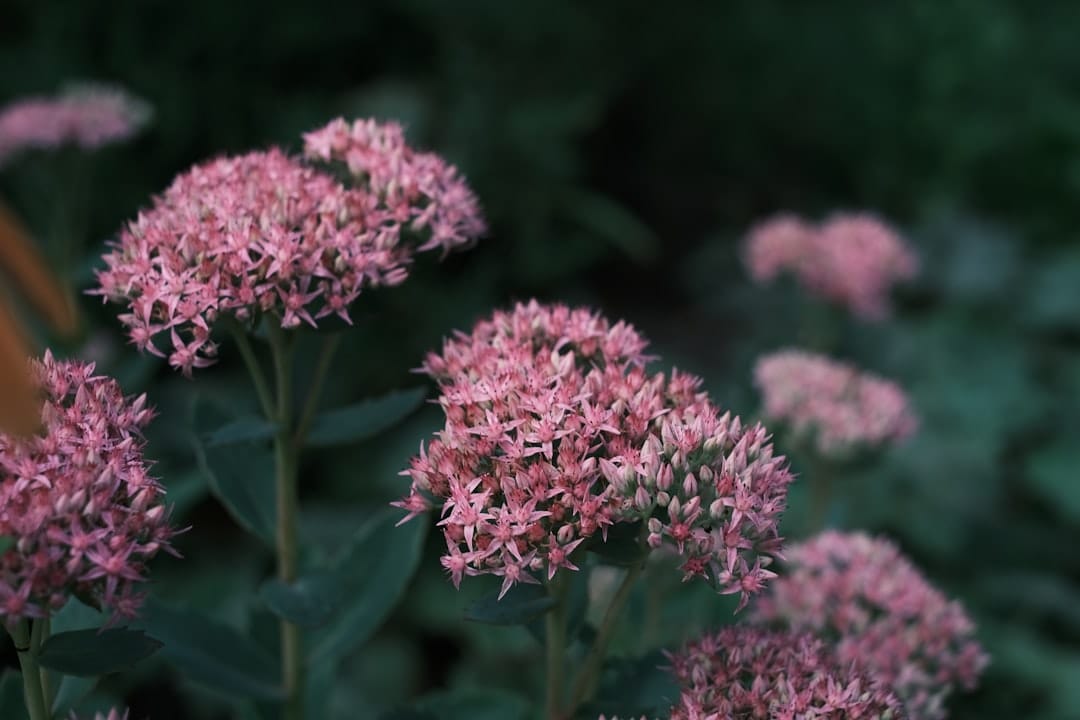
Sedum

A low maintenance succulent with evergreen foliage. Sedum grows well in fertile or average soil, blooms in summer, and can reach about four inches tall depending on the variety.

a close up of a bunch of pink flowers
Read More

Key design principles to help you create a balanced, colorful, and thriving flower garden from the ground up.

Flowers bring color, life, and personality to a garden—especially through the spring, summer, and fall months. But a successful flower garden doesn’t happen by planting flowers wherever there’s open space. Thoughtful planning is what turns a collection of plants into a garden that feels balanced, vibrant, and cohesive year after year.

Whether you’re starting from scratch or refreshing an existing landscape, these key considerations will help you design a flower garden that grows beautifully over time.

5.5×2 Tiered L Shaped Garden Bed – Western Red Cedar Kit banner 6

Overall Considerations When Planning a Flower Garden

A strong flower garden begins with structure. Before choosing individual flowers, think about the permanent elements that give your garden shape and flow. Large deciduous trees, evergreen hedges, and perennial flowering shrubs form the backbone of the design, while seasonal flowers add color and variety.

Planning in layers ensures your garden has interest beyond just bloom time and remains visually appealing throughout the year.

Plant the Trees First

If you’re starting a garden from the ground up, trees should always come first. Deciduous trees will eventually grow large enough to cast shade, so their placement matters.

Position trees where shade will be welcome—near benches, seating areas, or pathways—and away from spaces where full sun is needed, such as lawns or sun-loving flower beds. Proper tree placement early on prevents future issues with light and overcrowding.

Add Hedges for Structure

Once trees are established, hedges can be planted to define paths, borders, and garden “rooms.” Hedges help guide movement through the garden and create a sense of enclosure without blocking light entirely.

They also provide a strong visual framework that helps flowering plants stand out rather than feel scattered.

Plan for Perennials

After hedges, decide where perennial flowering plants will go. Perennials return year after year and often grow taller, so they should be placed where they’ll receive adequate sunlight and won’t block smaller plants.

Perennials help anchor your garden design and reduce the need for constant replanting.

Design Flower Beds Last

Flower beds are the finishing layer of the garden. These beds can border lawns, line walkways, or soften the edges of hardscaping.

For the longest-lasting color, plant a mix of flowers that bloom at different times—some in spring and summer, others in late summer and fall. This approach keeps your garden colorful across multiple seasons instead of peaking all at once.

Choose a Garden Style That Fits You

While the fundamentals of garden design stay the same, every flower garden should reflect personal taste.

Some gardeners prefer informal designs with curved paths and overflowing blooms, while others gravitate toward structured layouts with straight lines and symmetry. You may also choose to focus on easy-to-grow flowers, native plants, or more exotic varieties—just be sure they suit your local climate.

Consider the Width of Flower Beds

Wider flower beds allow for better layering and a more natural look. A minimum width of five feet is recommended to create at least three layers of plants—tall plants at the back, medium in the middle, and low-growing plants at the front.

In larger gardens, beds can be even wider to accommodate more variation in height, texture, and color.

Borders vs. Island Beds

Flower beds can either border fences, hedges, or walkways, or exist as standalone “island” beds within a lawn.

Border beds typically place taller plants toward the back, while island beds should have the tallest plants in the center, gradually tapering down to shorter plants around the edges. Both styles work well—it comes down to available space and design preference.

Sunshine, Climate, and Soil Types Matter

When selecting plants, consider how much sunlight your garden receives, your local climate, and the existing soil conditions.

While sunlight and climate are fixed factors, soil can be improved. A simple soil test followed by the addition of compost, manure, or fertilizer can dramatically improve plant health and bloom performance.

Leave Space for Growing

Plants need room to grow. Crowding flowers too closely can lead to poor airflow, disease, and a sparse-looking garden once plants mature.

Always plan for the plant’s full size, not just how it looks at planting time. Proper spacing results in healthier plants and fuller-looking beds over time.

Incorporate Creepers and Climbers

Beyond flower beds, climbers and creeping plants add vertical interest to the garden. Flowering vines trained along arbors, pergolas, or trellises provide shade, structure, and seasonal color.

Climbers that bloom in late summer or fall can extend the visual interest of your garden well into the cooler months.

A Garden That Grows With Time

A well-planned flower garden evolves gradually. By focusing on structure first and layering plants thoughtfully, you’ll create a space that becomes richer, fuller, and more beautiful with each passing season.

With patience and planning, your flower garden will reward you with color, texture, and enjoyment year after year.

Read More


Whether you are a new gardener or have been gardening for some time now, there are ways by which you can increase your vegetable garden yield. These steps can help you get more vegetables out of your garden this year.

Improve Soil Quality

The most important way in which you can increase your vegetable garden yield is by improving soil quality. This can be done without too much work by covering the vegetable garden plot with compost and hay at the start of winter. By the time you are ready to plant, the compost would have been worked into the soil by the snow and rain as well as insects, ensuring nutrient-rich soil for your vegetables with less effort on your part. The deeper the layer of composted soil, the healthier the plants.

Use Raised Beds

Another way of increasing vegetable garden yields is to use raised beds. This has multiple advantages. The raised beds reduce the amount of space taken by paths. Moreover, the soil can be made more nutrient rich much more easily as compost can be worked into it. Both these benefits will increase the yield of the vegetable garden.

Round Out the Beds

When you use raised beds, you can also round them out. This increases the surface area available for plants. When multiplied by the length of the beds, the amount of additional space is significant enough to increase yields. Plant greens and similar plants at the edges of the raised beds, making them easier to harvest as well.

Stagger the Plants

Another way of saving space when planting vegetables is to stagger them. Instead of planting them in straight rows, plant them in triangles. This will enable you to plant more in the same area while still ensuring that all of the plants get sufficient sunlight, water, and nutrients to grow to their maximum potential.

Use Vertical Space

Fix vertical trellises and poles at the sides of the raised beds and train vines of beans, melons, and similar plants on them. This will help save garden space and ensure healthier plants as well. The vertical plants will escape fungal diseases. Harvesting is also easier as you will be able to spot the crop of vegetables much more easily.

Interplant

You should also interplant or mix up the plants in your vegetable garden to maximize the use of available space. Compatible plants can be grown together to ensure that weeds are kept out and all available space is used by vegetable plants. For instance, if you plant corn, pole beans, and squash together, the corn stalks will support the pole beans and the squash will grow on the ground in the space between them. You can also grow tomatoes, onions, and basil together or plant carrots, radishes, and onions together.

Plant Successive Crops

Another way to make the most out of your vegetable garden is to plant and harvest successive crops. If you select quick growing plants, the first lot can be harvested before a second crop is grown in the same area. Before planting the second crop, ensure that you add more compost to the soil to make it nutrient rich.

Stretch the Growing Season

In order to grow two crops, you will also need to stretch the growing season. This can be done by growing seedlings in your greenhouse or garden shed before the start of spring. Once the weather becomes warmer, transplant the seedlings to the garden. The head start will enable them to mature faster, leaving you with the time to start a second crop. This too should be started in the greenhouse as the first crop starts to mature.

Move Plants Indoors

Toward the end of the growing season, you can prolong the growth period, by simply moving some of the plants indoors to your garden shed or greenhouse. For instance, if the tomatoes have yet to ripen and the weather turns chilly, all you need to do is cut the vines and hang them indoors in a warm area. The tomatoes will continue to mature and ripen, ensuring a bountiful harvest.

Enjoy Your Increased Vegetable Garden Yield

If you love gardening and want to increase the supply of fresh vegetables that your garden yields, you do not have to look for more ground space. Instead, simply improve soil quality, plant quick maturing plants, space the plants properly, and transplant seedlings.

Each of these steps will help increase your vegetable garden yield. Additionally, the labor and materials used is not significantly higher. By spacing the plants closer together, you will be able to spend less time watering, weeding, and harvesting, maximizing the productivity of your garden with ease.

Select the plants that are best suited for the soil and climate around your home, and reduce the amount of labor you need to put into it.

Read More

Spring Gardening Tips: Simple Steps to Get Your Garden Ready

If you love entertaining and spending time outdoors, an outdoor kitchen helps combine both interests seamlessly. Whether you have a compact backyard or a large garden, a well-designed outdoor kitchen allows you to cook, serve, and enjoy meals while staying connected with family and guests.

The layout and features of your outdoor kitchen will depend on your available space, budget, and how you plan to use the area — from casual weeknight grilling to full-scale gatherings.

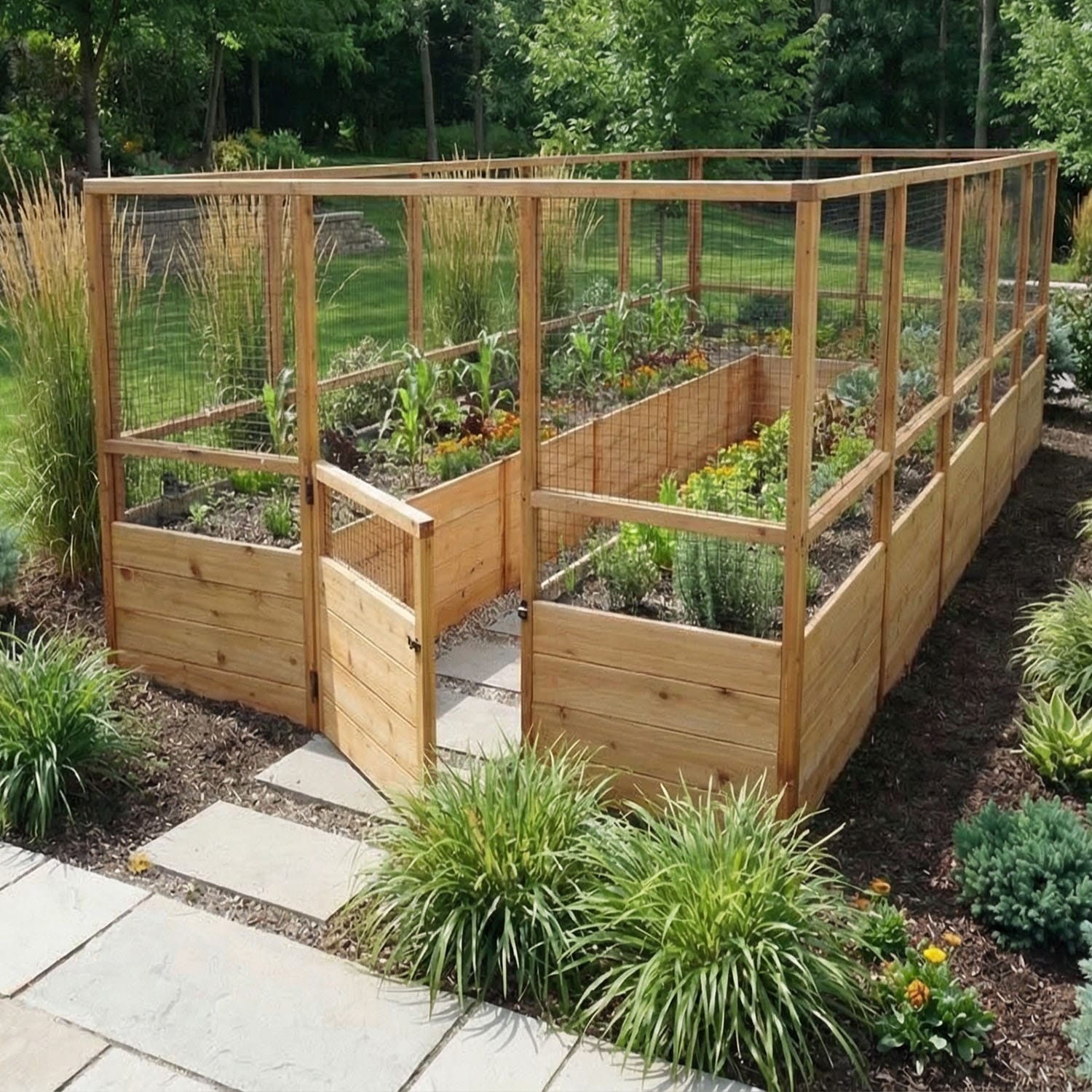
Gardening Raised Garden Bed Fence 8x12 5 web 1

Clear Beds and Borders

Remove fallen leaves, dead plant material, and winter debris from flower beds and borders. This improves airflow, reduces disease, and makes room for new growth.

Test and Improve Your Soil

Testing your soil helps you understand nutrient levels and pH before planting. Adding compost or organic matter improves soil structure and supports healthy roots.

Clean Greenhouses and Garden Structures

Wash greenhouse panels, pots, and seed trays to remove mold and overwintering pests. Inspect trellises, pergolas, sheds, and fences for damage and make repairs early.

Start Seeds Indoors

Many vegetables and flowers benefit from an early indoor start, including tomatoes, peppers, and herbs. Seedlings will be ready to transplant once outdoor temperatures warm.

Prepare and Maintain Garden Tools

Clean, sharpen, and repair tools before planting season begins. Well-maintained tools make gardening easier and help prevent plant damage.

Plan Your Garden Layout

Planning your garden ahead of time helps prevent overcrowding and ensures plants get the sunlight and spacing they need to thrive.

Final Tip

Spring preparation doesn’t have to be complicated. Clearing, cleaning, planning, and prepping early gives your garden the best possible start — and makes the rest of the season far more enjoyable.

Before adding extras, focus on the core components that make an outdoor kitchen functional and enjoyable.

Read More