Turn a daily habit into a simple, natural way to support healthier plants and soil.

Coffee grounds are often tossed away without a second thought, but they can be surprisingly useful in the garden. Rich in nutrients and organic matter, used coffee grounds can help improve soil structure, support composting, and benefit certain plants when applied correctly.

From boosting soil health to deterring pests, these practical ideas show how coffee grounds can be repurposed to support a thriving garden without relying on synthetic chemicals.


Make Your Compost More Nutrient-Rich

Used coffee grounds are an excellent addition to compost piles. They are rich in nitrogen, which helps balance carbon-heavy materials like dried leaves, straw, or cardboard.

When added in moderation, coffee grounds help attract beneficial microorganisms and earthworms that speed up decomposition. Mixing grounds evenly into your compost pile prevents clumping and ensures nutrients are distributed throughout the finished compost.

Fertilize Your Garden Naturally

Because coffee grounds contain nitrogen and trace minerals, they can be used as a natural soil amendment for garden beds. When worked into the soil or composted first, they help replenish nutrients and improve soil texture.

Coffee grounds also help loosen compacted soil and support moisture retention, which is especially helpful in vegetable gardens and raised beds.

Support Acid-Loving Plants

Certain plants thrive in slightly acidic soil, and coffee grounds can help create a more favorable environment for them. Tomatoes, azaleas, rhododendrons, and blueberries often respond well when coffee grounds are added sparingly to the soil.

For best results, soak used coffee grounds in water overnight and use the diluted liquid to water acid-loving plants. This method provides nutrients without overwhelming the soil.

Encourage Healthy Rose Growth

Roses benefit from the nitrogen content and mild acidity found in coffee grounds. When added to compost or lightly mixed into the soil around rose bushes, coffee grounds can help promote lush foliage and strong blooms.

As with any soil amendment, moderation is key. A thin layer worked into the soil is more effective than piling grounds directly on the surface.

Use Coffee Grounds as Organic Mulch

Coffee grounds can act as a light organic mulch when applied correctly. They help retain moisture, reduce weed growth, and protect soil from erosion.

To avoid mold or compaction, apply only a thin layer and mix coffee grounds with other organic materials like leaves or bark mulch. This creates better airflow and prevents the grounds from forming a dense crust.

Help Deter Pets and Garden Pests

The strong scent and texture of coffee grounds can discourage cats from digging in garden beds. Sprinkling used grounds around plants or along garden borders can help keep unwanted visitors away.

Coffee grounds may also help deter slugs and snails when placed around vulnerable plants, providing a natural alternative to chemical pest controls.

Protect Plants From Certain Fungal Issues

Some gardeners use coffee grounds to help reduce the risk of fungal diseases in soil. While they are not a cure-all, the compounds found in coffee grounds may help suppress certain fungi when incorporated into compost or soil.

Healthy soil biology supported by organic matter is one of the best defenses against plant disease.

Influence Hydrangea Color

Hydrangea color is influenced by soil pH. In acidic soil, blooms tend to turn blue, while alkaline soil produces pink flowers.

Adding coffee grounds can help gradually lower soil pH, encouraging blue blooms over time. Consistency and patience are key, as changes happen gradually rather than instantly.

Boost Carrot Growth and Seed Protection

Some gardeners mix dried coffee grounds with carrot seeds before planting. This can help improve seed distribution and may deter pests during early growth stages.

Coffee grounds can also help improve soil texture, allowing carrot roots to grow straighter and more evenly.

Support Vermicomposting Systems

Coffee grounds can be added to vermicomposting bins in small amounts. They provide nitrogen and organic material that worms can process efficiently.

To keep worms healthy, avoid adding large quantities at once and balance coffee grounds with other compostable materials like vegetable scraps and shredded paper.

Read More

A beautiful garden doesn’t require a full redesign or a massive budget. With a few thoughtful updates and seasonal care, you can transform your outdoor space into something more inviting, functional, and enjoyable. Whether you’re refreshing an existing garden or improving what you already have, these simple ideas can make a noticeable difference.

Here are ten practical ways to improve your garden and create a space that looks great and feels intentional year after year.


1. Decorate Your Boundaries

Your garden’s boundaries help frame the entire space, so they deserve attention. Take a look at fences, walls, or hedges from inside your home and consider how they contribute to the overall view.

If boundaries look tired or outdated, simple upgrades like paint, wood treatment, climbing plants, or decorative panels can dramatically improve their appearance. Even small changes can turn a plain fence into a design feature.
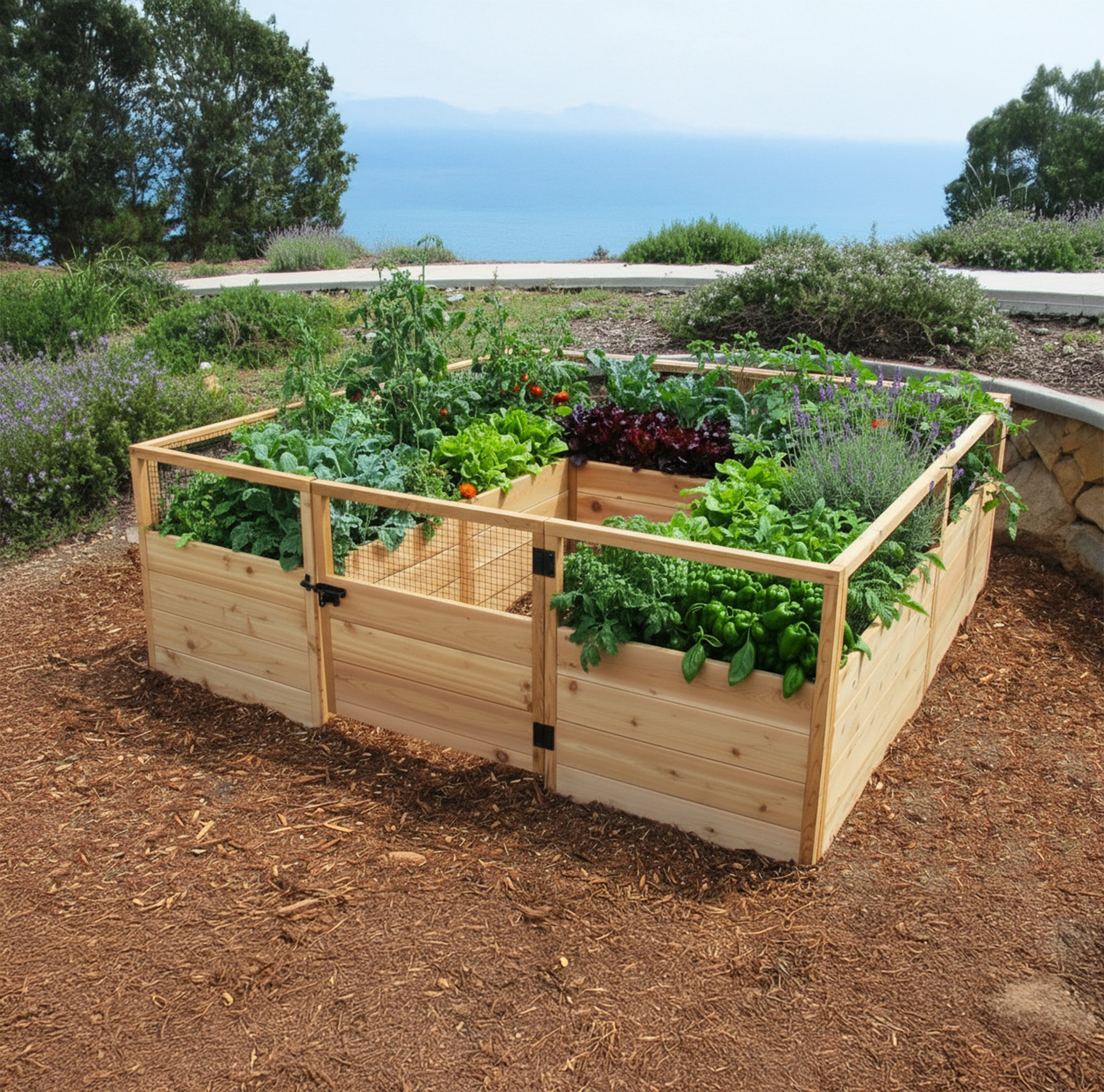
Raised Garden bed 8x8 western red cedar outdoor living today

2. Plan Your Garden Borders
Garden borders help define planting areas and add structure to your landscape. If borders felt cluttered or underwhelming last season, this is a great time to refresh them.

Start by clearing old growth, improving the soil, and introducing new bulbs or perennials. Thoughtful borders add color, texture, and seasonal interest while keeping your garden looking organized.

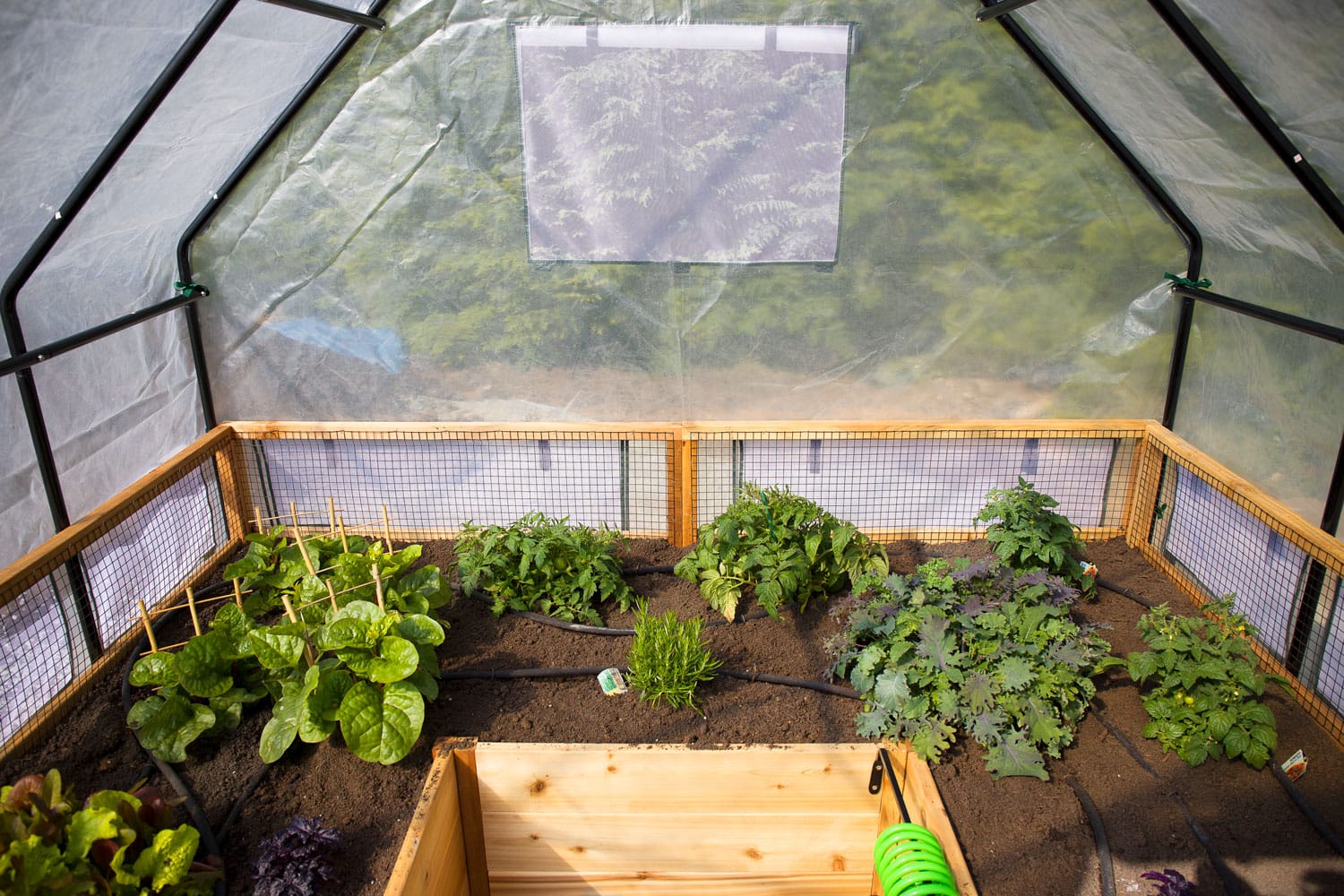
Raised Garden Bed Greenhouse cover 5

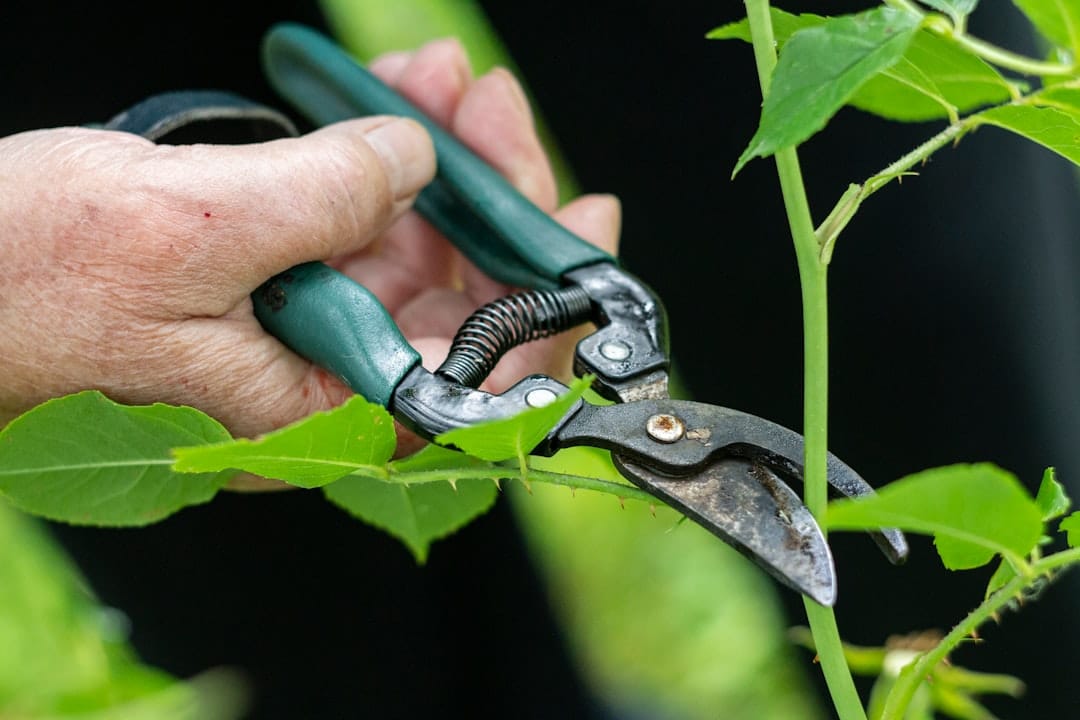
3. Prune Trees and Shrubs for Shape and Health

Pruning is one of the most effective ways to refresh your garden without spending money. Trimming trees and shrubs helps maintain shape, encourages healthy growth, and improves light flow throughout the space.

When pruning, think about balance and cohesion. Consider how foliage texture, color, flowers, and even fruit can contribute to the overall design throughout the seasons.

a person holding a pair of pliers to a plant

4. Choose Pots and Containers Carefully

Containers play a bigger role in garden design than many people realize. Choosing the right size and material helps plants thrive while adding visual interest.

Larger pots provide better root space and stability, especially in windy areas. Materials like terracotta, galvanized metal, or wood can complement different garden styles. Quality containers last longer and are worth the investment.

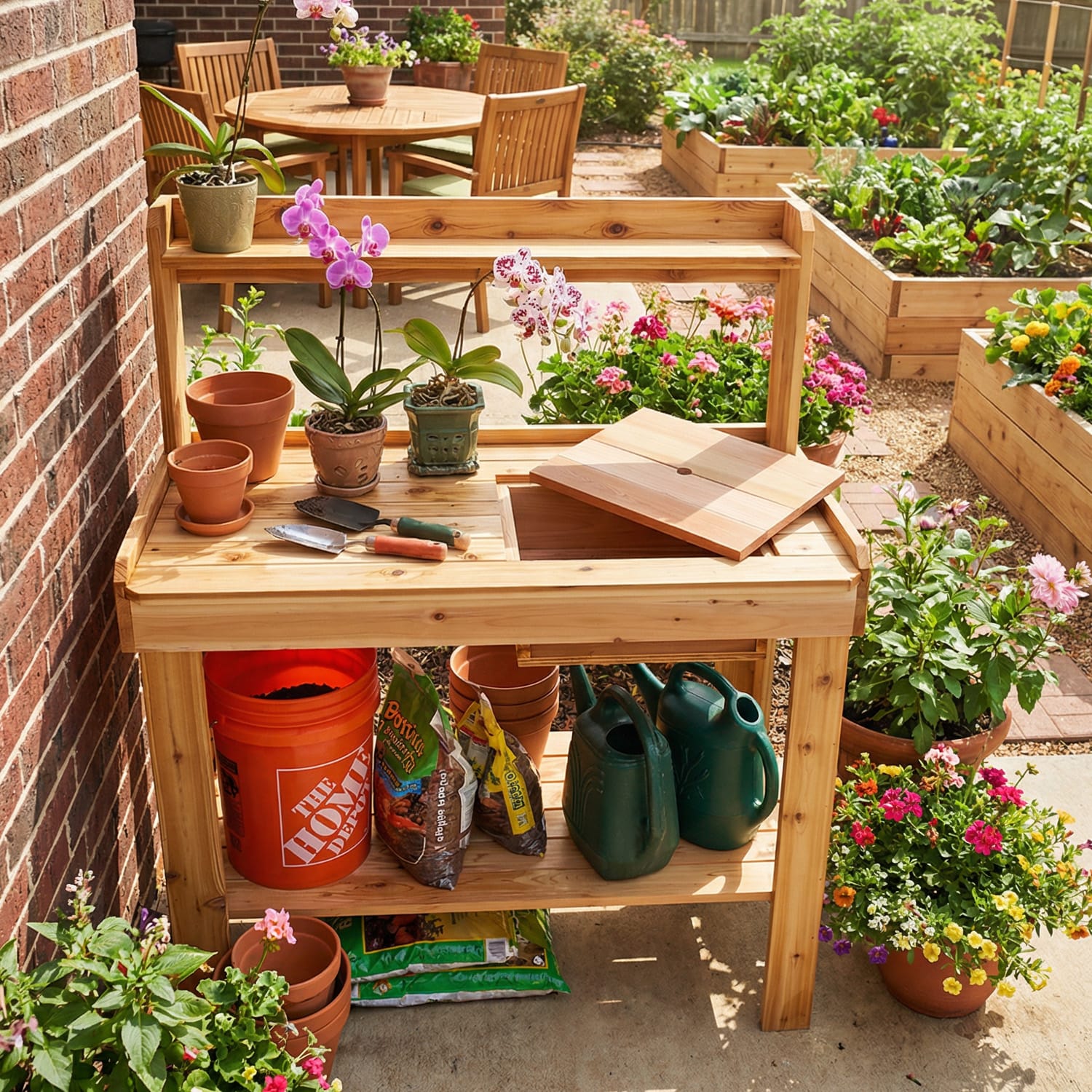
Potting Bench 4x2 Western Red Cedar Raised Garden Bed Kit Outdoor Living Today 5

5. Add a Vegetable or Herb Garden

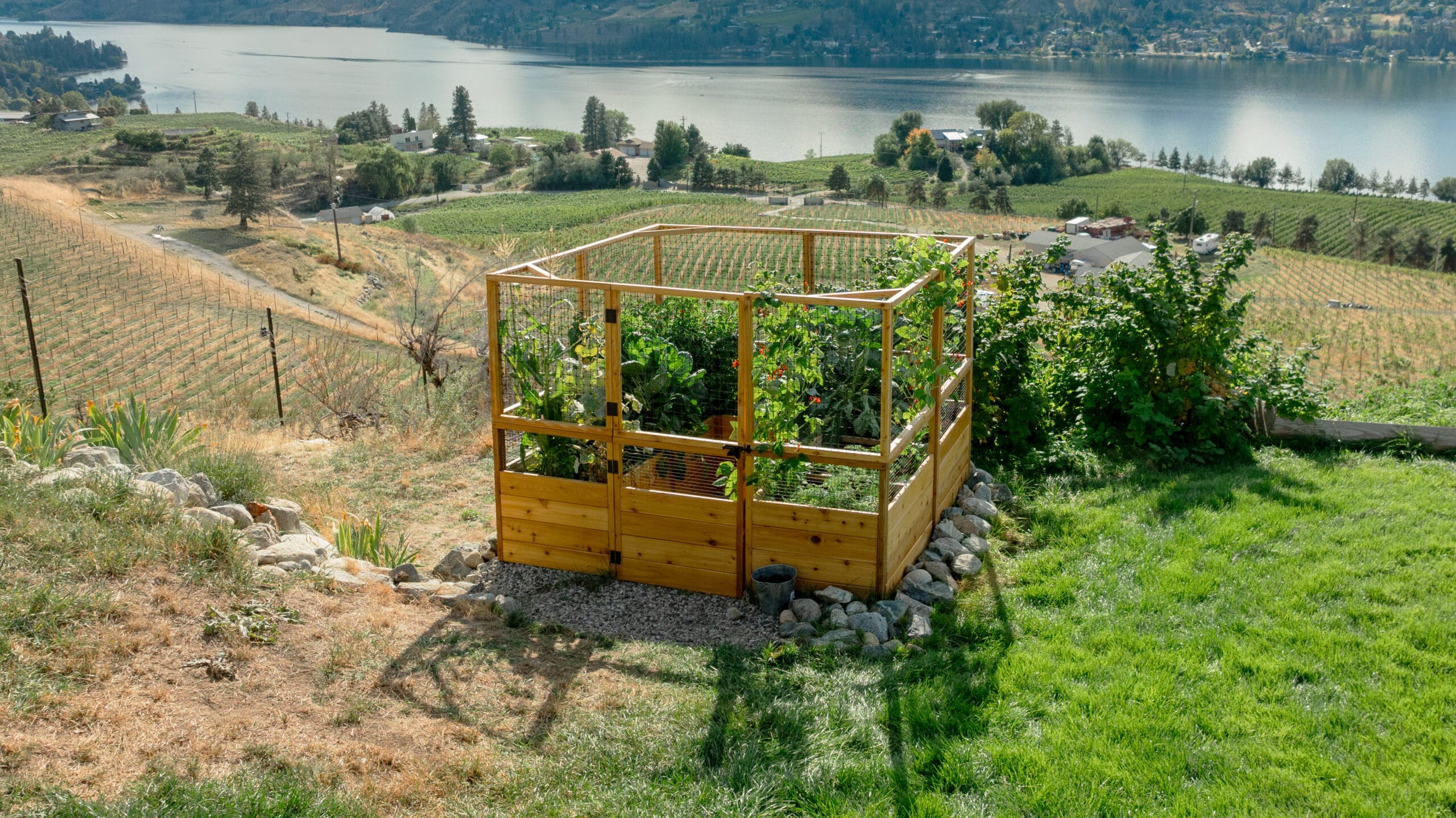
Growing your own food brings both beauty and function to your garden. Raised vegetable or herb beds are easy to manage and can fit into gardens of almost any size.

Use netting to protect plants from pests, and consider placing beds near your kitchen for easy access. A small edible garden adds life, texture, and purpose to your outdoor space.

a pile of green apples sitting next to each other

6. Include Features That Support Wildlife

Wildlife adds movement and life to any garden. Birds, bees, butterflies, and beneficial insects help with pollination and natural pest control.

You can encourage wildlife by choosing native plants, adding feeders or bird baths, and creating layered planting areas. A garden designed with nature in mind often feels more vibrant and balanced.

Lush green plants and foliage in a garden setting.

7. Think About Ground Surfaces

Surfaces play a major role in how a garden looks and functions. Paths, patios, and walkways guide movement and influence the overall feel of the space.

Instead of defaulting to basic concrete, consider decking, gravel, stone, or patterned tiles. The right surface can elevate your garden’s appearance while improving usability, especially in uneven areas.

.

green tree near white wooden house during daytime

8. Create Beautiful Views

Not every part of a garden starts with a perfect view, but thoughtful design can change that. Use plants, structures, and focal points to draw the eye toward attractive features.

Rather than blocking an unattractive view entirely, try softening it with layered planting or shrubs. Enhancing good views makes the garden feel more expansive and intentional.

.

The lake reflects the trees under a leafy frame.

9. Add Outdoor Structures

Structures like pergolas, gazebos, or garden sheds add both function and visual interest. Even a small structure can create a dedicated space for relaxing, entertaining, or storage.

These features help anchor your garden design and provide shelter, shade, or organization while enhancing the overall layout.

.

Cozy Cabin Playhouse 9x7 Western Red Cedar Playhouse Outdoor Living Today Cedar Playhouse Kit 3

10. Introduce Water Features

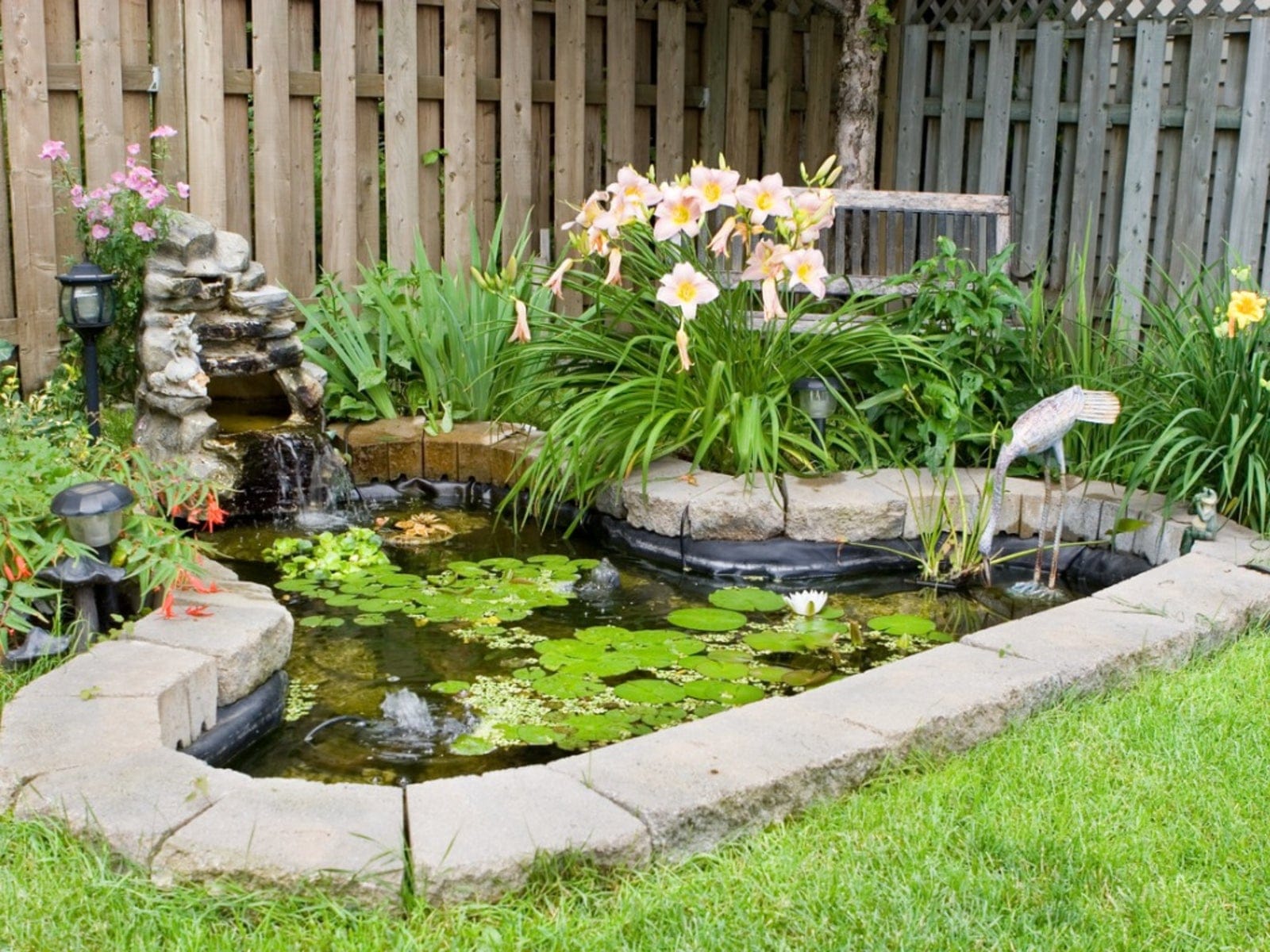
Water features add sound, movement, and calm to a garden. A small pond, fountain, or bird bath can instantly elevate the atmosphere.

Water elements also attract wildlife and help create a peaceful outdoor retreat. Even compact features can have a big impact without overwhelming the space.

.

mini garden pond

Create a Garden You’ll Enjoy Year After Year

Improving your garden doesn’t have to happen all at once. Small, thoughtful changes add up over time and help create an outdoor space that feels welcoming, balanced, and enjoyable.

With a little planning and care, your garden can become a place you love spending time in — season after season.

Read More

Key construction stages to help you build with confidence.

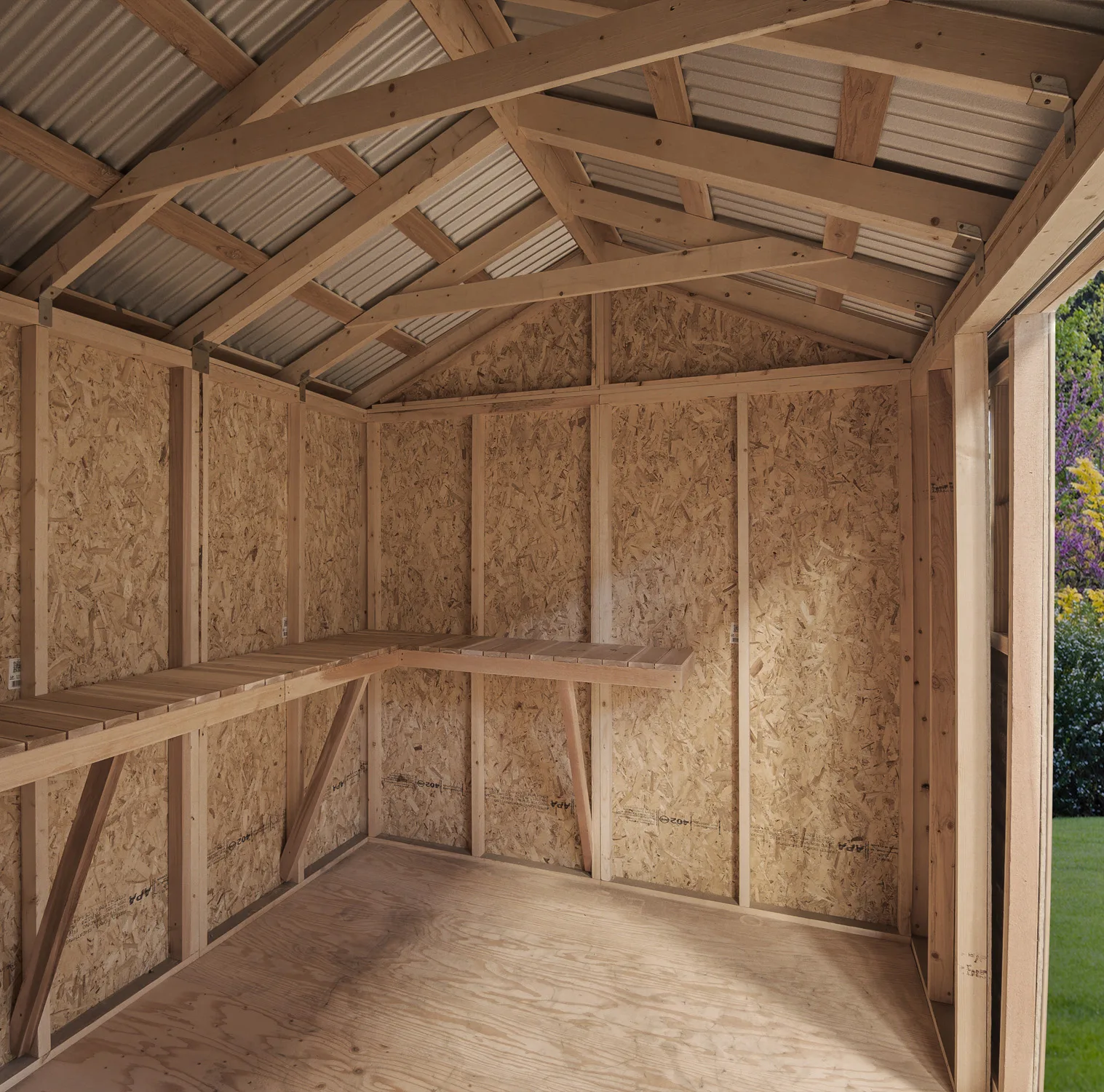
Building your own outdoor storage shed is a practical way to reclaim garage space, organize tools, and add long-term value to your property. By breaking the build into a few clear stages, the process becomes far more manageable for DIYers of all skill levels.


5 Easy Steps

1. Prepare the Foundation and Frame

Start by choosing and preparing the location for your shed. Clear and level the ground where the shed will sit to ensure long-term stability. Place concrete or cinder blocks at the corners to elevate the structure and protect it from ground moisture.

Once the base is ready, construct the frame using pressure-treated lumber. Cut posts to size, ensure everything is square and level, and securely anchor the frame. A solid foundation and frame are critical, as they support every part of the shed that follows.

2. Build the Floor Deck

With the frame in place, build the floor deck. Install floor joists evenly across the frame and secure them firmly. Once the joists are set, attach the decking material on top, ensuring a slight overhang at the edges for proper water runoff.

A well-built floor provides strength, durability, and a stable surface for storing heavy equipment like lawn mowers or wheelbarrows.

3. Construct and Secure the Walls

Next, assemble the wall panels by connecting studs to top and bottom plates. Build each wall section flat on the ground, then raise and secure them to the deck and to each other.

Make sure the walls are square and properly aligned before reinforcing the structure with additional framing at the top. If your shed includes a door or windows, frame those openings carefully at this stage.

4. Install the Roof and Exterior Siding

Once the walls are secure, move on to the roof. Attach roof rafters, connect them with support strips, and install the roofing panels or shingles according to your design. A properly installed roof protects the shed from rain, snow, and long-term weather damage.

After the roof is complete, apply exterior siding to the walls. This not only improves appearance but also adds an extra layer of protection against the elements. Vinyl or wood siding are both popular, durable options depending on your style and maintenance preferences.

5. Add Doors, Windows, and Final Features

Finish the shed by installing doors, windows, and any additional features that improve usability. Windows bring in natural light, while sturdy doors provide security and easy access. You may also add interior storage cubbies, shelves, or a potting bench to customize the space.

For added convenience, consider building a ramp at the entrance to make it easier to move heavy equipment in and out of the shed.

Read More

Ten simple, budget-friendly ideas to transform your backyard with minimal tools and time.

If you have an outdoor space and aren’t sure how to make the most of it, a few simple DIY projects can completely transform how it looks and feels. The best part? Many impactful outdoor upgrades can be completed in about an hour with minimal tools and budget.

Here are ten easy DIY outdoor projects that add comfort, function, and personality to your backyard.


1. DIY Vertical Herb Garden

You don’t need a large yard to grow greenery. A vertical garden is perfect for patios, balconies, and small outdoor spaces.

Use a hanging shoe organizer, wall-mounted planters, or a wooden pallet to grow herbs like basil, rosemary, oregano, and chives. Hang it in a sunny spot and water regularly.

green leaves

2. Natural Ways to Reduce Mosquitoes

Mosquitoes can quickly ruin an evening outdoors. Instead of chemical sprays, try natural solutions.

DIY citronella candles, mosquito-repelling plants (like citronella grass, lavender, and mint), or even a simple box fan can make a big difference.

Helpful resources:

https://www.epa.gov/mosquitocontrol

A bug sitting on top of a green leaf

3. Play Music Outside

Music instantly changes the mood of an outdoor space. Portable Bluetooth speakers or weather-resistant outdoor speakers are easy to set up and store.

If you want to go further, consider building speakers into a table or bench, or using floating waterproof speakers for pool areas.

selective focus silhouette photography of man playing red-lighted DJ terminal

4. DIY Outdoor Movie Night

Turn your backyard into a movie theatre in under an hour. All you need is a portable projector and a foldable screen or white sheet.

Pair it with blankets, floor cushions, and string lights for a cozy experience the whole family will love.

clap board roadside Jakob and Ryan

5. Outdoor Yard Games for Kids and Adults

Life-size versions of classic games like Jenga, cornhole, or ring toss are easy DIY builds and fun for all ages.

These games are great for gatherings and can be stored neatly in a shed or playhouse when not in use.

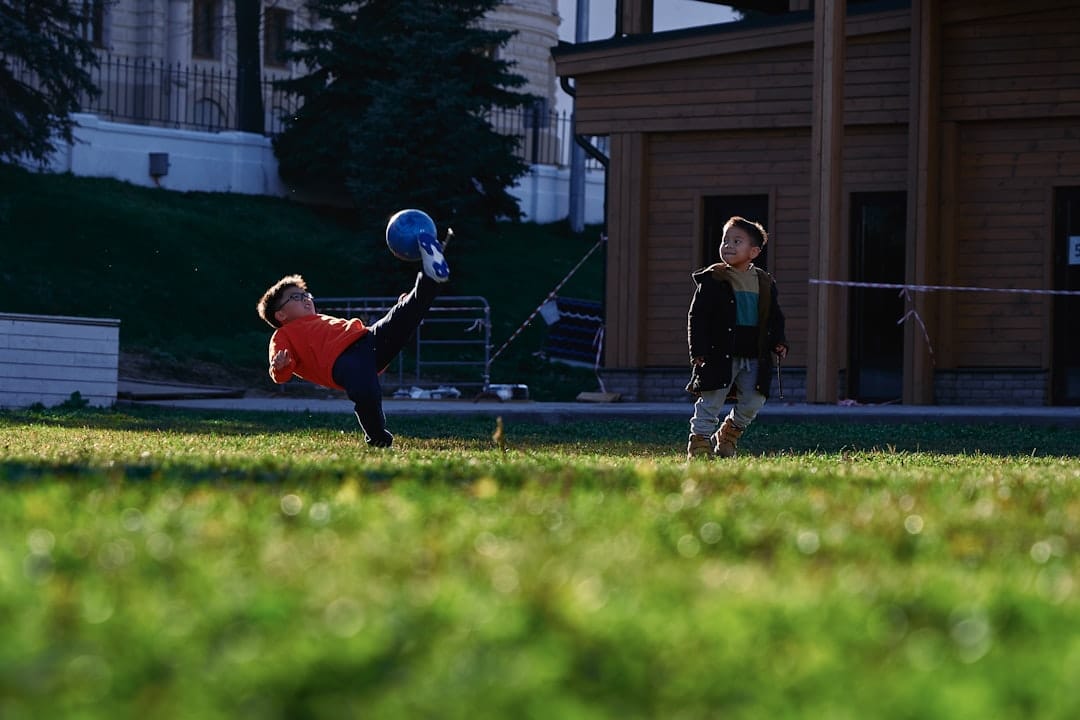
a small child swinging a bat at a ball

6. DIY Outdoor Oven

Create a simple outdoor oven using terracotta pots, sand, and a metal bucket. This DIY project works well for flatbreads, naan, and even pizza.

Solar ovens made from cardboard and foil are another fun option, especially for kids.

a couple of pieces of meat cooking in an oven

7. DIY Smoker

You don’t need an expensive smoker to enjoy slow-cooked flavors. Old flower pots or a modified grill can work surprisingly well.

This is a great project for weekend cooks who enjoy experimenting outdoors.

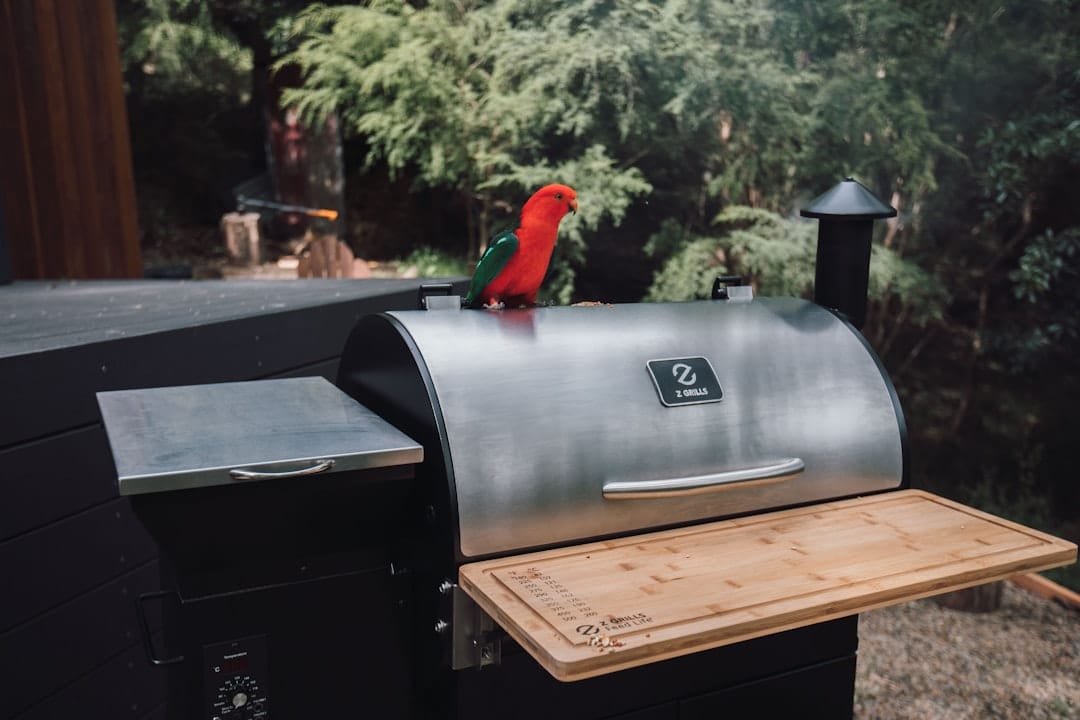
red bird on black and silver outdoor grill

8. Simple Outdoor Canopy

Create instant shade with four posts and a weather-resistant drop cloth or outdoor fabric. This quick canopy adds comfort for dining, lounging, or entertaining.

Close-up view of a yellow umbrella with white polka dots.

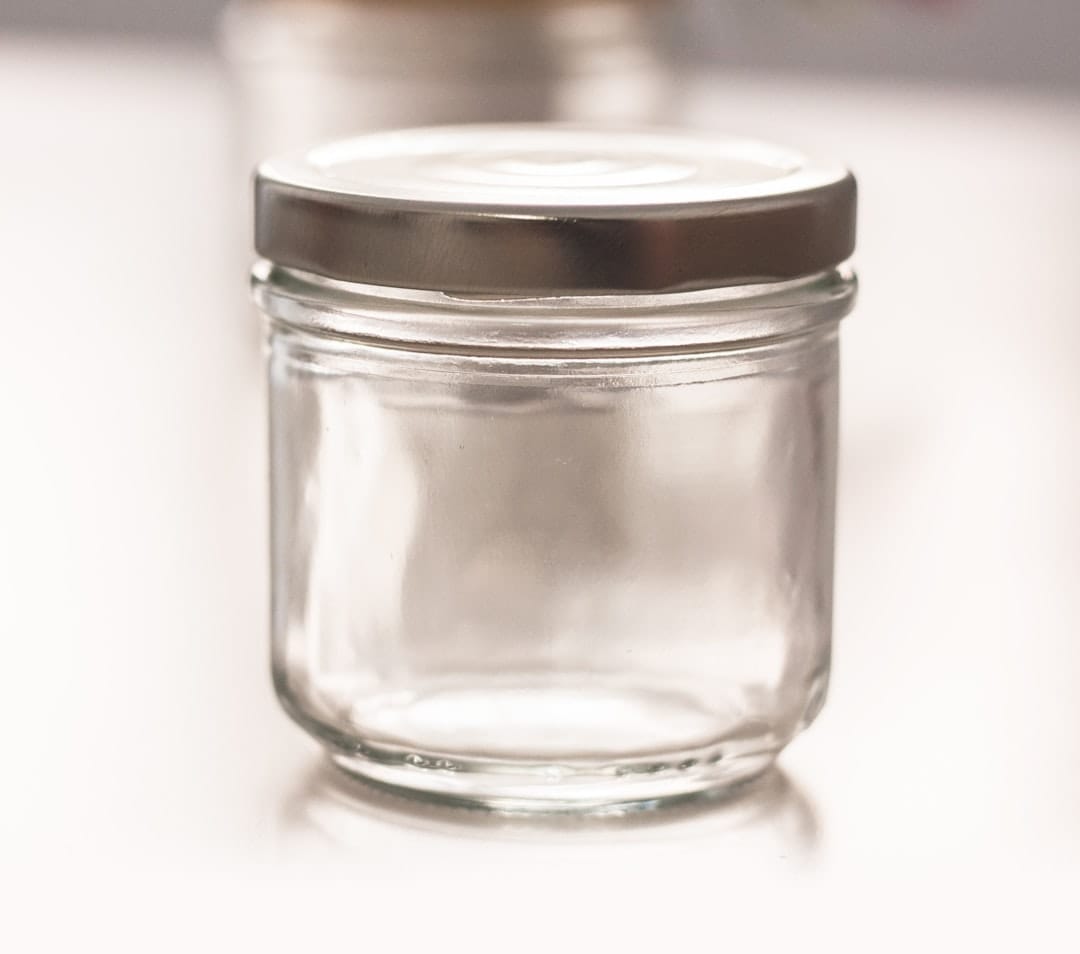
9. DIY Mason Jar Outdoor Lights

Mason jar lights are a classic outdoor upgrade. Add battery-powered LED lights or solar inserts and hang them from hooks or trees.

They’re perfect for patios, pergolas, and garden paths.

clear glass jar with white lid

10. Mini Fire Pit or Flaming Bowl

A tabletop fire pit or flaming bowl creates ambiance without a full backyard build. Many DIY versions use concrete bowls, gel fuel, or propane kits.

photo of flames on firepit
Read More
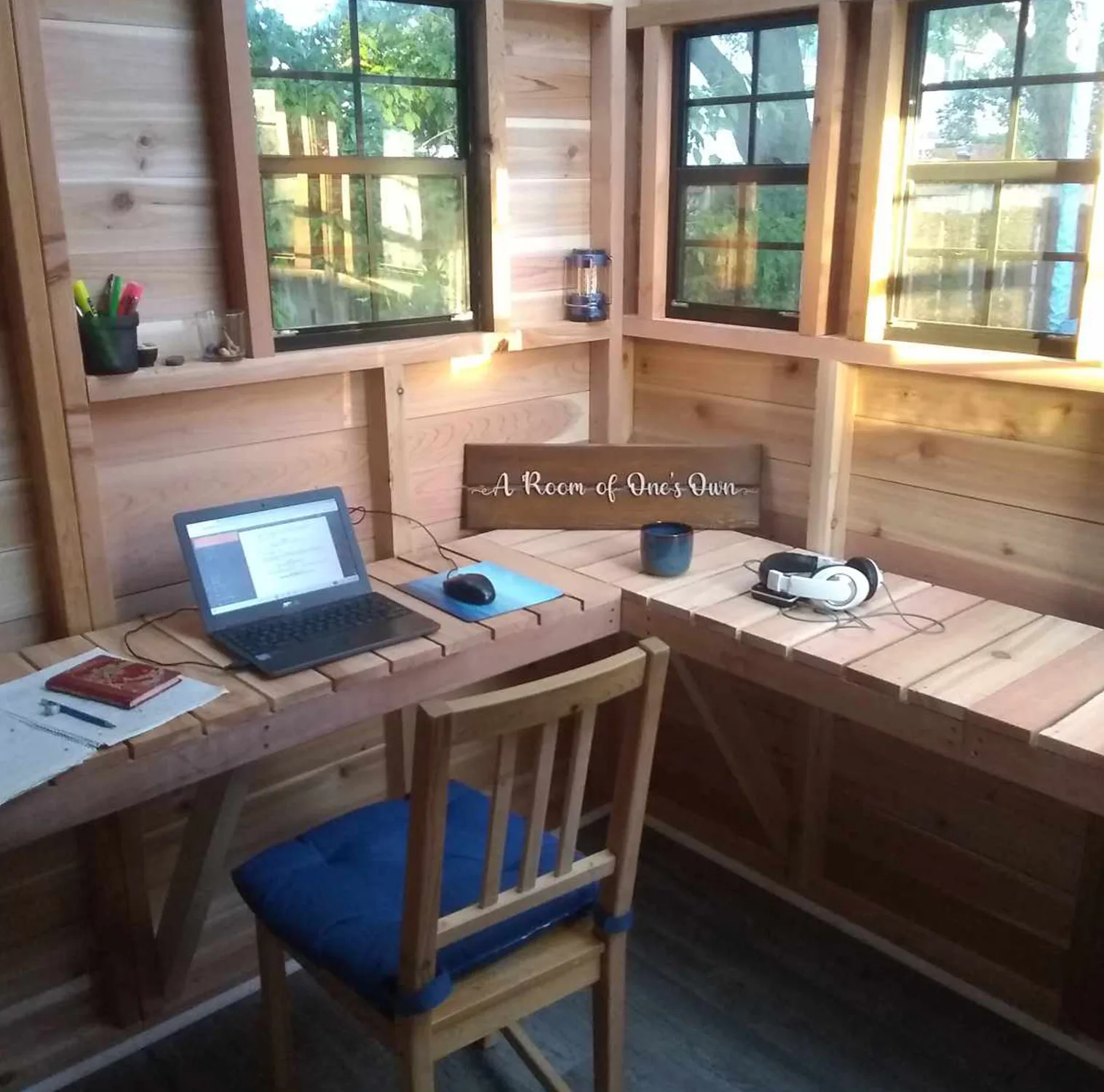
She Shed Man caves are passé. The fairer sex now are getting their creative juices going to design their own personal spaces. Apparently the inside of the entire home was not enough! After all and furthermore, it’s not only the men who need the peace and quiet of a retreat. Fueled by the popular interest generated on Pinterest women all over are excited by the idea of a “she shed”. It’s the perfect place to get away from the drill of daily chores and family responsibilities. A little time out helps to recharge your batteries, clear your mind, and boost that motivation before getting back to the grind. Your backyard shed need not be a just old room that you generally use for storage anymore. “She sheds” are a fantastic reflection of your personality. Your imagination is the limit to create a place that defines you. There are endless ways to let out your girly decorating fantasies that you couldn’t fulfill in your house. It’s not about running away from anything, everyone needs time for themselves and women running a family hardly have any time or space of their own. The basic idea is that no one except you is allowed in. Some women find that having this little hideout helps them emotionally and gives them a sense of stability and control. It’s no surprise as it provides an opportunity to pursue their interests. It’s a fantastic thing in a world where so many compromises are made by women for the sake of family.

What You can do in Your She Shed/Ma-Am Cave

Use your imagination to convert it into your perfect getaway. If you are artistically inclined or you work from home or take up projects, you can use it as a place to focus and get into the zone. If you are a painter you can use it to make a gallery of sorts and house all your artwork as well as use it as a painting space. Stock it with books if you are a bookworm and escape into the literary world. Some people have chosen to use their backyard sheds as eateries and pubs. It’s also a fantastic place to just chill out with a cup of tea, or some wine if you prefer, and unwind. A rendezvous with your old girlfriends can be so much fun here. Some women just use it as a place to find peace, meditate on the questions of life, and find their old selves. What you use your shed for is totally your choice. The best part is that you have your retreat a stone’s throw away. She-Shed-conversion

Use Your Imagination

Always wanted to decorate your room in pink and lace but found it too girly for the tastes of your family? If you are a DIY aficionado then you will love doing up your shed. Freedom to decorate is completely unhindered. Paint it white for a Victorian look, personalize it with memories from your past, reuse and give new life to old unused furniture. This is this perfect opportunity to go green and recycle all those odd things lying around. Love gardening? Cover it with flowering creepers, put pots of flowers on the window sill, and make a nice walkway leading to it. Paint the walls, hang lanterns, and wind chimes, light it up with some soft golden lighting. The whole idea is to let yourself loose and create a blissful haven for yourself. Think your old shed is too worn out? Think again. Old sheds are brilliant chance to bring out that rustic look. All it needs is a little sprucing up. Install large windows and paint them white. Plant some bright tulips or the like around it. Build a sit-out and hang out some lamps. Have a bird bath. If you need any ideas, take inspiration from what other people have done but toss in some of your own ideas as well.

Getting Started

You are lucky if you already have a backyard shed. Now all you need to do is to set it up to your liking. Giving it a fresh coat of paint is what makes it come alive again. Decide what you would like to do with the space and have a wonderful time decorating it. You can always build your own backyard shed. There are a lot of DIY shed options available. Your shed need not be made only out of wood. Having a glamping tent is a sterling low cost alternative to the shed if your budget is tight.

Happy Times

These sheds make a magnificent place to host an outdoor party from. It provides the perfect ambiance for birthdays, anniversaries, and family gatherings. It’s a majestic place to enjoy your garden from as well too. Spend evenings here watching the rain with some biscuits and tea or just staring out of the window. Make it your own happy place. Sort of like those magical places we always read about. “She sheds” are not really meant as a response to man caves. It just fulfills a very real need for women to tune out of the stress of everyday life.
Read More
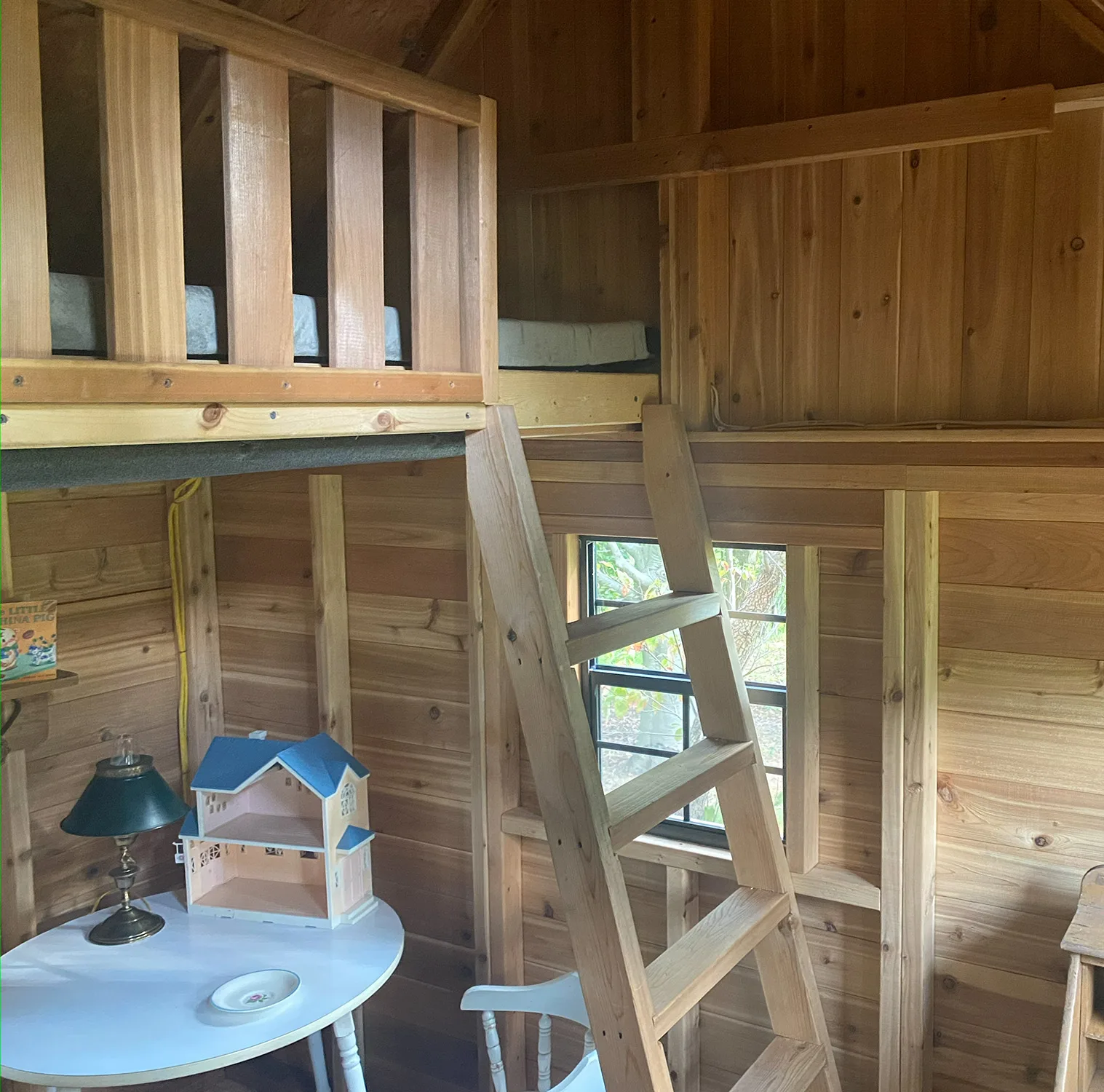
how-to-create-a-kid-friendly-backyardWhen you have kids, you want to ensure they spend sufficient time outdoors to exercise and expend surplus energy. Your backyard can turn into a thrilling and fun adventure for your kids if you incorporate the right elements. Of course, you can do this without disturbing your flowerbeds or landscaping. There are simple and affordable ways to make your backyard kid-friendly.

Jungle Exploration

Plant tall grasses and weeping trees in one corner of your backyard. Lay stepping stones to create a winding pathway through this “jungle” where kids can let their imagination run wild. You can even plant giant sunflowers and place a large boulder for your kids to climb on. This inviting and fun jungle will definitely get your kids outdoors, away from their computers and TVs. This can also create some hiding spots for dangerous critters so you keep the grass short and the plants to a minimum.

Scribbling Area

Screw a large outdoor chalkboard to your fence and you are done. That way, you can easily let the kids use the chalkboard to scribble and draw. If you’ve ever tried to remove chalk from cedar fencing, you know it can be a pain. This way, your fence will not be sullied with their artwork and the kids will still have a place to get their creativity out.

Bring the Beach to Your Backyard

It can be fun to recreate the beach in your backyard. Instead of going for the ubiquitous sandpit, dig a shallow undulating pit in your backyard. Cover it with landscaping plastic and then fill it with sand. Even out the sand and in the middle place bricks to make a bonfire in the evenings. It will be a place for the kids to roast their marshmallows in the evening while you sit on your bench and sip a glass of wine or some iced tea.

Haven for Creatures

haven-for-creaturesKids are fascinated with those colorful butterflies, bees, squirrels and birds. They can spend hours looking at them and laughing at their antics. So, make your garden creature-friendly by planting colorful flowers and hanging a birdfeed to a tree branch. You can easily use a terracotta flat-bottomed container and use jute ropes to hang it securely to a branch to create a homemade birdfeed. Then watch your kids improve their power of observation!

A Place to Rest and Recoup

After all the running around, exploration and playing, kids need a shaded area to catch their breath, sip a cool glass of lemonade and get their energy back. You can easily install a gazebo. No, you don’t have to spend a lot of money. Just press the button for a DIY gazebo kit. It is affordable and comes with precut pieces that you can join to erect the most beautiful cedar gazebo. If you like, you can even go in for a three-season or all-season DIY gazebo kit. This way, the gazebo can be used by your kids and you even when the weather outdoors is cold. Place outdoor comfortable outdoor furniture in the gazebo and a few potted plants and you will have a wonderful sanctuary to rest and rejuvenate. gazebo-kit

Bring Out the Beethoven in Your Kids

Music can make you feel happy and also let you be creative. Encourage this in your kids by creating a music wall in your backyard. Use a portion of your fence and fix pots, pans, xylophone, and wind chimes that kids can use to make sweet (and sometimes not so sweet) music.

A Marvelous Way to Push Kids to Eat their Veggies

All parents know what an ordeal it is to get kids to eat their vegetables. But this could be a thing of the past if you teach your kids to grow their own vegetables. Designate a patch in the garden for your kids to grow the veggies they like. Help them with the sowing, caring, and watering and watch the delight on their faces when they see first veggie appearing. Pick easy vegetables that require minimal care and maintenance and also ones that grow quickly.

Fun Splash Area

Forget those expensive splash pads that you get in stores. You can create your own for a fraction of the price. Lay out a tarpaulin in the middle of your backyard and wet it with the garden sprinkler and your splash pad is ready. Just be around to supervise the kids, so that they don’t fall and hurt themselves.

Swinging for the Skies

If you have kids, you definitely need to have a swing in your backyard. Use an old car tire to make a swing. It will upcycle the tire and also serve the purpose. Alternatively, you can saw off the legs of an old chair and use it to create a swing with armrests and backrest. Paint the chair in colorful oil paint to make it attractive and vibrant. Just make sure the swing is securely tied to tree branch and is sturdy enough to take the weight of your kids. These are some ways to make your backyard kid-friendly and these ideas quite inexpensive. So, even if you are on a tight budget, you can still get your kids moving and being physically active regardless of the weather outdoors. And off those machines!
Read More


Transform Your Outdoor Living Space with a Cedar Gazebo

BBQ Shelter Grill Gazebo Western Red Cedar Outdoor Living Today Banner 2

Looking to enhance your outdoor space and add usable square footage to your home? A cedar gazebo is a beautiful and functional way to upgrade your backyard. Whether you’re entertaining guests, relaxing solo, or creating a year-round retreat, gazebos offer endless possibilities.

What Is a Gazebo?

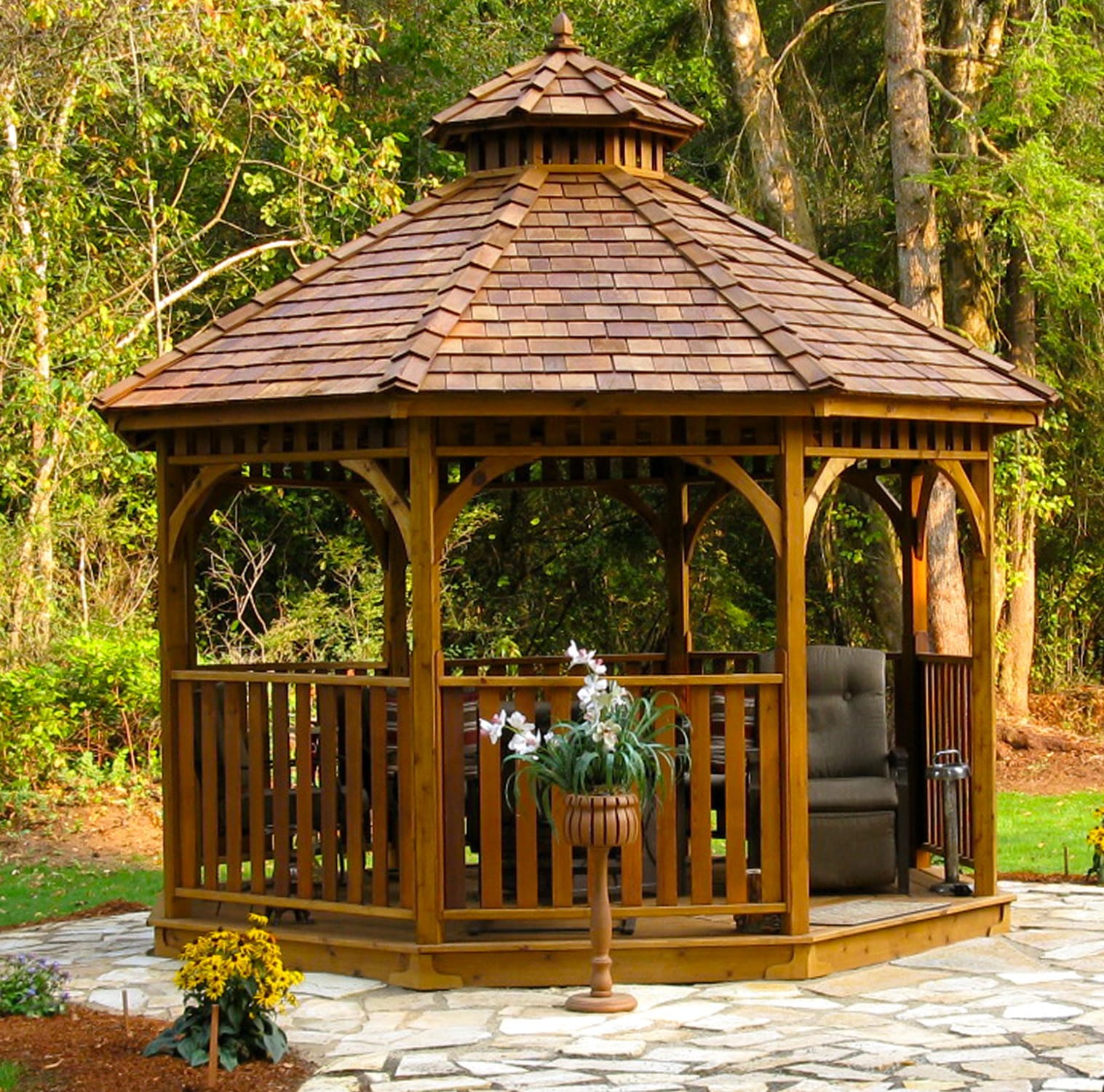
A gazebo is a freestanding outdoor structure with a roof and open sides, typically built in a garden or backyard. Common gazebo shapes include octagonal, hexagonal, rectangular, and square. Some gazebos have half-walls or screens between the support posts, while others are fully enclosed and built for all-season use.

Western Red Cedar gazebos are particularly popular due to their natural resistance to rot, insects, and decay, making them ideal for outdoor use in various climates.

4 Creative Ways to Use Your Backyard Gazebo

Western Red Cedar Gazebo Outdoor Living Today 3

1. Outdoor Relaxation Retreat

Create a cozy outdoor nook by adding lounge chairs, cushions, and a small table. Use your cedar gazebo as a private escape to enjoy a good book, sip iced tea, or just unwind in nature.

2. Backyard Entertaining Hub

Host BBQs, birthday parties, or summer dinners under the shade of your gazebo. Add string lights or lanterns for ambiance. Gazebos near pools make perfect shaded lounging spots to keep an eye on kids while chatting with guests.

3. Fitness & Wellness Zone

Practice yoga, stretch, or meditate in your gazebo. Surrounded by greenery and away from indoor distractions, it becomes an ideal space for mental and physical well-being.

4. Hot Tub Enclosure

Install a gazebo around your hot tub to provide year-round privacy and protection from the elements. A cedar structure enhances the spa experience while blending seamlessly into the landscape.

Why Choose a Cedar Gazebo?

Western Red Cedar Gazebo Outdoor Living Today 8

When shopping for a gazebo, material matters. Western Red Cedar is one of the most popular choices thanks to its:

  • Durability: Naturally resists rot and decay

  • Pest resistance: Cedar’s aroma deters insects

  • Aesthetic appeal: Warm tones and beautiful grain patterns

  • Workability: Lightweight and easy to assemble

Cedar also gives your backyard a timeless, upscale look that integrates beautifully into natural surroundings.

How to Get a Cedar Gazebo for Your Yard

You have a few options for adding a gazebo to your property:

1. DIY Build from Scratch

Purchase raw lumber and design your own gazebo. This option requires carpentry experience, planning, and access to tools.

2. Hire a Professional

Work with a contractor to custom-build your gazebo. This offers more flexibility in design but comes with a higher cost.

3. Purchase a Gazebo Kit

The easiest and most popular option for homeowners is buying a pre-cut or panelized gazebo kit. Outdoor Living Today offers high-quality Western Red Cedar gazebo kits that come with all the required hardware, instructions, and pre-cut pieces.

Gazebo kits allow for faster assembly and fewer design headaches, and they come in a variety of sizes and styles to suit your space and lifestyle.

Expand Your Outdoor Living Today

Adding a gazebo to your backyard isn’t just about aesthetics—it’s about lifestyle. It provides a beautiful, functional space to enjoy nature, host guests, or simply relax. Whether you’re investing in a hot tub enclosure or creating your personal garden retreat, a cedar gazebo kit makes the process simple, stylish, and satisfying.

Explore Western Red Cedar gazebo kits at OutdoorLivingToday.com and transform your yard into the outdoor oasis you deserve.

Read More

Lawn Care Tips for a Healthier, Greener Backyard

Western Red Cedar Raised Garden Bed With Deer Proof Fence Outdoor Living Today scaled

A lush, healthy lawn doesn’t need to rely on harsh chemicals. With eco-friendly lawn care practices gaining popularity, homeowners across North America are learning how to grow green lawns using sustainable methods that benefit both their yards and the environment. Here’s how you can care for your lawn organically year-round, from mowing and watering to aerating and fertilizing.


🌱 Why Eco-Friendly Lawn Care Matters

Historically, lawn care has involved heavy use of chemical pesticides and fertilizers. But overuse led to environmental harm and eventual legislation. Today, more homeowners are turning to organic lawn care practices—reducing chemical use while improving soil health, biodiversity, and water retention.

With the right care, your lawn can naturally resist pests and weeds without synthetic treatments. Start by embracing best practices that prioritize soil health, proper mowing, and sustainable watering methods.


💧 Watering Wisely

  • Summer Watering Tips: In hotter months, water deeply but infrequently to encourage strong root systems. Overwatering leads to shallow roots and rotting.

  • New Lawns: Newly seeded lawns need consistent moisture. Consider a sprinkler system or soaker hose to maintain even hydration.

  • Invest in Irrigation: Drip irrigation or programmable systems help reduce water waste and ensure consistent coverage.


🌾 Aerate for Healthy Soil

IMG 8838 Edit Edit scaled

  • When to Aerate: Aerate your lawn during the growing season (spring through fall) when soil is moist—either after a rain or a good watering.

  • Why Aeration Helps: Loosening compacted soil allows roots to breathe and water/nutrients to penetrate deeper. It also prevents thatch buildup and promotes microbial activity.


🌿 Organic Fertilizing and Feeding

  • Use Natural Fertilizers: Apply compost, worm castings, or organic fertilizer blends based on your soil’s needs.

  • Leave the Clippings: Grasscycling—leaving clippings on the lawn—returns nitrogen to the soil naturally.

  • Know Your Seasons:

    • Spring & Summer: Use nitrogen-rich fertilizers to promote growth.

    • Fall: Apply a lower-nitrogen blend to strengthen roots.

Pro Tip: Water within 2–3 days of fertilizing if it doesn’t rain to help nutrients absorb properly.


✂️ Mowing Best Practices

  • Mow by Season:

    • Spring: Expect rapid growth; mow more frequently.

    • Summer: Once a week is often ideal.

    • Fall: Bi-weekly mowing may suffice.

    • Winter: Avoid mowing in cold climates—let the grass rest.

  • Keep It Sharp: Dull mower blades tear grass, leading to browning.

  • Compost the Clippings: Turn them into rich organic matter for your garden or reuse directly on the lawn.


🌾 Weed Control Without Chemicals

penthouse olt cedar 5

  • pH Matters: Test your soil—acidic soil can encourage weed growth.

  • Preventive Measures: A healthy, thick lawn shades out weed seeds naturally.

  • Manual Weeding: Pull weeds by hand or use a weed popper tool.

  • Organic Herbicides: Use vinegar-based solutions or corn gluten meal as a natural pre-emergent.


🌤 Seasonal Lawn Care Schedule

  • Spring: Aerate, fertilize, begin mowing. Watch for new weed growth.

  • Summer: Water early morning or evening; adjust mowing frequency. Spot treat any weed issues.

  • Autumn: Fertilize with root-boosting blends, rake leaves, and mow lower in final weeks.

  • Winter: Rest your lawn. Avoid walking on frozen turf to prevent damage.


🌍 Build a Sustainable Lawn

Lawn care doesn’t need to rely on chemicals. By focusing on soil health, watering smartly, and sticking to an eco-conscious lawn care routine, you’ll cultivate a resilient lawn that looks good—and does good for the environment. Whether you’re a beginner or a lawn care enthusiast, going organic is better for you, your pets, and your planet.

Read More

Transform Your Backyard on a Budget

Space Master 12x16 SM1216 Outdoor Living Today western red cedar Product Image 7

You don’t need a fancy deck, grand cedar gazebo, or in-ground pool to enjoy your backyard. With a little creativity, you can create a fun, relaxing, and entertaining outdoor space your guests and family will love.


1. Hang Solar Lamps from Trees

Bartley BZ1012 650x469 1 300x300 1 300x300 1

Repurpose an old chandelier using solar lights and hang it from a tree branch. No wiring or electrical work needed—just beautiful ambient lighting that charges during the day and glows at night.


2. DIY Bird Nesting Station

Fill a suet feeder with 4–8″ scraps of yarn. Birds will use them to build colorful nests. This simple project attracts local wildlife and offers a fun nature-watching opportunity.


3. Wind Chimes from Old Keys

Craft soothing wind chimes using old keys, acrylic paint, string, and a piece of driftwood. Paint the keys in bright colors, then string and hang them close together so they chime in the breeze.


4. Splash Pad Using a Tarp

Turn a clean tarp into a backyard splash pad. Add a sprinkler or hopscotch mat and let the water do the rest! Kids can slip, slide, and stay cool while you relax nearby with your feet in the water.


5. Kickball Croquet with Pool Noodles

Cut pool noodles in half to form arches, secure them to the lawn with garden stakes, and play a game of croquet—kickball style! Great for backyard parties and family fun.


6. Build a Backyard Movie Theatre

All you need is a projector, DVD player, speakers, and a screen (like a sheet or blank wall). Set up lawn chairs or picnic blankets, make some popcorn, and enjoy movie night under the stars.

Pro Tip: Use a surge protector and outdoor extension cord for power. Don’t forget mosquito repellant or citronella candles!


7. Backyard Scrabble

Make a giant 5-foot Scrabble board with concrete tiles and custom wooden letter pieces. Use adhesive vinyl letters and lacquer to waterproof your tiles. It’s a great family game that gets everyone outdoors and thinking.


Final Thoughts

These budget-friendly backyard projects are perfect for summer weekends, birthday parties, or spontaneous get-togethers. Whether you’re looking for kid-friendly backyard games, relaxing outdoor vibes, or ways to enjoy nature, these ideas bring joy without breaking the bank.


Outdoor Living Today offers everything you need to create your perfect backyard—from cedar sheds to family-friendly accessories. Explore our collection and bring your DIY dreams to life!

Read More

Backyard Play Area Ideas for Kids: How to Clear Space & Create a Fun Outdoor Retreat

lcp66box

Creating a dedicated play space in your backyard doesn’t just offer your kids a safe place to explore — it supports their mental and physical development while giving them the joy of nature. With a few creative changes and smart backyard shed storage, you can transform even the most cluttered yard into a functional play area for children.

Why Natural Outdoor Play Matters

Research shows that kids thrive in outdoor environments rich with natural elements — trees, flowers, insects, and open air. In fact, White and Stoecklin found that if given the chance, children would design play spaces brimming with natural features like ponds, plants, and wildlife. As a parent, you can bring this vision to life right in your backyard.


Step 1: Clear & Clean the Backyard

Remove Overgrown Bushes and Trees

Start by trimming or removing any overgrown shrubs and low-hanging tree branches. An open lawn makes a better canvas for a safe, imaginative play zone. You can replant with colorful flowers and maintain trimmed grass to create an inviting, open space.

Eliminate Rotting Plants and Weeds

Clear away any decaying plant matter and aggressive weeds. Not only does this create more usable space, but it also improves safety and aesthetics — two things kids (and their parents) appreciate.

Declutter the Odds and Ends

Old toys, broken bikes, garden tools, and unused lawn equipment often clutter backyards. Store what you still need in a shed or garage, donate working items, and toss the junk. You’ll reclaim valuable space for your kids to roam.


Step 2: Use Space-Saving Backyard Furniture

Opt for Foldable Furniture

Replace bulky wooden seating with foldable outdoor furniture. Lightweight plastic or collapsible options are ideal — easy to move and even easier to store in a shed when not in use. This keeps your backyard flexible and play-ready.


Step 3: Involve Your Kids in the Design

69 test scaled

Children are full of creativity. Let them help brainstorm how the play area should look. Whether it’s a flower garden, a mini wildlife pond, or just a cozy sandbox — your kids’ ideas will make the space feel like their own.


Step 4: Add a Shed for Storage and Play

Install a backyard shed to serve as both a storage unit and a part-time clubhouse. Opt for something practical like a Western Red Cedar shed — naturally beautiful and durable. Store seasonal furniture, tools, or even create a reading nook or board game station inside.

➡️ Explore cedar sheds at Outdoor Living Today


Step 5: Build Multi-Level Fun

Add depth and wonder to your yard with multi-level flower beds, stair-step planters, or seating platforms. Children love different vantage points and textures, so steps and platforms invite exploration and imaginative play.


Step 6: Install Kid-Friendly Play Features

Water and Sand Elements

Set up a sandbox, water table, or mini pond. Kids love tactile experiences — and these features keep them entertained without screens.

Add Play Equipment

Install a small swing, seesaw, or slide in a clear and safe area. Use natural barriers like flower beds or bushes to define the play zone.


Final Thought: Outdoor Play > Screen Time

OLT a father mother kid in an octogon shaped cedar g 95bbd808 4bbb 4844 b64f b671698e98d4

A well-designed backyard encourages kids to engage with nature and each other. With a few simple changes, you can create a playful sanctuary that your kids will love — and maybe even get them to forget about their tablets for a while.

Read More