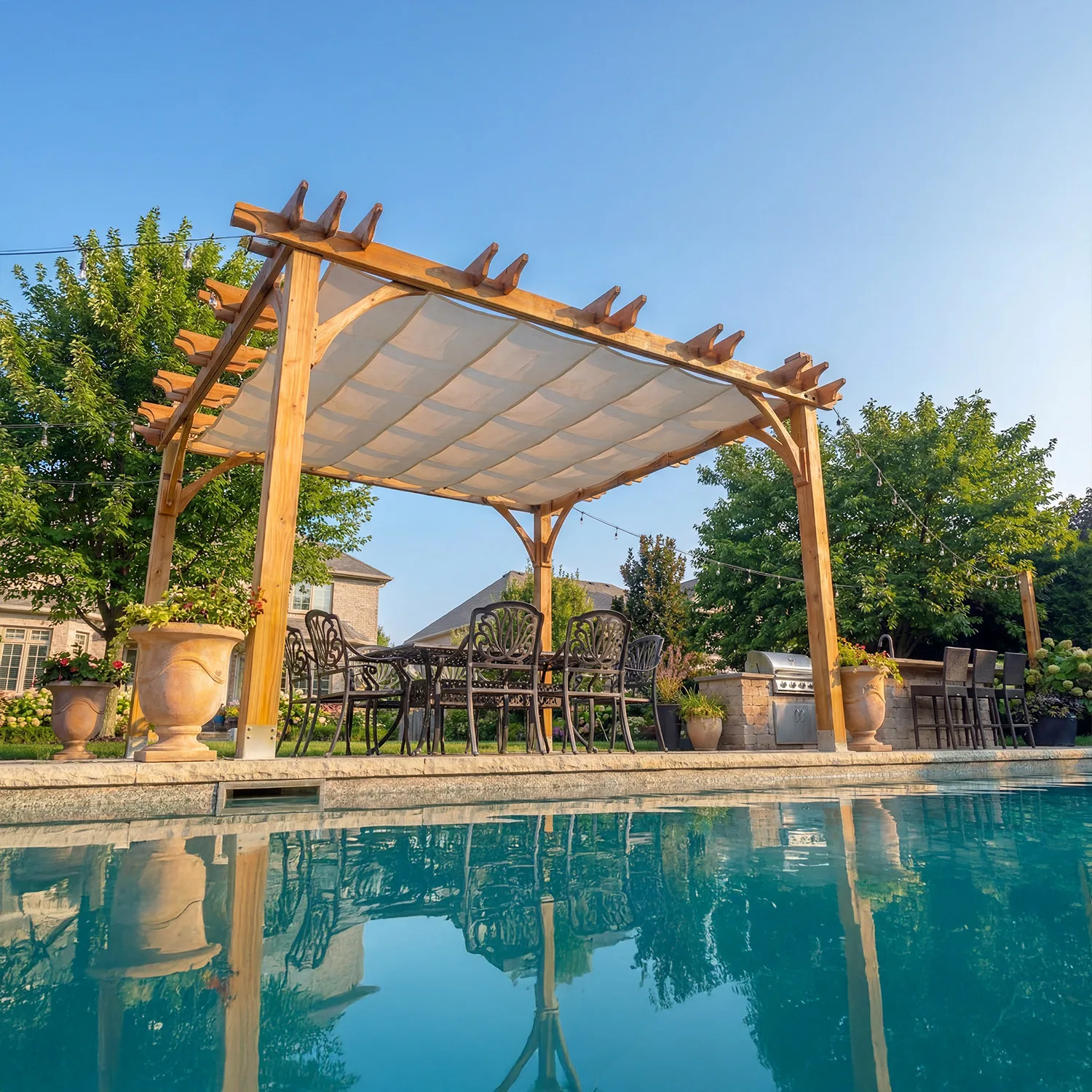
Why Wood Choice Matters (and Why Cedar Wins)

Outdoor wood structures add warmth, beauty, and long-lasting function to your property — but only if they’re properly protected from moisture, insects, and weathering. Whether you’re maintaining a shed, pergola, greenhouse, or garden bed, understanding what causes wood decay (and how to stop it) can dramatically extend the life of your investment.


What Causes Wood Decay and Degradation?

Wood decay is caused when fungi break down the cellular structure of timber. For these fungi to survive, they need moisture, oxygen, moderate temperatures, a food source (wood itself).

Once active, decay fungi can weaken wood fibers, cause color changes, create softness, lead to cracks, checking, and structural instability.

Wood degradation also includes non-fungal damage such as UV exposure, weathering, insects, fire.

Together, these elements speed up wear and reduce a structure’s lifespan.


Why Western Red Cedar Holds Up Better

Western Red Cedar is one of the top-performing woods for outdoor structures due to its:

  1. Natural resistance to rot, decay, and insects
  2. Low density and inbuilt air pockets that reduce moisture retention
  3. Exceptional dimensional stability (less warping, less movement)
  4. Low-maintenance surface
  5. Long lifespan even when exposed to the elements

Because of its natural durability, cedar is commonly used for sheds, pergolas, greenhouses, garden beds, playhouses, and outdoor furniture. 

If you want longevity with minimal upkeep, Western Red Cedar is one of the best choices.

12x16 Space Master Double Door Barn Shed Western Red Cedar Shed Outdoor Living Today 2.jpg

How to Prevent Wood Decay in Outdoor Structures

1. Start With the Right Wood

Using durable species like Western Red Cedar (Thuja plicata) is a promising long-term solution. It naturally resists decay without relying on chemical preservatives.

Pressure-treated lumber offers some protection, but moisture control is still essential — preservatives alone can’t stop water absorption.

2. Control Moisture Exposure

Moisture is the #1 cause of wood decay.

To reduce it:

  1. Ensure proper drainage around structures
  2. Keep soil from touching the wood (especially garden beds, playhouses, sheds)
  3. Reapply a water-repellent finish as needed
  4. Repair leaks or standing-water areas right away

Reducing moisture dramatically slows fungal activity.

3. Stop Rot From Spreading

If you notice rot:

  1. Identify the moisture source

  2. Dry the area

  3. Cut away or treat affected wood

  4. Apply a fungicide or protective finish

    Early treatment prevents it from spreading into nearby components.

4. Paint or Stain for Added Protection

Opaque paints provide strong weather protection thanks to high pigment content. They’re best applied in a factory setting for a smooth, long-lasting finish.

If painting onsite:

  1. Prime first
  2. Apply a durable topcoat
  3. Ensure the surface moisture content is under 16%

5. Choose Oils or Clear Finishes Carefully

Clear varnish or unpigmented oils can protect wood while showcasing its natural grain — but they generally:

  1. Have very low UV protection
  2. Require more frequent maintenance
  3. Should not contain wax if you plan to paint later

Always check with a qualified retailer for the right product choice.

6. Use Wood Stains for Added Protection

Wood stains:

  1. Protect against weather
  2. Enhance wood character
  3. Require re-application every few years

They’re a great middle-ground option if you want both aesthetics and durability.

7. Consider Translucent Coatings

These give a paint-like film while still showing wood grain.

Re-apply as needed (location-dependent) to keep the structure protected and looking new.


The Best Finishes for Outdoor Wood

Here’s a quick summary of common finishing options:

Finish Type

Protection Level

UV Protection

Best For

Opaque Paint

Excellent

Strong

Sheds, pergolas, exposed structures

Wood Stain

Good

Moderate

Sheds, garden beds, outdoor furniture

Clear Varnish / Oil

Mild

Low

Interior-facing wood or shaded structures

Translucent Coatings

Very Good

Good

High-visibility cedar products

Boiled linseed oil is commonly used to seal wood and slow degradation — but must be applied carefully.


Ready to Build With Longer-Lasting Wood?

Explore outdoor structures handcrafted from premium Western Red Cedar — sustainably sourced, naturally durable, and built for long-term performance.

Shop sheds, pergolas, garden beds and more at Outdoor Living Today.

Read More

How a well-designed outdoor structure adds comfort, character, and long-term resale appeal.

Backyards are no longer just extra space. For many buyers, outdoor living areas are an extension of the home. Recent surveys show that patios, porches, and other outdoor living features rank among the most desired elements in a new home, with more than 80% of buyers saying they want a dedicated outdoor living area.

A pergola or gazebo gives that space a clear purpose. It provides shade, creates a natural gathering spot, and makes the yard feel finished and intentional. When it is thoughtfully designed and built with quality materials, it can also support your home’s resale value and help your property stand out in a crowded market.

In this guide, we will walk through how pergolas and gazebos influence property value, what affects their return on investment, and how to plan a structure that looks beautiful today and appeals to future buyers tomorrow.


How Outdoor Structures Influence Home Value

Real estate value is about more than square footage. Buyers pay attention to how a home feels and how easily they can imagine living there. Outdoor structures help with that in a few key ways:

  1. Defined outdoor rooms. A pergola or gazebo frames space for dining, lounging, or entertaining, which helps buyers picture themselves actually using the yard.
  2. Improved comfort. Shade, shelter from light rain, and optional privacy screens make outdoor time more comfortable and extend the usable season.
  3. Better first impressions. A well-kept outdoor structure makes the whole property look cared for, which can support a higher perceived value.

Across many markets, attractive outdoor living spaces can deliver a strong return on investment. Industry estimates suggest that well-planned outdoor projects can recoup a significant portion of their cost at resale, especially in areas where outdoor living is a high priority.

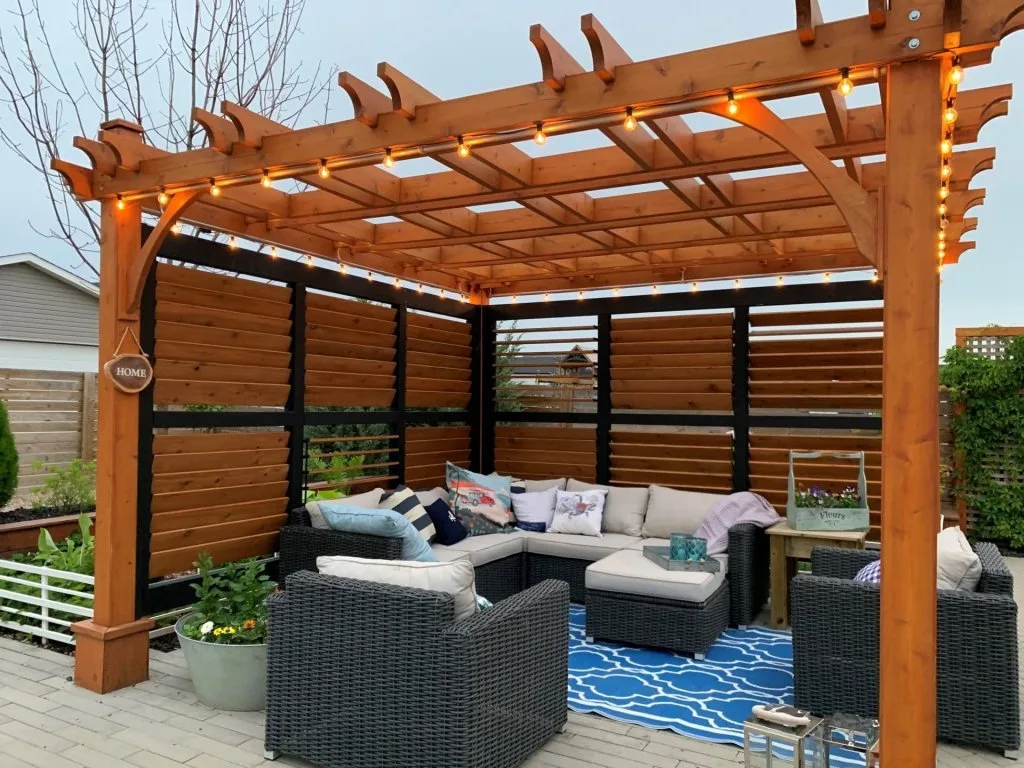
14x16 Cedar Pergola Outdoor Living Today Western Red Cedar Pergola.jpg

Factors That Affect How Much Value You Add

Not every pergola or gazebo automatically increases value. The details matter. When you plan your project, keep these factors in mind.

1. Location and Climate

In regions with long summers or mild weather, buyers often place a premium on usable outdoor space, which means a pergola or gazebo is likely to see more use and more perceived value.

In colder or very wet climates, the structure may still be a selling feature, but buyers will care more about durability and how well it stands up to local conditions.

2. Overall Project Cost

Any improvement has to make sense for the neighborhood. Spending far more than similar properties in your area may not deliver a full financial return, even if the structure itself is beautiful. Aim for a level of investment that feels aligned with nearby homes and your long-term plans.

3. Type of Structure and Material

Simple, open pergolas, fully roofed gazebos, and hybrid garden structures all offer different levels of protection and visual impact. Materials also play a major role in both appearance and ongoing upkeep, which buyers notice.

We will look at materials in more detail below.

4. Size and Scale

A structure that is too small can look like an afterthought. One that is too large can overwhelm the yard and feel out of proportion to the house.

As a general rule, the pergola or gazebo should feel visually balanced with:

  1. The main house
  2. The deck or patio it sits on
  3. The amount of open yard that remains

When in doubt, slightly smaller and well-proportioned is better than oversized.

5. Design, Quality, and Maintenance

Buyers look for solid construction and low future maintenance. Straight lines, secure connections, and quality fasteners give confidence that the structure will last.

Finishes matter as well. Sealed wood, rust-resistant hardware, and clean roofing materials show that the structure has been cared for. A pergola or gazebo that clearly needs major repairs can have the opposite effect on value.

Choosing Materials That Support Long-Term Value

The right material is a balance of beauty, durability, and maintenance. Here are some common options and how buyers tend to view them.

Western Red Cedar

  • Look: Warm, natural color that weathers gracefully over time.
  • Benefits: Naturally resistant to rot and insects, which is ideal for outdoor structures.
  • Buyer appeal: High. Cedar is often associated with quality builds and can be a strong selling point when properly maintained.

Other Hardwoods (such as teak)

  • Look: Rich, premium appearance.
  • Benefits: Very durable and long-lasting, often used in high-end outdoor projects.
  • Buyer appeal: High, although the higher cost does not always translate into proportionally higher resale value in every market.

Aluminum or Steel

  • Look: Clean, modern lines and slim profiles.
  • Benefits: Low maintenance and resistant to rot, insects, and warping.
  • Buyer appeal: Good, especially for modern homes or buyers who prefer low-maintenance materials.

Fiberglass or Vinyl

  • Look: Can mimic painted wood with consistent color.
  • Benefits: Highly resistant to weathering and very low maintenance.
  • Buyer appeal: Mixed. Some buyers appreciate the durability, while others prefer the character of real wood.

If you are building specifically with resale in mind, a durable wood like Western Red Cedar often strikes the best balance between natural beauty, perceived quality, and long-term performance.

Pergola and Gazebo Styles Buyers Love

You do not need an overly complex design to impress buyers. Clean, well-proportioned styles tend to have the broadest appeal.

Popular options include:

  • Pergolas with retractable canopy. Provide adjustable shade and feel modern yet timeless.

  • Octagon or pavilion-style gazebos. Create a focal point in the yard and offer full roof coverage for dining or seating.

  • Open-topped pergolas. Simple, airy structures that frame a patio, path, or outdoor kitchen.

  • Cottage-style garden structures or sheds with covered seating. Combine storage or workspace with a cozy sitting area, which many buyers find practical.

When choosing a style, look at the architecture of your home and echo some of its lines and details. Matching roof pitch, trim color, or railing style helps the new structure feel like it belongs.

Design Tips to Maximize Resale Appeal

A few thoughtful decisions can make your pergola or gazebo more attractive to future buyers.

Integrate with the Landscape

Surround the structure with plantings, paths, or a small patio so it feels like part of a larger outdoor room. Climbing vines, container gardens, or built-in planters can soften hard edges and create a lush, inviting feel.

Plan for Lighting and Power

Discreet wiring for string lights, sconces, or a ceiling fan adds comfort and makes the space usable in the evening. If possible, hide cables and use weather-rated fixtures so everything looks intentional and safe.

Think About Privacy and Views

Position the structure to frame pleasant views and screen less attractive ones. Lattice panels, privacy screens, or strategically placed shrubs make the space feel more secluded, which many buyers appreciate.

Keep Maintenance Practical

Choose finishes and details you can realistically maintain. A structure that looks great in listing photos but clearly requires constant work may worry buyers who do not want a high-maintenance yard.

Planning Your Project: Key Considerations

Before you start building, take time to plan. A thoughtful plan protects your budget and helps ensure the finished structure genuinely adds value.

  1. Clarify your budget. Decide how much you are comfortable investing, including site prep, foundation, structure, and any furnishings or landscaping.

  2. Check local rules. Confirm whether you need permits, property-line setbacks, or homeowners association approval.

  3. Choose the right spot. Consider sun path, shade, wind, and how people will move between the house and the structure.

  4. Measure carefully. Map out the footprint with stakes or tape so you can see how it feels in the yard.

  5. Select a design that fits your lifestyle. Think about how you will actually use the space: quiet reading nook, family dining area, or a larger entertaining hub.

  6. Decide on DIY or kit vs custom build. Pre-engineered kits in quality materials can simplify planning and ensure the structure is designed for outdoor performance.

Conclusion: A Smart Upgrade for Everyday Life and Future Resale

A pergola or gazebo is more than a pretty feature. When it is planned with care, built from quality materials, and integrated into the overall landscape, it can become one of the most loved parts of your property.

You gain a shaded retreat for everyday life, more room to entertain, and an outdoor space that feels purposeful and complete. At the same time, buyers increasingly look for outdoor living areas when they shop for homes, which means a well-designed structure can help your property stand out and support its value when it is time to sell.

If you are ready to invest in your backyard, start by imagining how you want to live outside. From there, choose a pergola or gazebo that matches your home’s style, your climate, and your long-term plans. Done right, it is an upgrade you can enjoy today and feel confident about in the future.

Ready to Build Your Outdoor Escape?

A well-designed pergola or gazebo can transform your yard and add lasting value to your home. If you are ready to create a space that looks beautiful, feels comfortable, and fits your lifestyle, explore our handcrafted cedar pergola and gazebo kits.

Read More

How to Prepare Your Yard for the Seasons: A Complete Homeowner’s Guide

Preparing your yard for a new season—especially after months of harsh weather—sets the foundation for healthy grass, thriving plants, and an outdoor space that looks polished year-round. Whether you're getting ready for spring growth, fall clean-up, or general maintenance, a well-structured plan helps keep your landscape in great shape.

This updated guide walks you through simple, practical steps to prep your yard site, maintain your lawn, and create an outdoor space that stays beautiful in every season.


1. Start With a Landscape Plan

Before you grab tools or start cleaning, think about how you want your yard to look and function.

Having a landscape plan helps you:

  1. Understand your lawn’s needs
  2. Design around sunlight, shade, and drainage
  3. Avoid planting or building in poor locations
  4. Create a cohesive, polished look

If you’re unsure where to begin, consider consulting a landscape designer. A little planning now saves hours of frustration later.


2. Clean Up a Little (Then a Lot)

Winter storms, wind, and rain leave behind leaves, branches, and debris. Start with a simple cleanup session:

  1. Remove dead leaves and fallen branches
  2. Clear out debris under shrubs and trees
  3. Rake leftover thatch from the lawn
  4. Sweep pathways and hard surfaces

This first step immediately makes your yard look fresher and prepares it for deeper maintenance.

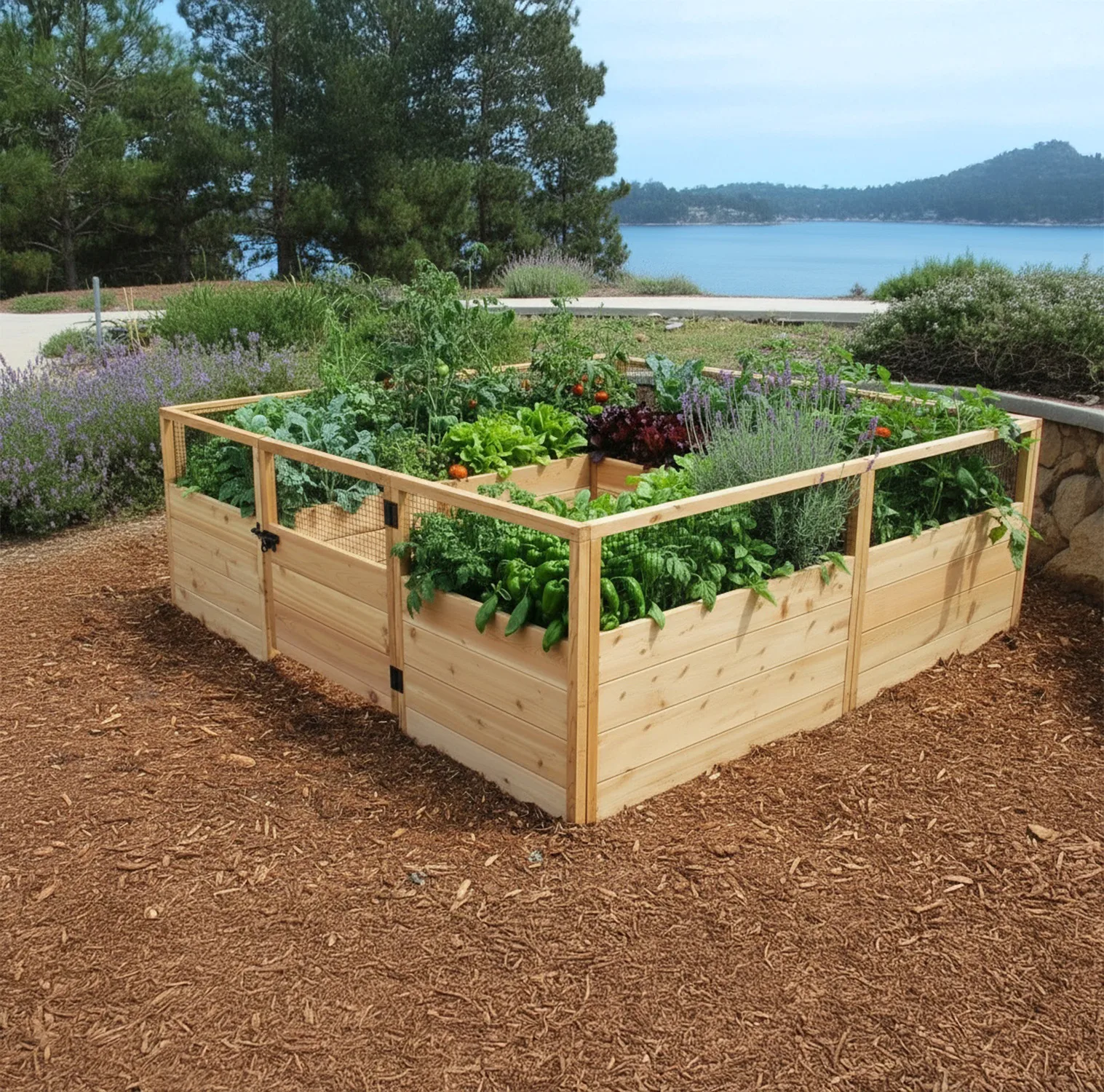
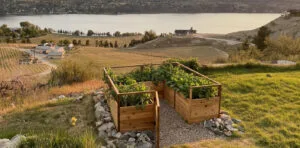
Raised Garden bed 8x8 western red cedar outdoor living today 2.jpg


3. Prepare the Soil

HEALTHY SOIL = HEALTHY LAWN

Once the surface is clear, prep your soil with seasonal nutrients:

  1. Apply fertilizer (choose one for your specific region/grass)
  2. Use a pre-emergent in early spring to prevent weeds
  3. Add compost or organic matter to restore nutrient balance
  4. Break up compacted areas with a tiller if needed

If you're planning new planting beds, raised beds, or edging, now is the time to shape the ground.


4. Mow Early and Consistently

One of the biggest mistakes homeowners make is waiting too long to mow in spring.

Mowing early and regularly:

  1. Encourages thicker, healthier grass
  2. Keeps roots strong
  3. Prevents weed takeover
  4. Sets the lawn up for lush summer growth

Aim to mow once every 4–5 days during peak spring growth.


5. Mulch It Too

Mulching is essential for moisture retention and healthy soil structure.

Choose quality mulch such as hardwood bark mulch, natural cedar mulch, and undyed wood chips.


Benefits:

  1. Helps regulate soil temperature
  2. Prevents weed growth
  3. Improves curb appeal instantly
  4. Keeps shrubs and perennials protected

6. Give Trees & Shrubs a Trim

Overgrown or dead branches can harm your lawn and your structures.

Trim:

  1. Dead or diseased branches
  2. Overgrown shrubs
  3. Limbs rubbing against your shed or fencing

Do this in early spring before plants start pushing out new growth.


7. Wait Until Fall to Seed (Depending on Region)

If you're fighting weeds or using pre-emergent, your grass seeds won’t germinate in spring. That’s why reseeding or overseeding is best saved for fall.

Fall conditions:

  1. Cooler temperatures
  2. Consistent moisture
  3. Fewer weeds
  4. Better root establishment


8. Additional Tips for a Yard That Stays Healthy

These small habits go a long way:

  1. Routine cleanup every few weeks
  2. Break new lawn ground with a tiller
  3. Build raised beds for vegetables and flowers
  4. Add small landscape berms for drainage
  5. Plant rabbit-resistant grass or groundcover if needed

Keeping up with maintenance prevents big seasonal overhauls later.


Looking for a quick visual guide?

This short video walks through practical steps for cleaning up your yard, prepping soil, and setting the stage for healthy growth.


Read More

How to Maintain and Refresh Your Pergola: Essential Care Tips

A well-built pergola or gazebo is a long-term investment that adds beauty, shade, and function to any outdoor living space. With regular care, you can preserve its appearance, extend its lifespan, and keep it performing at its best year after year.

Below are simple, effective maintenance steps to help you protect your structure and keep it looking its best.


1. Protect the Wood

Most wooden pergolas are crafted from long-lasting species like Western Red Cedar or pine. Cedar contains natural oils that resist decay and insects, but all outdoor structures benefit from protective care.

What to do:

  • Apply a waterproof sealant to guard against moisture, sun exposure, and surface wear.
  • Refresh the sealant every two to four years depending on your climate.
  • Ask your dealer for advice on the best sealant for your specific wood type.

As cedar ages, it may naturally shift to a silvery patina. Sealants help manage the speed of weathering and preserve the tone you prefer.

10x10 Pergola Lissa Peeling 3 1024x768 1

2. Choose the Right Paint: Acrylic for Long-Lasting Results

If you plan to paint your pergola, acrylic paint is a durable and weather-resistant option.

Tips for best results:

  • Paint during a dry period when humidity is low so moisture does not become trapped in the wood.

  • Oil-based primers can improve coverage and bonding, ensuring a longer-lasting finish.

Painting during the driest time of year allows the paint to cure properly and prevents brittleness over time.

3. How to Clean a Pergola

Routine cleaning keeps your pergola looking fresh while preventing the buildup of dirt, mildew, and grime.

Simple cleaning method:

  • Wash with mild soap and water using a soft brush or cloth.

  • Avoid heavy-pressure washers on wood pergolas, since they can damage the surface fibers.

  • Vinyl-coated or low-maintenance pergolas may simply need a gentle rinse.

Regular light cleaning helps preserve the texture and integrity of the wood for years.

4. Restoring an Older or Weathered Pergola

If your pergola has been left unattended or is beginning to show age, you can often restore it with some patience and step-by-step care.

Restoration steps:

  1. Use a bristle brush to remove dirt, loose paint, and dry debris.

  2. Smooth rough areas with a fine-grit sander, working slowly to avoid scratching the wood.

  3. Check for mildew and treat it using a mild bleach-and-water solution.

  4. Replace any rusted or corroded fasteners.

  5. Clean grooves and corners with a brush, then rinse with water and mild soap.

  6. Allow the wood to fully dry before applying any new paint or sealant.

These steps can bring an older pergola back to life without needing a complete rebuild.

Keeping Your Pergola Looking Beautiful for Years

With the right care routine, your pergola can remain a standout feature in your outdoor living space. Regular cleaning, sealing, and periodic touch-ups protect the wood, enhance durability, and preserve the structure’s natural charm.

A little maintenance goes a long way in keeping your outdoor centerpiece strong, beautiful, and functional.

Read More

A simple DIY guide to creating a cozy, functional fire pit for year-round outdoor gatherings.

As temperatures cool and evenings get shorter, outdoor gatherings don’t have to come to an end. A backyard fire pit creates a warm, inviting place to relax, entertain, and enjoy your outdoor space well into fall and beyond.

The good news? You don’t need to hire a contractor or invest in expensive equipment. With a few basic tools, readily available materials, and a weekend of work, you can build a durable, functional fire pit yourself. This step-by-step guide walks you through the process, making it approachable even for first-time DIYers.

What You’ll Need Before You Start

Before breaking ground, gather the following supplies:

  1. Shovel, mattock, or digging tool
  2. Gravel (for drainage)
  3. Spray paint (to mark your layout)
  4. Rubber mallet
  5. Masonry adhesive
  6. Concrete landscaping stones
  7. Optional: metal fire pit ring

Step 1: Outline Your Fire Pit Location

Choose a flat, open area in your yard where the fire pit will be both functional and safe. Place your first ring of stones—or the metal fire ring—directly on the grass to create a circular outline.

Once positioned, remove a few stones and use spray paint to mark the outer edge of the circle. This painted guide ensures accuracy once you begin digging.

Tip: Make sure the fire pit is visible from seating areas but far enough away to allow comfortable circulation.

Step 2: Dig the Fire Pit Base

Using your digging tools, excavate the outlined circle to a depth of approximately 6 inches. Remove grass, roots, and rocks to create a clean, even base.

Soil conditions vary, so expect the digging effort to range from easy to moderately challenging depending on your location.

Tip: Take your time leveling the base—this will make stacking stones much easier and improve long-term stability.

Step 3: Add Gravel for Drainage

Fill the hole with gravel until it is level with the surrounding ground. The gravel layer allows water to drain efficiently, preventing pooling and extending the life of your fire pit.

Pack the gravel firmly using the back of your shovel or a tamper.

Tip: Proper drainage is key to preventing frost damage and shifting stones over time.

Step 4: Build the Stone Fire Pit Wall

Place the first ring of stones along the edge of the gravel base. Use a rubber mallet to gently tap each stone into place, ensuring they sit level and snug.

If using a metal fire ring, position it in the center and build the stones tightly around it. For additional rows, apply masonry adhesive to the bottom of each stone and stagger the seams so each stone sits over the joint below.

Repeat this process until your fire pit reaches the desired height.

Tip: Staggered joints increase strength and give the fire pit a clean, professional look.


How to Safely Build Your First Fire

Start with a small base of newspaper, dry leaves, and kindling. Light the starter materials, then gradually add small logs before placing larger pieces of firewood.

After several uses, remove excess ash to maintain airflow and prevent buildup.

Tip: Always burn dry, untreated wood to reduce smoke and maintain safe combustion.

Fire Pit Safety Tips

Before using your fire pit, check local fire regulations to confirm permitted use. General safety guidelines include:

  1. Place the fire pit at least 10 feet from structures, fences, and trees
  2. Keep branches well clear of the fire area
  3. Never leave a fire unattended
  4. Have water or a fire extinguisher nearby

Enjoy Your Backyard, Longer

Building your own fire pit is a rewarding DIY project that adds comfort, function, and ambiance to your backyard. With minimal materials and a straightforward process, you can create a gathering space that brings friends and family together throughout the year.

Once complete, pair your fire pit with outdoor seating, soft lighting, or a pergola to make your backyard feel like a true extension of your home.

Read More

Creative, low-cost ways to transform your outdoor space without overspending.

Entertaining outdoors doesn’t have to come with a big price tag. With a little creativity and a few smart upgrades, your backyard can become a welcoming space for gatherings, celebrations, and everyday moments with friends and family.

From simple lighting solutions to DIY décor ideas, there are plenty of budget-friendly ways to elevate your outdoor space without committing to major renovations. Below are practical, affordable backyard entertaining ideas that focus on creativity, function, and atmosphere — all while keeping costs in check.


1. Use Solar Lighting for Instant Ambience

Outdoor lighting is one of the easiest ways to transform your backyard for entertaining. Solar lights are inexpensive, energy-efficient, and easy to install — no wiring required.

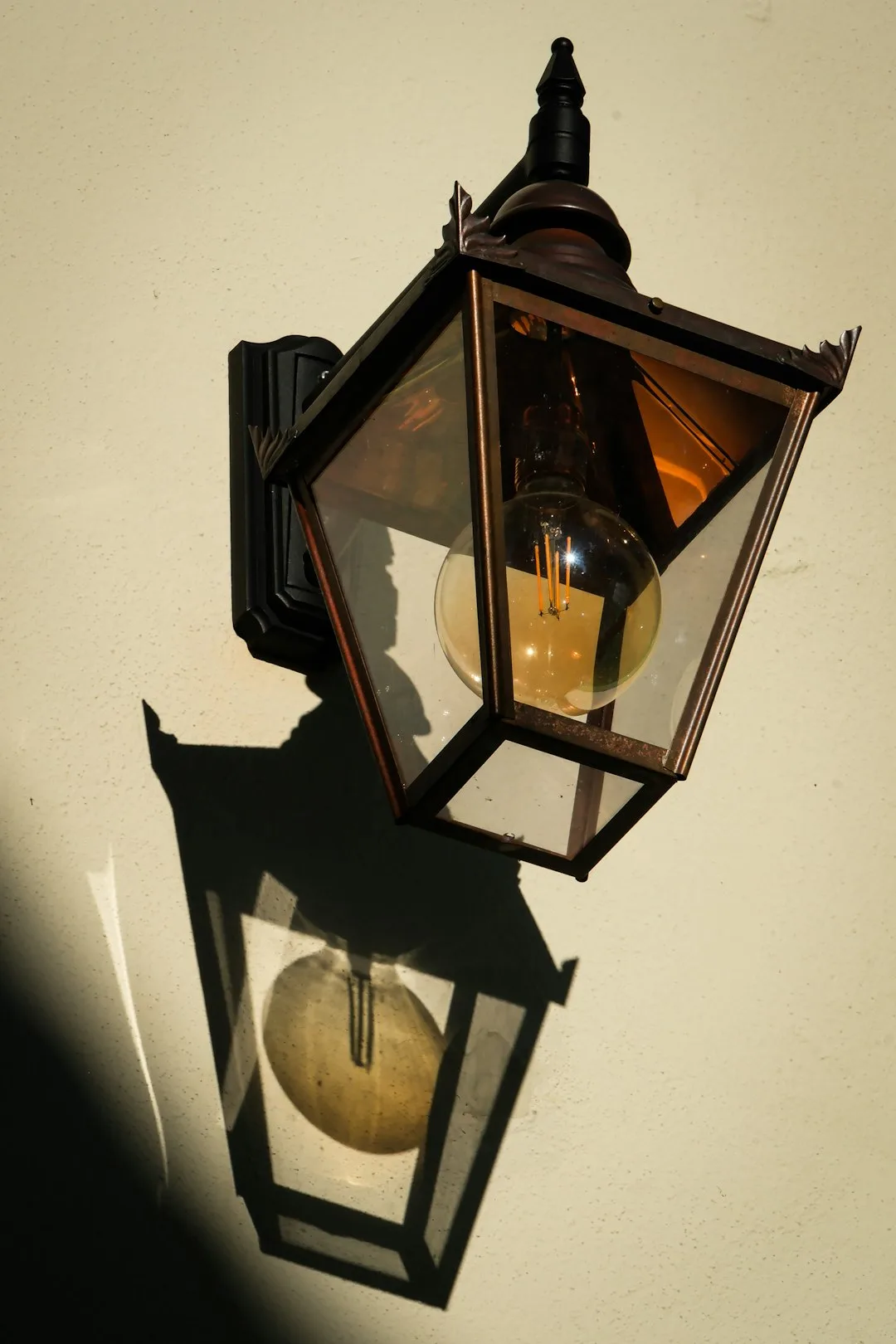
Try repurposing old chandeliers, lanterns, or string lights by swapping traditional bulbs for solar ones. Hang them from tree branches, pergolas, or fence posts to create a warm, inviting glow once the sun goes down.

An old-fashioned lantern casts a shadow on wall.

2. Add Glow Games for Evening Fun

If you love outdoor games, don’t limit them to daylight hours. Glow bracelets, necklaces, and LED accessories can turn classic lawn games into nighttime entertainment.

Ring toss, bocce, or casual backyard games become even more memorable when played after dark — especially for families with kids.

LED strings

3. Decorate Fences with Hanging Vases or Bottles

Plain fences can feel like wasted space. Hanging small vases, jars, or repurposed glass bottles filled with flowers or greenery adds charm and personality instantly.

Attach them with twine, wire, or simple hooks to soften the space and create visual interest without major effort.

purple flowers in clear glass vase

4. Refresh Old Seating with Spray Paint

Metal folding chairs are practical but often overlooked. A fresh coat of spray paint in bright or neutral tones can completely transform them into stylish seating for guests.

This is a quick DIY project that makes a big impact — and guests will never guess the chairs were once garage leftovers.
variety of paint spray bottles

5. Consider a Splash Pad Instead of a Pool
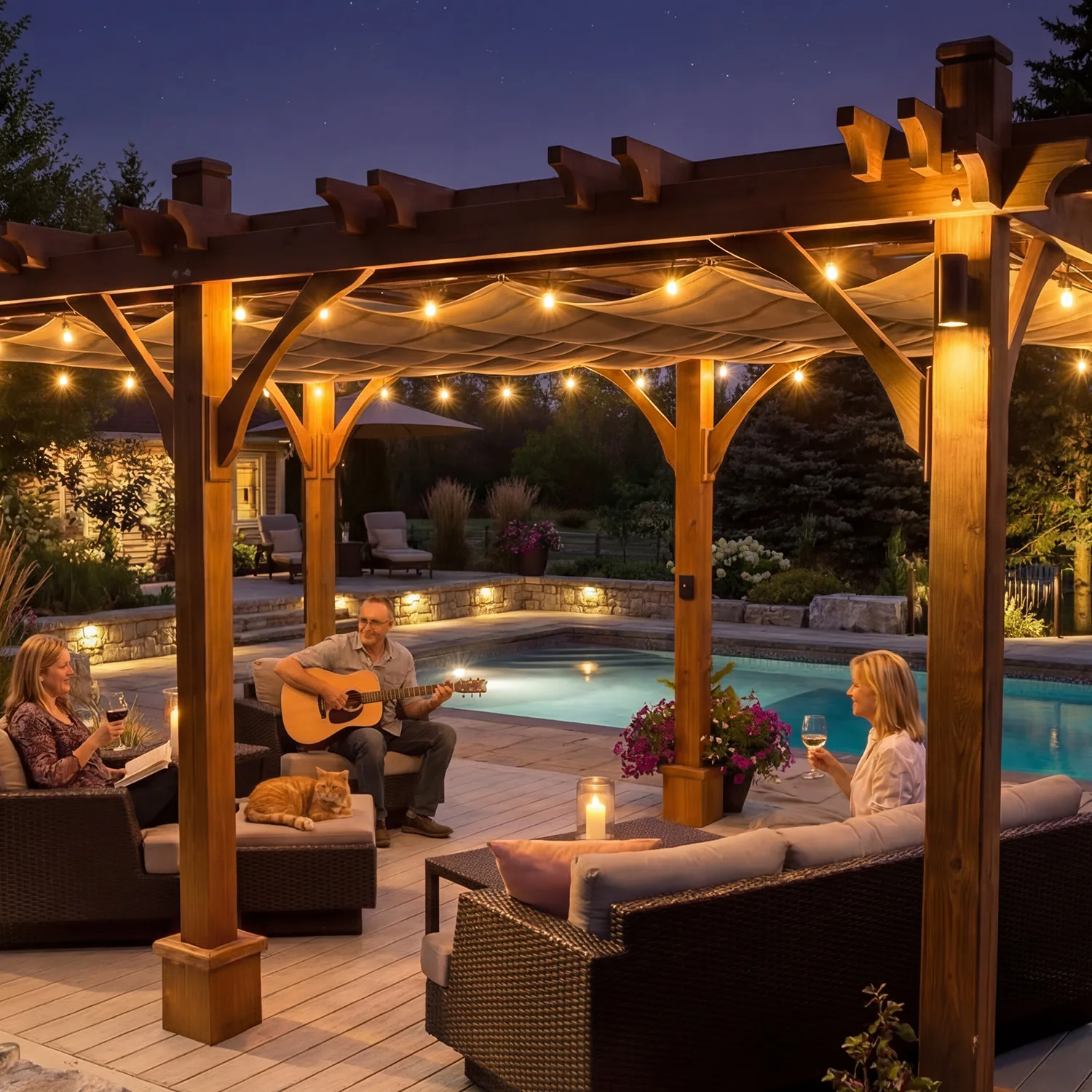
Want a fun water feature without the cost and maintenance of a pool? A splash pad is a budget-friendly alternative that offers hours of entertainment for kids and adults alike.

Splash pads are safer, easier to install, and significantly more affordable than traditional pools, making them ideal for summer gatherings.

a view of a body of water with trees in the background

6. Make DIY Mosquito-Repellent Tiki Torches

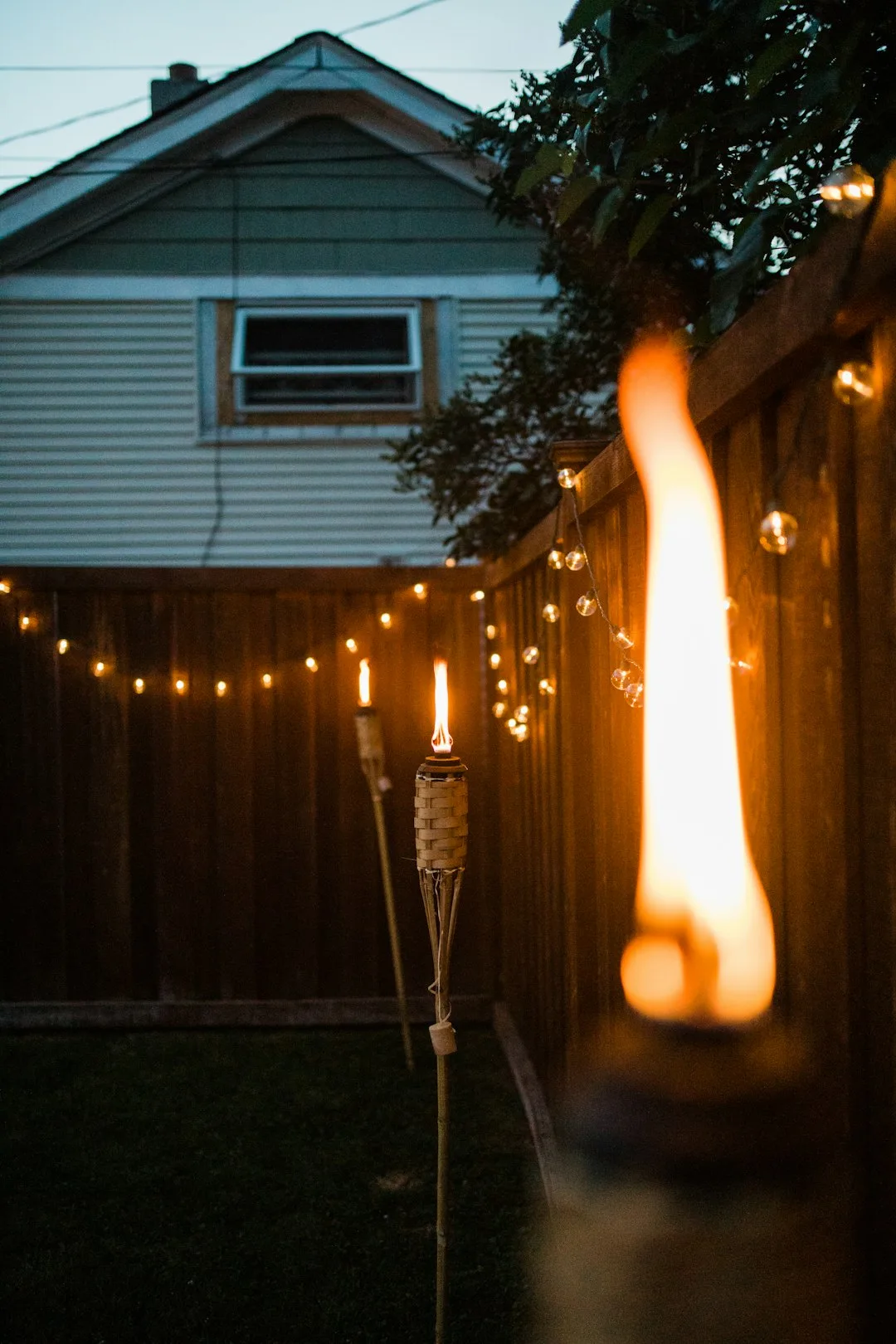
Outdoor entertaining is better without bugs. DIY tiki torches made from recycled wine bottles, citronella oil, and thick wicks provide both lighting and mosquito protection.

They’re inexpensive, easy to make, and add a warm, festive glow to evening events.

lighted candles on street during night time

7. Use Glow-in-the-Dark Accents for Subtle Lighting

Glow-in-the-dark paint can be used creatively on planters, stones, or garden edges to add soft lighting without electricity.

These subtle accents improve visibility while enhancing the atmosphere, especially for evening gatherings.

a red and pink smoke swirl on a black background

8. Create the Illusion of Space with Mirrors

If your backyard feels small, mirrors can help. Hanging mirrors along fences reflects light and greenery, making the space feel larger and more open.

Old window frames can be repurposed to give mirrors a decorative, intentional appearance.

round mirror with brown wooden frame

Entertaining outdoors doesn’t require expensive renovations or large investments. With thoughtful, budget-friendly ideas and a bit of creativity, you can transform your backyard into a space that feels welcoming, fun, and uniquely yours.

By focusing on lighting, seating, simple décor, and DIY upgrades, you can host memorable gatherings without overspending — proving that great outdoor spaces are built with intention, not just budget.

Read More

Creative food, tableware, and décor ideas to host a relaxed outdoor gathering.

Looking for garden party ideas that feel thoughtful but not over-the-top? When the days are warm and the evenings stretch longer, outdoor gatherings become the easiest way to bring people together. Whether your style leans elegant, casual, or slightly whimsical, a great garden party doesn’t require a big budget or weeks of planning.

With a few smart choices and DIY touches, you can create an inviting atmosphere that feels intentional, welcoming, and fun — without spending the whole day setting up.

IMG 0580 1 scaled

Food & Drink Ideas That Keep Things Simple

Create a Self-Serve Beverage Station

Skip running back and forth from the kitchen and let guests help themselves. A simple drink station with dispensers, ice buckets, and clearly labeled options keeps things relaxed for everyone.

Host Tip: If alcohol is served, assign a friend to keep an eye on refills or clearly label non-alcoholic options.

Watermelon Drink Dispenser

A watermelon keg is always a crowd-pleaser. Hollow out a watermelon, add a refreshing drink, and insert a spigot for a playful, summer-ready beverage station.

Why it works:
It’s visual, seasonal, and doubles as décor.

Big-Batch Crowd Favorites

Stick to dishes that are easy to make ahead and appeal to most guests.

  • Potato Salad: A classic that feeds a crowd and frees up prep time.

  • Pizza Dip: Warm, shareable, and perfect with bread or crackers.

  • Iced Tea or Lemonade: Refreshing staples that pair well with any menu.


Tableware That Sets the Mood

Gold-Foil Tumblers

An easy DIY that instantly elevates any gathering. Gold-dipped or foil-accented glasses add a polished touch without the price tag.

DIY Mason Jar Vases

Fill simple jars with fresh garden flowers for centerpieces that feel relaxed and organic.

Styling Tip: Tie twine or ribbon around the jars for added texture.

Chalkboard Table Runner

A chalkboard runner lets you label dishes, write welcome messages, or note allergens — practical and playful.

Confetti Tablecloth

Protect your table while adding color. A plain cloth with painted dots creates a festive look without commitment.

DIY Cutlery Pouches

Use kraft bags or fabric scraps to create simple cutlery holders. They’re functional, charming, and easy to customize.


Simple Decorations That Transform the Space

Candle Lanterns

Soft lighting instantly warms up your garden. DIY lanterns made from dyed jars or glass containers add glow without harsh brightness.

Bunting & Fabric Accents

String bunting between trees, fences, or pergola posts to frame the space and add a celebratory feel.

Natural Touches

Let the garden do the heavy lifting. Greenery, potted plants, and flowers naturally soften the space and make everything feel intentional.

Read More

Do you often host outdoor dinner parties? Tired of pesky mosquitoes always ruining the fun? Well, you can stop stressing over the problem.

There are many ways to keep mosquitoes out of your yard and these methods do not involve buying chemical-filled pesticides or insecticides that do more harm than good in the long run. With a few safe and natural tips, you can make sure that you get rid of these unwanted intruders and enjoy your time outdoors.

Tips to Repel Mosquitoes from Your Yard

Here are some of the best tips to help you keep pesky mosquitoes away from your outdoor space:

Eliminate Stagnant Water: First of all, make sure that there is no standing water anywhere in your yard – check plates under flower pots, toys left outdoors or garbage in an open can. Kiddy pools, ponds, and yards that are not drained properly also attract mosquitoes. No one wants to lose sleep because of mosquitoes buzzing around your ears, that is not fun nor pleasant!

These pests lay their eggs in fresh standing water, so any stagnant sources of water provide them with an opportunity. Getting rid of any stagnant water is the first basic step to ensure that you do not have a mosquito problem in your outdoor space.

Plant Mosquito Repellants: Did you know that there are certain plants that can repel mosquitoes? You should plant them around your yard to naturally keep these pesky bugs away from your yard. Lemon balm, citronella, marigold, lavender, geranium, rosemary, pennyroyal, and many others are excellent choices to plant if you want mosquito-repellant flowers and plants for your garden or yard.

The bonus is that they are all really pretty so you can make your outdoor space visually pleasing while keeping mosquitoes away.

Trim Vegetation: Plant nectar provide a feast for mosquitoes when they are not buzzing around, looking for blood. They spend a great deal of time around bushes and shrubs and in tall grasses. If you have vegetation around your house, it gives these insects a damp and cool place to hang out, especially on these plants’ leafy tissue on the bottom. You can reduce the population of mosquitoes in your yard by trimming the vegetation around your home and making sure that your lawn is always well mowed.

Get Rid of Debris: You should take a look around your yard for areas where debris like piles of leaves and grass clippings collect. Get rid of twigs, branches, and leaves that have piled up against your fence or the corner of your yard. It is important that you do this as they can provide a point source or a place for mosquitoes to breed. Keeping your yard clean and debris-free is one of the most effective ways to prevent mosquitoes from making your outdoor space their home.

If they are outside your home they will eventually come inside. They are easy to kill at times but they are still pests and when they are bothering you when you cook, are lying on the sofa, or trying to fall asleep, this all detracts from your quality of life.

Install Bug Lights: Bug lights are a sensational option for keeping mosquitoes away. These yellow, opaque bulbs work wonders in keeping these insects away. They are effective because insects and humans perceive lights in different wavelengths – insects see shorter wavelengths from ultraviolet and blue while humans see longer wavelengths that go from blue to red. This is why insects are attracted to black lights and conventional light sources.

A bulb coated with a yellow, opaque finish is invisible to bugs. Since they cannot see the light, they are unable to swarm there. The only problem you have is that everything that you have in your yard now has a yellow tint.

Tent Your Patio: If your patio is where everyone likes to relax and congregate, tenting it up may help in keeping mosquitoes from biting you and your guests. This way, you do not have to worry about having to spray repellent over food to keep mosquitoes and other bugs away when you are entertaining. You will find a wide array of canopy tents that come with mosquito net accessories – these are available in different styles, colors and fabrics, so you will find one that complements your home perfectly. You can even go for nets that can be attached to outdoor umbrellas.

Hire a Professional: If you can, you should hire a professional exterminator to check hidden areas like gutters, etc. where water can collect and become a prime breeding spot for mosquitoes. Professionals are terrific as they know secret spots where mosquitoes can breed or hide. They also provide treatments to eliminate these bugs, and prevent them from multiplying in your yard. If you want a non-toxic treatment, they will be able to provide it for you so you do have chemicals on your property that can harm you and your family.

As you can see, making your outdoor space mosquito-free is quite easy. You do not need to buy expensive equipment or get dangerous chemical treatments. You can relax or play in your yard and entertain guests any time without having to worry about everyone slapping mosquitoes and getting bitten. You can comfortably enjoy your outdoor space any time you want to.

Read More

Although you may have your own thoughts and preferences about what vegetables would be best to grow in your garden, our backyard garden ideas will help you get the best return for your effort.

You need to make sure that you have enough space in your backyard garden. If space is limited for a vegetable garden in your backyard, you should reconsider which crops are best and easy to grow. You should also know which seeds are expensive to buy. Here is a look at some of the best vegetables to plant in your backyard.

Peas: When spring comes, one of the first crops you should plant is peas. Also, it is one of the first you can harvest with a short season of about 60 days. For this crop, you need well-drained soil and large planters and raised garden beds as they do well in these. You should also have a medium-height trellis of about 3 to 4’ for the peas to climb.

You can sow them directly into the ground from seeds and make sure that you sow them thickly. But you can also sprout peas indoors, which helps in ensuring success when conditions are damp. You can extend the harvest by staggering the planting time every 2 weeks. Peas are a poignant choice as they benefit your soil’s health by fixing nitrogen.

Peas are also delicious with rice. Peas are healthy and scrumptious. There are not too many meals better than a meal with rice, peas and some beef, that is a fantastic and healthy meal.

Broccoli: A member of the Brassica family, broccoli is a highly valued vegetable due to its nutritional value as well as long productivity period. It is also quite expensive to buy. Over winter, broccoli can provide new shoots with smaller-sized clusters of the veggie which is marvelous to have during the cold season. You should sow broccoli into the ground directly from the seed, or you could also sow them in small starter pots, depending on the space you have.

Experts recommend starter pots as they make it easier to protect the seedlings from slugs and birds and you can move them indoors in harsh weather conditions until they become strong enough to be transplanted in the outdoors. You should put brassica crops on different beds every year, meaning you should rotate them each year.

With mayonnaise, broccoli is spectacular.

Lettuce: When it comes to lettuce, there are a number of varieties available. You can plant large, head-forming lettuces like butterhead and iceberg single file in rows, which is marvelous and makes mulching easy. On the other hand, you can plant smaller leafy varieties thickly in 24” wide swaths for a great self-mulching effect. You can also intersperse small lettuce transplants throughout the garden wherever you have space.

‘Bolting’ is a common problem when it comes to lettuce and it takes place when the plant goes to seed and the leaves cease to grow. Bolting occurs when temperatures are consistently too high. If you want to stop bolting from happening in your garden, make sure that you plant your lettuce in a shaded area or plant them next to other crops that can provide shade, such as tomatoes.

Your salads will be scrumptious with your own lettuce. On top of this, your burgers and ham sandwiches and so on will be outstanding with your own lettuce as well.

Tomatoes: Everyone loves tomatoes and there are quite a few varieties that you can choose from such as paste, table, and cherry tomatoes. You will need to provide tall stakes which you should set when you transplant the plant. You can also use small wire cages.

No matter which one you use, you will need to tie the plants gently to the stakes as they slowly grow. If you want your tomatoes to do well, you should keep their leaves dry. You can construct a simple shelter to cover the plants with clear plastic sheeting – you can leave the sides open. You can keep rain from wetting the lower leaves with a layer of mulch. This will also help the upper soil retain moisture.

That turkey sandwich never tasted so good with your own tomatoes making every bite that much more fresh and tantalizing.

Peppers: Peppers are easy to grow and commonly planted early in small pots. You can then transplant them when the weather becomes warm enough outside. If you see any small peppers forming on transplants, make sure that you pick them off or it will stunt the plant growth.

You should also pick the green peppers when they reach size – this will help in stimulating new fruiting and increasing each plant’s yield. Leave a plant or two unpicked if you want the peppers to become sweet and turn yellow or red in color – however, keep in mind that fewer peppers will be produced in such plants.

You can do so much with the pepper it is just incredible. The only limit really is your imagination.

If you want to grow vegetables that give you a hefty yield as a reward for your efforts, the five mentioned above are some of the best choices. Spring is just around the corner and it is time to start thinking about what will go into your backyard veggie garden.

There is nothing like knowing that you are eating the freshest produce that you have planted and grown yourself. With these plants, you can have a fantastic harvest and have the healthiest foods in your kitchen every day. Check out more vegetables that you can grow in your backyard and start planting ASAP!

Read More
Hot tubs have become increasingly popular — with good reason. They can be used year-round, thus giving you a better return on your investment. A spa shelter is a great way to get even more use and pleasure out of your hot tub. Hot tubs promotes relaxation, offers all of the benefits of hydrotherapy and, with its therapeutic qualities, it can be a boon to people with back pain and sore muscles. In fact, the word “spa” is an acronym for the Latin “salus per aquam”, which literally means “health from water.” Ancient cultures – including the Egyptians, Greeks, and Romans – used spas for therapy and relaxation. Need inspiration? Just contact us or have a look at the many pictures sent to us. Create your own backyard paradise at Outdoor Living Today. the-rejuvenator
Read More