
August 30, 2023
Learn why finger-jointed cedar is becoming a preferred choice for outdoor structures, siding, and custom builds.
Western Red Cedar has long been admired for its natural beauty, longevity, and remarkable resistance to decay. As woodworking and material efficiency evolve, builders and homeowners are turning to new ways to get the most out of this premium species without compromising performance or aesthetics.
One such innovation is finger-jointed Western Red Cedar — a technique that allows shorter cedar pieces to be joined into longer, stronger, and more dimensionally stable boards. The result is a material that maintains the warm character of real cedar while offering improved consistency and reduced waste.
In this blog, we break down how finger-jointing works, what makes it unique, and why it’s becoming a preferred choice for outdoor applications.
What Is Finger-Jointed Western Red Cedar?
Finger-jointing is a woodworking process where short lengths of high-quality cedar are precision-cut with interlocking “fingers” and bonded together to create long, stable boards.
This technique:
- maximizes usable cedar material
- enhances dimensional stability
- reduces warping, twisting, and splitting
- supports sustainable wood utilization
The result is a product that looks seamless once finished and performs exceptionally well in both interior and exterior settings.
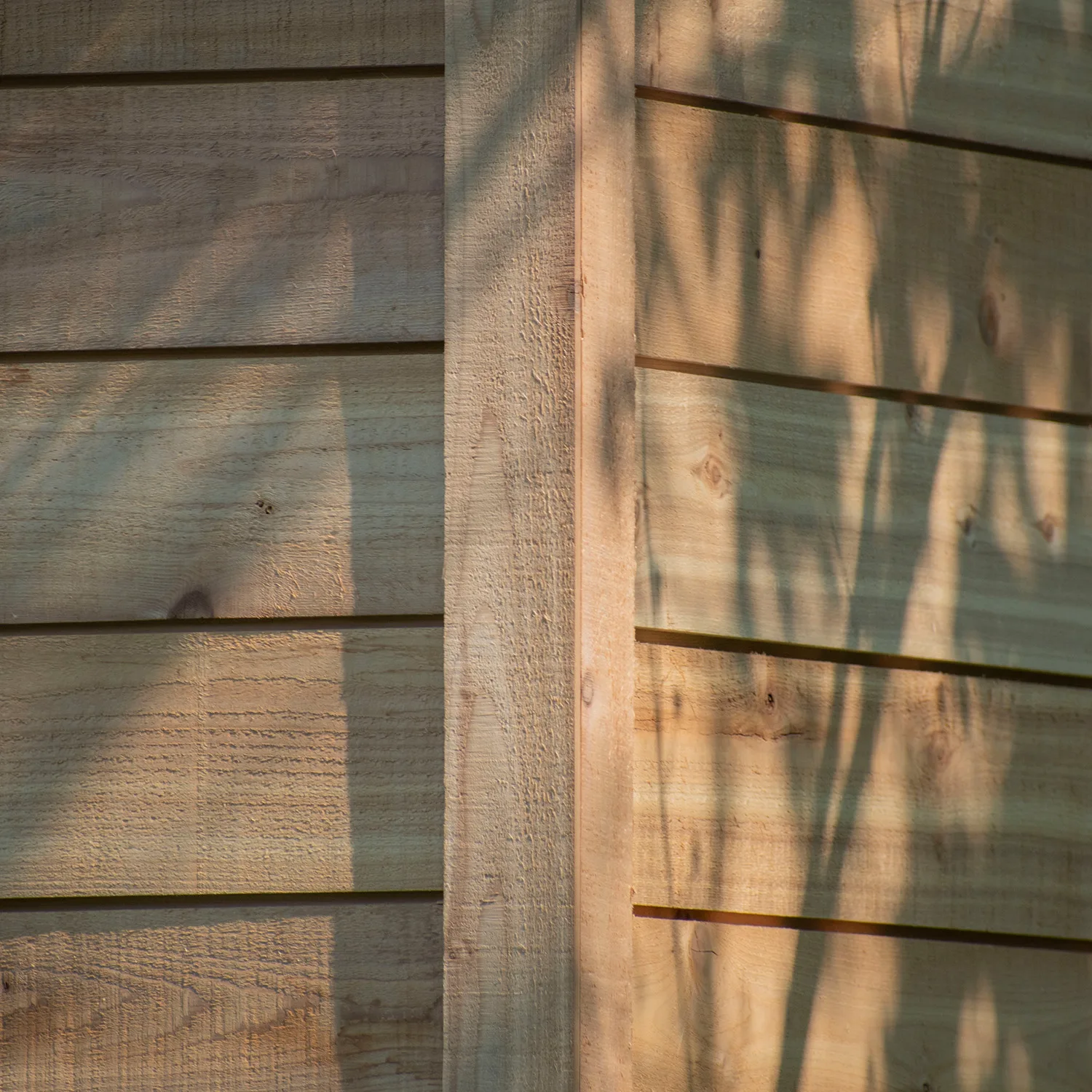
Why Finger-Jointed Cedar Matters
Western Red Cedar’s natural attributes — its resistance to rot, insects, and moisture — are preserved even when finger-jointed. By optimizing shorter cedar offcuts, manufacturers can deliver stronger, more uniform material while reducing waste.
This makes finger-jointed cedar an environmentally mindful choice that aligns with today’s sustainable building practices.
The Benefits of Finger-Jointed Western Red Cedar
1. Strength and Stability
Finger-jointing significantly reduces the chances of bowing, twisting, or cracking. The interlocking “fingers” help distribute stress evenly, creating boards with excellent structural reliability — ideal for projects requiring longevity.
2. Cost Efficiency
Because the process uses shorter cedar sections, material waste is minimized. This can make finger-jointed cedar more cost-effective, especially for painted applications or large-scale builds.
3. Consistent Dimensions
Each board is crafted to precise, uniform dimensions. This leads to:
- easier installation
- fewer material variations
- a polished, professional finish
Contractors and DIY builders often appreciate the predictability these boards provide.
4. Natural Resistance to Decay
Western Red Cedar’s inherent durability remains intact in finger-jointed form. It still resists moisture, insects, and decay, making it highly suitable for outdoor structures, siding, and trim.
5. Aesthetic Appeal
Its signature reddish-brown tone offers warmth and sophistication. Over time, it gracefully ages into a silver-gray patina, delivering timeless visual appeal in both traditional and modern designs.
6. Versatility for Many Project Types
Finger-jointed Western Red Cedar is used across:
- siding and paneling
- trim and fascia
- outdoor structures
- interior decorative accents
Its adaptability allows it to complement various architectural styles: rustic, modern, contemporary, and everything in between.
Explore Cedar Options for Your Next Project
Discover high-quality, sustainably harvested Western Red Cedar products built for beauty, longevity, and performance.