
March 22, 2016
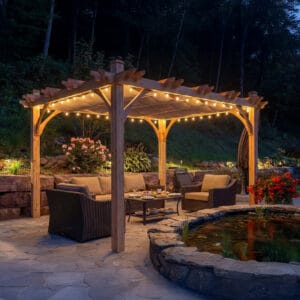
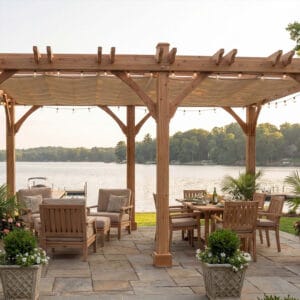
A pergola is a timeless way to add shade, structure, and character to your outdoor space. Whether it’s framing a dining area, defining a garden path, or creating a cozy retreat, a well-built pergola enhances how you use your yard while adding long-term value.
Before You Build: Planning and Preparation
Before breaking ground, take time to plan your pergola properly. Good planning prevents costly mistakes and ensures your structure is safe, square, and compliant with local requirements.
Check Local Codes and Permits
Depending on your municipality, pergolas may require a permit—especially if they’re attached to your home or exceed a certain height.
Helpful resources:
- International Code Council (general building guidance): https://www.iccsafe.org/
- Your local city or municipal building department website
Choose the Right Size
Common pergola sizes include:
- 10×10 or 10×12 – small seating areas
- 12×12 – outdoor dining
- 12×16 – entertaining or outdoor kitchens
Choose a size that allows room to move comfortably around furniture.
Choosing the Right Materials
Wood Selection
Outdoor structures are constantly exposed to moisture, UV rays, and temperature changes. Choosing the right wood makes a major difference.
- Western Red Cedar – naturally durable, stable, lightweight, and resistant to decay and insects
- Pressure-treated lumber – budget-friendly and durable, but heavier and requires corrosion-resistant fasteners
Learn more about cedar performance:
- Real Cedar (Western Red Cedar): https://www.realcedar.com/
Hardware and Fasteners
All outdoor fasteners should be hot-dip galvanized or stainless steel to prevent corrosion.
Trusted hardware resource:
- Simpson Strong-Tie outdoor connectors and post bases: https://www.strongtie.com/
Instructions
Step 1: Lay Out and Square the Pergola
Mark each post location using stakes or spray paint. Use string lines to connect corners and measure diagonally from corner to corner. When both diagonals match, your layout is square.
Why this matters: a pergola that starts out of square will stay out of square all the way to the roof.
Step 2: Install Footings and Post Bases
Pergola posts should never sit directly on soil.
- Dig footings to the depth required for your climate (below frost line where applicable).
- Pour concrete or install approved concrete deck blocks.
- Use post bases to keep wood elevated and dry.
Post base reference:
Simpson Strong-Tie post base solutions: https://www.strongtie.com/
Step 3: Set and Brace the Posts
Place posts into their bases and use a level to ensure they are plumb on all sides. Temporarily brace posts with angled boards to hold them steady while you work.
Tip: Do not cut posts to final height yet—wait until beams are installed so everything aligns perfectly.
Step 4: Install Beams
Beams run horizontally between posts and support the rafters.
- Beams are often doubled for strength.
- Secure beams using rated hardware or structural bolts.
- Check for level across the entire span before tightening fasteners.
Decorative beam ends can be cut at this stage if desired.
Step 5: Add Rafters
Rafters run perpendicular to beams and form the top structure.
- Typical spacing ranges from 12 to 24 inches on center.
- Keep rafter overhangs consistent for a clean finish.
- Use exterior-rated fasteners or rafter hangers.
Closer rafter spacing provides more shade and a heavier visual presence.
Step 6: Install Purlins or Shade Slats
Purlins are optional but add shade and visual interest.
- Run perpendicular to rafters.
- Space evenly for consistent shadow patterns.
- Pre-drill when working with cedar to reduce splitting.
Optional upgrades include retractable canopies, privacy panels, or lighting.
Step 7: Add Bracing for Strength
To prevent sway and movement:
- Install diagonal knee braces at corners.
- Secure all connections with exterior-rated hardware.
This step is especially important in windy or coastal regions.
Step 8: Apply a Finish or Protective Treatment
Even naturally durable woods benefit from a protective finish.
Finish Options
Semi-transparent stain
- Transparent stain
- Solid stain or paint
Allow wood to dry before finishing and reapply as needed over time.
Finishing and cedar care resources:
- Western Red Cedar Lumber Association (WRCLA): https://wrcla.org/