No products in the cart.

$0.00
Cart
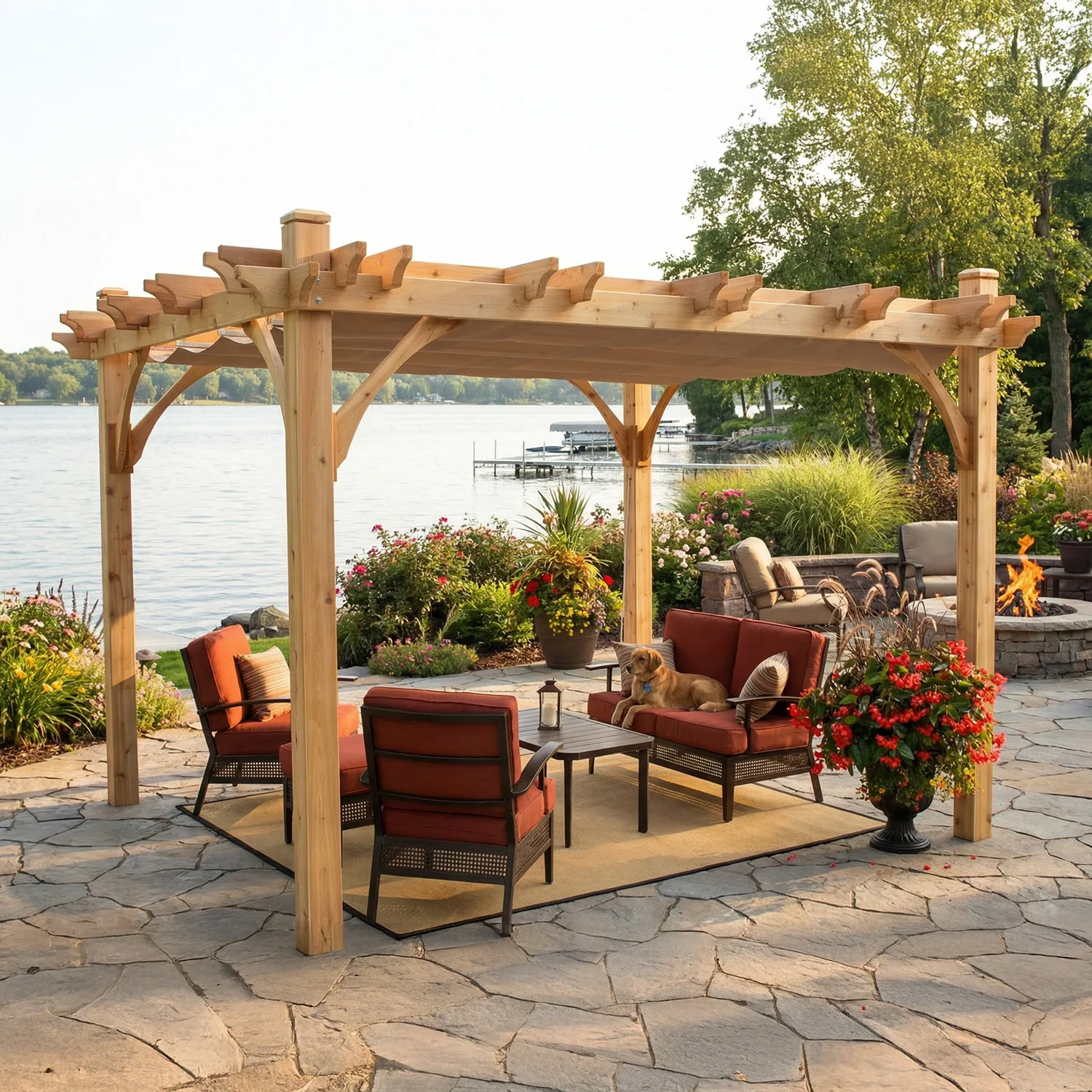
Western Red Cedar: Naturally Durable, Beautiful, and Built to Last
Western Red Cedar
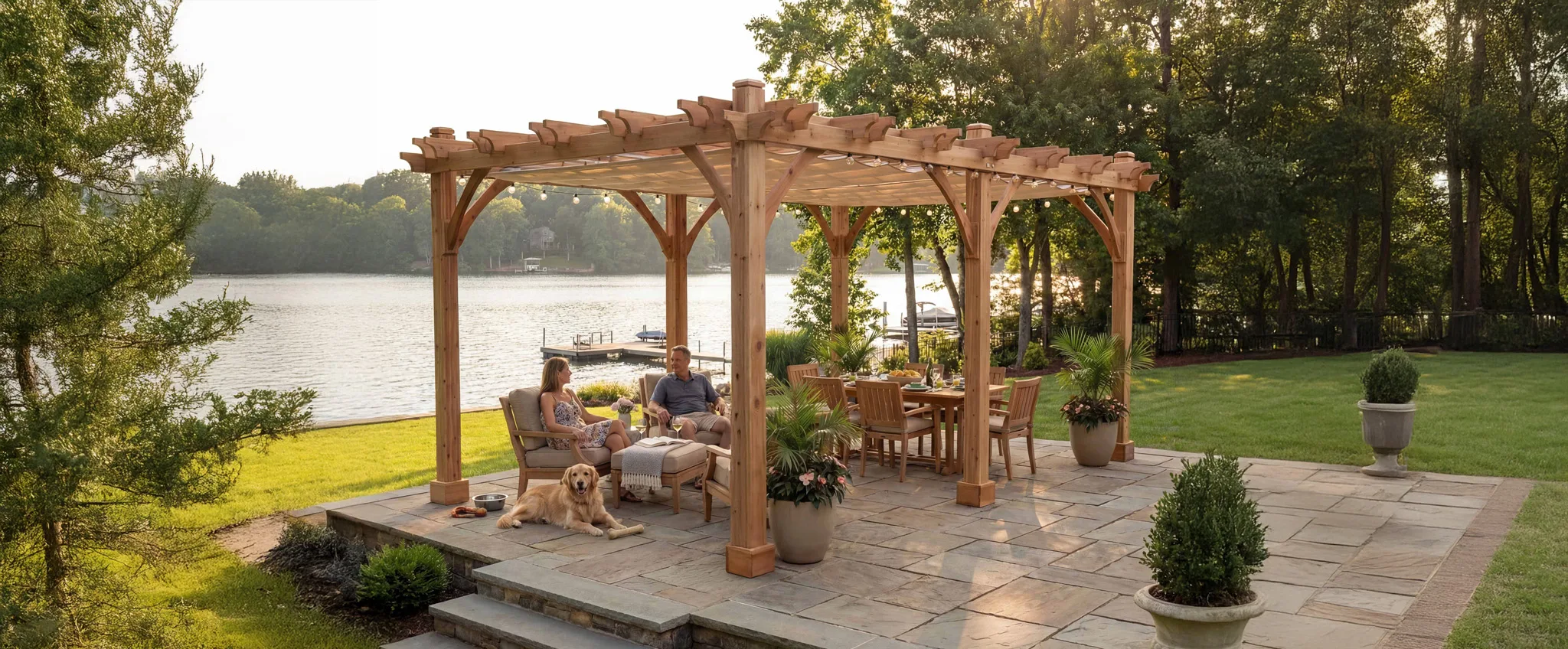
Western Red Cedar (Thuja plicata) is one of the most trusted and time-tested building materials for outdoor living. Valued for its natural resistance to decay, moisture, and insects, it delivers unmatched durability without chemical treatments—while offering rich color, texture, and timeless appeal.
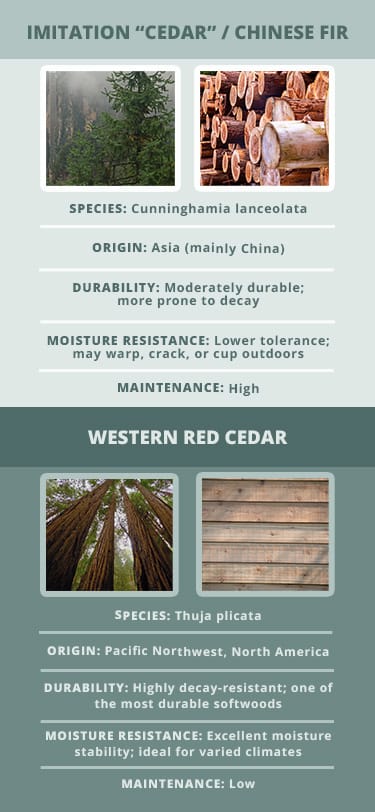
Curious how Western Red Cedar compares to imitation materials?
We break down the real differences between natural cedar and look-alike products—covering durability, maintenance, longevity, and long-term value.
 Read the Cedar vs. Imitation Materials Comparison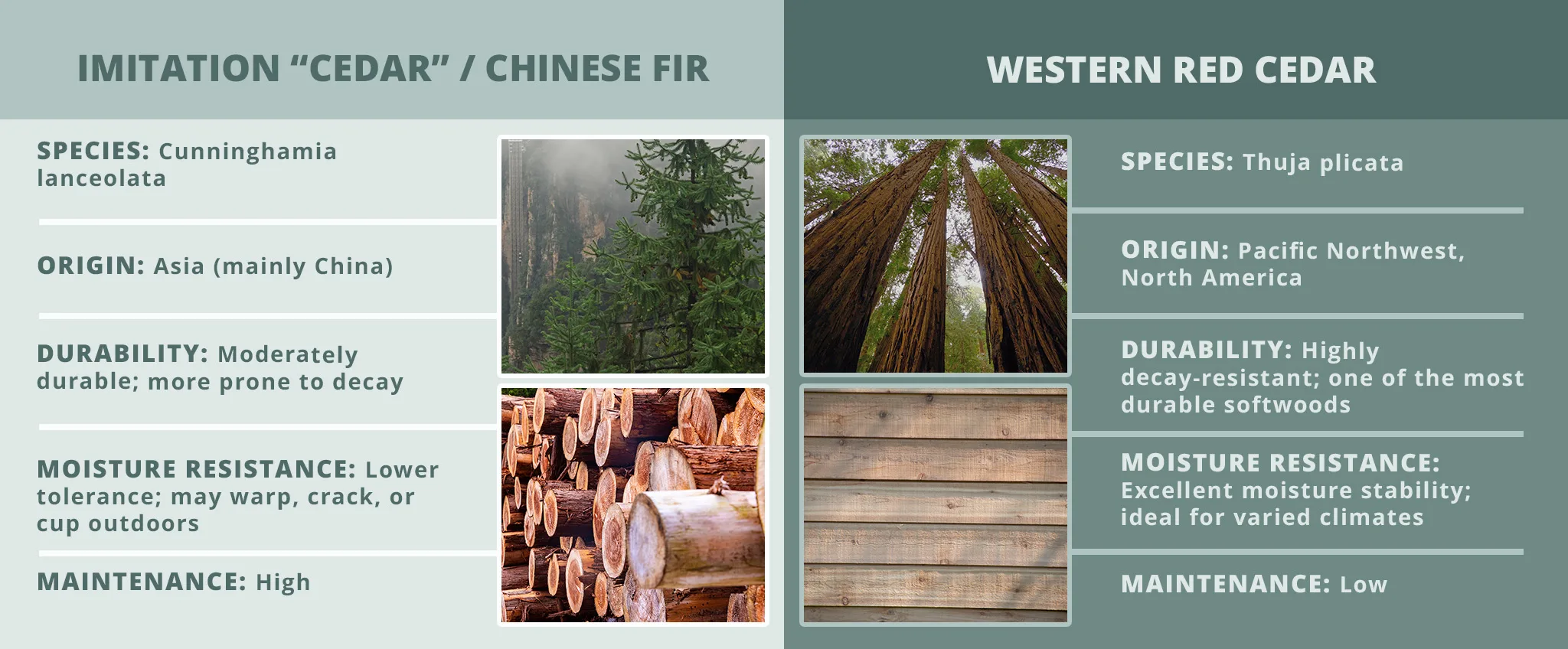
The Western Red Cedar Advantage
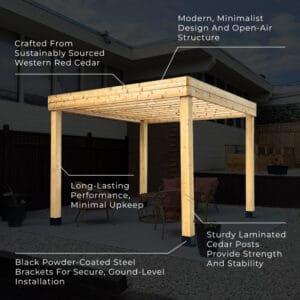
Western Red Cedar stands apart as a premium softwood with exceptional performance in outdoor environments. Its unique cellular structure and natural oils provide built-in protection against the elements, making it ideal for sheds, pergolas, greenhouses, and garden structures.
Unlike pressure-treated or composite materials, Western Red Cedar ages gracefully, maintaining both structural integrity and visual warmth over time.
A Durable Material with History & Meaning
For centuries, Western Red Cedar has held deep cultural significance for the Pacific Northwest Coast First Nations, who refer to it as the “Tree of Life.” It was traditionally used to build longhouses, canoes, tools, and ceremonial objects—valued for its strength, versatility, and longevity.
Today, that same material continues to be trusted for modern outdoor building projects, carrying forward generations of proven performance.
Sustainability & Environmental Impact
Western Red Cedar is a renewable resource harvested from responsibly managed forests. Its long lifespan reduces the need for replacement, lowering overall environmental impact compared to short-lived materials.
Because cedar does not require chemical treatment, it is safer for gardens, families, and surrounding ecosystems.
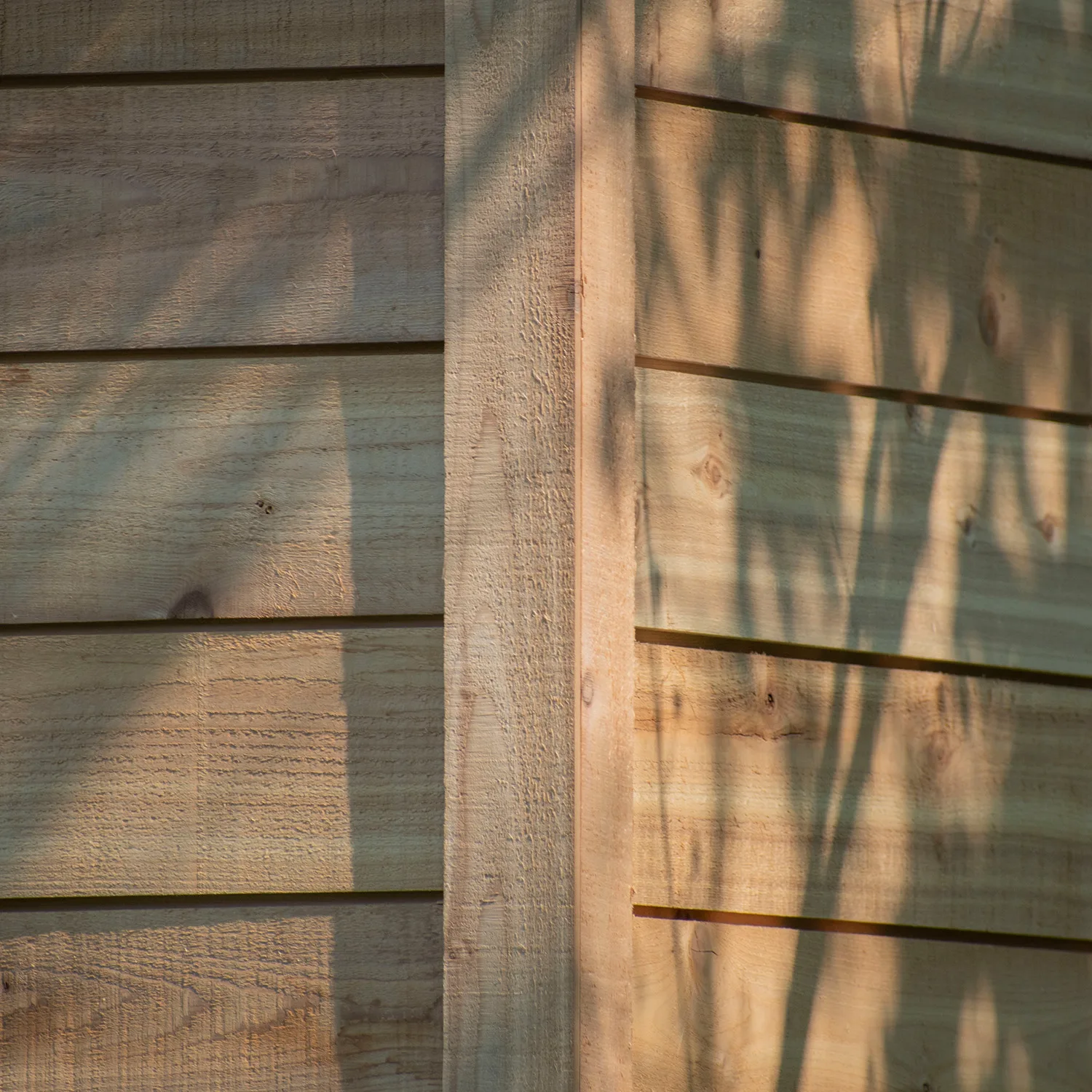
Why Builders & Homeowners Choose Western Red Cedar
Naturally Durable and Weather-Resistant
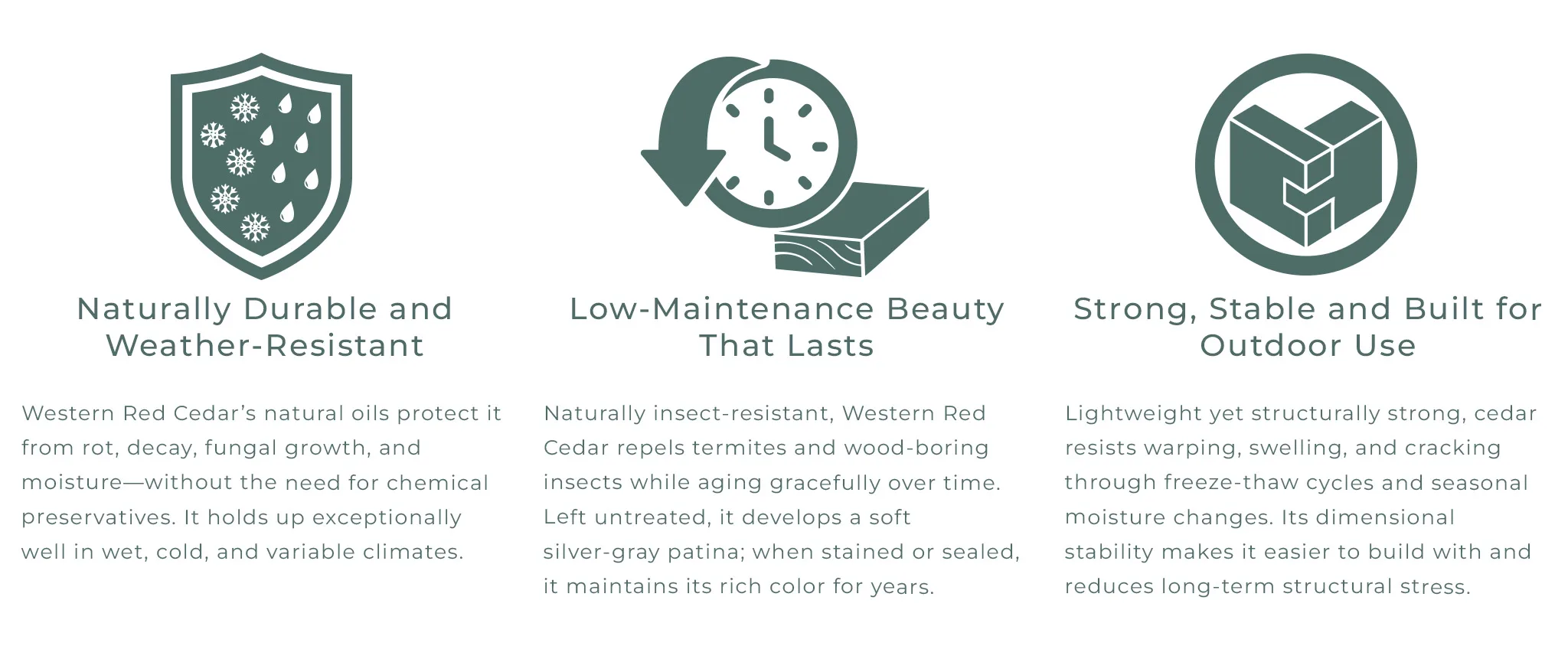
Western Red Cedar’s natural oils protect it from rot, decay, fungal growth, and moisture—without the need for chemical preservatives. It holds up exceptionally well in wet, cold, and variable climates.
Low-Maintenance Beauty That Lasts
Naturally insect-resistant, Western Red Cedar repels termites and wood-boring insects while aging gracefully over time. Left untreated, it develops a soft silver-gray patina; when stained or sealed, it maintains its rich color for years.
Strong, Stable and Built for Outdoor Use
Lightweight yet structurally strong, cedar resists warping, swelling, and cracking through freeze-thaw cycles and seasonal moisture changes. Its dimensional stability makes it easier to build with and reduces long-term structural stress.
Designed by Nature for Outdoor Living
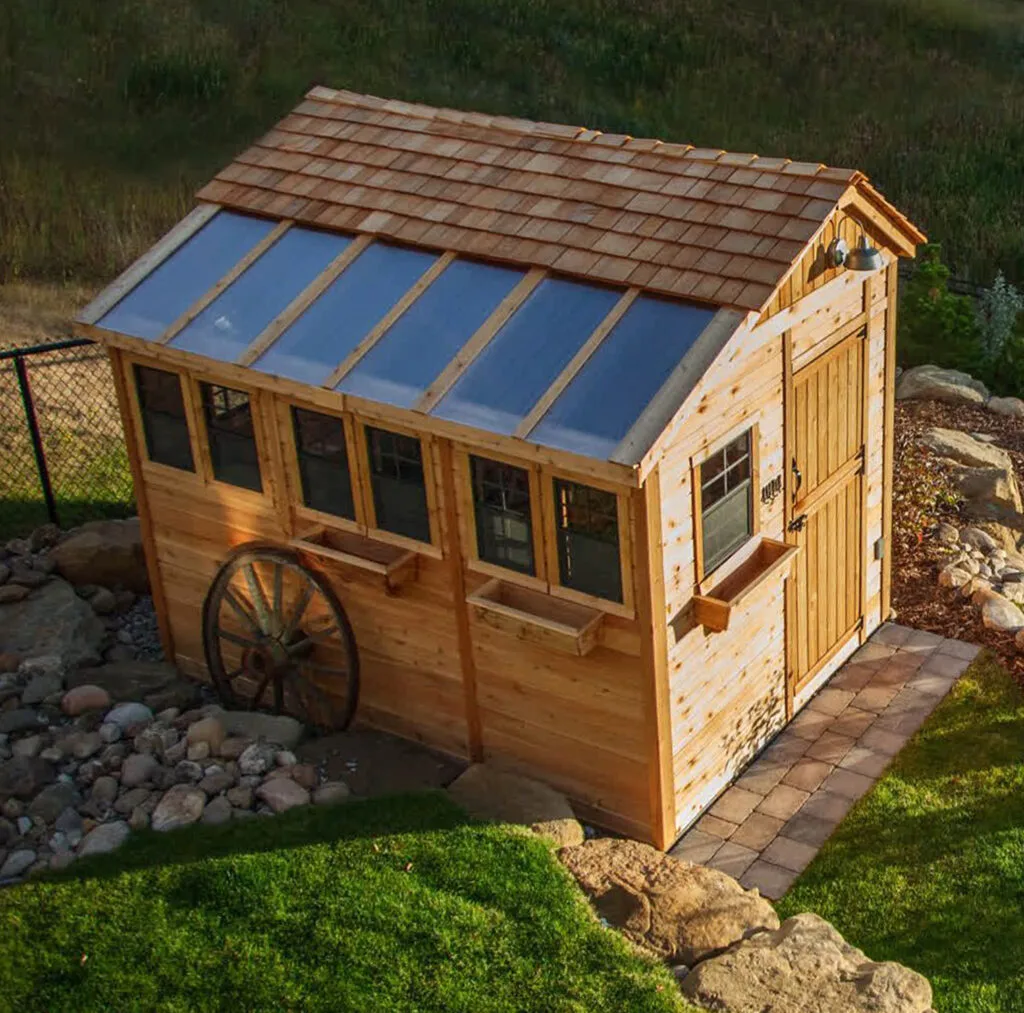
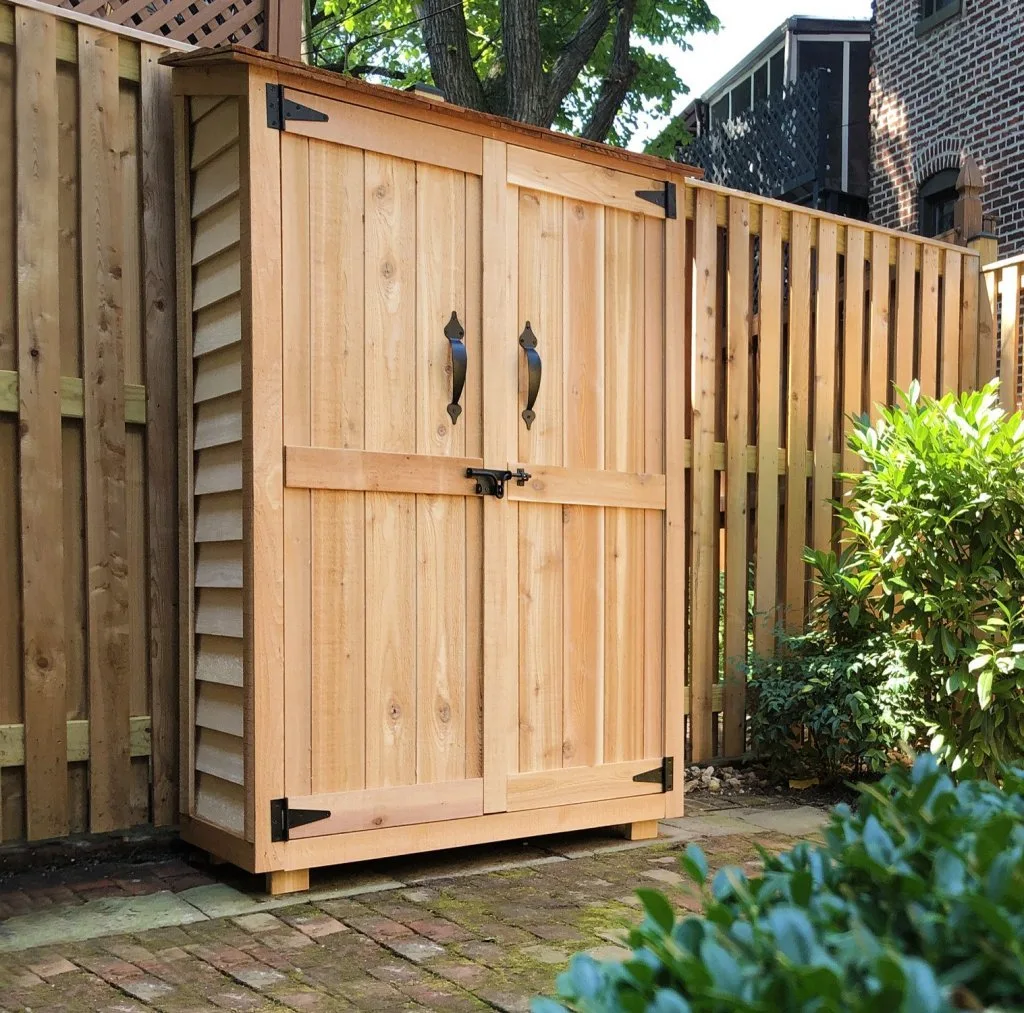
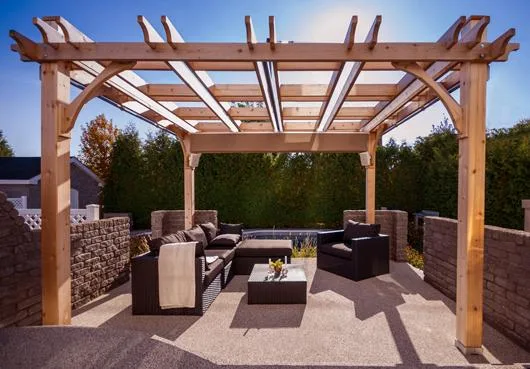
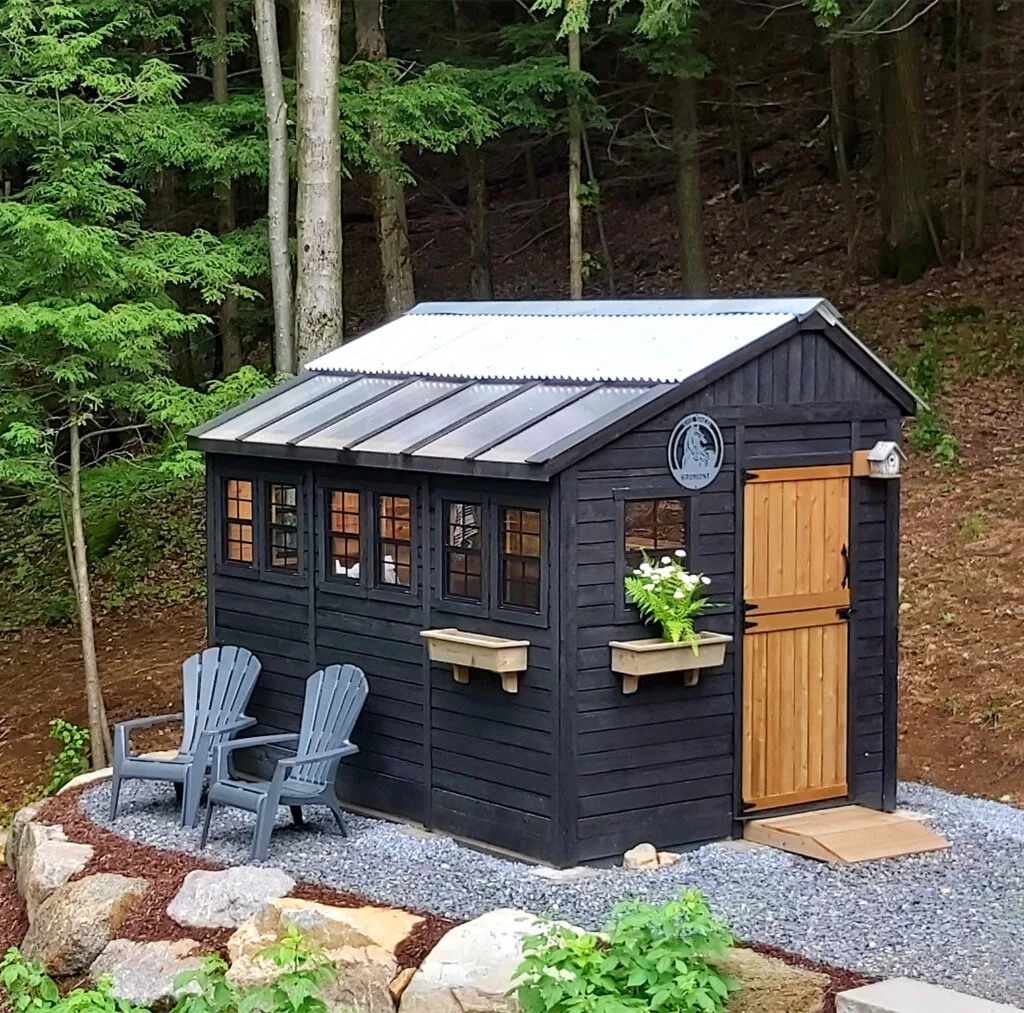
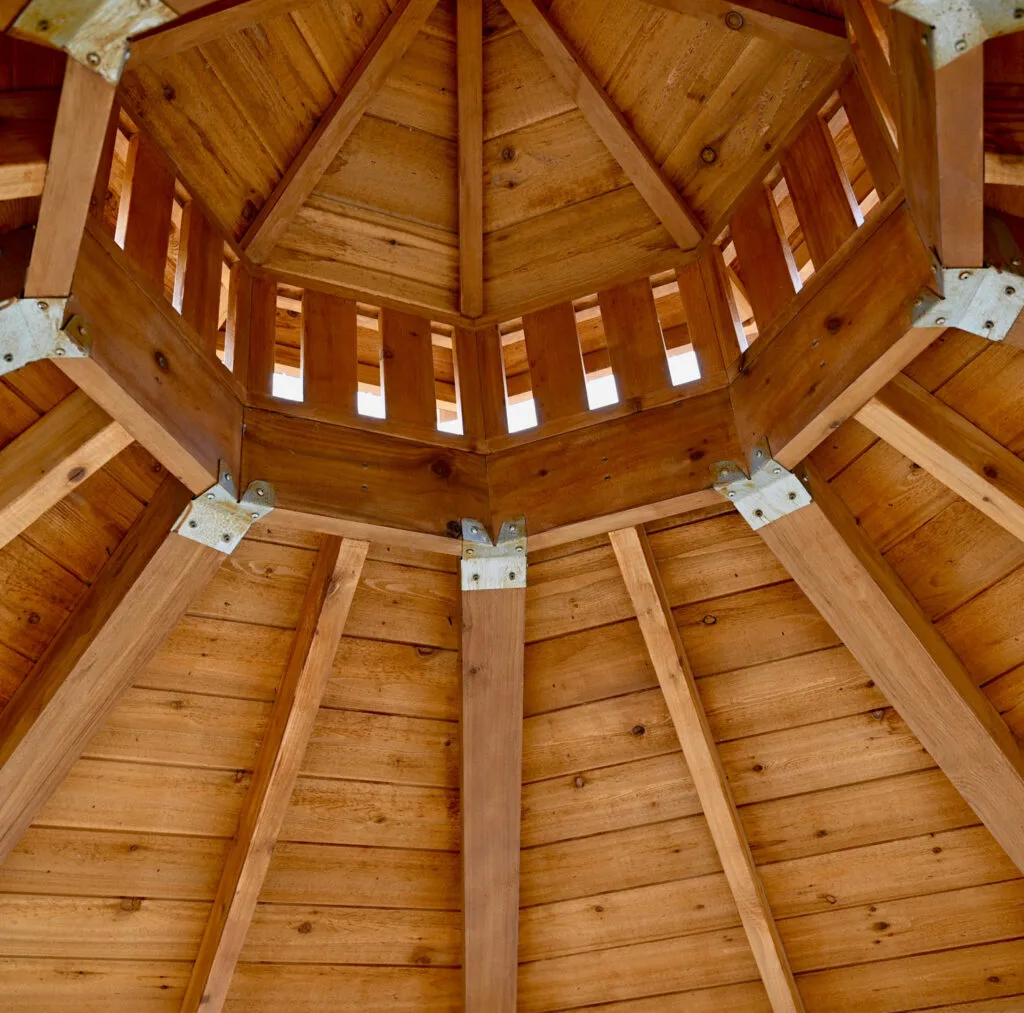
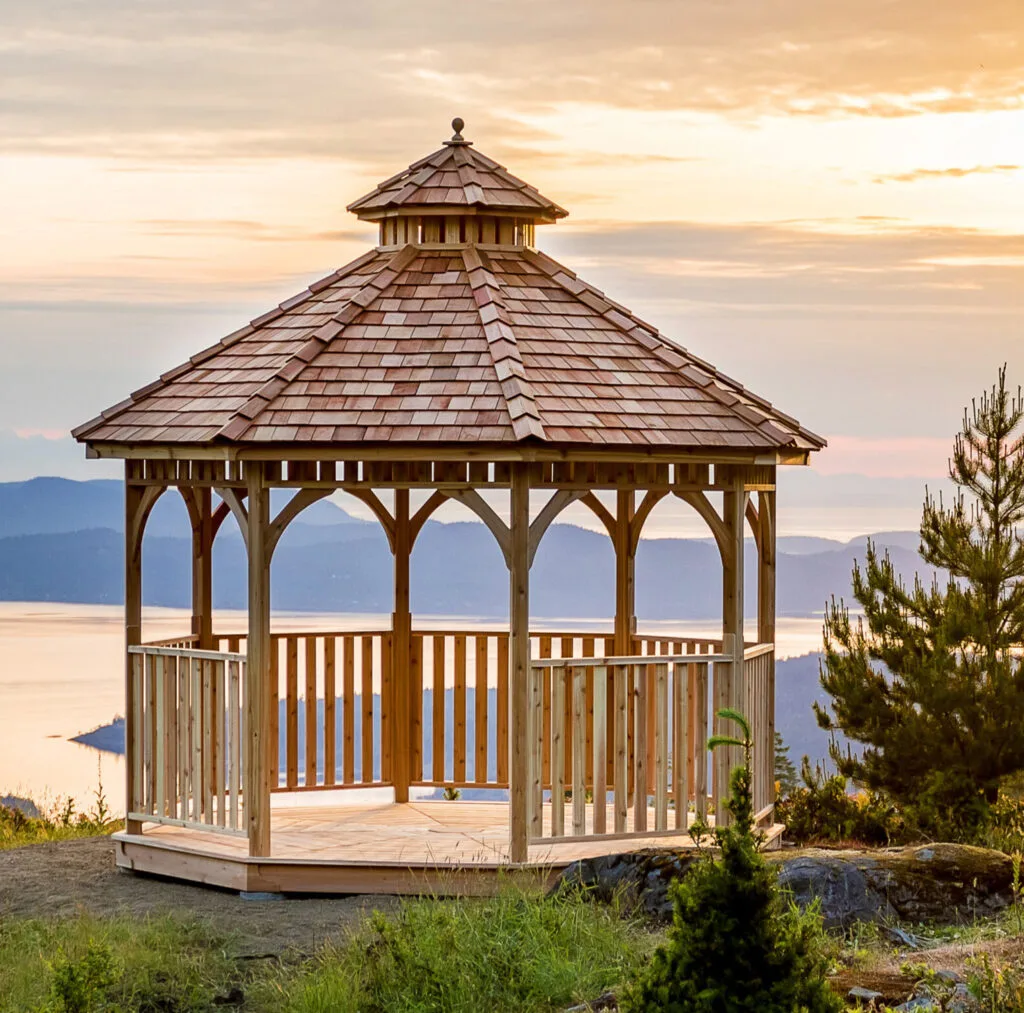
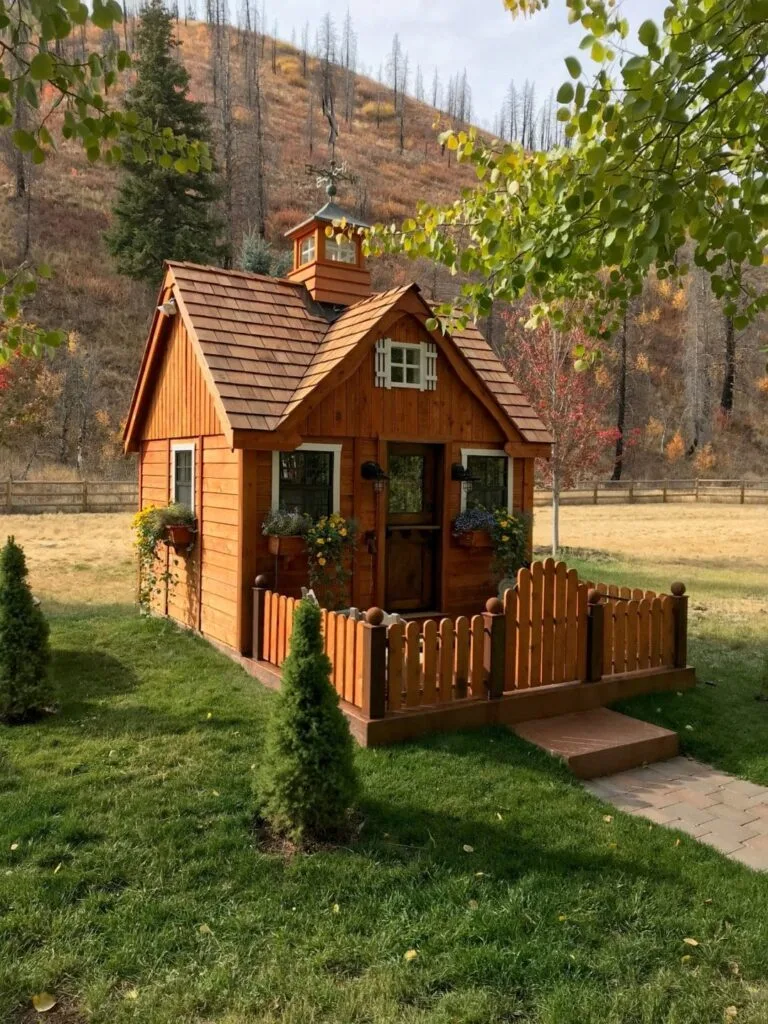
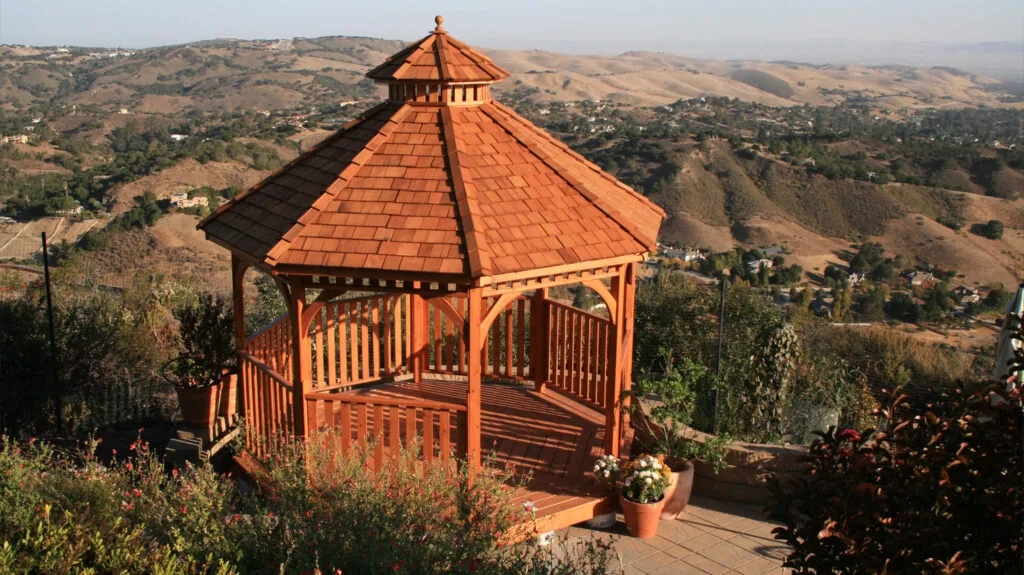
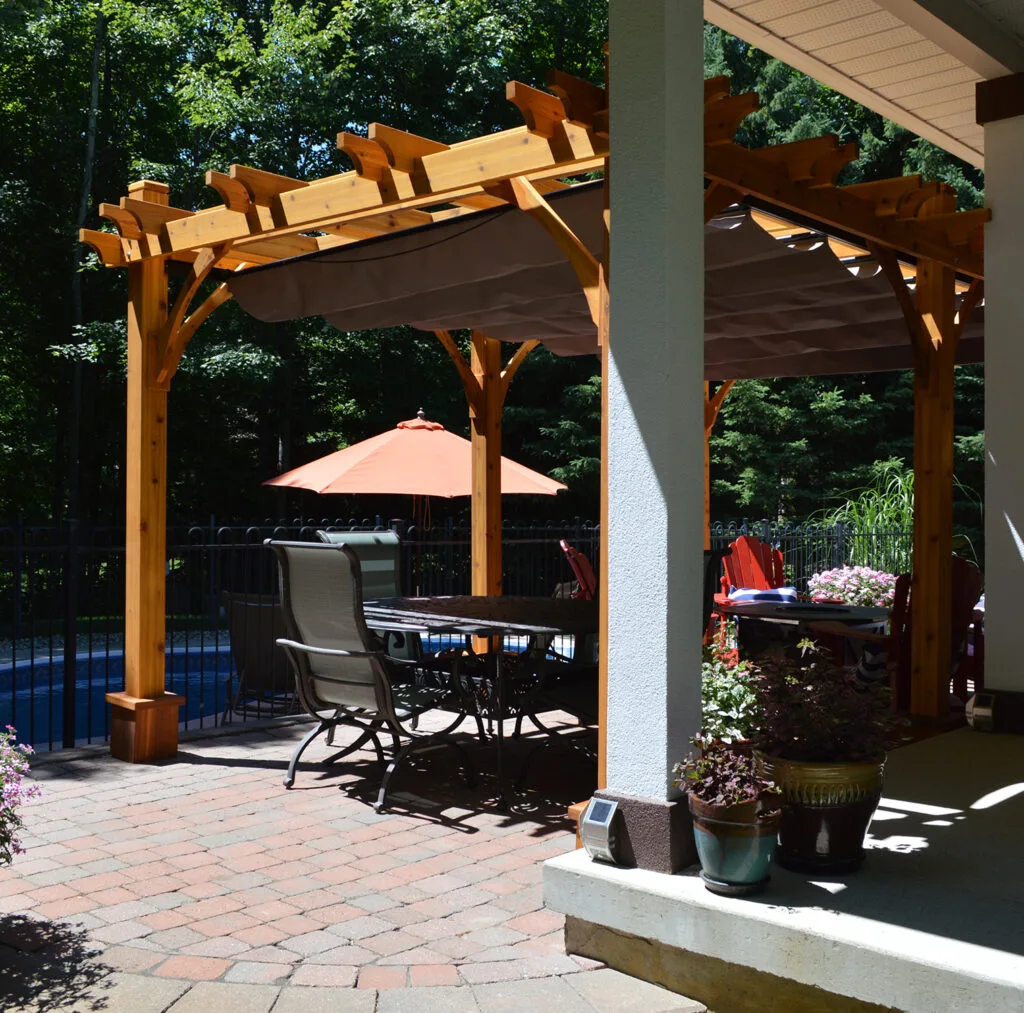
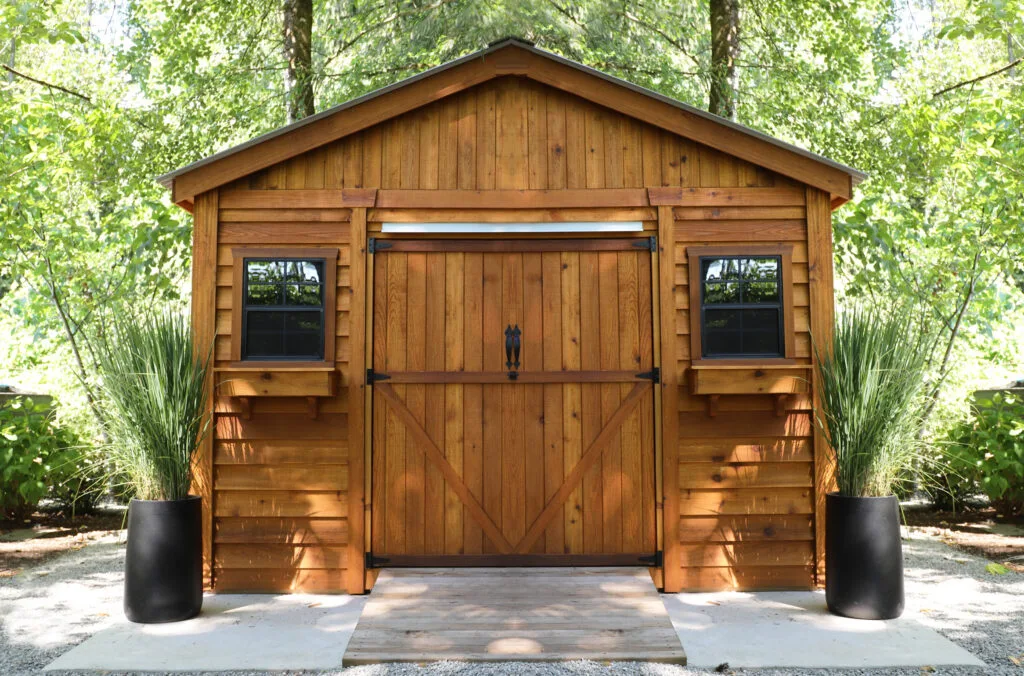
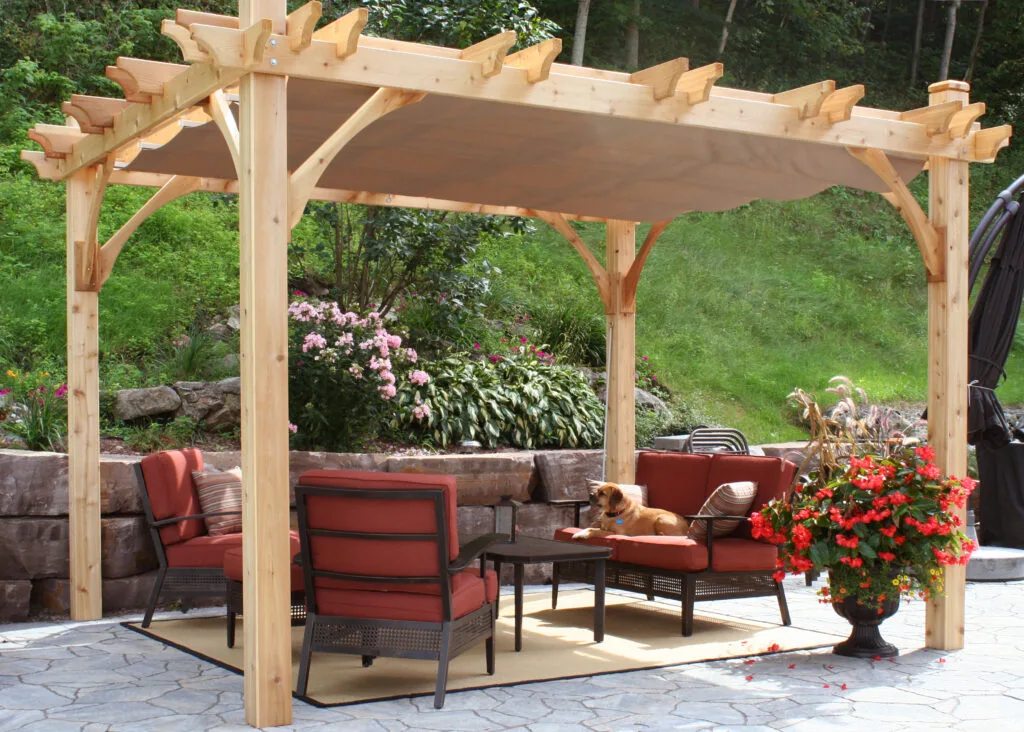
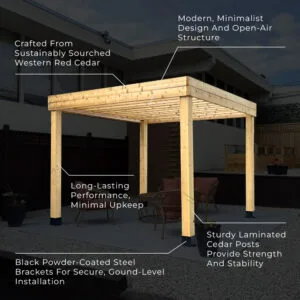
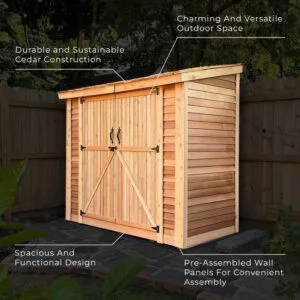
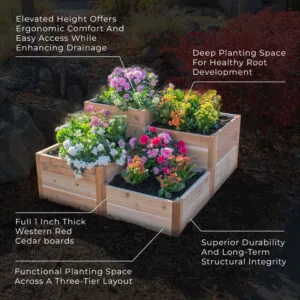
Western Red Cedar thrives in demanding outdoor environments, making it an ideal material across our full range of outdoor structures. Its natural resistance to moisture, decay, and insects allows it to perform reliably in all seasons and climates, without chemical treatments.
Our Western Red Cedar product range includes:
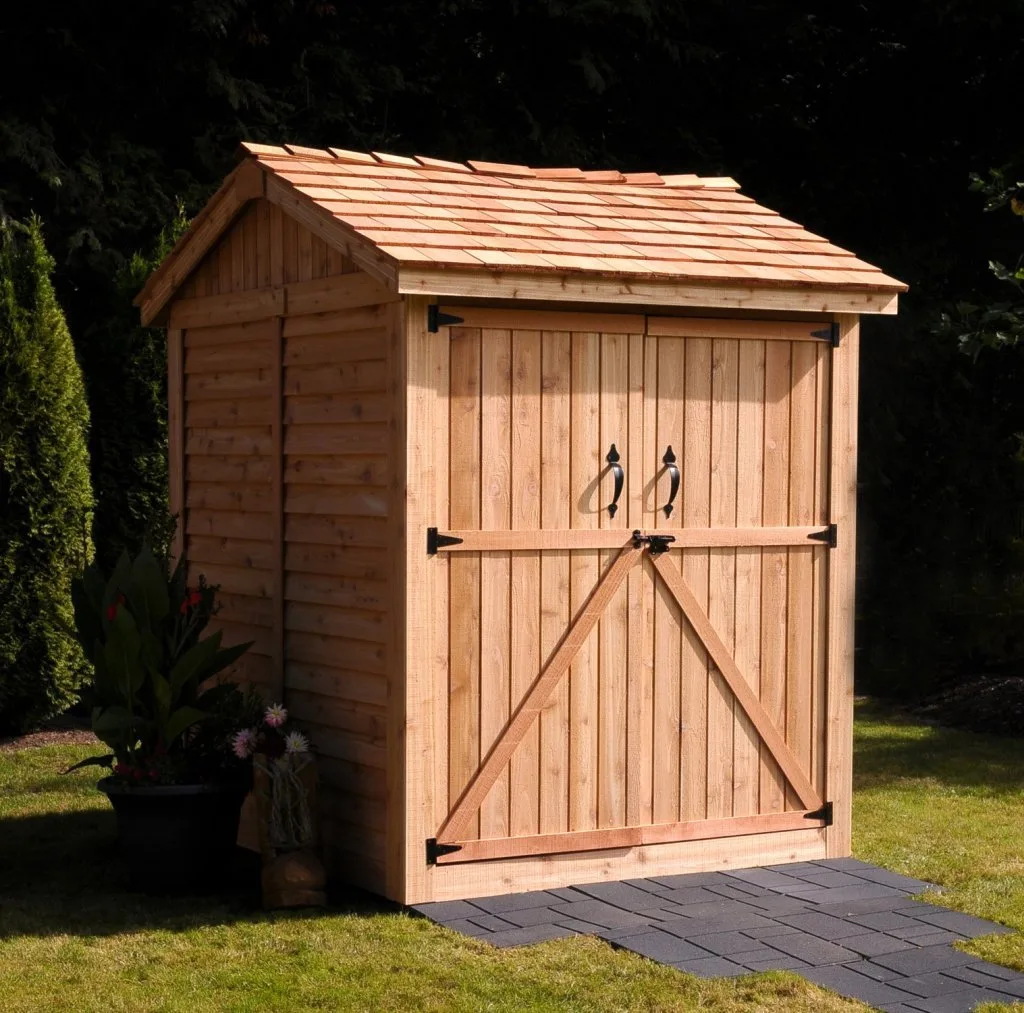
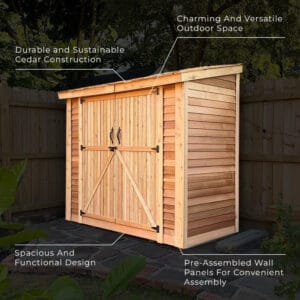
- Cedar Sheds – Naturally durable storage solutions built to withstand rain, snow, and long-term outdoor exposure
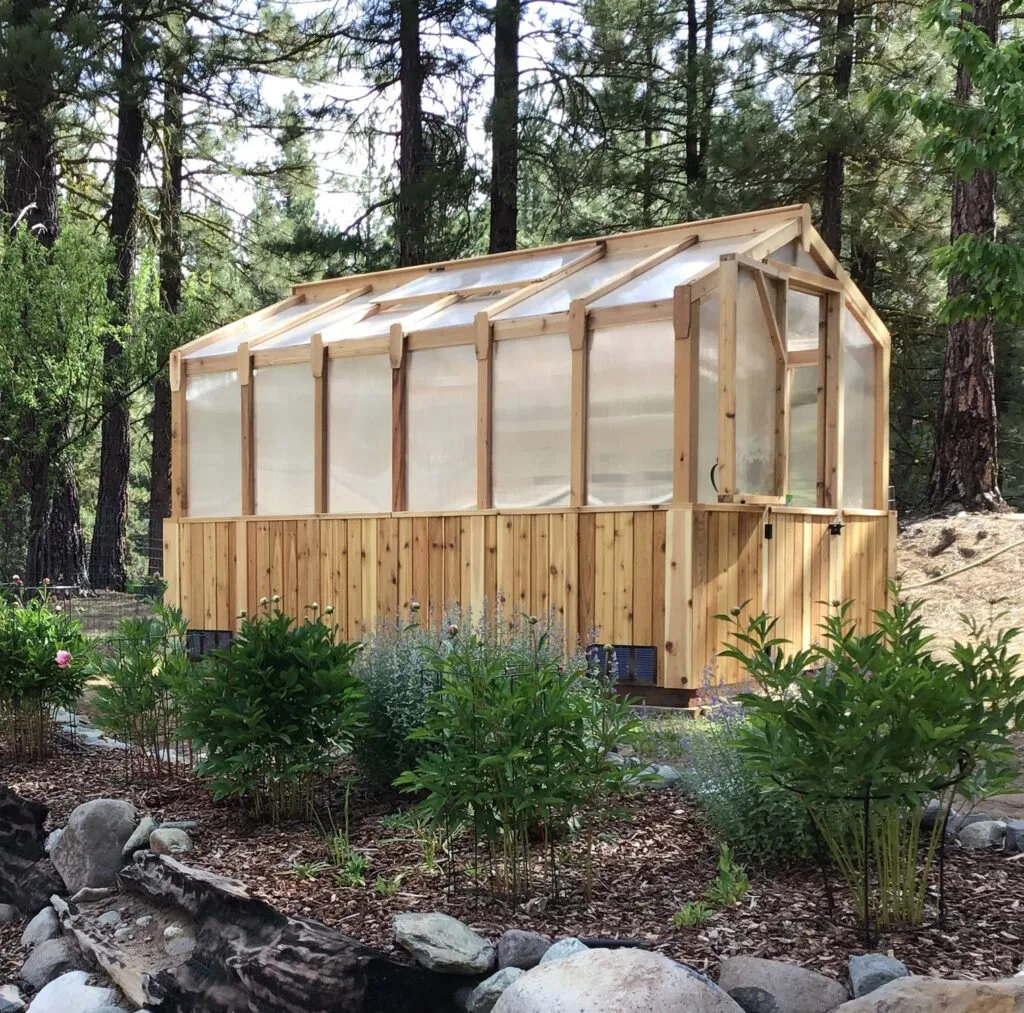
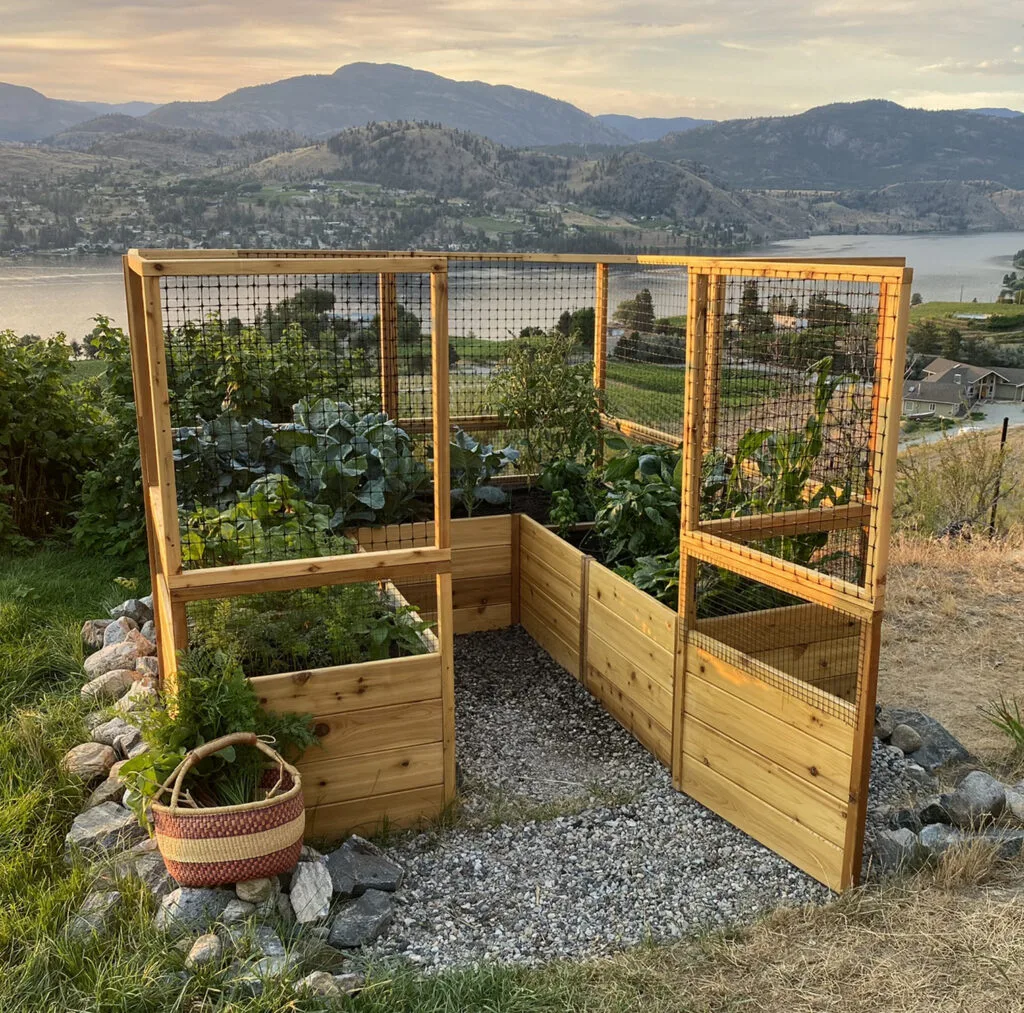
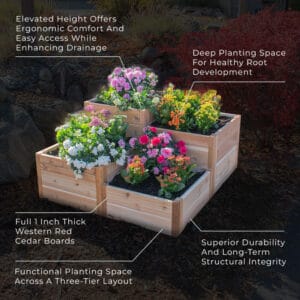
- Cedar Gardening Structures – Including greenhouses and raised garden beds designed for moisture-rich growing environments
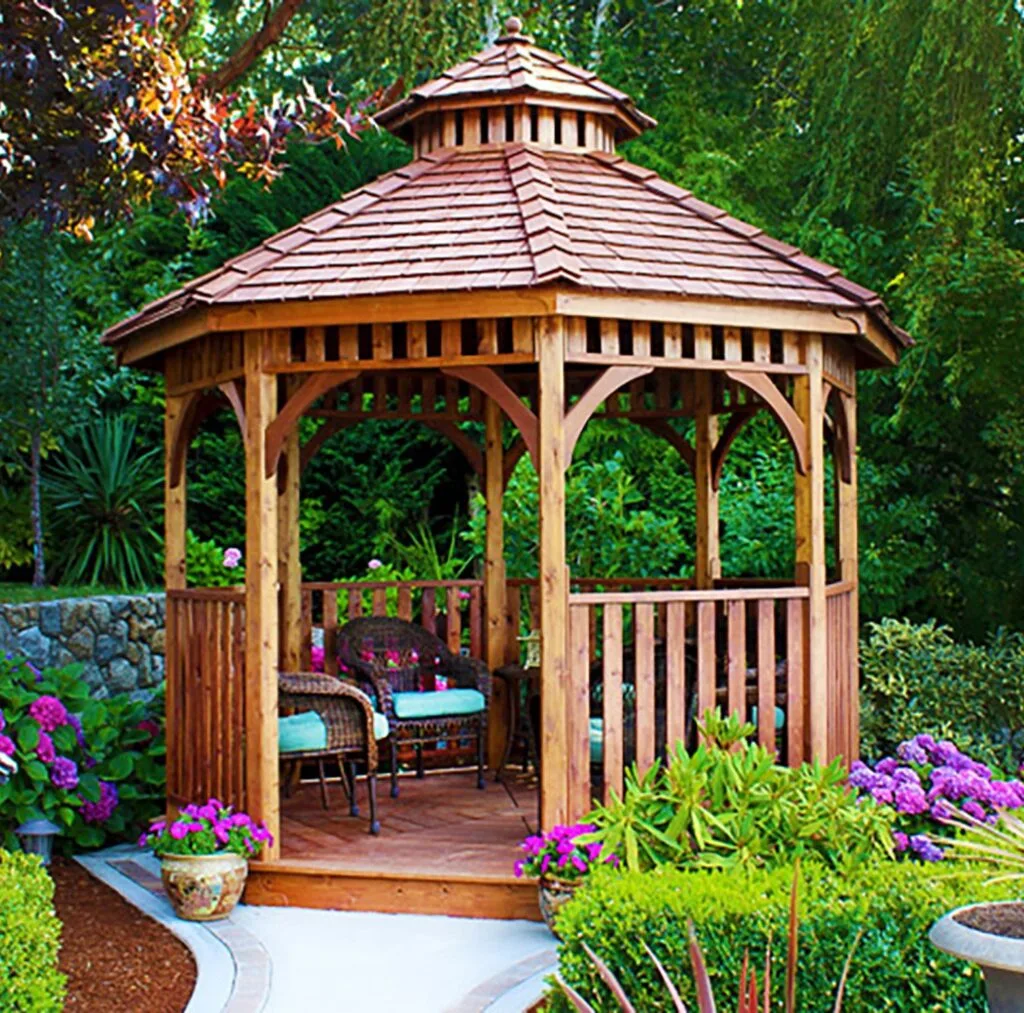
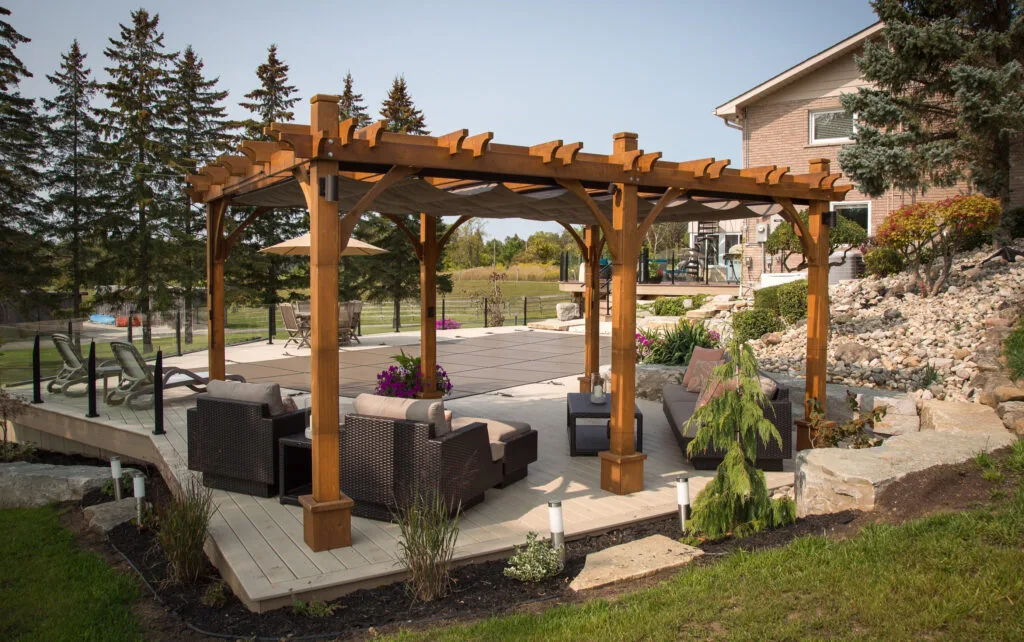
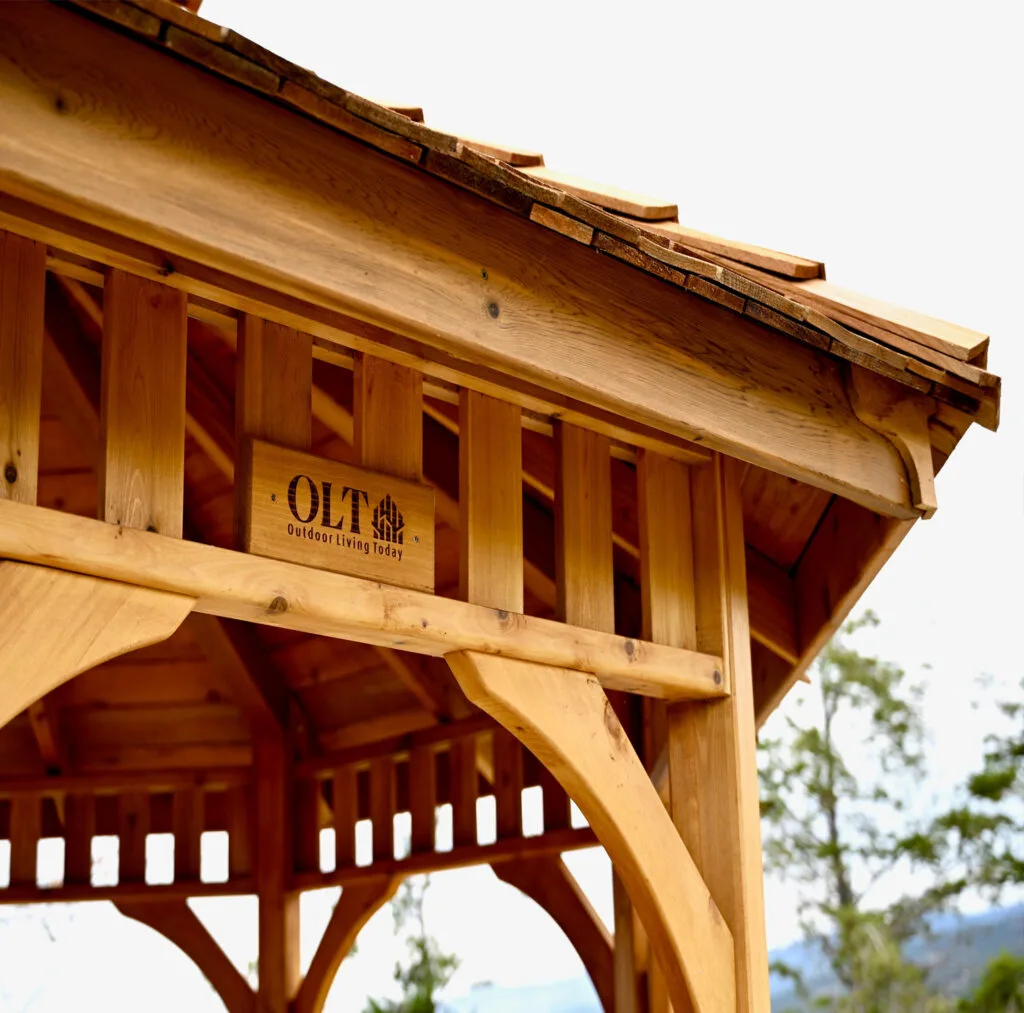
- Cedar Gazebos & Pergolas – Structurally stable, weather-resistant designs that add shade and definition to outdoor spaces
- Cedar Playhouses – Safe, sturdy, and built for year-round backyard use
- Cedar Accessories & Specials – Functional add-ons and seasonal offerings crafted from the same high-quality cedar
Western Red Cedar withstands prolonged exposure to rain, snow, UV rays, and temperature swings, making it a dependable choice for outdoor living structures built to last.
Outdoor Living Today partners with the Western Red Cedar Lumber Association to support education, sustainability, and responsible use of Western Red Cedar.
Feel Free to visit www.realcedar.com to learn more about Certified Western Red Cedar and why it matters.
Crafted With Sustainably Sourced, Authentic Western Red Cedar

We offer free & fast Shipping to serviceable areas In Canada & The United States
Available financing options, including No Interest Pay in 4 Plans & up to 24-month Financing!

Easy Assembly. Clear Instructions. Build Confidently With Step-by-Step Manuals.

OLT proudly manufactures in North America with ethical business practices & Authentic Western Red Cedar
Useful links
contact us
© 2026 All rights reserved by Outdoor Living Manufacturing Ltd