
Whether you are a new gardener or have been gardening for some time now, there are ways by which you can increase your vegetable garden yield. These steps can help you get more vegetables out of your garden this year.
Improve Soil Quality
The most important way in which you can increase your vegetable garden yield is by improving soil quality. This can be done without too much work by covering the vegetable garden plot with compost and hay at the start of winter. By the time you are ready to plant, the compost would have been worked into the soil by the snow and rain as well as insects, ensuring nutrient-rich soil for your vegetables with less effort on your part. The deeper the layer of composted soil, the healthier the plants.
Use Raised Beds
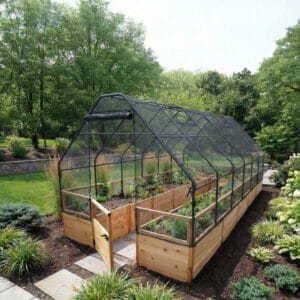
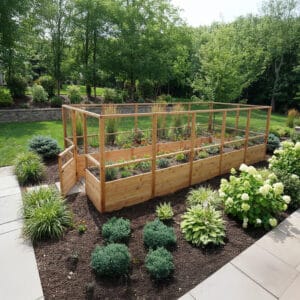
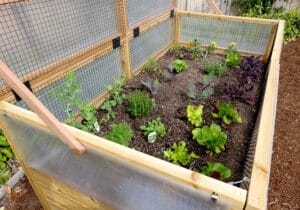
Another way of increasing vegetable garden yields is to use raised beds. This has multiple advantages. The raised beds reduce the amount of space taken by paths. Moreover, the soil can be made more nutrient rich much more easily as compost can be worked into it. Both these benefits will increase the yield of the vegetable garden.
Round Out the Beds
When you use raised beds, you can also round them out. This increases the surface area available for plants. When multiplied by the length of the beds, the amount of additional space is significant enough to increase yields. Plant greens and similar plants at the edges of the raised beds, making them easier to harvest as well.
Stagger the Plants
Another way of saving space when planting vegetables is to stagger them. Instead of planting them in straight rows, plant them in triangles. This will enable you to plant more in the same area while still ensuring that all of the plants get sufficient sunlight, water, and nutrients to grow to their maximum potential.
Use Vertical Space
Fix vertical trellises and poles at the sides of the raised beds and train vines of beans, melons, and similar plants on them. This will help save garden space and ensure healthier plants as well. The vertical plants will escape fungal diseases. Harvesting is also easier as you will be able to spot the crop of vegetables much more easily.
Interplant
You should also interplant or mix up the plants in your vegetable garden to maximize the use of available space. Compatible plants can be grown together to ensure that weeds are kept out and all available space is used by vegetable plants. For instance, if you plant corn, pole beans, and squash together, the corn stalks will support the pole beans and the squash will grow on the ground in the space between them. You can also grow tomatoes, onions, and basil together or plant carrots, radishes, and onions together.
Plant Successive Crops
Another way to make the most out of your vegetable garden is to plant and harvest successive crops. If you select quick growing plants, the first lot can be harvested before a second crop is grown in the same area. Before planting the second crop, ensure that you add more compost to the soil to make it nutrient rich.
Stretch the Growing Season
In order to grow two crops, you will also need to stretch the growing season. This can be done by growing seedlings in your greenhouse or garden shed before the start of spring. Once the weather becomes warmer, transplant the seedlings to the garden. The head start will enable them to mature faster, leaving you with the time to start a second crop. This too should be started in the greenhouse as the first crop starts to mature.
Move Plants Indoors
Toward the end of the growing season, you can prolong the growth period, by simply moving some of the plants indoors to your garden shed or greenhouse. For instance, if the tomatoes have yet to ripen and the weather turns chilly, all you need to do is cut the vines and hang them indoors in a warm area. The tomatoes will continue to mature and ripen, ensuring a bountiful harvest.
Enjoy Your Increased Vegetable Garden Yield
If you love gardening and want to increase the supply of fresh vegetables that your garden yields, you do not have to look for more ground space. Instead, simply improve soil quality, plant quick maturing plants, space the plants properly, and transplant seedlings.
Each of these steps will help increase your vegetable garden yield. Additionally, the labor and materials used is not significantly higher. By spacing the plants closer together, you will be able to spend less time watering, weeding, and harvesting, maximizing the productivity of your garden with ease.
Select the plants that are best suited for the soil and climate around your home, and reduce the amount of labor you need to put into it.