Starting a vegetable garden is a rewarding way to spend time outdoors while growing fresh, healthy food at home. Whether you have a large yard or a small open space, a little planning will help your garden thrive. Start small, learn as you grow, and expand over time.


Size and Location

Choose a level plot in a sunny location. Most vegetables need 6–8 hours of direct sunlight per day, so avoid areas shaded by trees or buildings.

For beginners, a garden about 16 feet by 10 feet is a manageable size. Starting smaller helps ensure the garden stays enjoyable rather than overwhelming. If possible, place the garden close to your home to make watering, harvesting, and pest monitoring easier.

Soil Quality

Healthy soil is the foundation of a successful vegetable garden. Vegetables grow best in loamy, nutrient-rich soil.

Before planting, test your soil and improve it as needed by adding compost, mulch, or organic fertilizer. Good soil preparation will improve drainage, support strong root growth, and boost yields throughout the season.

Picking the Plants

Choose vegetables that suit your climate and growing season, and prioritize plants you actually enjoy eating. Local gardening centers or horticultural groups are great resources for regional recommendations.

Easy vegetables for beginners include:

  1. Tomatoes
  2. Zucchini
  3. Peppers
  4. Bush beans
  5. Lettuce
  6. Carrots
  7. Radishes

Planting marigolds around your vegetable garden can also help deter pests like rabbits and insects.

Vegetable Rows

A 16-by-10-foot garden can comfortably fit about 10–11 rows, depending on spacing. Leave enough room between rows to walk, water, weed, and harvest without compacting the soil.

Clearly defined rows make garden maintenance easier and help keep plants organized as they grow.

Raised Beds or Tilling

Decide whether you want to plant directly in the ground or use raised beds.

Raised beds are recommended if:

  1. Your soil quality is poor
  2. Drainage is an issue
  3. You prefer less bending and easier access

Tilling works well in established garden areas with good soil, but raised beds offer more control over soil conditions.

Building a Raised Bed

Raised beds are typically built 4 feet wide, allowing you to reach the center from either side. Use durable, natural materials like cedar, which resists rot and moisture without chemical treatments.

A raised bed should be at least 6 inches deep, with 12 inches ideal for most vegetables. Secure the boards with stakes and galvanized screws, then fill the bed with a mix of soil, compost, and manure.

Avoid pressure-treated lumber that may leach harmful chemicals into the soil.

Watering

Vegetable gardens generally need about 1 inch of water per week, though raised beds may require more frequent watering during hot weather.

To retain moisture and reduce evaporation, cover the soil with mulch, straw, or other organic material. Consistent watering helps prevent stress and improves overall plant health.

Final Thoughts

You don’t need a large yard to grow vegetables successfully. With enough sunlight, healthy soil, and regular care, even small spaces can produce abundant harvests.

By planning your layout, choosing the right plants, and preparing your soil properly, you’ll set your vegetable garden up for long-term success—and enjoy fresh, homegrown food all season long.

Before adding extras, focus on the core components that make an outdoor kitchen functional and enjoyable.
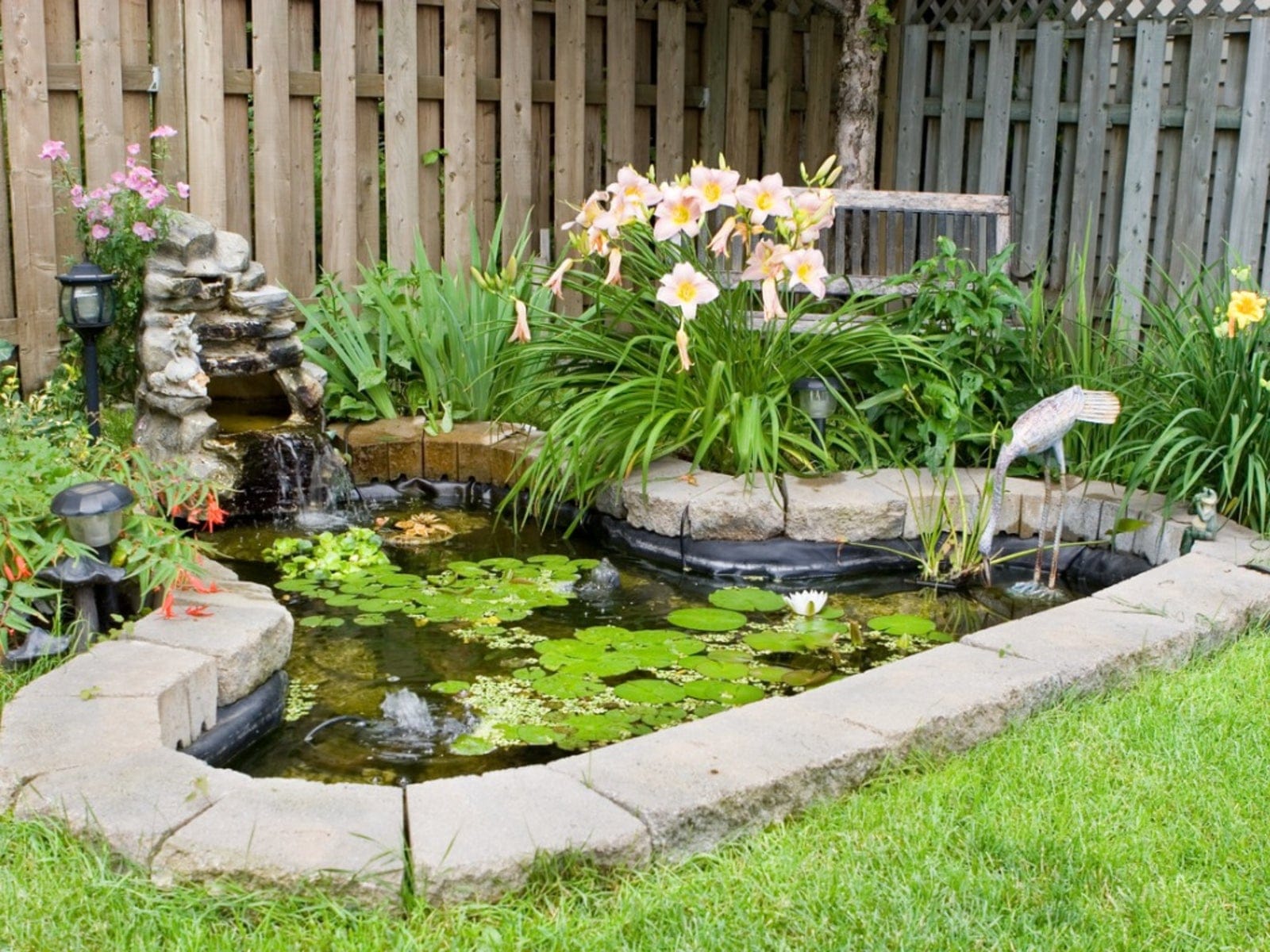
mini garden pond
Read More

There’s something deeply satisfying about stepping into your backyard and harvesting fresh ingredients just steps from your kitchen. A well-designed garden bed turns outdoor space into a place of connection—between seasons, food, family, and time spent outdoors. Whether you’re growing vegetables, herbs, or flowers, garden beds offer endless possibilities for creativity and function.

Looking for inspiration? Here are four garden bed ideas to help you make the most of your backyard—no matter the size or style.


1. Raised Garden Beds for Easy Growing

Raised garden beds are a classic for a reason. By elevating the soil, you improve drainage, reduce compaction, and gain more control over soil quality—all while making planting and harvesting easier on your back.

They’re ideal for growing vegetables like tomatoes, peppers, leafy greens, and herbs. Raised beds also help define your garden visually, keeping plants organized and pathways clear. Crafted from natural wood, they blend beautifully into outdoor spaces while standing up to the elements season after season.

Why it works:
Better soil control, improved drainage, cleaner garden layout, and easier maintenance.

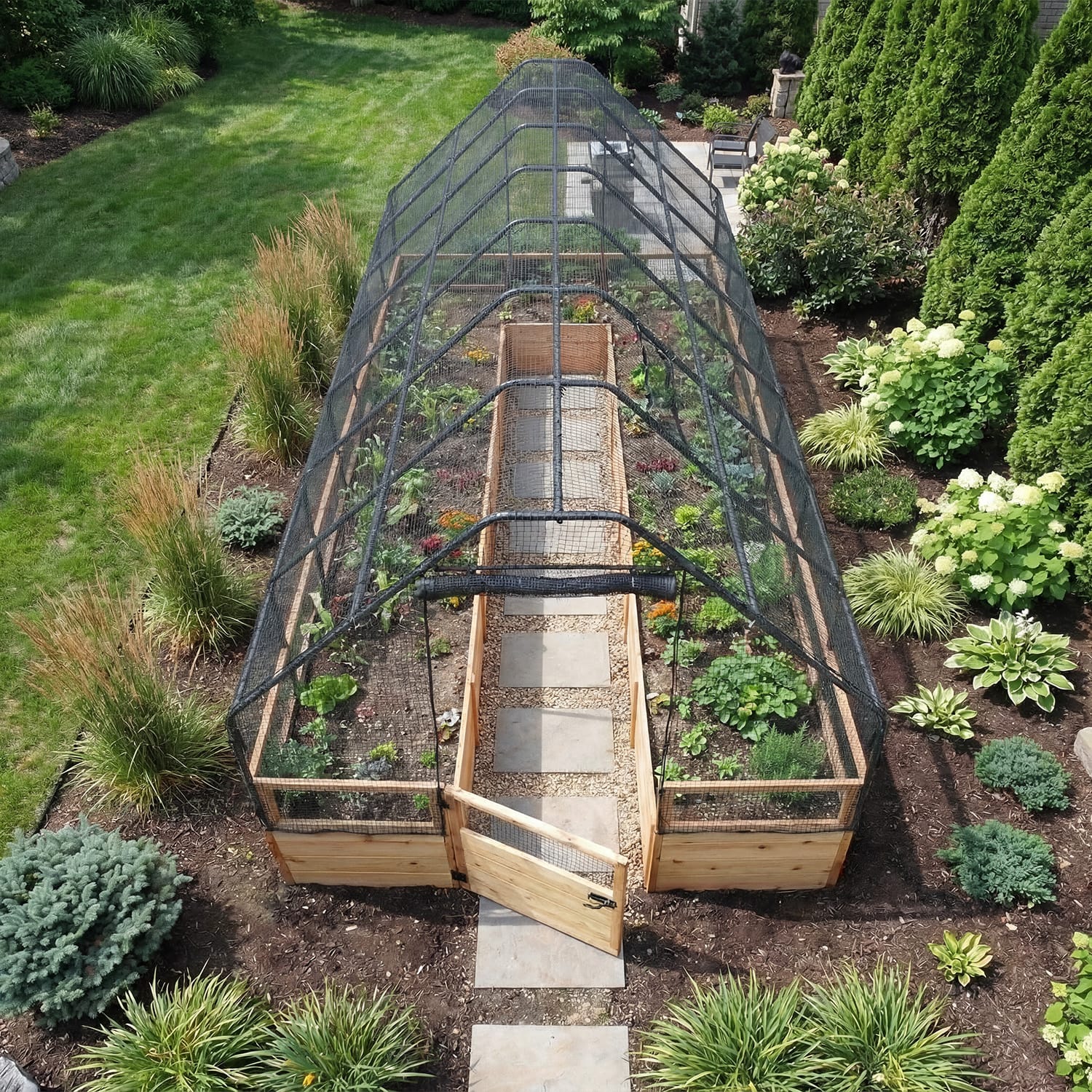
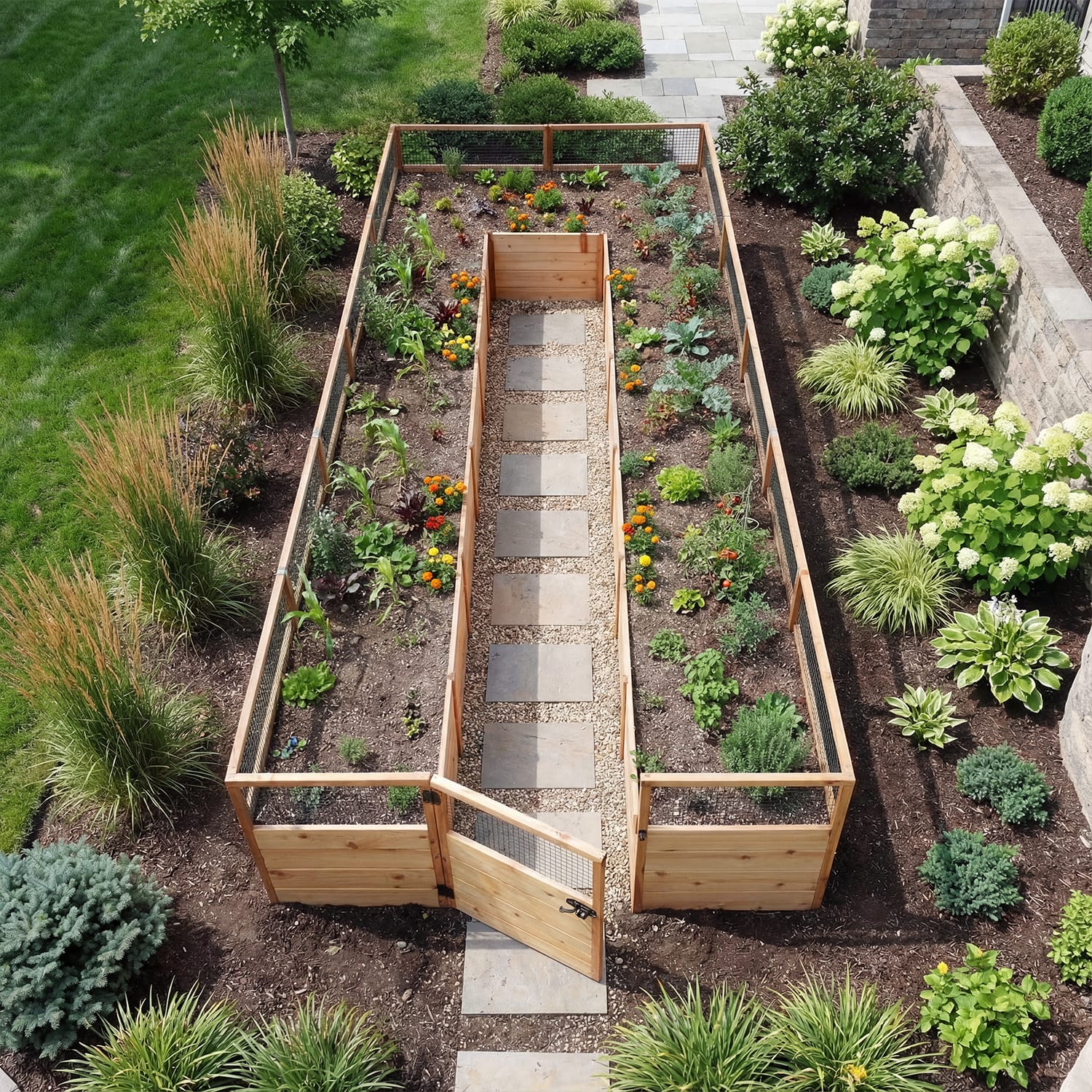
Raised Garden Bed 8x16 Western Red Cedar Gardening Kit Outdoor Living Today Raised Garden Bed 5

2. Kitchen Garden Beds Close to Home

A kitchen garden brings fresh ingredients closer to where they’re used most. Placing garden beds near your deck, patio, or back door makes harvesting quick and convenient—perfect for herbs, greens, and quick-growing vegetables.

Mix practical plants like lettuce, kale, parsley, and basil with a few flowering companions to attract pollinators and add visual interest. This approach turns everyday cooking into an outdoor experience and encourages more frequent harvesting, which helps plants thrive.

Why it works:
Convenience meets beauty, encouraging regular use and healthier plant growth.

a pile of green apples sitting next to each other

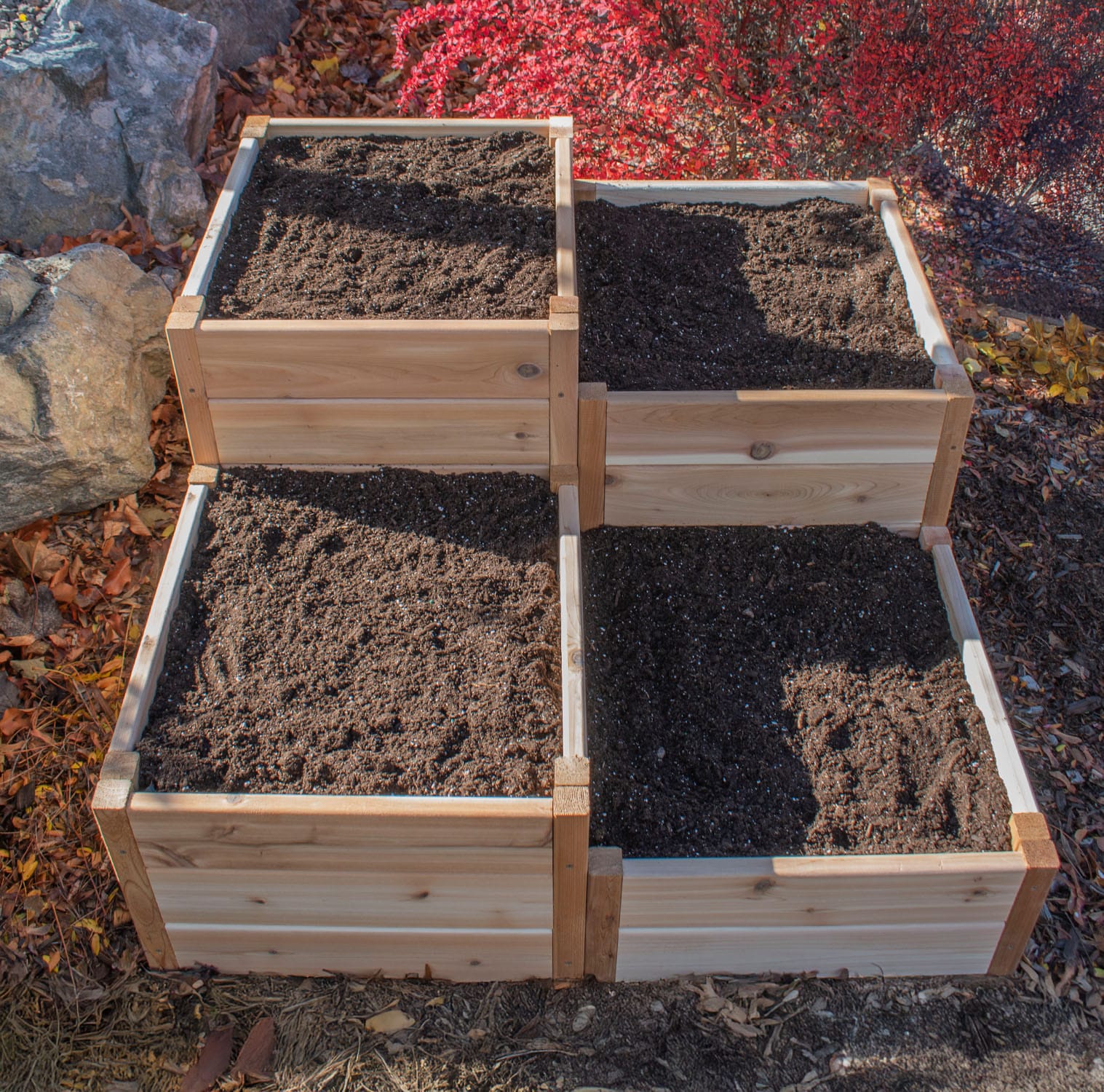
3. Tiered Garden Beds for Small or Sloped Yards

If space is limited—or your yard isn’t perfectly level—tiered garden beds offer a smart solution. Stacking beds vertically maximizes growing space while creating depth and dimension in your landscape.

Tiered designs allow you to group plants by sunlight and water needs, with taller crops placed lower and smaller plants up top. They’re especially effective in compact yards, along fences, or on gentle slopes where traditional beds may not work as well.

Why it works:
Maximizes space, adds visual interest, and adapts easily to challenging layouts.

3.5×4 Tiered Raised Garden Bed – Western Red Cedar Corner Kit 15

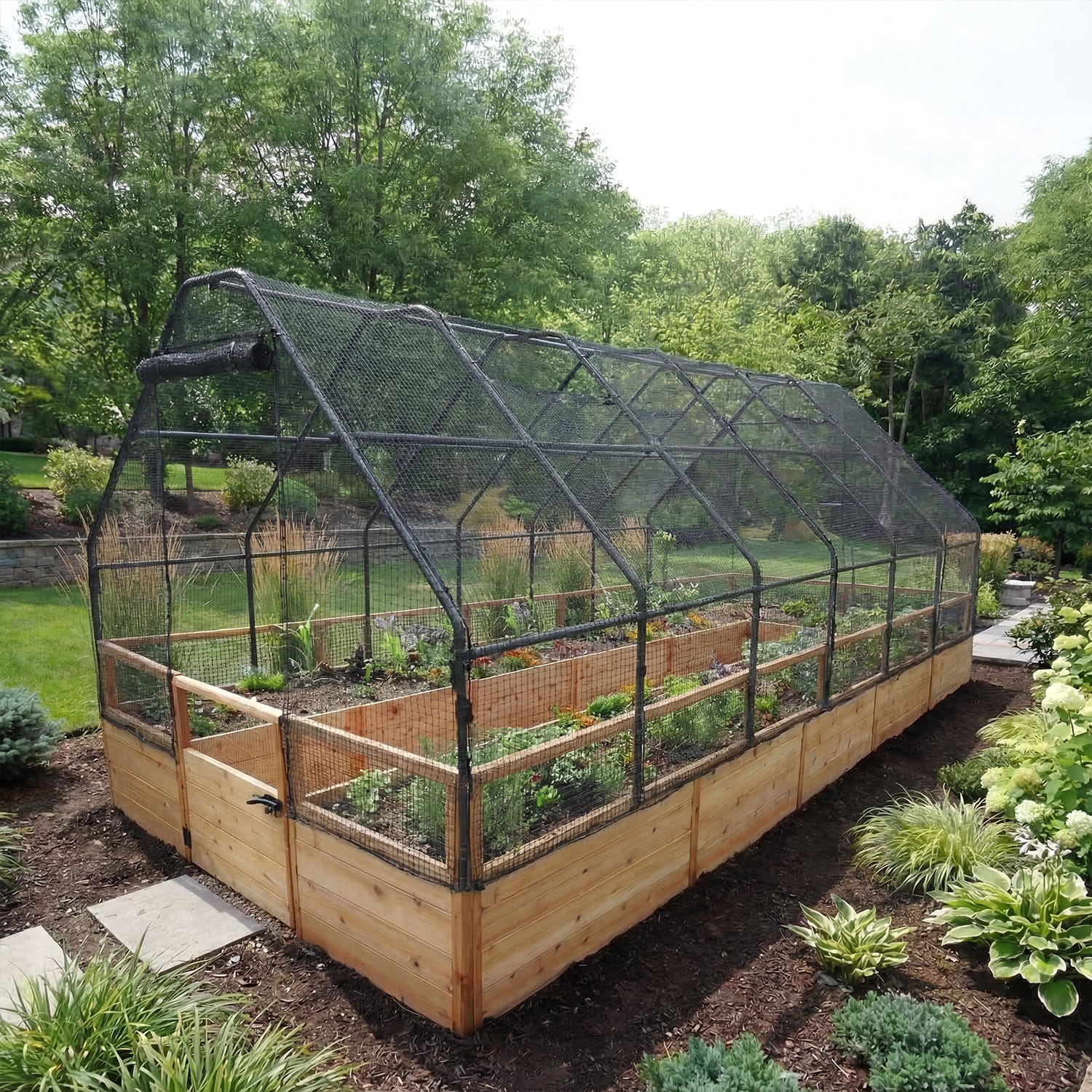
4. Garden Beds with Built-In Protection and Support

Garden beds can do more than just hold soil. Adding features like trellises, mesh panels, or covers helps protect plants from pests while supporting climbing vegetables such as peas, beans, and cucumbers.

Integrated supports also extend the growing season by shielding plants from wind or unexpected weather. These thoughtful additions make garden beds more productive while keeping the space tidy and intentional.

Why it works:
Improves plant health, boosts yields, and reduces the need for extra garden structures.

Raised Garden Bed 8x16 Western Red Cedar Gardening Bird Netting Kit Outdoor Living Today Raised Garden Bed 1

Grow More Than Just Plants

Garden beds aren’t just about what you grow—they’re about how you experience your backyard. From evening harvests to weekend gardening sessions, they create moments that bring people together outdoors.

With the right layout and a little inspiration, your garden bed can become one of the most rewarding features in your outdoor space—season after season.

Create your own backyard growing space and enjoy the simple pleasure of harvesting right at home.

Read More

Create healthier soil, higher yields, and a more enjoyable gardening experience—no matter your yard conditions.

If you’re planning to add a flower or vegetable garden to your yard, raised garden beds are one of the most effective and versatile options available. A raised garden bed is a contained planting area—typically built from wood, stone, or composite materials—that elevates soil above ground level to create an optimized growing environment.

Raised beds offer a simple, practical way to garden more efficiently. By improving soil structure, drainage, and accessibility, they help plants thrive while making gardening easier and more enjoyable for you.

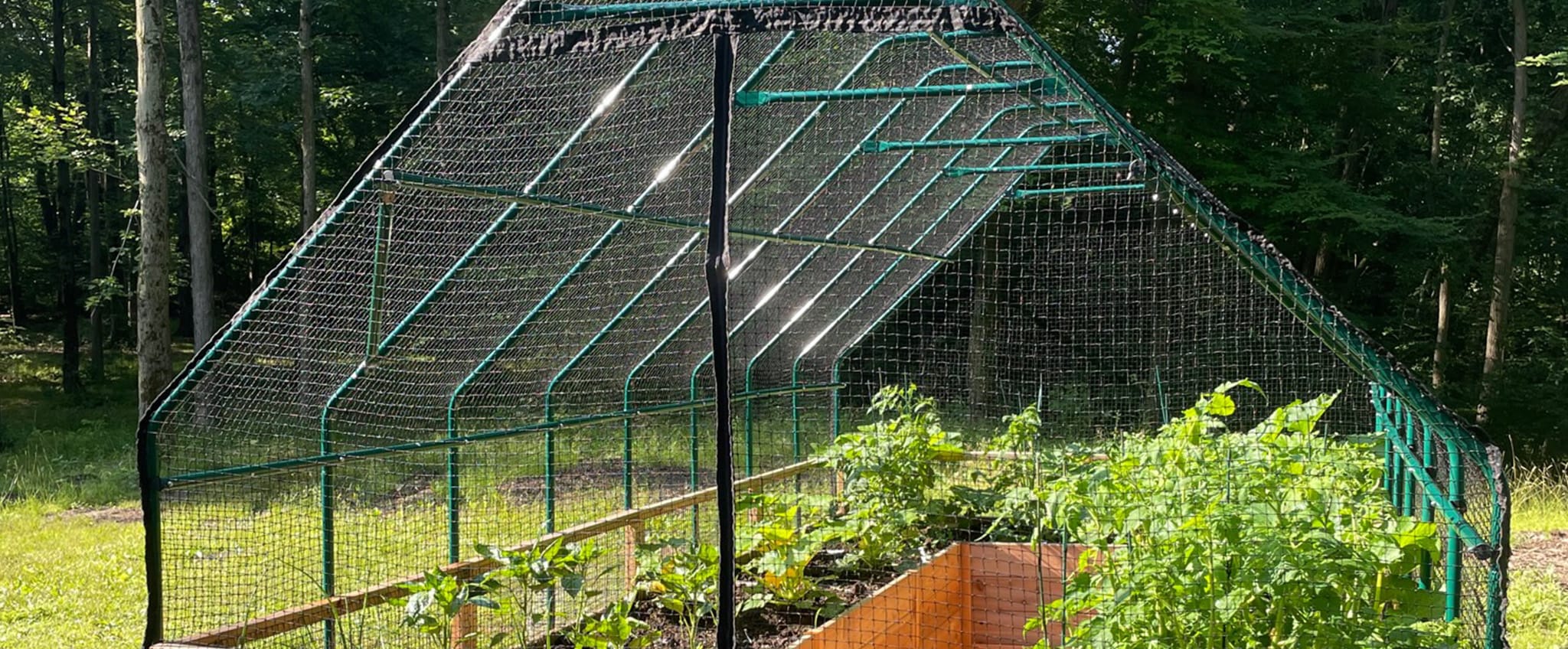
Bird Net Cover and Black Metal Frame For Raised Garden Bed 8x12 5

Benefits of a Raised Garden Bed

When it comes to size, shape, and design, raised garden beds offer incredible flexibility. From compact kits to custom layouts, there’s an option for every space and skill level. More importantly, raised beds provide advantages that traditional in-ground gardens simply can’t match.

Better Soil Control

Raised garden beds give you full control over soil quality. You can tailor the soil mix to suit your plants by adding nutrient-rich compost, organic matter, and amendments as needed. Soil depth, texture, and pH are easier to manage—creating ideal growing conditions from day one.

Increased Yields

By planting in a grid or matrix rather than traditional rows, raised beds allow you to grow more plants per square foot. Improved soil health and spacing often result in higher yields, healthier plants, and more productive harvests.

Lower Maintenance

Because raised beds make more efficient use of space, there’s less room for weeds to take hold. Targeted watering and planting also reduce waste, saving time, water, and effort. Everything is easier to reach, which means less bending, kneeling, and overall strain.

Improved Drainage

Excess water drains more effectively in raised beds, helping prevent root rot, fungal issues, and soil compaction—especially during heavy spring rains. This improved drainage creates a healthier environment for plant roots year-round.

Water-Saving Irrigation Options

Raised beds are ideal for efficient watering systems like drip irrigation or soaker hoses. These systems deliver water directly to plant roots, reducing evaporation and runoff while conserving water. It’s a simple upgrade that benefits both your garden and the environment.

Longer Growing Season

Because raised beds warm up faster in spring, you can start planting earlier than with traditional garden rows. They also retain warmth longer in the fall, extending your growing season and increasing overall productivity.

Improved Pest Control

Raised beds make it easier to protect plants from pests. Hardware cloth can be added beneath the bed to deter burrowing animals, while fencing or netting helps keep birds and insects at bay. The elevated design itself also discourages many common garden pests.

Easier to Use

Raised garden beds can be built at a height that suits your comfort level, reducing strain on your back and knees. Optional seating or ledges around the edges make planting, tending, and harvesting more enjoyable—especially for long gardening sessions.

A Garden You’ll Be Proud Of

Raised garden beds offer a healthier, more productive alternative to traditional garden rows—while giving you the freedom to design a garden that fits your space, style, and needs. Whether you’re growing vegetables, flowers, or a mix of both, raised beds make it easier to succeed and enjoy the process.

With the right design and materials, you’ll create a garden that’s not only productive—but one you’ll look forward to tending season after season.

Raised Garden Bed 8x16 Western Red Cedar Gardening Bird Netting Kit 2 Outdoor Living Today Raised Garden Bed 1
Read More