
A garden shed can quickly turn into a catch-all for tools, supplies, and seasonal items that don’t quite belong anywhere else. Over time, this clutter makes it harder to find what you need and easier to justify buying replacements for tools you already own.
If your shed is starting to feel chaotic, the end of summer or early fall is the perfect time to reset. A thoughtful organization plan makes your shed easier to use year-round and helps protect your tools, supplies, and structure itself.
Below are practical steps to help you organize your shed efficiently and keep it that way.
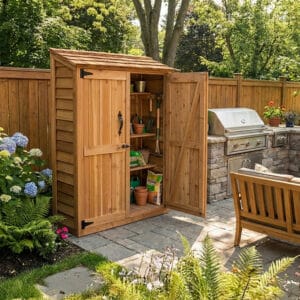
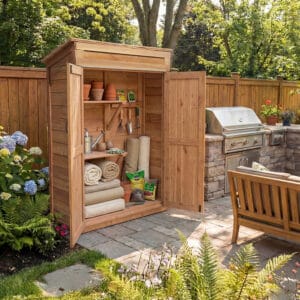
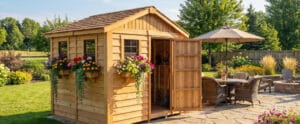
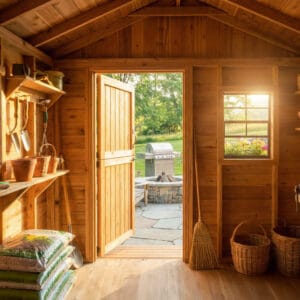
First Step: Empty Out Your Shed Completely
Start by removing everything from your shed and placing it outside. While it may feel overwhelming at first, seeing all your items laid out makes it easier to assess what you actually have.
As you sort through your belongings:
- Keep items you use regularly
- Set aside anything broken, rusted, or no longer needed
- Create a separate pile for recyclable items
Be realistic. The goal is to create a functional space, not to store items out of guilt or nostalgia.
Give Your Shed a Clean Sweep
Once the shed is empty, take time to clean the interior thoroughly.
- Sweep the floor
- Dust shelves and walls
- Remove cobwebs and debris
- Check corners for moisture or pests
A clean shed provides a fresh start and makes it easier to see how much usable space you truly have.
Evaluate the Space You Have
Before putting anything back inside, assess how much room you have and how it can be used most efficiently.
Keep in mind:
- Frequently used items should be easy to reach
- Seasonal items can be stored higher or farther back
- Heavy tools should be stored safely and securely
Planning storage before reloading prevents clutter from creeping back in.
Store Smart with Simple Organization Solutions
Make the most of your shed’s vertical and unused space with practical storage ideas:
- Install hooks on the back of shed doors for hand tools
- Use wall hooks for long-handled tools like shovels and rakes
- Add shelves for pots, watering cans, and supplies
- Use clear plastic bins so contents are easy to identify
- Label bins and shelves to keep everything in its place
Grouping similar items together makes tools easier to find and quicker to return after use.
Organize Small Items and Garden Supplies
Small items are often the biggest source of clutter.
- Store gloves, twine, seed packets, and hand tools in clear containers
- Use labeled boxes for bulbs and seeds
- Keep frequently used items at eye level
- Place rarely used supplies on higher shelves
This system reduces time spent searching and keeps fragile items protected.
Make Room for Long-Handled and Awkward Tools
Designate an area for bulky tools like wheelbarrows, rakes, and hoes.
- Prop wheelbarrows upright against a wall
- Hang medium-length tools on wall hooks
- Store lightweight tools in tall boots or bins to keep them upright
Keeping floors clear improves safety and makes the shed feel more open.
Last but Not Least: Tame Your Garden Hose
A tangled hose is not only frustrating but can also be a tripping hazard.
- Install a sturdy hose holder on the exterior of your shed near the tap
- Keep the hose off the ground to prevent kinks and wear
- This also makes rinsing muddy boots or tools more convenient
A Well-Organized Shed Makes Gardening Easier
An organized shed saves time, protects your tools, and makes garden work more enjoyable. With a thoughtful setup and regular upkeep, your shed can remain a clean, functional part of your outdoor space all year long.
A little effort now goes a long way toward a more efficient and enjoyable gardening season ahead.