
August 23, 2023
Setting Up Your Fall Garden: Tips, Tricks, and Greenhouse Cover Essentials
As summer cools down, many gardeners assume the season is over. In reality, fall can be one of the most rewarding times to be out in the garden. Cooler days, softer light, and fewer pests all work in your favor. With a little planning – and the right protective tools – you can keep beds productive well into the colder months.
One of the most effective tools for fall gardening is the greenhouse cover. Whether it’s a simple row cover, a hoop-style mini greenhouse, or a full cover for raised beds, these structures create a gentler microclimate that helps plants thrive when temperatures start to drop.
In this blog, we’ll walk through how to set up your fall garden, why greenhouse covers matter, and practical tips to help your space look good and grow well right up to winter.
1. Fall: A Season of Renewed Growth
Fall isn’t just the “end” of the gardening year. It’s a reset.
As temperatures drop, many plants shift energy from leaves to roots. This helps them build strong foundations that carry them through winter and into spring. By planting and preparing in the fall, you give your garden a head start for next year.
Think of fall gardening as:
- Root-building season: Cooler soil encourages deeper, stronger root systems.
- A chance to declutter: You can clear tired summer crops and make room for fresh plantings.
- A planning window: What worked this year? What didn’t? Fall is the perfect time to adjust and improve your layout.
With a bit of structure, your fall beds can be both productive now and better prepared for spring.
2. Choosing the Right Crops
Successful fall gardens start with cool-season varieties that tolerate chilly weather and even benefit from light frost.
Great fall crops include:
- Kale, spinach, lettuces
- Carrots, beets, radishes
- Broccoli, cauliflower, cabbage
- Cold-hardy herbs like parsley and cilantro
Check frost dates, plant in small waves for continuous harvests, and pair upright greens with root crops to maximize raised bed space.
3. Greenhouse Covers: Your Fall Advantage
Greenhouse covers create a stable, protected microclimate that helps your plants thrive as temperatures drop.
Benefits include:
✓ Frost Protection
Shields tender plants from early frost and sudden cold snaps.
✓ Temperature Stability
Reduces daytime-to-nighttime temperature swings, supporting steady growth.
✓ Pest Control
Acts as a barrier against fall pests without the need for sprays.
✓ Better Moisture Retention
Minimizes evaporation, keeping soil evenly moist for longer.
✓ Extended Growing Season
With protection, many crops last weeks — even months — beyond the usual fall timeline.
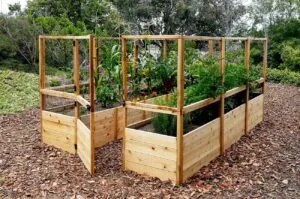
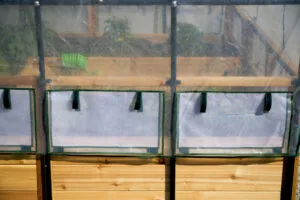
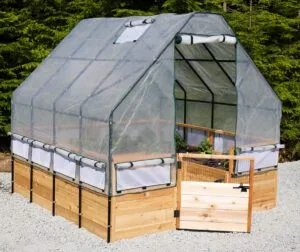

4. How to Set Up Your Greenhouse Covers
✓ Choose a Quality Cover
Select covers that allow light in, retain warmth, and fit your garden’s size and shape.
✓ Install Securely
Firmly anchor frames and edges to withstand wind and rain. Ensure there’s enough height for plants to grow comfortably.
✓ Monitor & Vent
Open vents or lift part of the cover on warm days to prevent overheating, then secure it again before evening.
5. Add Fall Style to Your Garden
Your fall garden can be productive and beautiful. Add pumpkins, seasonal decor, and vibrant cold-hardy greens around your covered beds to create a cozy, autumn-inspired space that stands out in your yard.
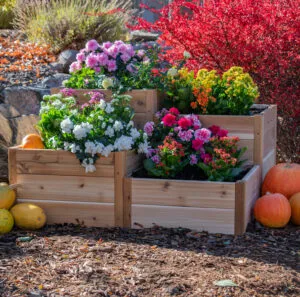
Extend Your Growing Season Even Further
Give your plants the protection they need this fall.