
February 15, 2019
How to Prepare Your Yard for the Seasons: A Complete Homeowner’s Guide
Preparing your yard for a new season—especially after months of harsh weather—sets the foundation for healthy grass, thriving plants, and an outdoor space that looks polished year-round. Whether you're getting ready for spring growth, fall clean-up, or general maintenance, a well-structured plan helps keep your landscape in great shape.
This updated guide walks you through simple, practical steps to prep your yard site, maintain your lawn, and create an outdoor space that stays beautiful in every season.
In this guide, we’ll explain how to: prep your yard site improve soil health
maintain your lawn year-round
prep your yard site improve soil health
maintain your lawn year-round
1. Start With a Landscape Plan
Before you grab tools or start cleaning, think about how you want your yard to look and function.
Having a landscape plan helps you:
- Understand your lawn’s needs
- Design around sunlight, shade, and drainage
- Avoid planting or building in poor locations
- Create a cohesive, polished look
If you’re unsure where to begin, consider consulting a landscape designer. A little planning now saves hours of frustration later.
2. Clean Up a Little (Then a Lot)
Winter storms, wind, and rain leave behind leaves, branches, and debris. Start with a simple cleanup session:
- Remove dead leaves and fallen branches
- Clear out debris under shrubs and trees
- Rake leftover thatch from the lawn
- Sweep pathways and hard surfaces
This first step immediately makes your yard look fresher and prepares it for deeper maintenance.
3. Prepare the Soil
HEALTHY SOIL = HEALTHY LAWN
Once the surface is clear, prep your soil with seasonal nutrients:
- Apply fertilizer (choose one for your specific region/grass)
- Use a pre-emergent in early spring to prevent weeds
- Add compost or organic matter to restore nutrient balance
- Break up compacted areas with a tiller if needed
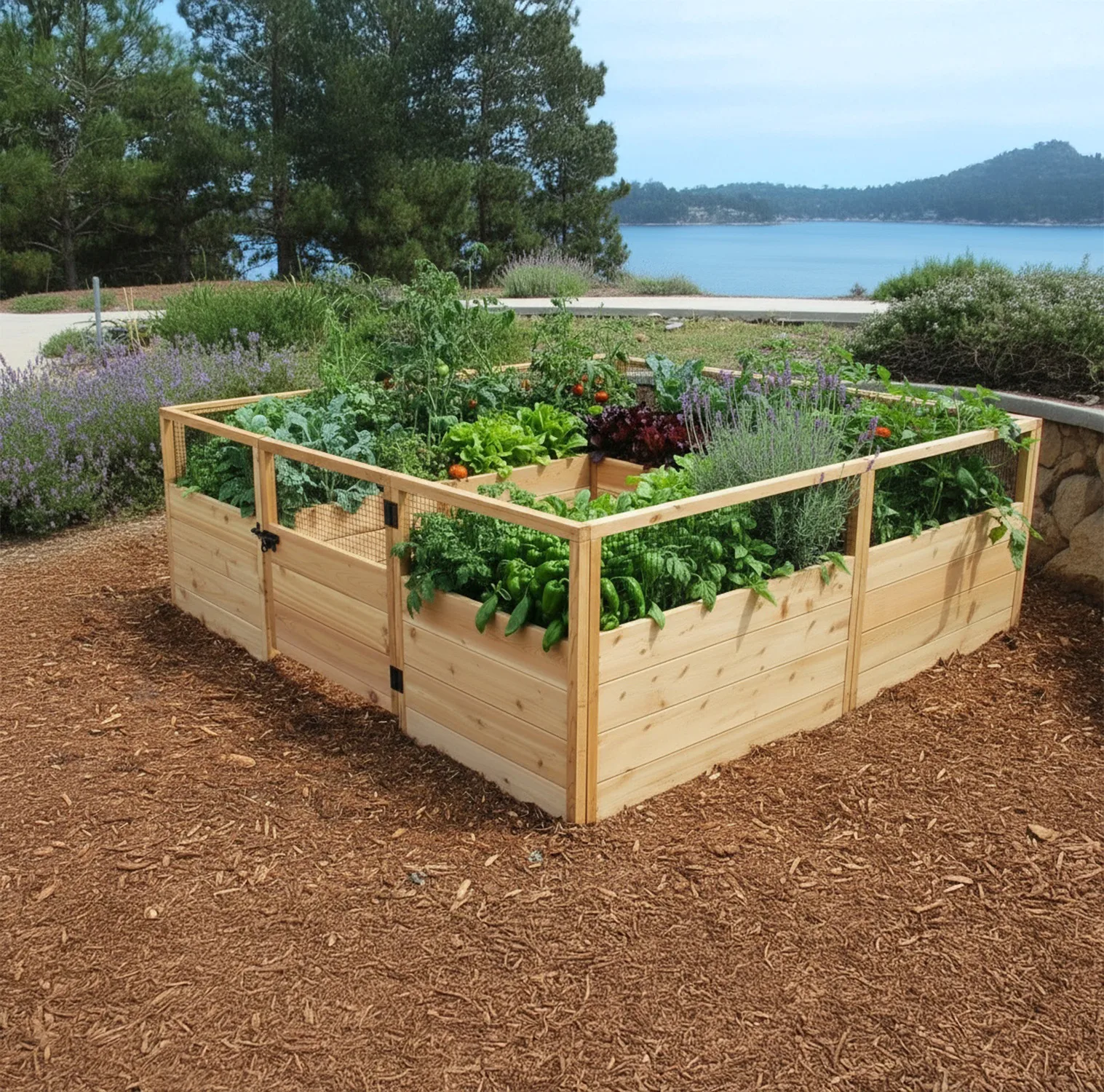
If you're planning new planting beds, raised beds, or edging, now is the time to shape the ground.
4. Mow Early and Consistently
One of the biggest mistakes homeowners make is waiting too long to mow in spring.
Mowing early and regularly:
- Encourages thicker, healthier grass
- Keeps roots strong
- Prevents weed takeover
- Sets the lawn up for lush summer growth
Aim to mow once every 4–5 days during peak spring growth.
5. Mulch It Too
Mulching is essential for moisture retention and healthy soil structure.
Choose quality mulch such as hardwood bark mulch, natural cedar mulch, and undyed wood chips.
Benefits:
- Helps regulate soil temperature
- Prevents weed growth
- Improves curb appeal instantly
- Keeps shrubs and perennials protected
6. Give Trees & Shrubs a Trim
Overgrown or dead branches can harm your lawn and your structures.
Trim:
- Dead or diseased branches
- Overgrown shrubs
- Limbs rubbing against your shed or fencing
Do this in early spring before plants start pushing out new growth.
7. Wait Until Fall to Seed (Depending on Region)
If you're fighting weeds or using pre-emergent, your grass seeds won’t germinate in spring. That’s why reseeding or overseeding is best saved for fall.
Fall conditions:
- Cooler temperatures
- Consistent moisture
- Fewer weeds
- Better root establishment


8. Additional Tips for a Yard That Stays Healthy
These small habits go a long way:
- Routine cleanup every few weeks
- Break new lawn ground with a tiller
- Build raised beds for vegetables and flowers
- Add small landscape berms for drainage
- Plant rabbit-resistant grass or groundcover if needed
Keeping up with maintenance prevents big seasonal overhauls later.
Looking for a quick visual guide?
This short video walks through practical steps for cleaning up your yard, prepping soil, and setting the stage for healthy growth.