October 18, 2016
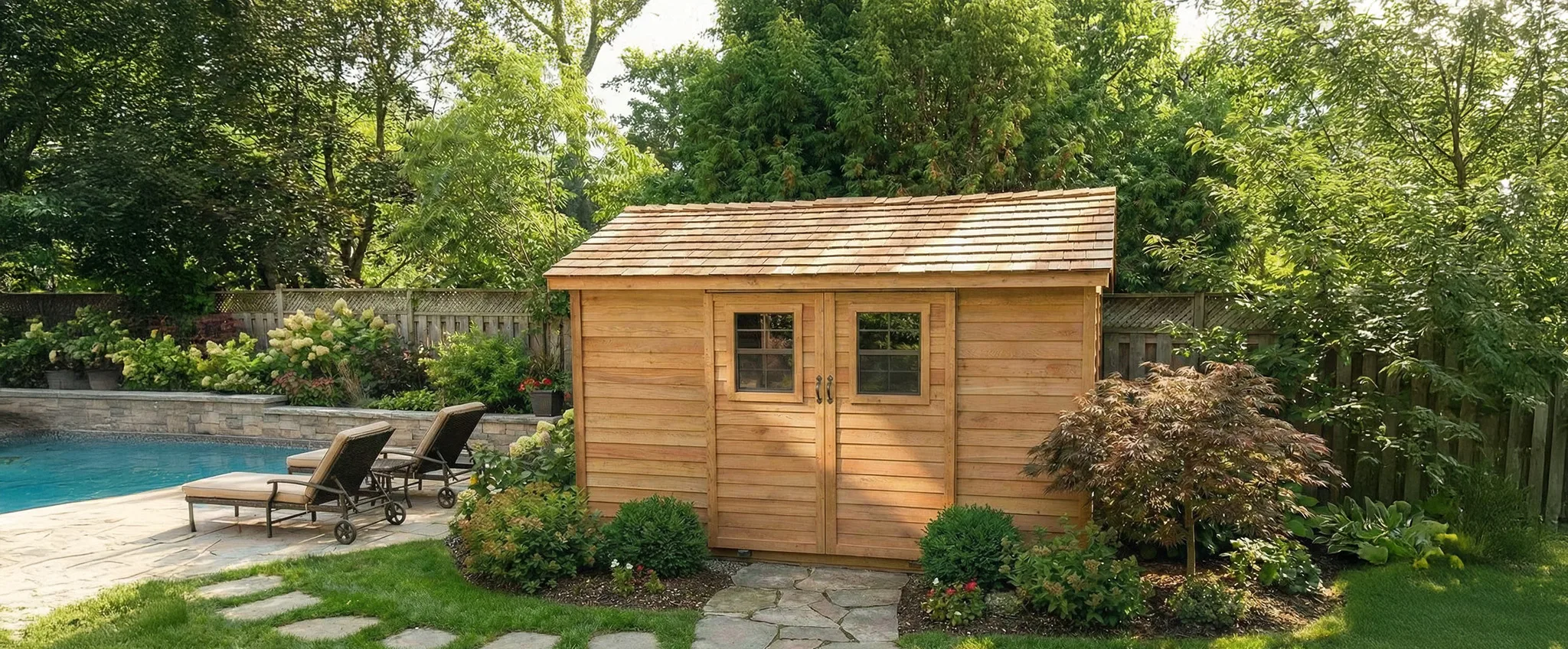
A garden shed is no longer a luxury. It is a practical extension of your outdoor space that keeps tools, supplies, and equipment organized and protected. Panelized garden sheds made from Western Red Cedar are especially popular thanks to their durability, natural beauty, and easy DIY assembly.
But once a shed is in place, it is easy for clutter to take over. Tools get tossed inside, items pile up, and before long the shed becomes difficult to use. Taking time to properly clean, organize, and maintain your shed now helps protect your investment and makes spring gardening far easier.
Below are simple, effective steps to prepare your garden shed for winter and keep it functional throughout the year.
Clean and Sweep Your Shed and Tools
Start by removing everything from the shed so you can assess what you have and clean the space properly.
Sweep the floor to remove dirt, leaves, and debris. Wash and rinse gardening tools such as shovels, rakes, pots, wheelbarrows, and watering cans. A wire brush works well for removing stubborn soil from metal tools.
Allow everything to air-dry completely before storing it again. Once dry, lightly spray metal tool parts with a lubricant to help prevent rust during colder, damp months.
Take Care of Holes and Cracks Before Cold Weather Sets In
Western Red Cedar does not require painting, as it naturally resists rot and insects and looks beautiful unfinished. However, it is still important to inspect your shed for damage.
Check wall panels, floors, and seams for small holes or cracks. Fill gaps with exterior-grade caulking to keep cold air, moisture, and pests out. Sealing seams also helps prevent musty odors from developing when the shed stays closed for long periods during winter.
If your shed has a wooden floor, consider applying a waterproof stain to protect it from moisture and extend its lifespan.
Keep Garden Pests Out of Your Shed
Garden sheds can easily attract rodents and insects if left unchecked. These pests can damage stored items and compromise the structure itself.
Set traps as needed and avoid storing loose organic materials such as soil, mulch, or seed in open bags. Keeping the shed clean and sealed reduces the likelihood of infestations and helps maintain a healthier storage space.
Shed Organization and Storage Tips That Actually Work
Once unwanted or broken items are removed, focus on creating an efficient storage system.
Install shelves and hooks to maximize vertical space. Hang large tools like shovels, rakes, and hoes on wall hooks. Roll up hoses and hang them neatly to keep floors clear.
Store small or organic items in waterproof containers before placing them on shelves. Use transparent bins with lids and label them clearly so you can find items quickly. Place frequently used items on lower shelves and seasonal or rarely used items higher up.
Position bulky equipment such as wheelbarrows against the wall to keep walkways clear and improve accessibility.
Neaten the Outside to Protect the Structure
Exterior maintenance is just as important as interior organization.
Clear grass, shrubs, and plants growing too close to the shed. Leave about 3–5 inches (7.5–12.5 cm) of space between vegetation and the shed walls to prevent moisture buildup and damage to the base.
Keeping the exterior tidy helps extend the life of the shed and ensures proper airflow around the structure.
A Little Effort Now Makes a Big Difference Later
A well-maintained garden shed keeps your tools protected, your garden organized, and your outdoor space looking its best. Taking time to clean, organize, and inspect your shed before winter prevents damage, saves time in spring, and protects your investment for years to come.
With simple upkeep and smart storage, your garden shed remains a functional and beautiful part of your landscape in every season.