
May 3, 2016
Key design principles to help you create a balanced, colorful, and thriving flower garden from the ground up.
Flowers bring color, life, and personality to a garden—especially through the spring, summer, and fall months. But a successful flower garden doesn’t happen by planting flowers wherever there’s open space. Thoughtful planning is what turns a collection of plants into a garden that feels balanced, vibrant, and cohesive year after year.
Whether you’re starting from scratch or refreshing an existing landscape, these key considerations will help you design a flower garden that grows beautifully over time.
Overall Considerations When Planning a Flower Garden
A strong flower garden begins with structure. Before choosing individual flowers, think about the permanent elements that give your garden shape and flow. Large deciduous trees, evergreen hedges, and perennial flowering shrubs form the backbone of the design, while seasonal flowers add color and variety.
Planning in layers ensures your garden has interest beyond just bloom time and remains visually appealing throughout the year.
Plant the Trees First
If you’re starting a garden from the ground up, trees should always come first. Deciduous trees will eventually grow large enough to cast shade, so their placement matters.
Position trees where shade will be welcome—near benches, seating areas, or pathways—and away from spaces where full sun is needed, such as lawns or sun-loving flower beds. Proper tree placement early on prevents future issues with light and overcrowding.
Add Hedges for Structure
Once trees are established, hedges can be planted to define paths, borders, and garden “rooms.” Hedges help guide movement through the garden and create a sense of enclosure without blocking light entirely.
They also provide a strong visual framework that helps flowering plants stand out rather than feel scattered.
Plan for Perennials
After hedges, decide where perennial flowering plants will go. Perennials return year after year and often grow taller, so they should be placed where they’ll receive adequate sunlight and won’t block smaller plants.
Perennials help anchor your garden design and reduce the need for constant replanting.
Design Flower Beds Last
Flower beds are the finishing layer of the garden. These beds can border lawns, line walkways, or soften the edges of hardscaping.
For the longest-lasting color, plant a mix of flowers that bloom at different times—some in spring and summer, others in late summer and fall. This approach keeps your garden colorful across multiple seasons instead of peaking all at once.
Choose a Garden Style That Fits You
While the fundamentals of garden design stay the same, every flower garden should reflect personal taste.
Some gardeners prefer informal designs with curved paths and overflowing blooms, while others gravitate toward structured layouts with straight lines and symmetry. You may also choose to focus on easy-to-grow flowers, native plants, or more exotic varieties—just be sure they suit your local climate.
Consider the Width of Flower Beds
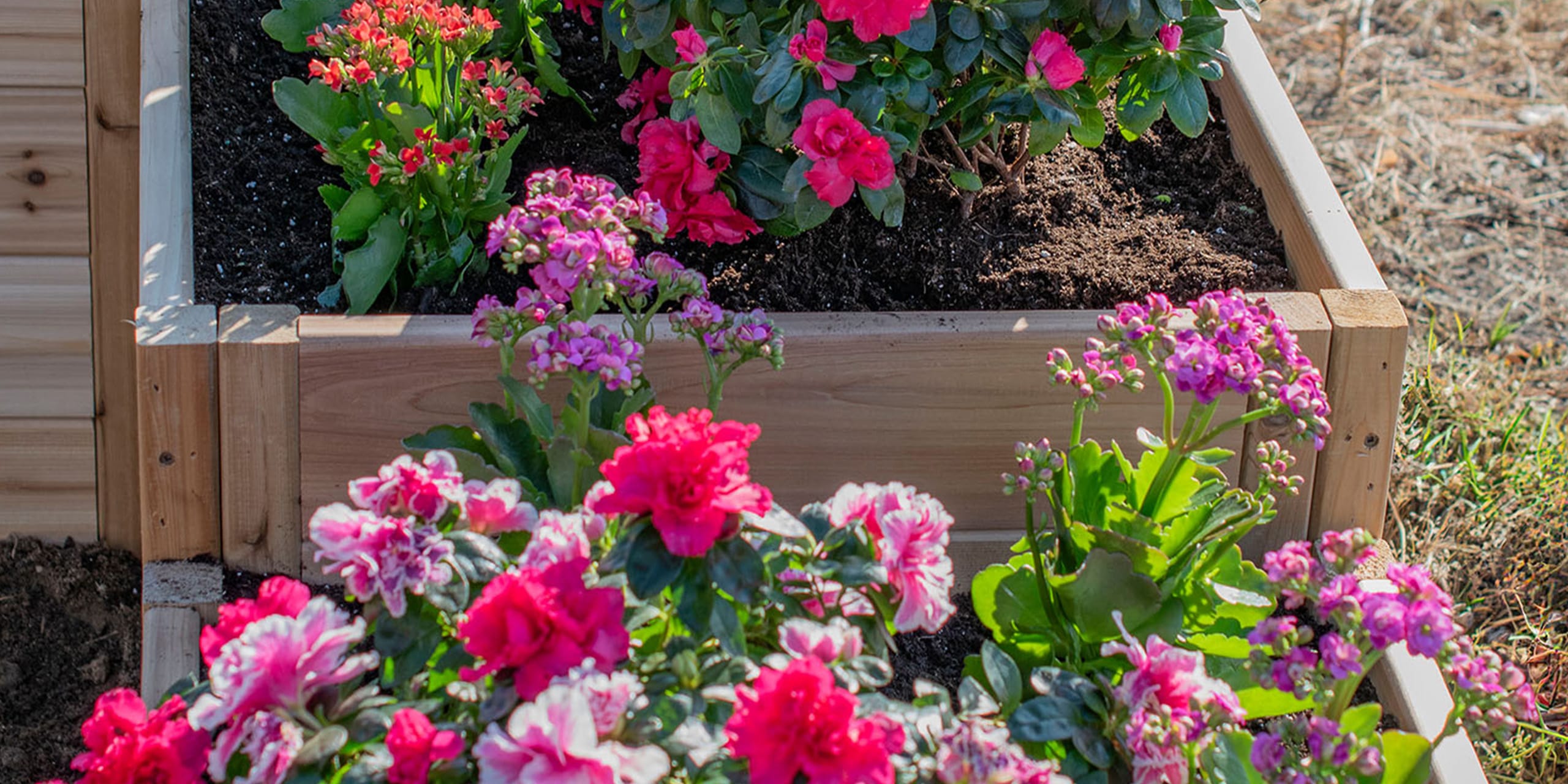
Wider flower beds allow for better layering and a more natural look. A minimum width of five feet is recommended to create at least three layers of plants—tall plants at the back, medium in the middle, and low-growing plants at the front.
In larger gardens, beds can be even wider to accommodate more variation in height, texture, and color.
Borders vs. Island Beds
Flower beds can either border fences, hedges, or walkways, or exist as standalone “island” beds within a lawn.
Border beds typically place taller plants toward the back, while island beds should have the tallest plants in the center, gradually tapering down to shorter plants around the edges. Both styles work well—it comes down to available space and design preference.
Sunshine, Climate, and Soil Types Matter
When selecting plants, consider how much sunlight your garden receives, your local climate, and the existing soil conditions.
While sunlight and climate are fixed factors, soil can be improved. A simple soil test followed by the addition of compost, manure, or fertilizer can dramatically improve plant health and bloom performance.
Leave Space for Growing
Plants need room to grow. Crowding flowers too closely can lead to poor airflow, disease, and a sparse-looking garden once plants mature.
Always plan for the plant’s full size, not just how it looks at planting time. Proper spacing results in healthier plants and fuller-looking beds over time.
Incorporate Creepers and Climbers
Beyond flower beds, climbers and creeping plants add vertical interest to the garden. Flowering vines trained along arbors, pergolas, or trellises provide shade, structure, and seasonal color.
Climbers that bloom in late summer or fall can extend the visual interest of your garden well into the cooler months.
A Garden That Grows With Time
A well-planned flower garden evolves gradually. By focusing on structure first and layering plants thoughtfully, you’ll create a space that becomes richer, fuller, and more beautiful with each passing season.
With patience and planning, your flower garden will reward you with color, texture, and enjoyment year after year.