
May 24, 2016
Simple ways to introduce children to gardening while making it fun, safe, and rewarding.
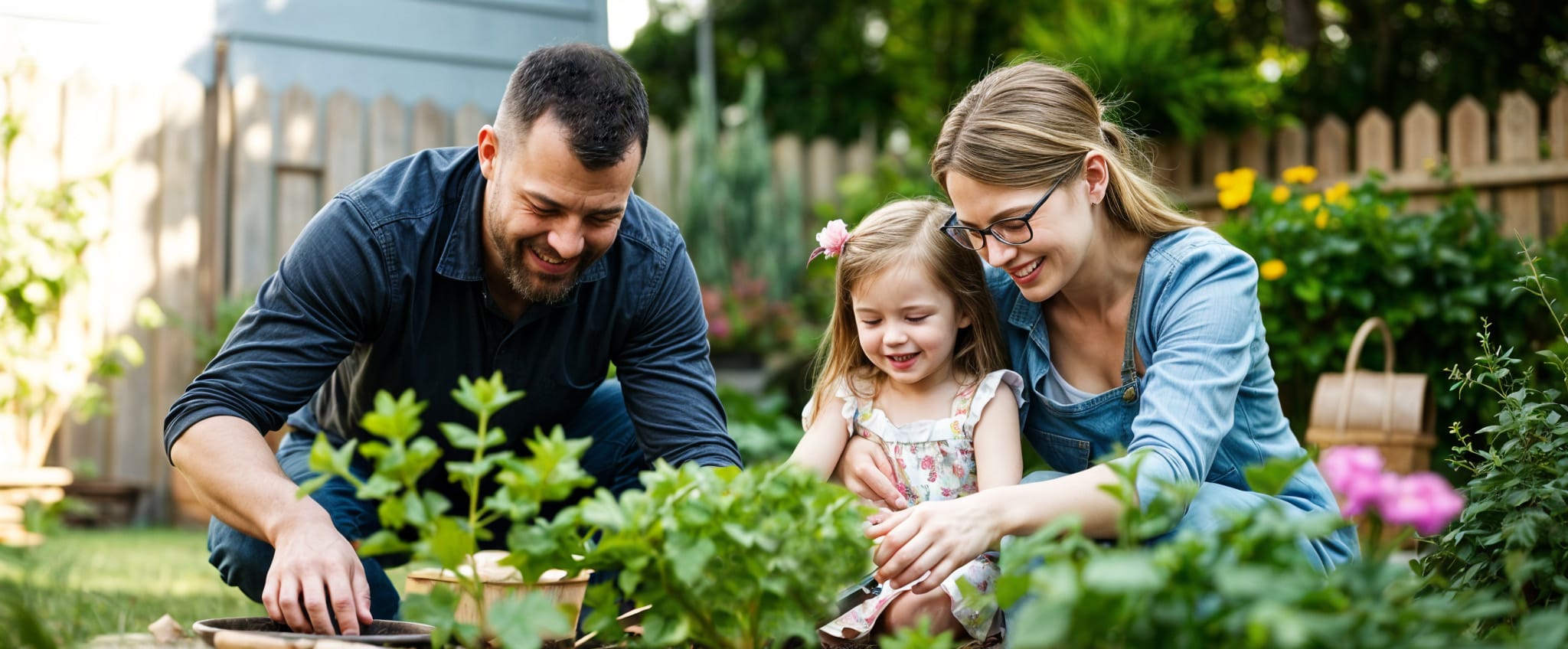
If you’re an avid gardener, introducing your children to the joys of gardening can be one of the most rewarding experiences you share together. Gardening with kids is not only fun, it also helps teach valuable life skills like patience, responsibility, persistence, and a respect for nature.
Children learn by doing, and the garden is a perfect hands-on classroom. From planting seeds and watering plants to watching seedlings sprout and flowers bloom, gardening helps children understand where food comes from. An added bonus? Even picky eaters are often more willing to try vegetables like cherry tomatoes or kale when they’ve helped grow them themselves.
Outdoor wood structures add warmth, beauty, and long-lasting function to your property — but only if they’re properly protected from moisture, insects, and weathering. Whether you’re maintaining a shed, pergola, greenhouse, or garden bed, understanding what causes wood decay (and how to stop it) can dramatically extend the life of your investment.
Keep the Child’s Age in Mind
When gardening with children, it’s important to consider their age and attention span. Young children are naturally impatient and enjoy quick results, so choosing fast-growing plants is key.
Great beginner plants include:
- Sunflowers
- Cherry tomatoes
- Radishes
- Lettuce
Sunflowers are especially ideal because their large seeds are easy for little hands to manage.
Give Children Ownership of Their Garden
One of the best ways to keep children engaged is to give them ownership over their own space. A small, individual plot helps build responsibility and pride.
The size of the garden should match the child’s age:
- Very young children can start with a container garden
- Older children can manage a small raised bed or ground-level plot
Place their garden in a sunny location with easy access to water. Depending on their age, you can assist with tasks like weeding, pest removal, or watering while still letting them feel in charge.
Gradually Involve Them in All Gardening Activities
At first, children may only want to help with planting seeds or watering. Over time, you can introduce more responsibilities and skills.
As they grow, teach children how to:
- Compost organic material
- Weed and identify pests
- Harvest fruits and vegetables
- Mulch, fertilize, and prune plants
You can also expand the size of their garden and let them choose what they want to grow each season.
Safety First When Gardening With Children
Safety should always be a priority when gardening with kids.
Important safety tips include:
- Keep children’s garden plots close to the house and easily visible
- Use child-sized gardening tools
- Supervise the use of sharp or heavy tools
Avoid chemical fertilizers and pesticides whenever possible by keeping your garden organic. If chemicals must be used, store them safely out of reach and explain clearly that they are not for children to handle.
Plan Garden Beds With Kids in Mind
When designing garden beds for children, accessibility is key.
Best practices include:
- Beds no wider than four feet so kids can reach the center
- At least two feet of space between beds for easy movement
Extra space helps prevent accidental trampling, especially for younger children who are still developing coordination.
Use the Garden as a Learning Space
Gardens are full of opportunities for discovery. Let children get muddy, explore freely, and ask questions.
Use gardening time to:
- Identify plants, insects, birds, and small animals
- Teach basic biology and ecology
- Install bird feeders or bird baths for added interest
This hands-on exploration helps deepen curiosity and connection to the natural world.
Be Flexible and Let Kids Make Mistakes
A perfect garden isn’t the goal — enjoyment and learning are.
Children will make mistakes:
- Pulling up plants with weeds
- Overwatering
- Stepping on seedlings
These moments are part of the learning process. With guidance and patience, children gain confidence and pride in their efforts, even when things don’t go perfectly.
With supervision and encouragement, gardening becomes a joyful outdoor activity that teaches lifelong skills — and lets kids enjoy the literal fruits of their labor.