
October 30, 2017
A practical guide to help your garden transition from summer to winter.
As the weather cools and days grow shorter, your garden naturally begins to shift into dormancy. Fall is the perfect time to prepare the soil, tidy up plantings, and complete simple tasks that will set your garden up for success when spring returns. With a few intentional steps, you can protect your plants through winter and ensure a healthier, more productive growing season ahead.
Below are the essential, easy-to-follow tasks that help your garden finish strong and start the next season even better.
Examine the Garden
Before diving into fall tasks, take a slow walk around your garden and assess what needs attention.
Look for:
- bare or compacted soil that needs amendments
- overgrown plants ready to be divided
- bulbs that need lifting before frost
- herbs or tender plants that must be brought indoors
This simple overview helps you plan your next steps.
Add Soil Amendments
Fall is the ideal time to replenish your soil. Summer growth depletes nutrients, and enriching the soil now gives it months to rebuild before spring planting.
Consider adding:
- compost
- aged manure
- mulch
- slow-release organic fertilizer
Work amendments into the soil using a fork or tiller while the ground is still warm. This boosts microbial activity, prevents compaction, and improves water retention through winter.
Tip: Amending soil in fall reduces the workload during spring planting.
Remove Herbs Indoors
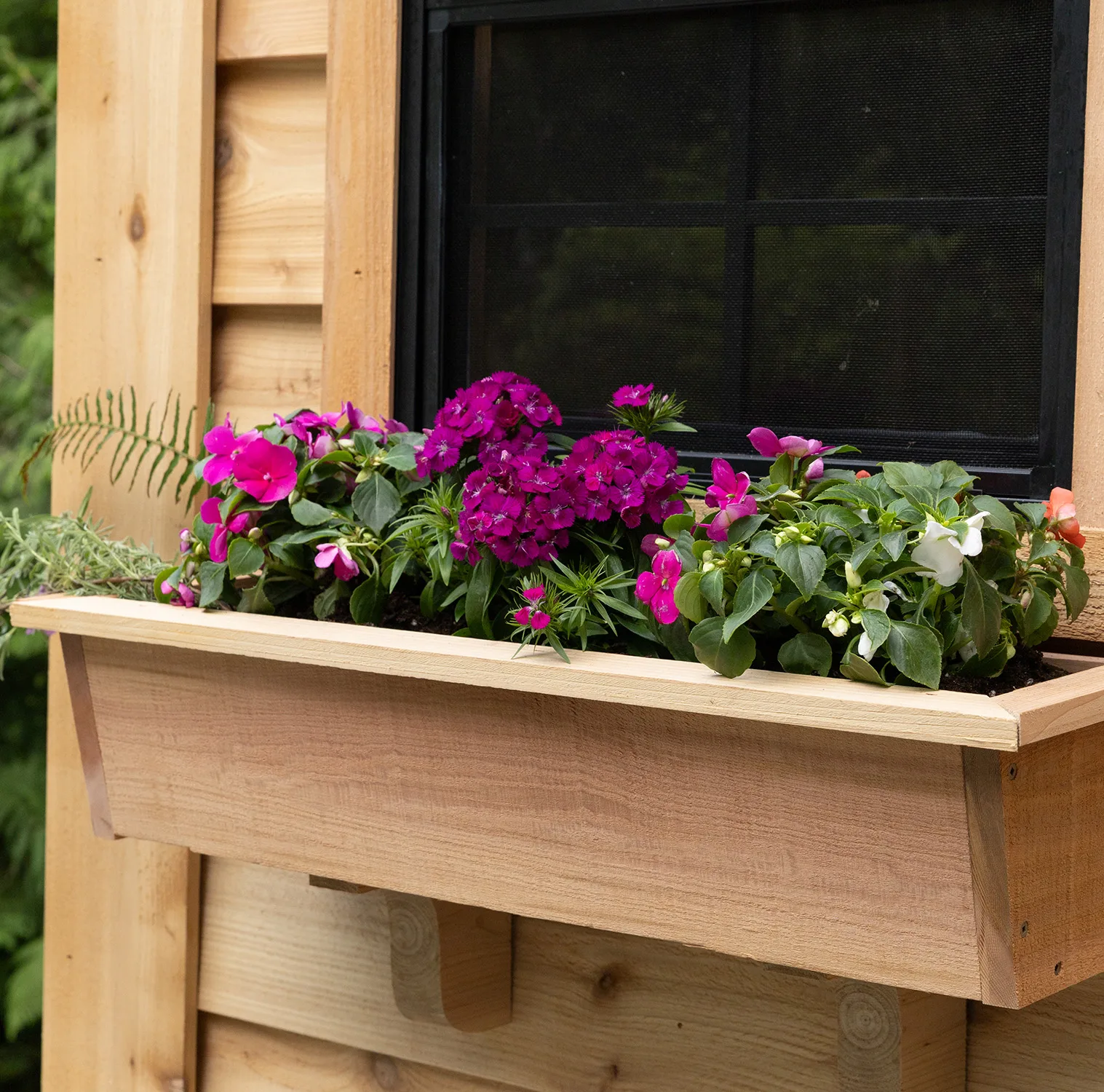
Tender herbs decline quickly once temperatures drop. Bring potted herbs inside before the first frost so you can continue using them through winter.
Place them in:
- a bright window
- a warm porch corner
- an indoor grow-light setup
This keeps your herbs thriving until outdoor temperatures rise again.
Apply Weed Killer on the Lawn
Many weeds germinate in late summer and prepare to grow aggressively in spring. Applying weed control in fall stops that cycle.
Keep in mind:
- apply only on calm, dry days
- keep pets off the lawn for a few hours
- follow product instructions carefully
This step results in fewer weeds when your lawn greens up again.
Collect Seeds
Fall is the best time to gather seeds from mature plants. This gives you free seeds for next year and helps preserve heirloom varieties.
For best results:
- allow fruits and flowers to fully ripen
- soak seeds in water to separate pulp
- dry seeds thoroughly before storage
Store them in a cool, dry, labeled container for spring use.
Remove Mulch from Stems and Trunks
Fall is the best time to inspect trees because leaves have dropped and branches are visible.
Remove branches that are:
- cracked
- rotting
- hanging loosely
- leaning near structures
This prevents winter storms from causing unnecessary damage.
Final Thoughts
Preparing your garden in autumn is one of the most impactful ways to support healthy growth in the year ahead. These essential steps lighten your spring workload, rejuvenate your soil, and protect plants during winter dormancy. A little effort now gives your garden a strong foundation for vibrant, early growth once warmer weather returns.