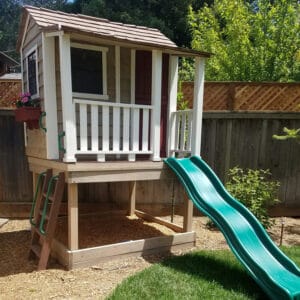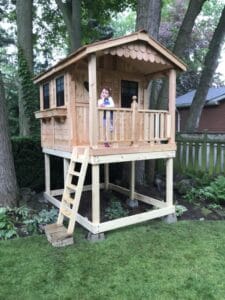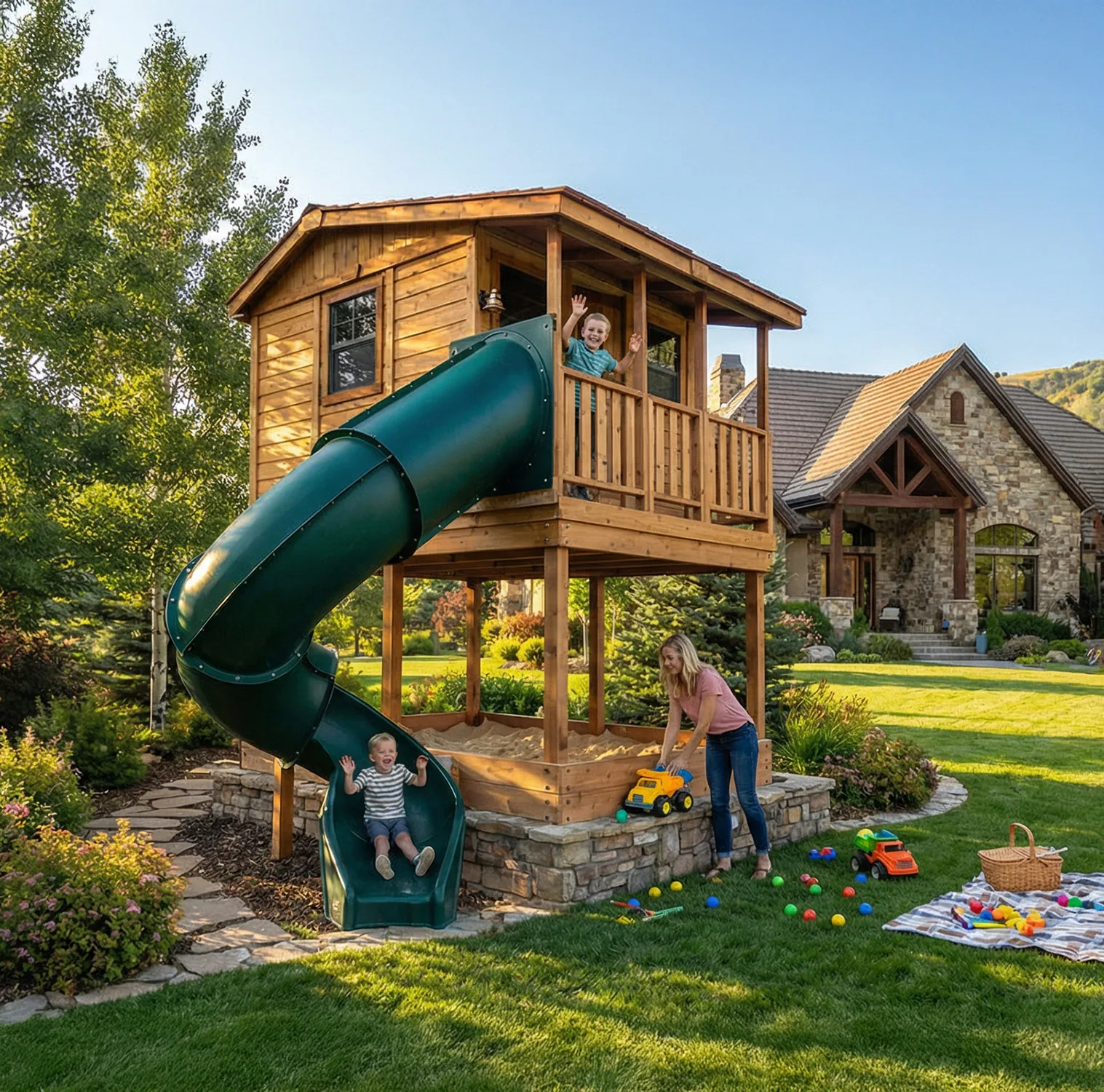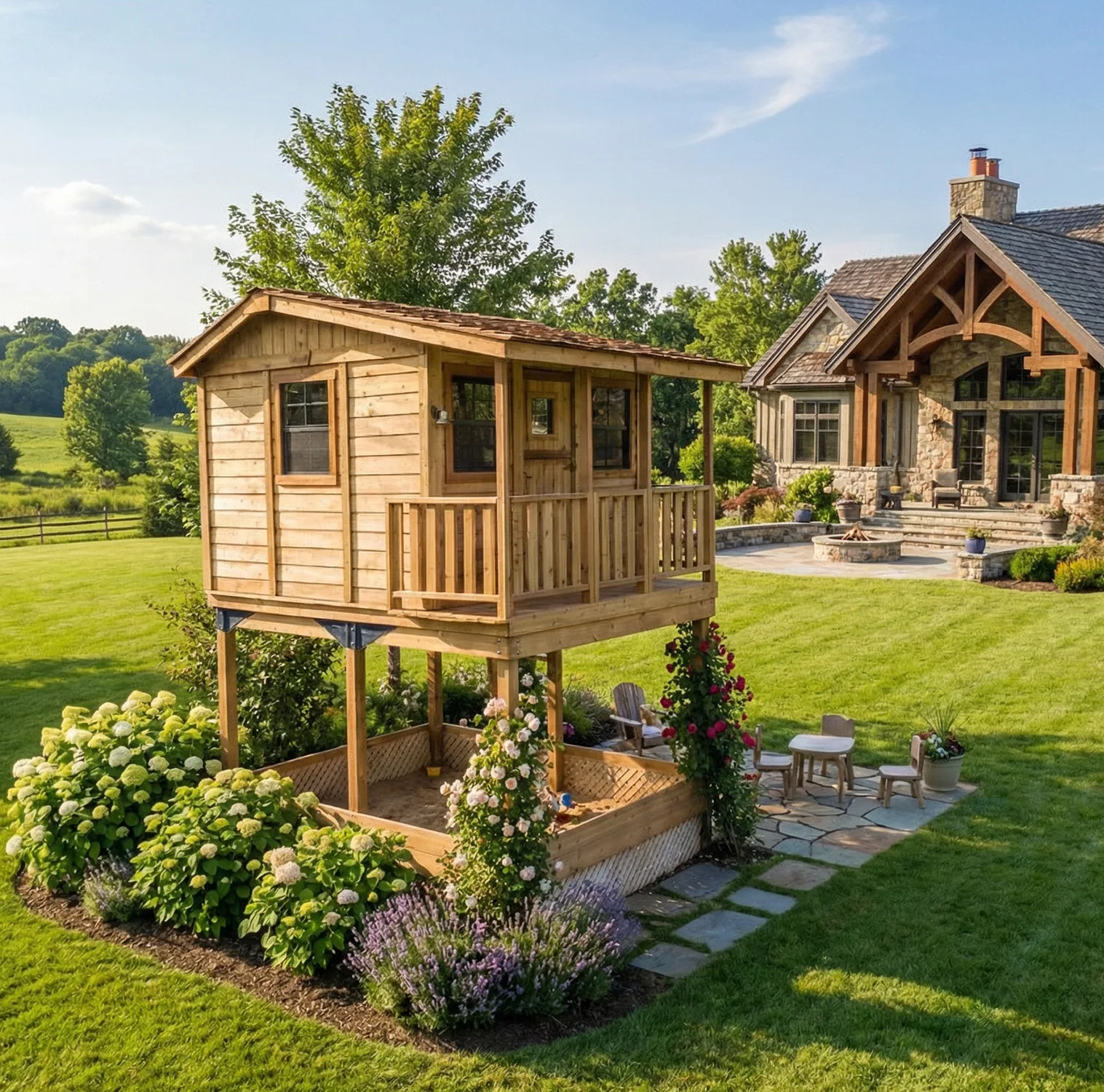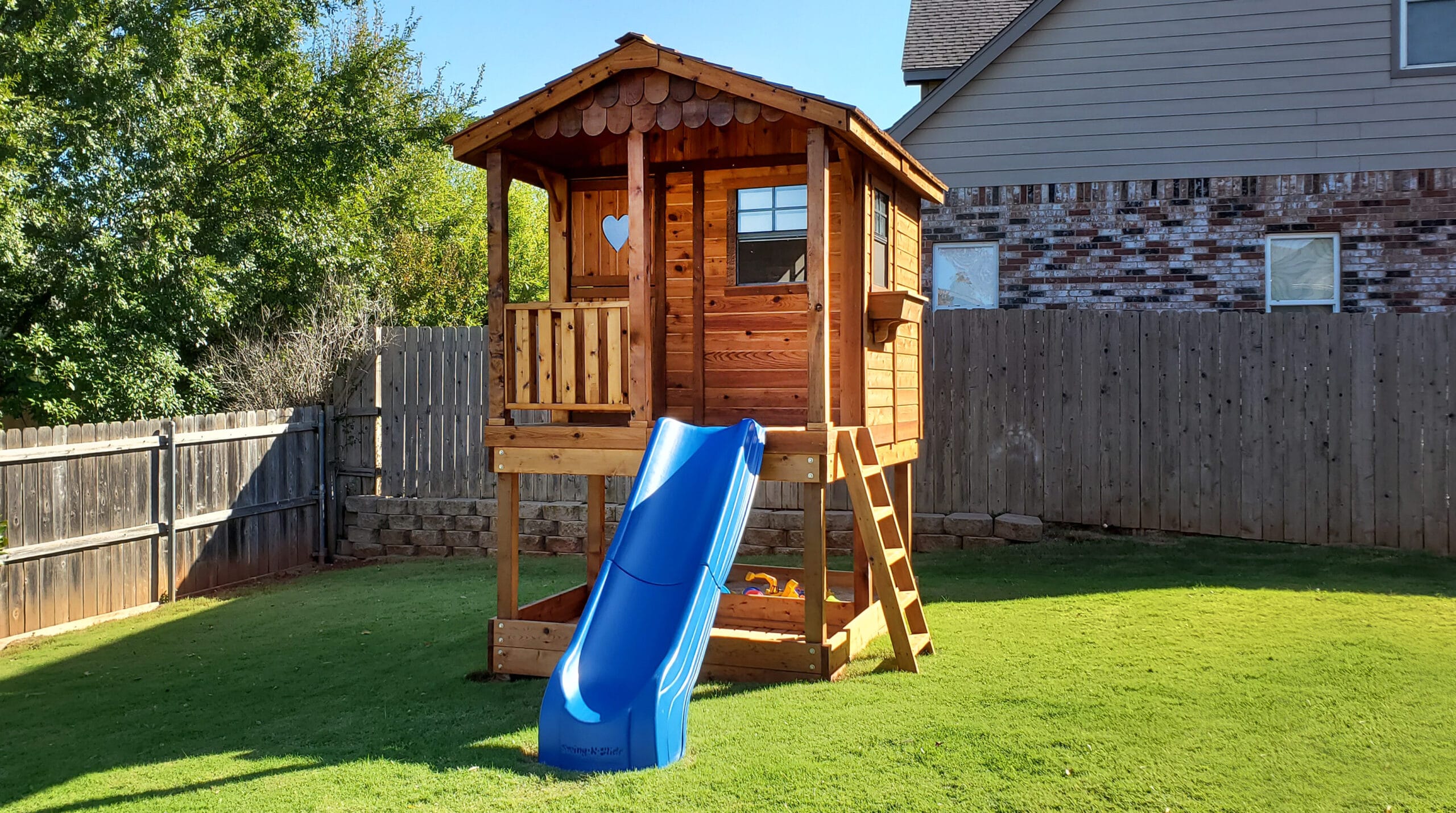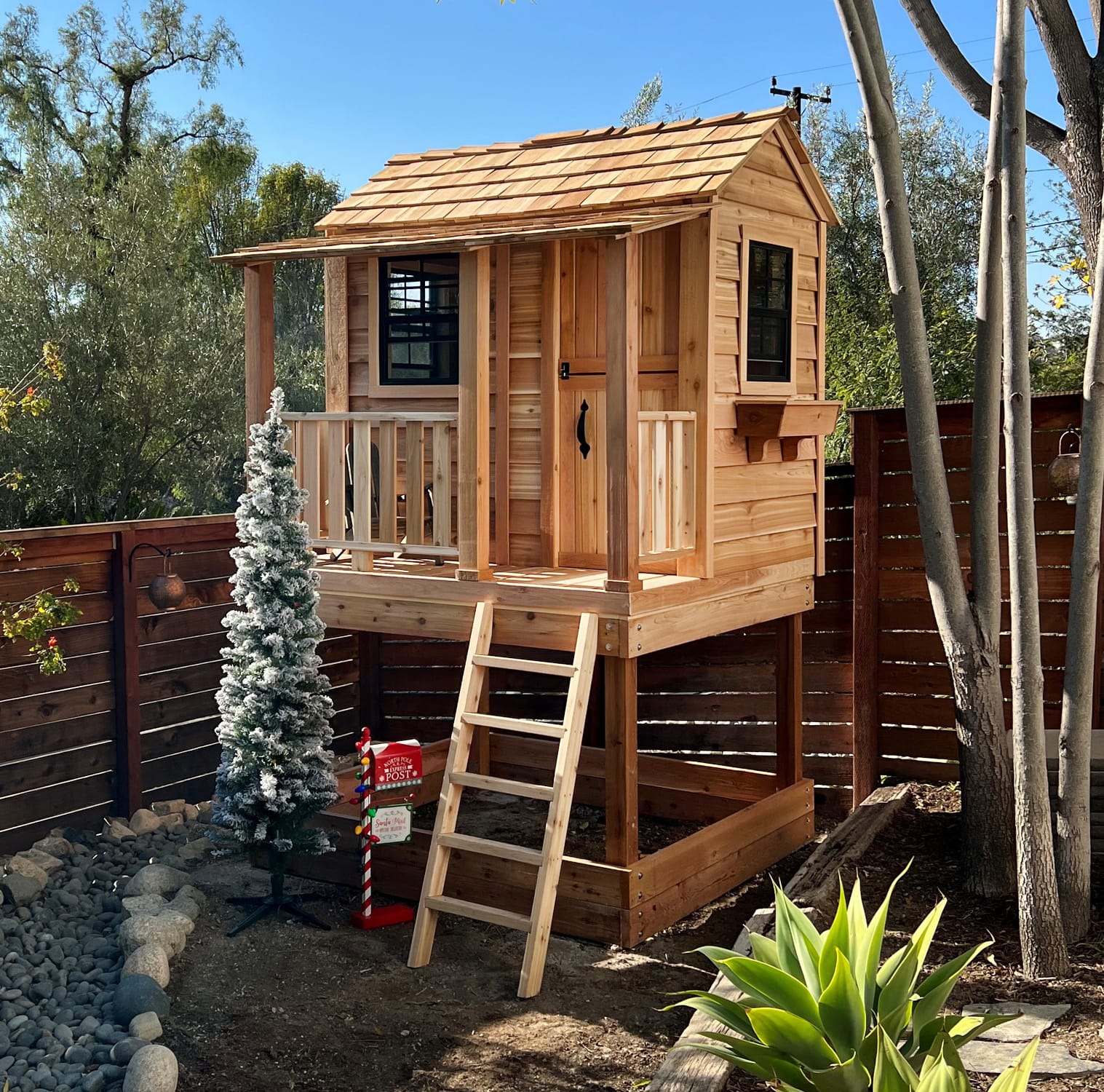
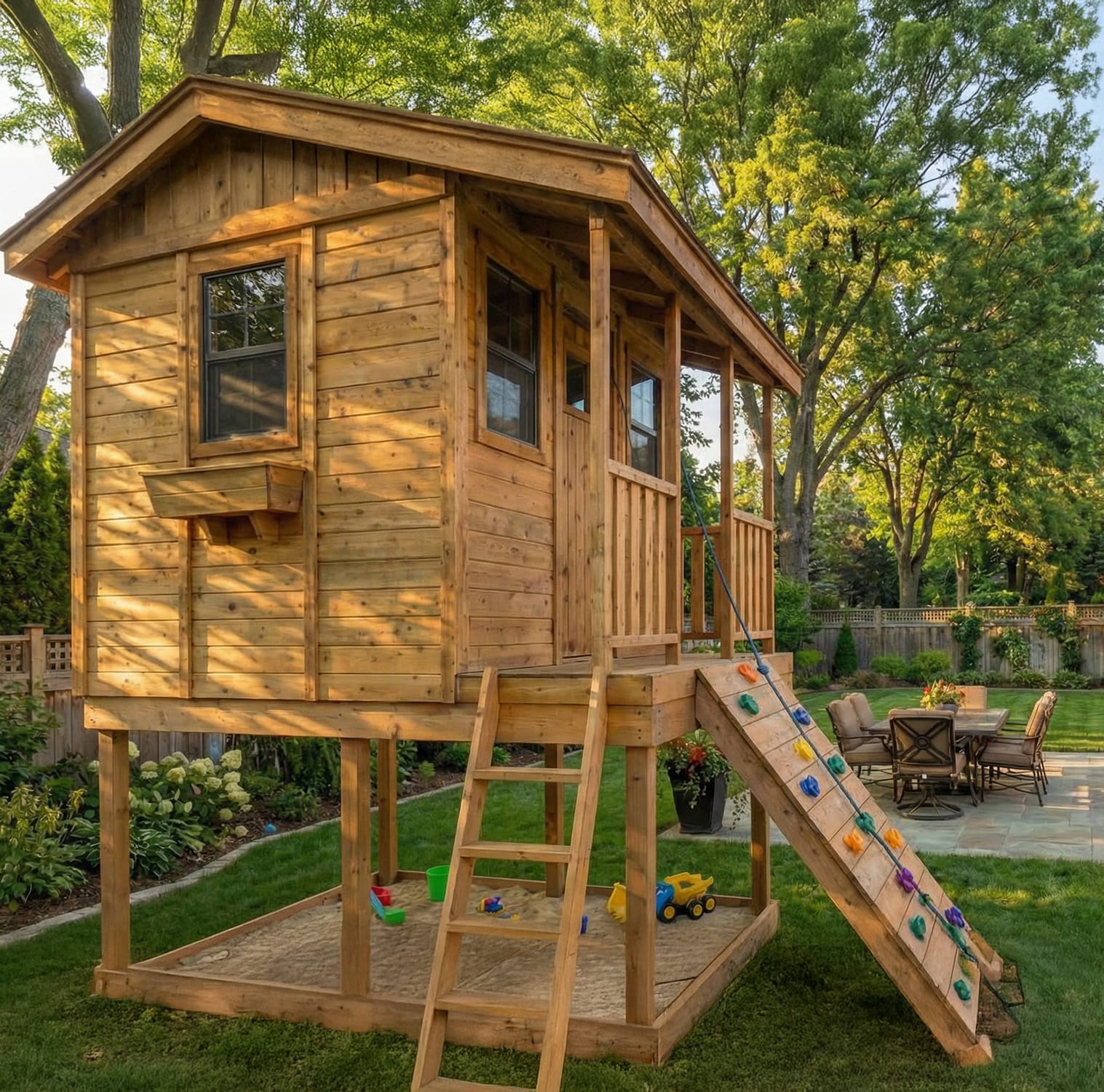
A backyard playhouse gives kids a dedicated space to explore, imagine, and play outdoors—while giving parents peace of mind. Unlike tree houses, playhouses offer a safer, ground-level alternative that still delivers adventure, creativity, and years of fun. Here are five key things to consider when planning a kids playhouse.
Cozy Cabin Playhouse 9x7 Western Red Cedar Playhouse Outdoor Living Today Cedar Playhouse Kit 4

1. Choose a Safe, Level Location

A playhouse should be installed on flat, stable ground with good drainage. Placing it on a level base helps prevent shifting over time and keeps doors and windows operating smoothly. Choose a location with clear sightlines from the house so kids can play safely while staying within view.

2. Prioritize Sturdy, Weather-Resistant Materials

Kids playhouses need to stand up to constant use and changing weather. Durable materials like Western Red Cedar are ideal because they are naturally resistant to rot, decay, and insects. This means less maintenance, longer lifespan, and a safer structure for everyday play.

3. Think About Age-Appropriate Design

Design matters when it comes to safety and usability. Lower profiles, wide door openings, smooth edges, and proper ventilation all help create a comfortable space for kids of different ages. A well-designed playhouse encourages independent play while minimizing risks.

4. Allow Room to Grow and Customize

As kids grow, their play evolves. Look for playhouses that offer flexible layouts or space for customization—such as adding benches, shelves, flower boxes, or creative décor. This allows the playhouse to transition from imaginative play to a cozy hangout over time.

5. Assemble with Long-Term Use in Mind

Whether building from scratch or installing a kit, proper assembly is key. Secure connections, reinforced floors, and clear instructions ensure the playhouse remains stable and safe year after year. Quality playhouse kits simplify installation while delivering consistent results.


Why a Playhouse is a Smart Alternative to a Tree House

While tree houses can be fun, they also introduce challenges related to safety, wind, and long-term maintenance. Ground-level playhouses provide the same sense of adventure and imagination—without putting stress on trees or requiring complex structural support.

A thoughtfully designed playhouse creates a space where kids can play freely, safely, and creatively—right in your backyard.
Read More

Staining your shed or playhouse helps protect the wood, enhance its natural beauty, and extend its lifespan. If your structure is made from Western Red Cedar, you’re already starting with a durable, naturally rot-resistant material. The right stain and timing will help keep it looking great for years to come.

Below is a simple, step-by-step guide to staining your shed or playhouse the right way.


Before Your Shed or Playhouse Arrives

Western Red Cedar will begin to weather and turn a silvery gray within a few weeks of sun exposure. If you want to preserve the fresh cedar look, plan ahead.

Before assembly:

  1. Store the kit in a dry, shaded area
  2. Keep it covered and protected from rain and direct sunlight
  3. Allow airflow so moisture doesn’t get trapped

This gives you the flexibility to stain before or after assembly.

Learn more about cedar weathering here:
https://www.realcedar.com/why-cedar/weathering/

After Your Shed or Playhouse Arrives

Once your kit is delivered:

  1. Remove plastic wrapping so the wood can breathe
  2. Sort pieces by section (walls, roof panels, trim)
  3. Allow the wood to acclimate to your local climate before staining

If storing outdoors temporarily, keep pieces covered but ventilated.

Choosing the Right Stain

Stains protect cedar while allowing the wood grain to show through. The three most common options are:

Solid-Color Stain

  1. Offers the most UV protection
  2. Covers the wood grain
  3. Acts like a paint-style barrier

Semi-Transparent Stain

  1. Enhances natural cedar color
  2. Allows wood grain to show
  3. Provides good UV and moisture protection

Transparent Stain

  1. Preserves the most natural look
  2. Light protection, requires more frequent re-application

When to Stain: Before or After Assembly?

Staining Before Assembly (Recommended)

Pros:

  1. Easier access to all sides of the wood
  2. Better protection on hidden surfaces
  3. More comfortable working position

Best pieces to stain before assembly:

  1. Wall panels
  2. Roof panels
  3. Trim and fascia
  4. Skirting boards

Interior roof panels do not need to be stained.

Staining After Assembly

  1. Uses less stain
  2. Takes longer due to ladders and tight spaces
  3. Harder to fully seal joints and edges

Brush vs. Sprayer: What Works Best?

While sprayers are faster, brushing delivers the best results on cedar.

Best practice:

  1. Spray to apply stain (optional)
  2. Brush immediately after to work stain into the wood fibers

This ensures even coverage and prevents lap marks.

Drying Time Matters

Always follow the manufacturer’s instructions, but general guidelines include:

  1. Let cedar dry 24–48 hours before staining
  2. Avoid staining in direct sunlight
  3. Do not stain if rain is expected within 24 hours

Proper drying ensures long-lasting results and even color.

Final Tips for Long-Lasting Results

  1. Test stain colors on a hidden piece first
  2. Stir stain thoroughly (do not shake)
  3. Apply thin, even coats
  4. Re-stain every few years as needed

With the right preparation and stain choice, your shed or playhouse will stay protected, beautiful, and ready to enjoy season after season.

Before adding extras, focus on the core components that make an outdoor kitchen functional and enjoyable.

Read More

Give your kids a space to imagine, explore, and play independently—right in your backyard.

As children grow older, they naturally crave a little independence. Having a space of their own allows them to explore their creativity, build confidence, and play freely—while still staying safe and close to home.

One of the best ways to support this growth is by creating a dedicated playhouse in the garden. A backyard playhouse gives children the freedom to play independently while offering protection from the elements and peace of mind for parents.

Cozy Cabin Playhouse 9x7 Cedar Playhouse Kit Outdoor Living Today Western Red Cedar Kit 1.jpg

Repurposing Existing Garden Structures

While a traditional playhouse is a wonderful idea, space and budget constraints can make starting from scratch feel overwhelming. The good news is that you don’t have to.

Many existing garden structures can be easily repurposed into charming play spaces. With a little imagination, you can transform a garden shed, gazebo, or arbor into a creative retreat your children will love.

Explore inspiration for seasonal and themed play spaces here:
Turn Your Kids’ Outdoor Playhouse Into a Fort

Check the Sturdiness of the Structure

Before starting any conversion, safety comes first. Inspect the structure thoroughly to ensure the foundation, walls, and roof are solid and capable of handling active play.

If you notice any weaknesses, reinforce them before moving forward. A sturdy structure ensures the playhouse will remain safe, durable, and enjoyable for years to come.

Ensure Adequate Ventilation

Children are likely to spend hours playing in their new space, so proper airflow is essential. Make sure the structure has adequate ventilation to keep it comfortable during warmer months.

Weatherproofing is also important. Protect toys, books, and treasured belongings from moisture and prolonged sun exposure to keep everything in good condition.

Provide Furniture That Works Hard

Furnish the playhouse with age-appropriate pieces that are functional and easy to clean. Low benches, small tables, and child-sized chairs work well.

Whenever possible, choose furniture that doubles as storage. Toy chests, benches with compartments, or cubbies help keep the space organized while maximizing every square inch. Individual storage areas for each child can also help encourage responsibility.

Add Soft Furnishings

Once the main furniture is in place, add soft touches to make the space feel cozy and welcoming. Curtains, rugs, and colorful cushions add comfort and personality while making the playhouse feel like a true retreat.

Decorate the Exterior

Since the playhouse sits within the garden, let it blend naturally into the landscape. Surround it with flowering plants, install a short wooden picket fence, or add a nearby swing or hammock for extra fun.

Fast-growing vines can soften the look and add charm—get ideas here:

Converting an Arbor Into a Playhouse

Arbors make magical play spaces when dressed with greenery. Encourage vines to grow along the walls and roof, or create a living green wall using trellises or hedges on three sides, leaving one side open for entry.

Inside, simple benches or toy chests can provide seating and storage. Adding window openings lets in natural light and enhances the sense of adventure. A canvas floor covering can make cleanup quick and easy.

Converting a Gazebo Into a Playhouse

A gazebo can easily become a play pavilion by adding cheerful curtains or roll-down blinds along the sides. This creates a cozy, shaded space perfect for summer play.

Because gazebos often have built-in seating, consider adding lockers or storage bins for each child. Make sure all storage is secure to keep bugs out and toys protected.

You can find more ideas for personalizing structures like gazebos and pergolas here.

A Space That Grows With Them

A backyard playhouse encourages independence, creativity, and imaginative play. With just a few thoughtful updates—furniture that multitasks, soft furnishings, and safe structural checks—almost any garden structure can become a child’s favorite place.

Keep furnishings simple to let imagination take the lead. One day it might be a castle, the next a ship, a theater, or something entirely unexpected. That freedom is what makes a playhouse truly special.

Need inspiration? Explore the many creative playhouse ideas shared by our community and start designing a space your children will remember for years to come.

Cozy Cabin Playhouse Western Red CEdar Outdoor Living Today Childrens Playhouse 9.jpg
Read More

A Backyard Playhouse Is More Than Just a Toy

When we think of childhood, we often recall the simple joy of playing outside—running around the yard, building forts, or imagining distant lands. A backyard playhouse brings those memories to life and creates the perfect environment for your kids to form their own.

But this isn’t just about nostalgia—it’s about empowering creativity, supporting independence, and encouraging healthy outdoor play. And in today’s tech-saturated world, that’s more important than ever.


Why Every Child Needs Their Own Outdoor Playhouse

A backyard playhouse offers far more than just a pretty addition to your garden. It becomes a sanctuary—a space where your child can:

  • Play independently and safely

  • Host tea parties, secret meetings, or read quietly

  • Develop their imagination and role-play skills

  • Enjoy screen-free time outdoors

  • Learn responsibility by maintaining “their own” space

You might find your yard has suddenly become the neighborhood’s most popular hangout—and that’s a good thing.


Inspiring Playhouse Ideas for Any Yard

At Outdoor Living Today, we believe every child deserves their own space to dream. Whether you have a small yard or a sprawling garden, we offer DIY cedar playhouse kits to match your needs. Made from sustainably harvested Western Red Cedar, our kits are naturally beautiful, resistant to rot and pests, and easy to assemble.

Browse our most popular styles:

You’ll find no shortage of inspiration in our customer photo gallery, where real families share their custom setups—from pirate ships and treehouse hideouts to flower-covered reading nooks.


Easy to Build, Built to Last

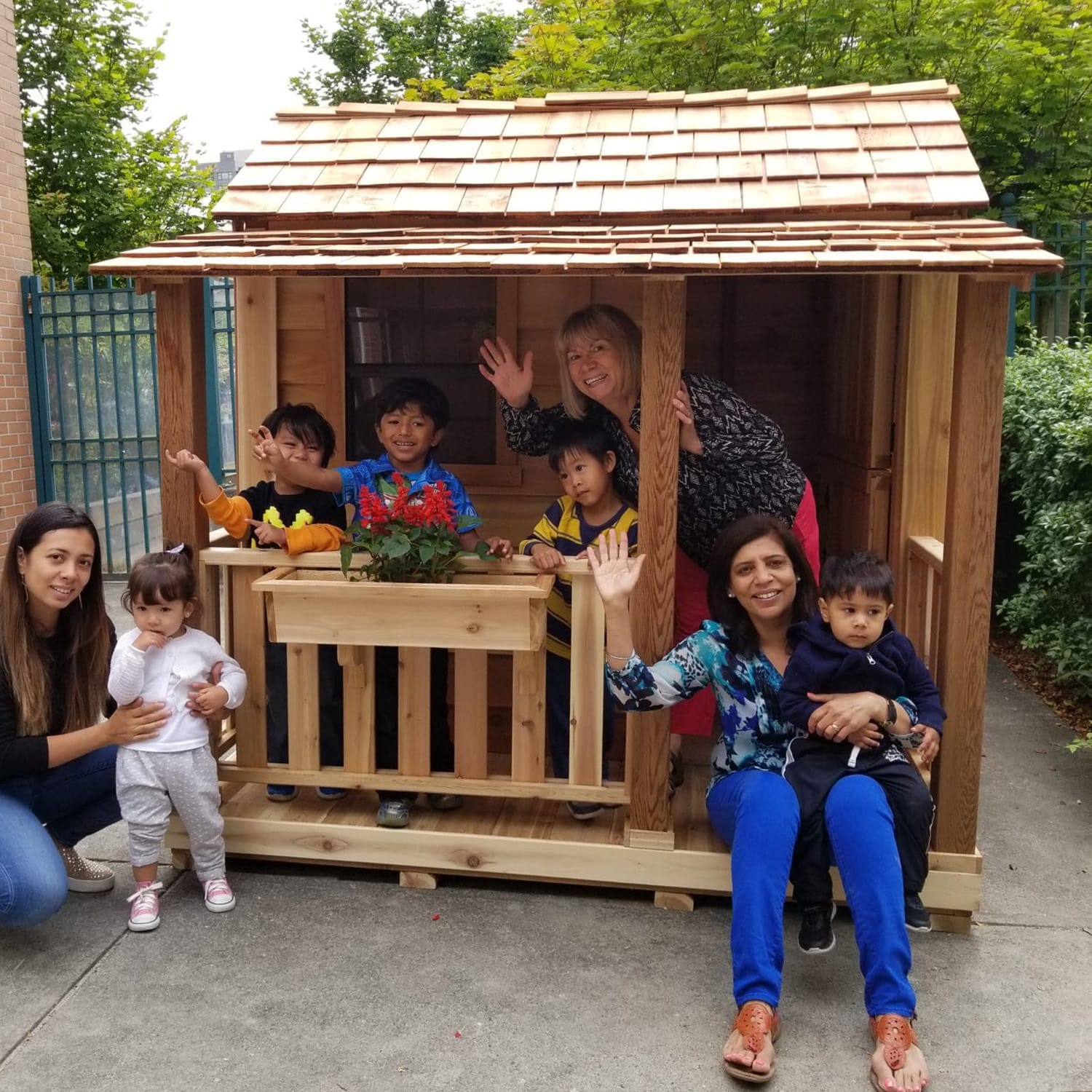
Children playing in a wooden playhouse.

Worried about the complexity? Don’t be. Our kits are panelized for quick assembly, and each one comes with clear instructions and all the necessary hardware. No specialized tools are required.

And because we use durable cedar instead of cheap plastic or treated lumber, you can be sure your playhouse will stand up to the elements—and time.

Want to customize it? Add a coat of paint, hang string lights, install a mailbox, or even build a little garden in front. The possibilities are endless.


Beyond Fun: Developmental Benefits of a Backyard Playhouse

Aside from the joy and fun, there are developmental benefits too. A backyard playhouse can help children:

  • Improve social skills through group play and sharing

  • Enhance language skills through storytelling and roleplay

  • Develop a sense of independence and ownership

  • Explore emotional expression in a safe and imaginative space

It’s a small investment that pays dividends in your child’s growth.


Build Memories That Last a Lifetime

At the end of the day, what makes a playhouse truly special isn’t the roofline or the windows. It’s the memories your children create inside. The giggles, secrets, imaginative games, and even the quiet moments of reflection.

With Outdoor Living Today, you’re not just buying a structure—you’re building a foundation for creativity, connection, and joy.

Start your family’s next adventure today!
Browse our full collection of playhouse kits and create a space your children will cherish for years to come.

Read More

A backyard fort gives kids a space that’s all their own!

Remember how magical it was to have a secret fort as a kid? That cozy hideout where only you and your closest friends were allowed? Forts spark a sense of adventure, creativity, and freedom—and your child can experience all that and more with a backyard fort playhouse.

Whether you build one from scratch or opt for a ready-to-assemble kit, an outdoor playhouse gives kids their own space to dream, play, and grow.


Why Every Kid Deserves a Fort

Outdoor playhouses offer much more than just fun. They foster:

  • Imaginative play

  • Creative thinking

  • Independent exploration

  • Social bonding with friends and siblings

From defending a castle to hosting a tea party, the stories kids tell in their forts become the foundation of lifelong memories.


Design Essentials for a Fort Playhouse

Before building or buying your playhouse, consider these key elements:

Keep It Cozy

Forts should feel snug and secure. A smaller footprint (room for 2-3 kids) creates a better hideout atmosphere. Include a door, a few small windows, and low walls for safety and visibility.

Decor and Furnishings

Let your child help decorate their new space. Add a DIY flag, soft rug, cozy chair, or storage trunk that doubles as a bench. Glow sticks or battery-powered lights add a warm, mysterious vibe. Make sure everything is durable enough to withstand the elements.

Hidden Entry Points

Want to up the mystery? Install a secret entrance behind shrubs or trees, or create a crawlspace tunnel with a low door that only kids can access.


Fort Playhouse Materials: What Works Best?

69 test scaled

While plastic or vinyl structures exist, wooden playhouses are ideal for outdoor settings. Cedar, especially Western Red Cedar, is the top choice because:

  • It’s naturally resistant to rot and decay

  • It smells wonderful and repels pests

  • It blends beautifully into natural surroundings

You can build your own fort using pallets or timber, or choose a pre-designed playhouse kit from Outdoor Living Today made from high-quality cedar.


DIY Pallet Fort: A Fun Family Project

Want to build it yourself? Here’s a basic plan using wooden pallets:

  1. Lay down 1–2 pallets for the floor (use OSB for a smoother surface)

  2. Stand other pallets vertically to create walls, then screw into the base

  3. Sand down splinters for child safety

  4. Build the roof frame with 2x4s and galvanized panels for waterproofing

  5. Add fun accessories like flags, glow sticks, or toy storage bins

This is a great weekend project for parents and kids to tackle together!


Kits vs. Custom Builds: Which Is Right for You?

OptionProsCons
DIY From ScratchCustom design, creative bonding experienceRequires tools, skills
Professional BuildPerfect fit and pro finishExpensive
Cedar Kit (Best Value)Easy assembly, comes with all hardwareLess customization

Our recommendation: choose a cedar kit if you want something fast, sturdy, and child-friendly. Browse our playhouse kits for durable options that ship across North America.


Give the Gift of Adventure

An outdoor fort playhouse is more than just a structure—it’s a space for growth, storytelling, and freedom. Whether they’re hiding from dragons, reading a book in solitude, or dreaming up their next big idea, your child will benefit immensely from having their own space outside.

Add some shrubs around the fort for privacy, or let climbing plants create a natural green curtain. Whatever you do, just make it theirs.

Ready to give your child a magical backyard escape?

Explore Outdoor Living Today’s wooden playhouse kits and let the adventure begin!

Read More

Backyard Play Area Ideas for Kids: How to Clear Space & Create a Fun Outdoor Retreat

lcp66box

Creating a dedicated play space in your backyard doesn’t just offer your kids a safe place to explore — it supports their mental and physical development while giving them the joy of nature. With a few creative changes and smart backyard shed storage, you can transform even the most cluttered yard into a functional play area for children.

Why Natural Outdoor Play Matters

Research shows that kids thrive in outdoor environments rich with natural elements — trees, flowers, insects, and open air. In fact, White and Stoecklin found that if given the chance, children would design play spaces brimming with natural features like ponds, plants, and wildlife. As a parent, you can bring this vision to life right in your backyard.


Step 1: Clear & Clean the Backyard

Remove Overgrown Bushes and Trees

Start by trimming or removing any overgrown shrubs and low-hanging tree branches. An open lawn makes a better canvas for a safe, imaginative play zone. You can replant with colorful flowers and maintain trimmed grass to create an inviting, open space.

Eliminate Rotting Plants and Weeds

Clear away any decaying plant matter and aggressive weeds. Not only does this create more usable space, but it also improves safety and aesthetics — two things kids (and their parents) appreciate.

Declutter the Odds and Ends

Old toys, broken bikes, garden tools, and unused lawn equipment often clutter backyards. Store what you still need in a shed or garage, donate working items, and toss the junk. You’ll reclaim valuable space for your kids to roam.


Step 2: Use Space-Saving Backyard Furniture

Opt for Foldable Furniture

Replace bulky wooden seating with foldable outdoor furniture. Lightweight plastic or collapsible options are ideal — easy to move and even easier to store in a shed when not in use. This keeps your backyard flexible and play-ready.


Step 3: Involve Your Kids in the Design

69 test scaled

Children are full of creativity. Let them help brainstorm how the play area should look. Whether it’s a flower garden, a mini wildlife pond, or just a cozy sandbox — your kids’ ideas will make the space feel like their own.


Step 4: Add a Shed for Storage and Play

Install a backyard shed to serve as both a storage unit and a part-time clubhouse. Opt for something practical like a Western Red Cedar shed — naturally beautiful and durable. Store seasonal furniture, tools, or even create a reading nook or board game station inside.

➡️ Explore cedar sheds at Outdoor Living Today


Step 5: Build Multi-Level Fun

Add depth and wonder to your yard with multi-level flower beds, stair-step planters, or seating platforms. Children love different vantage points and textures, so steps and platforms invite exploration and imaginative play.


Step 6: Install Kid-Friendly Play Features

Water and Sand Elements

Set up a sandbox, water table, or mini pond. Kids love tactile experiences — and these features keep them entertained without screens.

Add Play Equipment

Install a small swing, seesaw, or slide in a clear and safe area. Use natural barriers like flower beds or bushes to define the play zone.


Final Thought: Outdoor Play > Screen Time

OLT a father mother kid in an octogon shaped cedar g 95bbd808 4bbb 4844 b64f b671698e98d4

A well-designed backyard encourages kids to engage with nature and each other. With a few simple changes, you can create a playful sanctuary that your kids will love — and maybe even get them to forget about their tablets for a while.

Read More