Ten simple, budget-friendly ideas to transform your backyard with minimal tools and time.

If you have an outdoor space and aren’t sure how to make the most of it, a few simple DIY projects can completely transform how it looks and feels. The best part? Many impactful outdoor upgrades can be completed in about an hour with minimal tools and budget.

Here are ten easy DIY outdoor projects that add comfort, function, and personality to your backyard.


1. DIY Vertical Herb Garden

You don’t need a large yard to grow greenery. A vertical garden is perfect for patios, balconies, and small outdoor spaces.

Use a hanging shoe organizer, wall-mounted planters, or a wooden pallet to grow herbs like basil, rosemary, oregano, and chives. Hang it in a sunny spot and water regularly.

green leaves

2. Natural Ways to Reduce Mosquitoes

Mosquitoes can quickly ruin an evening outdoors. Instead of chemical sprays, try natural solutions.

DIY citronella candles, mosquito-repelling plants (like citronella grass, lavender, and mint), or even a simple box fan can make a big difference.

Helpful resources:

https://www.epa.gov/mosquitocontrol

A bug sitting on top of a green leaf

3. Play Music Outside

Music instantly changes the mood of an outdoor space. Portable Bluetooth speakers or weather-resistant outdoor speakers are easy to set up and store.

If you want to go further, consider building speakers into a table or bench, or using floating waterproof speakers for pool areas.

selective focus silhouette photography of man playing red-lighted DJ terminal

4. DIY Outdoor Movie Night

Turn your backyard into a movie theatre in under an hour. All you need is a portable projector and a foldable screen or white sheet.

Pair it with blankets, floor cushions, and string lights for a cozy experience the whole family will love.

clap board roadside Jakob and Ryan

5. Outdoor Yard Games for Kids and Adults

Life-size versions of classic games like Jenga, cornhole, or ring toss are easy DIY builds and fun for all ages.

These games are great for gatherings and can be stored neatly in a shed or playhouse when not in use.

a small child swinging a bat at a ball

6. DIY Outdoor Oven

Create a simple outdoor oven using terracotta pots, sand, and a metal bucket. This DIY project works well for flatbreads, naan, and even pizza.

Solar ovens made from cardboard and foil are another fun option, especially for kids.

a couple of pieces of meat cooking in an oven

7. DIY Smoker

You don’t need an expensive smoker to enjoy slow-cooked flavors. Old flower pots or a modified grill can work surprisingly well.

This is a great project for weekend cooks who enjoy experimenting outdoors.
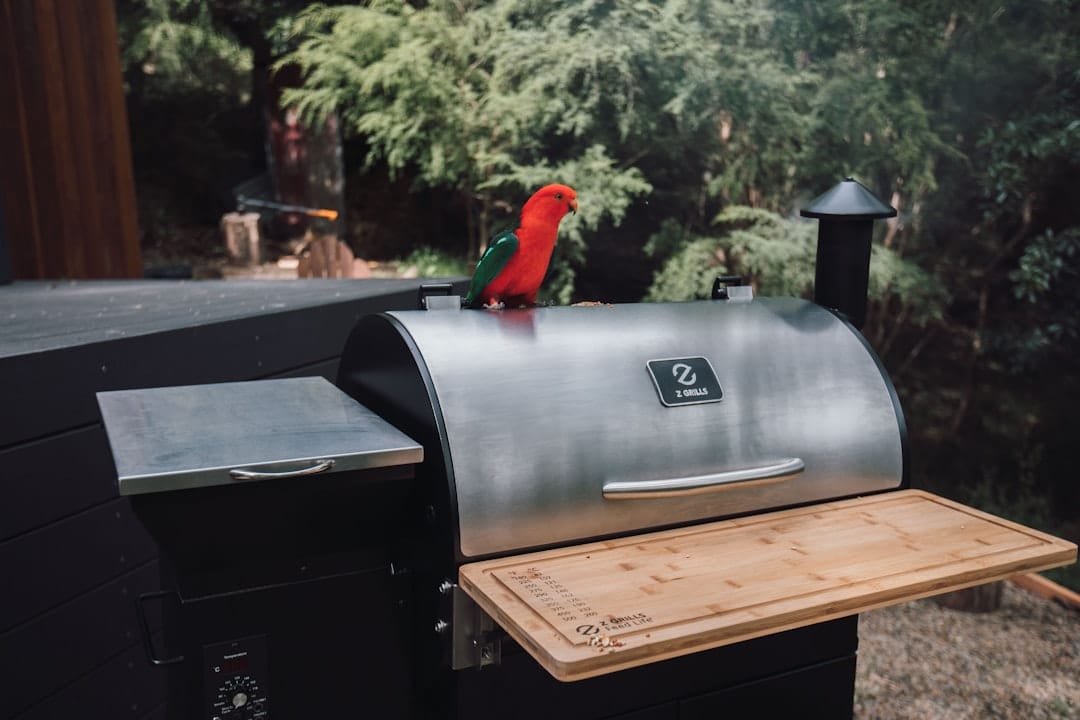
red bird on black and silver outdoor grill

8. Simple Outdoor Canopy

Create instant shade with four posts and a weather-resistant drop cloth or outdoor fabric. This quick canopy adds comfort for dining, lounging, or entertaining.

Close-up view of a yellow umbrella with white polka dots.

9. DIY Mason Jar Outdoor Lights

Mason jar lights are a classic outdoor upgrade. Add battery-powered LED lights or solar inserts and hang them from hooks or trees.

They’re perfect for patios, pergolas, and garden paths.
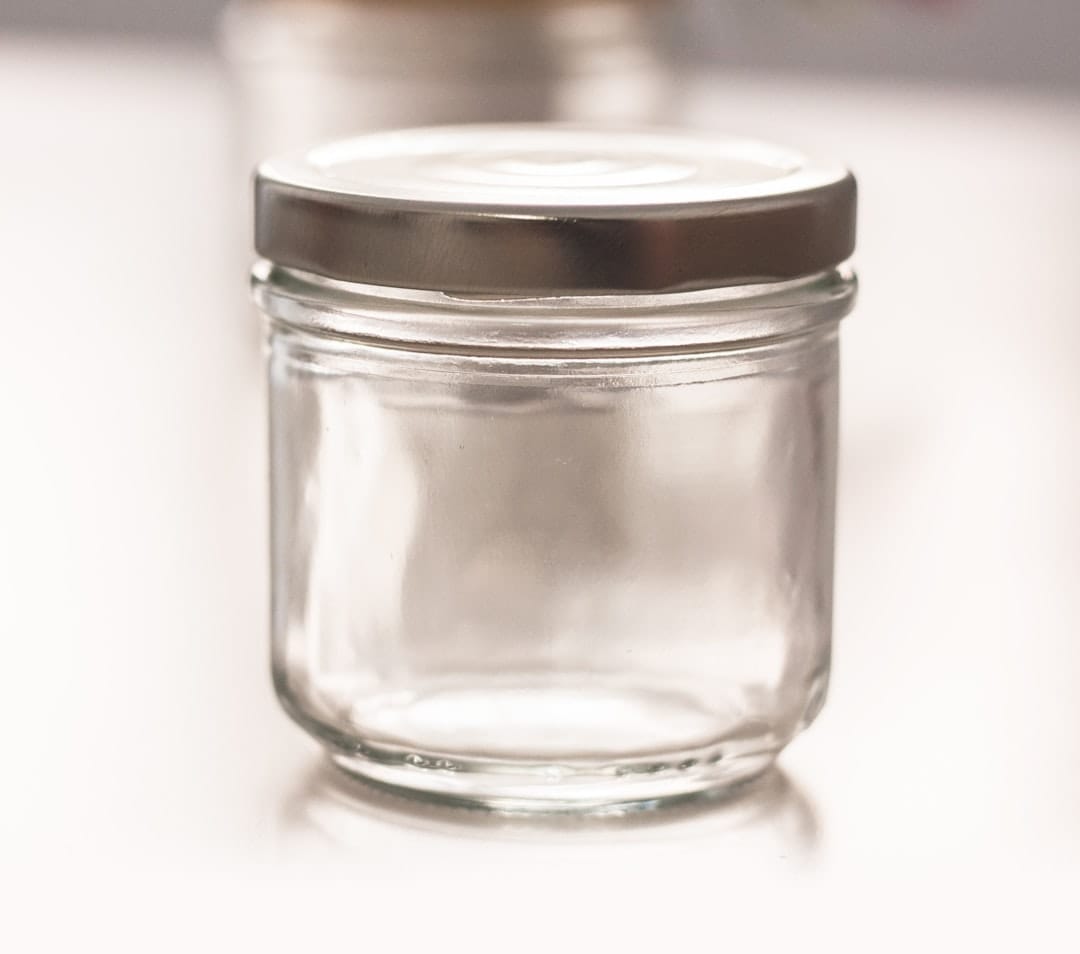
clear glass jar with white lid

10. Mini Fire Pit or Flaming Bowl

A tabletop fire pit or flaming bowl creates ambiance without a full backyard build. Many DIY versions use concrete bowls, gel fuel, or propane kits.

photo of flames on firepit
Read More

Key design principles to help you create a balanced, colorful, and thriving flower garden from the ground up.

Flowers bring color, life, and personality to a garden—especially through the spring, summer, and fall months. But a successful flower garden doesn’t happen by planting flowers wherever there’s open space. Thoughtful planning is what turns a collection of plants into a garden that feels balanced, vibrant, and cohesive year after year.

Whether you’re starting from scratch or refreshing an existing landscape, these key considerations will help you design a flower garden that grows beautifully over time.

5.5×2 Tiered L Shaped Garden Bed – Western Red Cedar Kit banner 6

Overall Considerations When Planning a Flower Garden

A strong flower garden begins with structure. Before choosing individual flowers, think about the permanent elements that give your garden shape and flow. Large deciduous trees, evergreen hedges, and perennial flowering shrubs form the backbone of the design, while seasonal flowers add color and variety.

Planning in layers ensures your garden has interest beyond just bloom time and remains visually appealing throughout the year.

Plant the Trees First

If you’re starting a garden from the ground up, trees should always come first. Deciduous trees will eventually grow large enough to cast shade, so their placement matters.

Position trees where shade will be welcome—near benches, seating areas, or pathways—and away from spaces where full sun is needed, such as lawns or sun-loving flower beds. Proper tree placement early on prevents future issues with light and overcrowding.

Add Hedges for Structure

Once trees are established, hedges can be planted to define paths, borders, and garden “rooms.” Hedges help guide movement through the garden and create a sense of enclosure without blocking light entirely.

They also provide a strong visual framework that helps flowering plants stand out rather than feel scattered.

Plan for Perennials

After hedges, decide where perennial flowering plants will go. Perennials return year after year and often grow taller, so they should be placed where they’ll receive adequate sunlight and won’t block smaller plants.

Perennials help anchor your garden design and reduce the need for constant replanting.

Design Flower Beds Last

Flower beds are the finishing layer of the garden. These beds can border lawns, line walkways, or soften the edges of hardscaping.

For the longest-lasting color, plant a mix of flowers that bloom at different times—some in spring and summer, others in late summer and fall. This approach keeps your garden colorful across multiple seasons instead of peaking all at once.

Choose a Garden Style That Fits You

While the fundamentals of garden design stay the same, every flower garden should reflect personal taste.

Some gardeners prefer informal designs with curved paths and overflowing blooms, while others gravitate toward structured layouts with straight lines and symmetry. You may also choose to focus on easy-to-grow flowers, native plants, or more exotic varieties—just be sure they suit your local climate.

Consider the Width of Flower Beds

Wider flower beds allow for better layering and a more natural look. A minimum width of five feet is recommended to create at least three layers of plants—tall plants at the back, medium in the middle, and low-growing plants at the front.

In larger gardens, beds can be even wider to accommodate more variation in height, texture, and color.

Borders vs. Island Beds

Flower beds can either border fences, hedges, or walkways, or exist as standalone “island” beds within a lawn.

Border beds typically place taller plants toward the back, while island beds should have the tallest plants in the center, gradually tapering down to shorter plants around the edges. Both styles work well—it comes down to available space and design preference.

Sunshine, Climate, and Soil Types Matter

When selecting plants, consider how much sunlight your garden receives, your local climate, and the existing soil conditions.

While sunlight and climate are fixed factors, soil can be improved. A simple soil test followed by the addition of compost, manure, or fertilizer can dramatically improve plant health and bloom performance.

Leave Space for Growing

Plants need room to grow. Crowding flowers too closely can lead to poor airflow, disease, and a sparse-looking garden once plants mature.

Always plan for the plant’s full size, not just how it looks at planting time. Proper spacing results in healthier plants and fuller-looking beds over time.

Incorporate Creepers and Climbers

Beyond flower beds, climbers and creeping plants add vertical interest to the garden. Flowering vines trained along arbors, pergolas, or trellises provide shade, structure, and seasonal color.

Climbers that bloom in late summer or fall can extend the visual interest of your garden well into the cooler months.

A Garden That Grows With Time

A well-planned flower garden evolves gradually. By focusing on structure first and layering plants thoughtfully, you’ll create a space that becomes richer, fuller, and more beautiful with each passing season.

With patience and planning, your flower garden will reward you with color, texture, and enjoyment year after year.

Read More

Create a functional, inviting space that brings cooking, hosting, and outdoor living together.

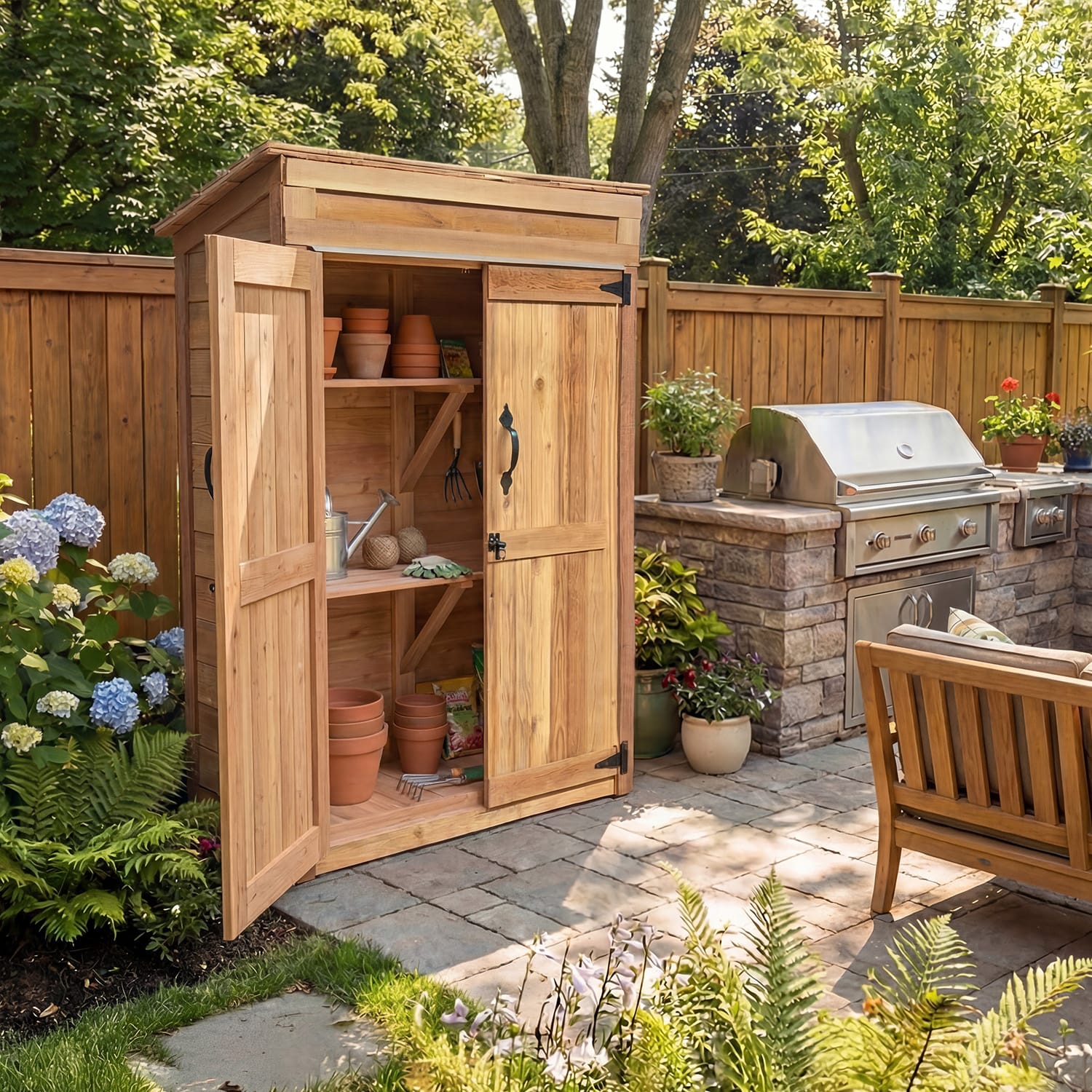
Congratulations! You have finally bought the DIY garden shed kit and you are ready to prepare the ground for the new shed. The Western Red Cedar panels will last a long time and naturally resist pests. The shed will be functional, but it also can turn into a focal point of your garden, as long as you go about the installation process correctly.

You can use your garden shed to store your gardening implements, but you also can use it as a hobby room, your private escape, game room for kids, or anything else you can think of. This multi-functional space extends your living space outdoors and if you add insulation, you can use it round the year beyond being just a storage place for your gardening tools, grass/plant seed, and implements.

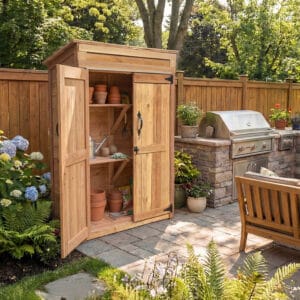
4x2 Garden Chalet Shed Garden shed Western Red Cedar cedar shed Outdoor Living Today 14

Prepare the Ground for the New Shed

The first thing that you need to do to prepare the ground for the new shed is to level the surface. You can do this by first putting in concrete, timber decking, or a garden slab. If you don’t do this, it could result in the garden shed warping, broken windows and even damage to the wood.

Even if you use the shed base that comes with the DIY garden shed kit, the ground would still have to be levelled and the rubble removed. It is prudent to install a weed-proof membrane before placing the shed’s base to prevent weeds and grass from growing and damaging the floor and walls of the shed.

Before adding extras, focus on the core components that make an outdoor kitchen functional and enjoyable.

Putting the Base for Your Garden Shed

There are many ways you can create the base for your garden shed. Some of them are as follows:

  • Concrete Base: If you intend installing a concrete base, make sure it levelled, flat, and dry before you erect the shed. Use string and pegs to mark the area where you want the garden shed. Dig a hole, about 15 cm deep, and place a wooden framework into which you will be pouring the concrete. Place a layer of stone, about 7 cm and then pour in the cement concrete mix. Spread it out evenly, level it, and let it set.

  • Garden Paving Slabs: If you don’t feel like pouring concrete in your garden, go with garden paving slabs. This too requires you to remove about 7 cm of the topsoil. Then add 4 cm of cement and place the garden slabs on the wet cement. Let the cement dry, so that the slabs are firmly fixed and then erect your garden shed.

Once the essentials are in place, focus on surfaces and workflow.

Mistakes to Avoid When Erecting Your Garden Shed

Some homeowners make mistakes when they prepare the ground for the new shed. This can result in damage to the shed and also be dangerous for you and others. Some mistakes that you should avoid making are:

  • Unstable base: Refrain from laying garden slabs on loosely arranged gravel. This will not create a stable base for your garden shed and can result in the wood warping and getting damaged. Remember, you are using a DIY garden shed kit and hence, it is necessary, you make the base firm and stable for your own safety. Think of your house, would you want your house being on a weak foundation?
  • Not clearing rubble: If you don’t clean the rubble, garden debris, dead leaves, and garden detritus from the ground, you will not have a hard-standing base. It is important you clear the ground completely before you start laying the base for your shed.
  • Not using weed-proof membrane: Timber decking base is often the preferred base, as it gives the shed a more natural appearance. However, if you intend using a timber decking as a hard-standing for your garden shed, make it a point to first clear and level the ground and then place a weed-proof membrane between the ground and the timber base.
  • Using dirt, lawn or gravel for the base: Never attempt to erect your garden shed directly on bare ground, gravel, or lawn. This could damage the wood panels due to moisture from the ground and also lead to warping and subsidence.

Final Thoughts

DIY garden shed kits come with pre-cut Western Red Cedar wood panels. This means you will not have to spend time cutting the wood and making holes in it. The kit has illustrated instructions along with the necessary hardware. However, you will need another person to help you assemble the pieces and erect the shed. And, all garden shed kits will recommend installing the base. So make sure you educate yourself on the different types of bases that can be used with your shed and then select one that best suits your needs and budget.

Remember without ground preparation, you risk damaging your garden shed and also causing injury to yourself and others, as the shed may not be as sturdy as you think it is. So prepare your garden first before you erect your shed. Choose the location carefully and then prep the surface the right way to enjoy the benefits offered by a garden shed. Don’t be afraid to ask for some help. You do not want your shed slowing falling apart in the years to come. That will just invoke one conversation after another that you do not want to have with anyone who sees it.

Read More


Whether you are a new gardener or have been gardening for some time now, there are ways by which you can increase your vegetable garden yield. These steps can help you get more vegetables out of your garden this year.

Improve Soil Quality

The most important way in which you can increase your vegetable garden yield is by improving soil quality. This can be done without too much work by covering the vegetable garden plot with compost and hay at the start of winter. By the time you are ready to plant, the compost would have been worked into the soil by the snow and rain as well as insects, ensuring nutrient-rich soil for your vegetables with less effort on your part. The deeper the layer of composted soil, the healthier the plants.

Use Raised Beds

Another way of increasing vegetable garden yields is to use raised beds. This has multiple advantages. The raised beds reduce the amount of space taken by paths. Moreover, the soil can be made more nutrient rich much more easily as compost can be worked into it. Both these benefits will increase the yield of the vegetable garden.

Round Out the Beds

When you use raised beds, you can also round them out. This increases the surface area available for plants. When multiplied by the length of the beds, the amount of additional space is significant enough to increase yields. Plant greens and similar plants at the edges of the raised beds, making them easier to harvest as well.

Stagger the Plants

Another way of saving space when planting vegetables is to stagger them. Instead of planting them in straight rows, plant them in triangles. This will enable you to plant more in the same area while still ensuring that all of the plants get sufficient sunlight, water, and nutrients to grow to their maximum potential.

Use Vertical Space

Fix vertical trellises and poles at the sides of the raised beds and train vines of beans, melons, and similar plants on them. This will help save garden space and ensure healthier plants as well. The vertical plants will escape fungal diseases. Harvesting is also easier as you will be able to spot the crop of vegetables much more easily.

Interplant

You should also interplant or mix up the plants in your vegetable garden to maximize the use of available space. Compatible plants can be grown together to ensure that weeds are kept out and all available space is used by vegetable plants. For instance, if you plant corn, pole beans, and squash together, the corn stalks will support the pole beans and the squash will grow on the ground in the space between them. You can also grow tomatoes, onions, and basil together or plant carrots, radishes, and onions together.

Plant Successive Crops

Another way to make the most out of your vegetable garden is to plant and harvest successive crops. If you select quick growing plants, the first lot can be harvested before a second crop is grown in the same area. Before planting the second crop, ensure that you add more compost to the soil to make it nutrient rich.

Stretch the Growing Season

In order to grow two crops, you will also need to stretch the growing season. This can be done by growing seedlings in your greenhouse or garden shed before the start of spring. Once the weather becomes warmer, transplant the seedlings to the garden. The head start will enable them to mature faster, leaving you with the time to start a second crop. This too should be started in the greenhouse as the first crop starts to mature.

Move Plants Indoors

Toward the end of the growing season, you can prolong the growth period, by simply moving some of the plants indoors to your garden shed or greenhouse. For instance, if the tomatoes have yet to ripen and the weather turns chilly, all you need to do is cut the vines and hang them indoors in a warm area. The tomatoes will continue to mature and ripen, ensuring a bountiful harvest.

Enjoy Your Increased Vegetable Garden Yield

If you love gardening and want to increase the supply of fresh vegetables that your garden yields, you do not have to look for more ground space. Instead, simply improve soil quality, plant quick maturing plants, space the plants properly, and transplant seedlings.

Each of these steps will help increase your vegetable garden yield. Additionally, the labor and materials used is not significantly higher. By spacing the plants closer together, you will be able to spend less time watering, weeding, and harvesting, maximizing the productivity of your garden with ease.

Select the plants that are best suited for the soil and climate around your home, and reduce the amount of labor you need to put into it.

Read More

Spring Gardening Tips: Simple Steps to Get Your Garden Ready

If you love entertaining and spending time outdoors, an outdoor kitchen helps combine both interests seamlessly. Whether you have a compact backyard or a large garden, a well-designed outdoor kitchen allows you to cook, serve, and enjoy meals while staying connected with family and guests.

The layout and features of your outdoor kitchen will depend on your available space, budget, and how you plan to use the area — from casual weeknight grilling to full-scale gatherings.

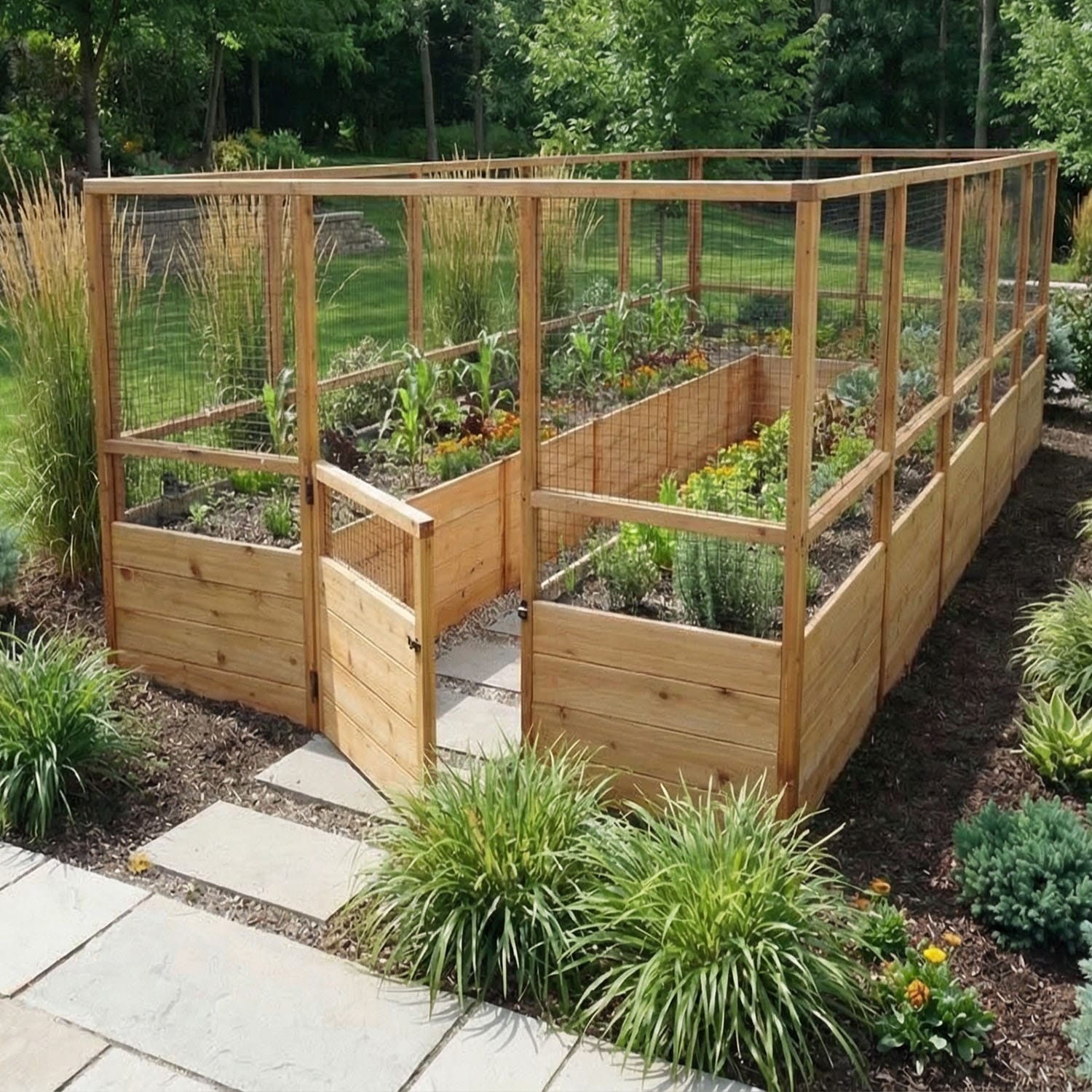
Raised Garden Bed 8x16 Western Red Cedar Gardening Kit Deer Fence Kit Outdoor Living Today Raised Garden Bed 1

Clear Beds and Borders

Remove fallen leaves, dead plant material, and winter debris from flower beds and borders. This improves airflow, reduces disease, and makes room for new growth.

Test and Improve Your Soil

Testing your soil helps you understand nutrient levels and pH before planting. Adding compost or organic matter improves soil structure and supports healthy roots.

Clean Greenhouses and Garden Structures

Wash greenhouse panels, pots, and seed trays to remove mold and overwintering pests. Inspect trellises, pergolas, sheds, and fences for damage and make repairs early.

Start Seeds Indoors

Many vegetables and flowers benefit from an early indoor start, including tomatoes, peppers, and herbs. Seedlings will be ready to transplant once outdoor temperatures warm.

Prepare and Maintain Garden Tools

Clean, sharpen, and repair tools before planting season begins. Well-maintained tools make gardening easier and help prevent plant damage.

Plan Your Garden Layout

Planning your garden ahead of time helps prevent overcrowding and ensures plants get the sunlight and spacing they need to thrive.

Final Tip

Spring preparation doesn’t have to be complicated. Clearing, cleaning, planning, and prepping early gives your garden the best possible start — and makes the rest of the season far more enjoyable.

Before adding extras, focus on the core components that make an outdoor kitchen functional and enjoyable.

Read More

If you enjoy spending time outdoors and want a healthy, productive garden, having the right gardening tools makes all the difference. From preparing soil to maintaining plants throughout the season, these essential tools help make gardening easier, safer, and more efficient.


Digging Tools

Every garden starts with proper soil preparation. Tools like spades, shovels, and post hole diggers are essential for planting, transplanting, and installing supports for climbing plants. Having a few sizes on hand allows you to work comfortably in both garden beds and containers.

Pruning Tools

Pruning keeps plants healthy and encourages new growth. Basic tools include pruning shears, hedge clippers, and loppers. These tools help shape shrubs, remove dead branches, and maintain trees as they mature.

Rakes

Rakes are useful year-round for clearing leaves, leveling soil, and cleaning garden beds. Leaf rakes work best for debris, while landscape rakes help smooth soil and gravel before planting.

Wheelbarrows or Garden Carts

Transporting soil, compost, mulch, and tools is much easier with a wheelbarrow or garden cart. This is especially helpful for larger gardens and reduces physical strain during heavy work.

Spreaders

If your garden includes a lawn, a fertilizer spreader helps distribute seed or nutrients evenly. Broadcast and drop spreaders are the most common options, depending on the size of your space.

Hand Tools

Small hand tools like trowels, weeders, and cultivators are essential for detailed tasks such as planting seedlings and removing weeds. They’re easy to store and perfect for raised beds and container gardens.

Watering Equipment

Consistent watering is key to plant health. Hoses, sprinklers, and drip irrigation systems help deliver water efficiently. Installing a rain barrel can also reduce water use while supporting sustainable gardening.

Safety Equipment

Gardening gloves, sturdy footwear, and protective eyewear help prevent injuries. If you use fertilizers or pest treatments, proper safety gear is especially important.

Lawn Mowers

If your landscape includes grass, regular mowing keeps it healthy and tidy. Walk-behind or ride-on mowers should be chosen based on lawn size and terrain.

Compost Bin

Composting garden waste creates nutrient-rich soil while reducing landfill waste. Compost bins are ideal for small and large gardens alike and support eco-friendly gardening practices.

Containers and Potting Benches

Containers allow you to grow plants in small spaces, while a potting bench provides a dedicated workspace for planting and repotting. Together, they help keep gardening organized and efficient.

Before adding extras, focus on the core components that make an outdoor kitchen functional and enjoyable.

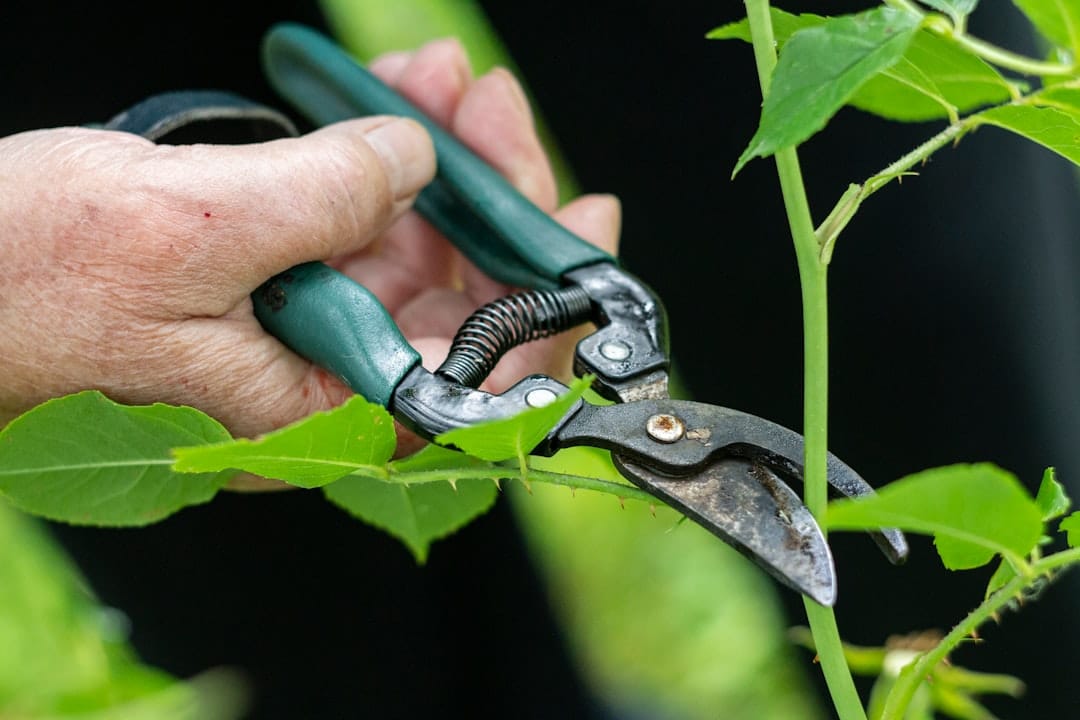
a person holding a pair of pliers to a plant
Read More

Starting a vegetable garden is a rewarding way to spend time outdoors while growing fresh, healthy food at home. Whether you have a large yard or a small open space, a little planning will help your garden thrive. Start small, learn as you grow, and expand over time.


Size and Location

Choose a level plot in a sunny location. Most vegetables need 6–8 hours of direct sunlight per day, so avoid areas shaded by trees or buildings.

For beginners, a garden about 16 feet by 10 feet is a manageable size. Starting smaller helps ensure the garden stays enjoyable rather than overwhelming. If possible, place the garden close to your home to make watering, harvesting, and pest monitoring easier.

Soil Quality

Healthy soil is the foundation of a successful vegetable garden. Vegetables grow best in loamy, nutrient-rich soil.

Before planting, test your soil and improve it as needed by adding compost, mulch, or organic fertilizer. Good soil preparation will improve drainage, support strong root growth, and boost yields throughout the season.

Picking the Plants

Choose vegetables that suit your climate and growing season, and prioritize plants you actually enjoy eating. Local gardening centers or horticultural groups are great resources for regional recommendations.

Easy vegetables for beginners include:

  1. Tomatoes
  2. Zucchini
  3. Peppers
  4. Bush beans
  5. Lettuce
  6. Carrots
  7. Radishes

Planting marigolds around your vegetable garden can also help deter pests like rabbits and insects.

Vegetable Rows

A 16-by-10-foot garden can comfortably fit about 10–11 rows, depending on spacing. Leave enough room between rows to walk, water, weed, and harvest without compacting the soil.

Clearly defined rows make garden maintenance easier and help keep plants organized as they grow.

Raised Beds or Tilling

Decide whether you want to plant directly in the ground or use raised beds.

Raised beds are recommended if:

  1. Your soil quality is poor
  2. Drainage is an issue
  3. You prefer less bending and easier access

Tilling works well in established garden areas with good soil, but raised beds offer more control over soil conditions.

Building a Raised Bed

Raised beds are typically built 4 feet wide, allowing you to reach the center from either side. Use durable, natural materials like cedar, which resists rot and moisture without chemical treatments.

A raised bed should be at least 6 inches deep, with 12 inches ideal for most vegetables. Secure the boards with stakes and galvanized screws, then fill the bed with a mix of soil, compost, and manure.

Avoid pressure-treated lumber that may leach harmful chemicals into the soil.

Watering

Vegetable gardens generally need about 1 inch of water per week, though raised beds may require more frequent watering during hot weather.

To retain moisture and reduce evaporation, cover the soil with mulch, straw, or other organic material. Consistent watering helps prevent stress and improves overall plant health.

Final Thoughts

You don’t need a large yard to grow vegetables successfully. With enough sunlight, healthy soil, and regular care, even small spaces can produce abundant harvests.

By planning your layout, choosing the right plants, and preparing your soil properly, you’ll set your vegetable garden up for long-term success—and enjoy fresh, homegrown food all season long.

Before adding extras, focus on the core components that make an outdoor kitchen functional and enjoyable.

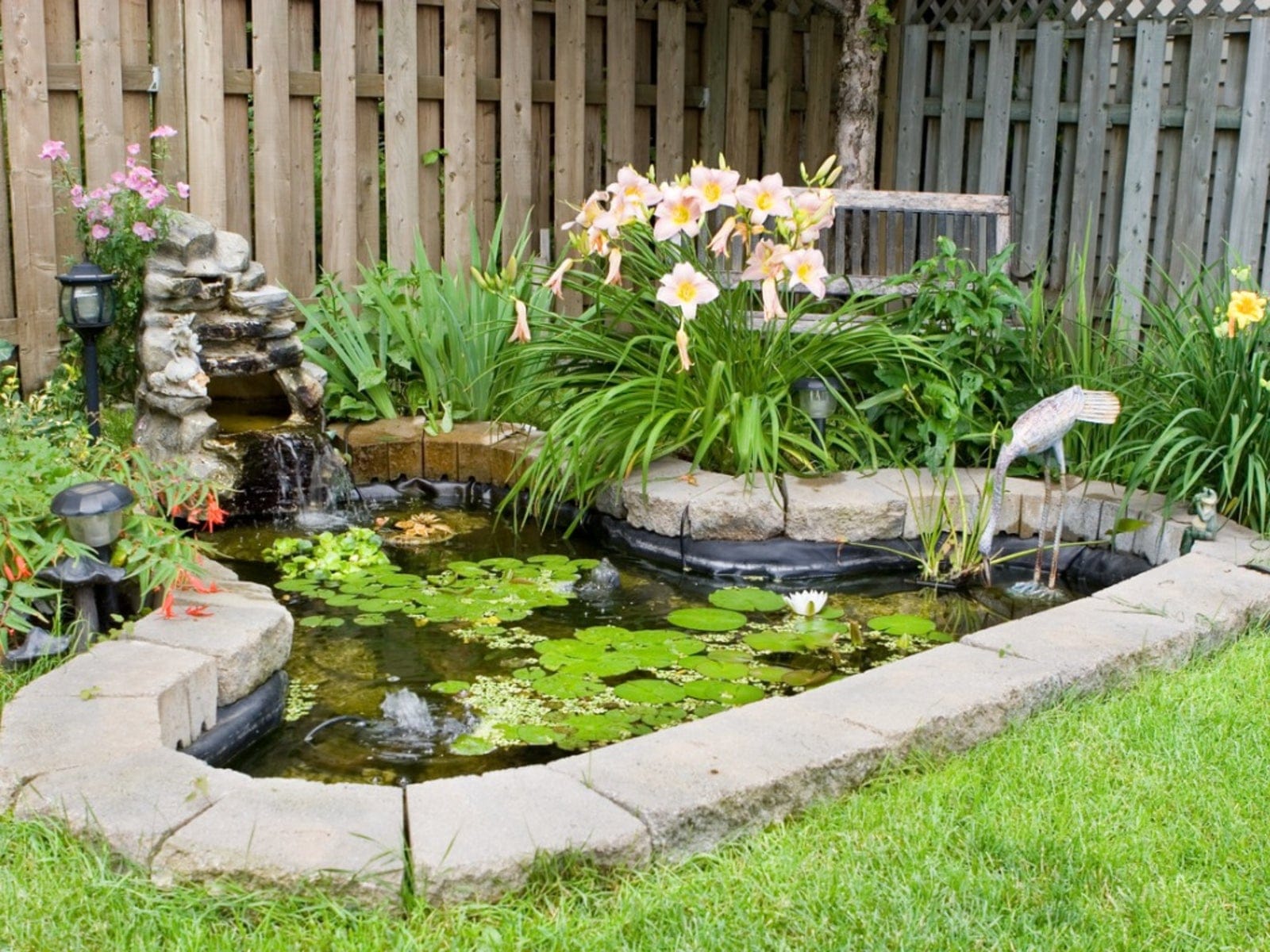
mini garden pond
Read More

Staining your shed or playhouse helps protect the wood, enhance its natural beauty, and extend its lifespan. If your structure is made from Western Red Cedar, you’re already starting with a durable, naturally rot-resistant material. The right stain and timing will help keep it looking great for years to come.

Below is a simple, step-by-step guide to staining your shed or playhouse the right way.


Before Your Shed or Playhouse Arrives

Western Red Cedar will begin to weather and turn a silvery gray within a few weeks of sun exposure. If you want to preserve the fresh cedar look, plan ahead.

Before assembly:

  1. Store the kit in a dry, shaded area
  2. Keep it covered and protected from rain and direct sunlight
  3. Allow airflow so moisture doesn’t get trapped

This gives you the flexibility to stain before or after assembly.

Learn more about cedar weathering here:
https://www.realcedar.com/why-cedar/weathering/

After Your Shed or Playhouse Arrives

Once your kit is delivered:

  1. Remove plastic wrapping so the wood can breathe
  2. Sort pieces by section (walls, roof panels, trim)
  3. Allow the wood to acclimate to your local climate before staining

If storing outdoors temporarily, keep pieces covered but ventilated.

Choosing the Right Stain

Stains protect cedar while allowing the wood grain to show through. The three most common options are:

Solid-Color Stain

  1. Offers the most UV protection
  2. Covers the wood grain
  3. Acts like a paint-style barrier

Semi-Transparent Stain

  1. Enhances natural cedar color
  2. Allows wood grain to show
  3. Provides good UV and moisture protection

Transparent Stain

  1. Preserves the most natural look
  2. Light protection, requires more frequent re-application

When to Stain: Before or After Assembly?

Staining Before Assembly (Recommended)

Pros:

  1. Easier access to all sides of the wood
  2. Better protection on hidden surfaces
  3. More comfortable working position

Best pieces to stain before assembly:

  1. Wall panels
  2. Roof panels
  3. Trim and fascia
  4. Skirting boards

Interior roof panels do not need to be stained.

Staining After Assembly

  1. Uses less stain
  2. Takes longer due to ladders and tight spaces
  3. Harder to fully seal joints and edges

Brush vs. Sprayer: What Works Best?

While sprayers are faster, brushing delivers the best results on cedar.

Best practice:

  1. Spray to apply stain (optional)
  2. Brush immediately after to work stain into the wood fibers

This ensures even coverage and prevents lap marks.

Drying Time Matters

Always follow the manufacturer’s instructions, but general guidelines include:

  1. Let cedar dry 24–48 hours before staining
  2. Avoid staining in direct sunlight
  3. Do not stain if rain is expected within 24 hours

Proper drying ensures long-lasting results and even color.

Final Tips for Long-Lasting Results

  1. Test stain colors on a hidden piece first
  2. Stir stain thoroughly (do not shake)
  3. Apply thin, even coats
  4. Re-stain every few years as needed

With the right preparation and stain choice, your shed or playhouse will stay protected, beautiful, and ready to enjoy season after season.

Before adding extras, focus on the core components that make an outdoor kitchen functional and enjoyable.

Read More

A decorative garden shed can be both functional and visually appealing, adding character to your outdoor space while providing practical storage or workspace. Whether you plan to customize it with plants, windows, or architectural details, building a shed starts with a solid foundation and a clear plan.

Below is a step-by-step guide to building a simple decorative garden shed.


Choose the Location for Your Decorative Garden Shed

Start by choosing a fairly level spot in a well-drained area of your yard. The ground does not need to be perfectly level—small differences can be adjusted using varying post heights or shims.

A decorative garden shed can be built directly on thin topsoil without digging a full foundation, as long as drainage is good and the structure is supported properly.

Placing the Precast Concrete Blocks

Once the area is cleared, place precast concrete deck blocks at the corners of the shed and along the sides for support.

  1. Place blocks at all four corners
  2. Use two to three blocks along the longer sides
  3. Place one block at the center of each shorter side

Insert a 12-inch piece of 4×4 lumber into the recess of each block so it protrudes slightly above the surface. These posts will support the frame.

Building the Frame

Use 2×6 lumber to form the outer edges of the floor frame, aligning them with the 4×4 posts in the concrete blocks. Trim excess post height so everything sits flush.

Install floor joists between the longer sides of the frame and secure them with deck screws. Once the frame is complete, attach pressure-treated plywood (approximately 5/8-inch thick) as the subfloor, securing it every 6–8 inches.

Building the Walls

Build wall frames using 2×4 lumber with studs spaced 24 inches apart. Secure the bottom plates to the floor frame using deck screws.

The shorter wall frames should sit inside the longer wall frames so the corners overlap securely. Once all wall frames are installed and fastened, cover the exterior with wall sheathing to complete the structure.

Windows and Doors

Before finishing the walls, mark where windows and doors will be installed. Doors can be mounted directly to wall studs, while windows usually require framed openings.

Once the siding is installed, cut window and door openings from the inside using the frames as guides. This approach helps ensure clean, accurate cuts.

Roofing

Cut roof rafters from 2×4 lumber and install them at a 30-degree angle at the peak of the roof. Steel connector plates can be used to strengthen the joints.

Add triangular gable wall pieces, then install blocking between rafters and wall tops to close gaps that could allow pests inside. Finish the roof with ½-inch roofing plywood, extending it slightly beyond the walls if you want an overhang.

Final Touches

Once the structure is complete, you can customize your shed with paint or stain, decorative trim, planters, trellises, or climbing plants. With thoughtful design choices, your garden shed can become a focal point in your outdoor space rather than just a storage solution.

Before adding extras, focus on the core components that make an outdoor kitchen functional and enjoyable.

Read More

A pergola is a timeless way to add shade, structure, and character to your outdoor space. Whether it’s framing a dining area, defining a garden path, or creating a cozy retreat, a well-built pergola enhances how you use your yard while adding long-term value.


Before You Build: Planning and Preparation

Before breaking ground, take time to plan your pergola properly. Good planning prevents costly mistakes and ensures your structure is safe, square, and compliant with local requirements.

Check Local Codes and Permits

Depending on your municipality, pergolas may require a permit—especially if they’re attached to your home or exceed a certain height.

Helpful resources:

  1. International Code Council (general building guidance): https://www.iccsafe.org/
  2. Your local city or municipal building department website

Choose the Right Size

Common pergola sizes include:

  1. 10×10 or 10×12 – small seating areas
  2. 12×12 – outdoor dining
  3. 12×16 – entertaining or outdoor kitchens

Choose a size that allows room to move comfortably around furniture.


Choosing the Right Materials

Wood Selection

Outdoor structures are constantly exposed to moisture, UV rays, and temperature changes. Choosing the right wood makes a major difference.

  1. Western Red Cedar – naturally durable, stable, lightweight, and resistant to decay and insects
  2. Pressure-treated lumber – budget-friendly and durable, but heavier and requires corrosion-resistant fasteners

Learn more about cedar performance:

Hardware and Fasteners

All outdoor fasteners should be hot-dip galvanized or stainless steel to prevent corrosion.

Trusted hardware resource:


Instructions

Step 1: Lay Out and Square the Pergola

Mark each post location using stakes or spray paint. Use string lines to connect corners and measure diagonally from corner to corner. When both diagonals match, your layout is square.

Why this matters: a pergola that starts out of square will stay out of square all the way to the roof.

Step 2: Install Footings and Post Bases

Pergola posts should never sit directly on soil.

  1. Dig footings to the depth required for your climate (below frost line where applicable).
  2. Pour concrete or install approved concrete deck blocks.
  3. Use post bases to keep wood elevated and dry.

Post base reference:

Simpson Strong-Tie post base solutions: https://www.strongtie.com/

Step 3: Set and Brace the Posts

Place posts into their bases and use a level to ensure they are plumb on all sides. Temporarily brace posts with angled boards to hold them steady while you work.

Tip: Do not cut posts to final height yet—wait until beams are installed so everything aligns perfectly.

Step 4: Install Beams

Beams run horizontally between posts and support the rafters.

  1. Beams are often doubled for strength.
  2. Secure beams using rated hardware or structural bolts.
  3. Check for level across the entire span before tightening fasteners.

Decorative beam ends can be cut at this stage if desired.

Step 5: Add Rafters

Rafters run perpendicular to beams and form the top structure.

  1. Typical spacing ranges from 12 to 24 inches on center.
  2. Keep rafter overhangs consistent for a clean finish.
  3. Use exterior-rated fasteners or rafter hangers.

Closer rafter spacing provides more shade and a heavier visual presence.

Step 6: Install Purlins or Shade Slats

Purlins are optional but add shade and visual interest.

  1. Run perpendicular to rafters.
  2. Space evenly for consistent shadow patterns.
  3. Pre-drill when working with cedar to reduce splitting.

Optional upgrades include retractable canopies, privacy panels, or lighting.

Step 7: Add Bracing for Strength

To prevent sway and movement:

  1. Install diagonal knee braces at corners.
  2. Secure all connections with exterior-rated hardware.

This step is especially important in windy or coastal regions.

Step 8: Apply a Finish or Protective Treatment

Even naturally durable woods benefit from a protective finish.


Finish Options

  1. Semi-transparent stain 

  2. Transparent stain 
  3. Solid stain or paint

Allow wood to dry before finishing and reapply as needed over time.

Finishing and cedar care resources:

Read More