Simple ideas to transform your outdoor space into a place you’ll love spending time in.

A well-designed garden offers more than visual appeal. It creates a calming escape, adds character to your home, and invites you to slow down and enjoy the outdoors. Whether your space is large or small, these simple and effective ideas can help you create a garden that feels welcoming, intentional, and full of life.


1. Grow Native Plants

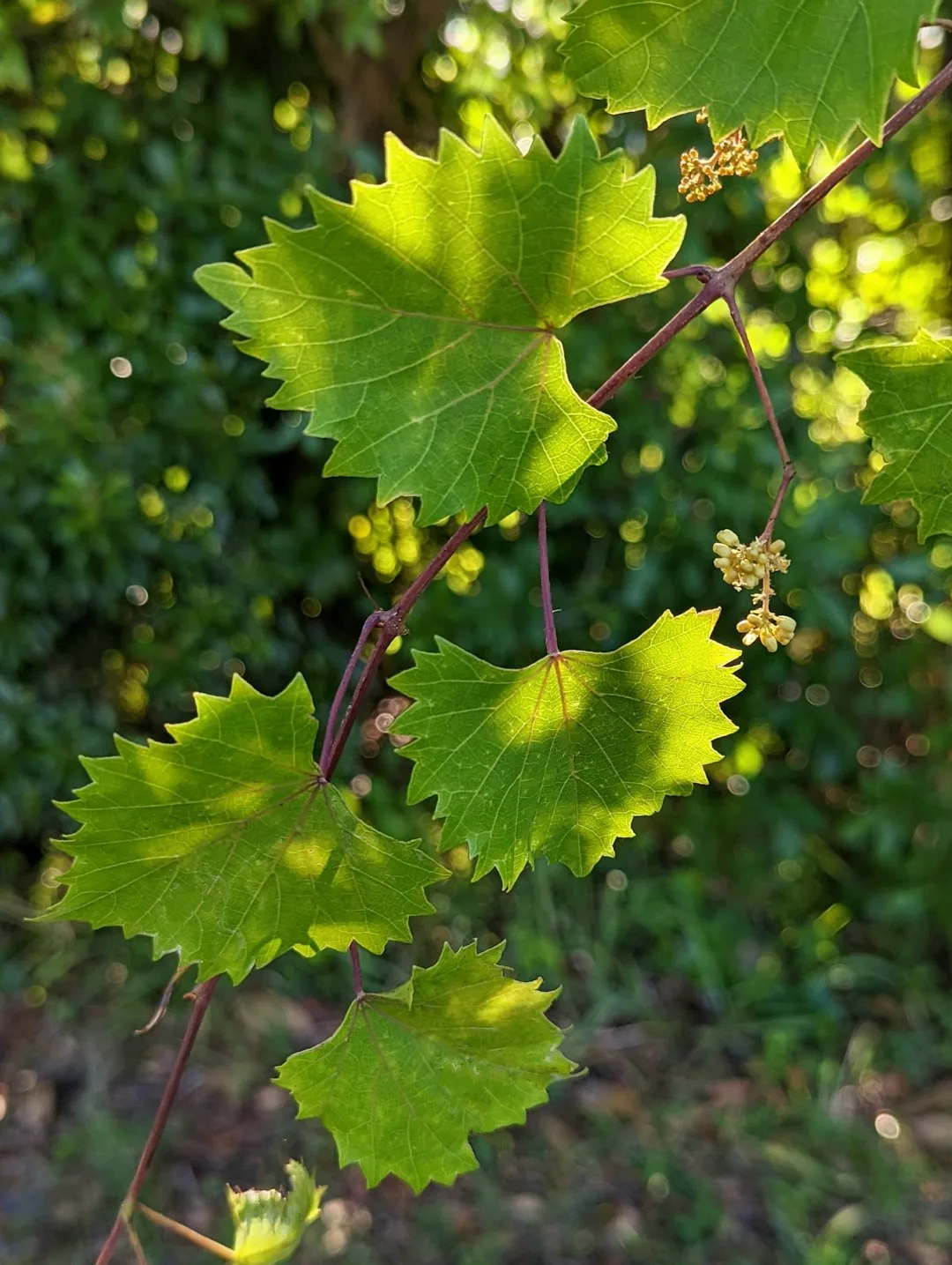
Choose plants that are native to your region for easier care and better results. Native varieties are naturally adapted to local climate conditions, require less maintenance, and support pollinators and wildlife.
a close up of a leaf on a tree

2. Create a Living Wall

Living walls add privacy, texture, and greenery without taking up valuable ground space. They are ideal for small gardens and help create a lush, enclosed feel.

green plants on brown wooden plant pots

3. Build a Pergola

A pergola creates a natural focal point and defines an outdoor living area. It provides partial shade, visual structure, and a perfect place for seating, dining, or climbing plants.

Western Red Cedar Pergola Outdoor Living Today 12x20 ft

4. Add a Sense of Adventure

Paths, hidden seating areas, and winding walkways invite exploration. Thoughtful lighting or natural materials can turn your garden into a place that feels playful and full of discovery.

Stone lantern in a tranquil japanese garden pond

5. Embrace a Low-Maintenance Landscape

Reduce upkeep by using rocks, gravel, and drought-tolerant plants. This approach minimizes watering and mowing while still creating a visually striking garden design.

a small waterfall in a rocky area

6. Plan for Year-Round Color

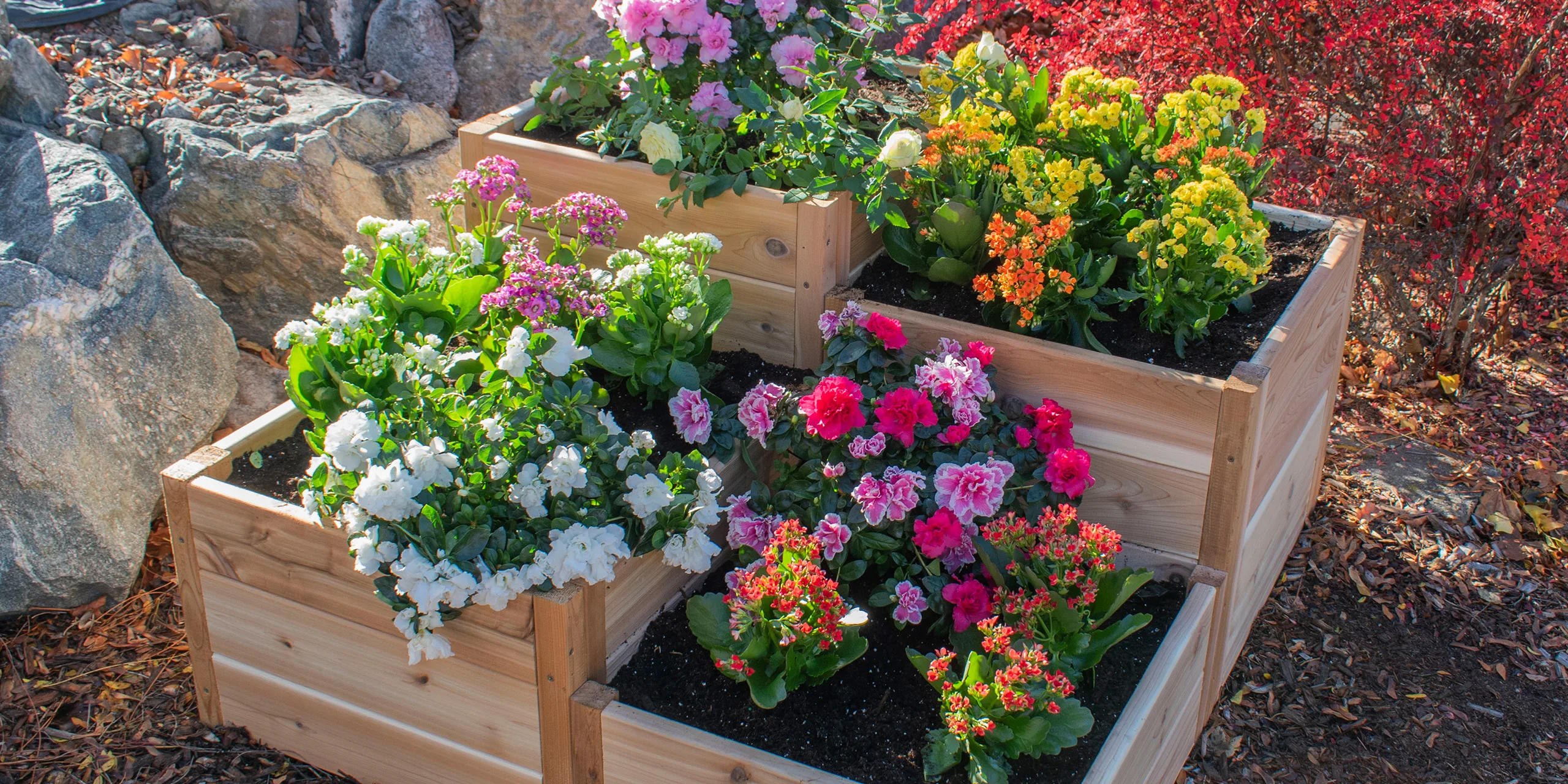
Incorporate plants that bloom at different times of year to keep your garden vibrant through every season. Mixing flowering shrubs, perennials, and evergreens ensures visual interest even in cooler months.
3.5×4 Tiered Raised Garden Bed – Western Red Cedar Corner Kit banner 2

7. Use Planters and Hanging Baskets

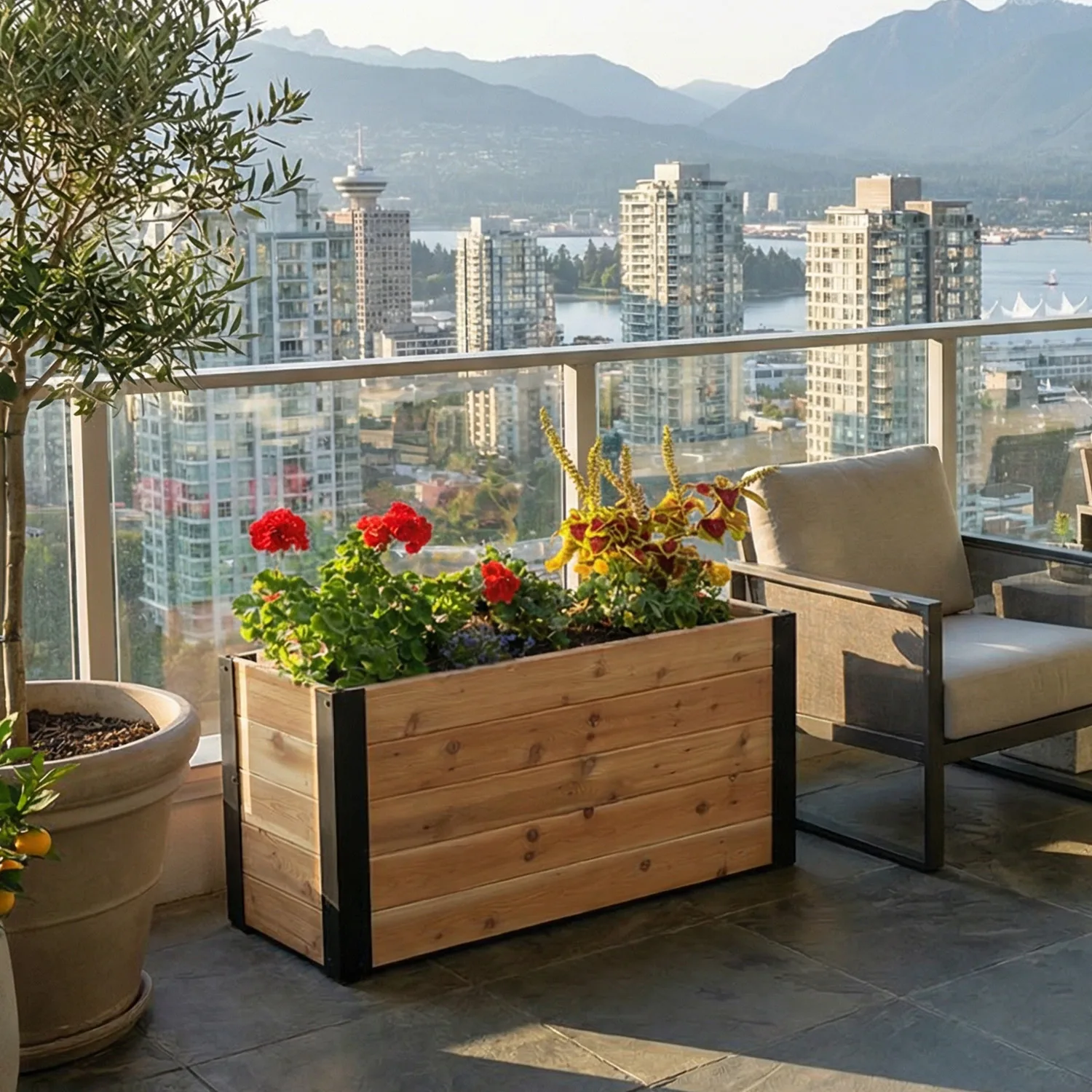
Elevated planters and baskets add height and depth to your garden. They allow you to showcase a variety of plants while improving drainage and flexibility in your layout.
Urban Garden Bed 4x15 Western Red Cedar Raised Garden Bed Kit Outdoor Living Today 3

8. Choose Ornamental Grasses

Ornamental grasses provide movement, texture, and structure with minimal effort. They require little maintenance and look great throughout multiple seasons.
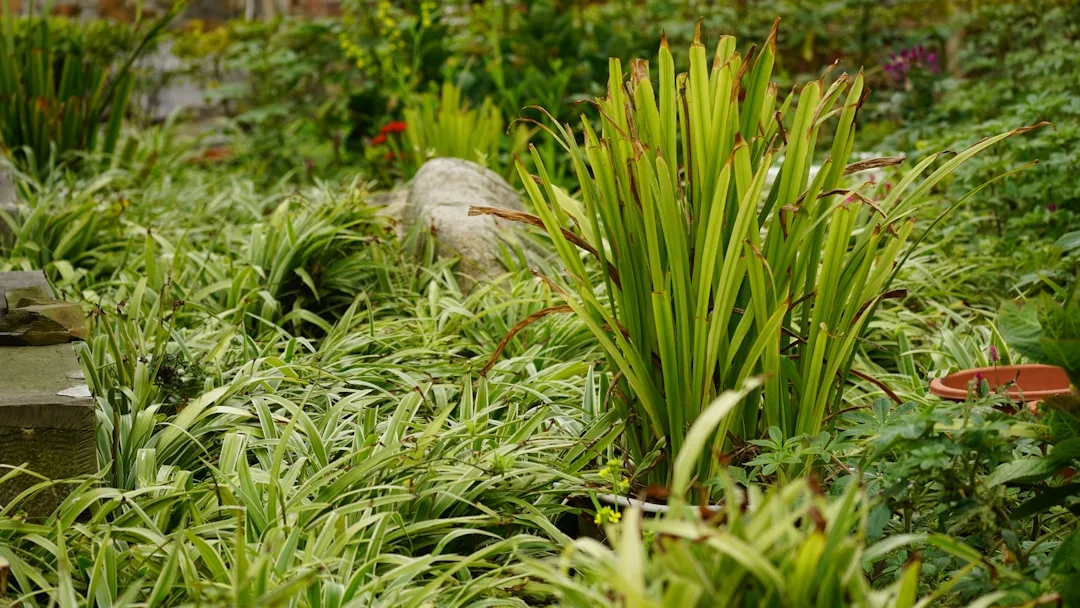
Lush green plants and foliage in a garden setting.

9. Reuse Household Containers

Repurpose old containers, pots, or baskets as creative planters. This adds personality to your garden while supporting sustainable design choices.

a garden with plants and containers

10. Create Cozy Gathering Spaces

Finish your garden with seating, soft lighting, and natural materials. Comfortable gathering areas encourage relaxation, conversation, and everyday enjoyment of your outdoor space.

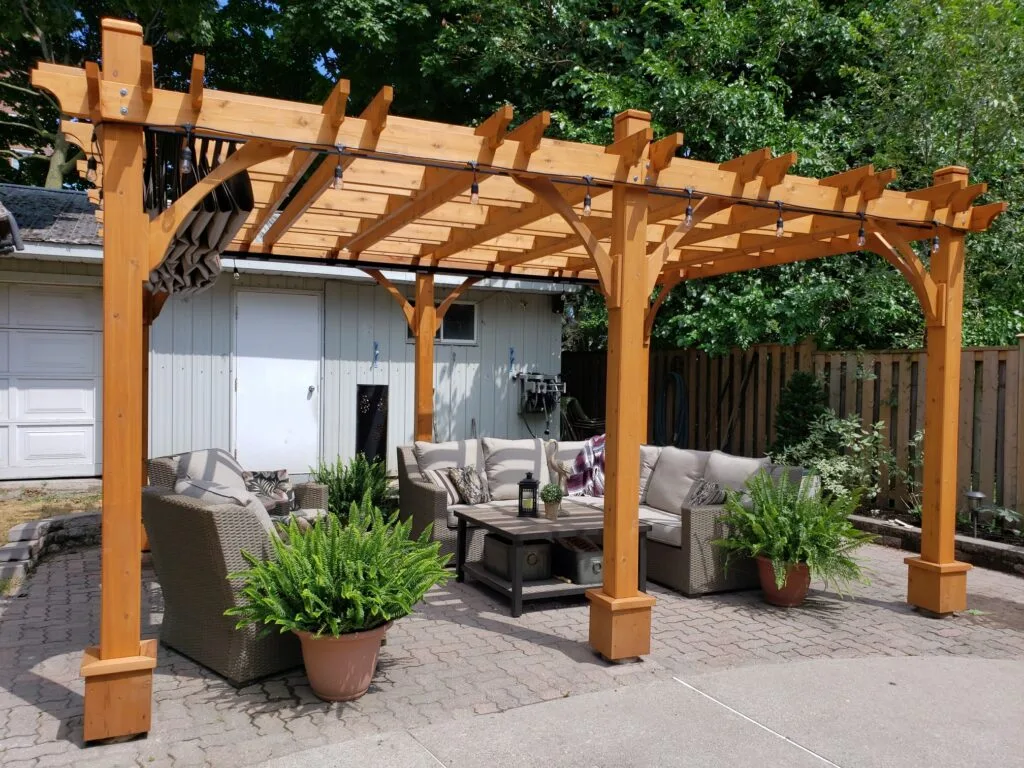
B. Baker 10x16 Cedar Pergola Kit 2 scaled 1
Read More

Simple upgrades that turn your outdoor space into a place to relax, gather, and enjoy every season.

A great backyard is more than a patch of grass. With a few intentional design choices, it can become an extension of your home — a space for entertaining, unwinding, and spending time outdoors. Whether you’re starting fresh or upgrading what you already have, these five ideas can help you create a backyard that feels thoughtful, functional, and welcoming.


1. Make Your Backyard Feel Intentional

Create purpose with clearly defined spaces for relaxing, dining, and gathering.

One of the easiest ways to elevate your backyard is by breaking it into distinct activity zones. Instead of one large open area, create separate spaces for different uses — a dining area, a lounging spot, or a quiet corner for reading. Changes in elevation, materials, or layout can help naturally define these areas without the need for walls or fences.

Structures like pergolas, trellises, or arbors can visually anchor each zone while adding architectural interest. Paired with planters or greenery, these elements help your backyard feel cohesive and thoughtfully designed.

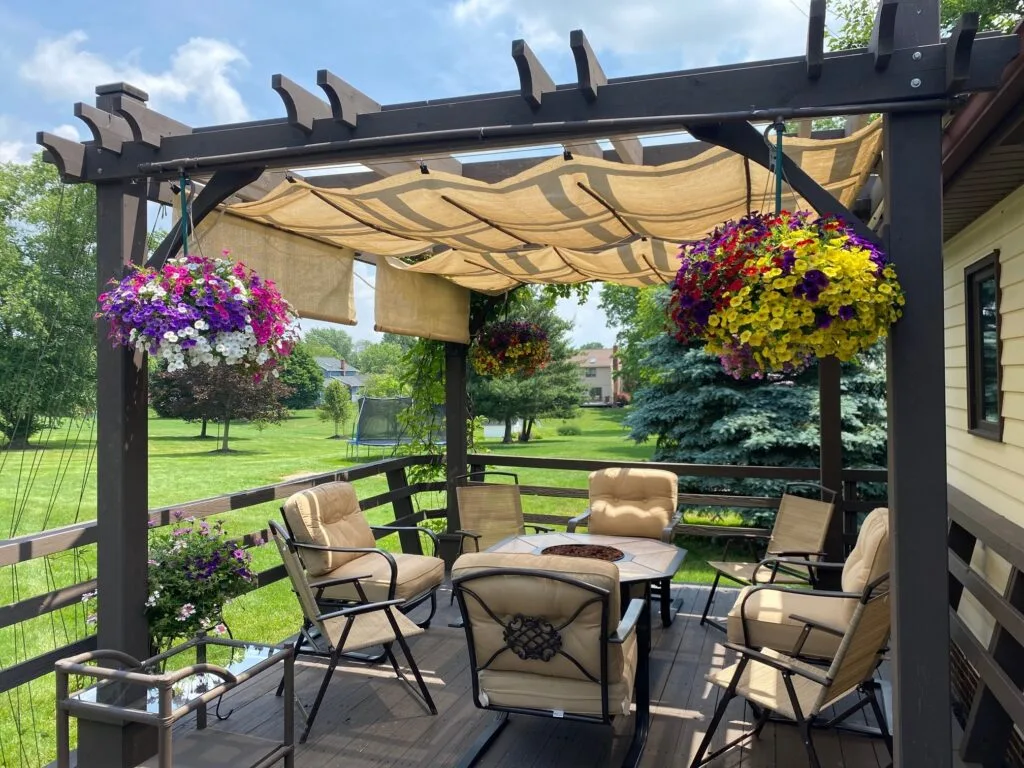
S. Harrison 12x16 Pergola with Retractable Canopy OLT 5 1024x768 1

2. Build a Patio That Extends Your Living Space

Turn your patio into an outdoor room you’ll actually use.

A well-planned patio acts as a natural extension of your home. Choosing durable materials like stone, brick, or textured concrete creates a solid foundation that holds up over time. From there, layering in container gardens, outdoor rugs, and weather-resistant furniture adds comfort and personality.

Think of your patio as another room — one that invites you outside for morning coffee, casual meals, or quiet evenings. Thoughtful design and layout can make even a modest patio feel inviting and purposeful.


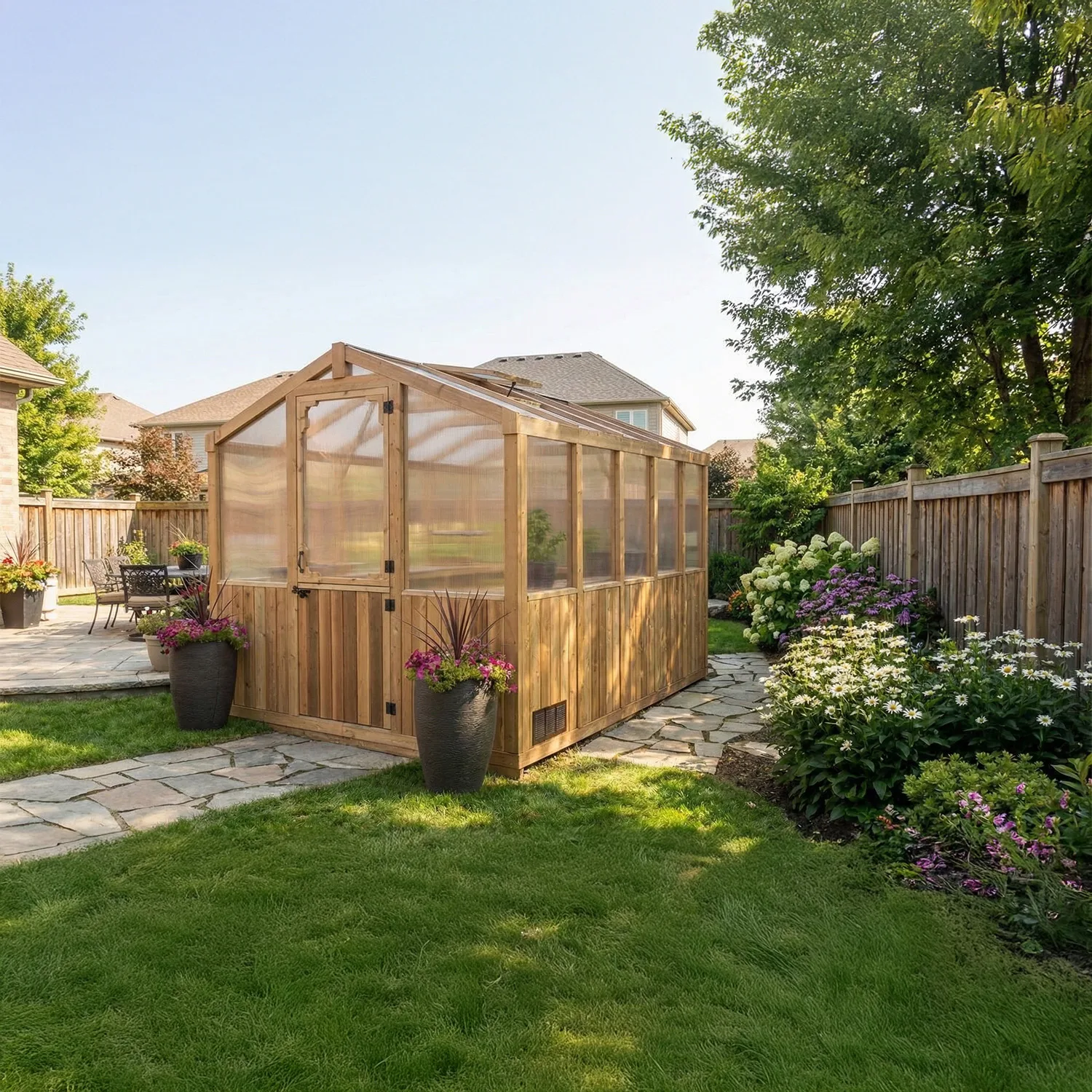
Cedar Greenhouse Kit 8x8 Garden Kit Western Red Cedar cedar Greenhouse Outdoor Living Today 3 4

3. Add Shade for Comfort and Enjoyment

Create relief from the sun without sacrificing style.

Shade plays a major role in how often you use your outdoor space. During warmer months, having a shaded area can make the difference between avoiding the backyard and enjoying it all day long. Umbrellas and retractable awnings offer flexibility, while pergolas or arbors provide more permanent, architectural solutions.
Natural shade from mature trees or climbing vines adds softness and helps blend built structures into the landscape. The result is a backyard that stays comfortable while still feeling open and connected to nature.

Cedar pergola Kit 1010 D. Thislethwaite 1024x768 1

4. Use Outdoor Structures to Create Focal Points

Add structure, character, and visual balance to your yard.

Outdoor structures help define the layout of your backyard while creating visual interest. Whether it’s a pergola, gazebo, or garden structure, these elements act as focal points that draw the eye and organize the space around them.

They can also serve multiple purposes — offering shade, framing views, or creating a sense of enclosure without fully closing off the area. Thoughtfully placed structures give your backyard a sense of scale and help transition smoothly between different zones.

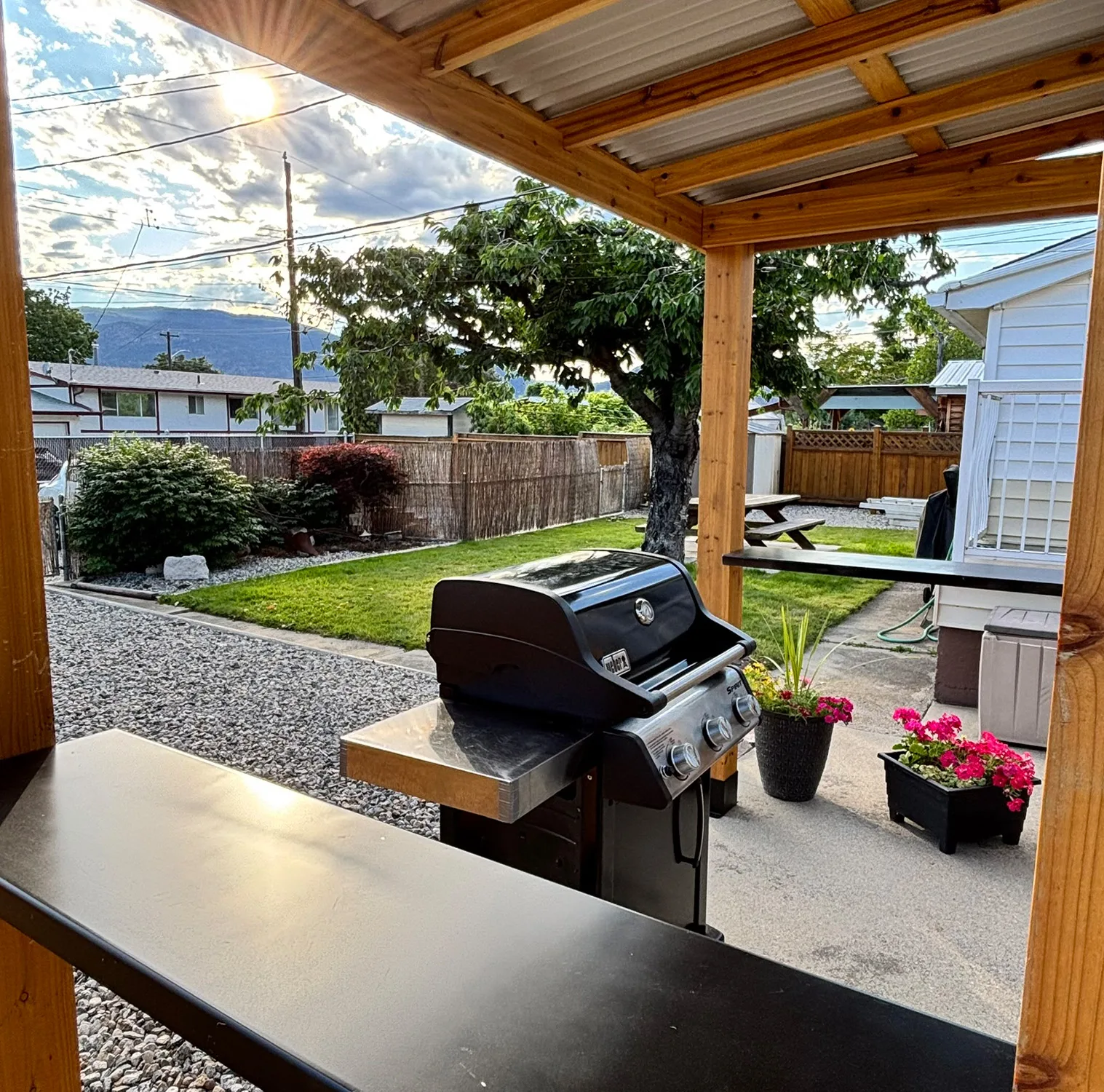
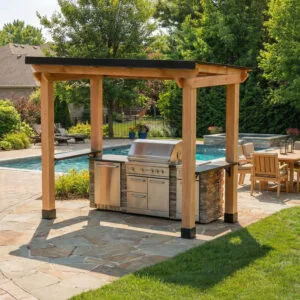
Outdoor grill under wooden gazebo

5. Finish with Lighting That Extends Your Evenings

Make your backyard inviting long after the sun goes down.

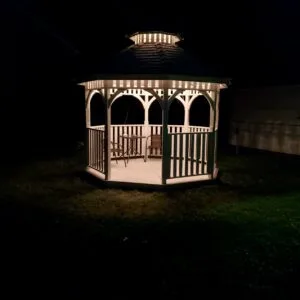
Outdoor lighting transforms how your backyard feels at night. Soft, ambient lighting along pathways improves safety, while accent lights highlight landscaping and architectural features. Solar or low-voltage options are practical and energy-efficient, making it easy to add lighting without extensive wiring.

Well-placed lighting creates atmosphere and allows you to enjoy your backyard later into the evening, whether you’re hosting friends or simply unwinding outdoors.

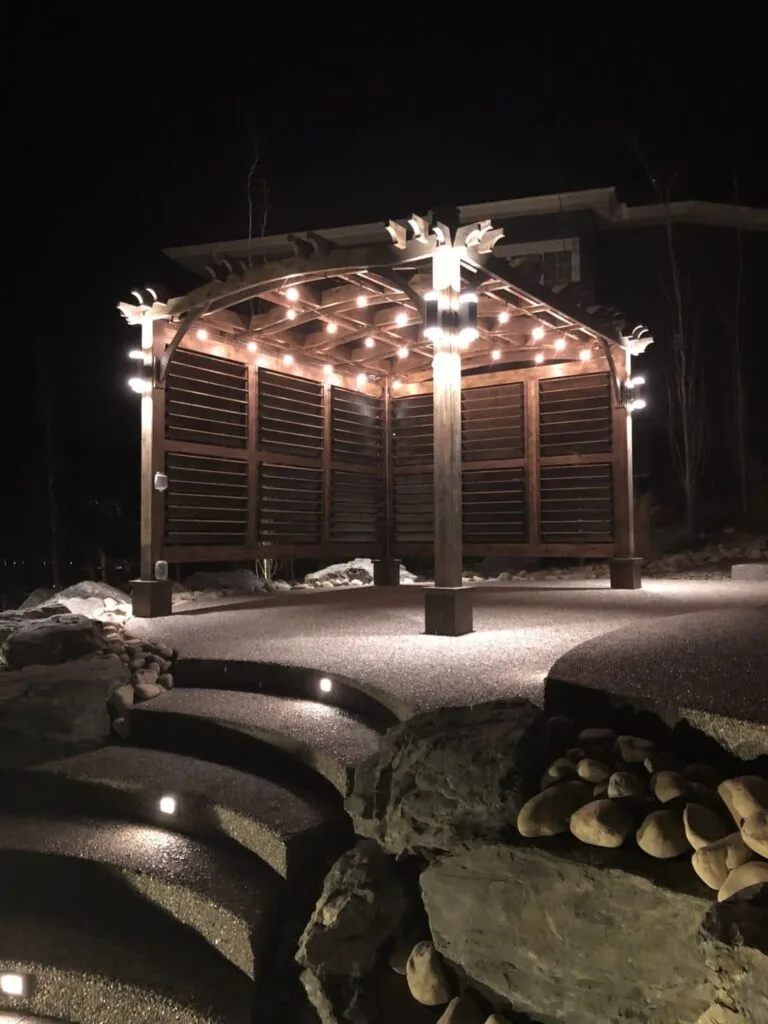
T. Petrow Arched Pergola 768x1024 1
Read More

A pergola or gazebo is often one of the most valued features in a backyard. It creates shade, defines outdoor living space, and adds long-term visual appeal to your home. Like any outdoor structure, however, pergolas are exposed to sun, rain, wind, and seasonal temperature changes that can affect their appearance and performance over time.

With regular maintenance and the right restoration approach, a pergola can stay strong, attractive, and functional for many years. Below, we break down how to properly maintain your pergola, when restoration is needed, and how to tackle each step with confidence.


Maintaining a Pergola

Routine maintenance is the most effective way to protect your pergola from weather-related wear and extend its lifespan.

Traditionally, pergolas are built from durable woods like cedar, which naturally resist rot, insects, and moisture. Even so, outdoor exposure can gradually affect the surface and structure. Regular cleaning, sealing, and inspection help preserve both appearance and integrity.


How to Clean a Pergola

Cleaning your pergola removes dirt, pollen, mildew, and debris that can trap moisture and accelerate aging.

For most wooden pergolas:

  1. Use mild soap and warm water
  2. Scrub gently with a soft-bristle brush
  3. Rinse with a garden hose

Avoid using pressure washers on wood, as high pressure can damage the grain and force moisture deep into the boards.

Vinyl- or composite-coated pergolas typically require less maintenance, but mild soap and water are still recommended for periodic cleaning.


How to Apply a Waterproof Sealer to a Wooden Pergola

Applying a waterproof sealer helps protect wood from moisture, UV exposure, and surface wear.

Cedar, in particular, contains natural oils that resist decay and insects, but sealing the surface helps preserve its color and slow weathering. Clear or lightly tinted sealers allow the wood grain to remain visible while improving weather resistance.

Key tips:

  1. Apply sealer to clean, dry wood
  2. Choose a product rated for exterior wood use
  3. Reapply every 2–4 years depending on climate and exposure

As wood ages, it naturally changes color and develops a more rustic appearance. Sealing helps slow this process while maintaining a fresh look.


Additional Tips for Ongoing Pergola Care

How to Choose the Right Sealer

The best sealer depends on your climate, wood type, and the finish you want to maintain.

When selecting a product:

  1. Ask your pergola manufacturer or supplier for recommendations
  2. Look for UV protection and moisture resistance
  3. Avoid heavy film-forming finishes that can peel over time

Proper sealing helps prevent cracking, warping, and premature surface damage, while making long-term maintenance easier.

Painting a Pergola the Right Way

Acrylic exterior paint is a durable, weather-resistant option if you prefer a painted finish.

Best practices include:

  1. Painting during dry, low-humidity conditions
  2. Allowing each coat to fully dry before applying the next
  3. Avoiding painting immediately after rain or washing

Applying paint too soon in damp conditions can trap moisture, leading to cracking or peeling over time.

Removing Dirt and Old Paint

Begin restoration by clearing loose debris and flaking finishes.

  1. Use a stiff brush to remove dry buildup
  2. Avoid aggressive scrubbing that damages the wood grain
  3. Lightly sand to smooth splinters and uneven areas

Work slowly to prevent deep scratches that affect the wood’s appearance.

Treating Mildew and Stains

Mildew should be addressed as soon as it appears to prevent long-term damage.

  1. Use a mild bleach-and-water solution
  2. Scrub gently and rinse thoroughly
  3. Replace corroded fasteners that may stain the wood

After cleaning, clear debris from joints and grooves where moisture collects.

Washing Before Refinishing

Before applying paint or sealer, rinse the pergola thoroughly with water.

  1. Allow the structure to dry completely
  2. Never apply finishes to damp wood
  3. Inspect beams, joints, and fasteners as it dries

Proper drying ensures better adhesion and longer-lasting results.

Finishing After Restoration

Protect restored pergolas with layered finishes.

Recommended approach:

  1. Apply one or two coats of exterior acrylic paint (if painting)
  2. Finish with a compatible water sealer
  3. Follow manufacturer drying times closely

This helps protect against moisture, insects, and UV exposure while restoring visual appeal.


Read More

A garden shed is no longer a luxury. It is a practical extension of your outdoor space that keeps tools, supplies, and equipment organized and protected. Panelized garden sheds made from Western Red Cedar are especially popular thanks to their durability, natural beauty, and easy DIY assembly.

But once a shed is in place, it is easy for clutter to take over. Tools get tossed inside, items pile up, and before long the shed becomes difficult to use. Taking time to properly clean, organize, and maintain your shed now helps protect your investment and makes spring gardening far easier.

Below are simple, effective steps to prepare your garden shed for winter and keep it functional throughout the year.


Clean and Sweep Your Shed and Tools

Start by removing everything from the shed so you can assess what you have and clean the space properly.

Sweep the floor to remove dirt, leaves, and debris. Wash and rinse gardening tools such as shovels, rakes, pots, wheelbarrows, and watering cans. A wire brush works well for removing stubborn soil from metal tools.

Allow everything to air-dry completely before storing it again. Once dry, lightly spray metal tool parts with a lubricant to help prevent rust during colder, damp months.

Take Care of Holes and Cracks Before Cold Weather Sets In

Western Red Cedar does not require painting, as it naturally resists rot and insects and looks beautiful unfinished. However, it is still important to inspect your shed for damage.

Check wall panels, floors, and seams for small holes or cracks. Fill gaps with exterior-grade caulking to keep cold air, moisture, and pests out. Sealing seams also helps prevent musty odors from developing when the shed stays closed for long periods during winter.

If your shed has a wooden floor, consider applying a waterproof stain to protect it from moisture and extend its lifespan.

Keep Garden Pests Out of Your Shed

Garden sheds can easily attract rodents and insects if left unchecked. These pests can damage stored items and compromise the structure itself.

Set traps as needed and avoid storing loose organic materials such as soil, mulch, or seed in open bags. Keeping the shed clean and sealed reduces the likelihood of infestations and helps maintain a healthier storage space.

Shed Organization and Storage Tips That Actually Work

Once unwanted or broken items are removed, focus on creating an efficient storage system.

Install shelves and hooks to maximize vertical space. Hang large tools like shovels, rakes, and hoes on wall hooks. Roll up hoses and hang them neatly to keep floors clear.

Store small or organic items in waterproof containers before placing them on shelves. Use transparent bins with lids and label them clearly so you can find items quickly. Place frequently used items on lower shelves and seasonal or rarely used items higher up.

Position bulky equipment such as wheelbarrows against the wall to keep walkways clear and improve accessibility.

Neaten the Outside to Protect the Structure

Exterior maintenance is just as important as interior organization.

Clear grass, shrubs, and plants growing too close to the shed. Leave about 3–5 inches (7.5–12.5 cm) of space between vegetation and the shed walls to prevent moisture buildup and damage to the base.

Keeping the exterior tidy helps extend the life of the shed and ensures proper airflow around the structure.

A Little Effort Now Makes a Big Difference Later

A well-maintained garden shed keeps your tools protected, your garden organized, and your outdoor space looking its best. Taking time to clean, organize, and inspect your shed before winter prevents damage, saves time in spring, and protects your investment for years to come.

With simple upkeep and smart storage, your garden shed remains a functional and beautiful part of your landscape in every season.

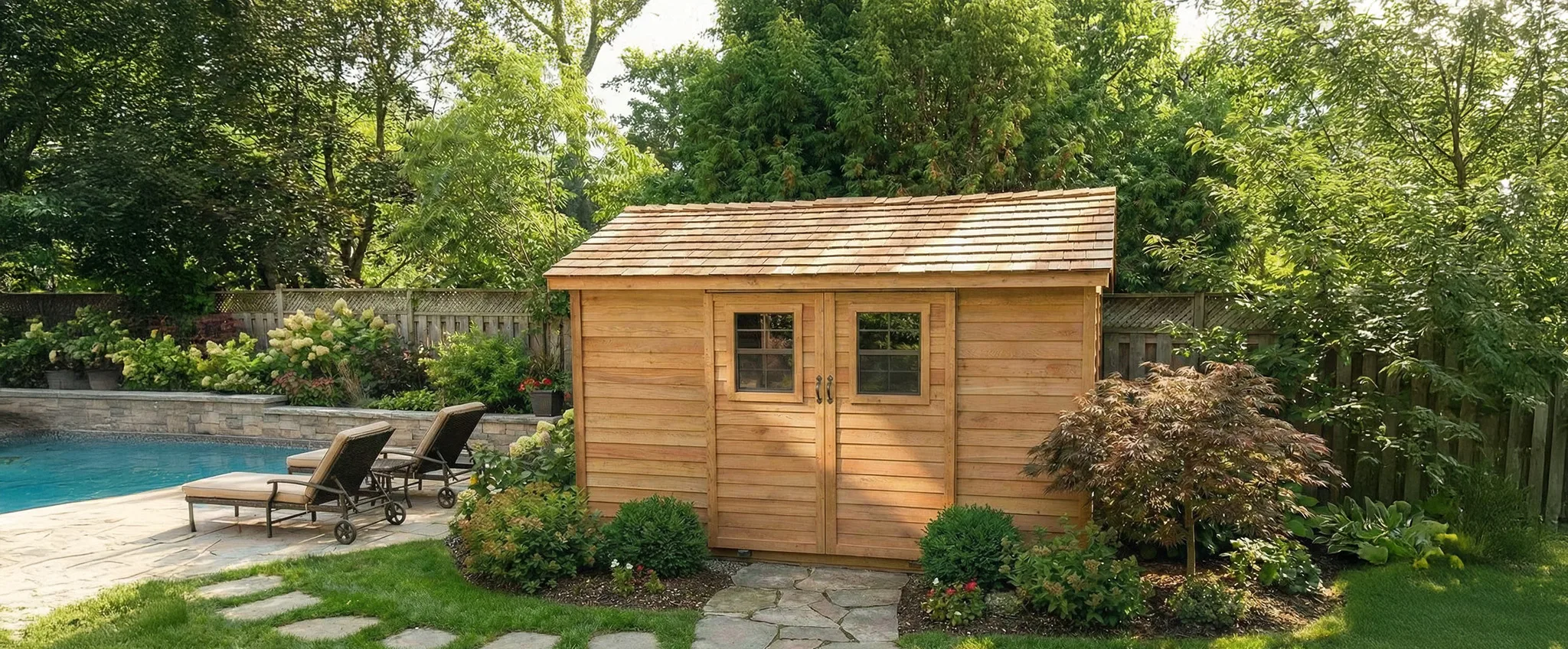
12x8 Cabana slider Garden shed Western Red Cedar cedar shed Outdoor Living Today Banner 6
Read More

Those days when the weather was warm and the sun was shining can quickly feel like a distant memory. As golden leaves fall, shrubs lose their color, and nights grow longer, it becomes clear that winter is on its way. With colder temperatures, increased rainfall, and the risk of frost, now is the time to prepare your outdoor space for the season ahead.

Winterizing your gazebo, protecting outdoor furniture, and giving your garden a final round of care will help prevent damage and ensure everything is ready to thrive again in spring.

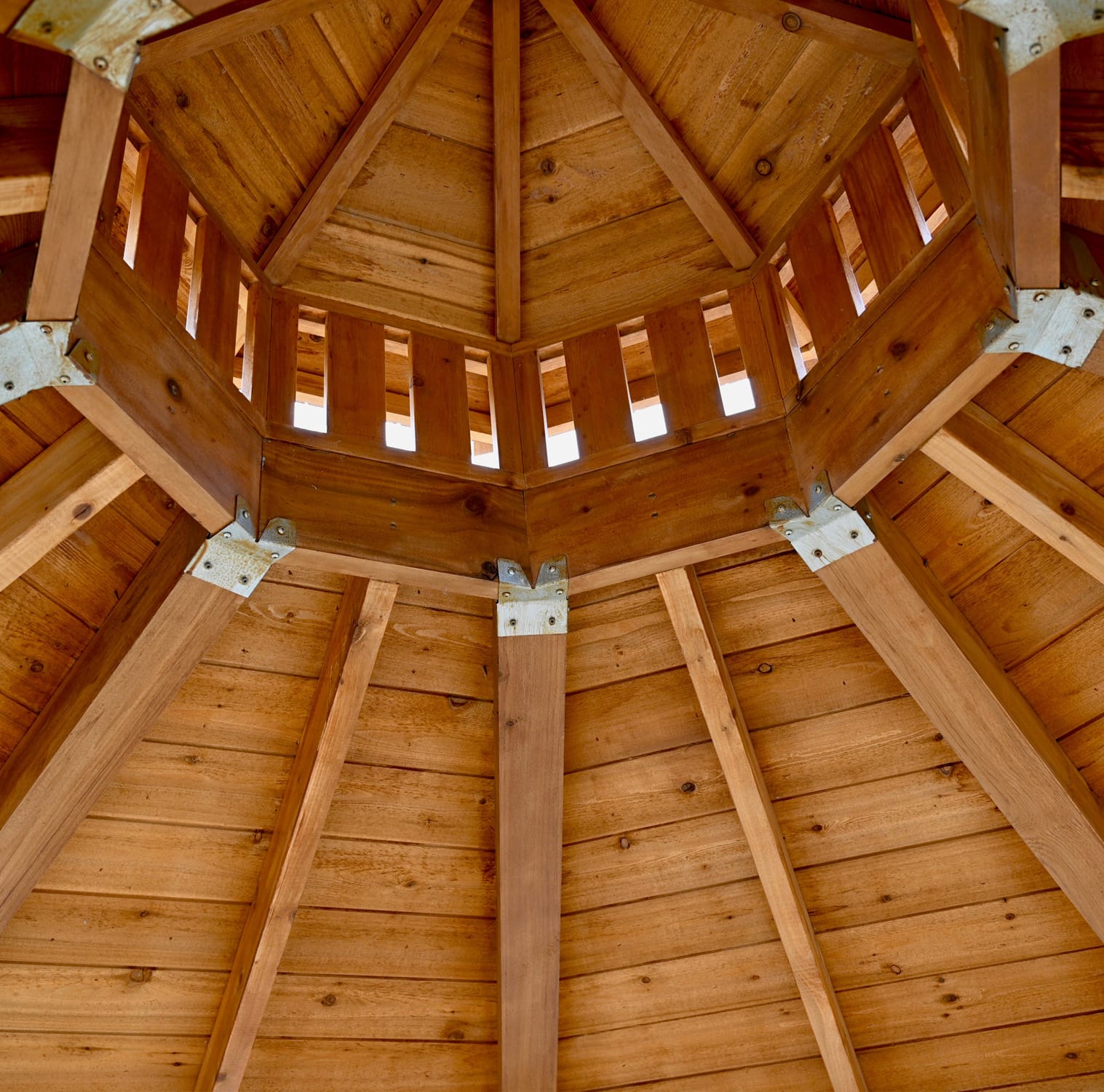
Gazebo CLose up 1

Prepare Your Garden for Winter

Before focusing on your gazebo, take time to ready your garden for colder conditions.

Winter Lawn Care

While summer is all about mowing and watering, fall is the season to strengthen your lawn so it can withstand winter.

  1. Trim overhanging branches to prevent damage or injury during storms
  2. Turn off and drain garden hoses to avoid freezing
  3. Give the lawn one final trim
  4. Rake fallen leaves to prevent suffocation
  5. Apply a late-fall fertilizer to support root health and spring recovery

Winterize Your Gazebo for Long-Term Protection

Gazebos built from pre-cut Western Red Cedar panels are naturally durable, resistant to moisture, and well suited for year-round exposure. However, a little seasonal maintenance goes a long way in preventing warping, splintering, or unnecessary wear.

Clear and Clean the Structure

Start by removing all furniture and accessories from the gazebo. Store items in a shed, garage, or covered patio with appropriate winter protection.

Then:

  1. Sweep and rake leaves, dirt, and debris from the floor and walls
  2. Remove cobwebs and clean between steps and benches to discourage pests
  3. Hose down the structure to flush out debris from cracks and crevices

Use a soft-bristled brush with warm water and mild detergent to remove algae, mold, or mildew. Avoid wire brushes, which can scratch and damage the wood surface.

Inspect and Secure Your Gazebo

Once the gazebo is clean and dry, inspect it closely.

  1. Check for loose screws or hardware and tighten as needed
  2. Look for early signs of wear so small issues do not worsen over winter

Taking a few minutes now can help prevent costly repairs later.

Manage Snow and Winter Conditions

Throughout the winter months, it is a good idea to periodically check on your gazebo.

  1. Gently remove heavy snow buildup from the roof
  2. Consider using vinyl or plastic roof coverings to help snow slide off more easily
  3. Ensure proper drainage around the structure

Regular monitoring helps protect the roof and overall structure from excess weight and moisture.

Can You Use a Gazebo in Winter?

Some gazebos are designed to be enjoyed year-round. Models with framed screens, cupolas, and screened doors can be adapted for winter use when paired with a portable outdoor heater.

If you enjoy spending time outdoors even in colder months, choosing a gazebo designed for extended seasonal use can allow you to relax outside long after summer ends.

Add Color with Flowers That Bloom in Winter

Many homeowners assume gardens lose all visual interest in winter, but that does not have to be the case.

Visit a local nursery to learn which plants thrive in cooler conditions. Popular winter-blooming options include:

  1. Pansies
  2. Violas
  3. Primroses

Plant seeds in early spring so they are established in time for winter blooms. Protect flowerbeds with mulch to prevent soil from freezing, and wrap sensitive plants with bubble wrap if needed. Some plants may also be moved indoors or into a shed, provided they receive enough light and fresh air.

Prepare Now for a Healthier Spring

Winterizing your gazebo and garden helps protect your outdoor space from harsh weather while setting the stage for a smooth transition into spring. With thoughtful preparation, your gazebo will remain a beautiful and functional feature for years to come, ready to welcome warmer days when the season changes.

Read More

Saving seeds from your own garden is a simple, cost-effective way to plan ahead, preserve plant varieties, and reduce gardening costs year after year. By learning how to properly collect, store, and germinate seeds, you can build a more self-sufficient garden while preparing confidently for the next growing season.

Spending time outdoors in your garden can be both rewarding and practical. However, many gardeners find that purchasing new vegetable seeds, flower seeds, and fertilizer each year adds up quickly. By collecting and saving seeds from your own plants, you can redirect those savings toward other garden upgrades, such as raised beds, tools, or a garden shed.


Plan Ahead: Heirloom Seeds vs. Hybrid Seeds

Before you begin saving seeds, it’s important to understand the type of plants you are growing.

Hybrid seeds are bred for specific traits and are typically meant for a single growing season. While hybrid plants can be productive and attractive, the seeds they produce often grow into plants with unpredictable characteristics. This is especially common when seeds are collected from vegetables purchased at grocery stores, where the plant’s origin is unknown.

For reliable results, choose heirloom or open-pollinated seeds. These varieties produce seeds that grow true to type, meaning the next generation will closely resemble the parent plant. Planning with heirloom seeds makes seed saving far more successful and predictable.


Avoid Cross-Pollination

Cross-pollination occurs when two varieties of the same plant species exchange pollen, resulting in seeds with mixed traits. Wind, insects, and birds can all contribute to this process.

For example, planting bush beans and pole beans close together may result in seeds that no longer grow true to either type. To reduce this risk:

  1. Plant different varieties of the same species far apart
  2. Select individual flowers to save seeds from and isolate them with breathable covers
  3. Hand-pollinate when possible for greater control

Preventing cross-pollination helps maintain consistent plant quality and reliable harvests.


Collecting Vegetable Seeds

Saving vegetable seeds follows similar principles but often requires additional steps.

Beans and Peas

Allow pods to fully mature and dry on the plant. Once the outer shell is dry and wrinkled, remove the pods and allow them to finish drying indoors. Open the pods and collect the seeds, ensuring all moisture is removed before storage.

Fruits and Vegetables with Pulp

Vegetables such as tomatoes, cucumbers, eggplants, and squash require extra processing. Slice the fruit open and scoop out the seeds and pulp. Place them in a container with water and allow the mixture to sit. Viable seeds will sink while pulp and non-viable seeds float.

Rinse the seeds thoroughly, remove remaining debris, and allow them to dry completely before storing.

How to Germinate Seeds

Toward the end of winter, remove stored seeds and allow them to reach room temperature. To test viability, place seeds between two damp paper towels and keep them moist in a warm area.

Once seeds sprout, transfer them to soil and provide adequate light. Starting seeds indoors allows you to extend the growing season and gives plants a strong start before outdoor planting conditions are suitable.

Grow with Confidence Season After Season

Seed saving is a rewarding way to become more connected to your garden while reducing costs and preserving plant varieties. With thoughtful planning, careful storage, and proper germination techniques, you can enjoy healthier plants and greater success each growing season.

A little preparation now helps ensure your garden continues to thrive long into the future.


Read More

With proper care and routine maintenance, wooden sheds and furniture can remain strong, functional, and beautiful for decades.

Wood is one of the most timeless and elegant building materials, and when treated correctly, it ages gracefully while standing up to the elements. Western Red Cedar is especially well suited for outdoor structures, thanks to its natural resistance to moisture, decay, and insects, making it a long-lasting and reliable choice for sheds and furniture.

Regular upkeep not only extends the lifespan of your outdoor structures but also helps prevent costly repairs caused by moisture, decay, or neglect. With a bit of planning, awareness, and seasonal attention, maintaining wooden sheds and furniture can be simple and highly effective.


Protecting Wooden Sheds from Water Exposure

Wood decay is caused when fungi break down the cellular structure of timber. For these fungi to survive, they need moisture, oxygen, moderate temperatures, a food source (wood itself).

The best defense against water damage begins at the design and placement stage. Wooden sheds should be constructed to shed water efficiently and avoid moisture buildup.

To reduce water exposure:

  1. Design rooflines that allow rain and snow to run off easily
  2. Avoid water-trapping joints and seams
  3. Install adequate roof overhangs
  4. Ensure proper ground drainage around the shed

By directing water away from the structure, you significantly reduce the risk of rot and deterioration.


Preventing Mold and Decay in Wooden Sheds

Mold and decay are easiest to manage when addressed early. Unfortunately, decay often begins in hidden areas such as corners, cracks, hinges, and joints, making it difficult to detect until damage is already advanced.

Routine inspections are essential. Check your shed periodically for soft spots, discoloration, or musty odors. Using decay-resistant or pressure-treated wood is one of the most effective preventative measures.

When purchasing a wooden shed:

  1. Confirm the type of wood treatment used
  2. Avoid solely water-based treatments, which offer limited protection
  3. Choose treatments designed for long-term outdoor exposure

A well-maintained wooden shed typically needs treatment every two to three years. Do not wait for visible dampness before reapplying protection.


Ensure Smooth and Seamless Surfaces

Smooth surfaces are easier to clean and maintain. Dust and grime are less likely to collect in tight corners, reducing the need for aggressive scrubbing.

Using planers and sanders during construction or refinishing creates a polished, finished look while simplifying routine care. Wooden floors can also be sanded multiple times, depending on thickness, allowing them to last for many years with proper upkeep.

Choosing the Right Location for Your Wooden Shed

Placement plays a major role in how well your shed withstands environmental stress.

When positioning your shed:

  1. Shelter it from prevailing winds and heavy rain
  2. Avoid low-lying areas prone to standing water
  3. Include roof overhangs and drip edges
  4. Add projecting window sills to divert runoff

Strategic placement reduces weather exposure and helps preserve the structure over time.

Maintaining Wooden Outdoor Furniture

Wooden outdoor furniture is highly durable and can often be restored with minimal effort. A basic cleaning with mild soap and water is usually sufficient for routine care.

For deeper maintenance:

  1. Lightly sand surfaces to remove buildup
  2. Brush away dust before refinishing
  3. Choose to oil, paint, or leave untreated for a natural weathered look

Restoration projects are manageable DIY tasks and can often be completed in a single day, making wooden furniture a long-lasting and flexible investment.

A Stitch in Time: Ongoing Maintenance Matters

Preventative maintenance is far more cost-effective than major repairs or replacement. Regular inspections allow you to catch small issues before they become serious problems.

Check wooden structures every few weeks for:

  1. Moisture buildup
  2. Surface cracks
  3. Signs of rot or insect activity

With repeated observation, you’ll quickly recognize what’s normal and spot potential concerns early. Consistent care ensures your wooden sheds and furniture remain reliable, attractive, and functional for years to come.

Ensure Smooth and Seamless Surfaces

Wood naturally expands and contracts based on moisture levels in the air. Seasonal changes, especially during winter, can cause swelling, warping, and difficulty opening doors or windows.

To minimize movement-related issues:

  1. Use properly dried and seasoned wood
  2. Allow room for expansion during construction
  3. Incorporate grooves and joints that accommodate movement

Wood used while still wet is more likely to shrink, bend, or warp over time. Selecting quality materials from the start helps maintain structural stability.

Read More

A garden shed can quickly turn into a catch-all for tools, supplies, and seasonal items that don’t quite belong anywhere else. Over time, this clutter makes it harder to find what you need and easier to justify buying replacements for tools you already own.

If your shed is starting to feel chaotic, the end of summer or early fall is the perfect time to reset. A thoughtful organization plan makes your shed easier to use year-round and helps protect your tools, supplies, and structure itself.

Below are practical steps to help you organize your shed efficiently and keep it that way.


First Step: Empty Out Your Shed Completely

Start by removing everything from your shed and placing it outside. While it may feel overwhelming at first, seeing all your items laid out makes it easier to assess what you actually have.

As you sort through your belongings:

  1. Keep items you use regularly
  2. Set aside anything broken, rusted, or no longer needed
  3. Create a separate pile for recyclable items

Be realistic. The goal is to create a functional space, not to store items out of guilt or nostalgia.


Give Your Shed a Clean Sweep

Once the shed is empty, take time to clean the interior thoroughly.

  1. Sweep the floor
  2. Dust shelves and walls
  3. Remove cobwebs and debris
  4. Check corners for moisture or pests

A clean shed provides a fresh start and makes it easier to see how much usable space you truly have.


Evaluate the Space You Have

Before putting anything back inside, assess how much room you have and how it can be used most efficiently.

Keep in mind:

  1. Frequently used items should be easy to reach
  2. Seasonal items can be stored higher or farther back
  3. Heavy tools should be stored safely and securely

Planning storage before reloading prevents clutter from creeping back in.

Store Smart with Simple Organization Solutions

Make the most of your shed’s vertical and unused space with practical storage ideas:

  1. Install hooks on the back of shed doors for hand tools
  2. Use wall hooks for long-handled tools like shovels and rakes
  3. Add shelves for pots, watering cans, and supplies
  4. Use clear plastic bins so contents are easy to identify
  5. Label bins and shelves to keep everything in its place

Grouping similar items together makes tools easier to find and quicker to return after use.

Organize Small Items and Garden Supplies

Small items are often the biggest source of clutter.

  1. Store gloves, twine, seed packets, and hand tools in clear containers
  2. Use labeled boxes for bulbs and seeds
  3. Keep frequently used items at eye level
  4. Place rarely used supplies on higher shelves

This system reduces time spent searching and keeps fragile items protected.

Make Room for Long-Handled and Awkward Tools

Designate an area for bulky tools like wheelbarrows, rakes, and hoes.

  1. Prop wheelbarrows upright against a wall
  2. Hang medium-length tools on wall hooks
  3. Store lightweight tools in tall boots or bins to keep them upright

Keeping floors clear improves safety and makes the shed feel more open.

Last but Not Least: Tame Your Garden Hose

A tangled hose is not only frustrating but can also be a tripping hazard.

  1. Install a sturdy hose holder on the exterior of your shed near the tap
  2. Keep the hose off the ground to prevent kinks and wear
  3. This also makes rinsing muddy boots or tools more convenient

A Well-Organized Shed Makes Gardening Easier

An organized shed saves time, protects your tools, and makes garden work more enjoyable. With a thoughtful setup and regular upkeep, your shed can remain a clean, functional part of your outdoor space all year long.

A little effort now goes a long way toward a more efficient and enjoyable gardening season ahead.

Read More

Key construction stages to help you build with confidence.

Building your own outdoor storage shed is a practical way to reclaim garage space, organize tools, and add long-term value to your property. By breaking the build into a few clear stages, the process becomes far more manageable for DIYers of all skill levels.


5 Easy Steps

1. Prepare the Foundation and Frame

Start by choosing and preparing the location for your shed. Clear and level the ground where the shed will sit to ensure long-term stability. Place concrete or cinder blocks at the corners to elevate the structure and protect it from ground moisture.

Once the base is ready, construct the frame using pressure-treated lumber. Cut posts to size, ensure everything is square and level, and securely anchor the frame. A solid foundation and frame are critical, as they support every part of the shed that follows.

2. Build the Floor Deck

With the frame in place, build the floor deck. Install floor joists evenly across the frame and secure them firmly. Once the joists are set, attach the decking material on top, ensuring a slight overhang at the edges for proper water runoff.

A well-built floor provides strength, durability, and a stable surface for storing heavy equipment like lawn mowers or wheelbarrows.

3. Construct and Secure the Walls

Next, assemble the wall panels by connecting studs to top and bottom plates. Build each wall section flat on the ground, then raise and secure them to the deck and to each other.

Make sure the walls are square and properly aligned before reinforcing the structure with additional framing at the top. If your shed includes a door or windows, frame those openings carefully at this stage.

4. Install the Roof and Exterior Siding

Once the walls are secure, move on to the roof. Attach roof rafters, connect them with support strips, and install the roofing panels or shingles according to your design. A properly installed roof protects the shed from rain, snow, and long-term weather damage.

After the roof is complete, apply exterior siding to the walls. This not only improves appearance but also adds an extra layer of protection against the elements. Vinyl or wood siding are both popular, durable options depending on your style and maintenance preferences.

5. Add Doors, Windows, and Final Features

Finish the shed by installing doors, windows, and any additional features that improve usability. Windows bring in natural light, while sturdy doors provide security and easy access. You may also add interior storage cubbies, shelves, or a potting bench to customize the space.

For added convenience, consider building a ramp at the entrance to make it easier to move heavy equipment in and out of the shed.

Read More

Spending time outdoors in your garden is one of the best parts of the warmer months—but summer is also when many people travel. While arranging care for pets is straightforward, keeping your garden healthy while you’re away can feel more challenging.

The good news? With a little planning, you can return home to a lush, thriving garden instead of stressed plants. Here are practical, proven ways to keep your plants watered and protected while you’re on vacation.


Choose Drought-Resistant Plants When Possible

If you frequently travel or have an unpredictable schedule, selecting drought-resistant plants and shrubs can make a huge difference. These varieties are better suited to survive short dry periods without daily watering.

Native plants are often a smart choice, as they’re already adapted to local climate conditions. You can explore drought-tolerant plant options through the resources listed below:
👉 https://www.epa.gov/watersense/what-plant or your local nursery’s plant guides.

a group of flowers

Cover the Soil with Mulch

Mulching is one of the easiest and most effective ways to retain moisture while you’re away.

A layer of mulch:

  1. Helps keep soil cool
  2. Slows evaporation
  3. Reduces weed growth
  4. Improves soil health over time

Organic mulch also breaks down gradually, adding nutrients back into the soil. The Royal Horticultural Society offers a great overview of mulch types and benefits here:
👉 https://www.rhs.org.uk/soil-composts-mulches/mulch

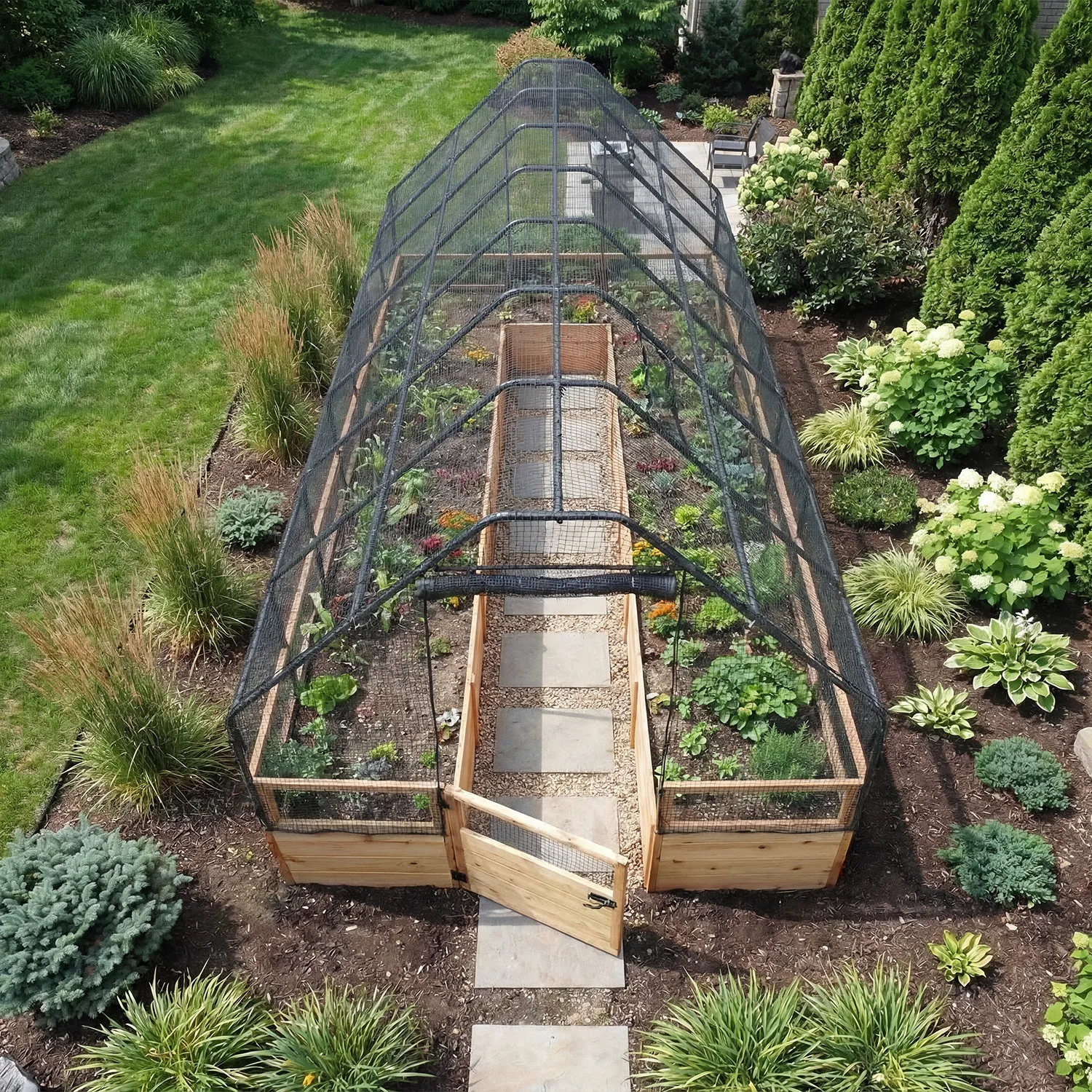
Raised Garden Bed 8x16 Western Red Cedar Gardening Bird Netting Kit 2 Outdoor Living Today Raised Garden Bed 1

Install a Watering System with a Timer

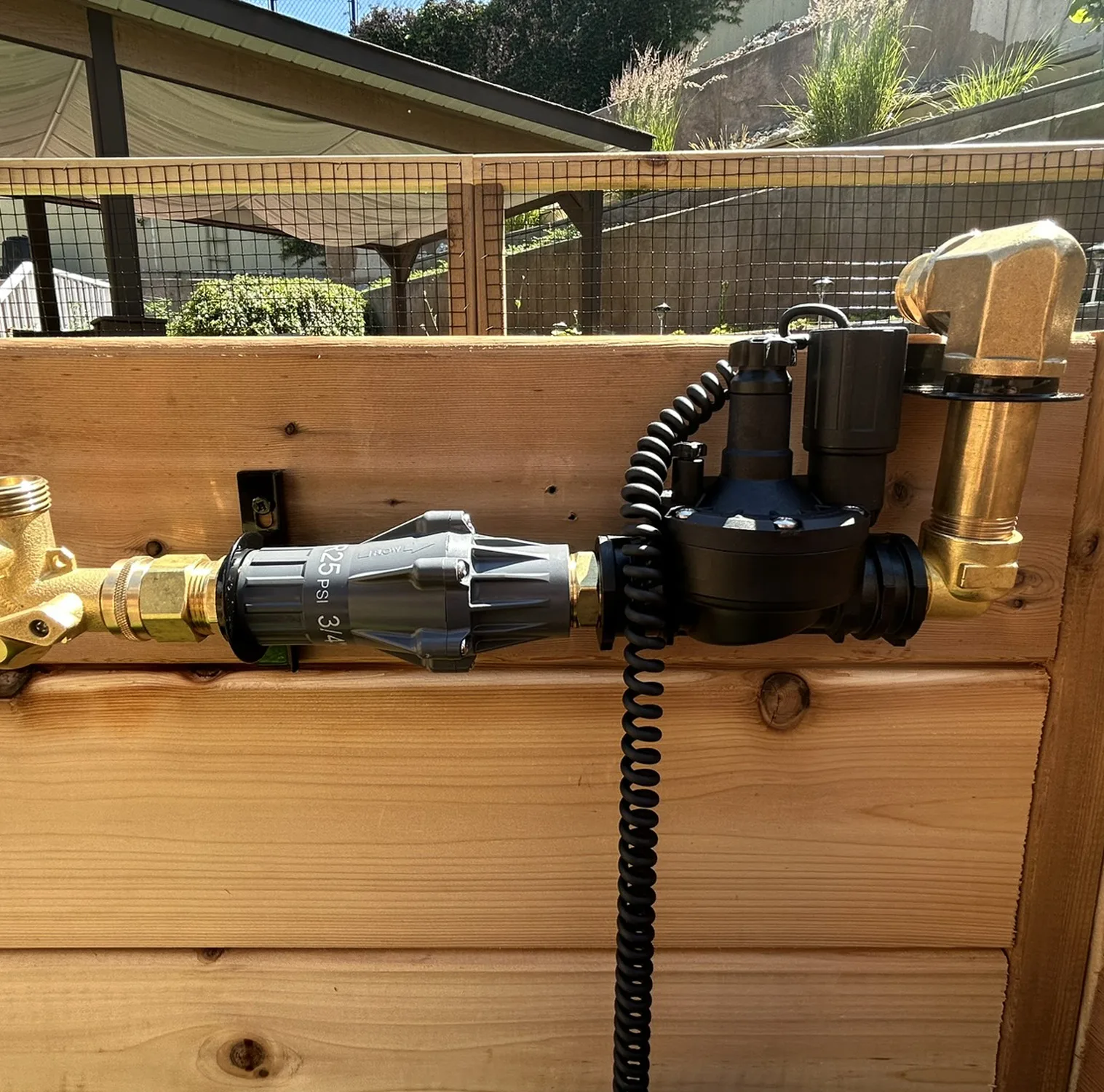
A self-watering system with a timer is one of the most reliable vacation solutions. These systems attach directly to your outdoor faucet and can be programmed to water your plants automatically while you’re away.

For added peace of mind:

  1. Leave a note near the tap so no one accidentally turns it off
  2. Test the system a few days before leaving

Outdoor Living Today has an auto-watering system featuring an easy-to-use digital timer, durable soaker hose for even water distribution, and high-quality brass fittings.

New Auto Watering Kit 6

Provide Shade for In-Ground Plants

If you’re concerned about heat stress, you can protect plants by:

  1. Using shade cloth
  2. Tying lightweight fabric to poles
  3. Creating temporary shade structures

Shade reduces evaporation and helps plants conserve moisture, especially during heat waves.

Read More