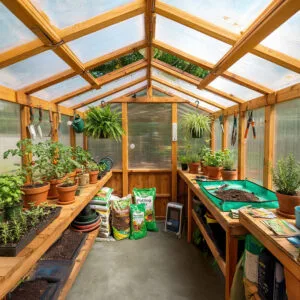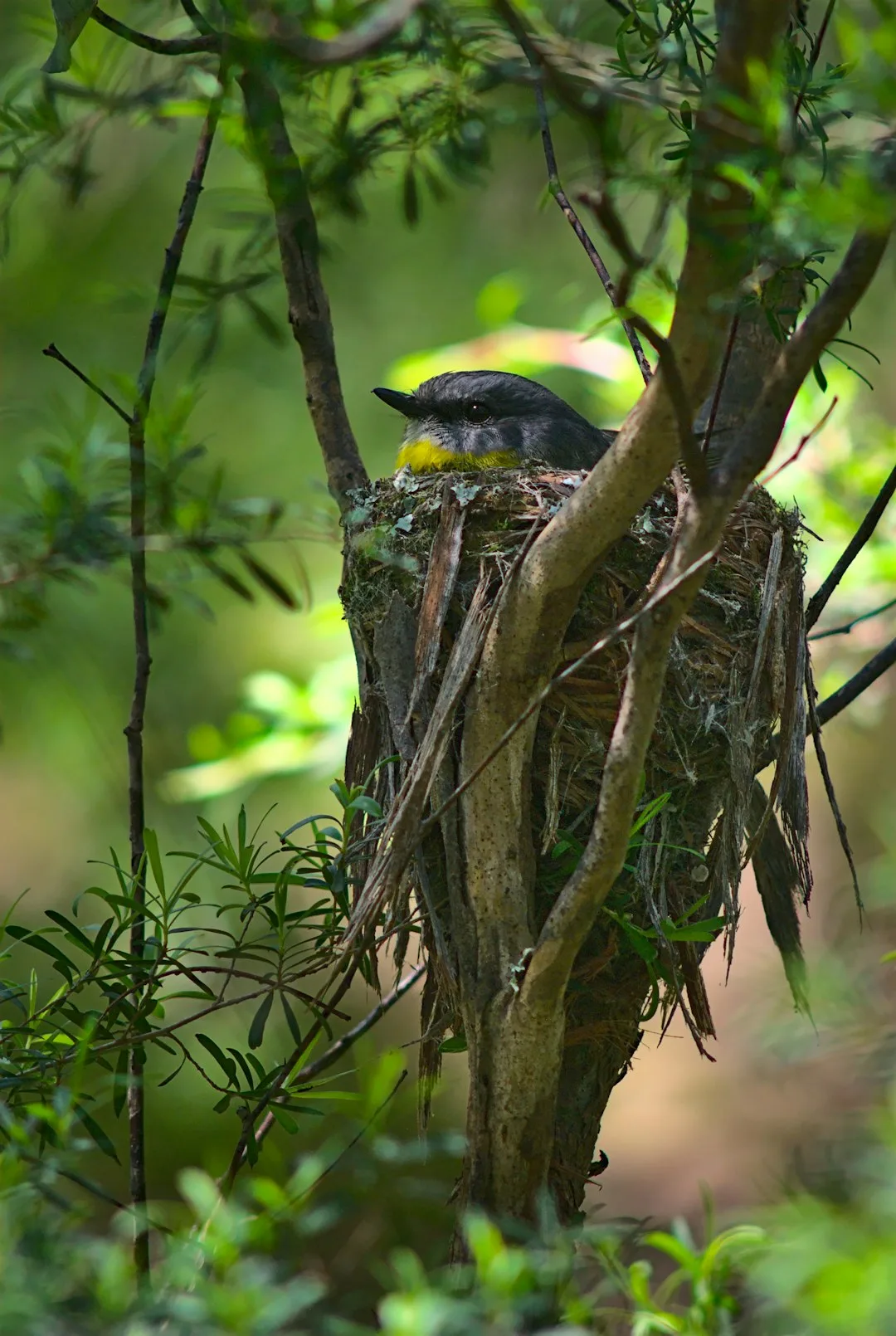
Transform your outdoor space with simple, stunning water features you can build or install yourself.

The soothing sound of running water can completely change the atmosphere of your outdoor space. Whether you want a peaceful corner to unwind, a focal point for your garden, or a DIY project that adds charm and movement, water features are an easy way to elevate any backyard.

Below are 10 creative water feature ideas—from simple container ponds to elegant waterfalls—that you can build, customize, and enjoy year-round.


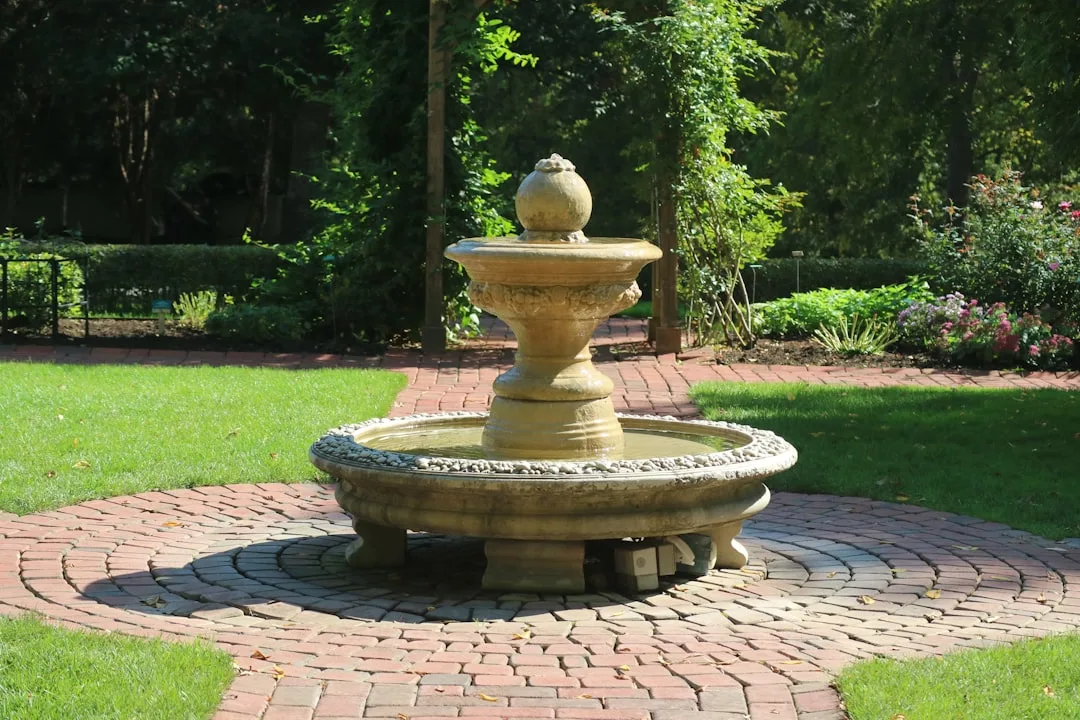
1. Urn Fountain

Repurpose a decorative urn into a soft, bubbling water feature. It’s understated, elegant, and perfect for smaller gardens or patios. Choose a frost-resistant urn and a pump designed for outdoor use to keep the water circulating smoothly.

DIY Tip:
Choose a ceramic or stone urn for longevity and a more organic look.

a stone water fountain sitting on top of a brick walkway

2. Wall Waterfall

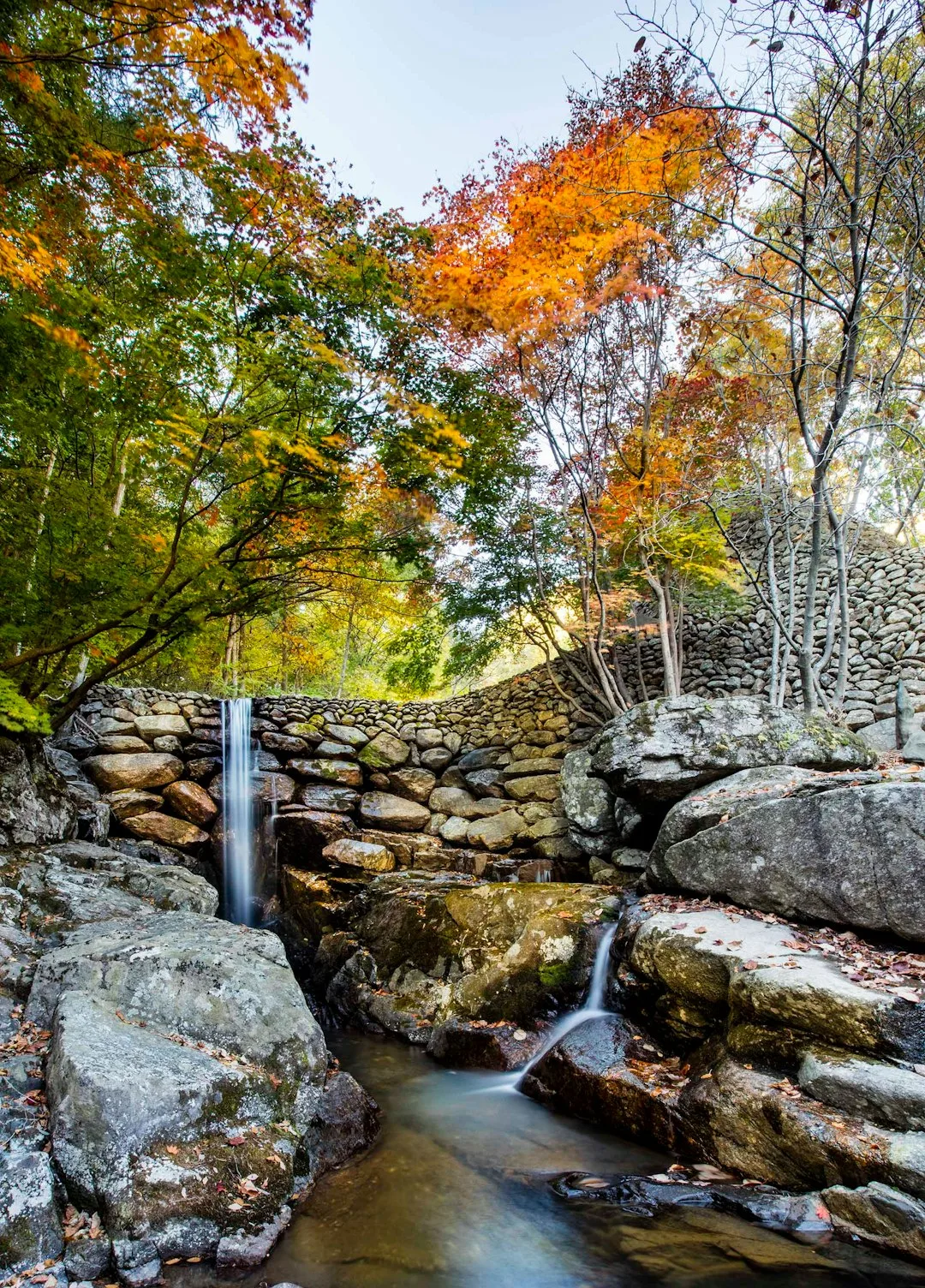
For a modern statement, install a vertical water wall. This can be a sleek metal panel, stacked stone, or even a DIY fountain wall kit. The falling water creates a relaxing sound while bringing movement and texture to your yard.

DIY Tip:
Add LED lights behind the sheet of water for a dramatic nighttime effect.

a small waterfall in a rocky area

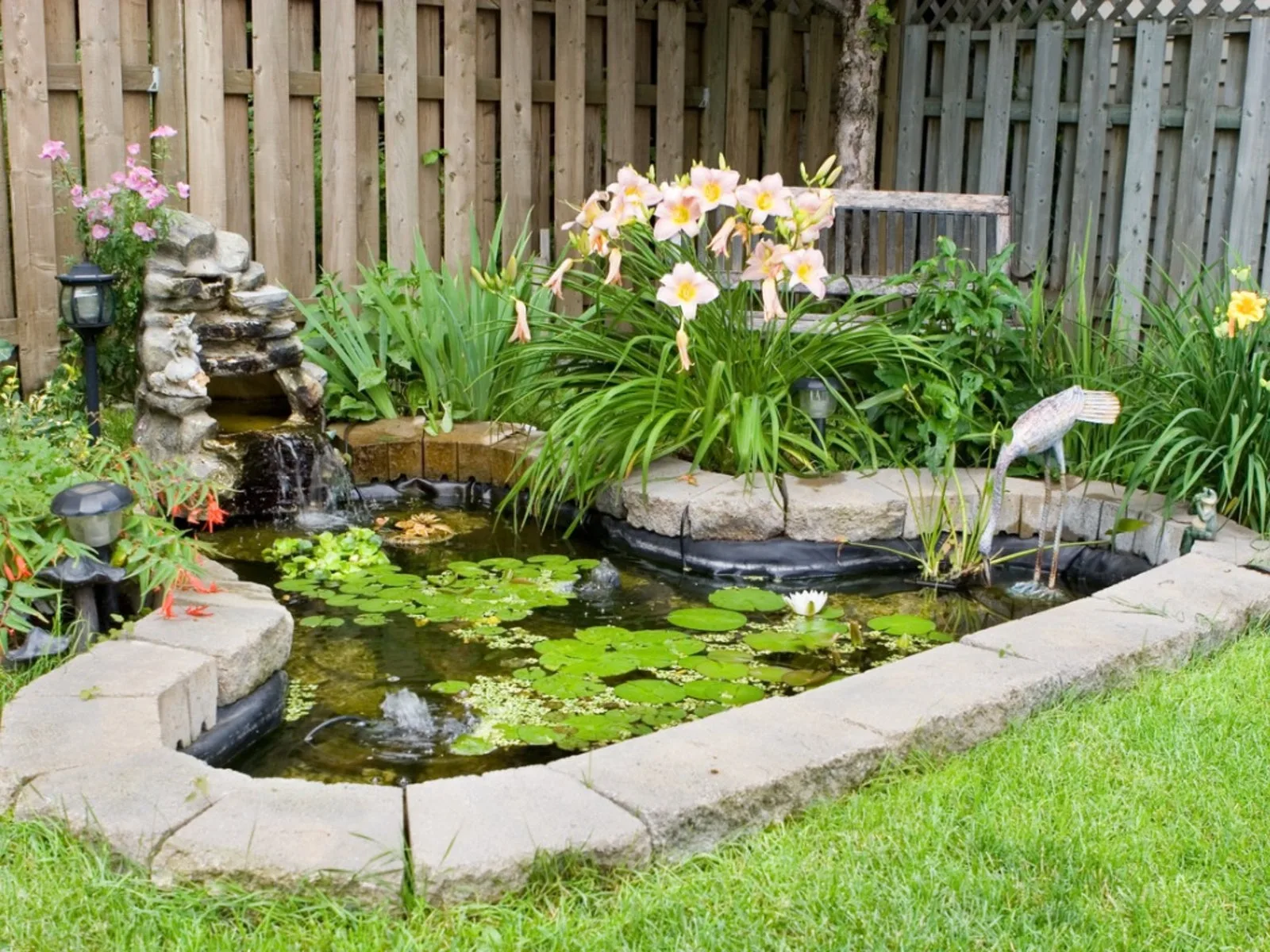
3. Stone Pond with Mini Fountain

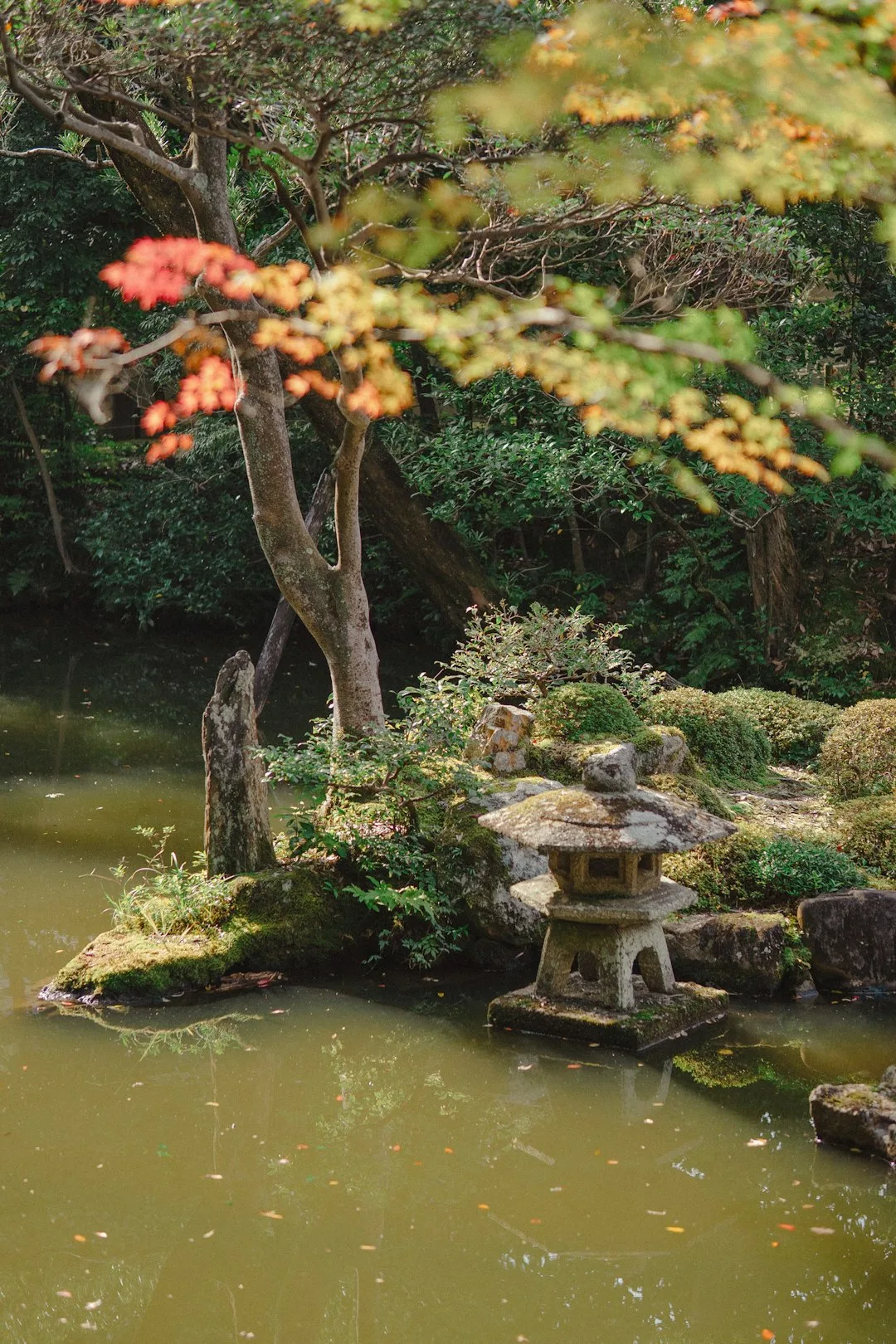
If you want a natural, cottage-style feel, a small pond with a fountain head is a perfect weekend project. Layer stones around the edges and plant moisture-loving plants nearby to soften the look.

DIY Tip:
Use a pond liner to protect your soil and prevent water loss.

Stone lantern in a tranquil japanese garden pond

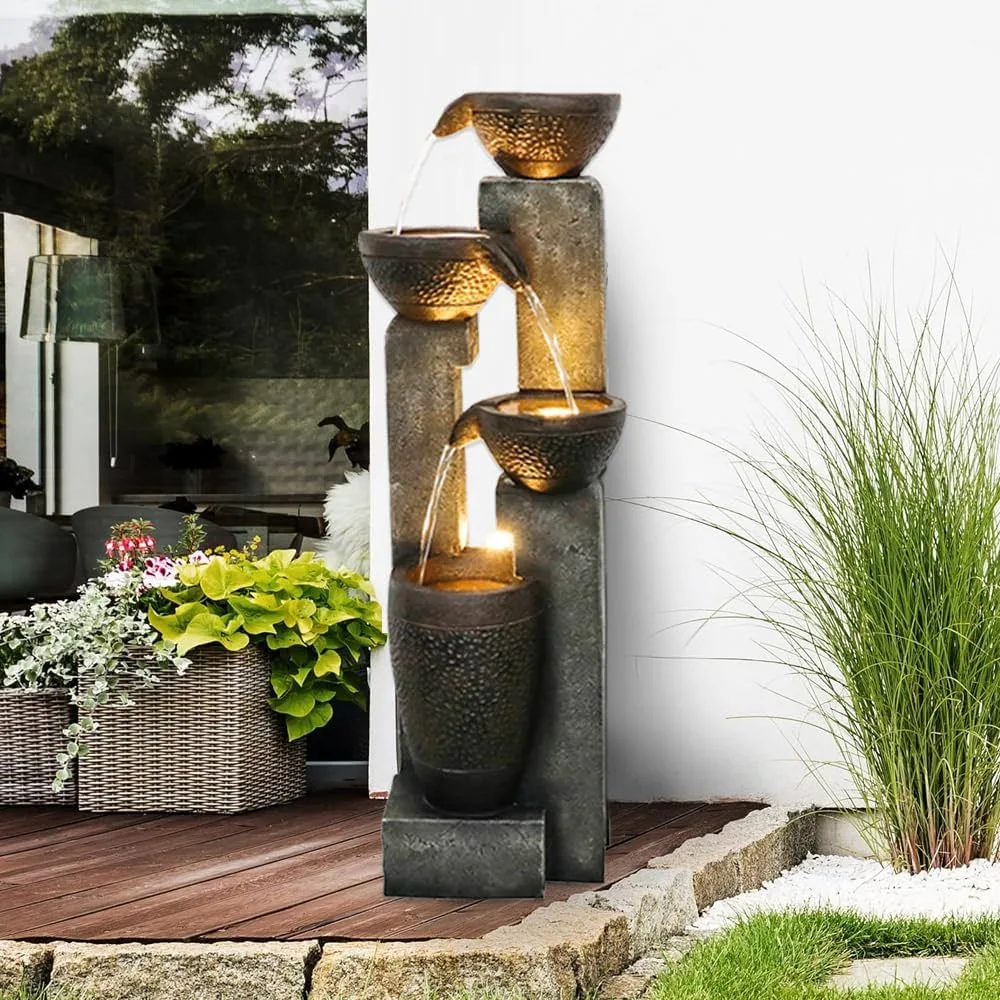
4. Tiered Pot Fountain

Stack two or three pots of varying sizes to create a tiered, cascading water feature. It’s easy to assemble and doesn’t require heavy tools or complex installation.

DIY Tip:
Choose pots with built-in drainage holes to hide pump tubing more discreetly.

71Xp8JnmgDL. AC UF10001000 QL80 1

5. Container Water Garden

Perfect for patios, balconies, and small spaces. Fill a large ceramic bowl or galvanized tub with water, lilies, pebbles, and floating plants. It creates the look of a miniature pond without any digging.

DIY Tip:
Add a small solar pump to keep water circulating and discourage mosquitoes.

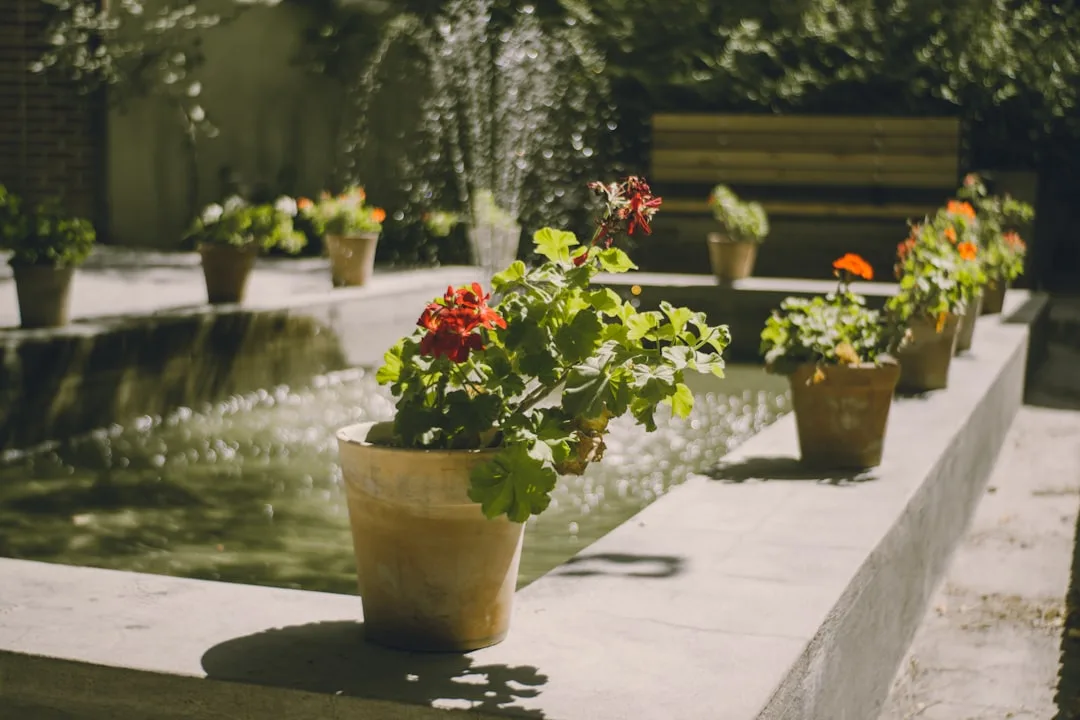
Potted flowers line a fountain with a bench behind.

6. Flower Pot Fountain

This DIY fountain relies on stunning pots—bright, textured, or patterned—to create a striking visual effect. Water gently bubbles at the top and trickles down the sides.

DIY Tip:
Choose pots with glazing to reduce mineral staining from water.

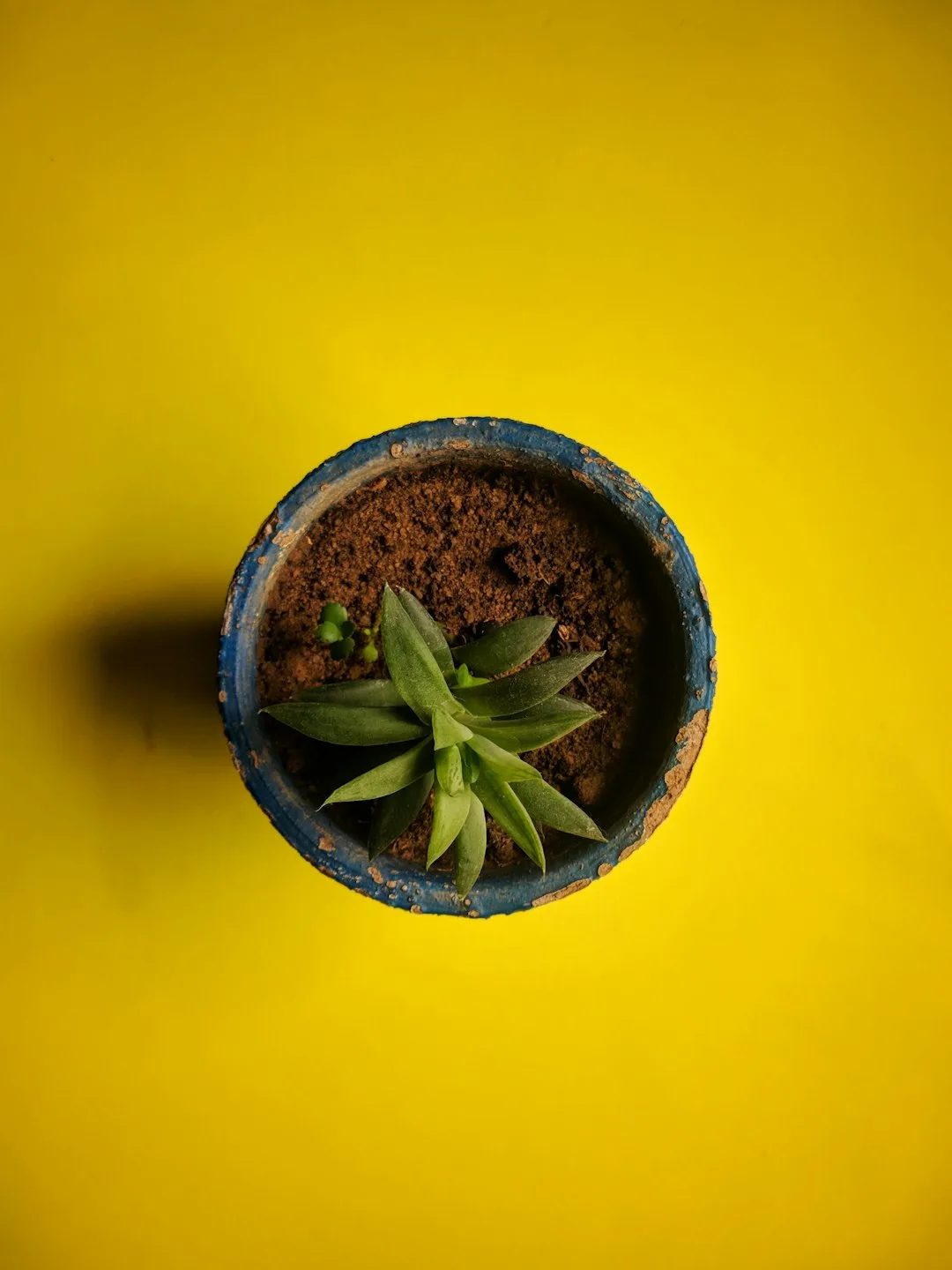
green plant in brown pot

7. Canoe Water Pond

Repurpose an old canoe into a long, narrow pond. Fill it with water, lilies, decorative stones, or even a small submersible filter and goldfish.

DIY Tip:
Seal the interior with a marine-grade waterproof coating before filling.

A red kayak in the middle of a river

8. Backyard Mini Water Garden

A simple container, a few stones, and decorative aquatic plants can create a tranquil water centerpiece for your porch or garden. This is the easiest, no-tools-required option.

DIY Tip:
Group your mini water garden with potted plants to create a lush display.

mini garden pond
Read More

4 Creative Ways to Add Character to Your Garden

Looking for simple ways to add personality and charm to your garden without spending a lot? DIY planters are an easy, creative solution that let you repurpose everyday items into functional garden features. From vintage accents to playful, family-friendly designs, these ideas help add height, texture, and visual interest to your outdoor space while keeping things budget-friendly and fun.

Below are four creative DIY planter ideas that are easy to make, visually impactful, and perfect for bringing new life to your garden.


1. Bicycle Garden Planters

Old bicycles can become eye-catching garden features with just a little creativity. By attaching planters or baskets to the frame, handlebars, and rear rack, you can turn an unused bike into a charming vertical planter. This idea works especially well for seasonal flowers, trailing plants, or herbs, and adds a whimsical, vintage feel to your garden.

DIY Tip:
Secure pots using metal brackets or heavy-duty zip ties, and line baskets with coco liner to improve drainage and keep soil in place.

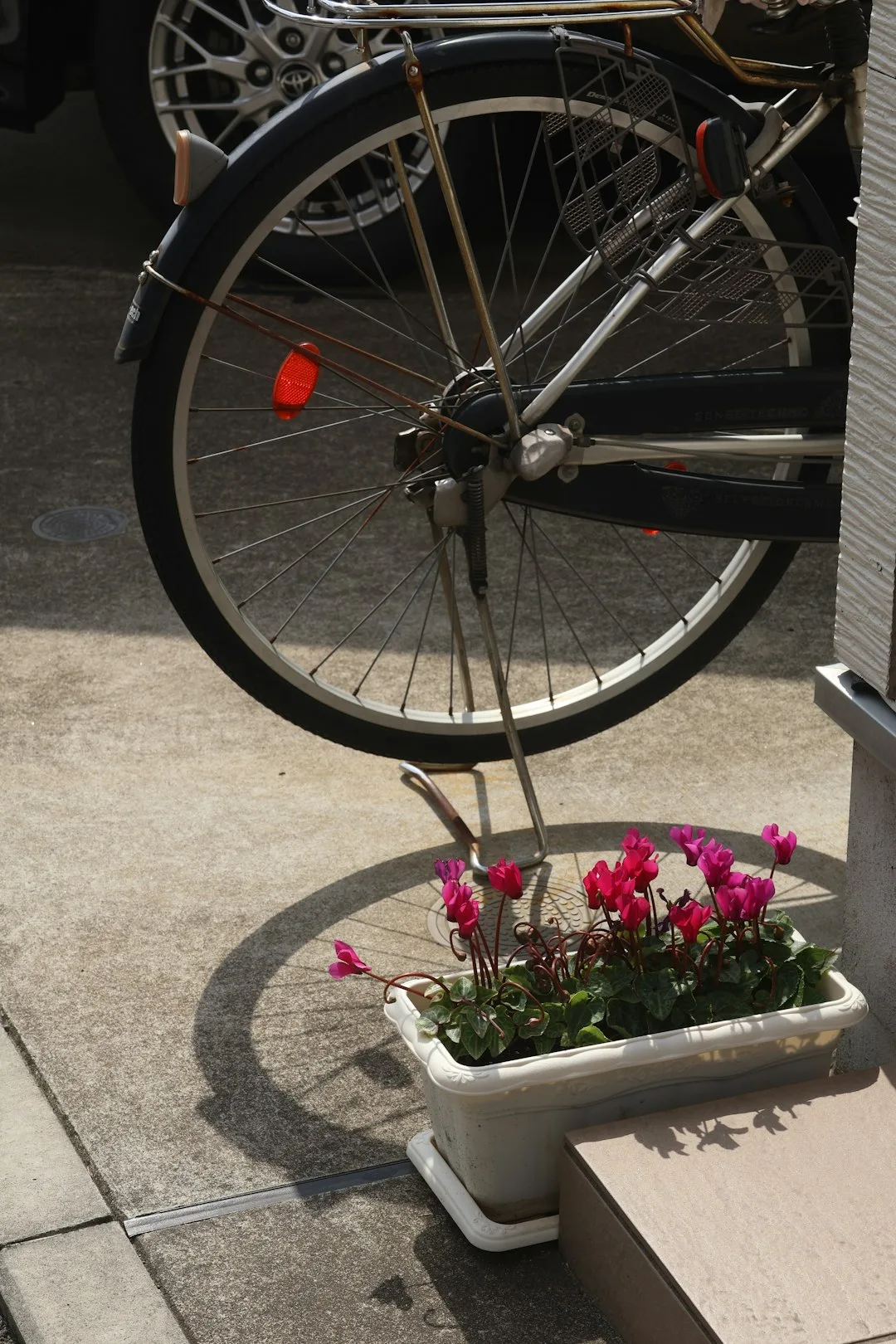
A bicycle wheel casts a shadow on flowers.

2. Chandelier Hanging Planters

Vintage chandeliers make stunning hanging planters when repurposed for outdoor use. Remove electrical components and use the arms to suspend small pots or trailing plants. Hung from a pergola, tree branch, or porch ceiling, chandelier planters add height, elegance, and a unique focal point to your outdoor space.

DIY Tip:
Choose lightweight pots and evenly distribute the weight across all arms to keep the chandelier balanced and secure.

a chandelier hanging from a ceiling in a room

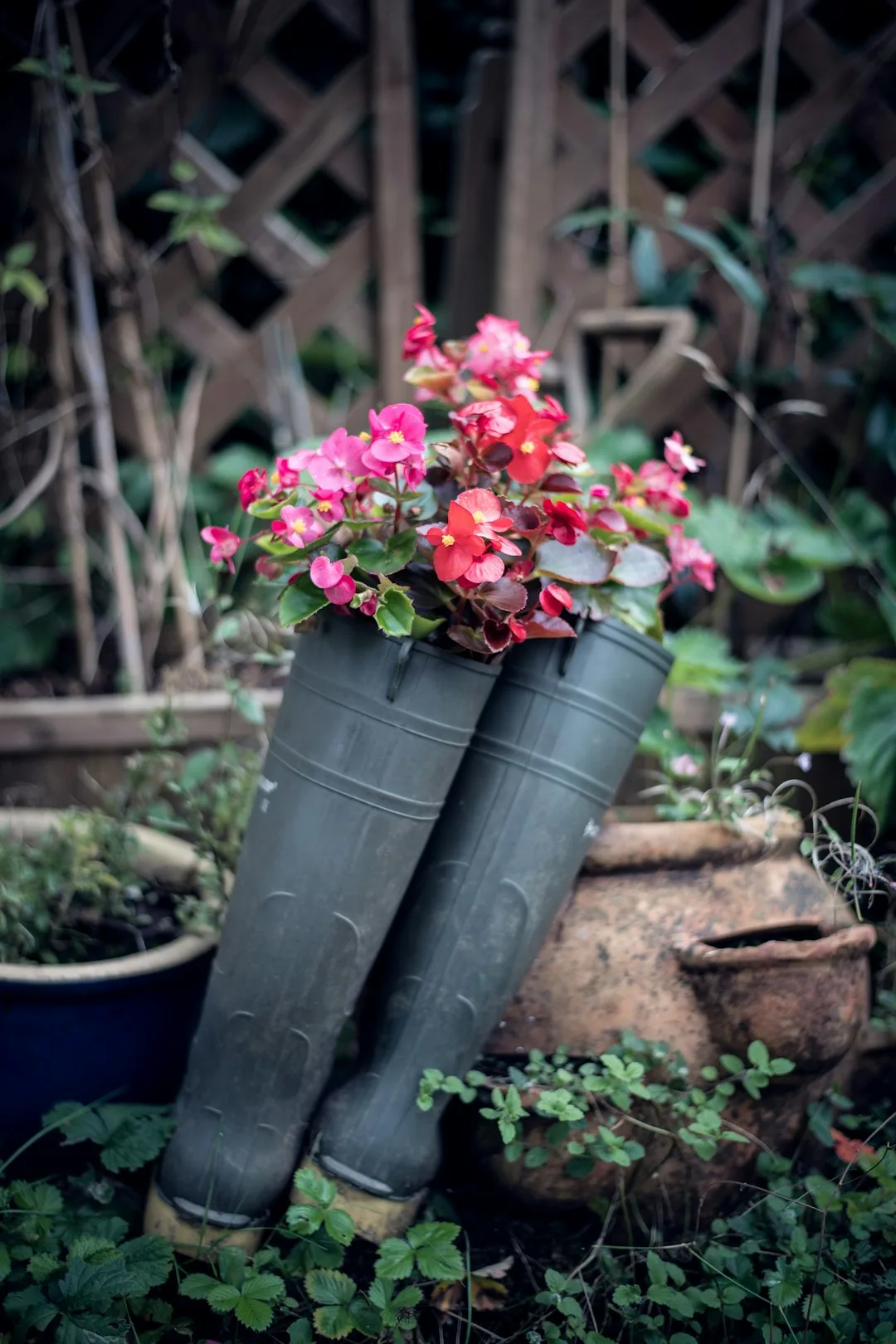
3. Rain Boot Garden Planters

Children’s rain boots (or worn adult pairs) can be transformed into playful, colorful planters. Hung along a fence or placed near garden paths, rain boot planters are perfect for small flowers and add a personal, cheerful touch to your yard—especially in family gardens.

DIY Tip:
Drill small drainage holes in the soles of the boots and add a layer of gravel at the bottom to prevent water buildup.

pink flowers

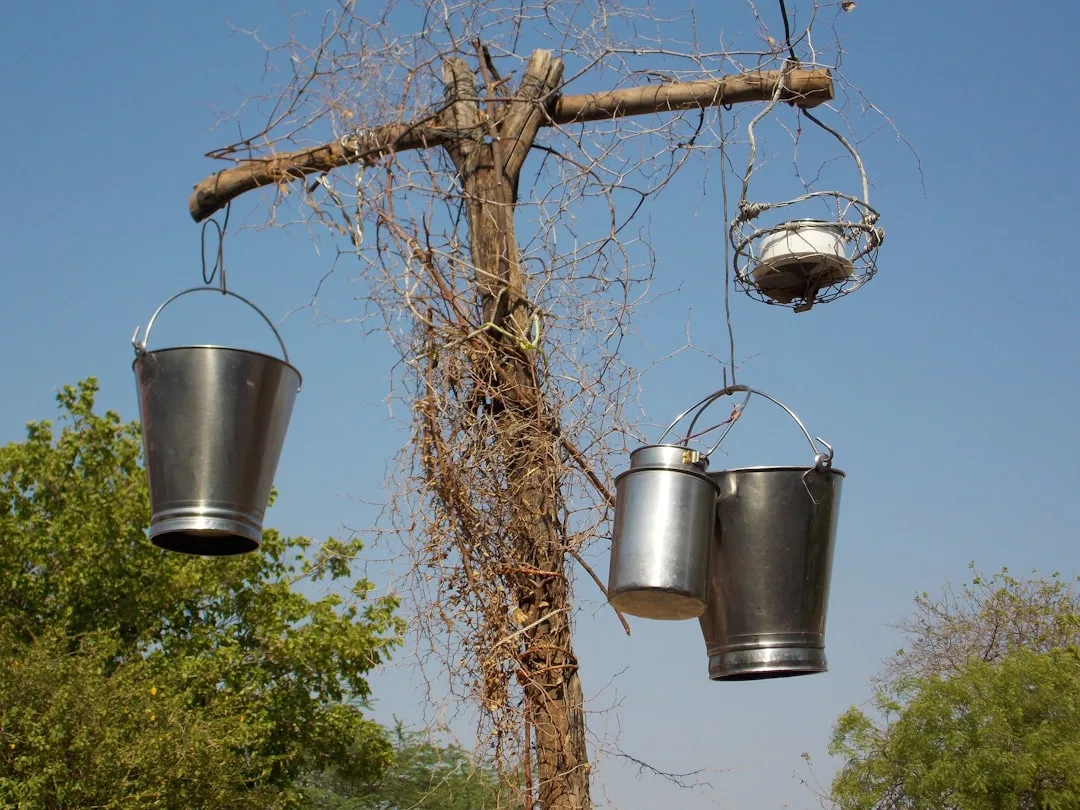
4. Hanging Kettle Planters

Old kettles can be repurposed into charming hanging planters with a rustic or cottage-style look. Painted or left weathered, they work beautifully for compact plants or cascading greenery and are ideal for adding visual interest to patios, pergolas, or garden hooks.

DIY Tip:
Use rust-resistant hooks and chains, and seal the kettle interior with a waterproof liner to protect both the plant and the metal.

Metal buckets hanging from a wooden post outdoors.
Read More

Fresh, budget-friendly ways to turn everyday materials into fences with personality.

A garden fence doesn’t have to be plain or expensive. With a little creativity, you can transform reclaimed materials, simple wood panels, or unexpected objects into a fence that adds privacy, character, and visual interest to your outdoor space. These ideas are easy to customize and perfect for DIY projects of any size.


1. Bicycle Fence

Old bicycles or bike parts can be mounted onto a basic frame to create a fence that feels playful, artistic, and full of character. It’s a great way to upcycle unused bikes while adding a conversation-starting focal point to your garden.

four multicolored mountain bikes parked beside brown wooden railing

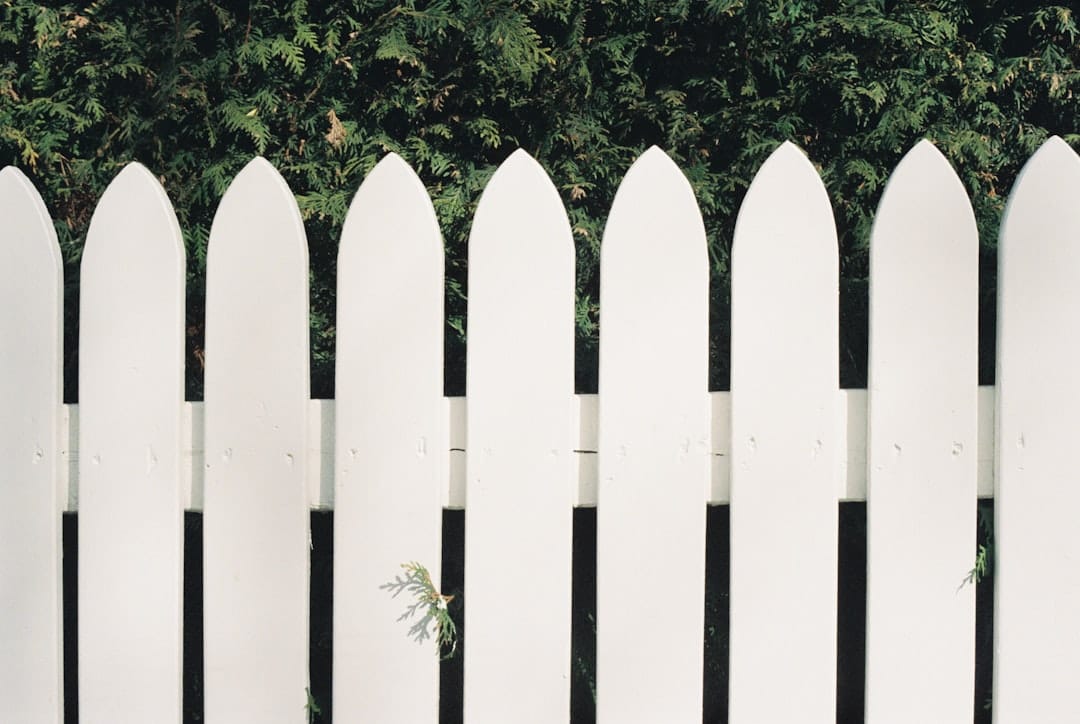
2. Piano Key Fence

By alternating black and white vertical panels, you can transform a standard wood fence into a graphic, piano-inspired design. This simple paint treatment adds contrast and works especially well for modern or minimalist outdoor spaces.

a white picket fence with a green bush behind it

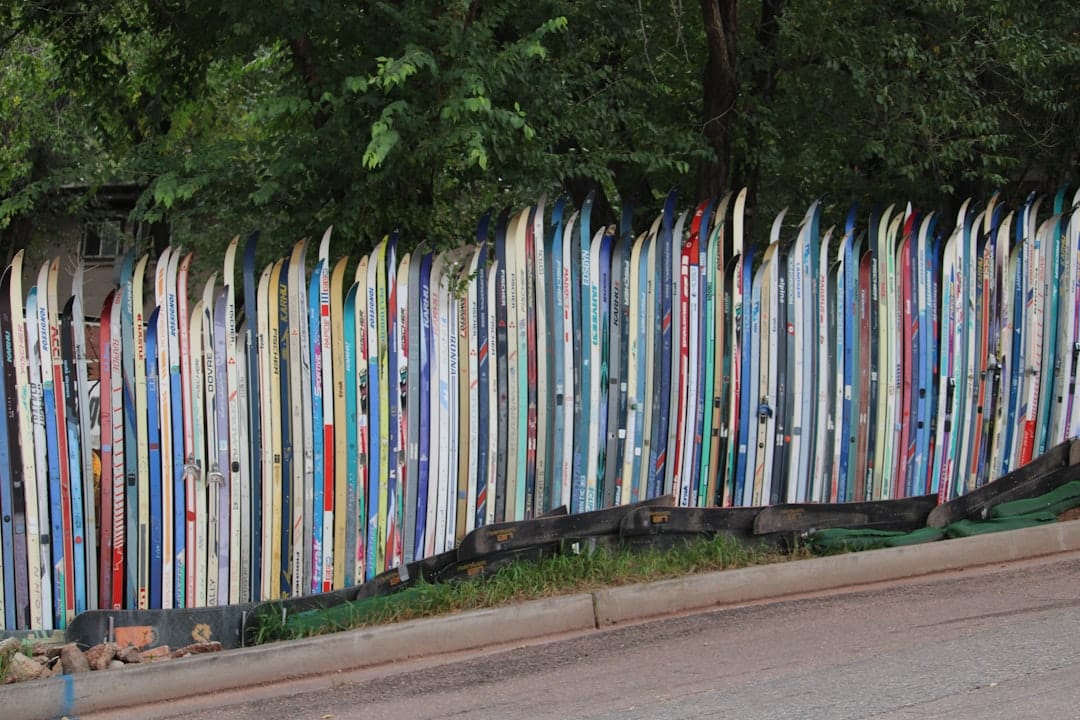
3. Ski Fence

Repurpose old skis by mounting them vertically to form a colorful, weather-resistant fence. The varied patterns and finishes add visual interest and make this option perfect for cottages, cabins, or eclectic gardens.

A fence made of colorful old skis.

4. Carved Fence

Carving patterns, lettering, or simple shapes into wooden fence panels creates a handcrafted look that feels personal and unique. This idea works beautifully as a feature section within a larger fence or along garden paths.

a close up of a wooden fence against a blue sky

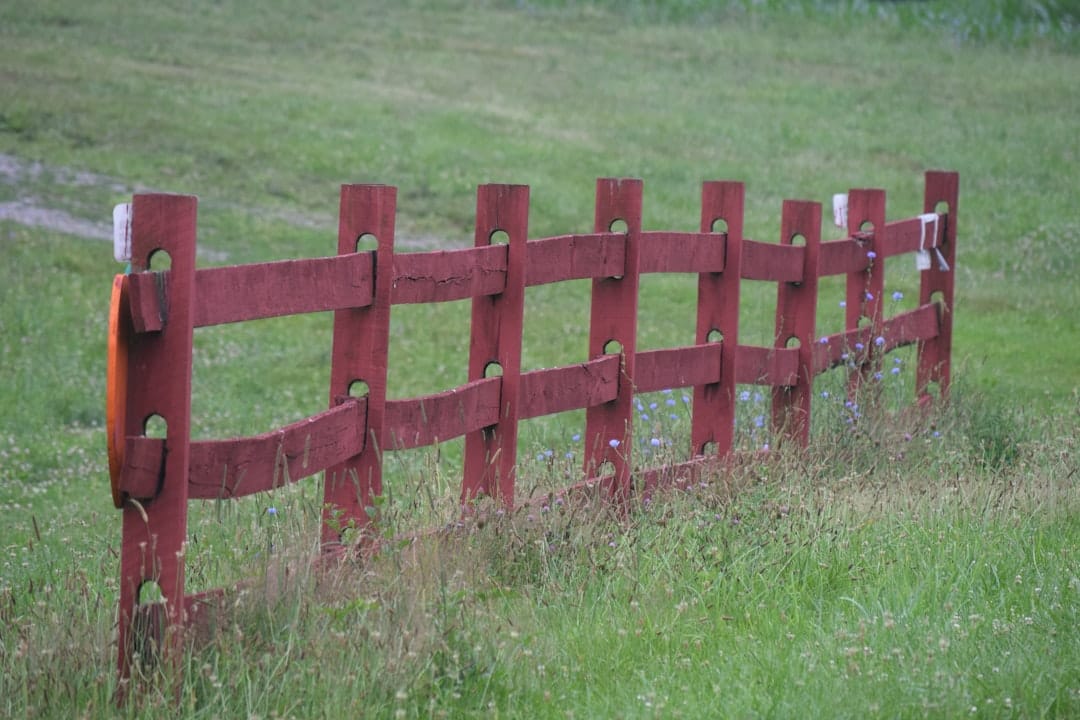
5. Marble Fence

Inserting colorful marbles into drilled holes allows sunlight to pass through the fence, creating subtle pops of color throughout the day. The effect is especially striking in morning and evening light.

a red fence in a field

6. Mural Fence

A painted mural turns your fence into an outdoor canvas. Whether it’s a landscape, abstract pattern, or playful artwork, this approach adds personality and allows your garden fence to reflect your style.

Long mural with colorful mythical creatures and red borders

7. Bamboo Fence

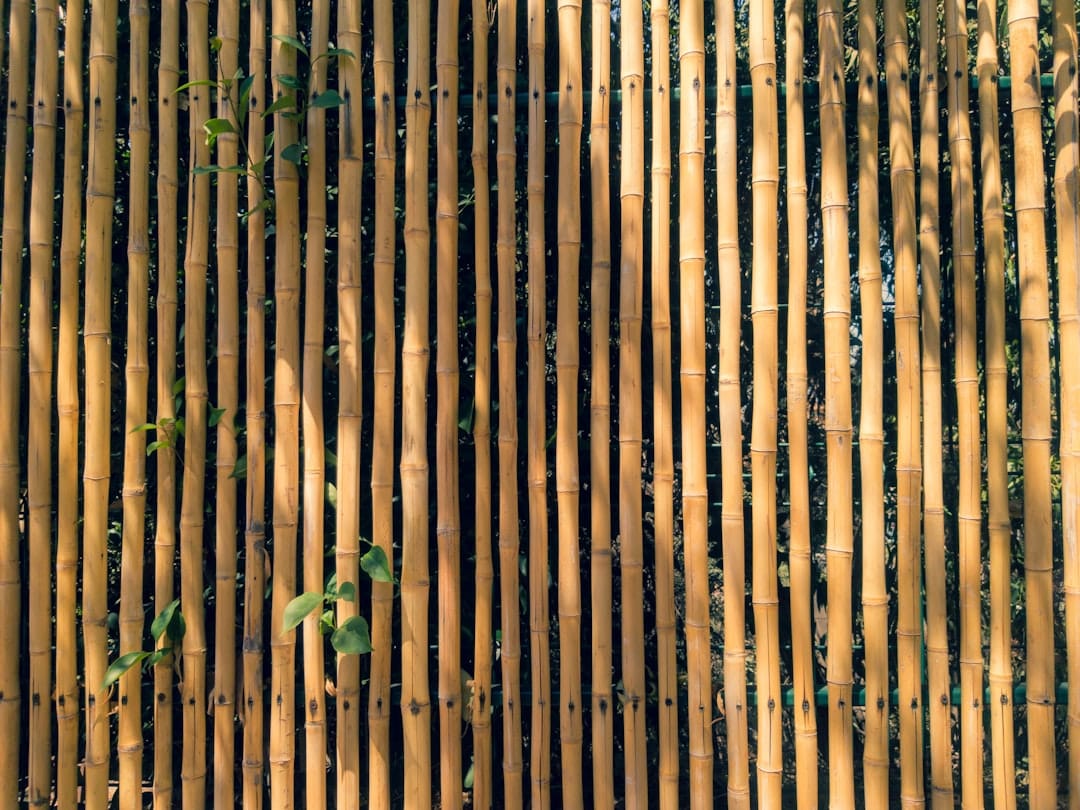
Bamboo poles attached to an existing fence create a natural, textured look while adding privacy. This option is ideal for creating a relaxed, organic feel and works well in both modern and tropical-inspired gardens.

brown bamboo fence during daytime

8. Shutter Fence

Old shutters in different sizes and colors can be mounted together to create a fence with vintage charm. The layered textures add depth and make this fence feel collected rather than constructed.

a brick building with graffiti on the side of it

9. Crayon Fence

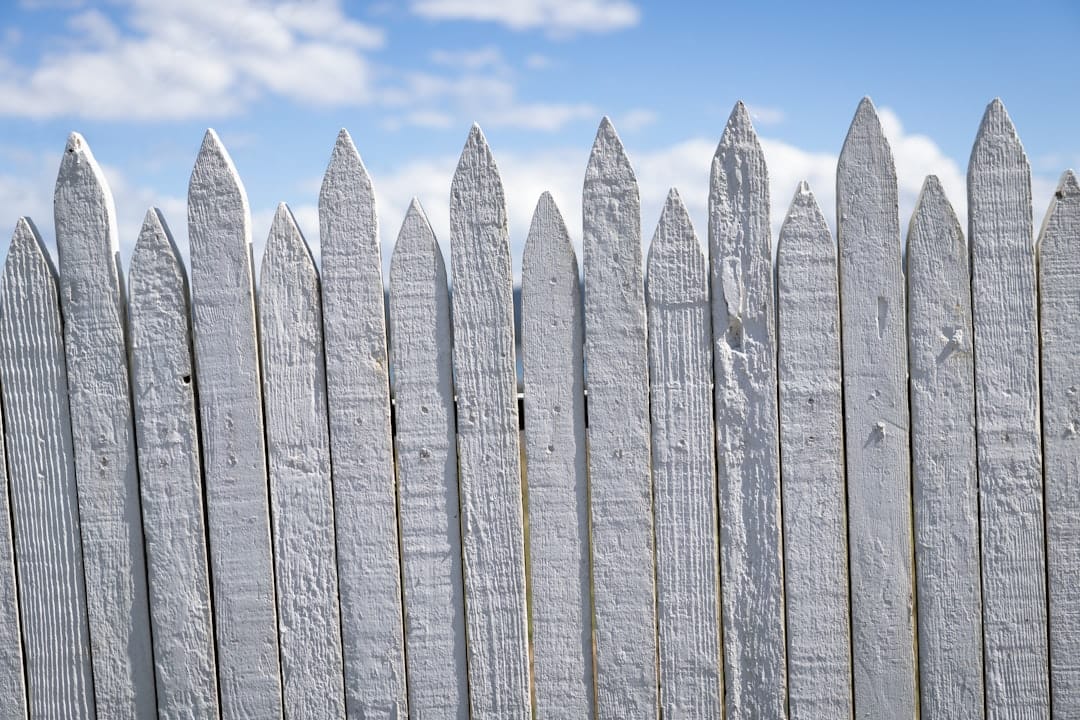
Shaping fence tops into pencil points and painting them in bright colors creates a fun, whimsical look. This design is especially well suited for family gardens, play areas, or community spaces.

a white picket fence with a blue sky in the background

10. Directional Panel Fence

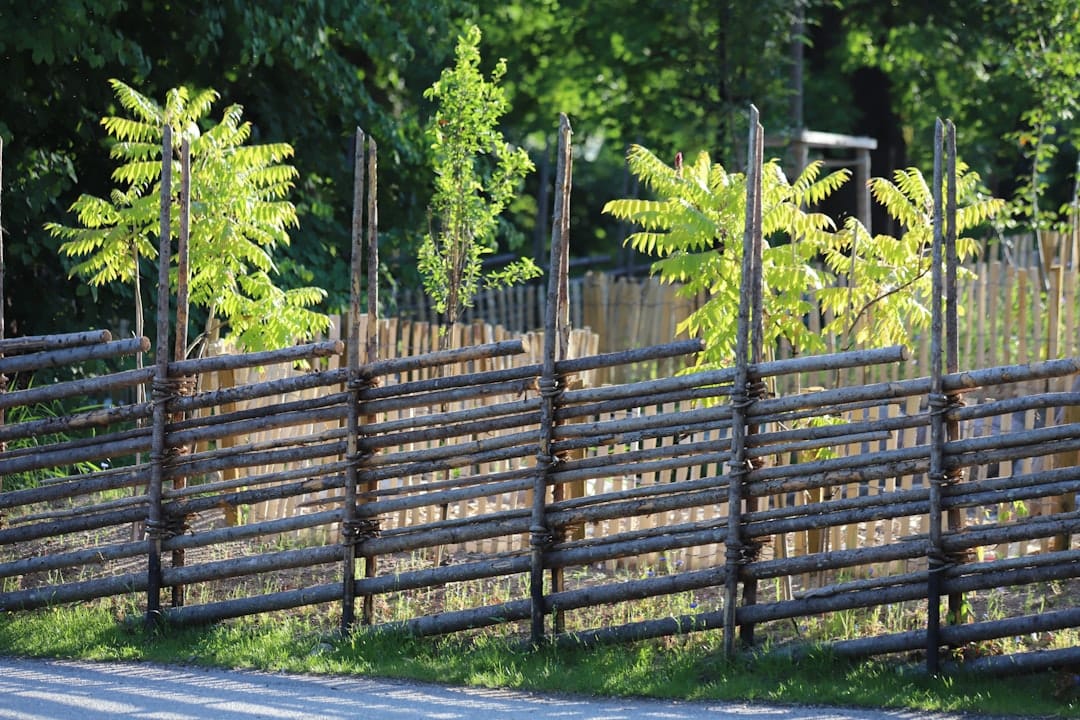
Installing wood boards in alternating directions adds movement and a contemporary edge to traditional fencing. This simple layout change enhances privacy while giving the fence a modern, architectural feel.

A wooden fence next to a road with trees in the background
Read More

Four creative ways to turn a simple shed into a beautiful, functional backyard space.

A garden shed doesn’t have to be just a place for tools. With a little imagination, it can become a guest space, retreat, studio, or quiet escape. Whether you’re working with an old structure or starting fresh, these shed ideas show how versatile backyard buildings can be with the right design choices.


1. The Backyard Retreat

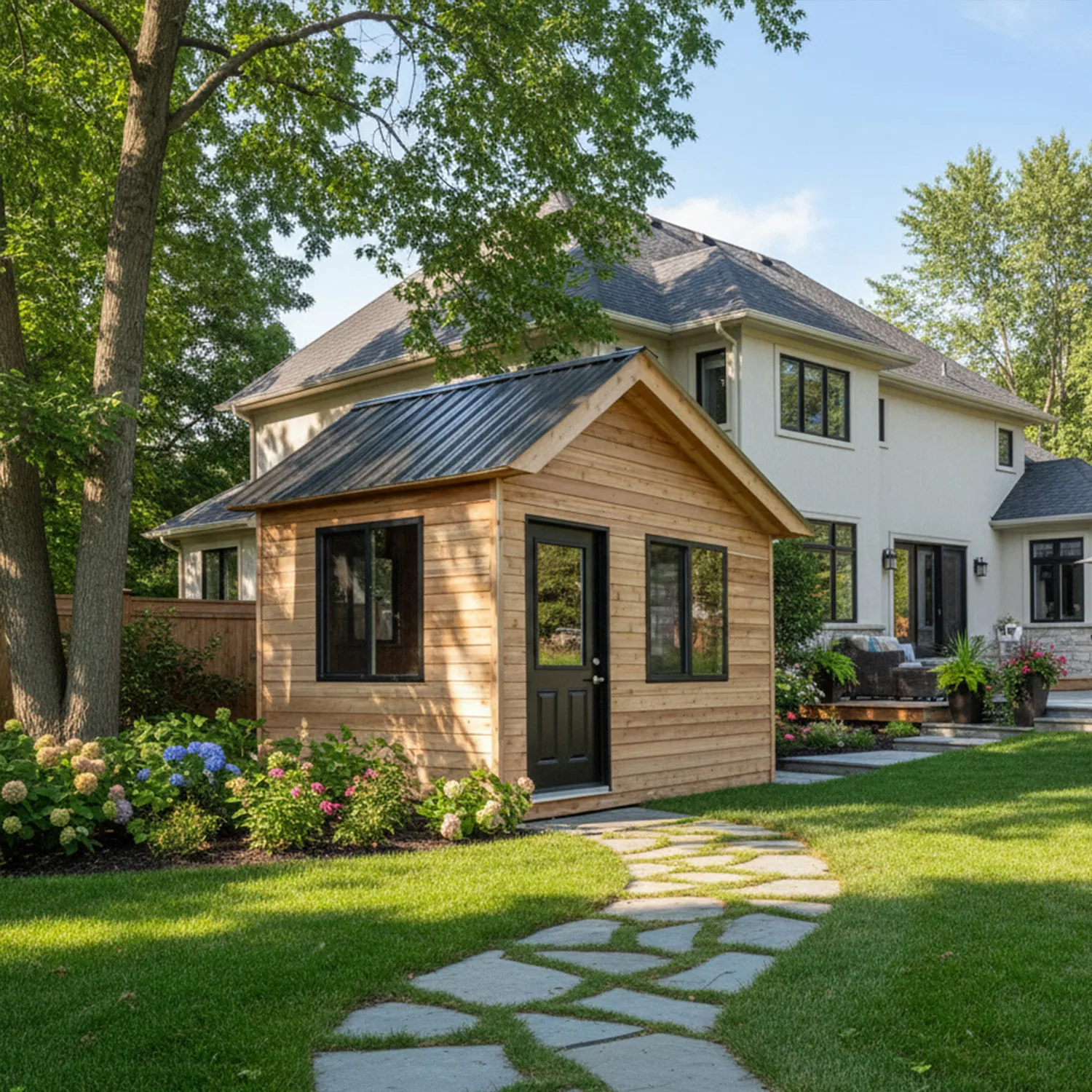
Transform your shed into a quiet place to relax and unwind. Adding windows or wide doors helps create an open, airy feel while connecting the space to the surrounding garden. Soft colors, comfortable seating, and minimal décor turn it into an ideal reading room, meditation space, or peaceful hideaway.

Saltbox 12x6 Studio Single Door Metal roof Western Red Cedar Shed outdoor living today

2. The Guesthouse Shed

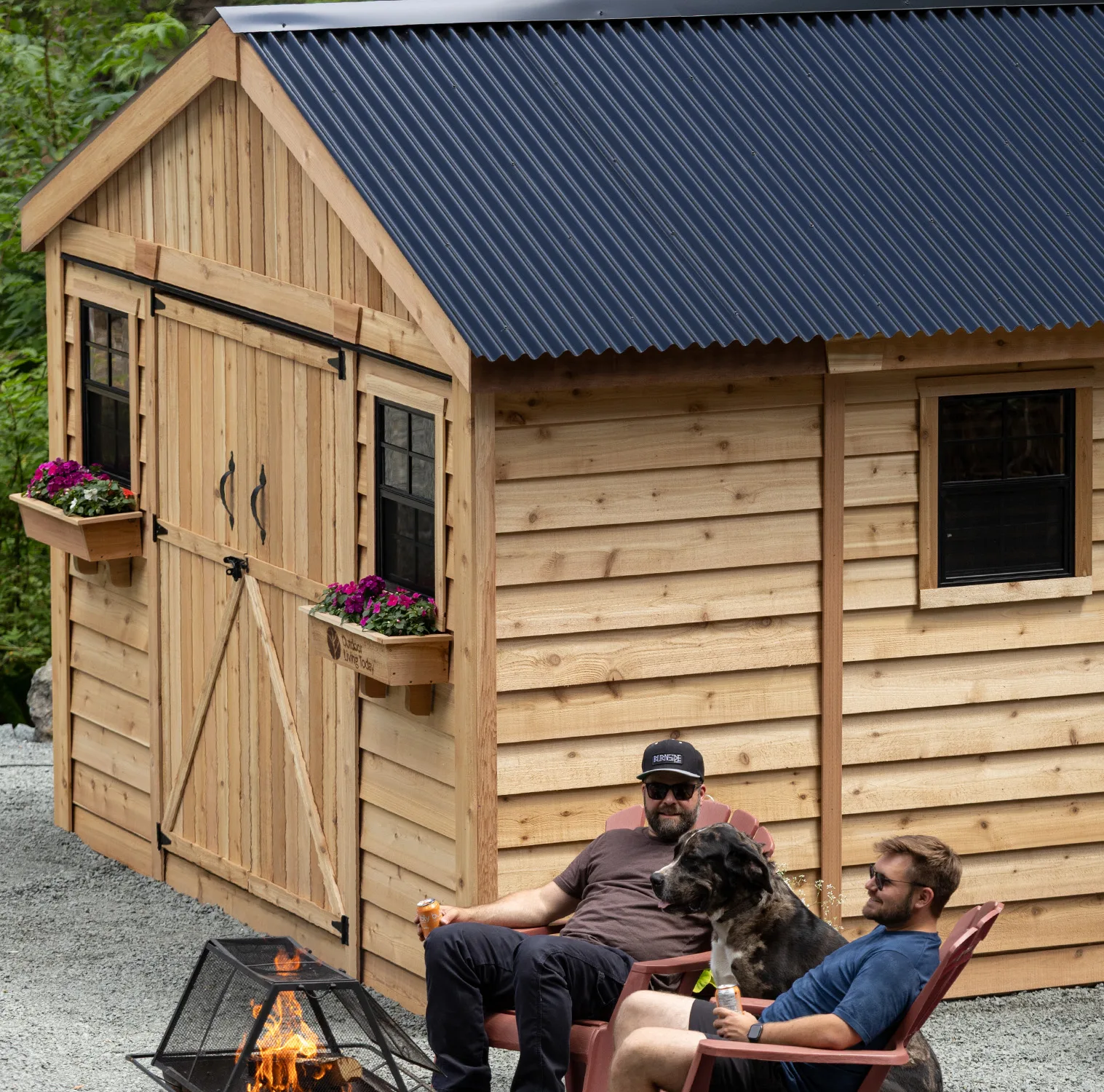
With insulation, lighting, and simple furnishings, a shed can become a welcoming guest space. A daybed or small sofa, side tables, and warm lighting make it comfortable without overcomplicating the design. This is a great way to add flexible living space without expanding your home.

12x16 Space Master Double Door Barn Shed Western Red Cedar Shed Outdoor Living Today 5

3. Studio or Hobby Space

A shed makes an excellent studio for art, writing, or hands-on projects. Clearing out the interior and maximizing natural light creates a focused, inspiring environment. Built-in storage and work surfaces keep tools and supplies organized while maintaining a clean, creative feel.

Saltbox Studio Western Red Cedar 12x8 Cedar Shed Office DIY Kit 8

4. Traditional Shed, Reimagined

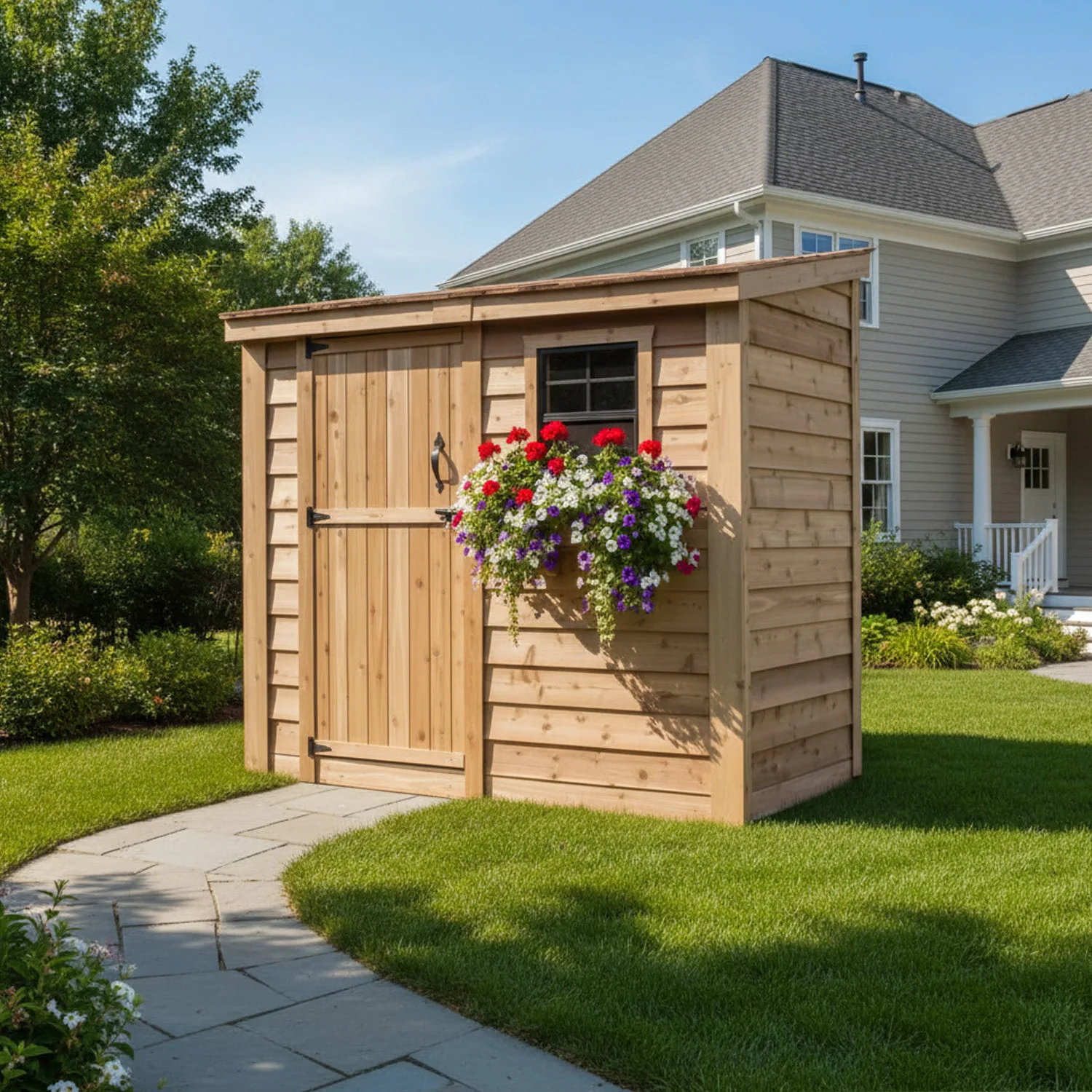
A classic garden shed can serve multiple purposes with a few smart updates. Keep the main area functional with storage and potting benches, then add a small seating area or loft for relaxation. This approach blends practicality with comfort and makes the shed more than just a utility space.

SpaceSaver 8x4 single Door Western Red Cedar Shed
Read More

A patio doesn’t need complex landscaping to feel inviting. The right flowering plants can soften hard surfaces, add color and fragrance, and bring your outdoor space to life with very little effort. These easy-to-grow options do especially well in pots and planters, making them perfect for patios of any size.

Below are four reliable, high-impact plants that look great on camera and thrive with minimal care.

1. Geraniums

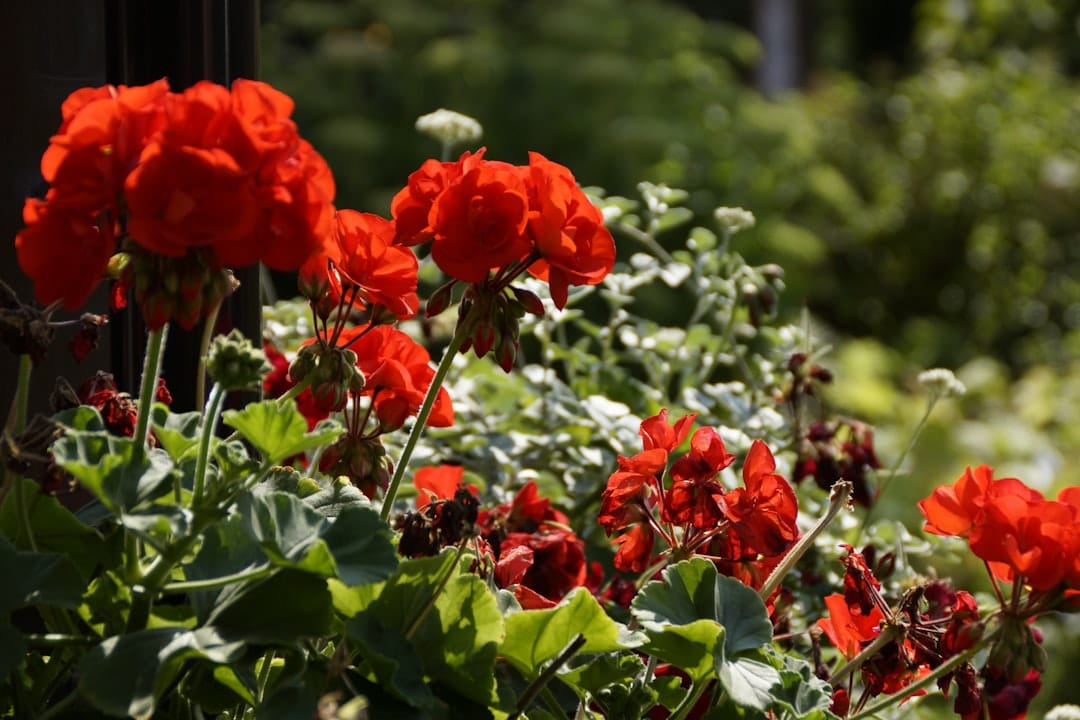
Bright, cheerful, and incredibly forgiving, geraniums are a patio staple. They thrive in containers, tolerate both sun and partial shade, and bloom continuously throughout the season. Their bold color makes them ideal for adding instant visual impact to railings, steps, and tabletops.

red flower in tilt shift lens

2. Lantana

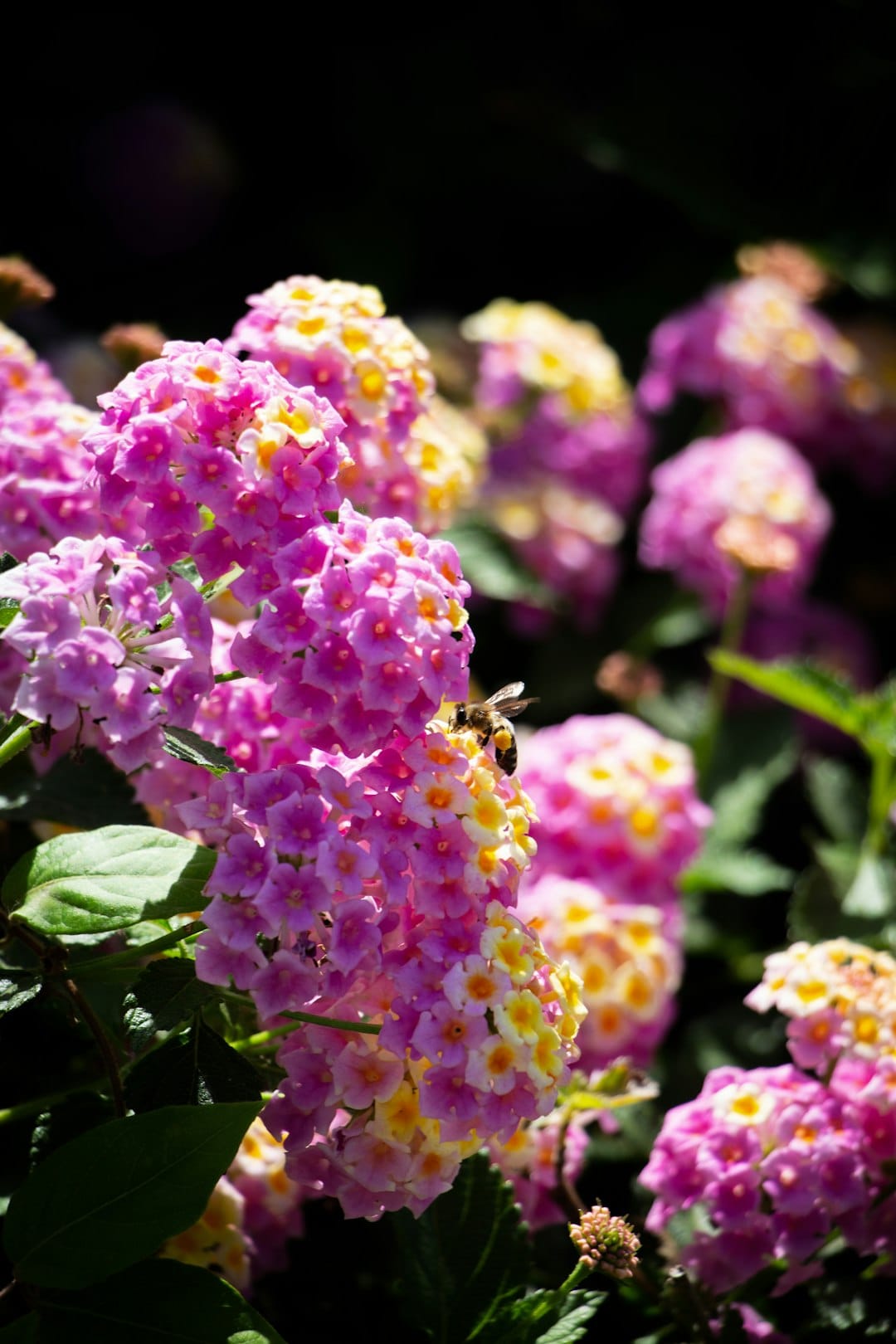
Lantana produces vibrant, multicolored blooms that love heat and sunshine. Once established, it is drought tolerant and low maintenance, making it a great choice for warm patios. Bonus: butterflies are drawn to it, adding movement and life to your space.

a bee on a flower

3. Mandevilla

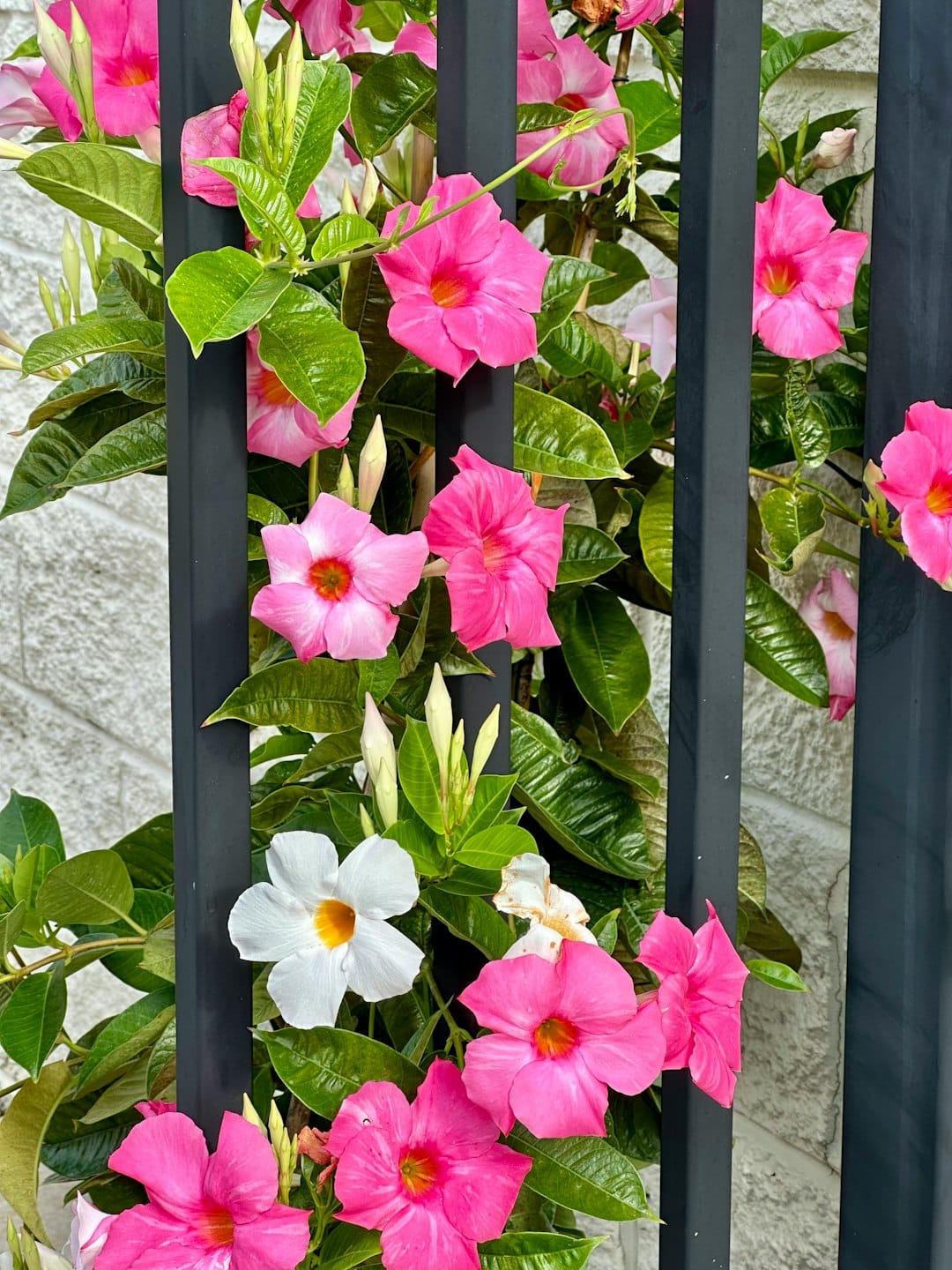
If your patio has a wall, pergola, or trellis, mandevilla is an excellent climbing option. Its glossy green leaves and trumpet-shaped flowers create a lush, tropical feel while staying relatively easy to care for in containers.

Pink and white flowers are growing on a fence

4. Jasmine

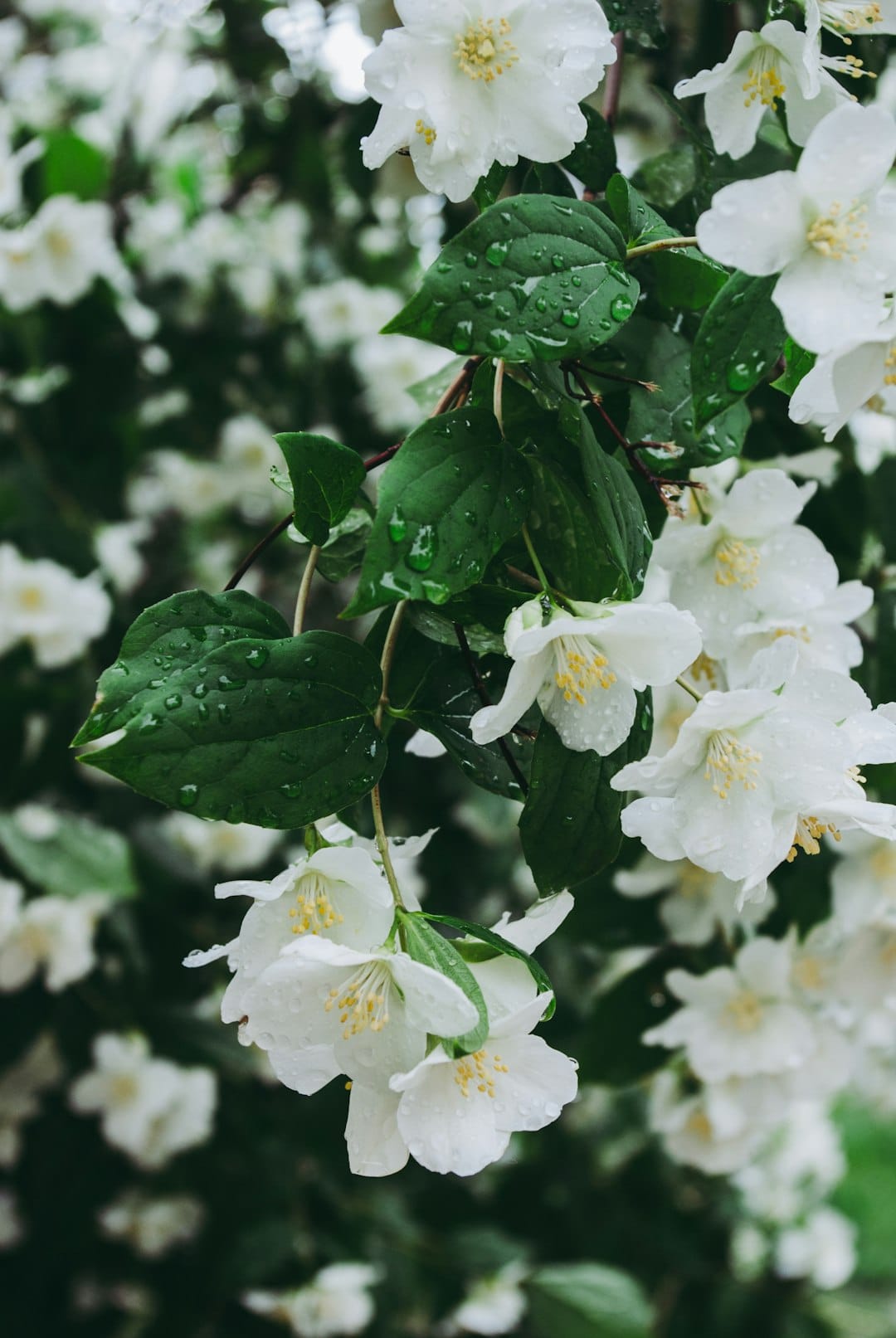
For patios designed for relaxing evenings, jasmine adds something special. Its delicate blooms and soft fragrance make it ideal near seating areas. Grown in pots or trained along a structure, jasmine brings elegance and a calming atmosphere to outdoor spaces.

a bunch of white flowers with green leaves
Read More

Thoughtful garden planning that turns any backyard into a productive growing space.

Growing your own vegetables is one of the most rewarding ways to use your outdoor space. Beyond fresh, homegrown food, a backyard vegetable garden encourages healthier eating, reduces grocery costs, and creates a deeper connection to your yard.

While getting started can be simple, a successful vegetable garden depends on smart planning, efficient use of space, and good growing habits. With the right approach, even small backyards can produce abundant harvests season after season.

In this guide, we’ll cover:
✓ how to make the best use of your garden space
✓ smarter alternatives to traditional row planting
✓ ways to grow more using vertical supports
✓ why crop rotation matters for long-term soil health


Make the Best Use of Your Space

The location and layout of your vegetable garden play a major role in its success. Sun exposure, access to water, and protection from wind all influence how well plants grow, but maximizing usable space is just as important.

Many gardeners imagine large, sprawling plots, but compact and well-planned gardens are often more productive. Raised beds are especially effective for beginners because they improve drainage, reduce soil compaction, and make planting and maintenance easier. By focusing on intentional layout rather than size, you can grow more in less space.


Move Away From Traditional Rows

Traditional row planting works well for large-scale farming but is often inefficient for backyard gardens. Rows require wide walkways, which reduce the amount of space available for growing food.

By switching to raised beds or intensive planting layouts, you reduce the need for excess paths and create more growing area. This approach also improves soil health by limiting foot traffic and allows plants to shade the soil, helping retain moisture and suppress weeds.

a garden with plants and containers

Grow Vertically With Trellising

Trellising is one of the most effective ways to increase yields in small gardens. Vertical supports allow vining crops like peas, beans, cucumbers, and tomatoes to grow upward instead of spreading across the ground.

Growing vertically improves airflow, reduces disease risk, and makes harvesting easier. Trellises can be made from wood, metal, or even existing fences, as long as they are installed early and securely to support plants as they grow.


Rotate Crops to Protect Your Soil

Planting the same vegetables in the same location year after year can drain soil nutrients and increase the risk of pests and disease. Crop rotation helps prevent this by changing plant families each season.

Rotating crops every few years supports healthier soil, balances nutrient use, and disrupts pest cycles. Keeping a simple garden plan or journal makes it easier to track what was planted where and improves results over time.

Read More

Essential steps to prepare your garden for a healthy, productive growing season.

12x16 Space Master Double Door Barn Shed Western Red Cedar Shed Outdoor Living Today 2.jpg

Spring is the season of renewal, and your garden is no exception. After months of cold weather, soil, plants, and outdoor structures all benefit from a thoughtful reset before planting begins. Taking the time to prepare your garden early helps prevent issues later in the season and creates the conditions plants need to thrive.

Before planting flowers, vegetables, or fruit, working through a few essential spring gardening tasks will make your garden easier to maintain, more productive, and far more enjoyable throughout the warmer months.


Clear and Refresh Garden Beds

Before introducing new plants, start by clearing out flower beds and borders. Remove dried leaves, fallen branches, and any debris that accumulated over winter. This helps improve airflow, reduces hiding spots for pests, and allows sunlight to reach the soil more evenly.

Early spring is also the right time to trim back dead or damaged growth from perennials, shrubs, and ornamental grasses. Clearing beds now gives new growth room to emerge and keeps plants looking healthier as the season progresses.


Clean and Inspect Greenhouses and Garden Structures

Greenhouses, cold frames, pergolas, trellises, and other garden structures should be cleaned and inspected before regular use begins. Wash surfaces inside and out to remove dirt, mold, and any lingering pests that may have settled in over winter.

Check for signs of moisture damage, loose fasteners, or areas that may need repair. Addressing small issues early helps extend the life of your structures and ensures they are safe and ready to support the growing season ahead.


Check Fences, Gates, and Trellises

Winter weather can be hard on garden fixtures. Take time to examine fences, gates, and trellises for damage or wear. Tighten hardware, repair broken sections, and refresh finishes if needed.

Strong, well-maintained supports are especially important before climbing plants and vines begin their rapid spring growth. Making repairs now prevents plant damage later and keeps your garden looking polished and intentional.


Additional Spring Gardening Tasks to Set Your Garden Up for Success

Clean Bird Feeders and Water Features

Bird feeders and bird baths should be thoroughly cleaned and disinfected before spring use. Remove any old seed or debris and test water features for leaks or damage.
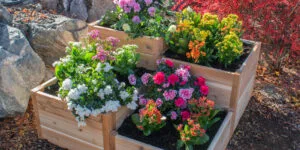
As temperatures rise and birds return, clean feeders and fresh water help attract wildlife while supporting a healthier garden ecosystem. Birds also assist with natural pest control, making them welcome visitors throughout the growing season.

Manage Early-Season Pests

Spring is an ideal time to get ahead of garden pests before they become a larger problem. Inspect soil, plants, and structures for signs of insects or eggs, and remove them early when possible.
Addressing pest issues before planting helps reduce damage during peak growing months and minimizes the need for more aggressive treatments later in the season.
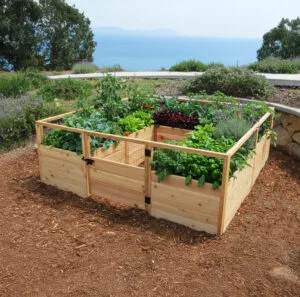
Test and Improve Soil Quality

Healthy soil is the foundation of a successful garden. A simple soil test can help determine nutrient levels and guide fertilizer choices for the season ahead.

Early spring is also a good time to add compost, mulch, or soil amendments to improve structure and moisture retention. Refreshing soil now gives plants a stronger start and supports steady growth throughout the season.

Set Up Water Collection and Irrigation

If you use rain barrels or water collection systems, spring is the time to set them up. Place containers where they can collect rainfall efficiently and check hoses or irrigation lines for leaks or blockages.

Having a reliable watering system in place early helps conserve water, supports consistent plant growth, and reduces maintenance once temperatures rise.

Prepare and Maintain Gardening Tools

Before planting begins, clean and inspect your gardening tools. Sharpen blades, repair damaged handles, and replace any tools that are no longer safe or effective.

Well-maintained tools make gardening tasks easier, more efficient, and more enjoyable throughout the season.

Plan Your Garden Layout

Taking time to plan your garden before planting pays off later. Decide which flowers, vegetables, and fruits you want to grow and where each will thrive best based on sunlight and spacing.

Planning ahead helps prevent overcrowding, simplifies maintenance, and ensures you have seeds or seedlings ready when planting time arrives.

Read More

Smart, space-efficient vegetables that deliver high yields, quick harvests, and lasting value for backyard gardeners.

Choosing the right vegetables can make a big difference in how successful and enjoyable your garden is. Some crops grow faster, produce more consistently, and offer better value for the time and space you invest. Below are five reliable vegetables that are well-suited to backyard gardens and deliver strong returns throughout the growing season.


1. Peas

Fast-growing and one of the earliest crops to harvest, peas thrive in cooler spring temperatures and enrich the soil as they grow.

a pile of green apples sitting next to each other

2. Broccoli

A nutrient-dense vegetable with a long harvest window, broccoli continues producing side shoots well after the main head is cut.

a close up of broccoli on a white background

3. Lettuce

Easy to grow and ideal for small spaces, lettuce offers quick harvests and multiple cut-and-come-again yields throughout the season.

green-leafed plant

4. Tomatoes

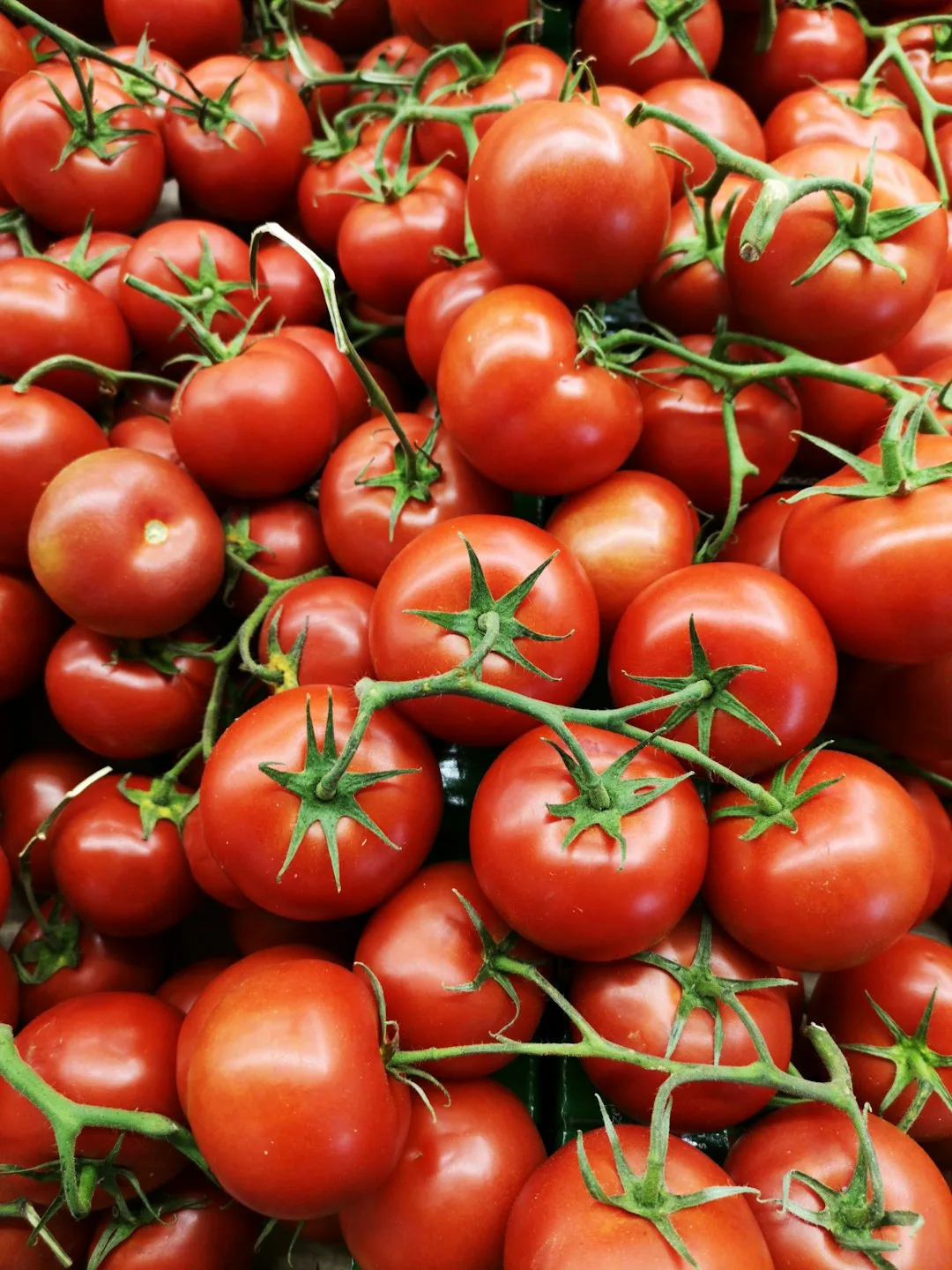
A backyard favorite with high payoff, tomatoes produce generously when supported properly and cared for consistently.

red tomatoes on brown wooden table

5. Peppers

Compact, productive, and versatile, peppers deliver strong yields and benefit from early planting and regular harvesting.

red bell pepper in close up photography
Read More

Simple ways to bring calm, movement, and life into your outdoor space.

Water brings a sense of calm and balance to any outdoor space. The sound of flowing water, the gentle reflections, and the wildlife it attracts can instantly make a garden feel more peaceful and complete.

Adding a water feature doesn’t have to be complicated or time-consuming. From small decorative accents to more immersive focal points, there are several approachable ways to introduce water into your backyard garden and enhance both its look and atmosphere.


Concrete Basins Shaped Like a Leaf

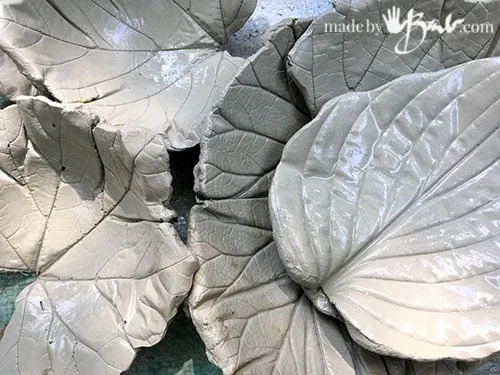
Concrete basins are an easy and decorative way to add water to your garden without major installation. Leaf-shaped designs blend naturally into garden beds and can be placed among plants or along pathways for a subtle, organic look.

These shallow basins collect rainwater and provide a drinking source for birds and pollinators. When positioned thoughtfully, they add visual interest while supporting garden wildlife.

Leaf Cast Concrete Bowls madebybarb 18

Rectangular Pond

A small rectangular pond can become a striking focal point in your garden. Clean lines give it a modern feel, while surrounding it with plants softens the look and helps it blend into the landscape.

Adding stones, aquatic plants, or a small bubbler keeps water moving and helps prevent stagnation. The gentle sound of water can also mask background noise and create a more relaxing outdoor environment.

The lake reflects the trees under a leafy frame.

Backyard Birdbath

If installing a pond feels like too much, a birdbath is a simple and effective alternative. Birdbaths are easy to place, low maintenance, and immediately invite wildlife into your garden.

Position your birdbath where it’s visible from a window or seating area. Surrounding it with plants or decorative stones can help it feel integrated into the garden rather than like a standalone feature.

A bird rests in its nest among trees.

Copper Urn or Decorative Vessel

A copper urn or decorative container adds elegance while serving as a functional water feature. These vessels work well in both traditional and modern gardens and can be used as still water features or fitted with a small recirculating pump.

Over time, copper develops a natural patina that adds character and depth. Placing an urn near an entryway, pergola, or seating area creates a strong visual anchor in the space.

A brown bowl sitting on top of a table

Small Bubblers and Water Bowls

Water bowls with bubblers are ideal for compact gardens or patios. The gentle movement keeps water fresh while creating soft, ambient sound.

These features are easy to maintain and can be tucked into existing garden beds or placed on hardscapes like stone or concrete. They’re a great option for adding water without taking up much space.

a group of glass balls sitting on top of a sandy ground
Read More

Turn a daily habit into a simple, natural way to support healthier plants and soil.

Coffee grounds are often tossed away without a second thought, but they can be surprisingly useful in the garden. Rich in nutrients and organic matter, used coffee grounds can help improve soil structure, support composting, and benefit certain plants when applied correctly.

From boosting soil health to deterring pests, these practical ideas show how coffee grounds can be repurposed to support a thriving garden without relying on synthetic chemicals.


Make Your Compost More Nutrient-Rich

Used coffee grounds are an excellent addition to compost piles. They are rich in nitrogen, which helps balance carbon-heavy materials like dried leaves, straw, or cardboard.

When added in moderation, coffee grounds help attract beneficial microorganisms and earthworms that speed up decomposition. Mixing grounds evenly into your compost pile prevents clumping and ensures nutrients are distributed throughout the finished compost.

Fertilize Your Garden Naturally

Because coffee grounds contain nitrogen and trace minerals, they can be used as a natural soil amendment for garden beds. When worked into the soil or composted first, they help replenish nutrients and improve soil texture.

Coffee grounds also help loosen compacted soil and support moisture retention, which is especially helpful in vegetable gardens and raised beds.

Support Acid-Loving Plants

Certain plants thrive in slightly acidic soil, and coffee grounds can help create a more favorable environment for them. Tomatoes, azaleas, rhododendrons, and blueberries often respond well when coffee grounds are added sparingly to the soil.

For best results, soak used coffee grounds in water overnight and use the diluted liquid to water acid-loving plants. This method provides nutrients without overwhelming the soil.

Encourage Healthy Rose Growth

Roses benefit from the nitrogen content and mild acidity found in coffee grounds. When added to compost or lightly mixed into the soil around rose bushes, coffee grounds can help promote lush foliage and strong blooms.

As with any soil amendment, moderation is key. A thin layer worked into the soil is more effective than piling grounds directly on the surface.

Use Coffee Grounds as Organic Mulch

Coffee grounds can act as a light organic mulch when applied correctly. They help retain moisture, reduce weed growth, and protect soil from erosion.

To avoid mold or compaction, apply only a thin layer and mix coffee grounds with other organic materials like leaves or bark mulch. This creates better airflow and prevents the grounds from forming a dense crust.

Help Deter Pets and Garden Pests

The strong scent and texture of coffee grounds can discourage cats from digging in garden beds. Sprinkling used grounds around plants or along garden borders can help keep unwanted visitors away.

Coffee grounds may also help deter slugs and snails when placed around vulnerable plants, providing a natural alternative to chemical pest controls.

Protect Plants From Certain Fungal Issues

Some gardeners use coffee grounds to help reduce the risk of fungal diseases in soil. While they are not a cure-all, the compounds found in coffee grounds may help suppress certain fungi when incorporated into compost or soil.

Healthy soil biology supported by organic matter is one of the best defenses against plant disease.

Influence Hydrangea Color

Hydrangea color is influenced by soil pH. In acidic soil, blooms tend to turn blue, while alkaline soil produces pink flowers.

Adding coffee grounds can help gradually lower soil pH, encouraging blue blooms over time. Consistency and patience are key, as changes happen gradually rather than instantly.

Boost Carrot Growth and Seed Protection

Some gardeners mix dried coffee grounds with carrot seeds before planting. This can help improve seed distribution and may deter pests during early growth stages.

Coffee grounds can also help improve soil texture, allowing carrot roots to grow straighter and more evenly.

Support Vermicomposting Systems

Coffee grounds can be added to vermicomposting bins in small amounts. They provide nitrogen and organic material that worms can process efficiently.

To keep worms healthy, avoid adding large quantities at once and balance coffee grounds with other compostable materials like vegetable scraps and shredded paper.

Read More