Create a safe, comfortable outdoor space your dog will love to use every day.

A dog-friendly backyard is about more than just open space. With a few thoughtful additions, you can create an outdoor area that keeps your dog active, mentally stimulated, and safe while also protecting your lawn and garden. Whether your dog loves to dig, swim, or simply lounge in the sun, these ideas help turn your backyard into a space that works for both pets and people.

Below are five practical, dog-friendly backyard ideas that are easy to customize based on your space and budget.


1. A Dedicated Play Zone

Give your dog a clear place to play, dig, and do their business

Creating a designated area for play or potty breaks helps protect the rest of your yard from wear and tear. Gravel, cedar chips, or pet-safe mulch are durable, easy to clean, and gentle on paws. Defining this space also helps with training and keeps muddy footprints out of the house.

a group of dogs in a park

2. A Small Dog Pool or Water Feature

Help your dog cool off and stay active during warm weather

Many dogs love water, especially in the summer. A shallow dog pool, splash pad, or even a repurposed plastic tub provides a safe way for your dog to cool down. Easy entry and exit are key, and placing it on a level surface helps keep the area tidy and secure.

Black dog swims in water with tennis ball.

3. Fence Portholes for Curious Dogs

Let your dog see the world without encouraging jumping or digging

If your dog loves watching passersby, adding clear portholes to a fence can satisfy their curiosity. These small viewing windows reduce barking, anxiety, and destructive behavior by giving dogs a safe way to observe their surroundings without trying to escape the yard.

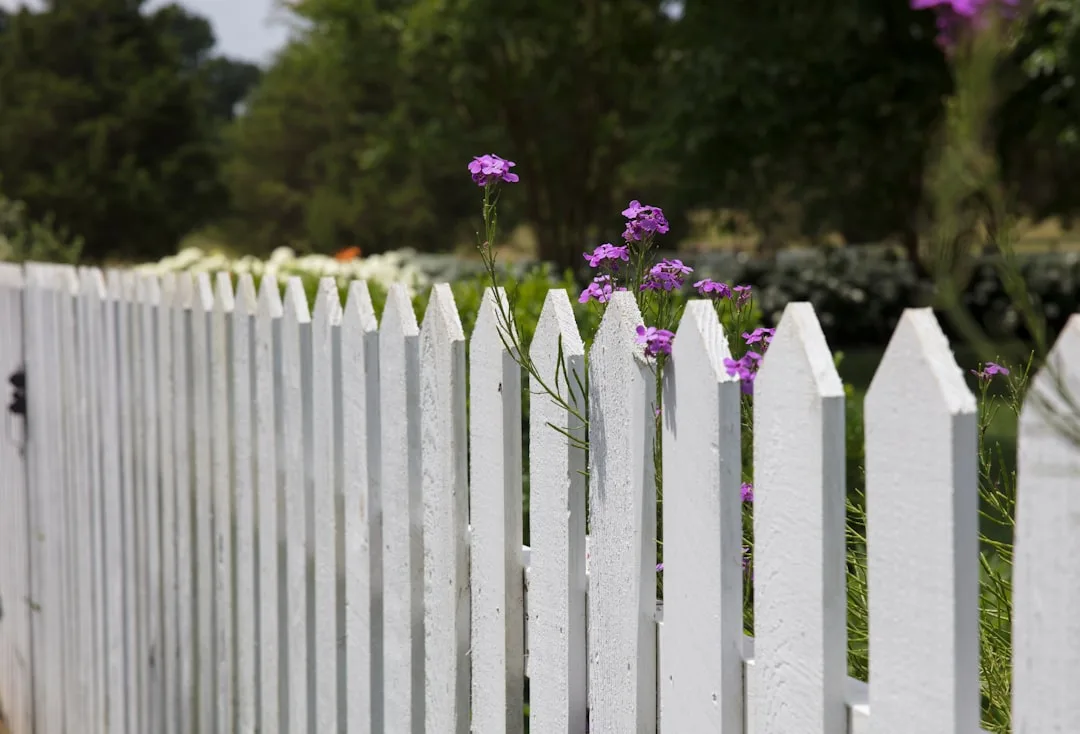
pink petaled flowers blooms near fence

4. A Sandbox for Digging

Redirect digging instincts away from gardens and flower beds

Dogs naturally love to dig, and a designated sandbox gives them a place to do it guilt-free. Filled with clean sand or soil, this space can double as a digging zone or potty area. Adding a low border helps keep material contained and the rest of your yard intact.

a close up of a pile of sand on a beach

5. An Obstacle or Activity Course

Encourage exercise, training, and mental stimulation

Simple backyard obstacles like tunnels, ramps, or weave poles keep dogs engaged and active. These features don’t need to be expensive. Many can be built using repurposed materials like tires, wood, or PVC. An activity course is especially helpful for high-energy dogs that need structured play.

red and white striped traffic cone on green grass field during daytime
Read More

Practical ways to reduce mosquitoes and enjoy your outdoor space all season long.

Spending time outdoors should be relaxing, not frustrating. If mosquitoes are making it hard to enjoy your yard, there are simple and effective ways to reduce them without relying on harsh chemicals.

With a few practical, preventative steps, you can make your outdoor space more comfortable, safer for your family, and easier to enjoy all season long.


1. Eliminate Standing Water

Mosquitoes lay their eggs in stagnant water, making it one of the biggest contributors to infestations. Check your yard regularly for areas where water collects, such as plant saucers, buckets, toys, clogged gutters, or poorly drained areas.

Emptying or draining these sources regularly removes breeding grounds and is one of the most effective ways to control mosquitoes naturally.


2. Use Mosquito-Repelling Plants

Certain plants naturally help deter mosquitoes while adding beauty to your yard. Varieties like citronella, lavender, marigold, rosemary, lemon balm, and geraniums are popular choices.

Placing these plants near patios, walkways, and seating areas can help reduce mosquitoes while enhancing the look and feel of your outdoor space.


3. Keep Grass and Vegetation Trimmed

Mosquitoes thrive in damp, shaded areas, especially tall grass and dense shrubs. Overgrown vegetation provides shelter and moisture that allows them to linger close to your home.

Regular mowing, pruning, and trimming helps reduce hiding spots and improves airflow, making your yard less inviting to pests.


4. Clear Yard Debris

Piles of leaves, grass clippings, branches, and organic debris can trap moisture and create ideal conditions for mosquitoes to breed and rest.

Keeping your yard clean and well-maintained helps eliminate these problem areas and supports a healthier outdoor environment overall.


5. Install Bug-Resistant Lighting

Traditional outdoor lighting can attract insects, including mosquitoes. Yellow or warm LED bug lights are designed to be less visible to insects while still providing usable light for people.

Switching to these bulbs around patios, doorways, and outdoor structures can noticeably reduce insect activity at night.


6. Add Screens or Canopies to Seating Areas

If your patio or gazebo is a main gathering spot, adding mesh screens, mosquito netting, or canopy systems can provide an extra layer of protection.

These solutions allow you to enjoy outdoor meals and gatherings without constant interruptions from biting insects.


7. Consider Professional Treatment When Needed

If mosquitoes remain a persistent issue despite preventative steps, a professional inspection may help identify hidden problem areas such as clogged gutters, drainage issues, or shaded breeding zones.

Many services offer targeted or non-toxic treatment options that help control populations without harming beneficial insects.


Enjoy a More Comfortable Outdoor Space

Keeping mosquitoes under control doesn’t require extreme measures. With consistent maintenance, smart landscaping choices, and simple upgrades, you can significantly reduce their presence.

A well-prepared yard means more time relaxing, entertaining, and enjoying the outdoors — without the buzz.

Read More

Simple ideas to transform your outdoor space into a place you’ll love spending time in.

A well-designed garden offers more than visual appeal. It creates a calming escape, adds character to your home, and invites you to slow down and enjoy the outdoors. Whether your space is large or small, these simple and effective ideas can help you create a garden that feels welcoming, intentional, and full of life.


1. Grow Native Plants

Choose plants that are native to your region for easier care and better results. Native varieties are naturally adapted to local climate conditions, require less maintenance, and support pollinators and wildlife.

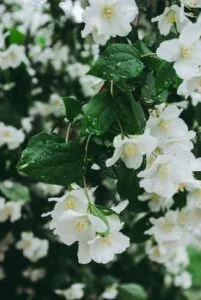
a close up of a leaf on a tree

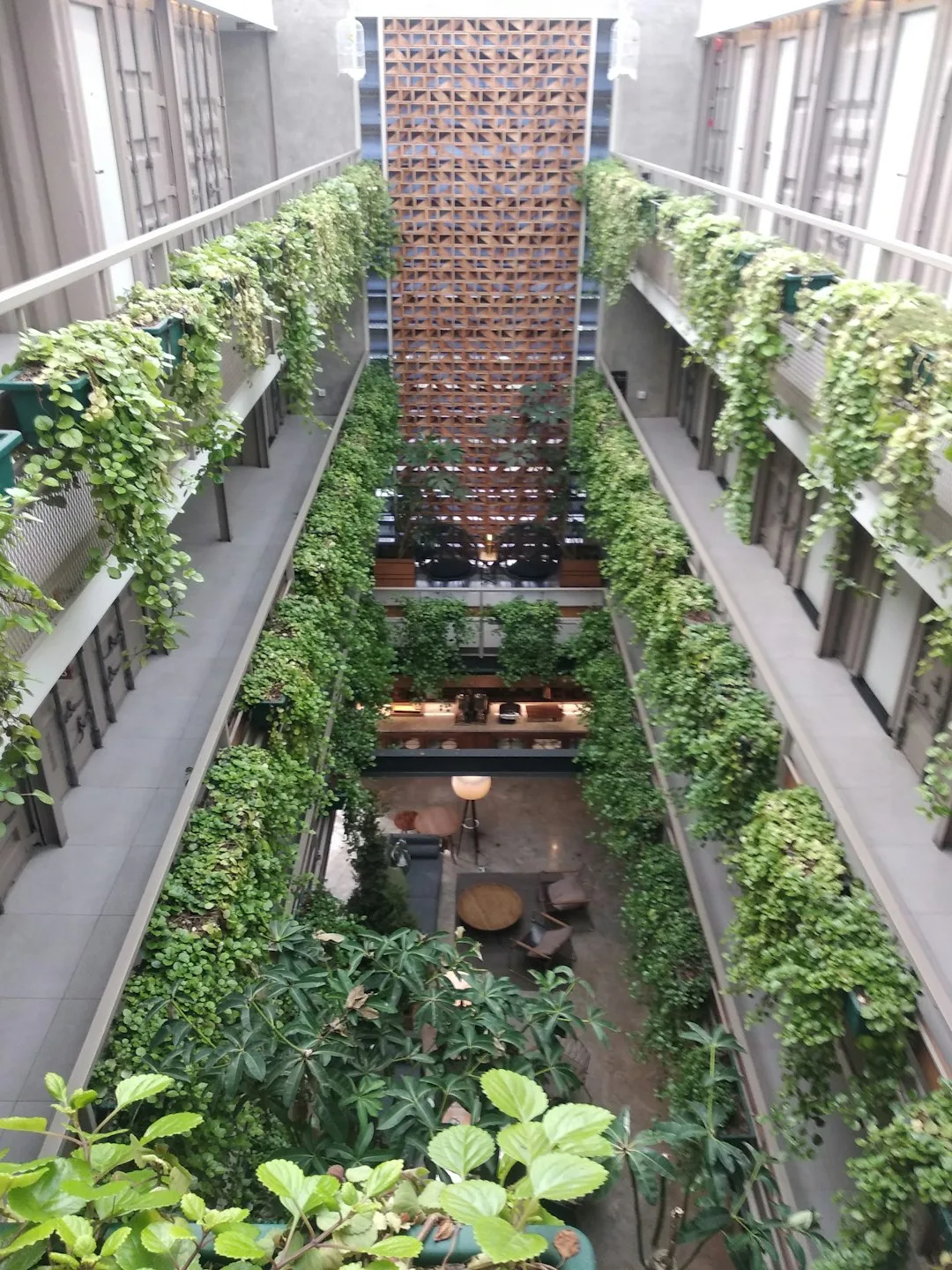
2. Create a Living Wall

Living walls add privacy, texture, and greenery without taking up valuable ground space. They are ideal for small gardens and help create a lush, enclosed feel.

green plants on brown wooden plant pots

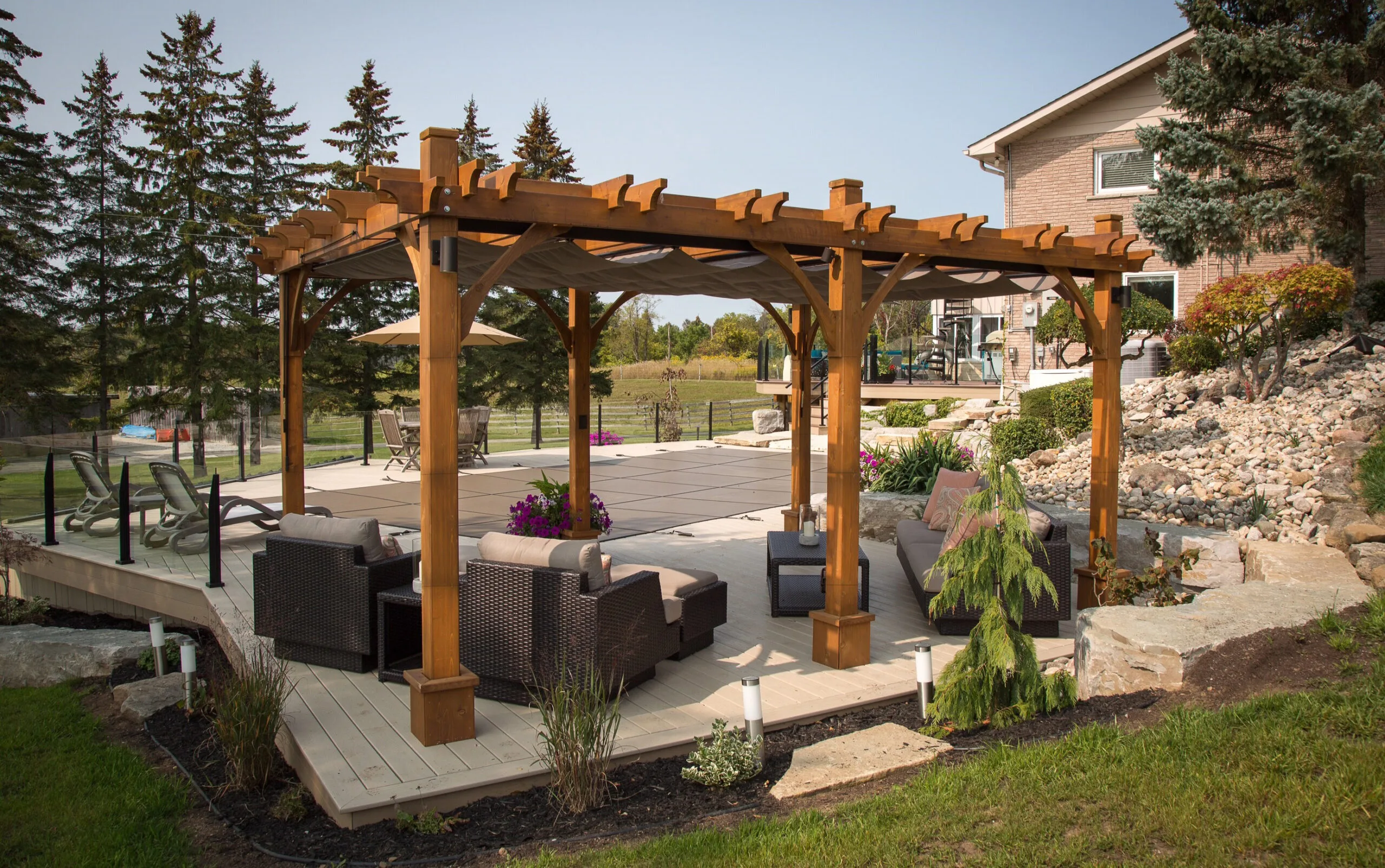
3. Build a Pergola

A pergola creates a natural focal point and defines an outdoor living area. It provides partial shade, visual structure, and a perfect place for seating, dining, or climbing plants.

Western Red Cedar Pergola Outdoor Living Today 12x20 ft

4. Add a Sense of Adventure

Paths, hidden seating areas, and winding walkways invite exploration. Thoughtful lighting or natural materials can turn your garden into a place that feels playful and full of discovery.

Stone lantern in a tranquil japanese garden pond

5. Embrace a Low-Maintenance Landscape

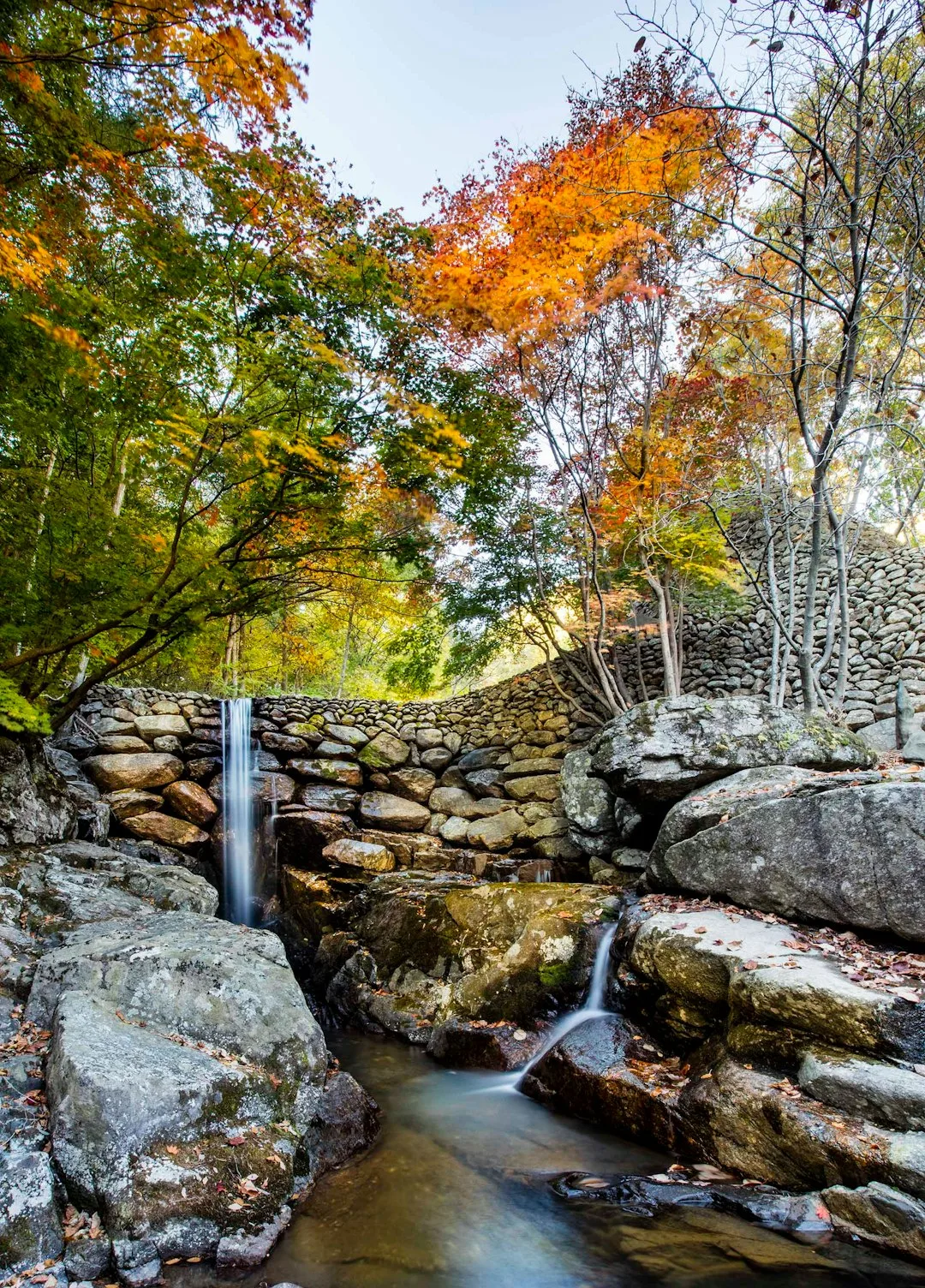
Reduce upkeep by using rocks, gravel, and drought-tolerant plants. This approach minimizes watering and mowing while still creating a visually striking garden design.

a small waterfall in a rocky area

6. Plan for Year-Round Color

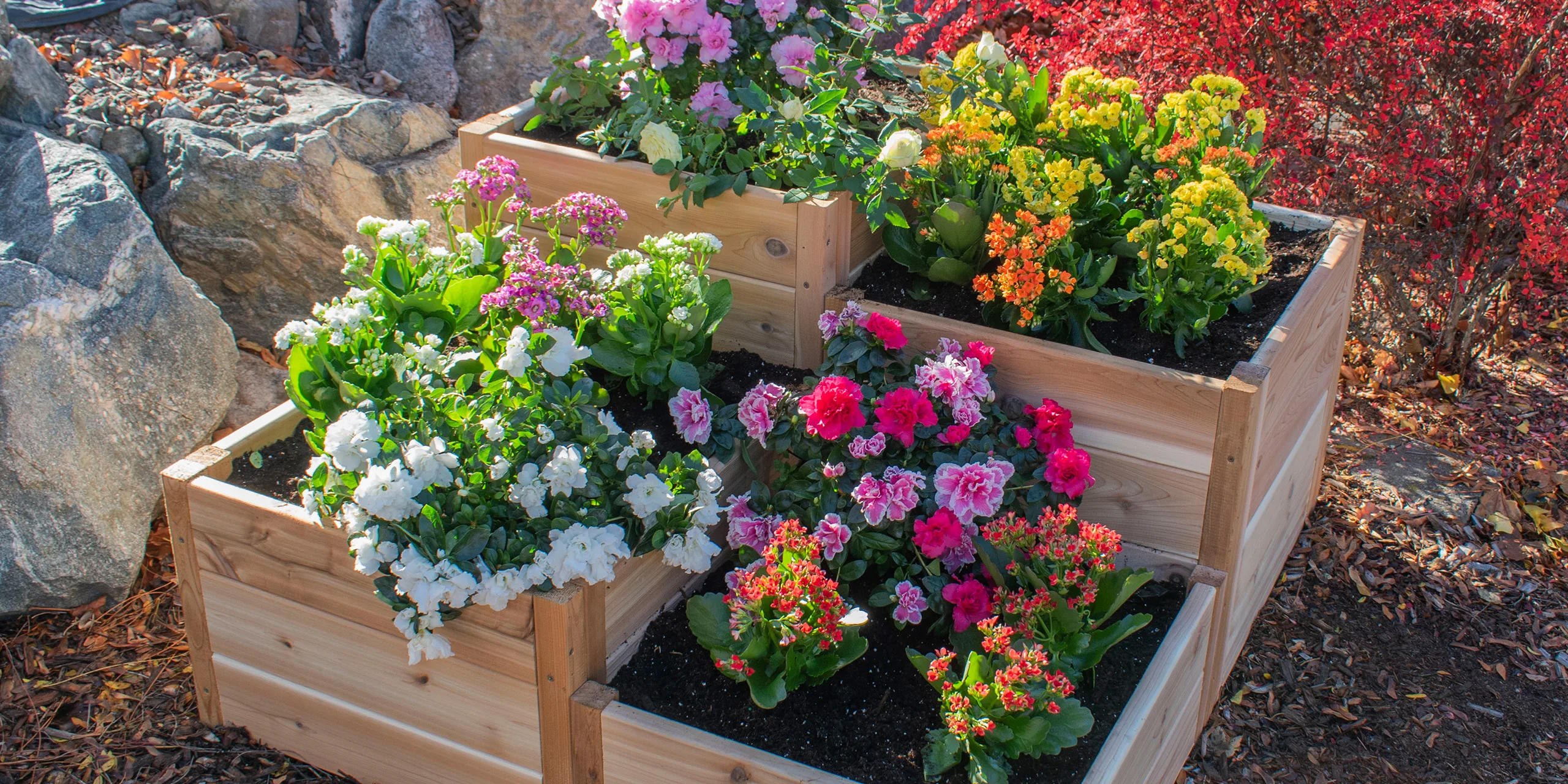
Incorporate plants that bloom at different times of year to keep your garden vibrant through every season. Mixing flowering shrubs, perennials, and evergreens ensures visual interest even in cooler months.

3.5×4 Tiered Raised Garden Bed – Western Red Cedar Corner Kit banner 2

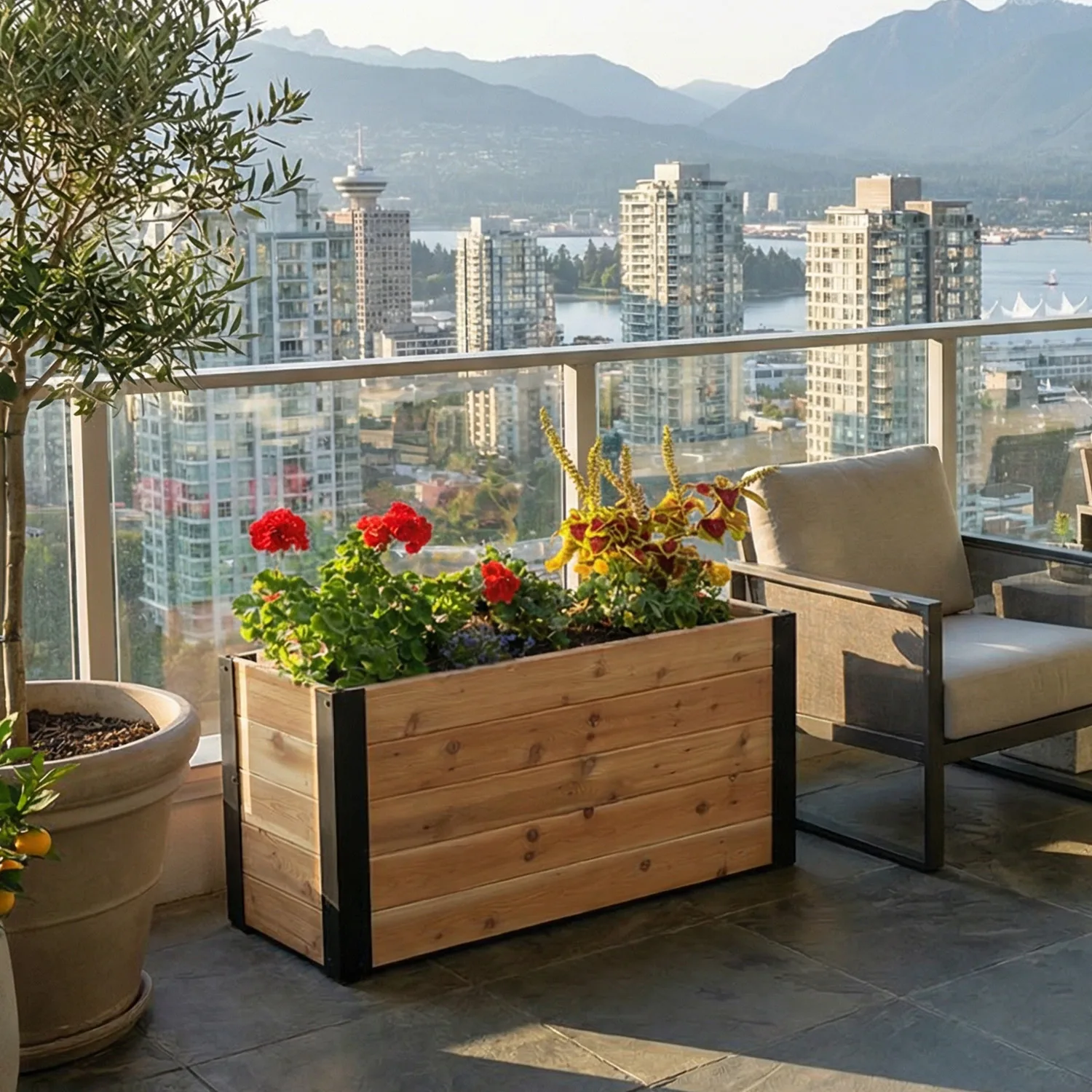
7. Use Planters and Hanging Baskets

Elevated planters and baskets add height and depth to your garden. They allow you to showcase a variety of plants while improving drainage and flexibility in your layout.

Urban Garden Bed 4x15 Western Red Cedar Raised Garden Bed Kit Outdoor Living Today 3

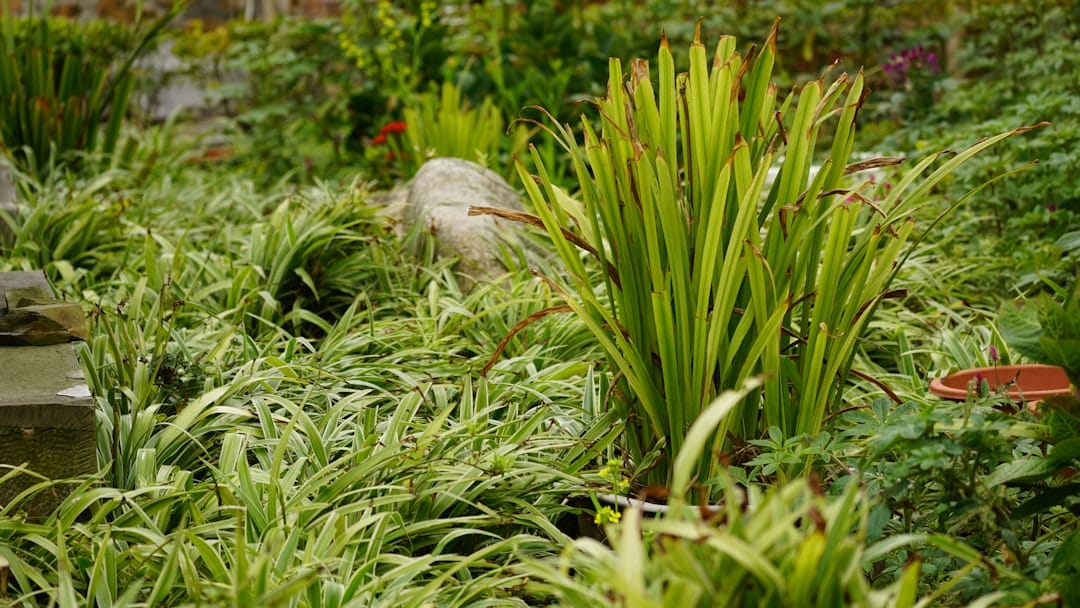
8. Choose Ornamental Grasses

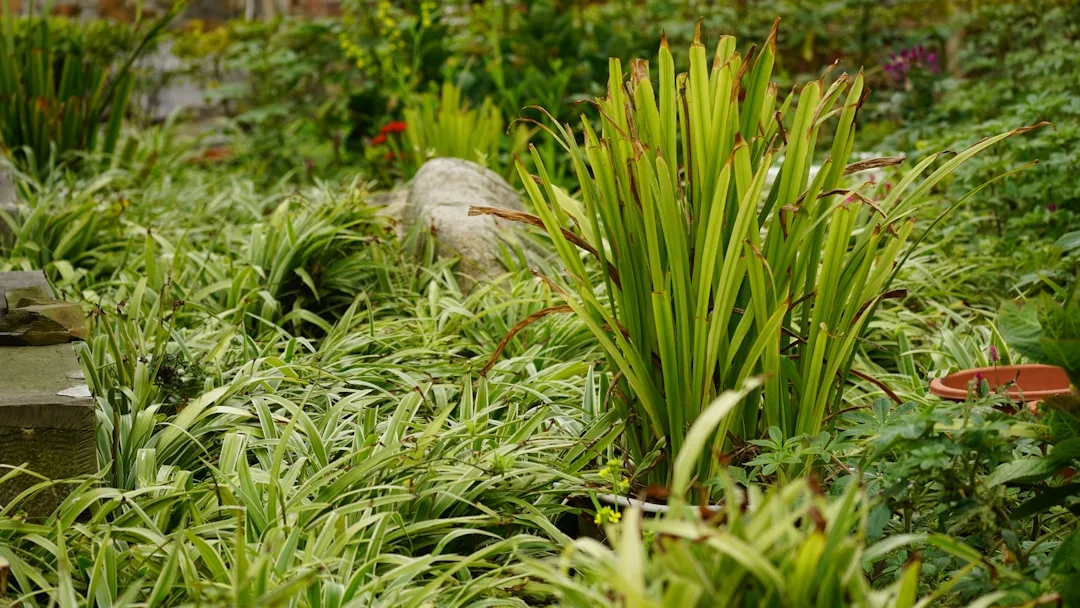
Ornamental grasses provide movement, texture, and structure with minimal effort. They require little maintenance and look great throughout multiple seasons.

Lush green plants and foliage in a garden setting.

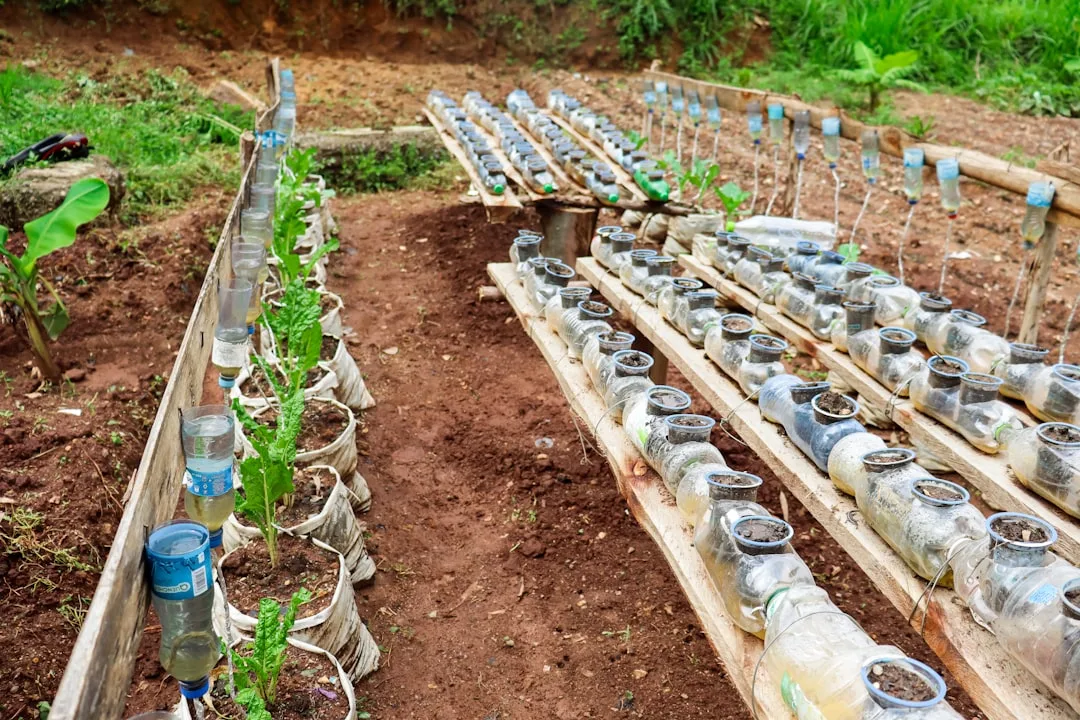
9. Reuse Household Containers

Repurpose old containers, pots, or baskets as creative planters. This adds personality to your garden while supporting sustainable design choices.

a garden with plants and containers

10. Create Cozy Gathering Spaces

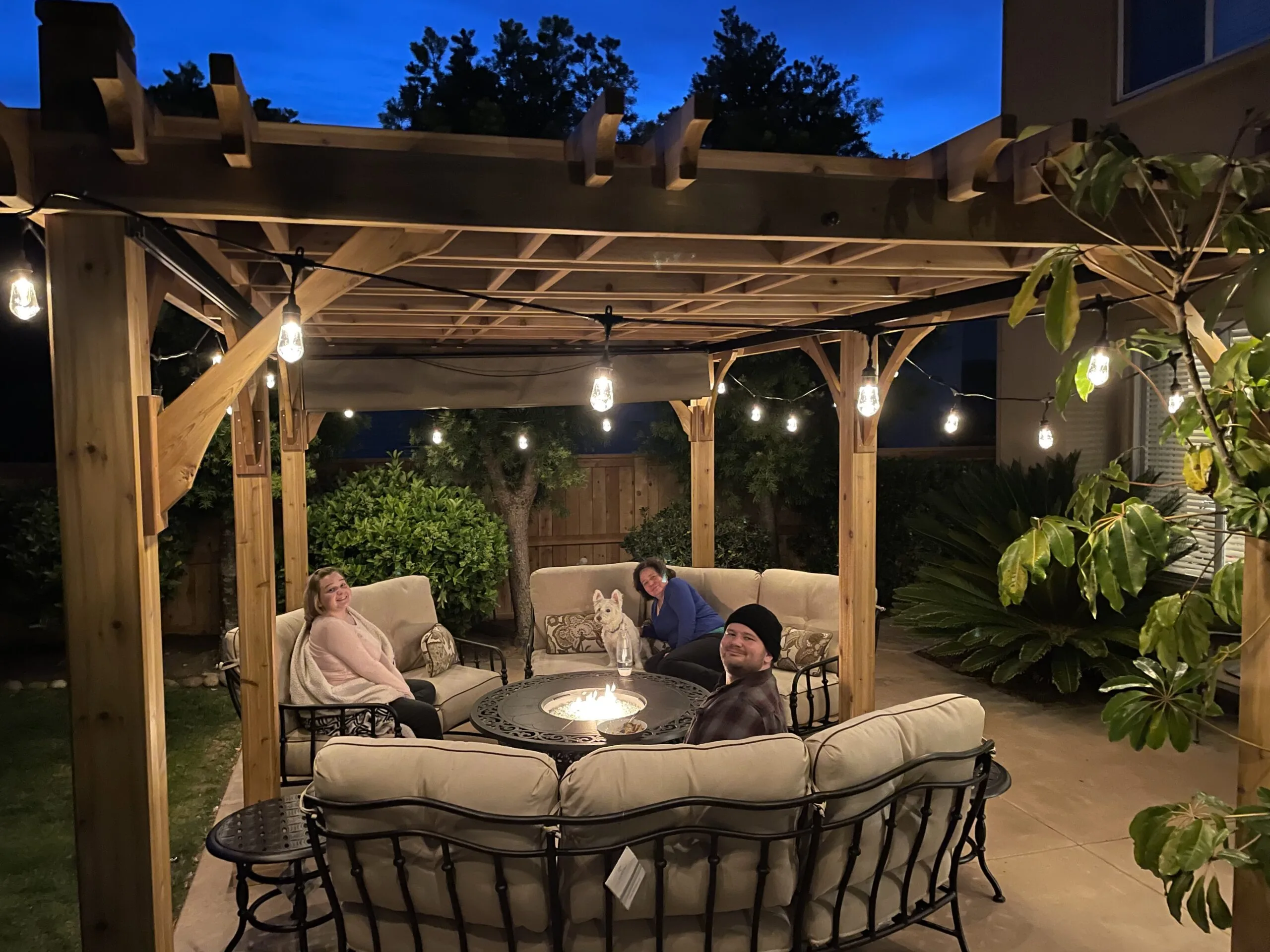
Finish your garden with seating, soft lighting, and natural materials. Comfortable gathering areas encourage relaxation, conversation, and everyday enjoyment of your outdoor space.

B. Baker 10x16 Cedar Pergola Kit 2 scaled 1
Read More

A beautiful garden doesn’t require a full redesign or a massive budget. With a few thoughtful updates and seasonal care, you can transform your outdoor space into something more inviting, functional, and enjoyable. Whether you’re refreshing an existing garden or improving what you already have, these simple ideas can make a noticeable difference.

Here are ten practical ways to improve your garden and create a space that looks great and feels intentional year after year.


1. Decorate Your Boundaries

Your garden’s boundaries help frame the entire space, so they deserve attention. Take a look at fences, walls, or hedges from inside your home and consider how they contribute to the overall view.

If boundaries look tired or outdated, simple upgrades like paint, wood treatment, climbing plants, or decorative panels can dramatically improve their appearance. Even small changes can turn a plain fence into a design feature.

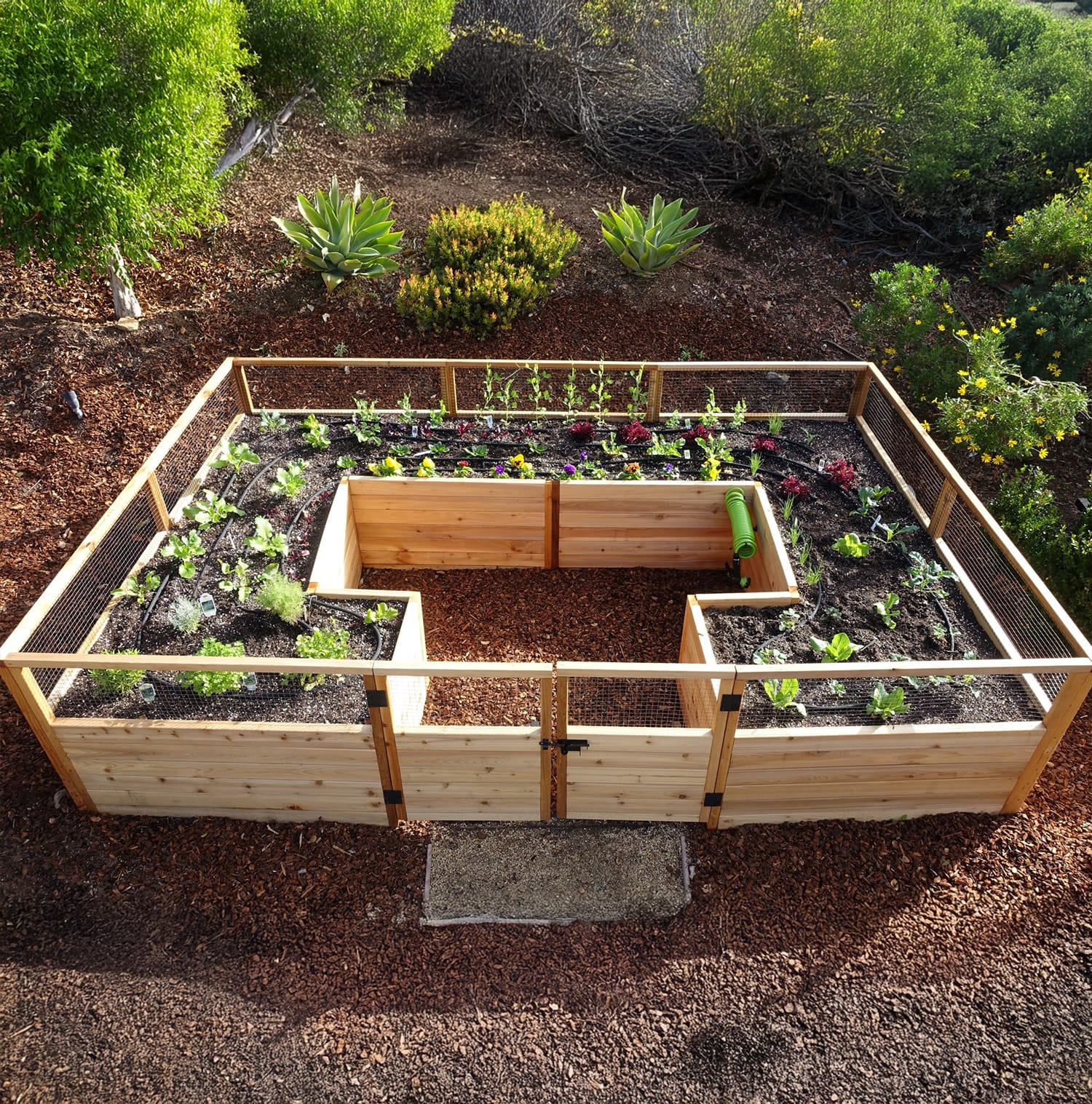
Raised Garden bed 8x8 western red cedar outdoor living today

2. Plan Your Garden Borders

Garden borders help define planting areas and add structure to your landscape. If borders felt cluttered or underwhelming last season, this is a great time to refresh them.

Start by clearing old growth, improving the soil, and introducing new bulbs or perennials. Thoughtful borders add color, texture, and seasonal interest while keeping your garden looking organized.

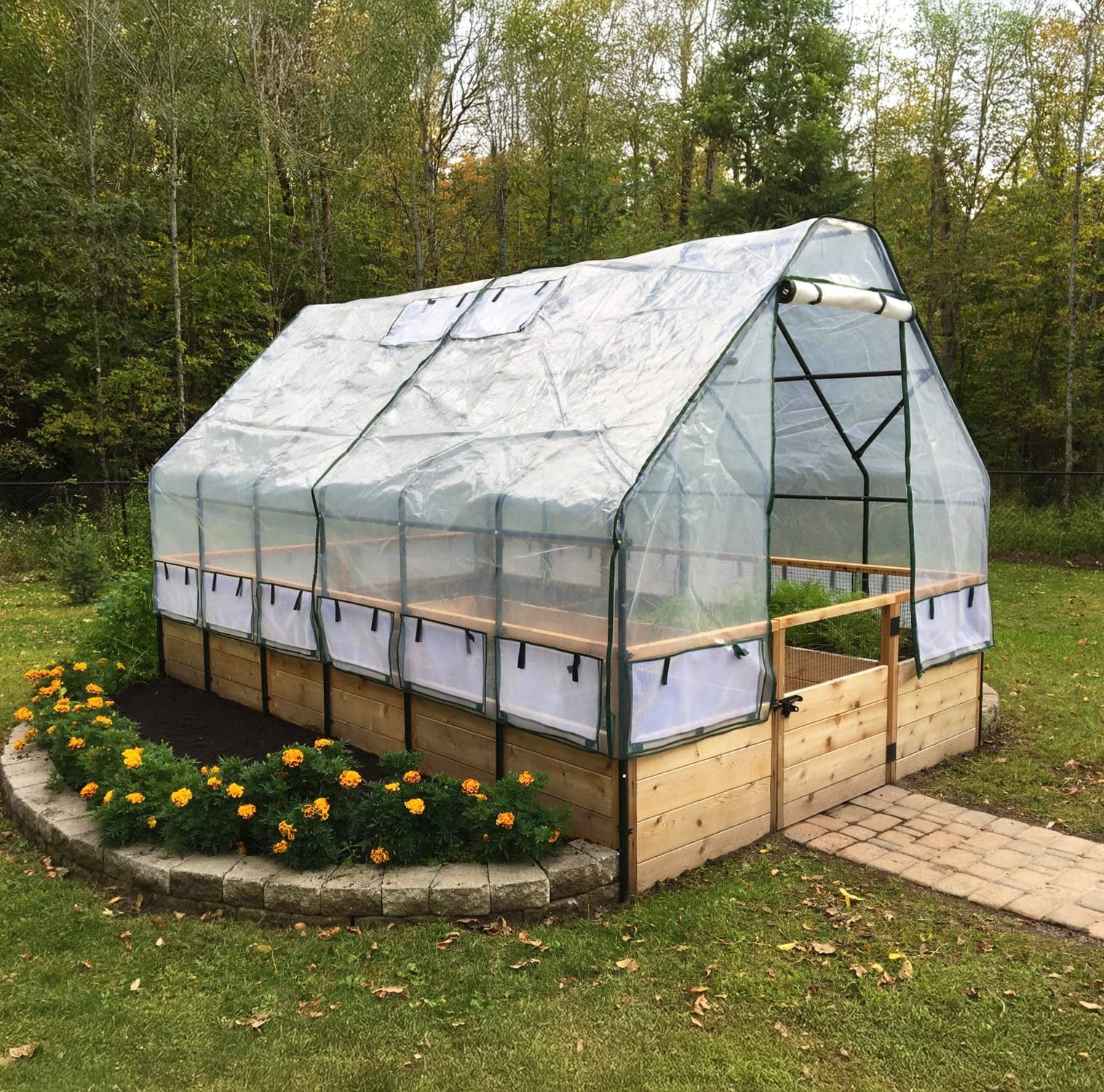
Raised Garden Bed Greenhouse cover 5

3. Prune Trees and Shrubs for Shape and Health

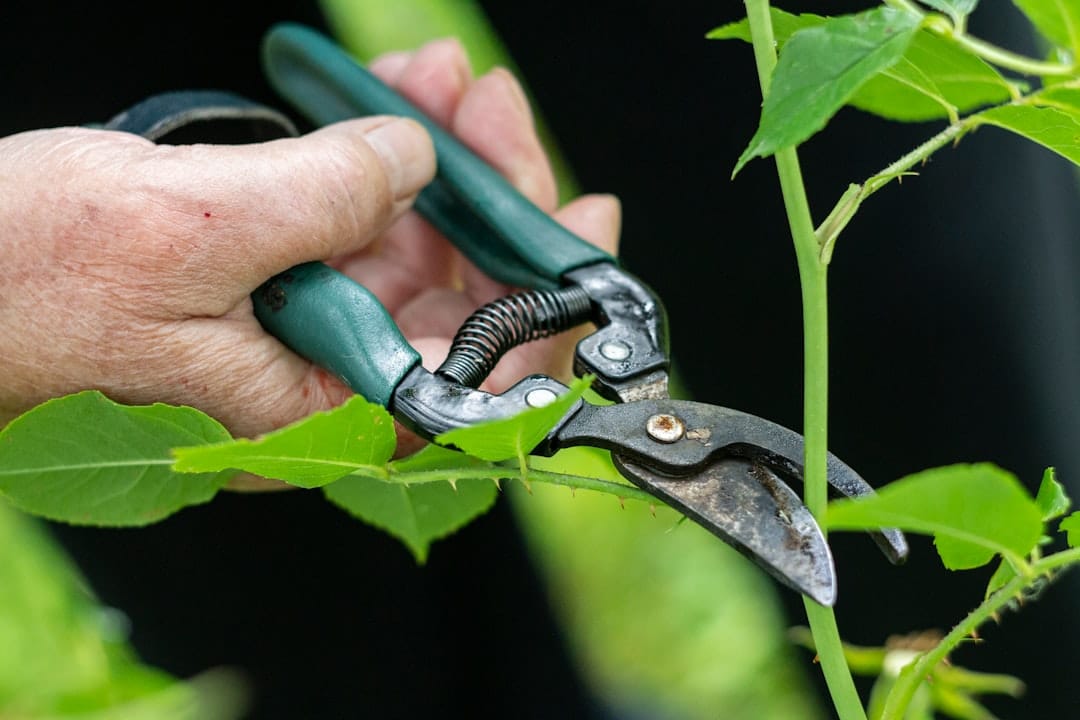
Pruning is one of the most effective ways to refresh your garden without spending money. Trimming trees and shrubs helps maintain shape, encourages healthy growth, and improves light flow throughout the space.

When pruning, think about balance and cohesion. Consider how foliage texture, color, flowers, and even fruit can contribute to the overall design throughout the seasons.

a person holding a pair of pliers to a plant

4. Choose Pots and Containers Carefully

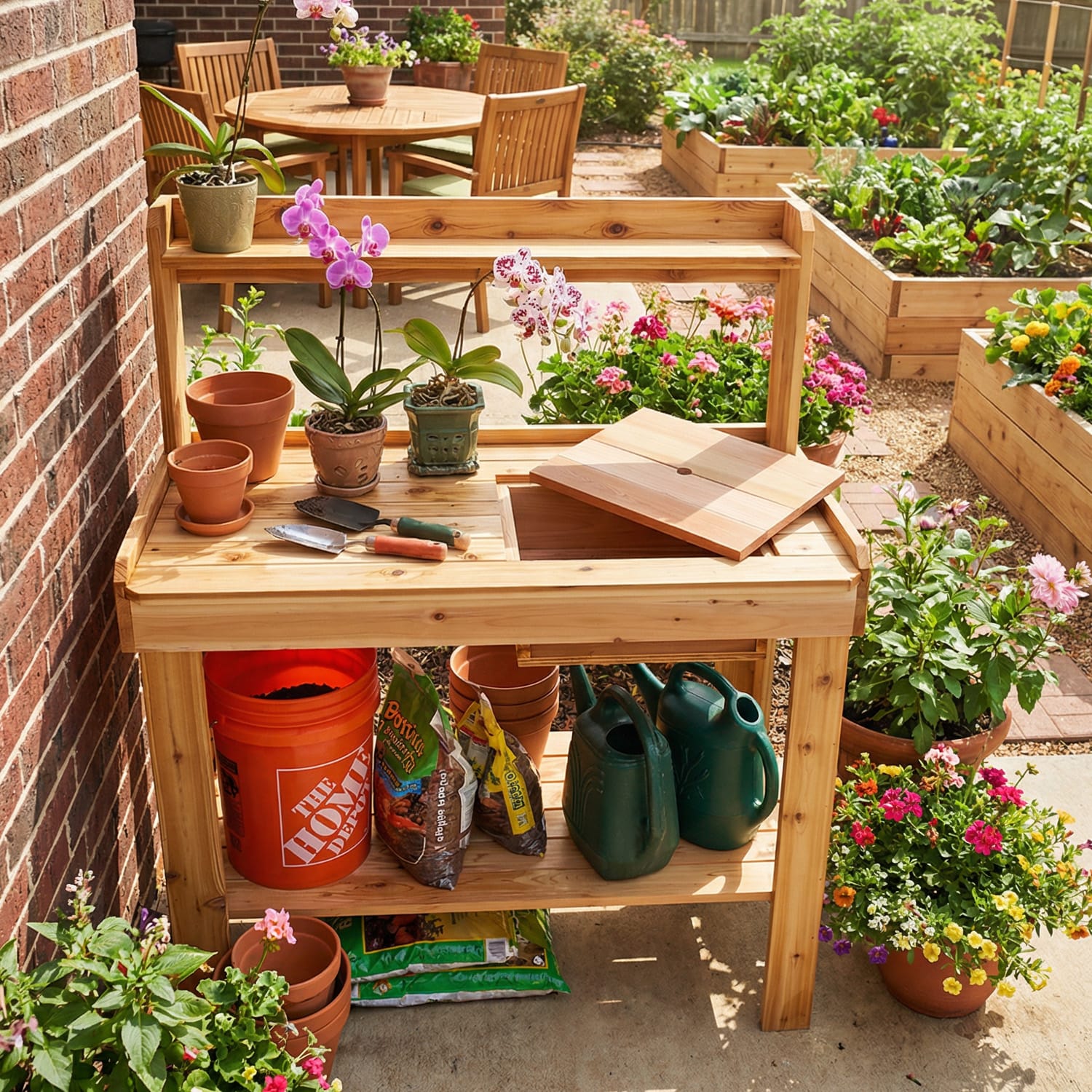
Containers play a bigger role in garden design than many people realize. Choosing the right size and material helps plants thrive while adding visual interest.

Larger pots provide better root space and stability, especially in windy areas. Materials like terracotta, galvanized metal, or wood can complement different garden styles. Quality containers last longer and are worth the investment.

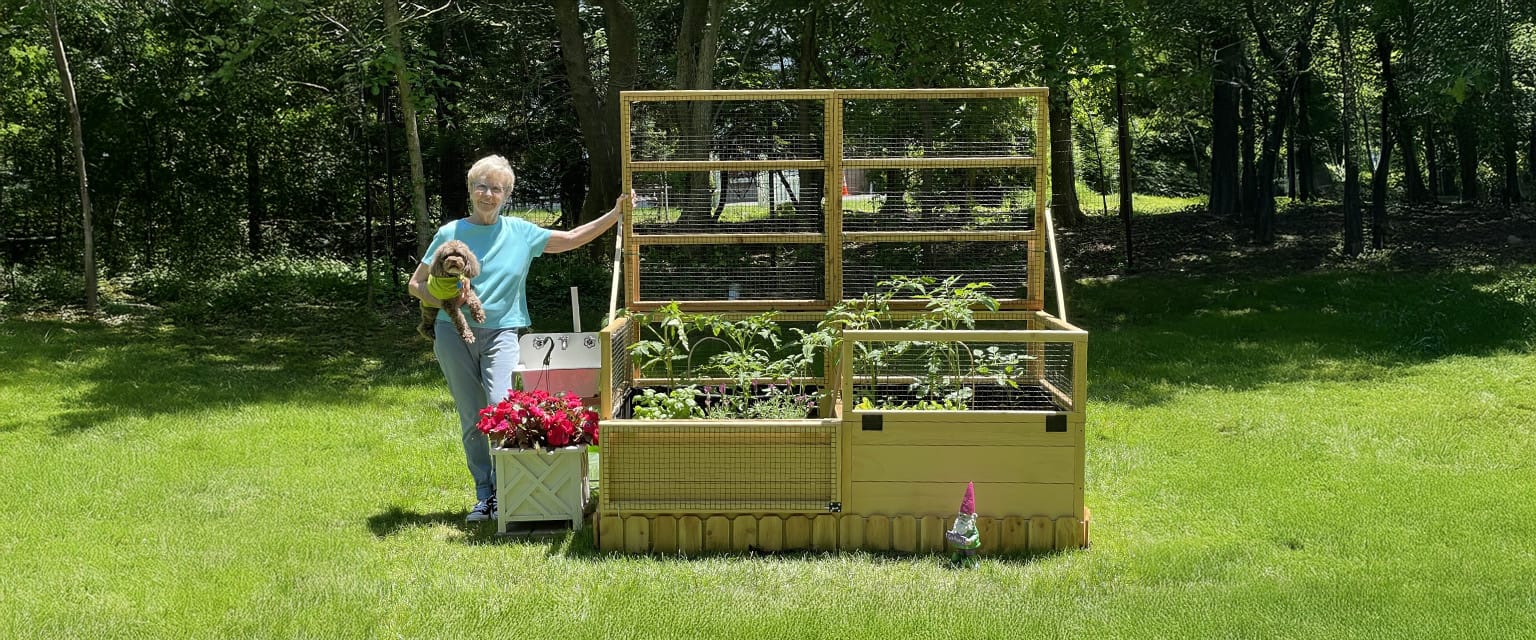
Potting Bench 4x2 Western Red Cedar Raised Garden Bed Kit Outdoor Living Today 5

5. Add a Vegetable or Herb Garden

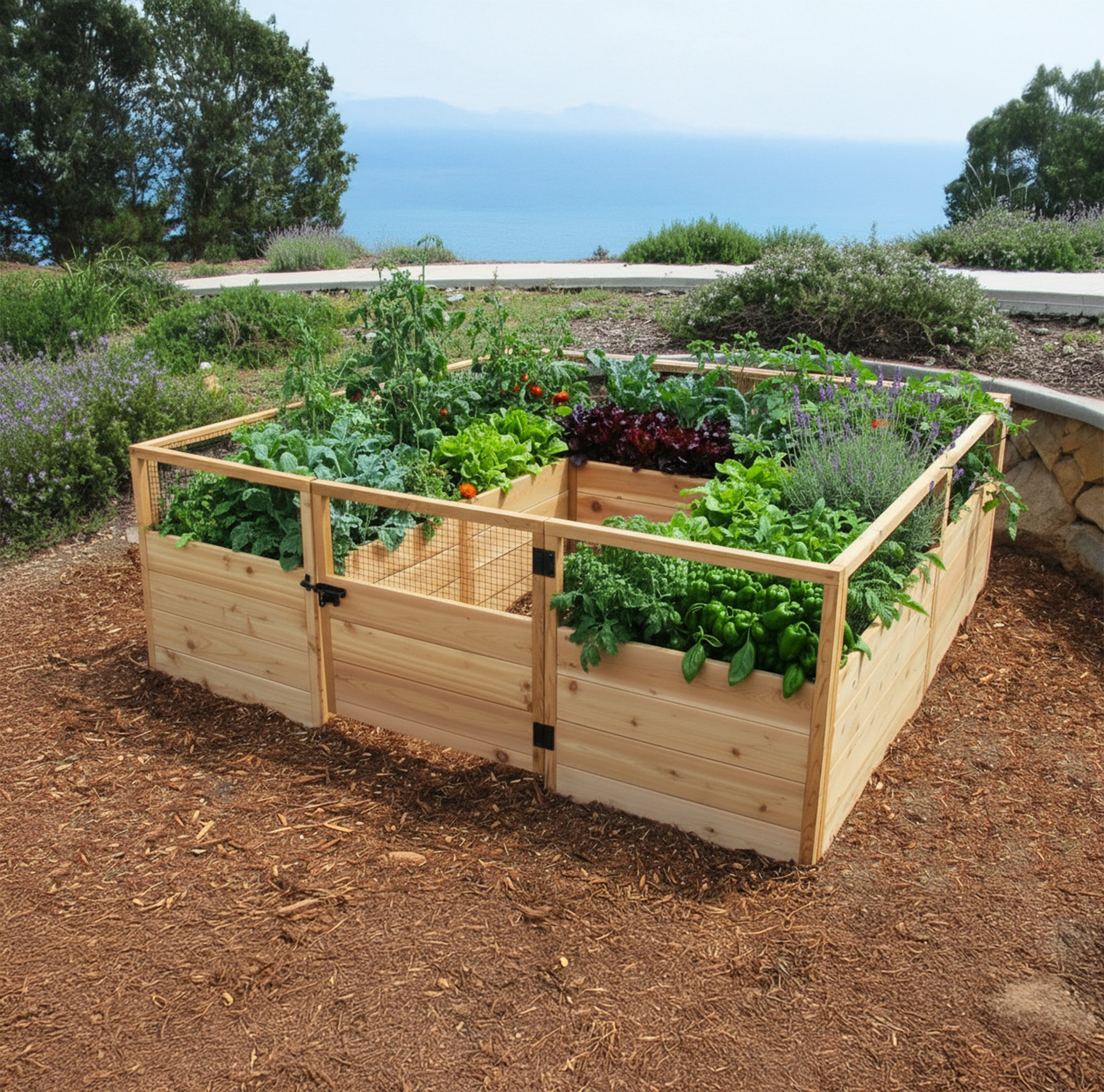
Growing your own food brings both beauty and function to your garden. Raised vegetable or herb beds are easy to manage and can fit into gardens of almost any size.

Use netting to protect plants from pests, and consider placing beds near your kitchen for easy access. A small edible garden adds life, texture, and purpose to your outdoor space.

a pile of green apples sitting next to each other

6. Include Features That Support Wildlife

Wildlife adds movement and life to any garden. Birds, bees, butterflies, and beneficial insects help with pollination and natural pest control.

You can encourage wildlife by choosing native plants, adding feeders or bird baths, and creating layered planting areas. A garden designed with nature in mind often feels more vibrant and balanced.

Lush green plants and foliage in a garden setting.

7. Think About Ground Surfaces

Surfaces play a major role in how a garden looks and functions. Paths, patios, and walkways guide movement and influence the overall feel of the space.

Instead of defaulting to basic concrete, consider decking, gravel, stone, or patterned tiles. The right surface can elevate your garden’s appearance while improving usability, especially in uneven areas.

.

green tree near white wooden house during daytime

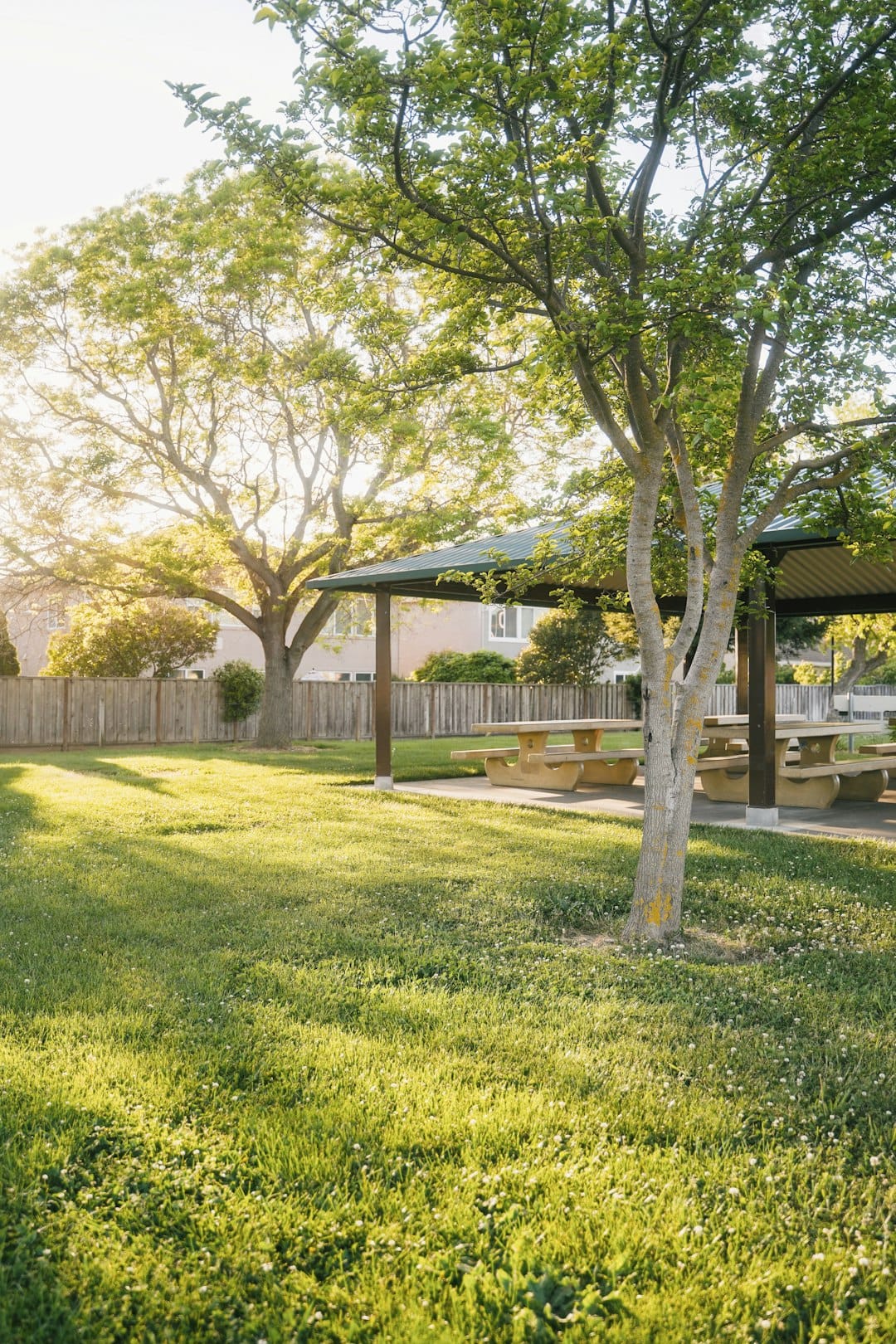
8. Create Beautiful Views

Not every part of a garden starts with a perfect view, but thoughtful design can change that. Use plants, structures, and focal points to draw the eye toward attractive features.

Rather than blocking an unattractive view entirely, try softening it with layered planting or shrubs. Enhancing good views makes the garden feel more expansive and intentional.

.

The lake reflects the trees under a leafy frame.

9. Add Outdoor Structures

Structures like pergolas, gazebos, or garden sheds add both function and visual interest. Even a small structure can create a dedicated space for relaxing, entertaining, or storage.

These features help anchor your garden design and provide shelter, shade, or organization while enhancing the overall layout.

.

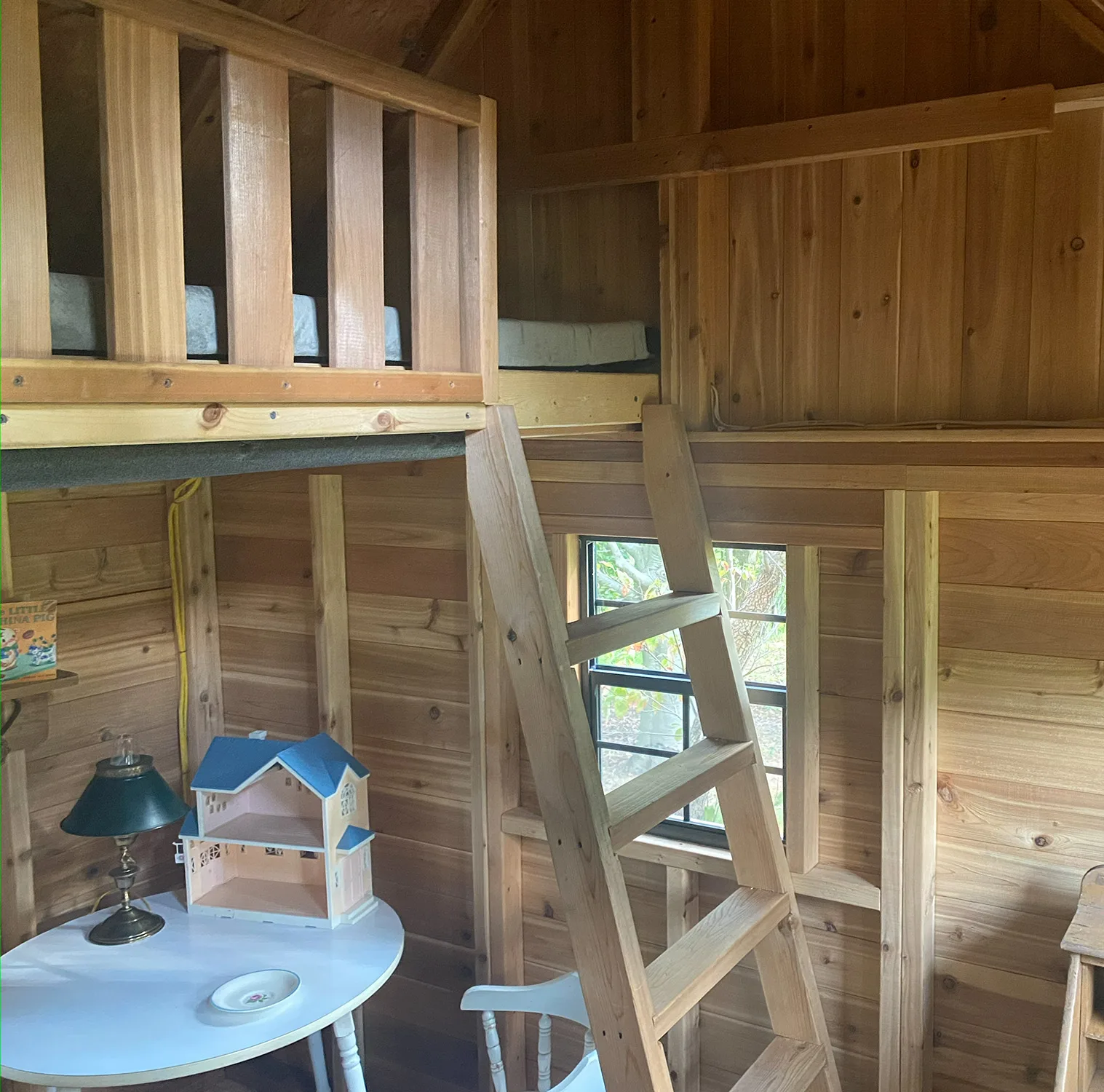
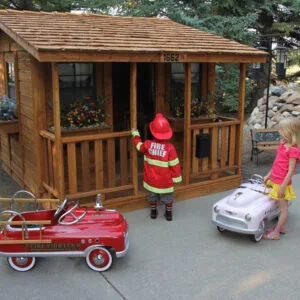
Cozy Cabin Playhouse 9x7 Western Red Cedar Playhouse Outdoor Living Today Cedar Playhouse Kit 3

10. Introduce Water Features

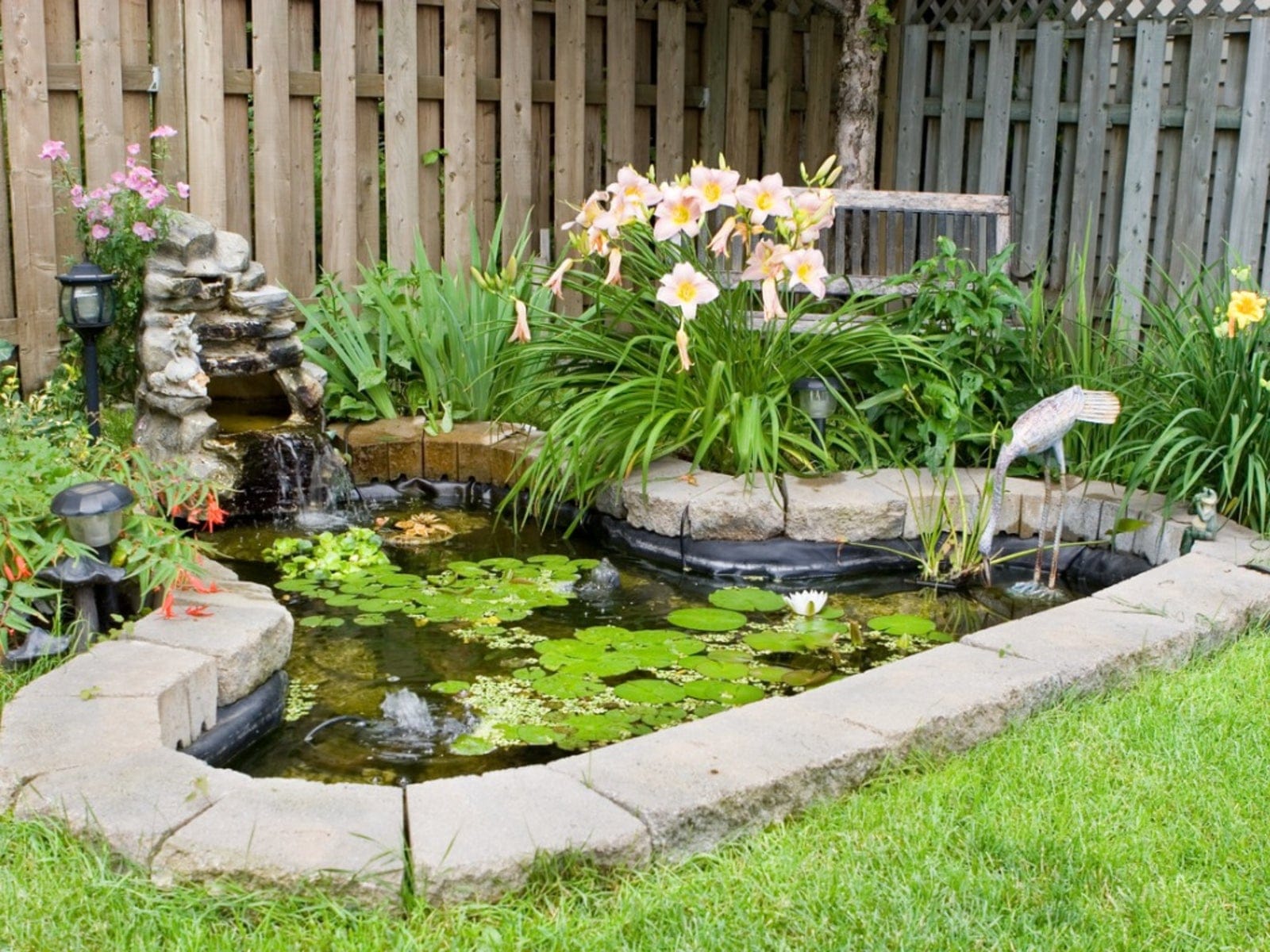
Water features add sound, movement, and calm to a garden. A small pond, fountain, or bird bath can instantly elevate the atmosphere.

Water elements also attract wildlife and help create a peaceful outdoor retreat. Even compact features can have a big impact without overwhelming the space.

.

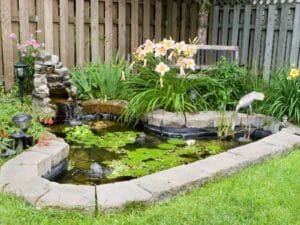
mini garden pond

Create a Garden You’ll Enjoy Year After Year

Improving your garden doesn’t have to happen all at once. Small, thoughtful changes add up over time and help create an outdoor space that feels welcoming, balanced, and enjoyable.

With a little planning and care, your garden can become a place you love spending time in — season after season.

Read More

Key design principles to help you create a balanced, colorful, and thriving flower garden from the ground up.

Flowers bring color, life, and personality to a garden—especially through the spring, summer, and fall months. But a successful flower garden doesn’t happen by planting flowers wherever there’s open space. Thoughtful planning is what turns a collection of plants into a garden that feels balanced, vibrant, and cohesive year after year.

Whether you’re starting from scratch or refreshing an existing landscape, these key considerations will help you design a flower garden that grows beautifully over time.

5.5×2 Tiered L Shaped Garden Bed – Western Red Cedar Kit banner 6

Overall Considerations When Planning a Flower Garden

A strong flower garden begins with structure. Before choosing individual flowers, think about the permanent elements that give your garden shape and flow. Large deciduous trees, evergreen hedges, and perennial flowering shrubs form the backbone of the design, while seasonal flowers add color and variety.

Planning in layers ensures your garden has interest beyond just bloom time and remains visually appealing throughout the year.

Plant the Trees First

If you’re starting a garden from the ground up, trees should always come first. Deciduous trees will eventually grow large enough to cast shade, so their placement matters.

Position trees where shade will be welcome—near benches, seating areas, or pathways—and away from spaces where full sun is needed, such as lawns or sun-loving flower beds. Proper tree placement early on prevents future issues with light and overcrowding.

Add Hedges for Structure

Once trees are established, hedges can be planted to define paths, borders, and garden “rooms.” Hedges help guide movement through the garden and create a sense of enclosure without blocking light entirely.

They also provide a strong visual framework that helps flowering plants stand out rather than feel scattered.

Plan for Perennials

After hedges, decide where perennial flowering plants will go. Perennials return year after year and often grow taller, so they should be placed where they’ll receive adequate sunlight and won’t block smaller plants.

Perennials help anchor your garden design and reduce the need for constant replanting.

Design Flower Beds Last

Flower beds are the finishing layer of the garden. These beds can border lawns, line walkways, or soften the edges of hardscaping.

For the longest-lasting color, plant a mix of flowers that bloom at different times—some in spring and summer, others in late summer and fall. This approach keeps your garden colorful across multiple seasons instead of peaking all at once.

Choose a Garden Style That Fits You

While the fundamentals of garden design stay the same, every flower garden should reflect personal taste.

Some gardeners prefer informal designs with curved paths and overflowing blooms, while others gravitate toward structured layouts with straight lines and symmetry. You may also choose to focus on easy-to-grow flowers, native plants, or more exotic varieties—just be sure they suit your local climate.

Consider the Width of Flower Beds

Wider flower beds allow for better layering and a more natural look. A minimum width of five feet is recommended to create at least three layers of plants—tall plants at the back, medium in the middle, and low-growing plants at the front.

In larger gardens, beds can be even wider to accommodate more variation in height, texture, and color.

Borders vs. Island Beds

Flower beds can either border fences, hedges, or walkways, or exist as standalone “island” beds within a lawn.

Border beds typically place taller plants toward the back, while island beds should have the tallest plants in the center, gradually tapering down to shorter plants around the edges. Both styles work well—it comes down to available space and design preference.

Sunshine, Climate, and Soil Types Matter

When selecting plants, consider how much sunlight your garden receives, your local climate, and the existing soil conditions.

While sunlight and climate are fixed factors, soil can be improved. A simple soil test followed by the addition of compost, manure, or fertilizer can dramatically improve plant health and bloom performance.

Leave Space for Growing

Plants need room to grow. Crowding flowers too closely can lead to poor airflow, disease, and a sparse-looking garden once plants mature.

Always plan for the plant’s full size, not just how it looks at planting time. Proper spacing results in healthier plants and fuller-looking beds over time.

Incorporate Creepers and Climbers

Beyond flower beds, climbers and creeping plants add vertical interest to the garden. Flowering vines trained along arbors, pergolas, or trellises provide shade, structure, and seasonal color.

Climbers that bloom in late summer or fall can extend the visual interest of your garden well into the cooler months.

A Garden That Grows With Time

A well-planned flower garden evolves gradually. By focusing on structure first and layering plants thoughtfully, you’ll create a space that becomes richer, fuller, and more beautiful with each passing season.

With patience and planning, your flower garden will reward you with color, texture, and enjoyment year after year.


Read More

Taking care of your garden brings relaxation — and there’s nothing more rewarding than enjoying it once the work is done. That mindset shaped many of the backyard design trends that emerged in 2016, with homeowners focusing less on excess and more on spaces that feel intentional, calming, and easy to maintain.

Here are the standout backyard design ideas that defined the year — many of which are still relevant today.


Mainstream Sustainability

Sustainability moved firmly into the mainstream in 2016. Homeowners began designing gardens that looked beautiful while requiring less maintenance, water, and chemical input.

Plant selection became more intentional, favoring:

  1. Low-maintenance plants
  2. Multi-season interest
  3. Edible and functional varieties

Lawns became more natural, with less turf grass and fewer herbicides. Instead of fighting weeds aggressively, gardeners embraced a softer, more organic look.

Hardscaping also evolved. Concrete pavers were often replaced with recycled materials, and water conservation became a key priority. Rainwater harvesting, drought-tolerant plants, and xeriscaping gained popularity as homeowners looked for smarter ways to manage resources.

More Quality, Less Bling

Over-the-top gardens fell out of favor. In their place came a preference for quality materials, subtle details, and natural finishes.

Rather than bold decorative elements, homeowners focused on:

  1. Interesting edging and textures
  2. Grasses and shrubs with seasonal movement
  3. Thoughtful plant layering

Feature walls became a simple way to add personality. A single painted wall — often in warm or earthy tones — acted as outdoor art without overwhelming the space.

Water Features with a Natural Feel

Water features remained popular, but their style shifted. Instead of whimsical fountains, homeowners leaned toward:

  1. Self-contained water systems
  2. Natural ponds and streams
  3. Stone, pebbles, and organic shapes

These features were designed to blend into the landscape, creating a calming soundscape rather than a focal showpiece.

Edible Gardens with Purpose

“Gardening with purpose” became a defining theme. Backyard spaces increasingly served double duty — producing food while enhancing the overall look of the garden.

Blended gardens combined:

  1. Fruits, vegetables, and herbs
  2. Ornamentals and pollinator-friendly plants
  3. Native species

Interest in composting, food preservation, and growing personal ingredients surged. Even unconventional crops like hops and grapes found their way into home gardens.

Indoors Moving Outdoors

Outdoor living spaces became true extensions of the home. Advances in materials made it possible to use furniture, cushions, and accessories outdoors without sacrificing comfort.

Backyards were styled like living rooms, featuring:

  1. Deep seating
  2. Soft textiles
  3. Personalized décor

The goal was to create spaces that felt just as comfortable as indoors — only with fresh air and greenery.

The Birds and the Bees

The grow-your-own movement also encouraged homeowners to support local ecosystems. Backyard chickens and beekeeping gained traction, even in urban settings.

Beyond food production, there was a growing awareness of pollinator decline. Gardens were increasingly designed to support bees, birds, and beneficial insects — making outdoor spaces both productive and environmentally supportive.

The Bottom Line

The key takeaway from backyard design trends in 2016 was simple:

Keep it functional, sustainable, and intentional.

Designing outdoor spaces with purpose — whether for relaxation, food production, or environmental impact — created gardens that felt more meaningful and easier to enjoy long term.

Before adding extras, focus on the core components that make an outdoor kitchen functional and enjoyable.

Read More

Not everyone has acres of outdoor space—but that doesn’t mean you can’t create a backyard that feels open, functional, and inviting. With thoughtful design choices, even the smallest yard, patio, or courtyard can become a place to relax, entertain, and enjoy the outdoors every day.

Here are simple, practical ideas to help you maximize a small outdoor space without overcrowding it.


Go Vertical

When floor space is limited, look up. Vertical design allows you to add greenery, texture, and visual interest without sacrificing valuable square footage.

Install wall-mounted planters, trellises, or narrow shelving on a sturdy fence or wall to create a vertical garden. Herbs, succulents, trailing plants, and compact flowering varieties work especially well. Vertical gardens not only save space—they also soften hard surfaces and bring your yard to life.

For best results, choose plants based on sun exposure and remember that potted plants may need more frequent watering and nutrients than in-ground gardens.

To make maintenance even easier, consider integrating an auto-watering system, such as Outdoor Living Today’s self-watering planter solutions.

Build in the Seating

Instead of filling a small yard with movable furniture, consider built-in seating. Bench seating along fences, walls, or planters keeps the space feeling open and uncluttered while still providing plenty of room to sit.

Built-in benches can also double as storage for cushions, garden tools, or kids’ outdoor toys. Using durable materials like cedar or stone ensures the seating holds up to weather while blending naturally into the landscape.

Create Multitasking Spaces

In a small outdoor area, every surface should work a little harder. Design counters, tables, and seating that serve more than one purpose.

A low counter can function as a kids’ craft space during the day and a serving area for drinks and snacks in the evening. A compact table can act as a dining spot, potting bench, or workspace depending on the season. Choosing neutral colors and simple finishes helps these elements adapt to multiple uses.

Edit What You Have

Too many plants or furnishings can make a small space feel crowded. Be selective about what stays and rotate items seasonally to keep things feeling fresh.

One helpful trick is the “two-pot method”: place an empty pot in the ground and drop seasonal potted plants into it. When seasons change, swap the plant out easily without disturbing the rest of your layout.

Pruning regularly and choosing fewer, well-placed plants will create a cleaner, more intentional look.

Choose Larger Pavers

If you’re adding a patio or seating area, opt for larger, simple pavers. Bigger pavers reduce visual clutter and help make a small space feel more open and expansive.

Light-colored, neutral tones work especially well in compact yards. Avoid overly intricate patterns, which can visually shrink the space.

Invite Nature In

Even the smallest outdoor space can feel welcoming by adding simple natural elements. A bird feeder or bird bath introduces movement, sound, and life into your yard—making it feel calmer and more connected to nature.

Wall-mounted feeders or compact bird baths work well when ground space is limited and can even be incorporated into vertical garden designs.

Small Space, Big Impact

Designing a small outdoor space is all about smart choices. By building vertically, choosing multifunctional features, and keeping layouts simple, you can create a backyard that feels comfortable, intentional, and surprisingly spacious.

No matter the size of your yard, a little planning goes a long way in turning it into a place you’ll love spending time in—season after season.

Read More

Simple, creative ways to turn your outdoor space into a place for play, imagination, and everyday adventure.

When you have kids, you want to make sure they spend enough time outdoors to burn energy, explore their creativity, and simply be kids. With a little planning, your backyard can become a thrilling and fun adventure space—without disrupting your landscaping or turning your yard into chaos.

The good news is that creating a kid-friendly backyard doesn’t have to be expensive or complicated. A few thoughtful features can transform your outdoor space into a place your kids will love and use every day.

Below are a few simple, creative ideas to help you design a backyard that encourages movement, imagination, and rest.

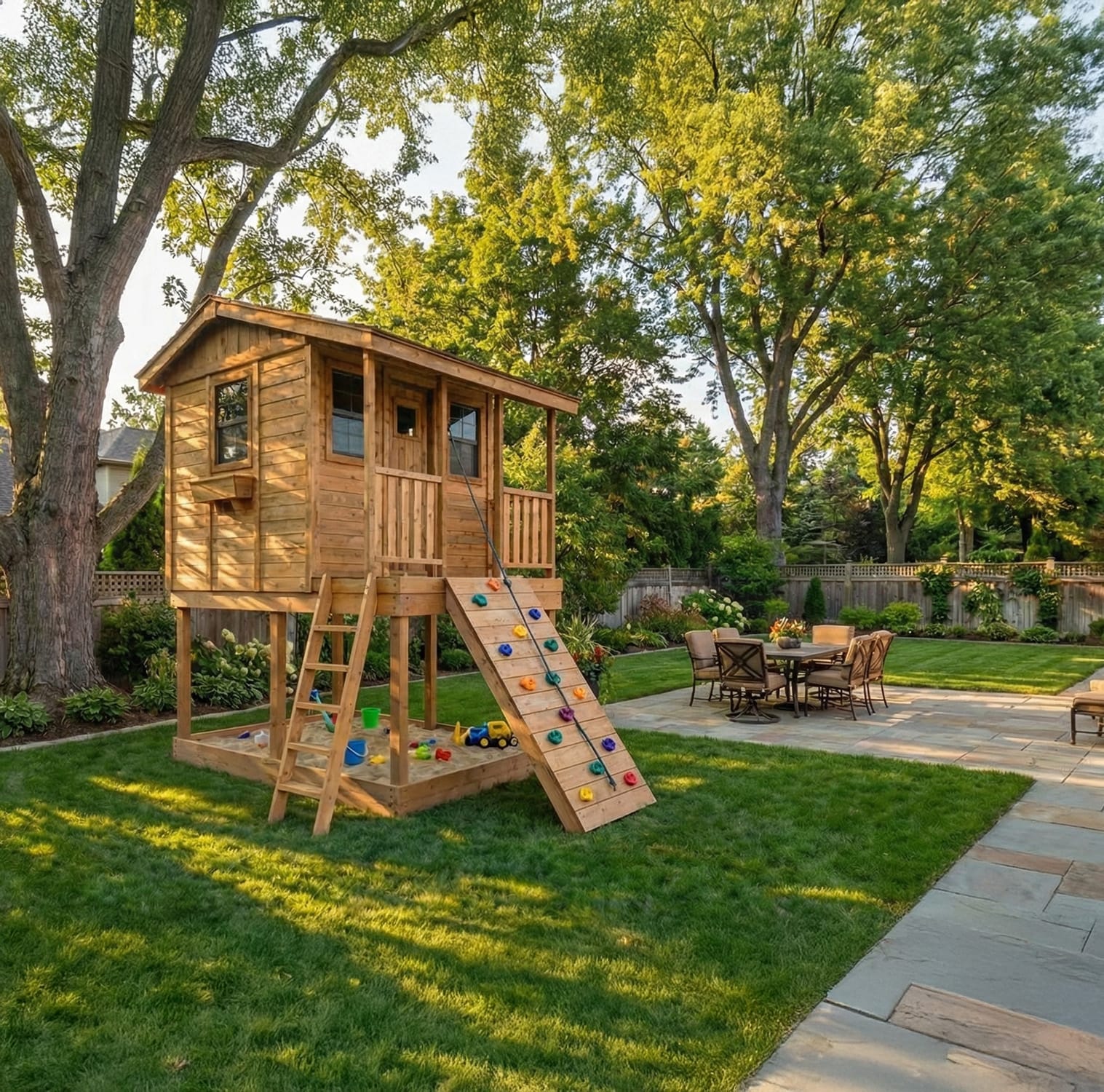
Laurens Cottage 9x9 Playhouse Western Red CEdar Outdoor Living Today Childrens Playhouse 9

Jungle Exploration

Create a sense of adventure by dedicating one corner of your backyard to a mini “jungle.” Plant tall grasses, ornamental shrubs, or weeping trees to add height and texture. Lay stepping stones to form a winding path that invites exploration and pretend play.

You can even plant giant sunflowers or place a large, smooth boulder for climbing. This type of space encourages kids to let their imaginations run wild while naturally drawing them outdoors—away from screens and electronics.

To keep things safe, trim plants regularly and avoid dense ground cover that could become a hiding spot for unwanted critters.

Scribbling Area

Every kid needs a place to create—and preferably one that isn’t your house walls.

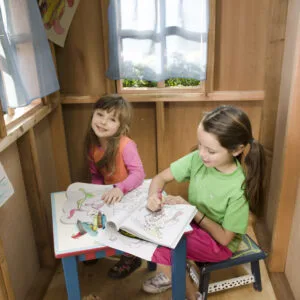
Mount an outdoor chalkboard to a fence or wall and you instantly have a dedicated scribbling and drawing station. Chalk is easy to clean, and a chalkboard keeps little artists from decorating your cedar fencing or patio surfaces.

This simple addition gives kids a creative outlet while keeping messes contained and easy to manage.

Bring the Beach to Your Backyard

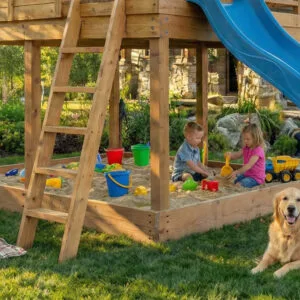
If your kids love sand and water play, bring the beach home. Instead of a traditional sandbox, consider digging a shallow, gently sloped pit and lining it with landscaping plastic before filling it with sand.

For added fun, place smooth stones around the edge or leave space in the center for evening marshmallow roasting while adults relax nearby. It’s a versatile space that works for daytime play and family evenings alike.

Haven for Creatures

Kids are naturally fascinated by nature. Encourage observation and curiosity by creating a backyard that welcomes birds, butterflies, and beneficial insects.

Plant colorful flowers, hang a simple bird feeder, or make one together using a terracotta container and jute rope. Watching birds and butterflies helps kids develop patience, awareness, and a deeper appreciation for the natural world—all while spending time outdoors.

A Place to Rest and Recoup

After all that running, climbing, and exploring, kids need a place to slow down.

A shaded rest area gives children somewhere to cool off, sip lemonade, and recharge. A gazebo is an excellent option, especially if you choose a DIY kit with pre-cut components that’s easy to assemble.

With comfortable outdoor seating and a few potted plants, this space becomes a calm retreat that can be enjoyed by both kids and adults. An all-season gazebo even allows for outdoor use when the weather turns cooler, extending the usefulness of your backyard year-round.

Create a Backyard That Grows With Your Kids

A kid-friendly backyard doesn’t need to be overdesigned. The best outdoor spaces balance active play, creativity, and rest, while leaving room for kids to shape the space through their imagination.

With a few intentional features, your backyard can become a place where kids explore, learn, and make memories—right outside your door.

Need inspiration? Take a look at how other families are transforming their outdoor spaces and start creating a backyard your kids will love to grow up in.

Read More

A little fall prep now goes a long way come spring!

rb128 overhead OLT

While spring is the time to plant and summer is the time to grow, fall is the time to prepare. As your plants begin to wind down and cooler temperatures take over, now’s your opportunity to set your garden up for long-term success. With the right fall gardening strategy, your spring planting will be easier—and more productive.

1. Walk Your Garden and Inspect Thoroughly

RB812 GHO

Begin by walking through your garden and making detailed observations:

  • Look for bare soil patches that may need soil amendments

  • Identify overgrown plants that require dividing

  • Tag herbs that should be moved indoors

  • Note bulbs to dig up and store before the frost hits

This inspection gives you a game plan for fall garden prep and prevents surprises next season.

2. Move Tender Herbs Indoors

Herbs like rosemary, mint, and lavender won’t survive frost. Move potted herbs into a protected spot like a sunny porch or south-facing windowsill to extend your harvest. Bonus: you’ll have fresh herbs handy all winter long.

3. Add Soil Amendments Before Winter

Fall is the ideal time to boost your soil. Add organic fertilizers like:

  • Compost

  • Manure

  • Mulch

Use a garden fork to turn these into the soil. This ensures nutrients are absorbed throughout the winter, improving soil structure and microbial activity. This step reduces spring workload and results in better blooms and harvests.

For larger areas like a kitchen garden:

  • Till the soil to remove roots and weeds

  • Add amendments generously

  • Till again to incorporate nutrients deeply

Tilling in fall is easier and more effective than waiting for soggy spring conditions.

4. Apply Weed Control

rb63 cedar olt banner 4

Weeds don’t rest. Apply a fall weed killer to your lawn to stop seeds dropped during summer from sprouting in spring.

Pet tip: If you use chemical weed killers, keep pets inside for a few hours until the product settles into the soil.

5. Collect Seeds for Next Season

If you’re growing heirloom varieties, now is the time to save seeds:

  • Allow a few flowers or fruits to fully mature or dry on the plant

  • Harvest and soak fruit in water to remove pulp

  • Dry and label seeds before storing in a cool, dry place

This preserves your favorite plants and saves money on seeds next year.

6. Empty Rain Barrels

Avoid cracked barrels! Drain and clean out your rainwater storage system before the first frost. Detach pipes and tubes, and let it fully dry to prevent winter damage.

7. Clear Mulch Away from Stems

Too much mulch near stems and trunks can lead to mold and mildew during cool, damp fall conditions. Gently clear mulch away from:

  • Shrubs

  • Perennials

  • Tree bases

This reduces moisture traps and promotes healthier plants.

8. Examine and Prune Perennials

Check all perennials for signs of disease:

  • Look for black spots, wilting, or rot

  • Prune affected areas or remove the plant entirely to prevent spread

Don’t compost diseased plants—dispose of them in the trash to protect your garden.

9. Check Trees for Dangerous Branches

Fall is a great time to inspect tree limbs:

  • Look for cracks, rot, or hollow areas

  • Schedule safe removal of unstable branches

This protects your home, pets, and people from falling limbs during storms or snow.


Get a Head Start on Spring

A well-prepared fall garden sets the stage for a low-maintenance, high-yield spring. By completing these fall garden tasks now, you’re making sure your soil is nourished, your tools are ready, and your plants are protected.


Want more backyard gardening tips? Browse our blog for seasonal advice, or contact us directly for help creating your ideal outdoor space with Outdoor Living Today.

Read More

Enjoy Your Porch All Season Long

While most people spend plenty of time outdoors during summer, many retreat indoors once the temperatures dip. But fall is one of the most beautiful seasons to spend outside—if your space is ready for it.

With just a few simple upgrades, your porch, balcony, or deck can be transformed into a cozy autumn retreat, perfect for sipping cider, entertaining guests, or curling up with a book under a warm throw.

10x16 Breeze Pergola Kit Western Red Cedar Pergola Kit Outdoor Living Today Cedar Banner 1


Warm Up the Color Palette

One of the easiest ways to update your porch for fall is by introducing autumn-inspired colors and textures. Think warm oranges, rust reds, mustard yellows, deep browns, and forest greens.

Use these tones to update:

  • Outdoor cushions and pillows

  • Throws and blankets

  • Table runners or side table cloths

  • Decorative elements like dried wreaths, pumpkins, and gourds

Try arranging mini pumpkins in wicker baskets, apples in glass bowls, or fall leaves in mason jars for a natural, rustic look. Drape throws over wooden benches, hang a seasonal wreath on the wall, or even wrap porch posts in burlap and corn husks.


Add Fall-Ready Furniture

SSGS88 9 Western Red Cedar Outdoor Living Today

For added comfort, swap out light summer seating for something more solid and cozy. Wicker chairs, reclaimed wood benches, or even a small loveseat covered in weather-resistant cushions will help the space feel grounded and inviting.

Layer outdoor rugs for warmth and texture, and stick to materials that complement fall—woods, metals, and natural fibers.

If you’re just starting from scratch, consider incorporating Western Red Cedar furniture or a small cedar structure like a DIY pergola to extend use and elevate the space with long-lasting beauty.


Let There Be Light

ssgs812 Christmas snow

As the days grow shorter, lighting becomes key to making your porch enjoyable in the evenings. Instead of harsh overhead lights, go for options that provide warmth and ambiance:

  • Battery-powered lanterns for a rustic glow

  • Outdoor string lights draped across beams or railings

  • Scented candles or LED candles in frosted or colored glass holders

  • Solar garden lights around the perimeter

You could even use fairy lights on one side of the porch to create a soft, cozy corner for relaxing or reading.


Keep the Chill Out

Fall evenings can get cool—especially in northern climates. Make your porch cozy by adding a heat source:

  • Portable fire pits for warmth and marshmallow roasting

  • Tabletop space heaters or freestanding propane heaters

  • Built-in stone fireplaces (ideal if you’re already renovating or building)

For added wind protection, use roll-down tarps, canvas screens, or movable partitions. These help block breezes and contain heat, turning your porch into a semi-enclosed space that’s usable well into November.


Entertain With Autumn Comforts

Hosting friends and family outside during fall is magical—if you’re prepared.

Instead of iced drinks and summer snacks, switch to:

  • Hot apple cider, tea, or cocoa

  • Warm pies and baked goods

  • Fall-themed treats like caramel apples, cookies, or roasted nuts

Store drinks in a small electric kettle and snacks in a food warmer to keep everything cozy. You can even place a portable speaker nearby and enjoy background music as the leaves fall around you.


Don’t Forget the Little Details

To round out the mood, stock up on fall-themed plates, cups, and napkins. Look for cozy patterns, leaf motifs, or warm tones that match your porch décor.

And don’t forget the bug spray. While summer pests may have faded, fall brings its own bugs—especially in wooded areas. Keep citronella candles, incense sticks, or natural repellents on hand.


Extend the Season in Style

CGH OLT

Your porch doesn’t have to go unused after Labor Day. With thoughtful design and a few seasonal upgrades, you can enjoy outdoor living well into autumn.

Whether you’re decorating with pumpkins and plaid, cozying up with a fire pit, or gathering with loved ones under glowing lights, a fall-ready porch makes the season feel even more special.

Read More