October 10, 2017
Cold weather doesn’t mean gardening has to stop. These hardy vegetables thrive in cool temperatures and keep your backyard productive all season long.
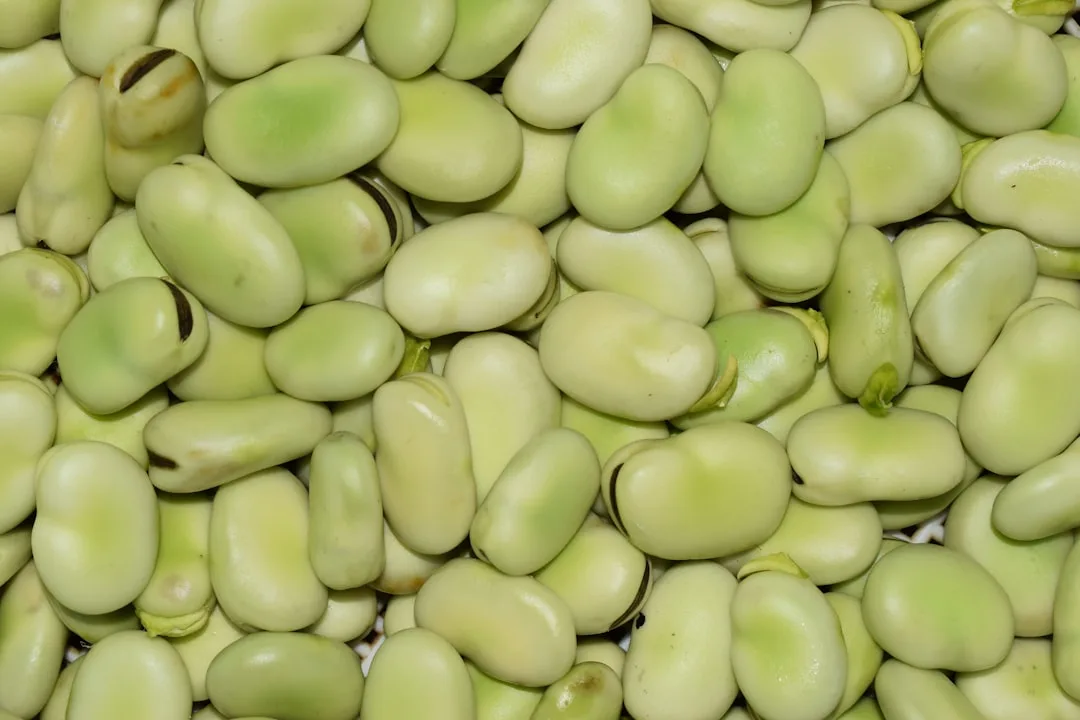
Broad Beans
Broad beans are one of the easiest winter crops to establish. Planted in fall, they root deeply, resist frost, and mature earlier than spring-sown beans.
Tip: Choose overwinter-friendly varieties like Aquadulce Claudia for reliable cold-weather performance.
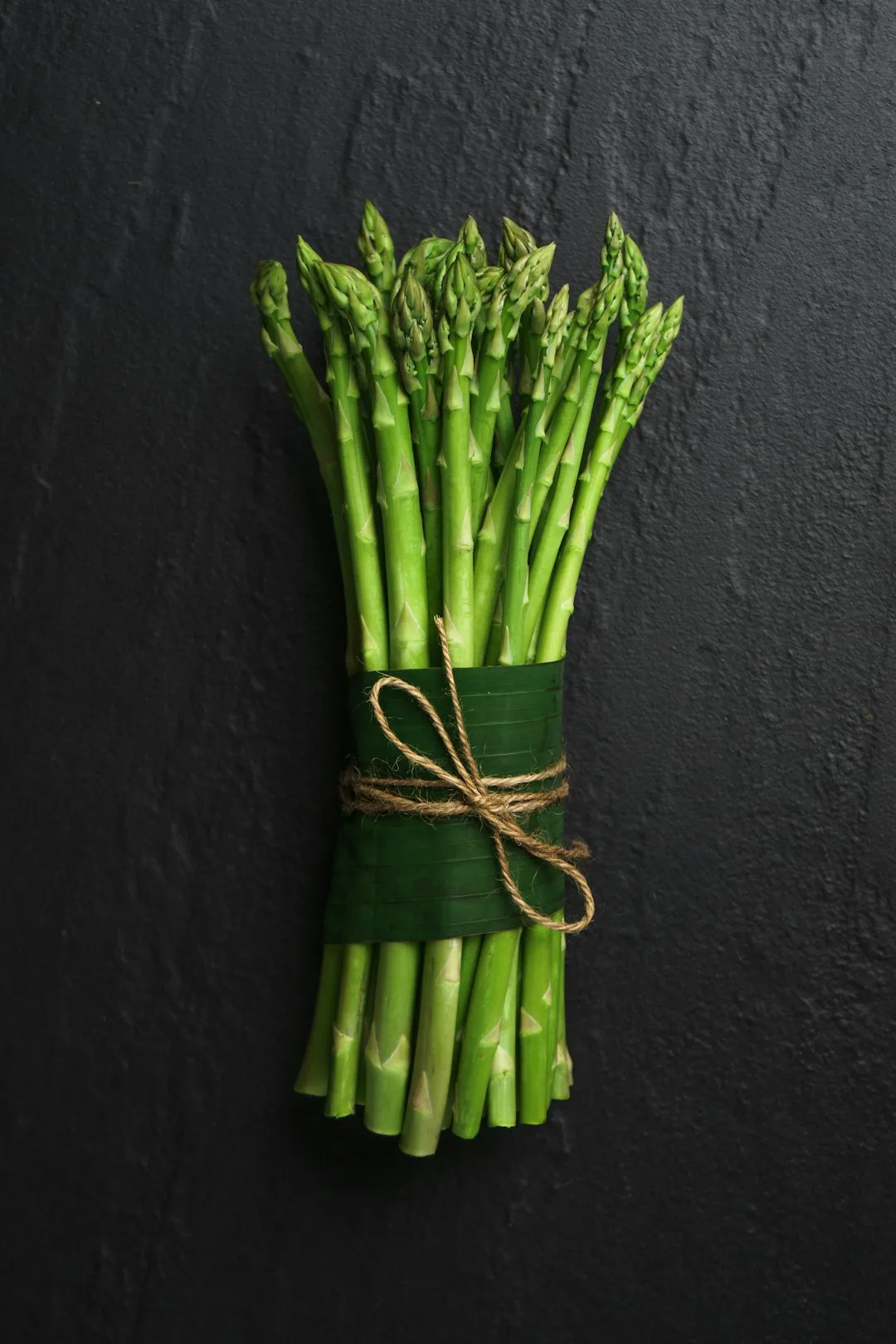
Asparagus (Establishing Beds in Fall)
Fall is the ideal time to start asparagus crowns—allowing them to settle and strengthen before spring. Once established, an asparagus bed can produce for 15–20 years.
Tip: Keep the planting area weed-free during fall to give new crowns a strong start.
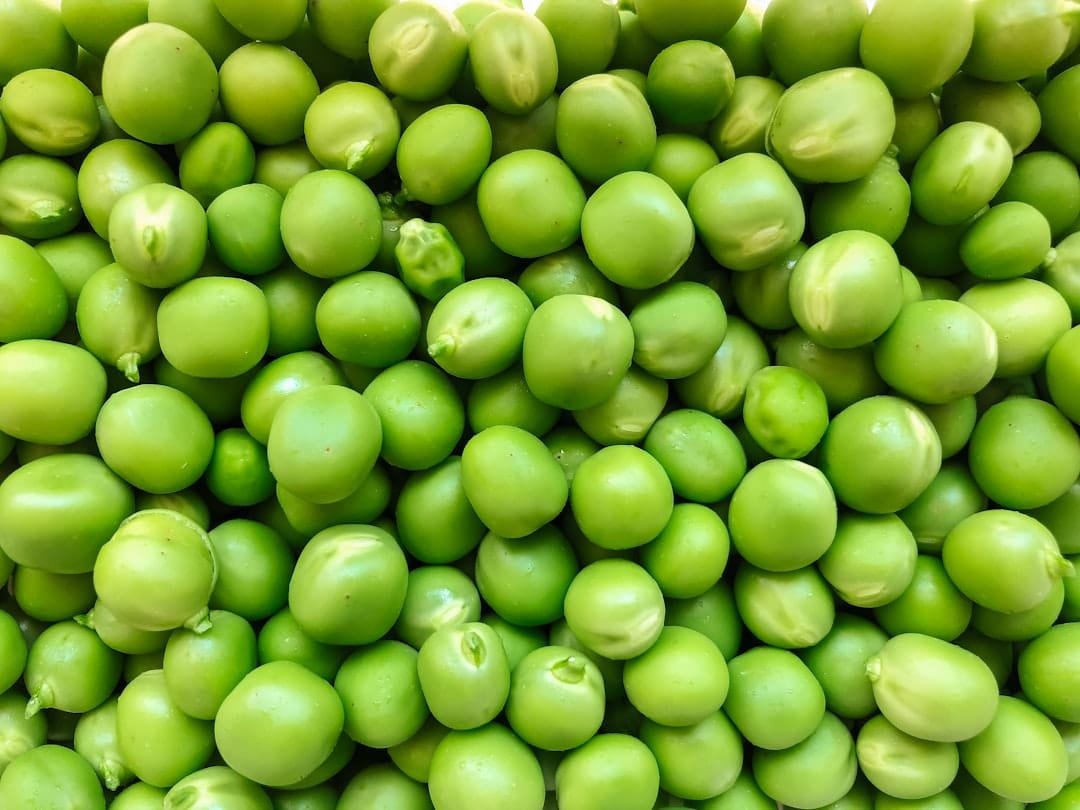
Peas & Pea Shoots
Peas tolerate cool temperatures extremely well. Sow closely spaced seeds in fall to enjoy tender shoots and early spring pods.
Tip: Pea shoots grow quickly—snip the top leaves for salads and stir-fries while allowing plants to keep producing.
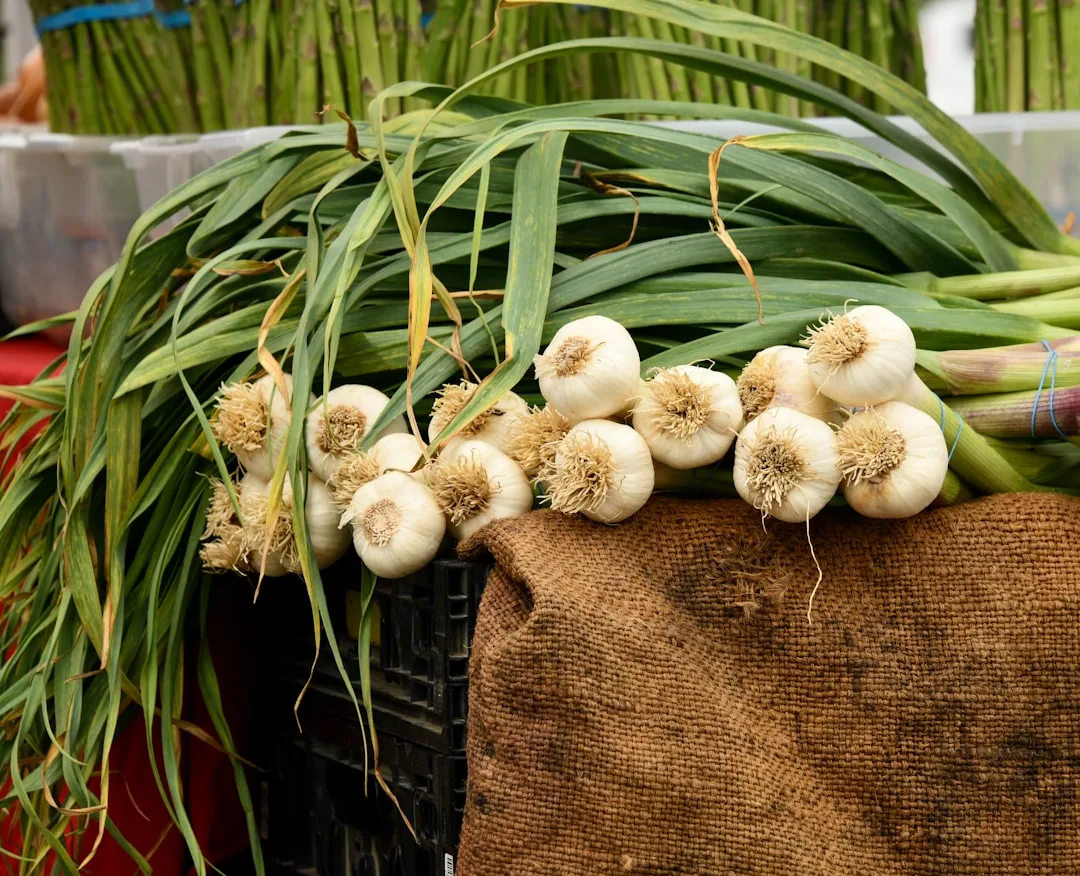
Garlic
Garlic thrives when planted before winter. The cold period encourages strong bulb development, giving you larger, more flavorful cloves at harvest.
Tip: Plant cloves 1–2 inches deep (depending on soil type) and mulch lightly to protect them from frost heave.
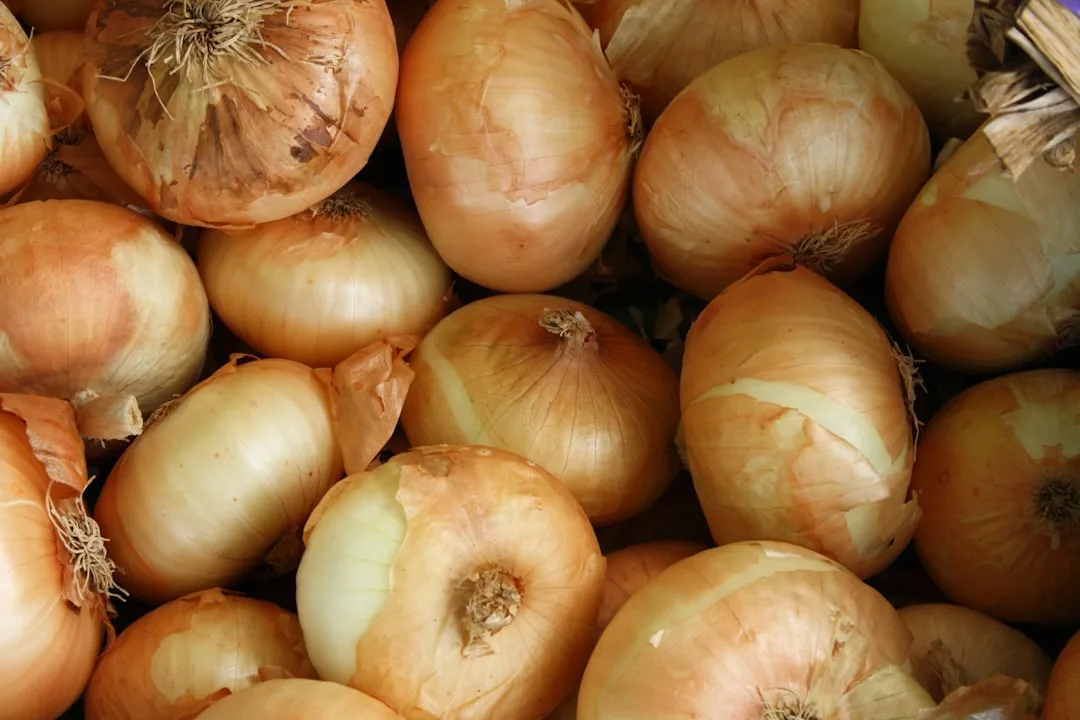
Onions & Shallots
Sets planted in fall develop strong roots before winter, producing bigger bulbs by late spring. Options like shallots and winter onion varieties perform exceptionally well.
Tip: Space sets 6–8 inches apart to promote airflow and discourage rot during wet, cold months.
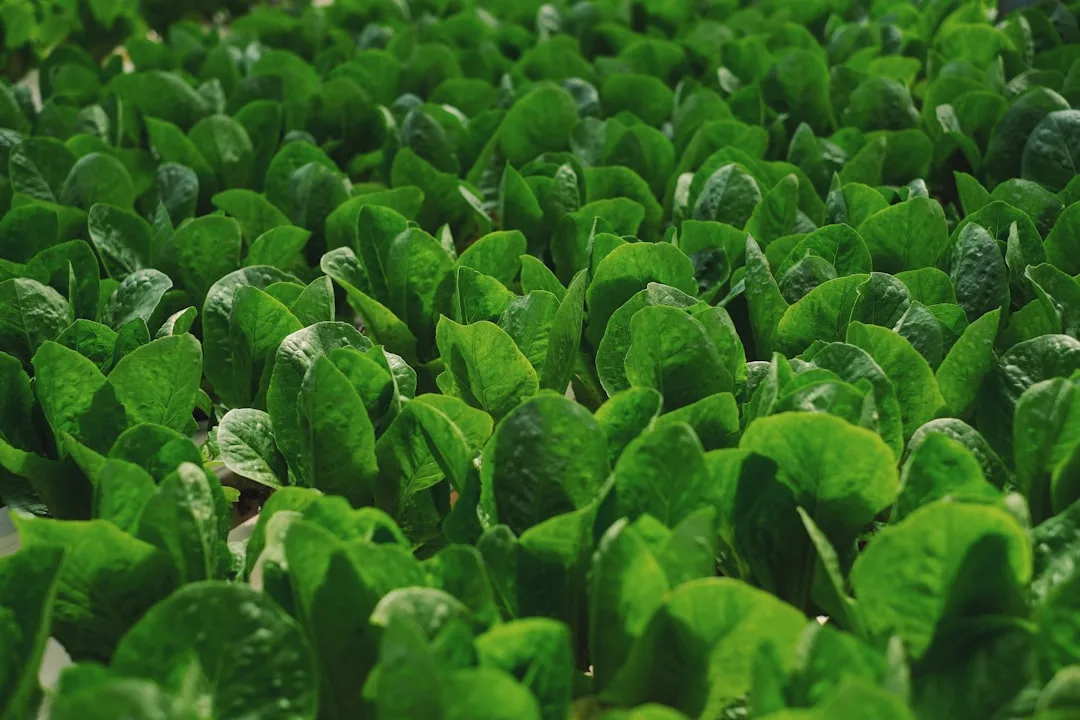
Lamb’s Lettuce (Mâche)
A cold-loving green that thrives even in freezing temperatures. Lamb’s lettuce grows fast, requires little maintenance, and adds delicate flavor to winter salads.
Tip: Sow every 2–3 weeks for continuous harvests throughout the season.
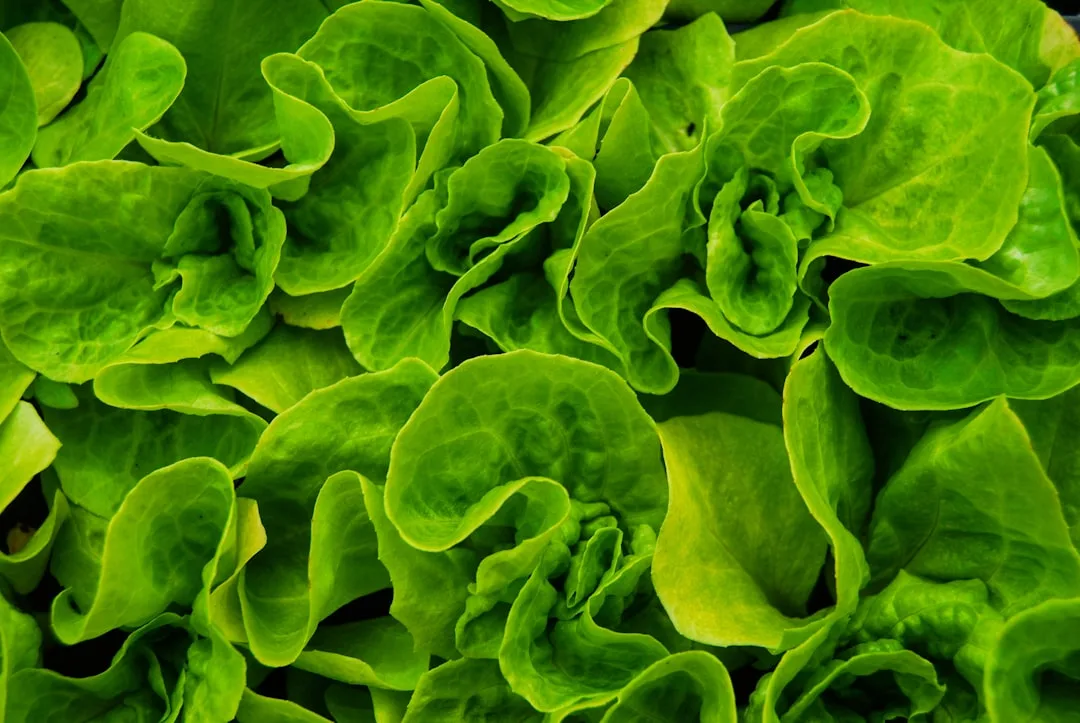
Winter Lettuce
Hardy lettuce varieties like Winter Gem or Meraviglia d’Inverno stay productive through frost when grown under fleece or in a cold frame.
Tip: Harvest outer leaves first to keep the plant producing through the winter.
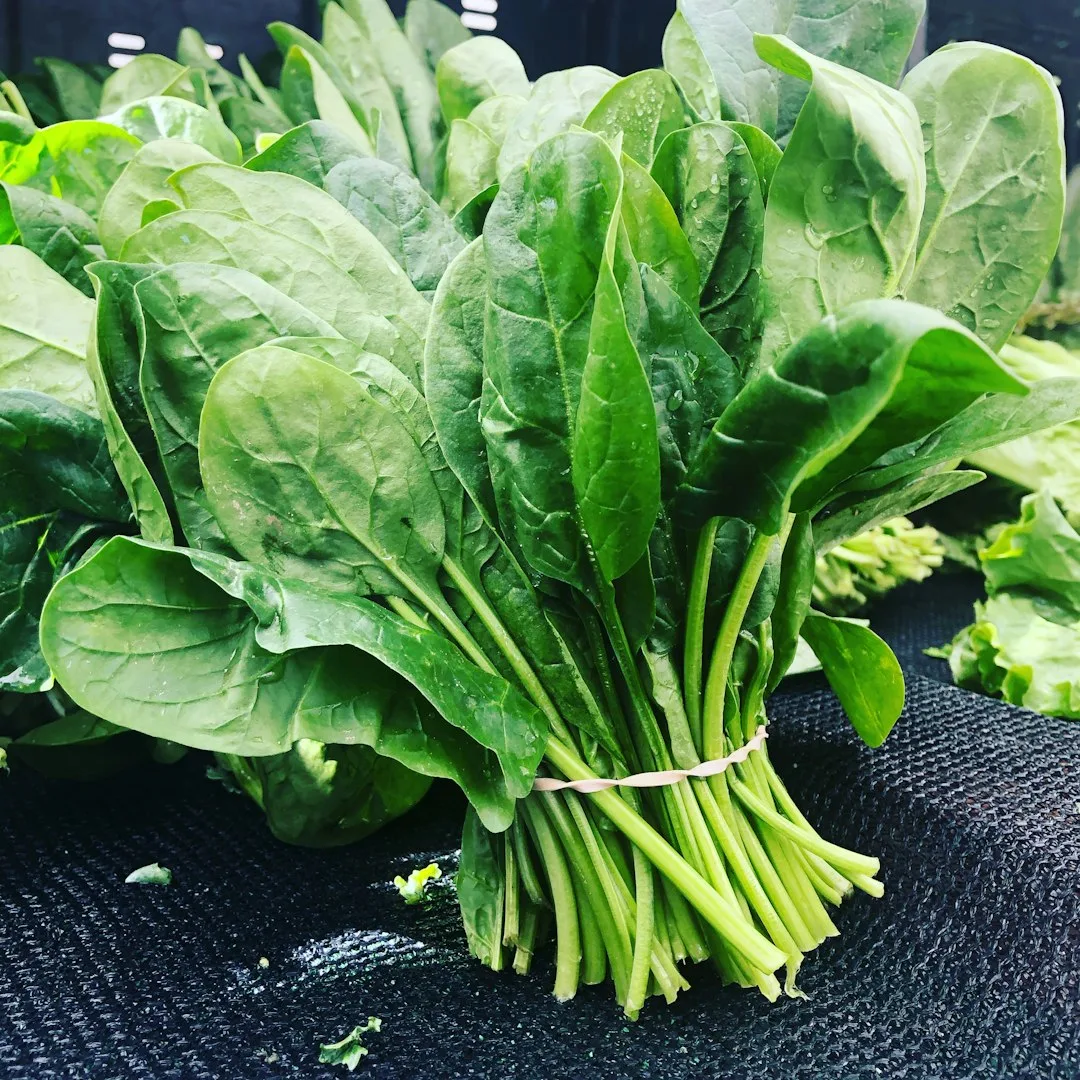
Spinach
Spinach loves cool weather and produces sweet, tender leaves when grown in fall. Because it’s slow to bolt in cold temperatures, you’ll enjoy steady harvests.
Tip: Protect young seedlings with row cover to extend the season and prevent frost damage.