
April 7, 2016
Taking care of your garden brings relaxation — and there’s nothing more rewarding than enjoying it once the work is done. That mindset shaped many of the backyard design trends that emerged in 2016, with homeowners focusing less on excess and more on spaces that feel intentional, calming, and easy to maintain.
Here are the standout backyard design ideas that defined the year — many of which are still relevant today.
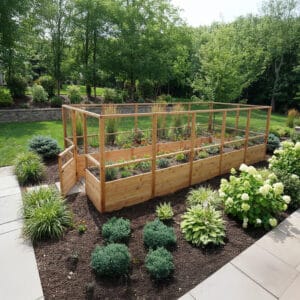
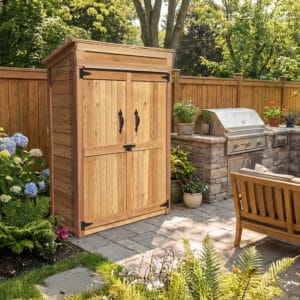
Mainstream Sustainability
Sustainability moved firmly into the mainstream in 2016. Homeowners began designing gardens that looked beautiful while requiring less maintenance, water, and chemical input.
Plant selection became more intentional, favoring:
- Low-maintenance plants
- Multi-season interest
- Edible and functional varieties
Lawns became more natural, with less turf grass and fewer herbicides. Instead of fighting weeds aggressively, gardeners embraced a softer, more organic look.
Hardscaping also evolved. Concrete pavers were often replaced with recycled materials, and water conservation became a key priority. Rainwater harvesting, drought-tolerant plants, and xeriscaping gained popularity as homeowners looked for smarter ways to manage resources.
More Quality, Less Bling
Over-the-top gardens fell out of favor. In their place came a preference for quality materials, subtle details, and natural finishes.
Rather than bold decorative elements, homeowners focused on:
- Interesting edging and textures
- Grasses and shrubs with seasonal movement
- Thoughtful plant layering
Feature walls became a simple way to add personality. A single painted wall — often in warm or earthy tones — acted as outdoor art without overwhelming the space.
Water Features with a Natural Feel
Water features remained popular, but their style shifted. Instead of whimsical fountains, homeowners leaned toward:
- Self-contained water systems
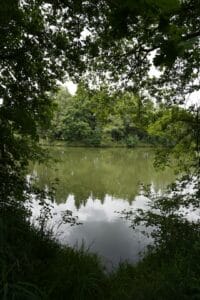
- Natural ponds and streams
- Stone, pebbles, and organic shapes
These features were designed to blend into the landscape, creating a calming soundscape rather than a focal showpiece.

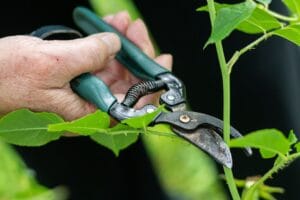
Edible Gardens with Purpose
“Gardening with purpose” became a defining theme. Backyard spaces increasingly served double duty — producing food while enhancing the overall look of the garden.
Blended gardens combined:
- Fruits, vegetables, and herbs
- Ornamentals and pollinator-friendly plants
- Native species
Interest in composting, food preservation, and growing personal ingredients surged. Even unconventional crops like hops and grapes found their way into home gardens.
Indoors Moving Outdoors
Outdoor living spaces became true extensions of the home. Advances in materials made it possible to use furniture, cushions, and accessories outdoors without sacrificing comfort.
Backyards were styled like living rooms, featuring:
- Deep seating
- Soft textiles
- Personalized décor
The goal was to create spaces that felt just as comfortable as indoors — only with fresh air and greenery.
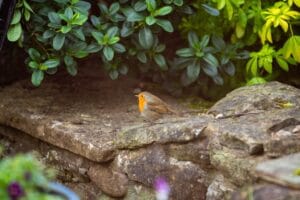
The Birds and the Bees
The grow-your-own movement also encouraged homeowners to support local ecosystems. Backyard chickens and beekeeping gained traction, even in urban settings.
Beyond food production, there was a growing awareness of pollinator decline. Gardens were increasingly designed to support bees, birds, and beneficial insects — making outdoor spaces both productive and environmentally supportive.
The Bottom Line
The key takeaway from backyard design trends in 2016 was simple:
Keep it functional, sustainable, and intentional.
Designing outdoor spaces with purpose — whether for relaxation, food production, or environmental impact — created gardens that felt more meaningful and easier to enjoy long term.
Before adding extras, focus on the core components that make an outdoor kitchen functional and enjoyable.