
March 22, 2017
Turn a daily habit into a simple, natural way to support healthier plants and soil.
Coffee grounds are often tossed away without a second thought, but they can be surprisingly useful in the garden. Rich in nutrients and organic matter, used coffee grounds can help improve soil structure, support composting, and benefit certain plants when applied correctly.
From boosting soil health to deterring pests, these practical ideas show how coffee grounds can be repurposed to support a thriving garden without relying on synthetic chemicals.
Make Your Compost More Nutrient-Rich
Used coffee grounds are an excellent addition to compost piles. They are rich in nitrogen, which helps balance carbon-heavy materials like dried leaves, straw, or cardboard.
When added in moderation, coffee grounds help attract beneficial microorganisms and earthworms that speed up decomposition. Mixing grounds evenly into your compost pile prevents clumping and ensures nutrients are distributed throughout the finished compost.
Fertilize Your Garden Naturally
Because coffee grounds contain nitrogen and trace minerals, they can be used as a natural soil amendment for garden beds. When worked into the soil or composted first, they help replenish nutrients and improve soil texture.
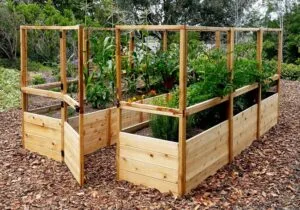
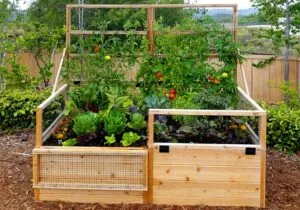
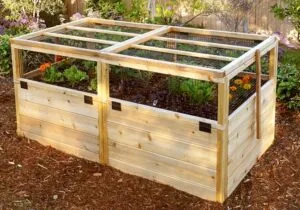
Coffee grounds also help loosen compacted soil and support moisture retention, which is especially helpful in vegetable gardens and raised beds.
Support Acid-Loving Plants
Certain plants thrive in slightly acidic soil, and coffee grounds can help create a more favorable environment for them. Tomatoes, azaleas, rhododendrons, and blueberries often respond well when coffee grounds are added sparingly to the soil.
For best results, soak used coffee grounds in water overnight and use the diluted liquid to water acid-loving plants. This method provides nutrients without overwhelming the soil.
Encourage Healthy Rose Growth
Roses benefit from the nitrogen content and mild acidity found in coffee grounds. When added to compost or lightly mixed into the soil around rose bushes, coffee grounds can help promote lush foliage and strong blooms.
As with any soil amendment, moderation is key. A thin layer worked into the soil is more effective than piling grounds directly on the surface.
Use Coffee Grounds as Organic Mulch
Coffee grounds can act as a light organic mulch when applied correctly. They help retain moisture, reduce weed growth, and protect soil from erosion.
To avoid mold or compaction, apply only a thin layer and mix coffee grounds with other organic materials like leaves or bark mulch. This creates better airflow and prevents the grounds from forming a dense crust.
Help Deter Pets and Garden Pests
The strong scent and texture of coffee grounds can discourage cats from digging in garden beds. Sprinkling used grounds around plants or along garden borders can help keep unwanted visitors away.
Coffee grounds may also help deter slugs and snails when placed around vulnerable plants, providing a natural alternative to chemical pest controls.
Protect Plants From Certain Fungal Issues
Some gardeners use coffee grounds to help reduce the risk of fungal diseases in soil. While they are not a cure-all, the compounds found in coffee grounds may help suppress certain fungi when incorporated into compost or soil.
Healthy soil biology supported by organic matter is one of the best defenses against plant disease.
Influence Hydrangea Color
Hydrangea color is influenced by soil pH. In acidic soil, blooms tend to turn blue, while alkaline soil produces pink flowers.
Adding coffee grounds can help gradually lower soil pH, encouraging blue blooms over time. Consistency and patience are key, as changes happen gradually rather than instantly.
Boost Carrot Growth and Seed Protection
Some gardeners mix dried coffee grounds with carrot seeds before planting. This can help improve seed distribution and may deter pests during early growth stages.
Coffee grounds can also help improve soil texture, allowing carrot roots to grow straighter and more evenly.
Support Vermicomposting Systems
Coffee grounds can be added to vermicomposting bins in small amounts. They provide nitrogen and organic material that worms can process efficiently.
To keep worms healthy, avoid adding large quantities at once and balance coffee grounds with other compostable materials like vegetable scraps and shredded paper.