
January 3, 2024
How School Gardens Support Hands-On Learning and Real-World Skill Development
How school gardens support hands-on learning, stronger engagement, and real-world skill development.
In recent years, educators have been looking for new ways to bring learning outdoors. Studies continue to show that time spent in nature improves student focus, confidence, and overall well-being. Schools are now embracing outdoor education as a meaningful part of the learning experience.
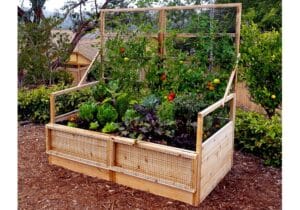
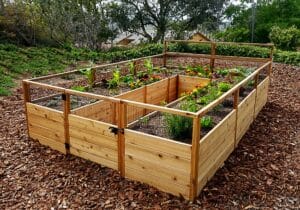
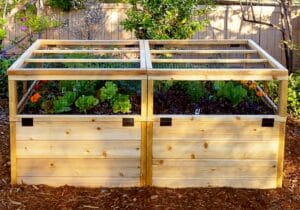
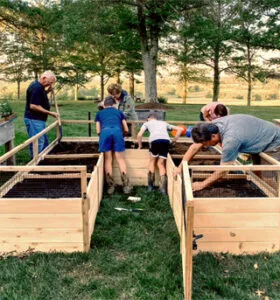
One initiative that has taken off is the use of garden beds in schoolyards. Raised garden beds give students a chance to explore science, food systems, and environmental responsibility in a hands-on way. Outdoor Living Today, a Canadian manufacturer of quality Western Red Cedar garden products, offers durable solutions schools can rely on year after year.
In this guide, we explore the educational benefits of school gardens and walk through a simple process for setting them up.
The Educational Benefits of School Gardens
School gardens offer more than a place to grow vegetables. They give students real-world experiences that traditional classroom lessons cannot always provide. Research by the American Horticultural Society shows that garden-based learning helps improve academic performance, increases physical activity, and enhances social-emotional skills.
Some of the key benefits include:
Stronger Academic Learning
Gardens naturally support core subjects.
- Science and biology come alive when students investigate soil, plant growth, and ecosystems.
- Math skills are reinforced through measuring, spacing plants, and tracking growth data.
- Environmental studies become grounded in real experiences that students can observe daily.
Hands-On, Experiential Learning
Students retain information better when they learn by doing. School gardens encourage curiosity, experimentation, and problem-solving.
Healthy Eating Habits
When students grow their own food, they are more likely to try fresh vegetables and understand where food comes from. A study from Cornell University found that children involved in garden programs were significantly more willing to eat healthy produce.
Social and Emotional Growth
Gardening teaches responsibility, teamwork, patience, and confidence. Students develop a sense of pride when they see the results of their work.
Guide to Setting Up Garden Beds for Schools
Here is a step-by-step guide to help schools launch a garden program smoothly and successfully.
1. Plan and Design
- Identify the ideal location for the garden beds. Consider sunlight, accessibility, water supply, and safety.
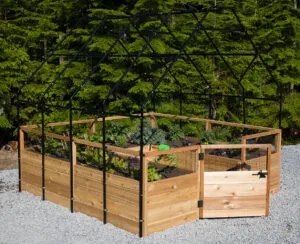
- Choose the number and size of beds based on your available space. Raised garden beds made from Western Red Cedar offer natural resistance to decay and can last for many years outdoors.
- Include teachers, students, and local gardening experts in the planning process to gather ideas and insights.
2. Get Permissions
- Secure necessary approvals from school administrators or district officials.
- Share the garden’s learning benefits with the school community to build excitement and support.
3. Gather Supplies
Your basic supply list may include:
- Raised garden beds
- Soil and compost
- Seeds and seedlings
- Watering tools or an auto-watering system
- Basic gardening tools
Consider collaborating with local businesses or community members who may be willing to donate supplies or sponsor a bed.
4. Integrate the Garden into the Curriculum
Connect gardening activities to your lesson plans.
Examples include:
- Science: plant life cycles
- Math: measuring and spacing
- English: journaling observations
- Environmental studies: sustainability and ecosystems
5. Student Involvement
Let students participate in each stage. Allow them to create planting plans, sketch bed layouts, and share responsibilities. This strengthens ownership and engagement.
6. Plant Selection
Choose plants that grow well in your region and match the season.
Consider mixing vegetables, herbs, and flowers to enrich the learning experience.
7. Provide Learning Resources
Create a small gardening library with children’s books, videos, and worksheets.
Invite local horticulturists or master gardeners for workshops or demonstrations.
8. Maintenance and Care
Establish a routine for watering, weeding, and pest control.
This is a great time to teach students about sustainable gardening practices, soil care, and composting.
9. Harvest and Celebrate
Plan a small harvest celebration to acknowledge the students’ hard work.
Produce can be used in school meals, classroom tastings, or donated to the community.
10. Evaluation and Reflection
Encourage students to reflect on what they learned. Collect feedback from teachers and staff to understand the garden’s impact and opportunities for improvement.

Why Raised Cedar Garden Beds Are Ideal for Schools
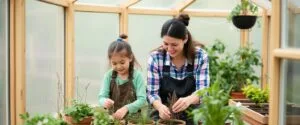
Western Red Cedar is a natural, non-toxic wood that stands up to outdoor weather and is safe for food-growing environments. Its durability reduces long-term maintenance costs, making it a smart investment for schools.
Benefits of cedar for educational gardens include:
- Natural resistance to rot
- Long outdoor lifespan
- No chemical treatment required
- Safe for growing vegetables
- Beautiful, warm appearance that enhances school spaces