May 18, 2023
Everything You Need to Know Before Setting Up Your First Greenhouse
For many gardeners, the growing season feels frustratingly short. Spring arrives late, fall comes early, and unpredictable weather — from heavy rain to surprise frost — can derail even the best-planned garden. Add in pests, poor soil conditions, or limited outdoor space, and it becomes clear why more gardeners are turning to greenhouses.
A greenhouse creates a controlled micro-environment that lets you grow healthier plants, experiment with new varieties, and extend your growing season well beyond what’s possible outdoors. Whether you're nurturing seedlings, growing heat-loving crops, or cultivating year-round herbs, the right greenhouse makes all the difference.
Outdoor Living Today’s Western Red Cedar greenhouses blend sustainability, craftsmanship, and smart design — helping gardeners create thriving plant environments that last for years.
This guide walks you through the essential steps to prepare for greenhouse gardening, so you can grow with confidence — from choosing the right style to managing climate, soil, water, and plant health.

Selecting the Right Greenhouse
What to Consider When Choosing Your Greenhouse
Before you plant your first seed, start by choosing the greenhouse that best supports your gardening goals. Consider your available outdoor space, budget, and the types of plants you plan to grow. This ensures you choose a structure that fits comfortably into your yard and supports the temperature, humidity, and light needs of your plants.
Outdoor Living Today offers a range of greenhouse sizes, including 8×8, 8×12, 12×12, and 12×16 Western Red Cedar Greenhouses and SunShed models. Each provides excellent durability, natural insulation, and timeless beauty.
Site Selection and Preparation
Choosing the right location is just as important as choosing the right greenhouse. This determines how much light your plants receive, how warm the interior becomes, and how efficiently you can maintain your greenhouse year-round.
Tips for Ideal Site Placement
Maximize sunlight exposure: Choose a location that receives full sun, ideally facing south for maximum winter light.
Remove obstacles: Clear away debris, low-hanging branches, or structures that may cast shadows.
Ensure a level foundation: A solid, level base prevents uneven settling and improves long-term structural integrity.
Prevent weed encroachment: Install a weed barrier to stop invasive plants from creeping into your greenhouse base.
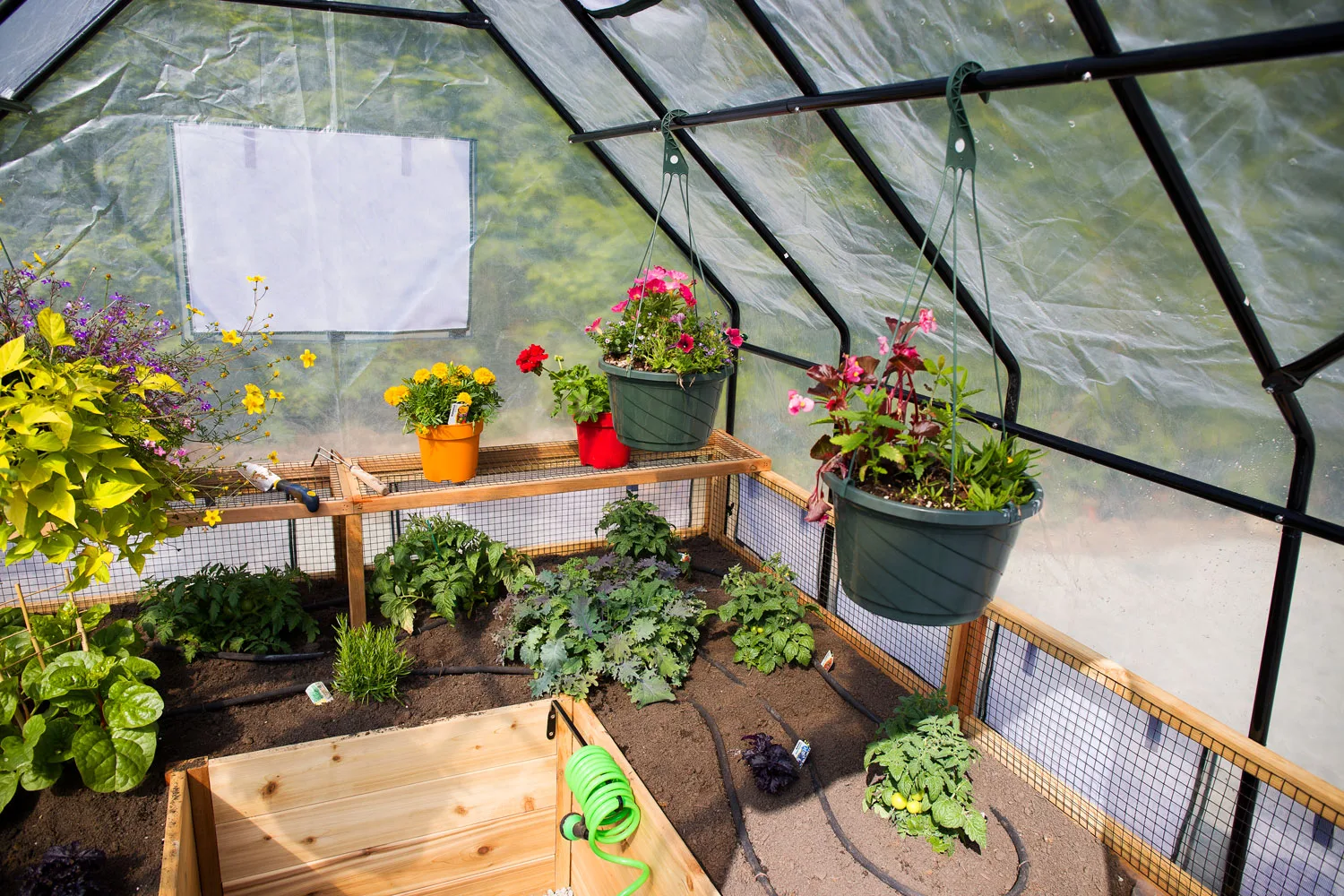
Sustainability: Why Cedar Makes a Difference
Western Red Cedar is one of the most sustainable greenhouse materials available. Harvested from responsibly managed forests in Canada and the United States, cedar has a naturally low environmental impact compared to synthetic or chemically treated materials.
Why Western Red Cedar is the Sustainable Choice
Naturally rot-resistant thanks to its oils (no chemical treatments required)
Long lifespan outdoors, reducing replacement waste
Low density, meaning cedar moves less in fluctuating temperatures
Lower environmental footprint during processing than many alternative materials
Climate Control and Ventilation
Maintaining proper temperature and airflow is the key to greenhouse success. Without ventilation, heat and humidity can quickly build up — stressing plants, inviting pests, and promoting fungal diseases.
Outdoor Living Today’s greenhouses make ventilation easy with adjustable roof vents, allowing gardeners to regulate interior temperatures naturally.
Climate Control Tips
Open vents during hot afternoons to prevent overheating.
Use circulating fans to reduce stagnant air pockets.
Monitor humidity levels — excess moisture can lead to powdery mildew or mold.
Use automatic vent openers for consistent climate control.
Irrigation and Water Management
Greenhouse plants often require more consistent moisture than outdoor plants. However, overwatering is equally dangerous — leading to root rot, fungal issues, or nutrient leaching.
Best Practices for Greenhouse Watering
Use misting nozzles for humidity-loving plants like seedlings.
Consider a rainwater collection system (e.g., barrel kits) for sustainable irrigation.
Ensure proper drainage to prevent standing water and soil saturation.
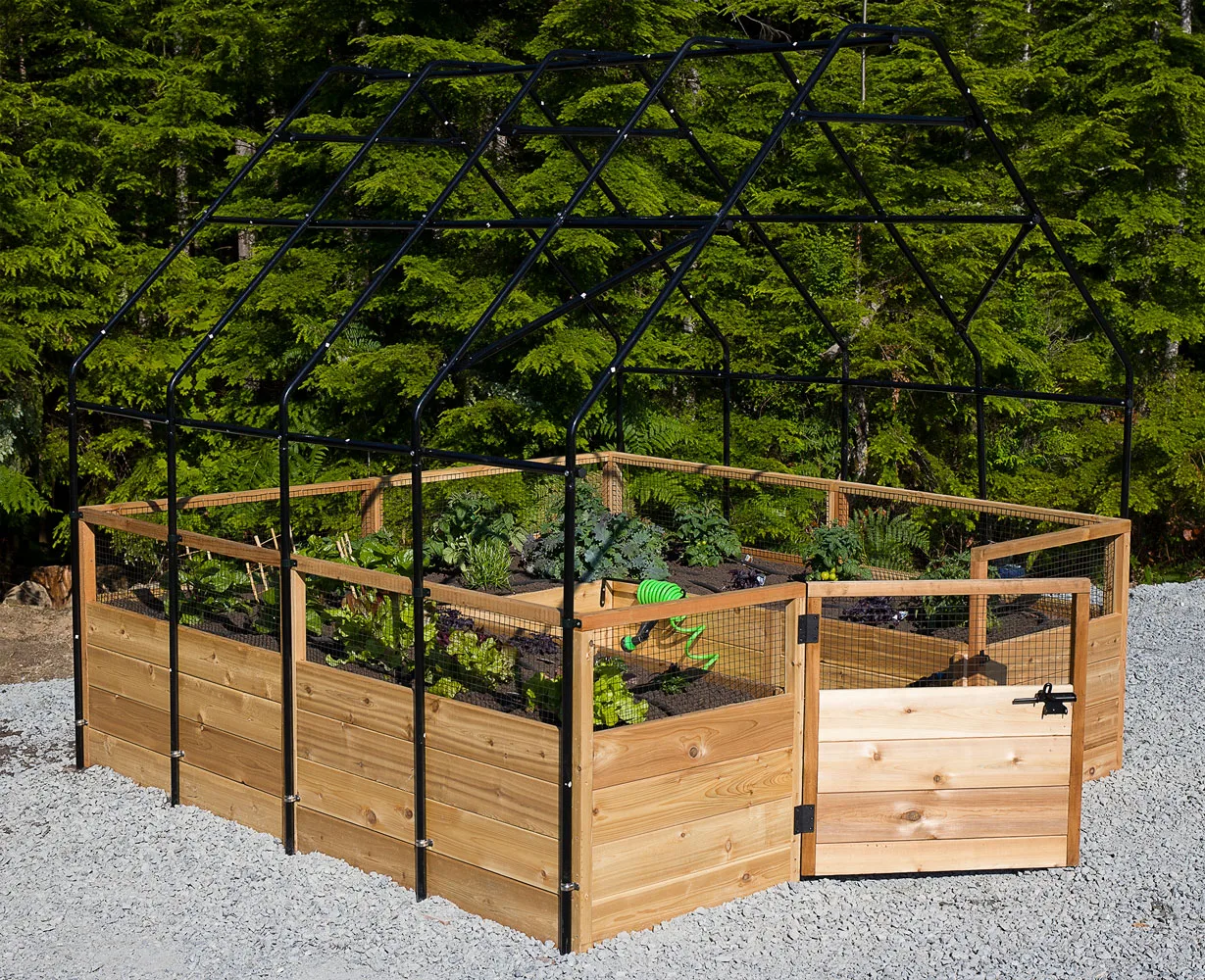
Soil and Plant Selection
Greenhouse plants often require more consistent moisture than outdoor plants. However, overwatering is equally dangerous — leading to root rot, fungal issues, or nutrient leaching.
Choosing the right soil and plants is crucial for greenhouse success. The enclosed environment allows for better growth control — but it also requires that soil quality and plant selection be intentional.
Soil Tips
Use high-quality, well-draining soil enriched with organic matter.
Test soil pH and nutrients periodically to maintain optimal growth conditions.
Ensure soil has enough perlite, compost, and structure to support root systems.
Plant Selection Tips
Choose plants suited for greenhouse growing, including herbs, leafy greens, tomatoes, peppers, cucumbers, citrus, and specialty flowers.
Start seeds indoors in trays and transplant young plants when roots are established.
For quicker results, purchase healthy nursery plants and acclimate them to the greenhouse environment gradually.
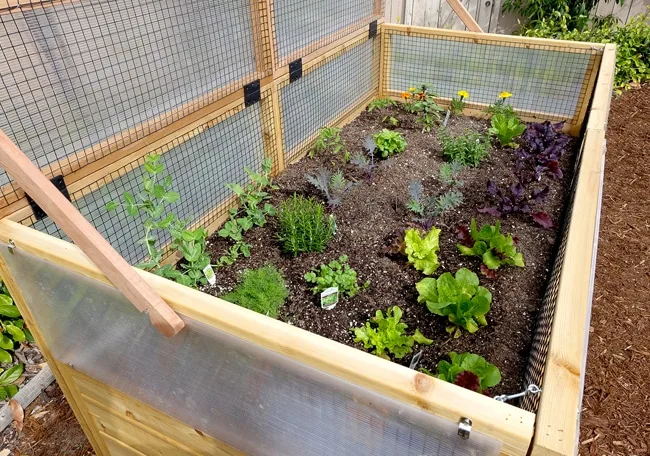
By incorporating a thoughtfully selected and well-prepared greenhouse into your gardening routine, you unlock a world of growing opportunities — from extending your growing season to cultivating healthier, stronger plants year-round.
With Outdoor Living Today’s Western Red Cedar greenhouses, you’re choosing a structure built for durability, sustainability, and long-term performance. Pair that with smart site selection, proper irrigation, balanced soil, and good climate management, and your greenhouse becomes a thriving oasis in every season.
Ready to create your own backyard greenhouse sanctuary?
Explore our full range of cedar greenhouses and start growing with confidence!